The Last Temptation of Christ - crew, film crew
The entire team, the film crew of the film "The Last Temptation of Christ"
The Last Temptation of Christ (1988)
Timing:
2:44 (164 min)

7.211/10
1180
1180

7.362/10
11345
11345

7.5/10
68000
68000
Film crew
Director
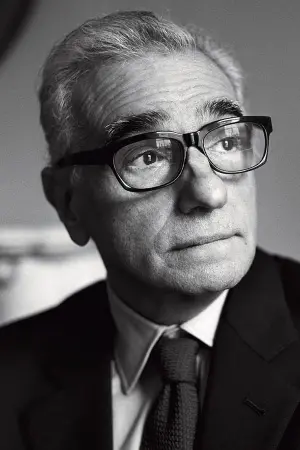
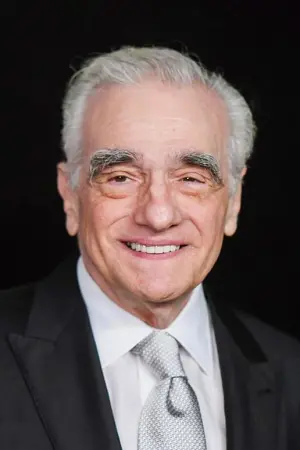
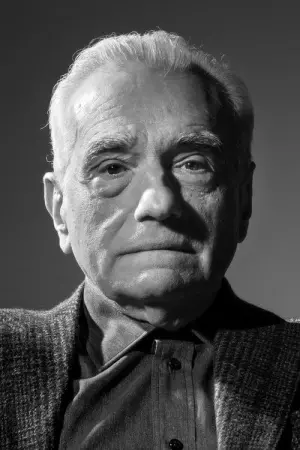
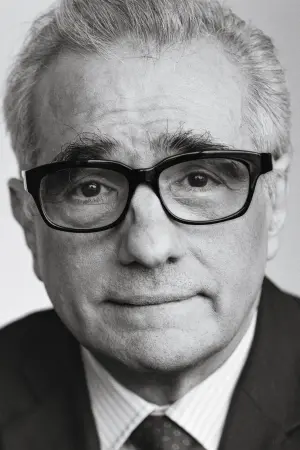
Producer
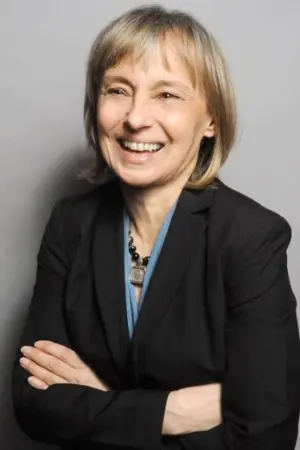
Barbara De Fina
Producer
Executive Producer
Harry J. Ufland
Executive Producer
Writer
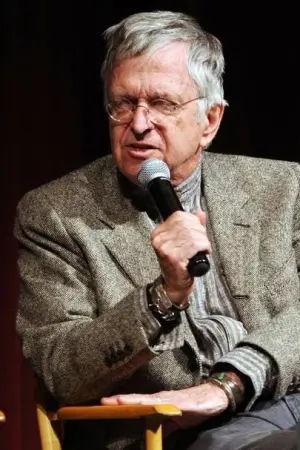
Casting
Cis Corman
Casting
Editor
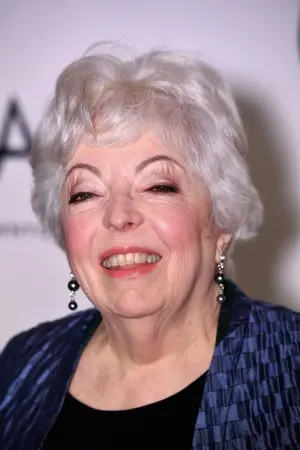
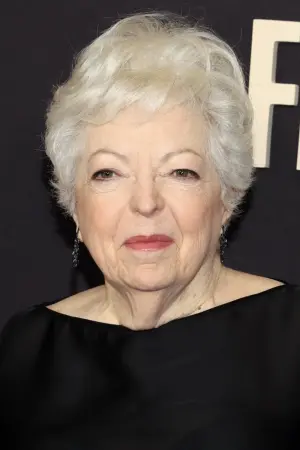
Art Direction
Andrew Sanders
Art Direction
Costume Design
Jean-Pierre Delifer
Costume Design
Stunts
Orlando Ragusa
Stunts
Production Design
John Beard
Production Design
Set Decoration
Giorgio Desideri
Set Decoration
Makeup Artist
Mario Michisanti
Makeup Artist
Luigi Rocchetti
Makeup Artist
Maurizio Silvi
Makeup Artist
Sound Re-Recording Mixer
Tom Fleischman
Sound Re-Recording Mixer
Original Music Composer
Second Assistant Director
Fabio Jephcott
Second Assistant Director
Ahmed Hatimi
Second Assistant Director
Director of Photography
Assistant Art Director
John Frankish
Assistant Art Director
Property Master
Elio Altamura
Property Master
Supervising Sound Editor
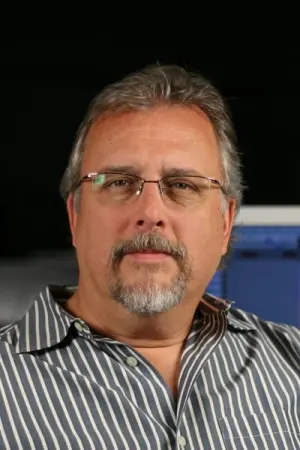
Skip Lievsay
Supervising Sound Editor
Script Supervisor
Rachel Griffiths
Script Supervisor
Supervising Dialogue Editor
Hairstylist
Mirella Ginnoto
Hairstylist
Still Photographer
Mario Tursi
Still Photographer
Sound Mixer
Amelio Verona
Sound Mixer
First Assistant Director
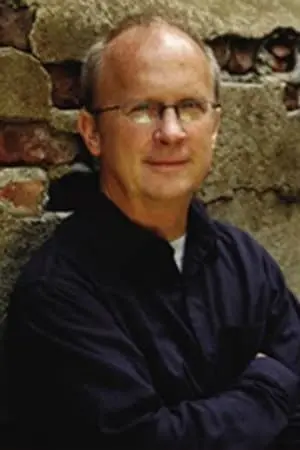
Joseph P. Reidy
First Assistant Director
Production Manager
Laura Fattori
Production Manager
Screenplay
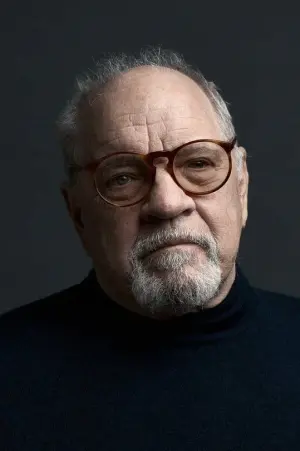
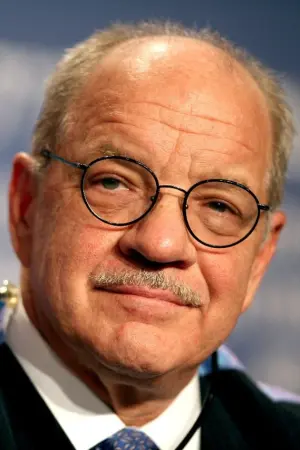
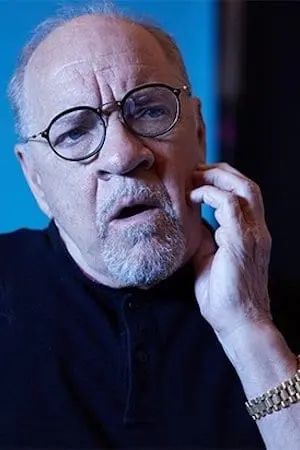
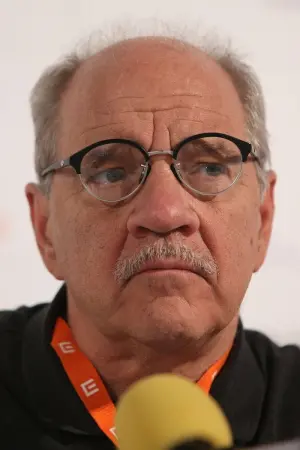
Novel
Nikos Kazantzakis
Novel
First Assistant Editor
Geraldine Peroni
First Assistant Editor
Foley Artist
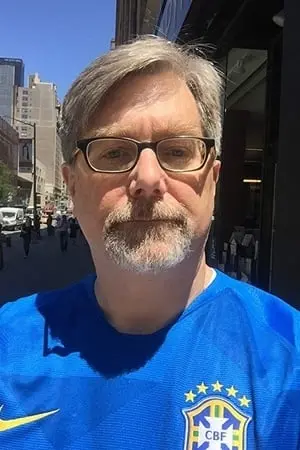
Ron Bochar
Foley Artist
First Assistant Sound Editor
Bruce Pross
First Assistant Sound Editor
Foley Editor
Eliza Paley
Foley Editor
Steven Visscher
Foley Editor
Gail Showalter
Foley Editor
Key Grip
Sergio Serantoni
Key Grip
Assistant Set Decoration
Alberto Tosto
Assistant Set Decoration
Music Supervisor
Todd Kasow
Music Supervisor
Makeup Supervisor
Manlio Rocchetti
Makeup Supervisor
Foley Supervisor
Ron Bochar
Foley Supervisor
Hair Supervisor
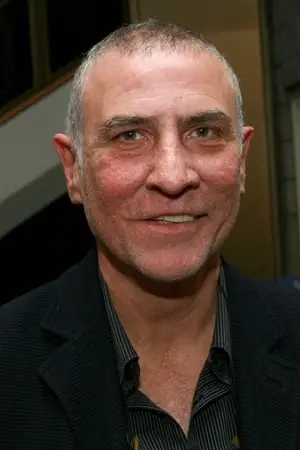
Aldo Signoretti
Hair Supervisor
First Assistant Camera
Florian Ballhaus
First Assistant Camera
Additional Writing
Assistant Makeup Artist
Zhor Bennani
Assistant Makeup Artist
ADR Editor
Lisa J. Levine
ADR Editor
Marc S. Shaw
ADR Editor
Sound Recordist
Douglas Murray
Sound Recordist
Wardrobe Supervisor
Bona Nasalli-Rocca
Wardrobe Supervisor
Sound Editor
Jeffrey Stern
Sound Editor
Thomas A. Gulino
Sound Editor
Additional Casting
Julie Alter
Additional Casting
Hair Assistant
Ferdinando Merolla
Hair Assistant
Zineb Bendoula
Hair Assistant
Claudia Bianchi
Hair Assistant
What's left behind the scenes
- 'The Last Temptation of Christ' is a film adaptation of the novel of the same name by Nikos Kazantzakis.
- The epigraph to the film is a quote from Nikos Kazantzakis: 'The dual nature of Christ – the greatest human desire to know God, a desire so human and at the same time so inhuman… has always been an unfathomable mystery to me. From early youth, my deepest suffering and the source of all my joys and torments has been the ceaseless and relentless battle between spirit and flesh… and my soul has been the arena where these two armies met and clashed.'.
- Scorsese first attempted to film the book back in 1983. Filming of the film, with a budget of around $20 million, began at Paramount Pictures. Aidan Quinn was to play Jesus, Harvey Keitel – Judas, Sting – Pontius Pilate. Hardly started, filming was halted, despite the $3 million already spent. This happened after a series of letters to the film company's management from extremist Christian organizations. The creators of the film were accused of anti-Semitism and attempting to convey their interpretation of the biblical theme with homosexual motives. This story deeply affected the director, and he even considered moving to Europe and switching to documentary filmmaking. In an interview, Scorsese bitterly noted that Hollywood cinema had become completely commercialized and said: 'I hope that someday I will still make 'The Last Temptation…', but not in this country and not with this country's money. That's it. Forget about it. This film has nothing to do with the American film industry.' In 1987, Scorsese began working with a new agent, Michael Ovitz. Ovitz, who enjoyed great authority and connections in the film world, was able to move the project off the ground. For the second time, Scorsese was able to interest Universal Pictures in the script. When one of the studio bosses asked the director why he decided to film a film on such a topic, Scorsese replied that he wanted to better understand the nature of Christ. The company agreed to provide funding for the project, but only on the condition that Scorsese's next film, made for Universal Pictures, would be purely commercial.
- Martin Scorsese strictly forbade smoking on the set, because he himself is asthmatic, and to prevent anyone from photographing the actors and actresses in the guise of biblical characters – this especially applied to Willem Dafoe, who played Jesus, and who smoked incessantly – with a cigarette in his mouth.
- Willem Dafoe couldn't see anything for three days because special eye drops were used on him, which dilated his pupils even in bright sunlight.
- Martin Scorsese first read the novel “The Last Temptation” (1955) by Nikos Kazantzakis (1883-1957) when Barbara Hershey recommended it to him on the set of Scorsese’s second feature film (a 1972 crime melodrama called “Boxcar Bertha”). Years later, after learning that Scorsese was finally going to be able to film it, she called him and practically begged the director to cast her as Mary Magdalene. Scorsese even held a screen test with her, so the actress wouldn't think he was casting her out of gratitude for recommending the source novel many years ago.
- The film’s budget was quite modest, so in the scene in the temple, when it seems like Roman soldiers are approaching Christ from all sides, the same five soldiers were used in all the shots.
- The film’s budget was so tight that they had to save on everything. There weren't enough makeup artists on set, and Barbara Hershey had to fix her own mendhi (henna body art; unlike tattoos, it is a temporary decoration, but lasts much longer than paint, etc.) herself, as it kept smudging under the scorching sun.
- According to Martin Scorsese, the film's final shot was due to chance. Due to some defect, light entered the camera and hit the film, creating a white haze just at the moment of Jesus’s death.
- Based on the real story of bank robber Brenden Abbott and his accomplice Brendan Berichon.
- As an experienced stuntman, Nash Edgerton performed almost all of his own stunts in the chase scene.
- Brenton Thwaites' character moves in criminal circles. In preparation for the role, the actor befriended a man who received a prison sentence at a very young age and spent most of his life behind bars. Thwaites adopted many traits from him.
- "The Last Temptation of Christ" is a film adaptation of the novel of the same name by Nikos Kazantzakis.
- The epigraph to the film is a quote by Nikos Kazantzakis: "The dual nature of Christ—man’s greatest longing to know God, a longing so human and yet so inhuman… has always been a mystery to me. From early youth, my deepest suffering and the source of all my joys and torments has been the ceaseless and merciless battle between spirit and flesh… and my soul has been the arena where these two armies met and clashed."
- Scorsese first attempted to film an adaptation of the book in 1983. Filming began at Paramount Pictures with a budget of around $20 million. Aidan Quinn was to play Jesus, Harvey Keitel as Judas, and Sting as Pontius Pilate. The filming was halted shortly after starting, despite $3 million already being spent. This happened after a series of letters to the film company’s management from extremist Christian organizations. The filmmakers were accused of antisemitism and attempting to present their own interpretation of the biblical theme with homosexual undertones. This story deeply affected the director, and he even considered moving to Europe and switching to documentary filmmaking. In an interview, Scorsese bitterly noted that Hollywood cinema had become completely commercialized, saying: “I hope someday I will still film ‘The Last Temptation…’, but not in this country and not with this country’s money. That’s it. Forget about it. This film has nothing to do with the American film industry.” In 1987, Scorsese began working with a new agent, Michael Ovitz. Ovitz, who enjoyed great authority and connections in the film world, was able to get the project moving again. For the second time, Scorsese managed to interest Universal Pictures in the script. When one of the studio bosses asked the director why he decided to film a movie on such a topic, Scorsese replied that he wanted to better understand the nature of Christ. The company agreed to provide funding for the project, but only on the condition that Scorsese's next film for Universal Pictures would be strictly commercial.
- Martin Scorsese strictly forbade smoking on the set because he himself has asthma, and to prevent anyone from photographing the actors and actresses in the guise of biblical characters – this especially applied to Willem Dafoe, who played Jesus and smoked incessantly – with a cigarette in his mouth.
- Martin Scorsese first read the novel ‘The Last Temptation’ (1955) by Nikos Kazantzakis (1883-1957) when Barbara Hershey recommended the book to him while filming Scorsese’s second feature film (it was the 1972 crime melodrama ‘Boxcar Bertha’). After reading many years later that Scorsese had finally been given the opportunity to film this movie, she called him and literally begged the director to cast her as Mary Magdalene. Scorsese even held a screen test with her so that the actress would not think he was casting her out of gratitude for her recommending the source novel to him many years ago.
Did you like the film?
 Auditions in India
 Casting calls in USA
 Castingi w Polsce
 Кастинги в Україні
