Cinderella - crew, film crew
The entire team, the film crew of the film "Cinderella"
Cinderella (1950)
Timing:
1:14 (74 min)

7/10
7147
7147

8.043/10
119390
119390

7.3/10
170876
170876
Film crew
Director
Wilfred Jackson
Director
Producer
Editor
Donald Halliday
Editor
Original Music Composer
Production Supervisor
Orchestrator
Joseph Dubin
Orchestrator
Animation
Hal King
Animation

George Rowley
Animation
Phil Duncan
Animation
Hal Ambro
Animation
Marvin Woodward
Animation
Ken O'Brien
Animation
Harvey Toombs
Animation
Novel
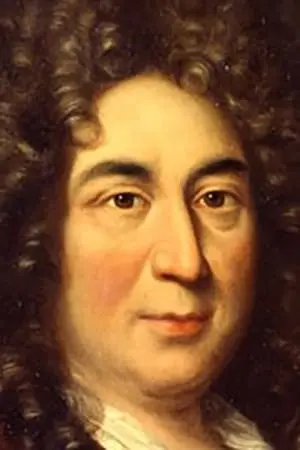
Painter
Sylvia Roemer
Painter
Story
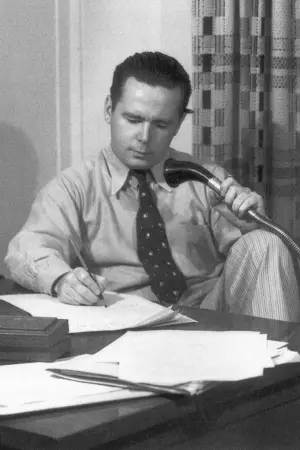
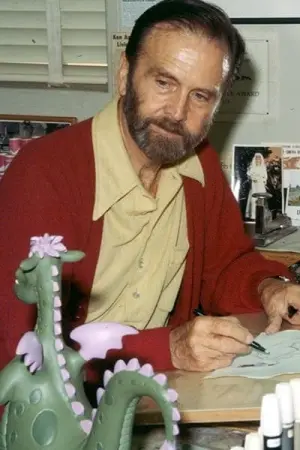
Winston Hibler
Story
Joe Rinaldi
Story
Songs
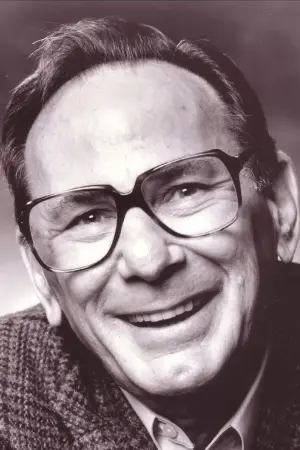
Al Hoffman
Songs
Music Editor
Al Teeter
Music Editor
Visual Effects


Animation Director

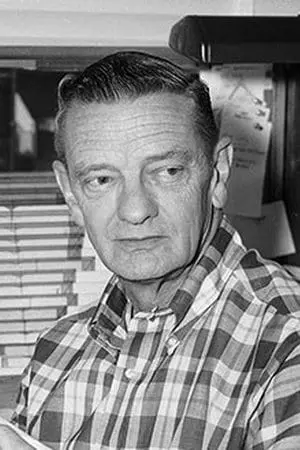
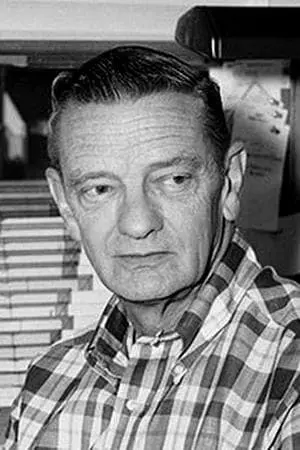
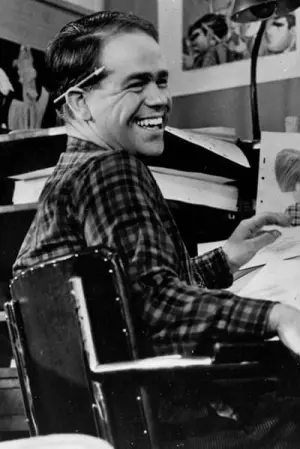
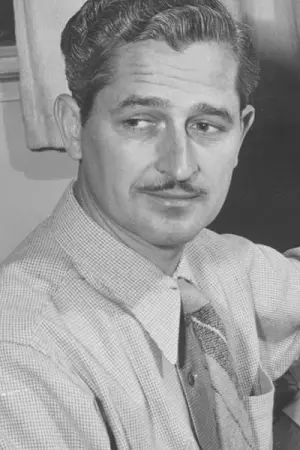
Sound Recordist
Robert O. Cook
Sound Recordist
Harold J. Steck
Sound Recordist
Background Designer
Ray Huffine
Background Designer
Merle Cox
Background Designer
Brice Mack
Background Designer
Art Riley
Background Designer
Dick Anthony
Background Designer
Sound Director
C.O. Slyfield
Sound Director
Layout
Charles Philippi
Layout
Hugh Hennesy
Layout
Lyricist
Al Hoffman
Lyricist
Digital Supervisor
What's left behind the scenes
- During World War II, the production of full-length animated films was suspended (the last one released was 'Bambi' in 1942). By the late 1940s, after several years of making training films and advertisements, funding was restored, and Disney employees decided to choose the story of Cinderella for adaptation as a return to Disney's 'roots'.
- Ilene Woods was chosen from 309 applicants for the role of Cinderella, after demo recordings of several of her songs were presented to Walt Disney. But she had no idea she was auditioning until Disney contacted her; she originally made a recording with a few friends who sent the recording to Disney without telling her a word.
- When Cinderella sings 'Sing, sweet nightengale,' three air bubbles form the ears and head of Mickey Mouse.
- The film is based on the fairy tale of the same name by Charles Perrault.
- Cinderella was the first animated film released after World War II.
- Ingrid Bergman served as the prototype for Cinderella.
- When Cinderella sings "Sing, sweet nightingale," three bubbles form the ears and head of Mickey Mouse.
- Lucifer the cat was modeled after animator Ward Kimball’s cat named Fitzie. While preparing to work on “Cinderella,” Kimball couldn’t decide how to depict the villainous cat for a long time, until one day Walt Disney himself came to his house to discuss some work matters. Throughout the entire conversation between Disney and Kimball, Fitzie persistently rubbed against the guest’s legs, not giving him a moment’s peace. Finally, Disney, who didn’t like cats, exclaimed: “Kimball, that’s a real Lucifer for you!”
- To save money, the animators drew Cinderella’s pumpkin carriage as if floating in the air, because otherwise they would have had to painstakingly draw the rotating wheels in detail.
- When Walt Disney had enough resources in the late 1940s to return to feature-length animation, he couldn't decide whether to release this film or “Alice in Wonderland” first. Ultimately, he organized a competition between the cinematographers working on both projects, to see which film would be better and finished faster. Work on “Cinderella” was completed first, and it was released in 1949, while “Alice in Wonderland” appeared in theaters only in 1951.
- Walt Disney hadn't had any truly significant successes since “Snow White and the Seven Dwarfs” (1937). Walt Disney Productions was on the verge of bankruptcy, and its debts exceeded $4 million. If “Cinderella” based on Charles Perrault’s tale had failed at the box office, the studio would have ended. As a result, “Cinderella” became a real hit in terms of box office receipts, and, according to film critics, the best film since “Snow White,” as well as the first major commercial success since the release of “Song of the South” (1946).
- According to animator Mark Davis, at least 90% of the film was initially shot with actors and miniatures on film, and then traced over. Dancer Ward Ellis served as the model for the prince. Cinderella's carriage was copied from a miniature.
Did you like the film?
 Auditions in India
 Casting calls in USA
 Castingi w Polsce
 Кастинги в Україні
