Rollerball - crew, film crew
The entire team, the film crew of the film "Rollerball"
Rollerball (1975)
Timing:
2:5 (125 min)

6.214/10
497
497

5.992/10
1184
1184

6.5/10
32000
32000
Film crew
Director
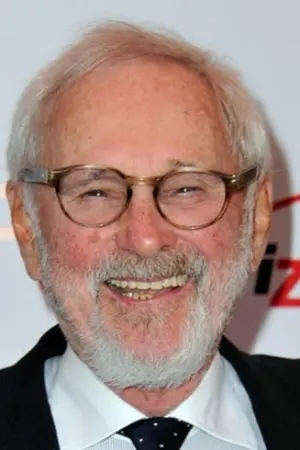
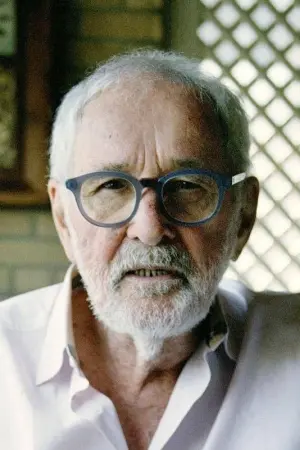
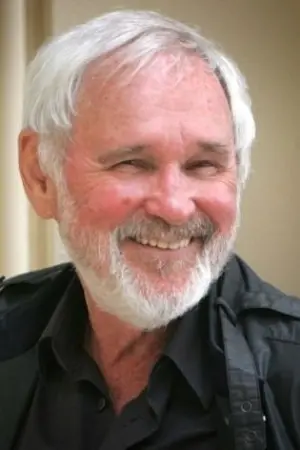
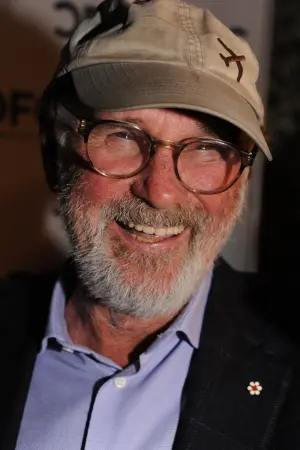
Producer
Editor
Costume Design
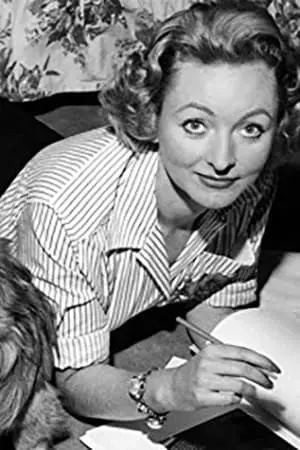
Stunts
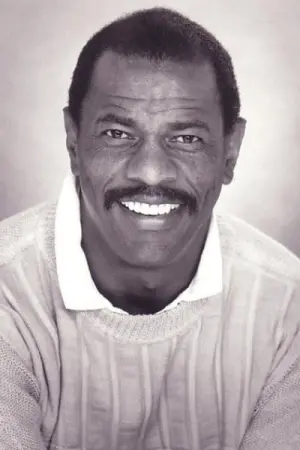
Tony Brubaker
Stunts
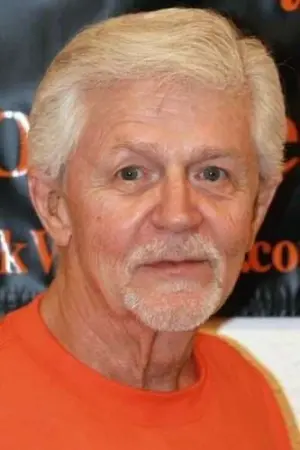
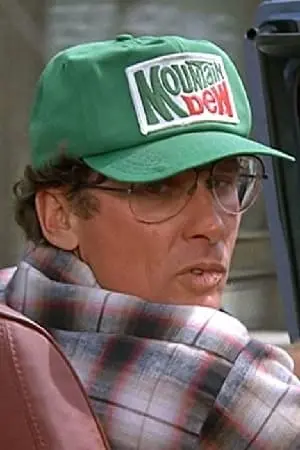
Jimmy Nickerson
Stunts

Chuck Parkison Jr.
Stunts
Production Design
John Box
Production Design
Stunt Coordinator
Max Kleven
Stunt Coordinator
Original Music Composer

Associate Producer
Patrick J. Palmer
Associate Producer
Director of Photography
First Assistant Director
Screenplay
Casting Director
Short Story
What's left behind the scenes
- The film's director, Norman Jewison, cast James Caan in the role of the rollerball champion after seeing him in the TV movie "Brian's Song" (1971), where he convincingly portrayed the famous American football player Brian Piccolo.
- Rollerball was so realistic that the actors, stuntmen, and extras played it during breaks in filming.
- Norman Jewison used certain techniques (frequent use of zoom, classical music, and modern (glass and concrete) architecture) in this film, influenced by Stanley Kubrick's "A Clockwork Orange" (1971).
- Contrary to rumors, no one died during filming.
- This was the first film to credit all stunt performers in the credits. Juiyson was so impressed with their work that he decided to break with the established tradition of keeping the names of the stunt performers off-screen. Juiyson's innovation took hold, and since then, stunt performers have always been credited in the end credits.
- The film is based on a story by William Harrison.
- The film's director, Norman Jewison, cast James Caan in the role of the rollerball champion after seeing him in the television film "The Brian Song" (1971), where he convincingly portrayed the famous American football player Brian Piccolo.
- Norman Jewison employed several techniques in this film – frequent use of zoom, classical music, and modern architecture (made of glass and concrete) – inspired by Stanley Kubrick’s "A Clockwork Orange" (1971).
- This was the first film to credit all stunt performers in the credits. Jewison was so impressed with their work that he decided to break the established tradition of keeping the names of stunt performers off-screen. Jewison's innovation took hold, and stunt performers have been credited in the end credits ever since.
- The game scenes were filmed at the Olympic sports complex in Munich, West Germany. Local residents were invited to attend the games as spectators. Director Norman Jewison hoped to convey the idea that violence is unacceptable with his film, but the audience enjoyed the game so much that, to Jewison's dismay, talk of forming rollerball leagues arose after the film's release.
- Initially, there were concerns about the extras needed for scenes supposedly set in Tokyo. The filmmakers left flyers and invitations to participate in the shooting at local hotels, and on the appointed day, 150 Asians gathered near the set.
- Many of the extras involved in the film were paid extra to cut their long, fashionable hair into short styles. This was necessary to avoid associating the events in the film with the time period in which it was being shot.
- Film director Norman Jewison cast James Caan as the rollerball champion after seeing him in the television film “Brian’s Song” (1971), where he convincingly portrayed the famous American football player Brian Piccolo.
- Rollerball was so realistic that the actors, stunt performers, and extras played it during breaks between filming.
- Norman Jewison employed certain techniques (frequent use of zoom, classical music, and modern architecture made of glass and concrete) in this film, inspired by Stanley Kubrick’s 'A Clockwork Orange' (1971).
- This was the first film to credit all stunt performers in the credits. Jewison was so impressed with their work that he decided to break with the established tradition of keeping the names of stunt performers off-screen. Jewison’s innovation took hold, and stunt performers have been credited in the end credits ever since.
Did you like the film?
 Auditions in India
 Casting calls in USA
 Castingi w Polsce
 Кастинги в Україні
