Rambo III - crew, film crew
The entire team, the film crew of the film "Rambo III"
Rambo III (1988)
Timing:
1:42 (102 min)

6.201/10
3475
3475

5.835/10
65575
65575

5.8/10
148000
148000
Film crew
Director
Producer
Buzz Feitshans
Producer
Executive Producer
Mario Kassar
Executive Producer
Casting
Joy Todd
Casting
Editor
Edward Warschilka
Editor
O. Nicholas Brown
Editor
Andrew London
Editor
James R. Symons
Editor
Art Direction
Adrian Gorton
Art Direction
Alan Cassie
Art Direction
Pier Luigi Basile
Art Direction
Costume Design
Richard La Motte
Costume Design
Stunts
Kenny Bates
Stunts
Freddie Hice
Stunts
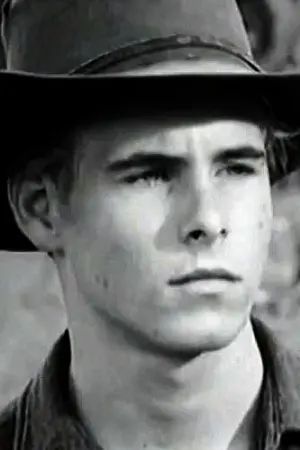
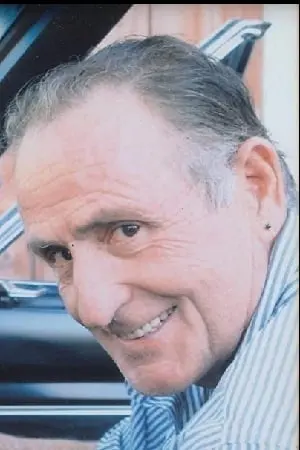
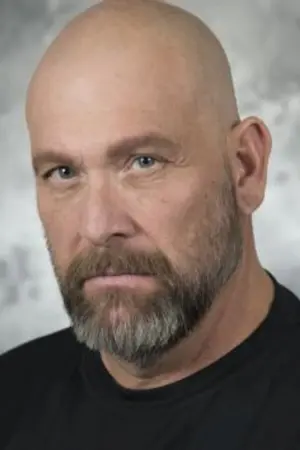
Tom Elliott
Stunts
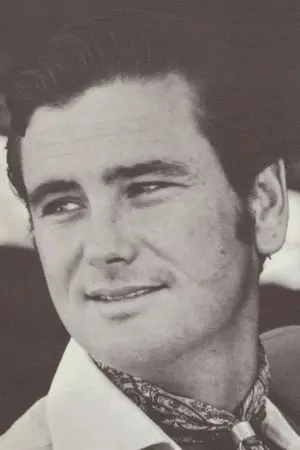
Dave Lowry
Stunts
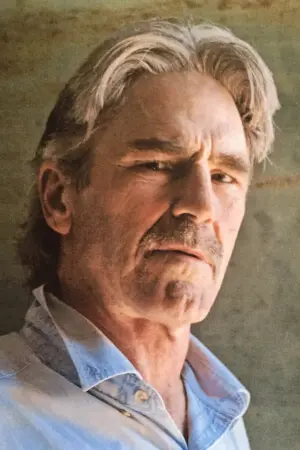
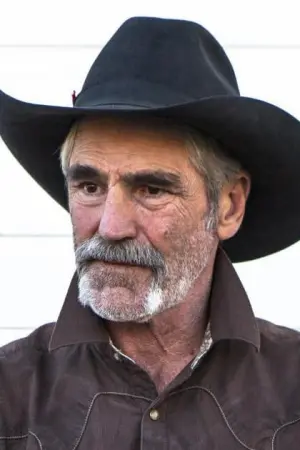
Forrie J. Smith
Stunts
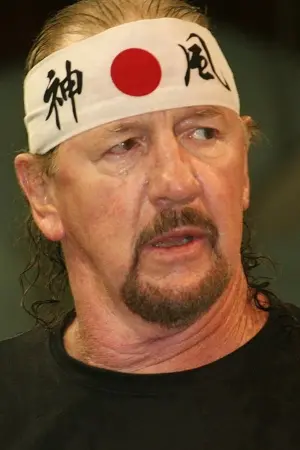
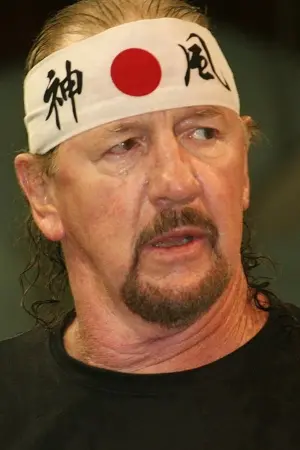
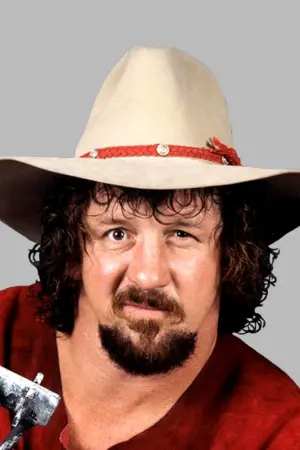
Production Design
Bill Kenney
Production Design
Stunt Coordinator
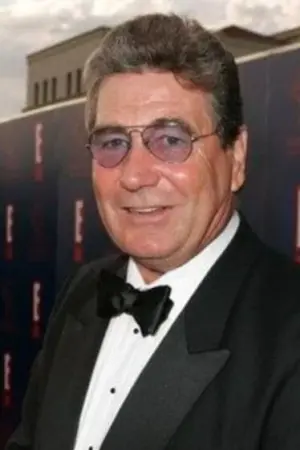
Second Unit Director
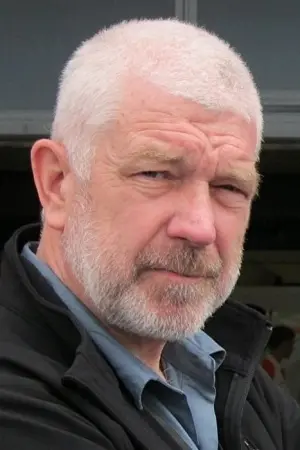
Andy Armstrong
Second Unit Director
Ernest Day
Second Unit Director
Set Decoration
Giorgio Postiglione
Set Decoration
Makeup Artist
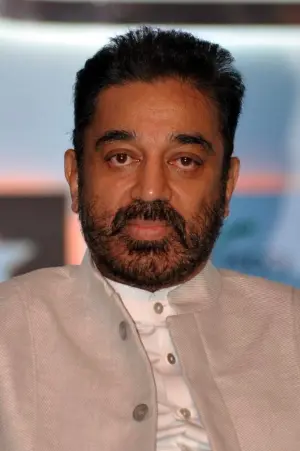
Sound Re-Recording Mixer
Robert J. Litt
Sound Re-Recording Mixer
Original Music Composer
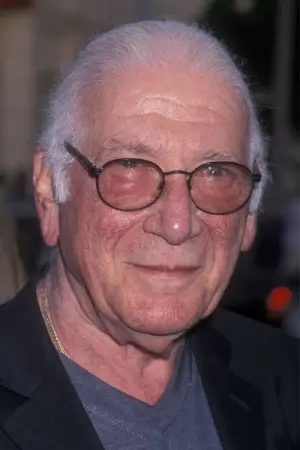
Unit Production Manager
Michael Fuller
Unit Production Manager
Charles Murray
Unit Production Manager
Associate Producer
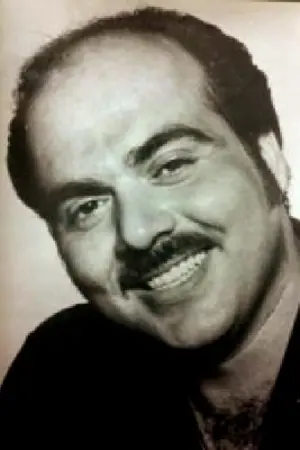
Tony Munafo
Associate Producer
Stunt Double
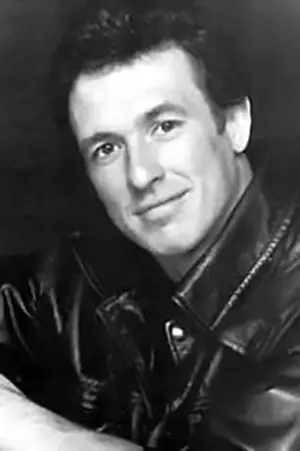
Mark De Alessandro
Stunt Double
Don Charles McGovern
Stunt Double
Utility Stunts
Johnny Hock
Utility Stunts
Director of Photography
John Stanier
Director of Photography
Pilot
Harry Hauss
Pilot
Charles Bella
Pilot
Yoav Peled
Pilot
Roy Matthews
Pilot
Camera Operator
Moshe Levin
Camera Operator
Timothy E. Wade
Camera Operator
John Campbell
Camera Operator
Louis H. Lavelly
Camera Operator
Property Master
Mark Rich
Property Master
Sam Moore
Property Master
Visual Effects Supervisor
William Mesa
Visual Effects Supervisor
Supervising Sound Editor
Fred J. Brown
Supervising Sound Editor
Script Supervisor
Ronit Ravich-Boss
Script Supervisor
Hairstylist
Donna Barrett Gilbert
Hairstylist
Still Photographer
Yoni Hamenachem
Still Photographer
Dave Friedman
Still Photographer
Sound Mixer
William B. Kaplan
Sound Mixer
Eli Yarkoni
Sound Mixer
Armorer
Tony Didio Jr.
Armorer
Syd Stembridge
Armorer
First Assistant Director
Terry Needham
First Assistant Director
L. Andrew Stone
First Assistant Director
Production Manager
Terry Collis
Production Manager
Boom Operator
Earl Sampson
Boom Operator
Yossi Yarkoni
Boom Operator
Screenplay

Set Designer
Greg Papalia
Set Designer
Foley Artist
Evelyn Dutton
Foley Artist
Ross Taylor
Foley Artist
Propmaker
Frank Leasure
Propmaker
Construction Coordinator
Larry Verne
Construction Coordinator
Assistant Editor
Eric Whitfield
Assistant Editor
Adam Wolfe
Assistant Editor
Barbara J. Boguski
Assistant Editor
Rick Meyer
Assistant Editor
Susan Godfrey
Assistant Editor
Ron S. Herbes
Assistant Editor
Jacque Toberen
Assistant Editor
Scott Arundale
Assistant Editor
Robert Rootenberg
Assistant Editor
Props
Howard Fannon
Props
Panyawadee Sangchai
Props
Carlo Postiglione
Props
Ron Reedy
Props
Key Grip
Tony Rowland
Key Grip
Bob Rose
Key Grip
Itzik Ben-Aroya
Key Grip
Jacob Bukman
Key Grip
Grip
Michael T. Travers
Grip
Moshe Bukman
Grip
Assistant Property Master
John Sweeney
Assistant Property Master
Seamstress
Carol Fisher-Mann
Seamstress
Special Effects
Thomas L. Fisher
Special Effects
Characters
Special Effects Makeup Artist
Gaffer
Danny ben Menahem
Gaffer
Music Editor
Kenneth Hall
Music Editor
Michael Dittrick
Music Editor
Focus Puller
Rami Siman-Tov
Focus Puller
Storyboard Artist
Production Coordinator
Delia Circelli
Production Coordinator
Sound
Steve Bartlett
Sound
ADR Editor
Lucy Coldsnow-Smith
ADR Editor
Constance A. Kazmer
ADR Editor
Lauren Palmer
ADR Editor
Best Boy Electric
Yuda Tatarko
Best Boy Electric
Security
Mike De Luca
Security
Second Assistant Camera
Gerard Jakubowicz
Second Assistant Camera
Assistant Sound Editor
Shelley Brown
Assistant Sound Editor
Michelle Pleis
Assistant Sound Editor
Christy Richmond
Assistant Sound Editor
Second Unit First Assistant Director
Michael Stevenson
Second Unit First Assistant Director
Title Designer
Wayne Fitzgerald
Title Designer
Sound Editor
Victoria Rose Sampson
Sound Editor
Rodger Pardee
Sound Editor
Solange S. Schwalbe
Sound Editor
Linda Folk
Sound Editor
Michele Sharp
Sound Editor
Lorane Mitchell
Sound Editor
Clapper Loader
Bob Bridges
Clapper Loader
Martial Arts Choreographer
Assistant Camera
Sidney Sidell
Assistant Camera
What's left behind the scenes
- Russell Mulcahy initially started working on the film, but he left the project due to creative differences. He was replaced by Peter MacDonald.
- The horse ridden by John Rambo later appeared in the film "Indiana Jones and the Last Crusade" (1989), where Indiana Jones rode it.
- In the 1990 Guinness Book of World Records, this film was named the most violent in history, as it contains 221 acts of violence and over 108 deaths.
- At the time of its release, the film was the most expensive ever made.
- British killer and psychopath Michael Ryan, who killed 16 and wounded 14 people, claimed that the John Rambo film series inspired his killings.
- The film was banned from release in the USSR due to its strongly expressed anti-Soviet orientation.
- The famous 'Rambo knife' was created by designer Gil Hibben, and in this film, the knife differs significantly from its counterparts in previous films.
- The Mi-24 'plays the role' of a retouched French SA330 PUMA helicopter. The second 'Soviet' helicopter is the SA 341/2 'Gazelle'.
- In the original, Colonel Zaytsev is named Zaysin. However, all domestic translators 'renamed' him Zaytsev.
- Soviet military equipment is represented by an American M3 half-track armored personnel carrier from World War II, Alvis FV603 Saracen armored vehicles, BRDM-2, BTR-60, UAZ-469 and Daimler Ferret Scout Car MkI vehicles, ZIL-157, GMC M-135, AIL M-325[4] army trucks, a 'Shilka' self-propelled anti-aircraft gun, a T-55 tank, and an unidentified tank resembling an American M26 'Pershing'. Soviet aircraft patrolling the border with Pakistan are represented by F-15s. Soviet Army helicopters are presented in two variations: medium and heavy. Both are of French manufacture. One is presented as an Mi-24 and bears a remote resemblance to the original. It is additionally equipped with a Browning Arms Company machine gun for the side gunner. An American M203 grenade launcher and a reflex sight are mounted on the AKS and AKM rifles. In one scene, a Soviet machine gunner fires an English 'Lewis' machine gun from 1916.
- In this film, Colonel Trautman speaks with a French accent.
- Some DVD releases include an alternate ending where Rambo remains in Afghanistan to help the Mujahideen. Additionally, several deleted scenes were not included in the final version of the film.
- This is the last film in the Rambo series in which Richard Crenna plays the role of Colonel Trautman.
- The film differs from the book in several ways: In the film, unlike the book, Rambo does not regularly utter the name of Buddha, expressing commitment to a new religion. In the market battle scene, Rambo only knocks down his opponent. The book depicts a much more brutal fight, with the defeated fighter left in a pool of his own blood. Trautman finds Rambo at a monastery after the fight, whereas in the book this occurs in a Bangkok foundry, where the protagonist is also working with metal sheets. In the book, the primary reason for the operation in Afghanistan was the search for a missing journalist, a detail that was changed for the film. The book features an argument between Trautman and Briggs about the fate of the mission entrusted to the colonel, a scene absent from the film. In the film, a CIA agent informs Rambo about Trautman's disappearance. In the book, the protagonist goes to the embassy wanting to learn his friend's fate and practically fights his way to the diplomat deep within the building. On the way to Afghanistan, the film omits a horrific sandstorm from which the caravan, including Rambo, seeks shelter. The scene where Musa calls Rambo a tourist and asks about his military experience is missing from the book. During the first skirmish with the Russians, Rambo destroys two helicopters near an Afghan village. The film shows only one combat vehicle being destroyed. The helicopter battle and the destruction of the village occur after Rambo meets the Afghans in the film. In the book, they even mistake him for a Russian and want to kill him. The Afghan soldiers are portrayed as more lenient in the film than in the book, where they fiercely attacked and literally tore apart captured Russian soldiers. In the film, Trautman is simply badly beaten. In the book, his teeth are knocked out, and he lies in a pool of his own blood in a cell for some time. He is then shot in the shoulder during his escape. Rambo carries him, as the colonel teeters between life and death. In the cave after the escape, Rambo gives his blood for a transfusion to Trautman, a scene that doesn't appear in the film. The film includes a Russian deserter who is already at the Mujahideen base before Rambo arrives. This character is absent from the book, which instead features a prisoner of war, Andreyev. It is he who informs Rambo about the power dynamics at the base, and they infiltrate the fort together. Andreyev only later reveals he wants to join the fighting Muslims. The film completely omits the character of Major Azov, Zaysen's deputy, who constantly doubts the war and his commander's orders. In one scene in the book, he even fails to shoot at the fleeing Rambo, claiming he missed. In the film, Rambo infiltrates the fortress twice. In the book, he rescues his friend Trautman on the first attempt. The female character Michelle is completely absent from the film. The film lacks a scene where, during a fight with Russian forces, Rambo triggers an avalanche on the enemy with a grenade launcher. The film shows only sand. In the book, Zaysen also dies at the hands of Rambo, but less spectacularly—while attempting to escape. Rambo catches up to him on horseback and kills him with a blow to the head with an axe. The character Hamid from the film is absent from the book. In the film, Rambo kills Sergeant Kurov by hoisting him up with a helicopter cable and detonating a grenade, while in the book he remains alive and defects to the Mujahideen, feeling betrayed by the Soviet government.
- The T-72 tank (presumably the tank they were trying to depict in the film) cannot be operated by one person acting as both driver and gunner (they are in isolated compartments). Furthermore, tanks of this model were not used in Afghanistan.
- During the final battle, Zaytsev in a helicopter attempts to destroy the tank captured by Rambo using unguided rockets and autocannons, despite his alleged Mi-24 being equipped with at least 4 anti-tank guided missiles. In a real combat situation, a single tank, or a tank platoon without cover from air defense and aviation, would be easy prey for a combat helicopter (such as the Mi-24), as its only means of defense is a heavy machine gun mounted on the turret, which is often ineffective due to its limited engagement range.
- In Colonel Zaytsev’s office, an entire issue of the 'Pravda' newspaper and a portrait of Lenin are pinned to the wall. The Soviet soldiers are dressed in uniforms that only remotely resemble real ones. Colonel Zaytsev's epaulettes bear 'small' lieutenant stars.
- Zaytsev, as the operation commander, pilots the 'Mi-24' himself.
- In the final battle, a Soviet tank (presented as a T-72) fires armor-piercing shells at Afghan cavalry. The Mujahideen stop the tank with a Molotov cocktail and a 50mm mortar shell. However, immediately afterwards, after shooting the three-man crew, Rambo gets into the damaged tank and continues fighting as if nothing had happened.
- On the Soviet flag at the Soviet base, the hammer and sickle are located in the center, not in the corner near the flagpole.
- In some scenes, Soviet soldiers are inexplicably wearing black berets of the naval infantry.
- In the scene of the final surrender, Trautman holds a Hungarian clone of the AKM – the AMD-65, which was never used by the Soviet army.
- During the fight scene with the Soviet special forces soldier near the vertical entrance/exit to the caves, when John Rambo pulls the pin ring from the F-1 grenade hanging on the soldier’s chest, a clearly fake detonator with a permanently attached safety lever is visible – a lever that, as it should be, is not connected to the pin through a hole in the detonator.
- In the scene where Rambo and the prisoners crash in a helicopter, the helicopter burns to the ground in seconds while Rambo is talking to the prisoners.
Did you like the film?
 Auditions in India
 Casting calls in USA
 Castingi w Polsce
 Кастинги в Україні
