Saving Mr. Banks - crew, film crew
The entire team, the film crew of the film "Saving Mr. Banks"
Saving Mr. Banks (2013)
Timing:
2:6 (126 min)

7.343/10
3433
3433

7.659/10
54444
54444

7.5/10
175000
175000
Film crew
Director
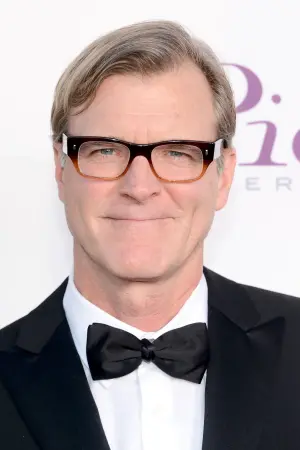
Producer
Philip Steuer
Producer
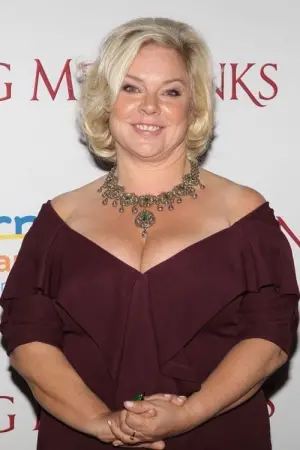
Alison Owen
Producer
Ian Collie
Producer
Executive Producer
Andrew Mason
Executive Producer
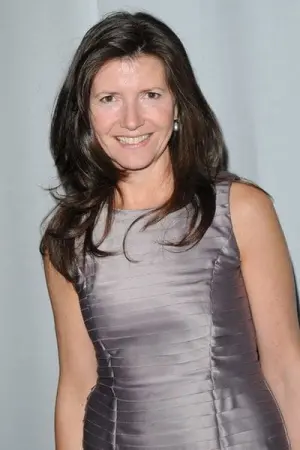
Christine Langan
Executive Producer
Paul Trijbits
Executive Producer
Troy Lum
Executive Producer
Writer
Sue Smith
Writer
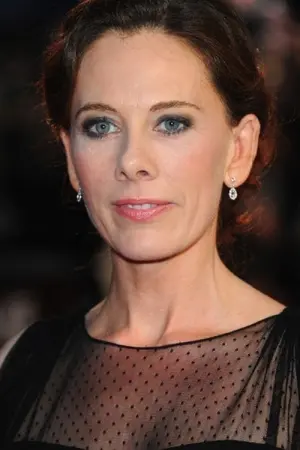
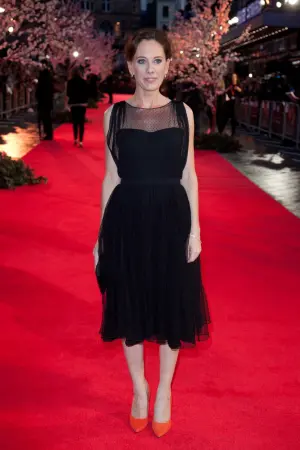
Kelly Marcel
Writer
Editor
Mark Livolsi
Editor
Art Direction
Lauren E. Polizzi
Art Direction
Costume Design
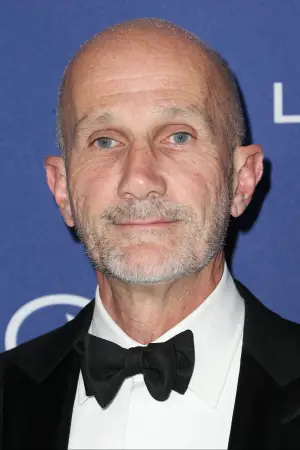
Production Design
Michael Corenblith
Production Design
Set Decoration
Susan Benjamin
Set Decoration
Key Makeup Artist
Kate Biscoe
Key Makeup Artist
Original Music Composer
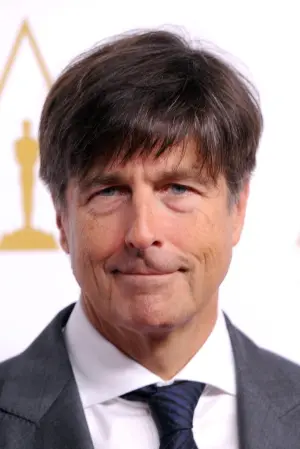
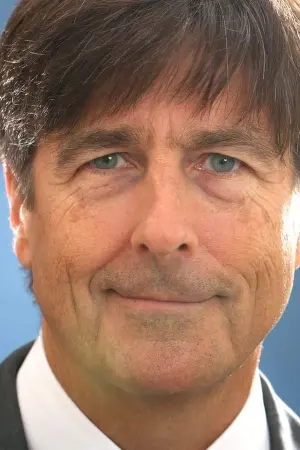
Unit Production Manager
Philip Steuer
Unit Production Manager
Co-Producer
K.C. Hodenfield
Co-Producer
Second Assistant Director
Jeff Okabayashi
Second Assistant Director
Director of Photography
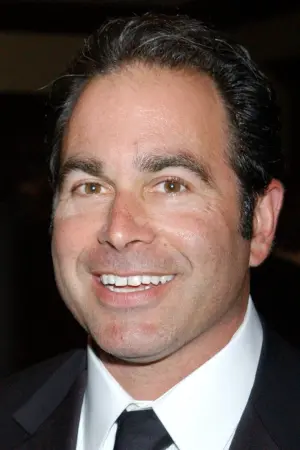
John Schwartzman
Director of Photography
Visual Effects Supervisor
Vincent Cirelli
Visual Effects Supervisor
Simon Mowbray
Visual Effects Supervisor
Supervising Sound Editor
Jon Johnson
Supervising Sound Editor
Hair Department Head
Frances Mathias
Hair Department Head
Supervising Dialogue Editor
Vanessa Lapato
Supervising Dialogue Editor
Special Effects Coordinator
J.D. Schwalm
Special Effects Coordinator
Digital Effects Supervisor
Sound Mixer
John Pritchett
Sound Mixer
Visual Effects Producer
Steven Swanson
Visual Effects Producer
Lauren Miyake
Visual Effects Producer
First Assistant Director
K.C. Hodenfield
First Assistant Director
Thanks
Valerie Lawson
Thanks
Set Designer
Sally Thornton
Set Designer
Stephen Christensen
Set Designer
Lorrie Campbell
Set Designer
Additional Director of Photography
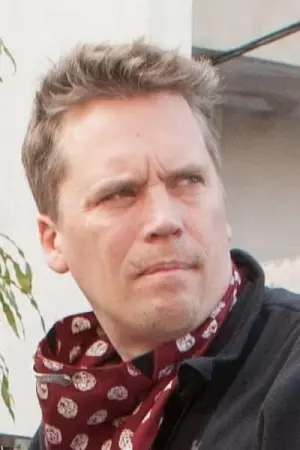
Ben Smithard
Additional Director of Photography
Key Hair Stylist
Catherine Childers
Key Hair Stylist
Music Supervisor
Matthew Rush Sullivan
Music Supervisor
Hair Designer
Frances Mathias
Hair Designer
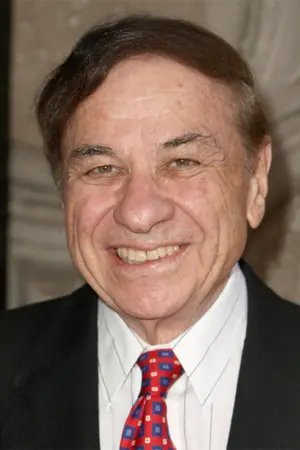
Songs
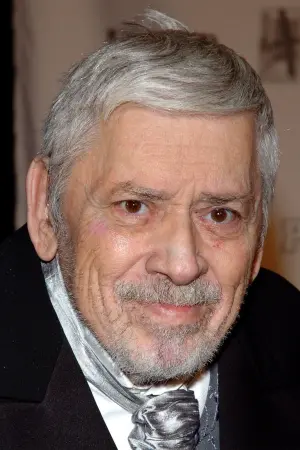
In Memory Of
Peter Ronald Owen
In Memory Of
Daniel D. Harris
In Memory Of
Casting Director
Supervising Music Editor
Bill Bernstein
Supervising Music Editor
Choreographer
Mary Ann Kellogg
Choreographer
Dialect Coach
Jessica Drake
Dialect Coach
Production Executive
Tina L. Newman
Production Executive
Music Consultant
What's left behind the scenes
- This is the first film from Walt Disney Studios to feature a character of Walt Disney himself.
- To prepare for the role, Tom Hanks visited the Walt Disney Museum in San Francisco several times and spoke with some of Disney's relatives, including the famous animator's daughter, Diane Disney.
- The father of "Mary Poppins" author P.L. Travers was a banker. He served as the prototype for one of the main characters in her book – Mr. Banks. It is to him that the fictional nanny comes to the rescue.
- To achieve an even greater resemblance to her character, P.L. Travers, the author of "Mary Poppins", actress Emma Thompson obediently allowed herself to have a perm, forgoing a wig. Tom Hanks, in turn, grew his own mustache to more closely resemble Walt Disney.
- Actor Jason Schwartzman is 32 years old – exactly the same age as his character, Richard Sherman, was in 1961 when this story took place. Actors B.J. Novak and Robert B. Sherman were also "the same age" in 1961 – they were 34.
- The film was shot almost entirely in Los Angeles. Key locations included Disneyland in Anaheim; the TCL Chinese Theatre (formerly Grauman’s Chinese Theatre) in Hollywood (where the film "Mary Poppins" premiered in 1964); the Walt Disney Studios lot in Burbank, which has been operating since 1939 (the 1964 film was shot entirely on this lot); and the 40 square kilometer Big Sky Ranch in Simi Valley, which replicated the Australian landscape of the early 20th century.
- While on a scouting trip to Australia, director John Lee Hancock and producer Alison Owen visited Maryborough, Queensland. This town was where Pamela Travers spent her childhood.
- While working on the film, the filmmakers gained access to a unique source: the Walt Disney Family Museum in San Francisco. The museum was opened in October 2009 by Walt’s daughter, Diane Disney, and his grandson, Walter Elias Disney Miller. The exhibition is managed by the Walt Disney Family Foundation, a non-profit organization. Covering an area of over 3,700 square meters, it houses samples of cutting-edge technology, historical materials, and artifacts documenting Disney’s achievements.
- Since Colin Farrell, who played Pamela Travers’ father, only filmed scenes for the Australian flashbacks, he did not have the opportunity to meet the other actors playing characters in 1961.
- Richard M. Sherman, who, along with his brother Robert, wrote the songs for the film "Mary Poppins" (1964), served as a consultant on the making of "Saving Mr. Banks" (2013). His stories about the time period depicted in the film were truly invaluable to both the actors and the crew. He recalls that Walt Disney particularly loved the song "Feed the Birds." The maestro appreciated the song’s core idea – that giving love isn’t so difficult. Disney frequently called the Sherman Brothers, asking them to come by and sing the song again. They would go to his office and put on an impromptu concert. Eventually, this ritual repeated almost every Friday.
- The actors and crew were given the opportunity to listen to approximately six hours of audio recordings of meetings between P.L. Travers and the crew of the original "Mary Poppins" (1964) film, provided by The Walt Disney Studios archive. The negotiations were recorded from April 5th to 10th, 1961. The recordings clearly reveal the author’s categorical judgments and suggestions. Her interlocutors included songwriters Richard M. Sherman and Robert B. Sherman, screenwriter Don DaGradi, and the studio’s head of story development, Bill Dover (who was also responsible for arranging Travers’s trip to America).
- After receiving the film’s script, Disney representatives retrieved over 500 pages of various documents from the archive – ranging from initial storyboards and the screenplay to correspondence between key members of the film crew.
- Recreating the pavilion of The Walt Disney Studios, Disneyland park, and the premiere of "Mary Poppins" (1964) at Grauman’s Chinese Theatre, which took place in the early 1960s, the film crew reviewed over 500 photographs stored in The Walt Disney Studios photo archive (part of the Walt Disney archives). The photographs captured corridors and offices of the building, the amusement park from various angles, and aerial photography.
- The film’s art directors visited the "Treasures from the Walt Disney Archives" exhibition at the Ronald Reagan Presidential Library and Museum. Among other exhibits, it featured elements of office furniture from that era. The art directors measured and photographed all the interior items in order to recreate exact replicas, including Walt Disney’s desk, side tables, and bookshelves. Archive staff even provided the art directors with the signage from that time that had been displayed in the Disney Studio premises. The same signage adorned the corridors in the film. The film’s decorators were also able to carefully study photographs of Walt Disney’s official and home offices as they were in the 1960s. The founder of the Walt Disney Archives provided precise measurements of each piece of furniture and a detailed inventory of all the interior items.
- The Walt Disney Archives provided over 150 digitized images of various characters from that era – souvenir guides to Disneyland, postcards, catalogs of merchandise, stickers, and invitations to the film premiere. All of this was used in the filming of the movie.
- 124 pages of various drawings created between 1961 and 1964 were provided to the filmmakers, including sketches, rough drafts, storyboards, design layouts, and advertising posters.
- Some of the actual 'Oscar' statuettes can be seen in scenes in Walt Disney's office.
- The first American-British project of Walt Disney Pictures, which created this film in collaboration with BBC Films.
- In 2011, Kelly Marcel's screenplay was recognized as one of the best unsold screenplays in Hollywood. And in early 2012, Walt Disney Pictures acquired the rights to adapt the screenplay.
- To accurately capture Walt Disney's manner of speech, Tom Hanks listened to archival recordings of Disney in his car and practiced the voice by reading newspapers.
- Walt Disney began his “crusade” for the rights to adapt Pamela Travers's book *Mary Poppins* in 1938. It took Disney 20 years to reach an agreement with the author. Nevertheless, the rights were eventually transferred to the studio, and the film was made.
- According to the film's plot, Pamela Travers, played by Emma Thompson, opens the door to her hotel room in Beverly Hills and discovers the room is filled with all kinds of Disney-themed souvenirs. The room became a source of pride for set decorator Susan Benjamin, who filled the space with everything she could get her hands on – from a two-meter-tall Mickey Mouse to balloons. In turn, Sean Bailey, president of film production at The Walt Disney Studios, decided to do the same with Emma Thompson. He personally “decorated” her room in a Los Angeles hotel with all possible souvenirs. About a week later, Bailey received a thank-you card from Thompson, in which she also inquired – was a hidden video camera installed in the room to capture her genuine astonishment?
- This is the first film from Walt Disney Studios to feature a character of Walt Disney himself.
- The film was shot almost entirely in Los Angeles. Key locations included Disneyland in Anaheim; the TCL Chinese Theatre (formerly Grauman’s Chinese Theatre) in Hollywood (where the premiere of 'Mary Poppins' took place in 1964); the Walt Disney Studios lot in Burbank, which has been in operation since 1939 (the 1964 film was shot entirely on this lot); and the 40-square-kilometer Big Sky Ranch in Simi Valley, which replicated the Australian landscape of the early 20th century.
- Richard M. Sherman, who, along with his brother Robert, wrote the songs for the film "Mary Poppins" (1964), served as a consultant during the filming of "Saving Mr. Banks" (2013). His stories about that time, as depicted in the film, were truly invaluable to both the actors and the crew. He recalls that Walt Disney particularly loved the song "Feed the Birds." The maestro fully appreciated the song's key idea – that giving love isn't so difficult. Disney often called the Sherman Brothers, asking them to come by and sing the song again. They would come to his office and give impromptu concerts. Ultimately, this ritual repeated almost every Friday.
- The actors and crew had the opportunity to listen to approximately six hours of audio recordings of meetings between P.L. Travers and the crew of the original "Mary Poppins" (1964) film, provided by the Walt Disney Studios Archives. The negotiations were recorded from April 5th to 10th, 1961. You can clearly hear the author expressing her peremptory judgments and suggestions. Her interlocutors included songwriters Richard M. Sherman and Robert B. Sherman, screenwriter Don DaGradi, and the studio’s story department head Bill Dover (who also organized Travers’s trip to America).
- Recreating the pavilion of The Walt Disney Studios, Disneyland park, and the premiere of "Mary Poppins" (1964) at Grauman’s Chinese Theatre, which took place in the early 1960s, the crew reviewed over 500 photographs stored in the Walt Disney Studios Photo Archive (part of the Walt Disney Archives). The photographs captured corridors and offices of the building, the amusement park from various angles, and aerial shots.
Did you like the film?
 Auditions in India
 Casting calls in USA
 Castingi w Polsce
 Кастинги в Україні
