Star Trek: The Motion Picture - crew, film crew
The entire team, the film crew of the film "Star Trek: The Motion Picture"
Star Trek: The Motion Picture (1979)
Timing:
2:11 (131 min)

6.479/10
1911
1911

7.097/10
10473
10473

6.4/10
102000
102000
Film crew
Director
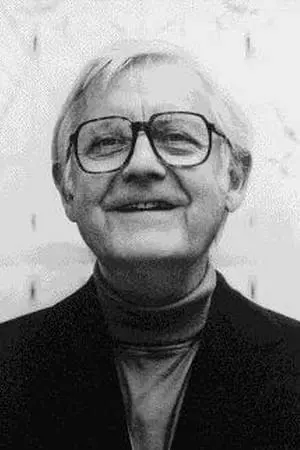
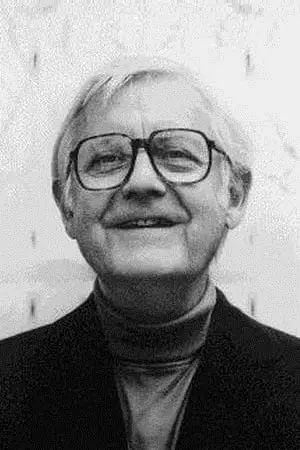
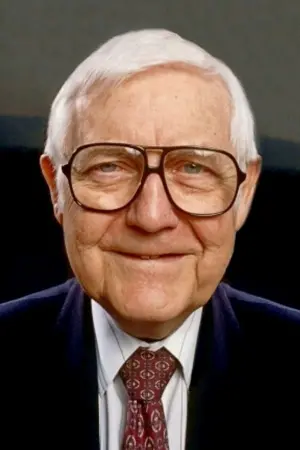
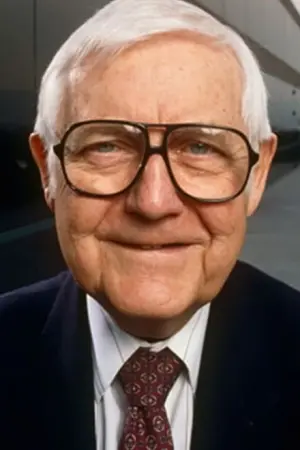
Producer


Jon Povill
Producer
Executive Producer
Casting
Marvin Paige
Casting
Editor
Todd C. Ramsay
Editor
Art Direction
John Vallone
Art Direction
Leon Harris
Art Direction
Joseph R. Jennings
Art Direction
Costume Design
Stunts
Bill Couch
Stunts
Bob Bralver
Stunts
Kym Washington Longino
Stunts
Keith Lane Jensen
Stunts
John Hugh McKnight
Stunts
Production Design
Harold Michelson
Production Design
Set Decoration
Linda DeScenna
Set Decoration
Makeup Artist
Fred B. Phillips
Makeup Artist
Janna Phillips
Makeup Artist
Carlos Yeaggy
Makeup Artist
Sound Re-Recording Mixer
Bill Varney
Sound Re-Recording Mixer
Steve Maslow
Sound Re-Recording Mixer
Gregg Landaker
Sound Re-Recording Mixer
Noyan Cosarer
Sound Re-Recording Mixer
Original Music Composer
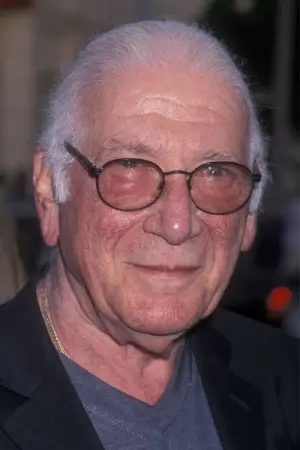
Alexander Courage
Original Music Composer
Unit Production Manager
Phil Rawlins
Unit Production Manager
Second Assistant Director
Douglas E. Wise
Second Assistant Director
Stunt Double
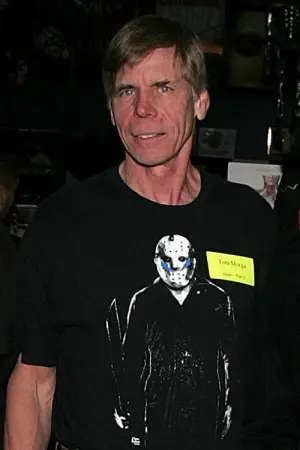
Tom Morga
Stunt Double
Director of Photography
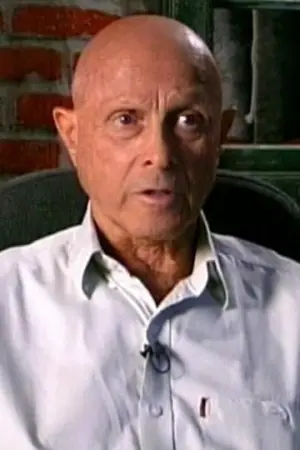
Supervising Sound Editor
Richard L. Anderson
Supervising Sound Editor
Script Supervisor
Bonnie Prendergast
Script Supervisor
Special Effects Coordinator
Martin Bresin
Special Effects Coordinator
Darrell Pritchett
Special Effects Coordinator
Ray Mattey
Special Effects Coordinator
Animation Supervisor
Robert Swarthe
Animation Supervisor
Sound Mixer
Animation
Harry Moreau
Animation
Screenplay
Harold Livingston
Screenplay
Story
Alan Dean Foster
Story
Gaffer
Larry D. Howard
Gaffer
Assistant Director
Daniel McCauley
Assistant Director
Production Assistant
Tom Greene
Production Assistant
Visual Effects

John Dykstra
Visual Effects
Richard Yuricich
Visual Effects
Robert Abel
Visual Effects
Executive In Charge Of Production
Lindsley Parsons Jr.
Executive In Charge Of Production
Matte Painter
Matthew Yuricich
Matte Painter
Rocco Gioffre
Matte Painter
Title Designer
Richard Foy
Title Designer
Sound Editor
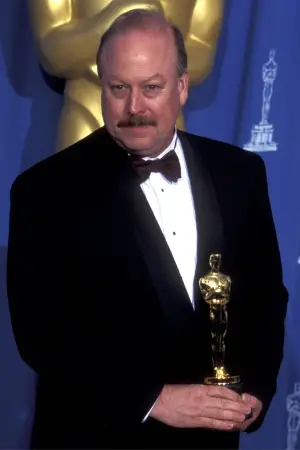
Colin Waddy
Sound Editor
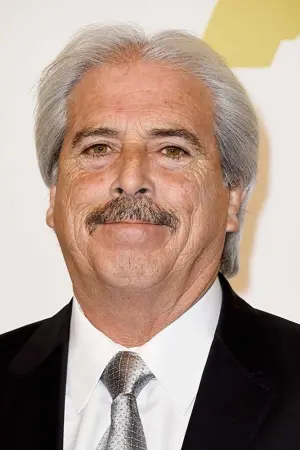
Alan Robert Murray
Sound Editor
Cecelia Hall
Sound Editor
George Watters II
Sound Editor
Sound Effects
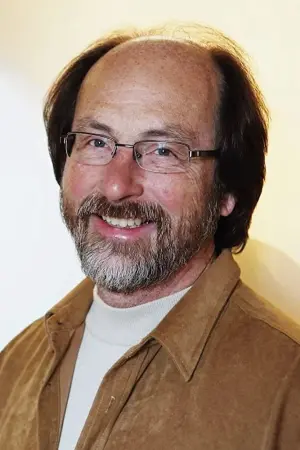
Alan Howarth
Sound Effects
Joel Goldsmith
Sound Effects
Frank Serafine
Sound Effects
Francesco Lupica
Sound Effects
Dirk Dalton
Sound Effects
Original Series Creator
Makeup Effects
Rick Stratton
Makeup Effects
Visual Effects Camera
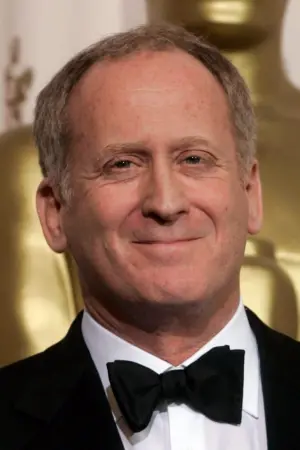
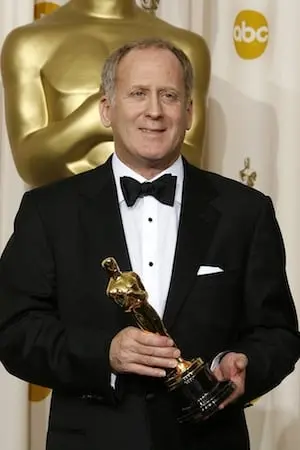
Scientific Consultant


What's left behind the scenes
- As stated in the "Guinness Book of World Records," "Star Trek: The Motion Picture" (1979) was the most expensive film upon its release. It cost $46 million to produce. With the 1980 release of "Superman II," the combined budget of the first two Superman films reached $109 million, and these films were shot simultaneously as a single whole. Later, their producers stated that the production of the first film (1978) cost $55 million and the second, $54 million, so the title of "most expensive film" should belong to them.
- The voice of Majel Barrett, wife of Gene Roddenberry, who played Christine Chapel (as well as other characters, including Troi in the 1987 film "Star Trek: The Next Generation"), was also used to voice the computers of Starfleet—specifically, the onboard computer of the starship "Enterprise" from the "Star Trek" franchise (1966-1969) to the eleventh feature film "Star Trek" (2009). She voiced few lines, but the voice is easily recognizable.
- The costumes of some alien races at Starfleet Headquarters were sewn from unused rolls of fabric remaining after the filming of Cecil B. DeMille's "The Ten Commandments" (1956).
- The character of Lieutenant Uhura, played by Indian model and actress Persis Khambatta, was intended to also appear in the subsequent television series.
- Nichelle Nichols wrote in her autobiography that she was one of those who objected to the new uniforms sewn for the film, reasonably believing that her character, Uhura, was too beautiful for the drab "unisex" style.
- The prop object "V-Ger" turned out to be so large that work on assembling some of its parts continued even during the filming of other parts.
- Following the resounding success of the television series "Star Trek," Paramount decided to release a full-length feature film based on the series. One plot was selected from several proposals (authored by well-known American science fiction writers) with the working title "Star Trek: Planet of Titans" by Chris Bryant and Allan Scott. However, due to the immense popularity of the then-released film "Star Wars," the studio halted further work.
- Paramount planned to create its own television channel with the subsequent filming and broadcast of a new series, "Star Trek: Phase II." For this series, Gene Roddenberry created the script "The Return of the Robot," which was later reworked by Alan Dean Foster and given the title "The Counterpoint." This plot was to become a two-hour pilot episode of the new series. In 1977, Paramount Pictures decided to cancel work on the new series, and the finished script was decided by the company's producer, Michael Eisner, to be used in the creation of a full-length film. However, preparations for the creation of the series continued until 1978.
- The film's production utilized sets and models created for the canceled series.
- Leonard Nimoy, who played Spock, refused to appear in the upcoming series, and his character's place in the script was taken by the character of Zorn (actor David Gautreau). Upon learning that a film would be shot instead of a series, Nimoy agreed to participate in it. Thus, at the last moment, Spock returned to the script, and actor David Gautreau played the role of Commander Branch.
- The film was one of the first to feature composite shots created using the Vista Flex motion control system, which allowed for the combination of multiple objects and background elements filmed separately from each other in several exposures.
- To create the theme for V-Ger, composer Jerry Goldsmith used an experimental string instrument called the blaster-beam, invented in the 1970s.
- According to "The Guinness Book of Records," "Star Trek: The Motion Picture" (1979) was the most expensive film upon its release, costing $46 million to produce. With the 1980 release of "Superman II," the combined budget of the first two Superman films reached $109 million, as they were filmed simultaneously as a single unit. The producers later stated that the production of the first film (1978) cost $55 million and the second $54 million, meaning the title of "most expensive film" should belong to them.
- The costumes of some alien races at Starfleet Headquarters were made from unused rolls of fabric left over from the filming of Cecil B. DeMille's "The Ten Commandments" (1956).
- Nichelle Nichols wrote in her autobiography that she was one of those who objected to the new uniforms sewn for the film, reasonably believing that her character, Uhura, was too beautiful for the dreary "unisex" style.
- The prop object "V-Ger" turned out to be so large that work on assembling some of its parts continued even during the filming of other parts.
- Following the resounding success of the television series "Star Trek", Paramount decided to release a full-length feature film based on the series. One plot was selected from several proposals (authored by well-known American science fiction writers), tentatively titled "Star Trek: Planet of the Titans" by Chris Bryant and Allan Scott. However, due to the immense popularity of the then-released film "Star Wars", the studio halted further work.
- Paramount planned to create its own television channel with the subsequent filming and showing of a new series, "Star Trek: Phase II". For this series, Gene Roddenberry created the script "The Return of the Robot", which was later reworked by Alan Dean Foster and given the title "The Counterfeiters". This plot was to be turned into a two-hour pilot episode of the new series. In 1977, Paramount Pictures decided to cancel work on the new series, and the completed script was decided by the company's producer Michael Eisner to be used in creating a feature film. However, preparations for creating the series continued until 1978.
Did you like the film?
 Auditions in India
 Casting calls in USA
 Castingi w Polsce
 Кастинги в Україні
