Silver Bullet - crew, film crew
The entire team, the film crew of the film "Silver Bullet"
Silver Bullet (1985)
Timing:
1:35 (95 min)

6.545/10
577
577

6.803/10
8454
8454

6.4/10
35000
35000
Film crew
Director
Producer
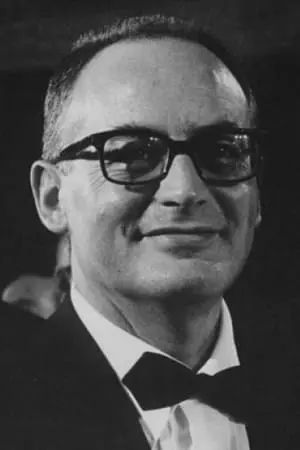
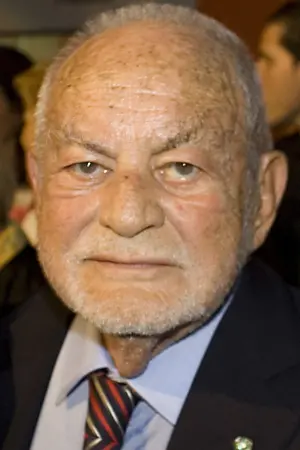
Martha De Laurentiis
Producer
Casting
Jeremy Ritzer
Casting
Editor
Daniel Loewenthal
Editor
Tommy Dorsett
Editor
Costume Design
Clifford Capone
Costume Design
Stunts
Christine Anne Baur
Stunts
Phil Adams
Stunts
Chrystal Ashley
Stunts
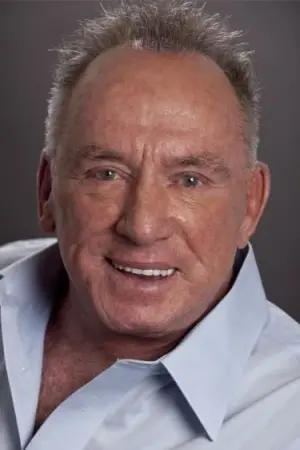
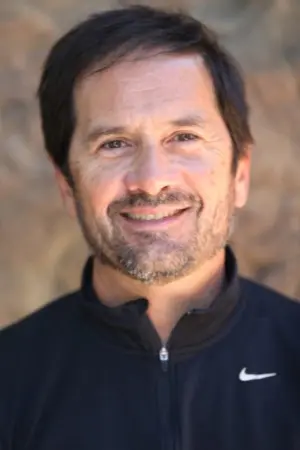
Marvin Smith
Stunts
Packy Smith
Stunts
Dianne L. Wilson
Stunts
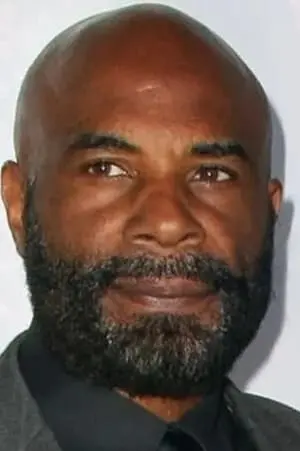
Julius LeFlore
Stunts
Production Design
Giorgio Postiglione
Production Design
Stunt Coordinator
Julius LeFlore
Stunt Coordinator
Makeup Artist
Jeff Goodwin
Makeup Artist
Key Makeup Artist
Barbara Page
Key Makeup Artist
Sound Re-Recording Mixer
Lee Dichter
Sound Re-Recording Mixer
Original Music Composer
Jay Chattaway
Original Music Composer
Unit Production Manager
John M. Eckert
Unit Production Manager
Associate Producer
John M. Eckert
Associate Producer
Orchestrator
Barb Luby
Orchestrator
Second Assistant Director
Bruce Moriarty
Second Assistant Director
Stunt Double
Director of Photography
Armando Nannuzzi
Director of Photography
Musician
David Michael Frank
Musician
Bernard Grobman
Musician
Supervising Sound Editor
Dan Lieberstein
Supervising Sound Editor
Special Effects Coordinator
Jeff Jarvis
Special Effects Coordinator
Still Photographer
Holly Bower
Still Photographer
Sound Mixer
Richard Bryce Goodman
Sound Mixer
Screenplay
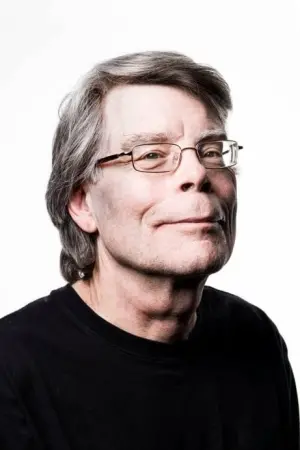
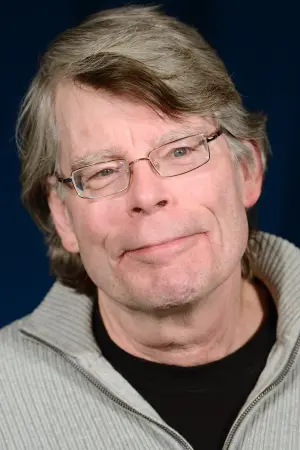
Novel
First Assistant Editor
Vanessa Procopio
First Assistant Editor
Foley Artist
Marko Costanzo
Foley Artist
Construction Coordinator
Jeffrey Schlatter
Construction Coordinator
Props
Carlo Postiglione
Props
Makeup Supervisor
Michael Shawn McCracken
Makeup Supervisor
Special Effects Makeup Artist
Michael Shawn McCracken
Special Effects Makeup Artist
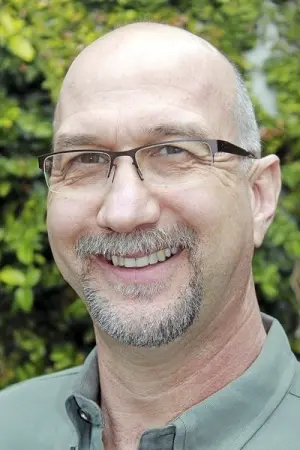
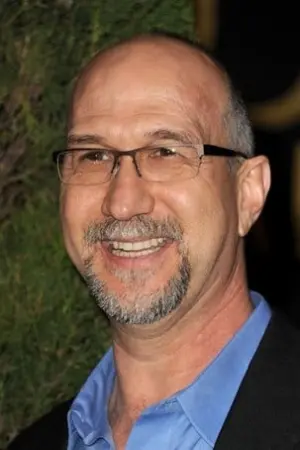
Matthew W. Mungle
Special Effects Makeup Artist
Jill Rockow
Special Effects Makeup Artist
Assistant Director
Music Editor
Jack K. Tillar
Music Editor
Scenic Artist
Keith Darwin
Scenic Artist
Visual Effects
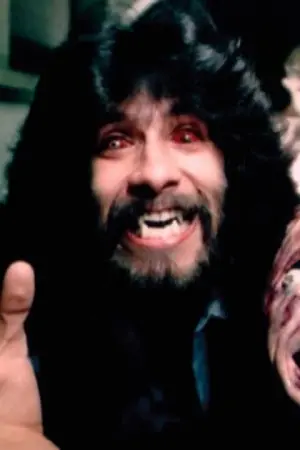
Joseph P. Mercurio
Visual Effects
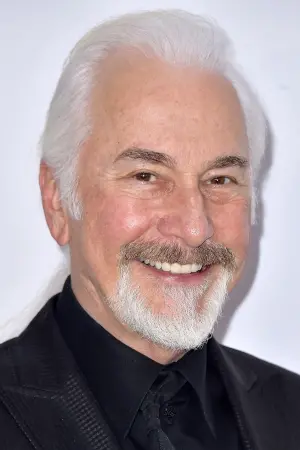
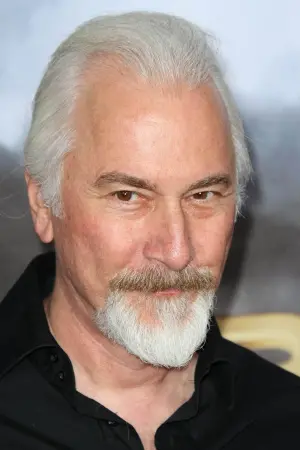
Wardrobe Supervisor
Jayme Bednarczyk
Wardrobe Supervisor
Sound Editor
Fred Rosenberg
Sound Editor
Additional Casting
Craig Fincannon
Additional Casting
Mark Fincannon
Additional Casting
Production Illustrator
Mentor Huebner
Production Illustrator
Presenter
What's left behind the scenes
- According to director Daniel Attias, Gary Busey improvised in many scenes (for example, when Uncle Red enters the gun shop). Attias stated that he asked screenwriter Stephen King for his opinion on this, and King did not object to the improvisations.
- The dream scene involved 70 extras, divided into four groups according to the degree of makeup and corresponding costumes. This included about a dozen fully made-up and costumed actors, who were used in close-ups, and the rest, who were filmed from a distance and were given makeup quickly, just to look menacing, and most importantly – to create the impression for the viewer that the room was packed.
- Tarkers Mill, the setting for the film, is a fictional town in the Stephen King universe. It borders locations from other King books that have also been adapted for the screen, including, in particular, Chester's Mill from the series “Under the Dome” (2013-2015), Derry from the film “It” (Tommy Lee Wallace, 1990), and Castle Rock from the films “Needful Things” (Frazier Clarke Heston, 1993), “Cujo” (Lewis Teague, 1983), and “Pet Sematary” (Mary Lambert, 1989).
- Creating the werewolf costume took three months. After final decisions were made regarding the appearance (using three-dimensional clay models), the entire costume was made from foam rubber and polyurethane and covered with natural bear fur. Six people remotely controlled the head (the distance reached nine meters).
- Marty and Jane give Uncle Red a silver medallion and a cross to be melted down into a silver bullet. This contains a subtle reference to the legend of the Beast of Gévaudan, possibly the most famous werewolf legend in history, from which the myth arose that only silver bullets are effective against them. According to the legend, this creature terrorized the vicinity of the town of Gévaudan for three years. After the creature killed the wife and child of a local hunter, he melted down a silver cross (a family heirloom) into a bullet and ordered the priest to bless it three times. This legend became so popular that its elements became part of many fictional works about werewolves.
- The exterior of the main characters' house was filmed in Wilmington, North Carolina, while the interior sets were built on studio soundstages. In the 1990s, the house was moved slightly to make way for a shopping center.
- The scene with the firecrackers on the bridge was filmed in two takes, several months apart. Filming wrapped in the fall of 1984, but it soon became clear that the bridge scene needed to be reshot. The crew didn't return for the reshoots until four months after principal photography had concluded, and they found that the bushes and trees surrounding the location had already almost lost their leaves. They had to spend a lot of time and effort finding angles from which this wouldn't be noticeable.
- Stephen King specifically requested that the werewolf not appear particularly remarkable, so it would differ from the huge, shaggy monsters that had flooded screens and book pages between the early and mid-1980s. The result was a creature that resembled a bear more than anything else, and had no particularly noteworthy features. Upon seeing what special effects artist Carlo Rambaldi (1925-2012) had created at King's request, producer Dino De Laurentiis (1919-2010) demanded that the creature be redone, but King and Rambaldi refused. De Laurentiis was given an ultimatum (he could either accept the monster as it was, or cancel the project altogether), and he backed down. A modern dancer was hired to perform inside Rambaldi's costume, but De Laurentiis didn't like his performance either, and in the end, Everett McGill, who played the priest, performed a significant portion of the scenes in the werewolf costume.
- Gary Busey performed a significant number of the stunts himself. Near the end of the film, in the scene where he is thrown onto furniture, a compressed air catapult had to be used. When Busey's character hit the mirror, the shards caused him several injuries (in particular, one shard pierced his hand, causing bleeding). And his reaction, as he breaks through the wall, was genuine and not at all acted, because the scene had not been rehearsed (but was filmed in one take).
- Gary Busey performed a significant portion of the stunts himself. Closer to the end of the film, in the scene where he is thrown onto furniture, a compressed air catapult had to be used. During the filming of the scene where Busey's character hit the mirror, the actor cut himself on the shards (one of which pierced his hand, causing bleeding). And his reaction to the werewolf breaking through the wall was genuine and not at all acted, because the scene had not been rehearsed (but was filmed in one take).
Did you like the film?
 Auditions in India
 Casting calls in USA
 Castingi w Polsce
 Кастинги в Україні
