Sin City - crew, film crew
The entire team, the film crew of the film "Sin City"
Sin City (2005)
Timing:
2:4 (124 min)

7.463/10
8820
8820

7.867/10
301708
301708

8/10
819000
819000
Film crew
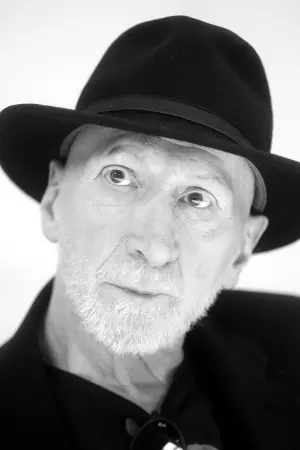
Director
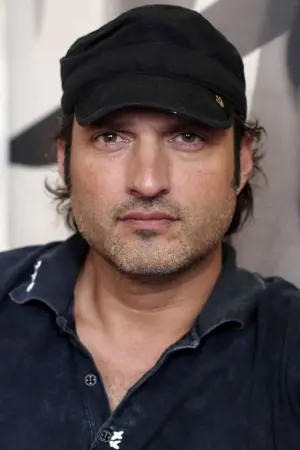
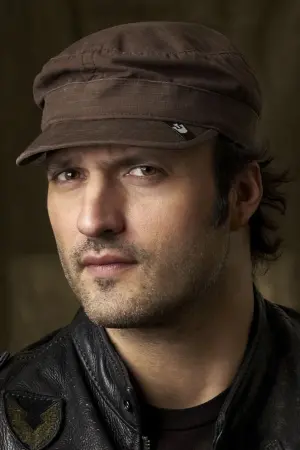
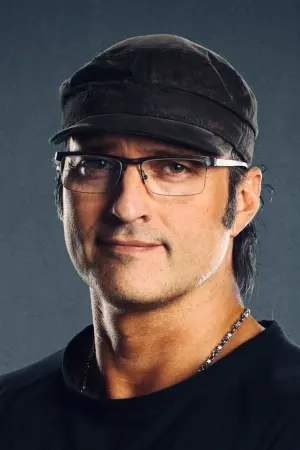
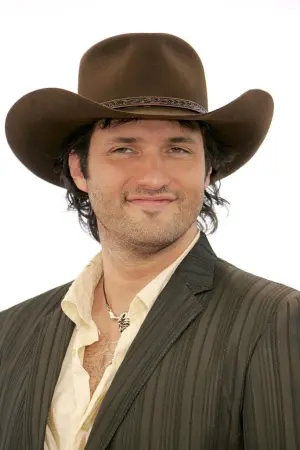
Producer
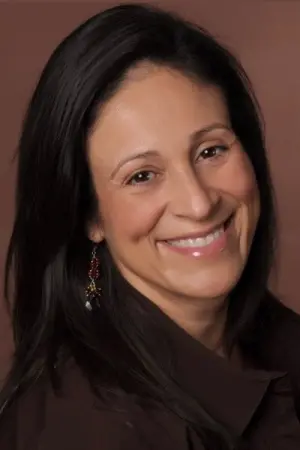
Elizabeth Avellan
Producer
Executive Producer
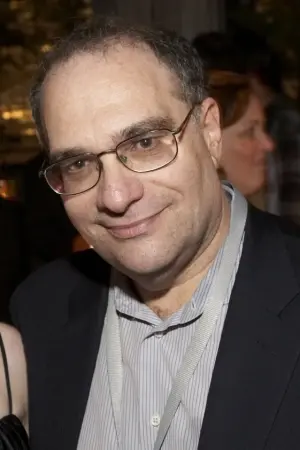
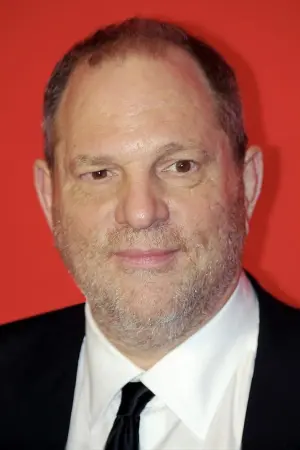
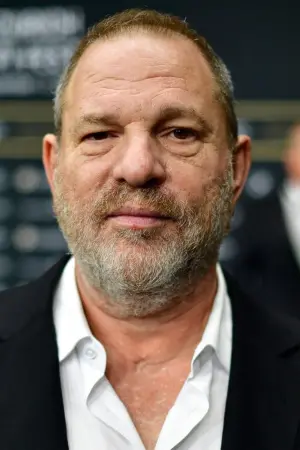
Writer
Casting
Beth Sepko
Casting
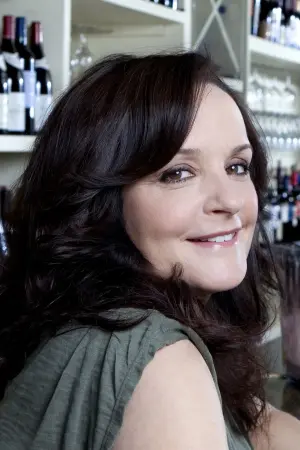
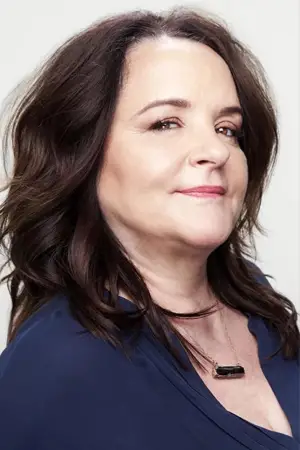
Editor
Art Direction
Steve Joyner
Art Direction
Jeanette Scott
Art Direction
Stunts
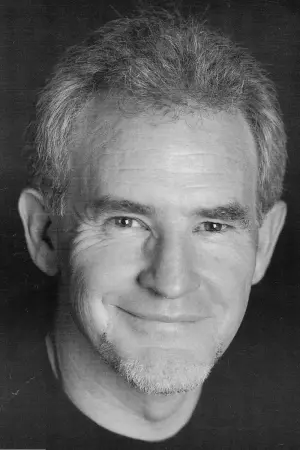
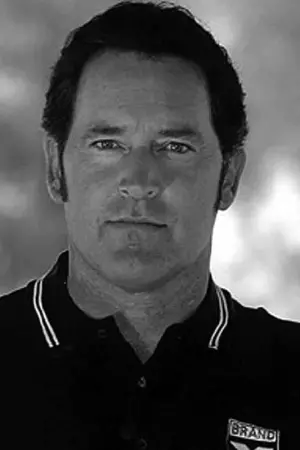
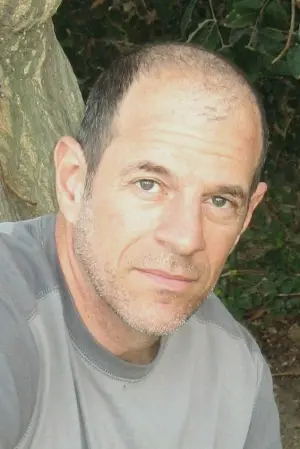
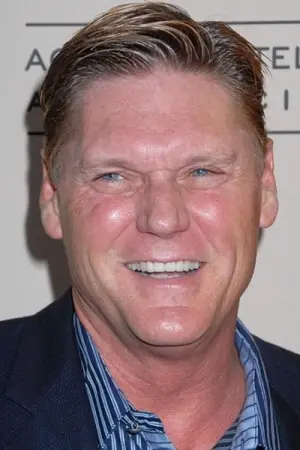
Norman Howell
Stunts
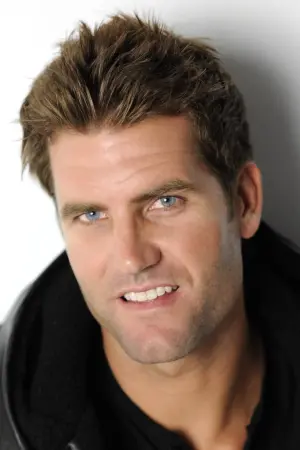

Rich McDonald
Stunts
Peter Weireter
Stunts

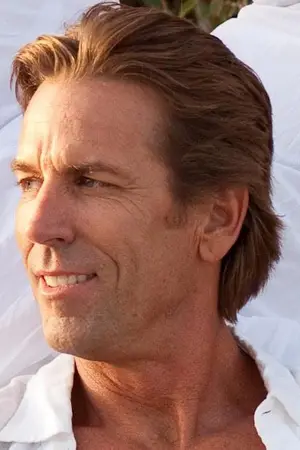
Mike Justus
Stunts
Dick Hancock
Stunts
Dana Reed
Stunts
Greg Smith
Stunts
James Ryan
Stunts
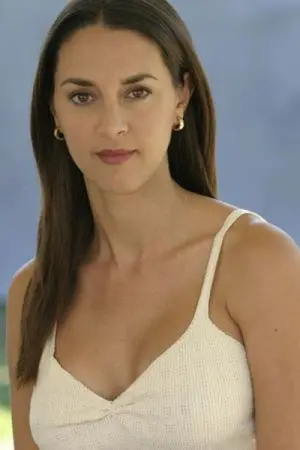
Gabriela Ostos
Stunts
Shawn Robinson
Stunts
Stunt Coordinator
Set Decoration
Jeanette Scott
Set Decoration
David Hack
Set Decoration
Makeup Artist
Joe Rivera
Makeup Artist
Sound Re-Recording Mixer
Sergio Reyes
Sound Re-Recording Mixer
Original Music Composer
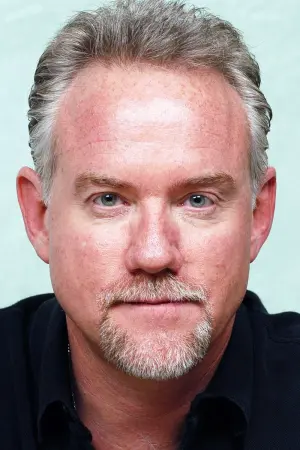
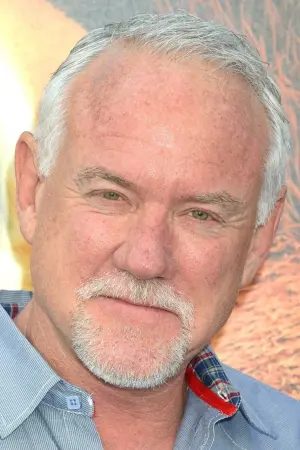
Unit Production Manager
Ron Schmidt
Unit Production Manager
Orchestrator
Frank Bennett
Orchestrator
Stunt Double
Gabriela Ostos
Stunt Double
Fight Choreographer
Ali Q. Brown
Fight Choreographer
Utility Stunts
Director of Photography
Camera Operator
Jimmy Lindsey
Camera Operator
Costume Supervisor
Nina Proctor
Costume Supervisor
Makeup Department Head
Ermahn Ospina
Makeup Department Head
Sound Effects Editor
Paula Fairfield
Sound Effects Editor
Assistant Art Director
Christopher Stull
Assistant Art Director
Property Master
Steve Joyner
Property Master
Visual Effects Supervisor
Supervising Sound Editor
Tim Rakoczy
Supervising Sound Editor
Script Supervisor
Monika Petrillo
Script Supervisor
Set Costumer
Annette Hoffman
Set Costumer
Brenda J. Chambers
Set Costumer
Hairstylist
Joe Rivera
Hairstylist
Special Effects Coordinator
John McLeod
Special Effects Coordinator
Still Photographer
Lead Animator
Michael Cozens
Lead Animator
Digital Effects Supervisor
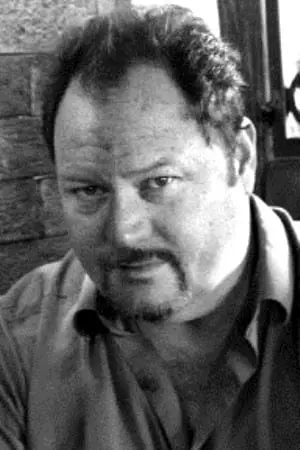
Everett Burrell
Digital Effects Supervisor
Associate Editor
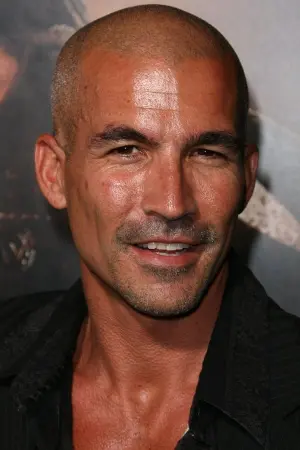
Ethan Maniquis
Associate Editor
Animation Supervisor
Mauricio Baiocchi
Animation Supervisor
Visual Effects Producer
Keefe Boerner
Visual Effects Producer
First Assistant Director
Brian Bettwy
First Assistant Director
Thanks

Chief Lighting Technician
John 'Fest' Sandau
Chief Lighting Technician
Driver
Roy Burger
Driver
Boom Operator
David M. Roberts
Boom Operator
Graphic Designer
Aaron Burns
Graphic Designer
Screenplay
Set Designer
Rob Simons
Set Designer
First Assistant Editor
Jay Mahavier
First Assistant Editor
Foley Artist
Edward M. Steidele
Foley Artist
Sound Designer
Craig Henighan
Sound Designer
Propmaker
Bill Dunagin
Propmaker
Construction Coordinator
Joe McCusker
Construction Coordinator
Art Department Coordinator
Debbie Cortez Haber
Art Department Coordinator
Dialogue Editor
Charles Ewing Smith
Dialogue Editor
Best Boy Grip
Kurt Kornemann
Best Boy Grip
Art Department Assistant
Chris Telles
Art Department Assistant
Foley Editor
Joaquin Gonzalo Avellán
Foley Editor
Rigging Grip
Timothy E. Cole
Rigging Grip
Transportation Coordinator
Cecil D. Evans
Transportation Coordinator
Key Grip
Ferrell A. Shinnick
Key Grip
Grip
Donis Rhoden
Grip
Dolly Grip
Mike Sheeren
Dolly Grip
Leadman
Bart Brown
Leadman
Key Rigging Grip
Sandy Gilzow
Key Rigging Grip
Second Second Assistant Director
Susan Jasso
Second Second Assistant Director
Visual Effects Production Manager
Maxine Jurgens
Visual Effects Production Manager
Seamstress
Rebecca M. Skelton
Seamstress
Carpenter
Kenny Anderson
Carpenter
Construction Foreman
Rodney Brown
Construction Foreman
Painter
David Michael Abelman
Painter
Special Effects Technician
David Heron
Special Effects Technician
Makeup Designer
Scott Patton
Makeup Designer
Foley Mixer
Chris Trent
Foley Mixer
Production Accountant
Christopher Abeyta
Production Accountant
Casting Associate
Shalimar Reodica
Casting Associate
Music Editor
Tim Rakoczy
Music Editor
Production Sound Mixer
John Pritchett
Production Sound Mixer
ADR Mixer
Eric Thompson
ADR Mixer
ADR Recordist
Brian Dunlop
ADR Recordist
Digital Intermediate Assistant
Jordan Ford
Digital Intermediate Assistant
First Assistant Camera
Sebastian Vega
First Assistant Camera
Post Production Coordinator
Amanda Peeples
Post Production Coordinator
Co-Director
Additional Music
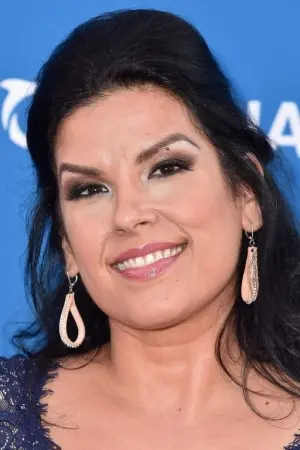
Conductor
Post Production Supervisor
Keefe Boerner
Post Production Supervisor
Stand In
Luai Abou-Emara
Stand In
Production Assistant
Olivier Beaulieu
Production Assistant
Production Coordinator
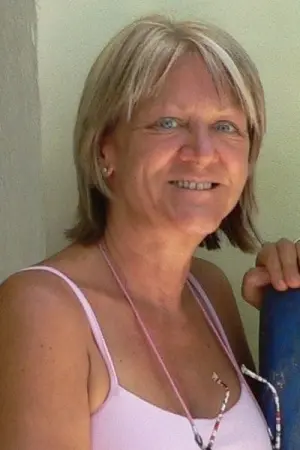
Cynthia Streit
Production Coordinator
Visual Effects Coordinator
Eric W. Shamlin
Visual Effects Coordinator
Key Set Production Assistant
Romy Stevenson
Key Set Production Assistant
Utility Sound
Thadd Day
Utility Sound
Scenic Artist
Dawn M. Baker
Scenic Artist
Visual Effects Editor
Kevin LaNeave
Visual Effects Editor
Production Secretary
Laura O'Keefe
Production Secretary
Camera Production Assistant
Kelly Bogdan
Camera Production Assistant
Payroll Accountant
Dawn Robinette
Payroll Accountant
Line Producer
Bill Scott
Line Producer
CG Supervisor
ADR Editor
Bruce Nyznik
ADR Editor
ADR Voice Casting

Johnny Gidcomb
ADR Voice Casting
Conceptual Design
Emmanuel Shiu
Conceptual Design
Assistant Production Coordinator
Todd Green
Assistant Production Coordinator
Second Assistant Accountant
Margo Kornemann
Second Assistant Accountant
Second Assistant Camera
Robert Rendon
Second Assistant Camera
Dialect Coach
Jill McCullough
Dialect Coach
Publicist
Sandra Condito
Publicist
Lighting Artist
Melissa Almeida
Lighting Artist
Matte Painter
Peter Baustaedter
Matte Painter
Matchmove Supervisor
Tim Dobbert
Matchmove Supervisor
Rotoscoping Artist
Deepa Agarwal
Rotoscoping Artist
Transportation Captain
Joe Llanes
Transportation Captain
Production Executive
Jeff Barnes
Production Executive
Wigmaker
Erwin H. Kupitz
Wigmaker
Graphic Novel
Property Buyer
Virginia Capobianco
Property Buyer
First Assistant Accountant
Amanda Curry
First Assistant Accountant
Set Medic
Paul Beach
Set Medic
Digital Intermediate Producer
Lorene Simpson
Digital Intermediate Producer
Visual Effects Production Assistant
Juan Bronson
Visual Effects Production Assistant
Steve Wilson
Visual Effects Production Assistant
Color Timer
Jim Passon
Color Timer
Key Set Costumer
Vanessa Nirode
Key Set Costumer
Craft Service
Joe Fiske
Craft Service
Negative Cutter
Mo Henry
Negative Cutter
Visual Effects Assistant Editor
Tim Amyx
Visual Effects Assistant Editor
Digital Intermediate
Henry Ball
Digital Intermediate
Extras Casting Assistant
Sheila Steele
Extras Casting Assistant
Compositing Artist

Chris LeDoux
Compositing Artist
Joshua LaCross
Compositing Artist
Executive Assistant
Set Painter
Michael Dudash
Set Painter
Assistant Chief Lighting Technician
Todd Smiley
Assistant Chief Lighting Technician
Digital Intermediate Editor
Curtis Lindersmith
Digital Intermediate Editor
2D Supervisor
Eric Pham
2D Supervisor
Editorial Coordinator
Paul Sadeghi
Editorial Coordinator
3D Animator
Steve Arguello
3D Animator
Digital Compositors
Alaina Goetz
Digital Compositors
CG Animator
Mark Norrie
CG Animator
Set Dressing Artist
Tom Christopher
Set Dressing Artist
Chef
Scott Duncan
Chef
Digital Color Timer
Natasha Leonnet
Digital Color Timer
Additional Production Assistant
Lucinda Hinton
Additional Production Assistant
Executive In Charge Of Post Production
Linda A. Borgeson
Executive In Charge Of Post Production
Assistant Chef
David Ackerman
Assistant Chef
Graphic Novel Illustrator
Special Guest Director
Script Researcher
Peter Madamba
Script Researcher
What's left behind the scenes
- The film is based on the graphic novels by Frank Miller from the 'Sin City' series.
- After several unsuccessful Hollywood attempts to adapt comics to the big screen, Frank Miller, the author of 'Sin City,' refused to license his copyrights to anyone. Robert Rodriguez had been a long-time fan of the comic and decided to secretly film a portion of the movie without the knowledge of the original creator.
- In early 2004, Robert Rodriguez invited Josh Hartnett and Marley Shelton and shot a short passage titled "The Customer is Always Right." After that, he arranged a meeting with Frank Miller and showed him a fragment of his work: "If you like my work, Frank, this scene will be the beginning of the film. If not, you can show this short film to your friends as a sort of add-on." Frank was delighted, and the rights to continue filming were secured. In addition, Rodriguez showed this fragment to all actors auditioning, and almost all were shocked by what they saw.
- Robert Rodriguez stated that his own style and vision of the material differed somewhat from Frank Miller's, and therefore insisted that Miller receive the same rights on set and become a "co-director." However, this circumstance led to a conflict with the American Directors Guild, which does not allow a film to have more than one director.
- Ultimately, after a complete falling out with representatives of the guild, Robert Rodriguez demonstratively left its ranks: "It's better to do it now than to look for compromises and subsequently create precedents that could come back to haunt the guild after some time. I don't think the association will lose much with my departure."
- Following the conflict with the American Directors Guild, Robert Rodriguez was forced to leave the director's chair on the set of "John Carter on Mars," which promised to be a rather powerful franchise, as, in the event of a successful release of the pilot project, around 6-7 new films were planned based on this story.
- The film is divided into three parts, each of which has its own title: "The Hard Good-Bye," "The Big Fat Kill," and "That Yellow Bastard."
- It's no secret that Robert Rodriguez and Quentin Tarantino are close friends. They often appear in each other's productions for a purely symbolic fee. For example, Robert recorded the soundtrack to 'Kill Bill 2' (2004) for just $1 USD. Quentin reciprocated by filming one of three segments of 'Sin City' (the scene with Clive Owen and Benicio del Toro) for the same $1 USD.
- This is one of the few films currently made that was shot entirely against a blue (green) screen. All the sets and interiors were added to the frame during the editing process.
- Initially, Robert Rodriguez wanted to include a segment titled 'To Hell And Back' in the film, with the main role of a man named Wallace intended for Johnny Depp. Something didn't work out, but Rodriguez is convinced that this segment will be presented in a sequel.
- Leonardo DiCaprio, Michael Douglas, and Kate Bosworth all initially sought roles in the film, but were forced to leave the project for various reasons.
- Despite the film being presented to viewers in black and white, some details are specially colored in bright colors. During production, these details were specifically matched to the color of the screen against which the filming took place.
- In the film, we can see the "co-director" and the idea's originator, Frank Miller – he played an episodic role as a priest. Robert Rodriguez (one of the bar patrons) and Quentin Tarantino (also a bar patron, sitting near Marv) can also be noticed in minor episodes.
- Interestingly, the music to which Jessica Alba's character dances was added during the editing process.
- To better get into the role of her character, Jessica Alba visited several strip clubs. However, according to the actress herself, it didn’t help her much.
- All the cars used in the filming are real. The same applies to the weapons.
- Filming of the movie began in January 2004. The opening scene of the film was shot in 10 hours.
- Mickey Rourke was the first actor officially cast in the film. Jamie King was the first actress officially cast in the film.
- The bar at Kadie's was not intentionally made in black and white. The filmmakers wanted to emphasize the uniqueness of the scenes taking place there.
- All scenes with Mickey Rourke were filmed in 2-2.5 weeks; with Benicio Del Toro – in 4 days; Jamie King – 1.5 days; Brittany Murphy – 1 day.
- As is known, Quentin Tarantino directed one of the scenes in the film. Frank Miller confessed – the day Tarantino filmed his scene was the most interesting day of his life. According to him, watching Tarantino work on set, he finally understood what the duties of a director entail. This is because, according to Frank, working with Robert Rodriguez makes it very difficult to understand what a director should do, as Rodriguez performs a multitude of different tasks simultaneously.
- The story “That Yellow Bastard” was deliberately divided into two parts in the film. The scene with Hartigan on the bridge was placed at the beginning of the film in order to introduce all the main characters within the first forty-five minutes.
- Initially, it was planned that each novella would be preceded by a title card with its name, but this idea was later abandoned. The title cards for the novellas remained in the director's cut.
- The filming of the chase scene (Yellow Bastard pursuing Hartigan and Nancy) took only one day. If the film hadn't been shot against a green screen, filming the same scene would have taken three weeks.
- Nick Stahl, in Yellow Bastard makeup, could barely hear anything and often worked without hearing his own voice.
- Different special effects studios worked on each novella, and different composers wrote the music for them.
- Jamie King was the first to audition for the role of Goldie/Wendy. Ultimately, she landed the role.
- During the filming of the scene with the conversation between Becky and Jackie-Boy, Alexis Bledel walked in place, and the car also didn't move.
- Devon Aoki had never practiced martial arts before. All her training took place under the supervision of Frank Miller.
- Miho doesn't even blink when blood splashes on her face. To achieve this effect, Robert Rodriguez first filmed Devon Aoki with her eyes open, then filmed her with her eyes closed at the moment fake blood was splashed on her. During editing, these two shots were combined.
- The color scheme of the scene where Dwight and Jackie-Boy are driving in the car was borrowed from Dario Argento's «Suspiria» (1977).
- Initially, Quentin Tarantino was supposed to direct the scene on the bridge in the «That Yellow Bastard» story, but that didn't happen because Quentin had to preside over the Cannes Film Festival.
- Clive Owen didn't memorize his monologue in the scene where Dwight and Jackie-Boy are driving in the car. He simply read it off the page.
- Despite the film being entirely shot against a green screen, some sets were still built: Cady's Bar. According to Robert Rodriguez, the bar was built because the crew needed somewhere to hang out during breaks, and he and Frank Miller needed somewhere quiet to sit and discuss the script. Shelly's apartment, specifically the kitchen. The reason for this was that the scene taking place in the kitchen involved many people, each of whom was constantly in motion. Therefore, to avoid complicating things for the special effects team, this set was built. The hospital at the end of the film.
- Bruce Willis was Robert Rodriguez's initial choice for the role of Hartigan.
- Frank Miller is a big fan of the Dirty Harry films. Therefore, Nancy's surname – Callahan – was borrowed from Dirty Harry.
- Everyone knows about the short film Robert Rodriguez used to convince Frank Miller to make the film, but few know that in this short film, Rodriguez also created the opening credits consisting of the surnames of actors he intended to cast. Surprisingly, the vast majority of actors whose surnames were mentioned in these credits agreed to star in the film.
- All scenes with Bruce Willis were filmed in ten days. If the film had been shot conventionally (without computer graphics), it would have taken five weeks.
- Steve Buscemi was the original candidate for the role of Yellow Bastard.
- The film was shot entirely against a green screen. This allowed Robert Rodriguez to avoid waiting for an actor's agreement to participate in the film and instead film them separately, then "combine" them into a single frame. For example, the following actors never met on set: Mickey Rourke and Jessica Alba, Mickey Rourke and Elijah Wood (fight scenes involving them were filmed using stunt doubles for one or the other actor), Bruce Willis and Brittany Murphy, Mickey Rourke and Rutger Hauer.
- Robert Rodriguez struggled for a long time to find the right actor for the role of the Cardinal. Once, as a joke, he "cut" footage of Rutger Hauer from the films *The Hitcher* (1986) and *Flesh + Blood* (1985) and footage of Mickey Rourke from *Angel Heart* (1987) and *Rhinestone* (1984), and spliced them together. After this, Rodriguez realized that the actor for the role of the Cardinal had been found.
- Throughout the film, Marv wears three different coats.
- Brittany Murphy wore six-inch (15.24 centimeter) heels in all of her scenes.
- The cars used in the film: ’55 Porsche Spyder Convertible (Wendy’s car), ’59 Cadillac Convertible (Dwight’s car), ’55 Buick Convertible (Hartigan’s car), ’55 Chevy Police Car (police cars in the film), ’57 Chrysler Imperial (Jackie-Boy’s car), ’41 Chevrolet (Dallas’s car), ’62 Jaguar XKE (Roark’s car), ’57 Ford Thunderbird (the car Dwight uses to transport bodies), ’57 Chevy Nomad (Nancy’s car), 1937 Cadillac (Yellow Bastard’s car), 1990 Mercedes 420 SEL (the car Marv took from the priest), 1968 Chevrolet Corvair (Marv’s car), 1949 Chevrolet (taxi), ’89 Ferrari (Schlubb’s car).
- Adrien Brody auditioned for the role of Jackie-Boy.
- The opening scene of the film, featuring Josh Hartnett and Marley Shelton, is taken from a short story, "The Customer is Always Right," which is part of the collection "Babe Wore Red." The epilogue – the scene with Hartnett and Alexis Bledel – does not appear in Frank Miller's comics and was written specifically for the film.
- Robert Rodriguez and Frank Miller did not create storyboards, as they said Frank Miller's graphic novels served as ready-made storyboards for the film.
- Despite the fact that Robert Rodriguez and Frank Miller initially assumed that all the filmed material would not make it into the theatrical version of the film, they still shot three novellas in their entirety. The full version of each novella can be viewed in the director's cut of the film.
- Although the film was based on the novellas "The Hard Goodbye," "The Big Fat Kill," "That Yellow Bastard," and the short story "The Customer is Always Right," the film also contains a small episode from the novella "A Dame to Kill For," in which Dwight (Clive Owen) contemplates that Marv should have been born a couple of millennia earlier.
- In some scenes of the film, one can notice the cover of the novella "Booze, Broads, and Bullets."
- With the exception of the chapter "The Customer is Always Right," a character in the film utters the title of one of the novellas.
- A keen-eyed viewer may notice that the license plates of Nancy's (Jessica Alba) and Wendy's (Jamie King) cars are LEV 311. Frank Miller often assigns this number to his favorite female character, as it is a reference to his wife Lynn Varley's birthday, March 11th.
- Hartigan has a Beretta M93R pistol. The exact same model was used in the RoboCop films. Frank Miller wrote the screenplays for "RoboCop 2" (1990) and "RoboCop 3" (1993).
- The role of Hartigan was offered to Michael Douglas, the role of Senator Roark to Christopher Walken and Willem Dafoe.
- One of the prostitutes in the Old Town is dressed almost exactly like Wonder Woman.
- When Hartigan (Bruce Willis) enters "Cady's Bar", Shelly (Brittany Murphy) has a beer called "Chango" on her tray. This is a fictional brand of beer that can also be seen in Robert Rodriguez's films "Desperado" (1995) and "From Dusk Till Dawn" (1995).
- According to Robert Rodriguez, he does not consider this film an adaptation of Frank Miller's novels, but rather a transfer from the literary language to the cinematic one. Therefore, the screenwriters are not listed in the credits, only Miller is mentioned as the creator of the graphic novels.
- Filming and the majority of post-production took place at Robert Rodriguez's studio, which is located across the street from his home.
- Although several actors resembled their characters, a large amount of makeup had to be applied to some of them. These included Bruce Willis, Mickey Rourke, Benicio del Toro, and Nick Stahl.
- When Jessica Alba signed the contract to star in the film, she did not realize how explicitly her character was depicted in the comics. The original script contained scenes with Nancy nude. However, Jessica flatly refused to disrobe in front of the camera. Robert Rodriguez and Frank Miller believed that her character would lose nothing by not appearing nude.
- In the graphic novel “That Yellow Bastard”, the Yellow Bastard drove an Atlantic ’57C Bugatti. However, in the film, he drives a 1936 Cadillac Limo. The filmmakers changed the car model after it turned out that renting the Bugatti would cost $230,000 for four days of filming.
- The license plate of the Yellow Bastard’s car is TYB 069. The letters in the plate repeat the capital letters of the novel’s title – “That Yellow Bastard”.
- Initially, Robert Rodriguez asked Hans Zimmer to compose the music for the film, but Hans was unable to participate because he was working on 'Batman Begins' (2005). He recommended John Debney and Graeme Revell as composers, and they wrote some of the music for the film.
- The newspaper text seen in the 'The Hard Goodbye' novella is a retelling of the opening scene of the film and the novella itself. The author of the article is Frank Miller. According to this publication, the action takes place either in 1993 or 1999.
- Michael Madsen was considered for the role of Marv.
- Jessica Simpson auditioned for the role of Nancy Callahan.
- Elijah Wood's chin shape was slightly adjusted using special effects.
- Number of corpses: 41 (according to the director's cut), not including deaths that occurred off-screen.
- Throughout the film, Marv is hit in the face 21 times.
- Anthony Michael Hall was considered for the role of Dwight.
- According to an interview published on the LatinoReview.com website, Michael Madsen landed the role of Bob after approaching Robert Rodriguez at a wrap party for 'Kill Bill' (2003) and asking why he wasn't involved in Robert's new film. The latter admitted that the only role for which an actor hadn't been found yet was Bob.
- During the filming of the movie, Robert Rodriguez organized a concert at one of the local clubs. Robert's band played as the opening act, with Bruce Willis and his band 'The Accelerators' as the main headliners. In addition to the 'Sin City' cast and crew, actors and the crew of 'Fog' (2006) also attended the concert. All proceeds from the concert went to charity.
- The director's cut of the film has a runtime of 147 minutes.
- The same swords used in Quentin Tarantino's 'Kill Bill' (2003) were used during filming. This time, instead of Uma Thurman, Devon Aoki is their owner.
- Jessica Alba wanted to enlist a professional choreographer, as the plot required her to dance in a strip club, but Rodriguez insisted on performing the dance solo.
- After Micho pulled Dwight out of the mud, a girl in a hat emerges from a nearby car and walks to meet them. This is Dallas. Her role was played by Robert Rodriguez's own sister.
- Benicio Del Toro suggested that his character pull a pistol out of his severed hand with his teeth, and then put the hand in his pocket.
- According to Robert Rodriguez, the scene in which Yellow Bastard tortures Nancy was made exactly as it is presented in the comic book: much longer in duration and more brutal. Robert did not include the full version of this scene in either the theatrical or director's cut of the film, as, according to him, even in the world of "Sin City," the scene turned out to be too violent.
- In one scene, Wendy beats Marv, resulting in his entire face becoming bloodied, but the blood consistently remains only on his cheek, periodically disappearing and reappearing across his face with each change of shot.
- The film is based on the graphic novels by Frank Miller from the "Sin City" series.
- After several unsuccessful Hollywood attempts to adapt comics to the big screen, Frank Miller, the author of "Sin City," refused to grant his rights to anyone. Robert Rodriguez was a long-time fan of the comic and decided to secretly film a portion of the film without the author's knowledge.
- In early 2004, Robert Rodriguez invited Josh Hartnett and Marley Shelton and filmed a short segment titled "The Customer Is Always Right." After that, he arranged a meeting with Frank Miller and showed him a fragment of his work: "If you, Frank, like what I've done, this scene will be how the movie begins. If not, you can show this short film to your friends as a kind of bonus." Frank was delighted, and the right to continue filming was secured. Furthermore, Rodriguez showed this fragment to all actors auditioning, and almost all were shocked by what they saw.
- Robert Rodriguez stated that his own style and vision of the material differed somewhat from Frank Miller's, and therefore he insisted that Miller receive the same rights on set and become a "co-director." However, this situation led to a conflict with the Directors Guild of America, which does not allow a film to have more than one director.
- Ultimately, after a complete falling out with representatives of the guild, Robert Rodriguez demonstratively resigned from it: "It's better to do it now than to look for compromises and subsequently create precedents that could come back to haunt the guild after some time. I don't think the association will lose much with my departure."
- Following a conflict with the American Directors Guild, Robert Rodriguez had to step down as director on the set of "John Carter of Mars," which promised to be a rather powerful franchise, as, in the event of a successful release of the pilot project, around 6-7 new films were planned based on this story.
- The film is divided into three parts, each with its own title: "The Hard Good-Bye," "The Big Fat Kill," and "That Yellow Bastard."
- It is no secret that Robert Rodriguez and Quentin Tarantino are close friends. They often appear in each other's productions for a purely symbolic fee. For example, Robert recorded the soundtrack to "Kill Bill 2" (2004) for just $1 USD. Quentin reciprocated by filming one of three segments of "Sin City" (the scene with Clive Owen and Benicio del Toro) for the same $1 USD.
- Initially, Robert Rodriguez wanted to include a segment called "To Hell And Back" in the film, in which the main role of a man named Wallace was intended for Johnny Depp. Something didn't work out, but Rodriguez is convinced that this segment will be presented in the sequel.
- Leonardo DiCaprio, Michael Douglas, and Kate Bosworth all applied for roles in the film, but were forced to leave the project for various reasons.
- In the film, we can see firsthand the "co-director" and the idea's originator, Frank Miller – he played an episodic role as a priest. Robert Rodriguez (one of the bar patrons) and Quentin Tarantino (also a bar patron, sitting near Marv) can also be spotted in minor episodes.
- All scenes with Mickey Rourke were filmed in 2-2.5 weeks; with Benicio Del Toro – in 4 days; Jamie King – 1.5 days; Brittany Murphy – 1 day.
- As is known, Quentin Tarantino directed one of the scenes in the film. Frank Miller confessed that the day Tarantino filmed his scene was the most interesting day of his life. According to him, watching Tarantino work on set, he finally understood what a director's responsibilities are. This is because, according to Frank, it's very difficult to understand what a director should do when working with Robert Rodriguez, as Rodriguez performs a multitude of different tasks simultaneously.
Did you like the film?
 Auditions in India
 Casting calls in USA
 Castingi w Polsce
 Кастинги в Україні
