Kill Bill: Vol. 1 - crew, film crew
The entire team, the film crew of the film "Kill Bill: Vol. 1"
Kill Bill: Vol. 1 (2003)
Timing:
1:51 (111 min)

8/10
18918
18918

7.729/10
353009
353009

8.2/10
1300000
1300000
Film crew
Director
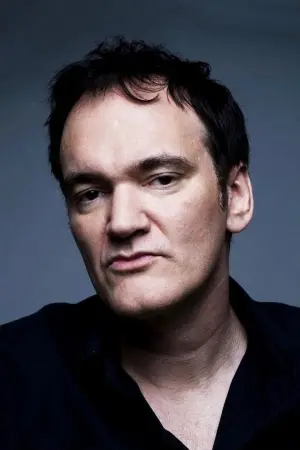
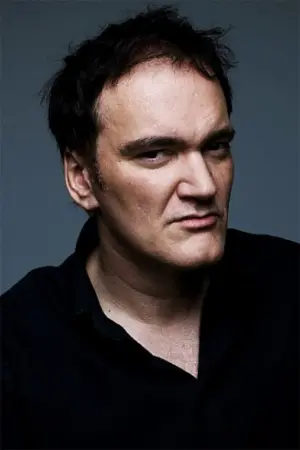
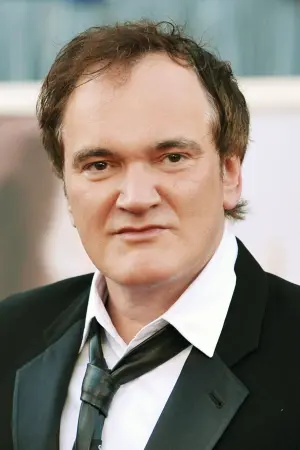
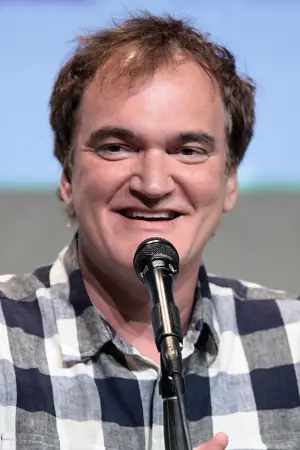
Producer
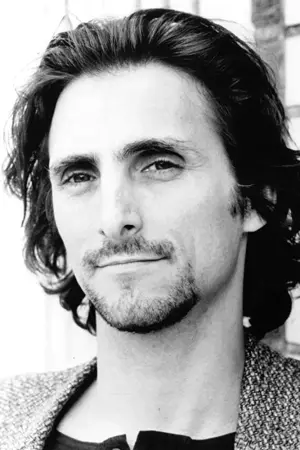
Executive Producer
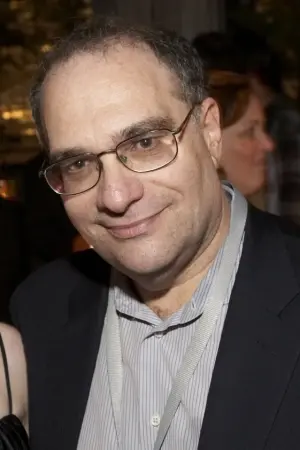
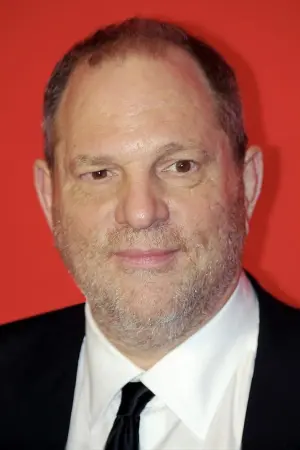
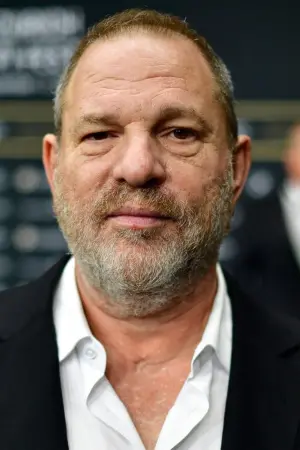

Erica Steinberg
Executive Producer
E. Bennett Walsh
Executive Producer
Writer
Casting

Johanna Ray
Casting
Editor
Special Effects Supervisor
Jason Gustafson
Special Effects Supervisor
Additional Second Assistant Director
Ryan Tighe
Additional Second Assistant Director
Art Direction
Daniel Bradford
Art Direction
Minoru Nishida
Art Direction
Cao Juiping
Art Direction
Lu Yo Lui
Art Direction
Costume Design
Kumiko Ogawa
Costume Design
Mark Zunino
Costume Design
Alexander AD
Costume Design
Stunts
Spencer Sano
Stunts
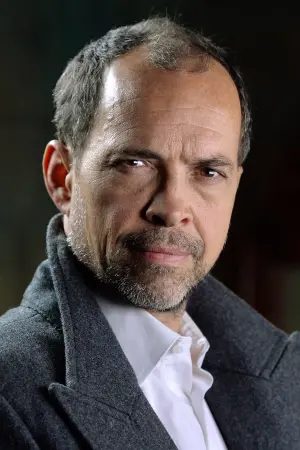
James Logan
Stunts

Sho Brown
Stunts
Satya Bellord
Stunts
Charlie Estepp
Stunts
Gary Fry
Stunts
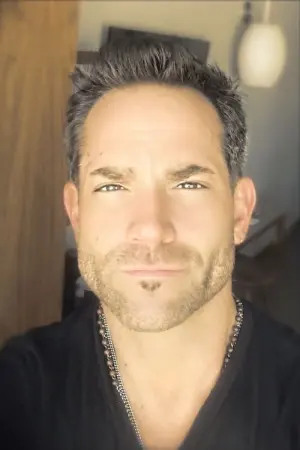
Jared S. Eddo
Stunts
Production Design
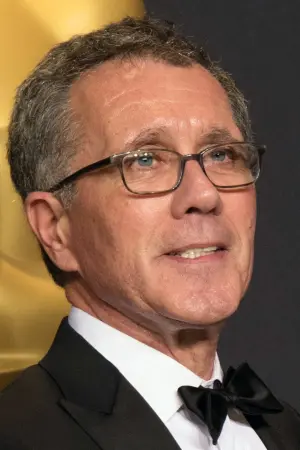
David Wasco
Production Design
Stunt Coordinator


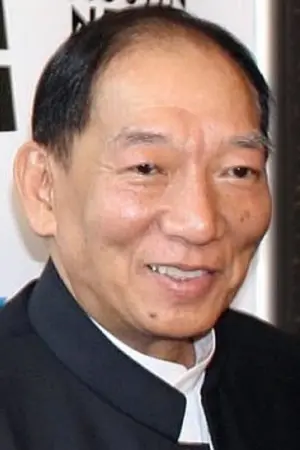

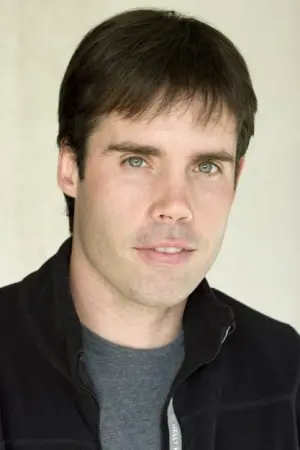
Second Unit Director


Mizuho Nishikubo
Second Unit Director
Set Decoration
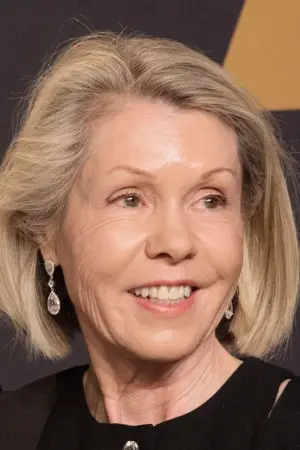
Sandy Reynolds-Wasco
Set Decoration
Yoshihito Akatsuka
Set Decoration
Stunt Driver
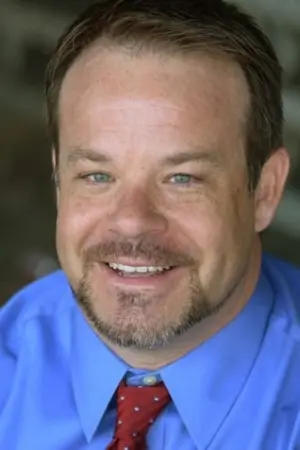
Jody Hart
Stunt Driver
Makeup Artist
Ilona Herman
Makeup Artist
Key Makeup Artist
Debbie Zoller
Key Makeup Artist
Sound Re-Recording Mixer
Original Music Composer
Unit Production Manager
Cornelia Ryan
Unit Production Manager
Arturo del Río
Unit Production Manager
Associate Producer
Kwame Parker
Associate Producer
Dede Nickerson
Associate Producer
Set Dresser
David Ladish
Set Dresser
Second Assistant Director
Jonathan Tex Levitt
Second Assistant Director
Stunt Double


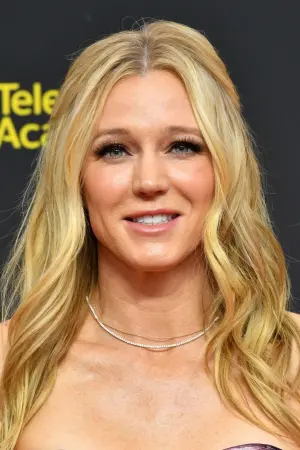
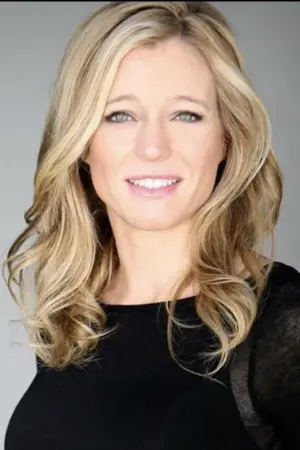
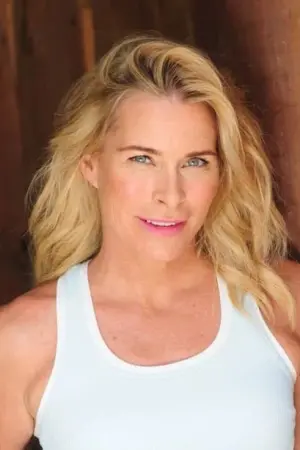
Lisa McCullough
Stunt Double
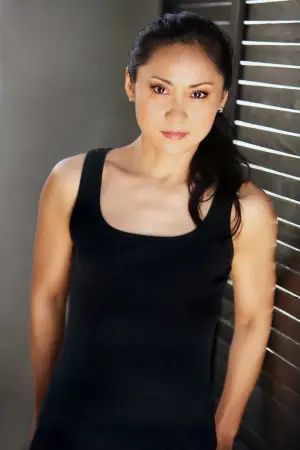
Ming Qiu
Stunt Double
Fight Choreographer
Rob Moses
Fight Choreographer
Utility Stunts
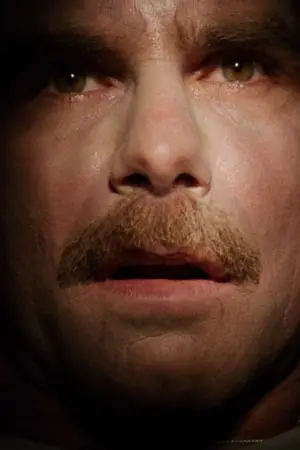
Ken Lesco
Utility Stunts
Director of Photography
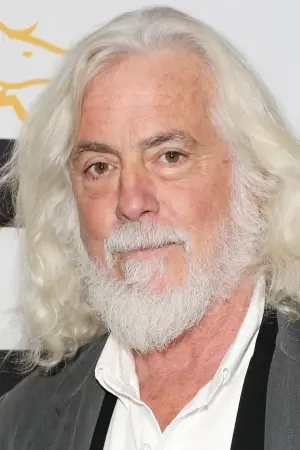
Steadicam Operator
Larry McConkey
Steadicam Operator
Costumer
Lisa Bojarski
Costumer
Costume Supervisor
Helen Monaghan
Costume Supervisor
Daniel Grant North
Costume Supervisor
Makeup Department Head

Heba Thorisdottir
Makeup Department Head
Sound Effects Editor
Dino DiMuro
Sound Effects Editor
Assistant Art Director
Satoko Saito
Assistant Art Director
Property Master
Steve Joyner
Property Master
Visual Effects Supervisor
Frankie Chung
Visual Effects Supervisor
Tommy Tom
Visual Effects Supervisor
Supervising Sound Editor
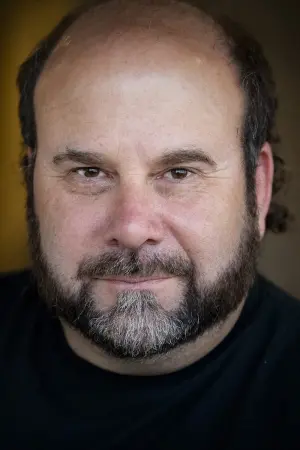
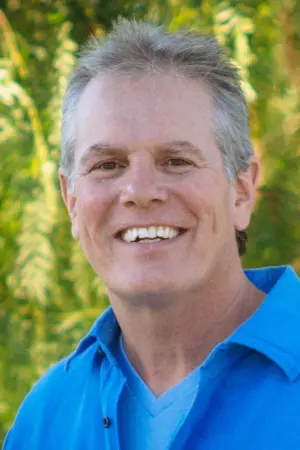
Wylie Stateman
Supervising Sound Editor
Electrician
Khan Griffith
Electrician
Set Costumer
Kanani Wolf
Set Costumer
Hairstylist
Ilona Herman
Hairstylist
Noriko Watanabe
Hairstylist
Character Designer
Shou Tajima
Character Designer
Special Effects Coordinator
John Hartigan
Special Effects Coordinator
Corey Pritchett
Special Effects Coordinator
Still Photographer
Andrew Cooper
Still Photographer
Armorer
Vincent Joseph Flaherty
Armorer
First Assistant Director
Kennedy Taylor
First Assistant Director
Animation


Sushio
Animation
Yasunori Miyazawa
Animation
Hideki Takahashi
Animation
Takaaki Yamashita
Animation
Thanks
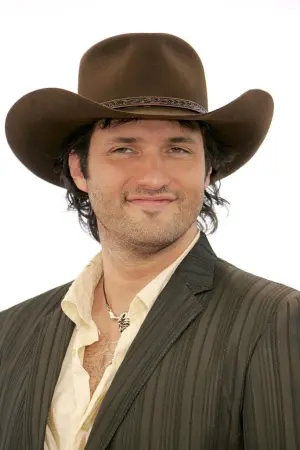
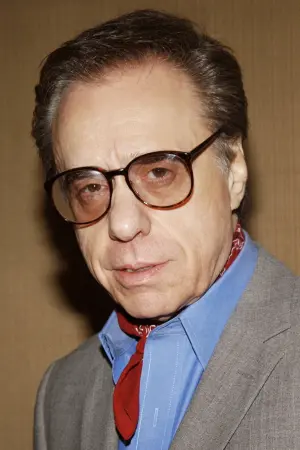
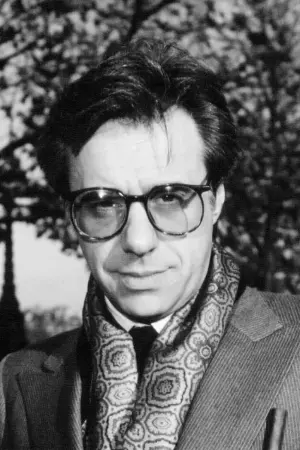
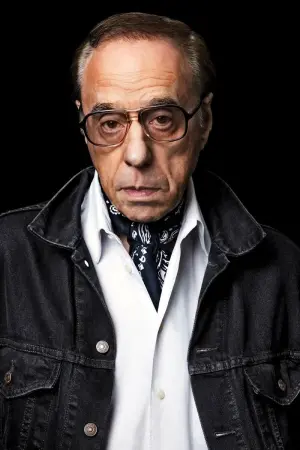
Driver
Robert Aaron Brown
Driver
Production Manager
Motoki Ishida
Production Manager
Ying Sun
Production Manager
Boom Operator
Tom Hartig
Boom Operator
Graphic Designer
Norm Hvam
Graphic Designer
Set Designer
Takashi Sasaki
Set Designer
Mary Saisselin
Set Designer
Peter Davidson
Set Designer
First Assistant Editor
Joan Sobel
First Assistant Editor
Foley Artist
James Moriana
Foley Artist
Jeffrey Wilhoit
Foley Artist
Sound Designer
Harry Cohen
Sound Designer
Peter Michael Sullivan
Sound Designer
Propmaker
Rome Duval
Propmaker
Construction Coordinator
John Stone
Construction Coordinator
Location Scout
Marie Healy
Location Scout
Art Department Coordinator
Gretchen Engel
Art Department Coordinator
Dialogue Editor
Frederick H. Stahly
Dialogue Editor
Michael Hertlein
Dialogue Editor
Katrina Siegmund
Dialogue Editor
Assistant Editor
Greg D'Auria
Assistant Editor
First Assistant Sound Editor
Branden Spencer
First Assistant Sound Editor
Best Boy Grip
Greg Fausak
Best Boy Grip
Art Department Assistant
Eriko Miyagawa
Art Department Assistant
Juning Li
Art Department Assistant
Lighting Technician
Preston A. Adams
Lighting Technician
Foley Editor
Craig S. Jaeger
Foley Editor
Rigging Grip
Carlos Escobar
Rigging Grip
Transportation Coordinator
Derek Raser
Transportation Coordinator
Key Grip
Herb Ault
Key Grip
Location Manager
Douglas Dresser
Location Manager
Akira Morii
Location Manager
Grip
Bruce Del Castillo
Grip
Dolly Grip
Antonio V. Garrido
Dolly Grip
Assistant Property Master
Edward J. Borasch Jr
Assistant Property Master
Key Hair Stylist
Emanuel Millar
Key Hair Stylist
Leadman
Brett C. Smith
Leadman
Assistant Location Manager
Carlos A. Aragon
Assistant Location Manager
Set Production Assistant
Stephen Dudycha
Set Production Assistant
Second Second Assistant Director
Heather I. Denton
Second Second Assistant Director
Visual Effects Production Manager
Jaime Norman
Visual Effects Production Manager
Carpenter
Archie Hankins
Carpenter
Construction Foreman
Jeff Plauster
Construction Foreman
Painter
Michael Spitaletto
Painter
Characters
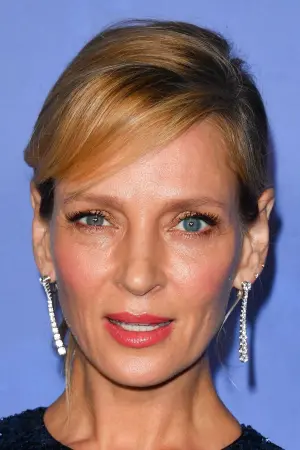
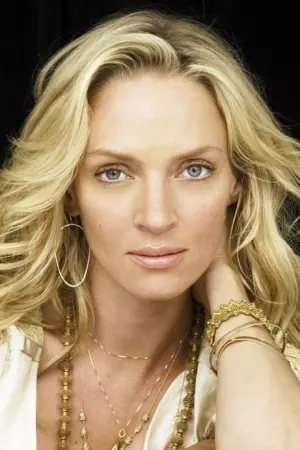


Music Supervisor
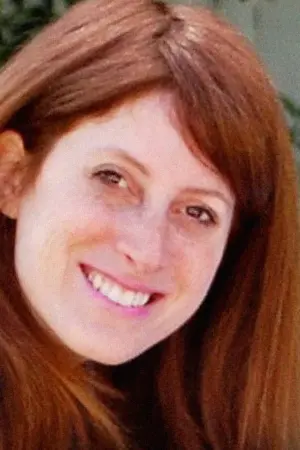
Michelle Kuznetsky Silverman
Music Supervisor

Mary Ramos
Music Supervisor
Casting Assistant
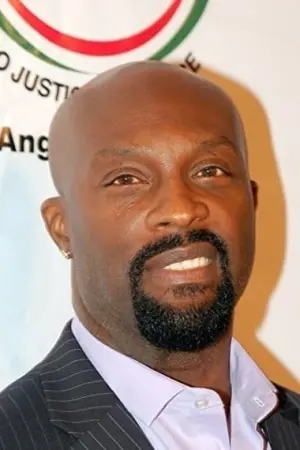
Jerome Ro Brooks
Casting Assistant
Special Effects Technician
Jack Jennings
Special Effects Technician
Makeup Designer
Scott Patton
Makeup Designer
Foley Mixer
Nerses Gezalyan
Foley Mixer
Third Assistant Director
Texas Dave
Third Assistant Director
Special Effects Makeup Artist
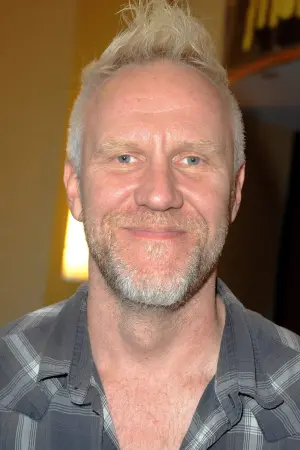
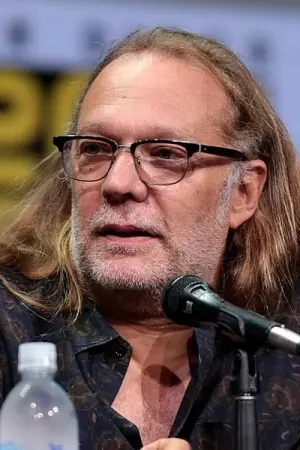
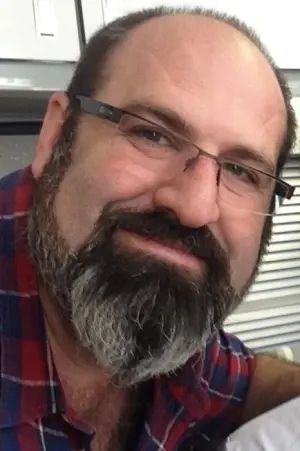
Howard Berger
Special Effects Makeup Artist
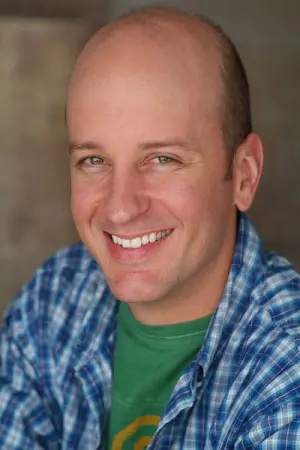
Jake McKinnon
Special Effects Makeup Artist
Norman Cabrera
Special Effects Makeup Artist
Production Accountant
Katsumi Furuhashi
Production Accountant
Casting Associate
Accountant
Hiroyuki Nakano
Accountant
Travel Coordinator
Andrew Blau
Travel Coordinator
Gaffer
Ian Kincaid
Gaffer
Assistant Director
William Paul Clark
Assistant Director
Music
Music Editor
Jay B. Richardson
Music Editor
Production Sound Mixer
ADR Mixer
Greg Steele
ADR Mixer
Video Assist Operator
Glenn Cannon
Video Assist Operator
ADR Recordist
Roger Morris
ADR Recordist
First Assistant Camera
Jamie Felz
First Assistant Camera
Post Production Coordinator
Ted Gidlow
Post Production Coordinator
Standby Painter
Elizabeth Norton
Standby Painter
Additional Music
D.A. Young
Additional Music
Post Production Supervisor
Peter Mavromates
Post Production Supervisor
Music Coordinator
Wendi Morris
Music Coordinator
Sound Engineer
John Bires
Sound Engineer
Stand In
Leslie Yeransian
Stand In
Production Assistant
Go Abe
Production Assistant
Greensman
Steve Borgese
Greensman
Unit Publicist
Will Casey
Unit Publicist
Production Coordinator
Jennifer S. Deayton
Production Coordinator
Sound
Daniel R. Kerr
Sound
Utility Sound
Adam Blantz
Utility Sound
Scenic Artist
Jennifer A. Bolitho
Scenic Artist
Production Secretary
Sue Smith
Production Secretary
Camera Production Assistant
Jessica Miglio
Camera Production Assistant
Payroll Accountant
Edward Poveda
Payroll Accountant
Animation Director
ADR Supervisor
Hugh Waddell
ADR Supervisor
Extras Casting
Rich King
Extras Casting
Rigging Gaffer
John R. Manocchia
Rigging Gaffer
Sound Mix Technician
Eddie Bydalek
Sound Mix Technician
Picture Car Coordinator
Don Feeney
Picture Car Coordinator
Post Production Assistant
Ian Elias
Post Production Assistant
Assistant Accountant
Jerry Carville
Assistant Accountant
Camera Loader
Julie Helton
Camera Loader
Assistant Production Coordinator
Rachael Lin Gallaghan
Assistant Production Coordinator
Second Assistant Accountant
Sean Carville
Second Assistant Accountant
Key Production Assistant
Ryutaro Ishimori
Key Production Assistant
Construction Buyer
Ellen C. Troy
Construction Buyer
Second Assistant Camera
Jasmine Yuen Carrucan
Second Assistant Camera
Choreographer
Assistant Sound Editor
Mike Hurst
Assistant Sound Editor
Mike Hurst
Assistant Sound Editor
Wigmaker
Victoria Wood
Wigmaker
Assistant Production Manager

Rui Kuroki
Assistant Production Manager
Title Designer
Jay Johnson
Title Designer
Swing
Marcus Epps
Swing
Sound Editor
Bob Beher
Sound Editor
First Assistant Accountant
Beverly Jusi
First Assistant Accountant
Set Medic
Elida Cerda
Set Medic
Digital Intermediate Producer
Stephanie Ito
Digital Intermediate Producer
Animation Manager
Yutaka Sakamoto
Animation Manager
Craft Service
Paul Abraham
Craft Service
Negative Cutter
Aaron Denenberg
Negative Cutter
Wardrobe Assistant
Amy Lin
Wardrobe Assistant
Digital Intermediate
Jennifer Hall Lee
Digital Intermediate
Lead Painter
Laurel Pickering
Lead Painter
Assistant Camera
Melanie C. Brown
Assistant Camera
Executive Assistant
David Greenbaum
Executive Assistant
Makeup Effects
Howard Berger
Makeup Effects
Makeup Effects Designer
Scott Patton
Makeup Effects Designer
Creative Director
Phill Zagajewski
Creative Director
Digital Compositors
Kelly Bumbarger
Digital Compositors
Art Department Manager
Shou Tajima
Art Department Manager
Transportation Co-Captain
Bruce Callahan
Transportation Co-Captain
Production Illustrator
Ayako Sakahara
Production Illustrator
Technical Advisor
Junichiro Aki
Technical Advisor
Assistant Craft Service
Alan Schwartz
Assistant Craft Service
Assistant Set Designer
Kei Itsutsuji
Assistant Set Designer
What's left behind the scenes
- Quentin Tarantino postponed the start of filming for a year due to Uma Thurman's pregnancy.
- Warren Beatty and Kevin Costner were considered for the role of Bill.
- Quentin Tarantino suggested Uma Thurman play the Bride on her thirtieth birthday.
- The Bride's yellow suit is a reference to 'Game of Death' (1978).
- To achieve a memorable visual style reminiscent of 1970s Chinese martial arts films, Quentin Tarantino compiled an extensive list of films that Robert Richardson (cinematographer) needed to watch. The list included films by Chang Cheh and the Shaw brothers. Tarantino also forbade the use of computer special effects. Tarantino insisted that the gushing fountains of blood be made in the traditional style of Chang's films: condoms filled with fake blood are sprayed when pressure is applied to them.
- Some of the filming took place at the legendary 'Shaw Bros. studio' in Hong Kong.
- During filming, Quentin Tarantino constantly came up with new scenes, resulting in a huge amount of footage for the film.
- Some of the miniature sets of Tokyo were borrowed from the Godzilla film "Godzilla, Mothra, King Ghidorah: Monsters Attack" (2001).
- According to Quentin Tarantino, all the music for the film was taken from other movies. Quentin selected music from his extensive soundtrack collection.
- Quentin Tarantino confirmed that "Deadly Viper Assassination Squad (DiVAS)" was based on "Fox Force Five," a fictional television series in which Mia Wallace (Uma Thurman) from "Pulp Fiction" (1994) played one of the roles.
- 450 gallons of fake blood were used during the filming of the first and second parts of the film.
- According to Quentin Tarantino, Sonny Chiba's character, Hattori Hanzo, is a descendant of the main hero of the series "Shadow Warriors: Hattori Hanzo" (1980).
- Vernita Green's (Vivica A. Fox) initial code name was "Cobra." However, it was later changed to "Copperhead."
- The end credits state that the film is based on the Bride character created by Q and U. "Q" and "U" stand for Quentin Tarantino and Uma Thurman.
- The names of the "DiVAS" members repeat the names of snakes: Sidewinder, Black Mamba, Cottonmouth, Copperhead, California Mountain snake. Additionally, the enemies of Captain America were also named the same way.
- The melody whistled by Daryl Hannah's character in the hospital lobby is the same melody sung by the young man in "Poor Things" (1968).
- Quentin Tarantino and Miramax Studios purchased the rights to a song from the film 'Master of the Flying Guillotine' (1976).
- The masks worn by the '88 Crazy' members are a reference to Kato's (Bruce Lee) mask in the 'Green Hornet' series (1966).
- The black and white scenes are a reference to television versions of kung fu films released in the US in the 1970s-1980s. Distributors deliberately 'colored' the films in black and white to avoid censorship complaints about fountains of blood. Originally, Quentin's film was not supposed to have black and white scenes, but at the insistence of the ratings board, some episodes had to be desaturated.
- Michael Parks played Sheriff Earl McGraw. The character Parks played was named exactly the same in 'From Dusk Till Dawn' (1995), only there he was a Texas Ranger.
- When the detectives enter the church, you can hear someone tuning a radio to the right station: before a final choice is made, 'Dónde Está' is playing. In 'Reservoir Dogs' (1991), in the torture scene, Mr. Blonde is also looking for a suitable radio station, and before settling on 'K-BILLY', we also hear 'Dónde Está'.
- Baka has the exact same Elvis-style sunglasses as Clarence Worley (Christian Slater) from "True Romance" (1993).
- The multitude of sunglasses on the sheriff's car dashboard is a reference to the beginning of "Gone in 60 Seconds" (1974).
- The Japanese characters in the background on the movie poster read "kirubiru," which means "Kill Bill."
- According to Quentin Tarantino, he originally planned to cast three actors of different nationalities representing the corresponding country: Jia Huiliu – China, Sonny Chiba – Japan, David Carradine – USA. Tarantino said that if Bruce Lee were still alive, he would have done everything possible to get him in the film.
- The church scene was filmed in the Mojave Desert.
- The title of the second chapter – “The Blood-Splattered Bride” – is a reference to the film “Bloody Bride” (1972), which was released in the US under the title “The Blood Splattered Bride”.
- Approximately $65,000 was spent on creating the Japanese blades.
- “Kill Bill: Volume 1” was the first film to receive an “R” rating in Canada according to the new film rating rules. Under the old rating system, the film would most likely have received a “18A” – individuals under eighteen must be accompanied by individuals over eighteen. According to the new rating system, “R” means – individuals under 18 are not admitted to view the film.
- Quentin Tarantino is a big fan of the film “Battle Royale” (2000), so he invited Chiaki Kuriyama, who played Takako Chigusa in “Battle Royale,” to play Gogo Yubari.
- The composition “Ode to O-Ren Ishii” is the title track from the film “Seven Notes in Darkness” (1977).
- Quentin Tarantino chose Juno Kunimura for the role of Boss Tanaka after seeing him in 'Ichi the Killer' (2001).
- In real life, the 'Pussy Wagon' belongs to Quentin Tarantino.
- According to Quentin Tarantino, if Warren Beatty had agreed to play Bill, the character would have been in the style of James Bond.
- Initially, Quentin Tarantino planned to cast a Japanese actress for the role of O-Ren Ishii. However, shortly before the start of casting, he saw Lucy Liu in 'Shanghai Noon' (2000) and immediately changed O-Ren's nationality so that Lucy could play the role.
- The characters running vertically from top to bottom on the left side of the screen in the opening scenes are kanji and hiragana, read as “Hana yome ga kuru, hana yome ga kuru…”, which means “The bride is coming, the bride is coming…”
- Daryl Hanna's character is named Elle Driver. The company responsible for "Boogie Nights" (1997), a documentary about the making of "From Dusk Till Dawn" (1995), is called "L. Driver Productions".
- The map with which we can track the Bride's journey around the world also appears in "Jackie Brown" (1997).
- A piece of music playing in the animated sequence is borrowed from "Once Upon a Time in the West" (1968).
- The scene where the Bride fights against a blue screen, and we see her silhouette, is a reference to "The Samurai Story" (1998).
- When the Bride stands near Vernita Green's house, an ice cream truck jingle plays. In the first draft of the script, Yuki Yubari pursued the Bride in an ice cream truck, trying to avenge her sister GoGo's death.
- The opening scene of the film is a reference to a similar scene in Sergio Leone's "The Good, the Bad and the Ugly" (1966), where Eli Wallach pointed a gun at Clint Eastwood.
- According to Shingon, one of the main Buddhist schools in Japan, the number 88 represents all evil in the world.
- Quentin Tarantino wrote the screenplay for the film over six years. The rough draft, not divided into two parts, was 220 pages long. It is now easily found online.
- When The Bride arrives in Tokyo, you can notice advertisements for "Red Apple" cigarettes. This is a fictional brand that appears in all of Tarantino's films. Also in "Kill Bill," you can see Julie Dreyfus, who played Sophie, on posters in Tokyo advertising "Red Apple" cigarettes.
- "Kill Bill" was the first film in Quentin Tarantino's career where the word "fuck" is uttered less than one hundred times during the film: only seventeen times.
- GoGo Yubari is not a real Japanese name. "GoGo" is a shortening of Mako GoGoGo, a character from Japanese anime that Quentin loved as a child. Yubari is the name of a small town on the island of Hokkaido, northern Japan. Tarantino first came to Japan for the "Yubari International Fantastic Film Festival," where he presented his first film, "Reservoir Dogs" (1991).
- Originally, Michael Madsen was supposed to play Johnny Mo, but Quentin Tarantino later decided he was more suitable for the role of Budd.
- The sheriff (Michael Parks) in the films "Kill Bill," "Planet Terror," and "Death Proof" is the same person. The events of the film (where he appears in cameos) take place in Texas.
- Quentin Tarantino often collaborates with Robert Rodriguez on his projects. Tarantino paid Rodriguez $1 for the music to "Kill Bill." Rodriguez didn't remain in debt and paid Tarantino $1 as a guest director in "Sin City." But he promised that in the second part of the film, everything would be more serious and he would pay Quentin $2.
- Buck, the nurse who allows himself to have sex with The Bride, says: "We clearly agreed on the first rule, right?" The exact same phrase is spoken by a character played by George Clooney in the film "From Dusk Till Dawn" (1995).
- In the initial version of the script, Bill used various elixirs and serums of his own making much more frequently. His special serum was called “Goodbye Forever.” The film was to include a detailed description of this elixir in the form of subtitles. The Bride used a serum called “The Undisputed Truth” to obtain information from Sofie Fatale.
- In the initial version of the script, Johnny Mo was named Mr. Barrel. The Bride persuaded him not to fight her, he agreed and left O-Ren without bodyguards.
- The entrance to the tunnel in Tokyo is actually the entrance to a tunnel in Los Angeles, only with road signs in Japanese added.
- Earl McGraw (Michael Parks) calls his son “son number one,” which is a reference to the Charlie Chan films.
- The phrase “Revenge is a dish best served cold” is borrowed from the film “Star Trek VI: The Undiscovered Country” (1991).
- The music playing before the fight between The Bride and O-Ren Ishii (Lucy Liu), and The Bride and Vernita Green (Vivica A. Fox) is the main theme from the series "The Iron Side" (1967).
- The musical theme from the series "The Green Hornet" (1966) is heard in the scene where The Bride races on a motorcycle through nighttime Tokyo.
- Buck's line, "My name is Buck and I'm here to kick ass," was first uttered by Robert Englund in the film "Pieces" (1976).
- When The Bride addresses the surviving Crazy 88, Quentin Tarantino is among them.
- The fight scene in "The House of Blue Leaves" is a reference to Bruce Lee's film "Fist of Fury" (1972).
- During the ceremony where Hattori Hanzo (Sonny Chiba) presents the sword to The Bride, he says: "Even if Buddha himself stands in your way, he will be cut down." The exact same phrase was heard by Sonny Chiba’s character when accepting a newly made sword in Kinji Fukasaku’s film *Resurrection from Hell* (1981).
- In each of his films, Quentin Tarantino creates a long scene filmed in one take. In *Kill Bill*, this scene is: The Bride walks away from the door of O-Ren’s room in the “House of Blue Leaves” (when Gogo returns to the room), we follow her down the stairs through the bar, past the kitchen, into the women’s restroom. Then we exit the restroom, return to the stairs, meet Sofie and follow her into the women’s restroom. The end of the scene – a cell phone rings. All of this was filmed in one take, without any editing cuts. Preparation for the shooting took six hours. The scene was shot in one take. Rumor has it that after filming was completed, Larry McConkey (the cinematographer) fainted from physical exhaustion.
- In the restaurant, The Bride kills 57 people.
- During the filming of the scene where Tiaki Kuriyama (Gogo) throws a metal ball on a chain, she accidentally hit Quentin Tarantino in the head, who was standing behind the camera at the time.
- The eerie music playing in the background after The Bride attacks the rapist is borrowed from Lucio Fulci’s film *Seven Notes in Dark* (1977).
- Although the Bride's name is never spoken in the film, it can be discovered by carefully looking at her ticket to Okinawa, which clearly states the full name of Uma Thurman's character.
- The song that plays after the fight between the Bride and O-Ren is the main theme from “Lady Snowblood” (1973). The song's title is “Shura no hana”.
- The box containing Vernita Green's gun is a box for “KaBoom!” cereal.
- The fight in “The House of Blue Leaves” is a homage to Michael Cimino’s “Year of the Dragon” (1985).
- In the original script, Gogo had a twin sister, Yuki. After Gogo’s death at the hands of the Bride, Yuki attempted to take revenge, but also perished. This storyline was dedicated to a separate chapter titled “Yuki’s Revenge.” If the film had been shot according to the initial script, all of Gogo’s lines would have been spoken by Yuki.
- The scene where the Bride cuts a baseball in half contains no special effects. Zoë Bell, Uma Thurman's stunt double, performed the trick.
- According to Tarantino, the scene where Elle goes to the Bride's hospital room and the screen splits in half is a tribute to Brian De Palma.
- Julie Dreyfus speaks three languages in the film: Japanese, French, and English. In real life, Julie is fluent in all three languages.
- In the animated scene, O-Ren’s line “Look at me closely. Do I look like one of the people you killed?” is borrowed from “Lady Snowblood” (1973), only Tarantino changed “raped” to “killed.”
- David Carradine confirmed that Bill is the killer of O-Ren Ishii's parents.
- The phrase spoken by O-Ren and The Bride in “House of Blue Leaves” — “Silly rabbit / Trix are for kids” — is a reference to a cereal advertising slogan, and also an anagram of The Bride’s name.
- During the main battle with the samurai, The Bride strikes the warriors with her sword, causing blood to splatter on her face, hair, and yellow jumpsuit. However, in the main fight with O-Ren Ishii herself, bloodstains appear and disappear on different parts of her clothing.
- After O-Ren Ishii decapitates one of the members of the Council of Tokyo mafia bosses, she swings her sword, and blood from the sword splatters onto the face of the man sitting nearby. In the following shot, the man's face is already without a single drop of blood.
- The Bride's yellow suit is a reference to "Game of Death" (1978).
- To achieve a memorable visual style reminiscent of 1970s Hong Kong martial arts films, Quentin Tarantino compiled a list of films for cinematographer Robert Richardson to watch. Tarantino also forbade the use of computer special effects and insisted that the fountains of blood be made in the traditional style of those films.
- Part of the filming took place at the legendary Hong Kong Shaw Bros. studio.
- During filming, Quentin Tarantino constantly came up with new scenes, resulting in a huge amount of footage for the film.
- Some of the miniature Tokyo sets were borrowed from the Godzilla film “Godzilla, Mothra, King Ghidorah: Monster Attack” (2001).
- The film's music was borrowed from other films.
- Quentin Tarantino confirmed that the Deadly Viper Assassination Squad (DiVAS) is based on “Fox Force Five” – a fictional series in which Mia Wallace (Uma Thurman) from “Pulp Fiction” (1994) played one of the roles.
- According to Quentin Tarantino, the character of Hattori Hanzo is a descendant of the main hero from the series “Shadow Warriors: Hattori Hanzo” (1980).
- Vernita Green’s (Vivica A. Fox) initial code name was Cobra. However, it was later changed to Moccasin.
- The end credits state that the Bride character was created by Q and U. “Q” and “U” stand for Quentin Tarantino and Uma Thurman.
- The names of the DiVAS members are snake names, just like the names of Captain America’s enemies.
- The melody whistled by Daryl Hannah's character in the hospital hallway is the same tune sung by the young man in 'Nervous Breakdown' (1968).
- The masks worn by the members of '88 Crazy' are a reference to Kato's (Bruce Lee) mask in the 'Green Hornet' series (1966).
- The black and white scenes are a reference to American television versions of kung fu films released in the 1970s-1980s. Distributors removed the color to avoid censorship complaints about fountains of blood.
- When the detectives enter the church, you can hear someone tuning a radio to the right station: before a final choice is made, 'Dónde Está' plays. In 'Reservoir Dogs' (1991), during the torture scene, Mr. Blonde also searches for a suitable radio station, and before settling on 'K-BILLY,' 'Dónde Está' is playing.
- The many pairs of sunglasses on the dashboard of the sheriff's car are a reference to the beginning of 'Gone in 60 Seconds' (1974).
- According to Tarantino, if Bruce Lee were still alive, Quentin would have done everything possible to get him in the film.
- The title of the second chapter, “The Bride Bleeds,” is a reference to the film “Blood Wedding” (1972).
- Approximately $65,000 was spent on creating the katanas.
- The first film to receive an R rating in Canada under the new film rating rules.
- Quentin Tarantino is a big fan of the film “Battle Royale” (2000), so he invited Chiaki Kuriyama, who starred in it, to appear in his film.
- The composition "Ode to O-Ren Ishii" is the main musical theme of the film "Seven Notes in the Dark" (1977).
- Initially, Quentin Tarantino planned to cast a Japanese actress in the role of O-Ren Ishii. However, shortly before the start of casting, he saw Lucy Liu in "Shanghai Noon" (2000) and changed O-Ren's nationality so that Lucy could play the part.
- The map showing the Bride's journey around the world also appears in "Jackie Brown" (1997).
- When the Bride stands near Vernita Green's house, the jingle of an ice cream truck plays. In the first version of the script, Yuki Yubari pursued the Bride in an ice cream truck, trying to avenge her sister Gogo's death.
- The opening scene of the film is a reference to "The Good, the Bad and the Ugly" (1966), where Eli Wallach pointed a gun at Clint Eastwood.
- Quentin Tarantino wrote the screenplay for the film over six years. The first draft, not divided into two parts, was 220 pages long.
- When The Bride arrives in Tokyo, you can notice advertisements for Red Apple cigarettes. This is a fictional brand that appears in all of Tarantino's films. In 'Kill Bill', you can also see Julie Dreyfus, who played Sophie, on posters in Tokyo advertising Red Apple cigarettes.
- This is the first Quentin Tarantino film where the word 'fuck' is uttered less than one hundred times: only 17 times.
- Gogo Yubari received her name in honor of the anime 'Speed Racer' (Mahha GoGoGo), which Quentin loved as a child. Yubari is the name of a city on the island of Hokkaido.
- Filming took place from June 17, 2002, to March 3, 2003.
- Nurse Buck, allowing sex with The Bride, says: “We clearly came to an agreement on the first rule?” The exact same phrase is spoken by a character played by George Clooney in the film *From Dusk Till Dawn* (1995).
- In the original version of the script, Bill used various elixirs and serums of his own making much more often. His special serum was called “Goodbye Forever.” The film was supposed to include a detailed description of this elixir in the form of subtitles. The Bride used a serum called “The Undisputed Truth” to obtain information from Sophie Fatale.
- In the initial version of the script, Johnny Mo was called Mr. Barrel. The Bride convinced him not to fight her, he agreed and left O-Ren without bodyguards.
- The entrance to the tunnel in Tokyo is actually the entrance to a tunnel in Los Angeles, only with road signs in Japanese added.
- Buck’s phrase “My name is Buck, and I’m gonna fuck” was spoken by Robert Englund in the film *Eaten Alive* (1976).
- The fight scene in the House of Blue Leaves is a reference to Bruce Lee's film 'Fist of Fury' (1972).
- During the ceremony, when Hattori Hanzo (Sonny Chiba) presents the sword to the Bride, he says: 'Even if Buddha himself stands in your way, he will be cut down.' The same phrase was heard by Sonny Chiba's character when accepting the sword in Kinji Fukasaku's film 'The Resurrection of a Barbarian' (1981).
- The scene in which the Bride walks away from the door of O-Ren Ishii's room in the House of Blue Leaves has the camera descend the stairs through the bar, pass the kitchen, enter the women's restroom, exit the restroom, return to the stairs, meet Sofie, and follow her into the women's restroom. The scene ends with a cell phone ringing. It was filmed in one take, from the first attempt. Preparation for the shooting took six hours.
- While filming the scene where Tiaki Kuriyama (GoGo) throws the metal ball on a chain, she accidentally hit Quentin Tarantino in the head, as he was standing behind the camera at the time.
- The music playing after the Bride attacks the rapist is taken from Lucio Fulci's film 'Seven Notes in Darkness' (1977).
- The Bride's name is never spoken in the film, but it can be seen on her ticket to Okinawa.
- The song that plays after the fight between The Bride and O-Ren is "Shura no hana", the main theme from "Lady Snowblood" (1973).
- In the original script, Gogo had a twin sister, Yuki. After Gogo's death at the hands of The Bride, Yuki attempted to take revenge, but also perished. This plotline was dedicated to a separate chapter titled "Yuki's Revenge". If the film had been shot according to the original script, all of Gogo's lines would have been spoken by Yuki.
- The shot where The Bride cuts a baseball in half contains no special effects. Stuntwoman Zoë Bell performed this trick.
- The film's main plot, division into chapters, many camera angles, and phrases are borrowed from the film "Lady Snowblood" (1973).
- David Carradine confirmed that Bill is the murderer of O-Ren Ishii's parents.
- The phrase spoken by O-Ren and The Bride in the House of Blue Leaves—'Silly rabbit / Trix are for kids'—is a reference to an oatmeal cereal advertising slogan, as well as an anagram of The Bride's name.
- After O-Ren Ishii beheads one of the members of the Council of Five Bosses of the Tokyo mafia, she swings her sword, and blood from the sword splatters on the face of the man sitting nearby. In the next shot, the man's face is already without a single drop of blood.
- During the fight with the Yakuza, blood splatters from O-Ren Ishii onto The Bride's face, hair, and yellow jumpsuit. But in the duel with O-Ren Ishii herself, blood stains disappear and reappear on different parts of her clothing.
- The Bride's yellow suit is a reference to "Game of Death" (1978).
- Some of the miniature Tokyo sets were borrowed from the Godzilla film "Godzilla, Mothra and King Ghidorah: Giant Monsters All-Out Attack" (2001).
- Quentin Tarantino confirmed that the Deadly Viper Assassination Squad (DiVAS) is based on "Fox Force Five" – a fictional series in which Mia Wallace (Uma Thurman) from "Pulp Fiction" (1994) played one of the roles.
- According to Quentin Tarantino, the character Hattori Hanzo is a descendant of the main hero from the series "Shadow Warriors: Hattori Hanzo" (1980).
- Vernita Green (Vivica A. Fox)'s original code name was Cobra. However, it was later changed to Moccasin.
- The end credits state that the Bride character was created by Q and U. "Q" and "U" stand for Quentin Tarantino and Uma Thurman.
- The tune whistled by Daryl Hannah's character in the hospital lobby is the same tune hummed by the young man in 'Poor Little Rich Girl' (1968).
- The masks worn by the 88 Crazy 88s are a reference to Kato's (Bruce Lee) mask in the 'Green Hornet' (1966) series.
- The black and white scenes are a reference to American television versions of kung fu films released in the 1970s and 1980s. Distributors removed the color to avoid censorship issues regarding fountains of blood.
- When detectives enter the church, one can hear someone tuning a radio to the right station: “Dónde Està” plays before a final selection is made. In “Reservoir Dogs” (1991), in the torture scene, Mr. Blonde is also looking for a suitable radio station, and “Dónde Està” plays before he settles on “K-BILLY”.
- Buck has the exact same Elvis-style sunglasses as Clarence Worley (Christian Slater) from “True Romance” (1993).
- The multitude of sunglasses on the dashboard of the sheriff's car is a reference to the beginning of the film “Gone in 60 Seconds” (1974).
- The title of the second chapter, “The Bride Bleeds,” is a reference to the film “The Bride Wore Black” (1968).
- Quentin Tarantino is a big fan of the film “Battle Royale” (2000), so he invited Chiaki Kuriyama, who starred in it, to appear in his film.
- The composition "Ode to O-Ren Ishii" is the main musical theme of the film "Seven Notes in the Dark" (1977).
- Quentin Tarantino chose Jun Kunimura for the role of Boss Tanaka after seeing him in "Ichi the Killer" (2001).
- In real life, the "Pussy Wagon" belongs to Quentin Tarantino.
Did you like the film?
 Auditions in India
 Casting calls in USA
 Castingi w Polsce
 Кастинги в Україні
