Point Blank - crew, film crew
The entire team, the film crew of the film "Point Blank"
Point Blank (1967)
Timing:
1:32 (92 min)

7.032/10
364
364

6.993/10
2098
2098

7.2/10
26000
26000
Film crew
Director
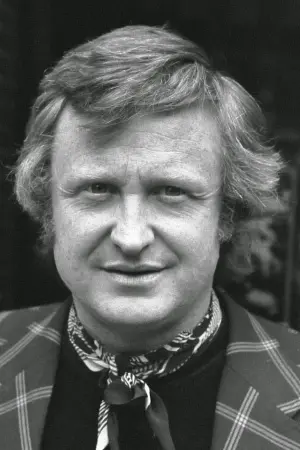
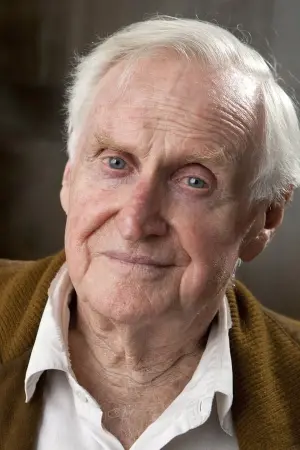
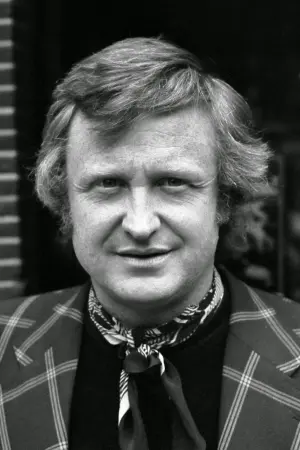
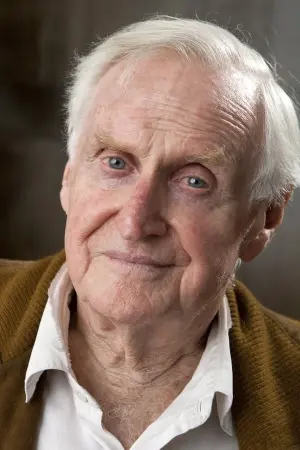
Producer
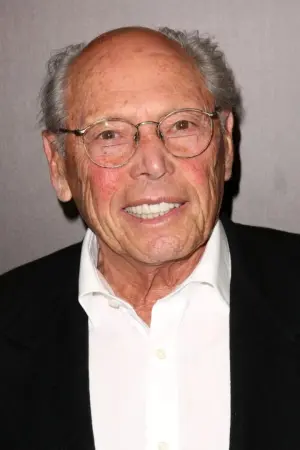
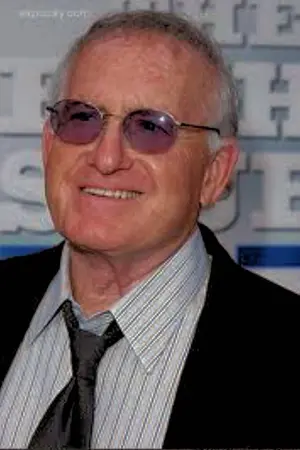
Robert Chartoff
Producer
Judd Bernard
Producer
Editor
Art Direction
George W. Davis
Art Direction
Costume Design
Margo Weintz
Costume Design
Set Decoration
Henry Grace
Set Decoration
F. Keogh Gleason
Set Decoration
Makeup Artist
Original Music Composer
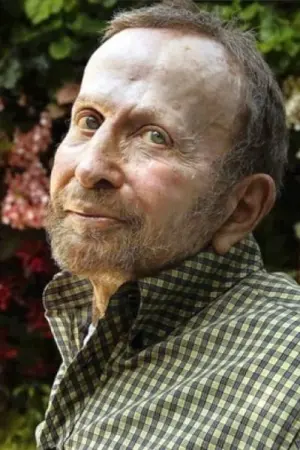
Johnny Mandel
Original Music Composer
Unit Production Manager
Edward Woehler
Unit Production Manager
Director of Photography
Philip H. Lathrop
Director of Photography
Musician
Mel Lewis
Musician
Hairstylist
Still Photographer
David Steen
Still Photographer
Sound Mixer
Larry Jost
Sound Mixer
Screenplay
Alexander Jacobs
Screenplay
Rafe Newhouse
Screenplay
David Newhouse
Screenplay
Novel
Songs
Stu Gardner
Songs
Assistant Director
Al Jennings
Assistant Director
Other
Patricia Casey
Other
William Stair
Other
Rafe Newhouse
Other
Visual Effects
J. McMillan Johnson
Visual Effects
Sound Editor
Van Allen James
Sound Editor
Dialogue Coach
Norman Stuart
Dialogue Coach
Recording Supervision
Franklin Milton
Recording Supervision
What's left behind the scenes
- This is the first film to be shot at Alcatraz since the infamous prison on the island closed in 1963.
- Once, director John Boorman was invited to a meeting with Robert O'Brien (1907-1997), the president of MGM, during which O'Brien began to express his wishes for the film, and his phone rang during the meeting. It was David Lean (1908-1991) with some questions about his upcoming film, 'Ryan's Daughter' (1970). After talking to him, O'Brien forgot everything he had intended to say to Boorman and quickly ushered him out of the office. Boorman later told Lean how he had saved him in this way.
- When James Sikking came to audition for the role of the killer, John Burman turned him down, stating that he looked too kind for the part. For the following week, whenever Burman looked out the window, he invariably caught sight of Sikking, who was simply standing nearby and staring menacingly at him. Burman lasted a week before going outside and telling Sikking that the role was his.
- The film's plot structure was fragmented, which was quite unusual for the time. The lead actor, Lee Marvin (1924-1987), even requested a meeting with the studio bosses to confirm that they had no objections to the script, the chosen actors, etc., and he received that confirmation. However, once the film was shot, the studio executives watched the director's cut and immediately began hinting at the need for reshoots and some changes. Regardless, the film was released exactly as John Burman had envisioned it.
- After filming the scene of Carroll O'Connor's character's death, the filmmakers, while reviewing the footage, noticed that he was making sounds completely inappropriate for the seriousness of the moment, which could elicit laughter from the audience. The actor had already left and was halfway from San Francisco to Los Angeles. The filmmakers called the police to have his car stopped and to relay to O'Connor that he needed to return to the set. The actor's car was stopped, and the message was delivered. He was furious but returned to the set.
- Once, director John Burman was invited to a meeting with MGM president Robert O’Brien (1907-1997), during which the latter began to express his wishes for the film. During the meeting, O’Brien’s phone rang. It was David Lean (1908-1991) with questions about his upcoming film, "Ryan's Daughter" (1970). After talking to him, O’Brien forgot everything he intended to say to Burman and quickly ushered him out of the office. Burman later told Lean how he had saved him in this way.
- When James Sikking came to audition for the role of the killer, John Burman turned him down, saying he looked too kind for the part. Over the following week, whenever Burman looked out the window, he invariably caught sight of Sikking, who was simply standing nearby and glaring at him menacingly. Burman lasted a week before going outside and telling Sikking that the role was his.
- After filming the death scene of the character played by Carroll O’Connor, the filmmakers, while reviewing the day’s footage, noticed that he was making sounds in the scene that were completely inappropriate for the seriousness of the moment and could make the audience laugh. The actor had already left and was halfway from San Francisco to Los Angeles. The filmmakers called the police to have his car stopped and to relay to O’Connor that he needed to return to the set. His car was stopped, and the message was delivered. He was furious, but he returned to the set.
Did you like the film?
 Auditions in India
 Casting calls in USA
 Castingi w Polsce
 Кастинги в Україні
