Mrs. Miniver - crew, film crew
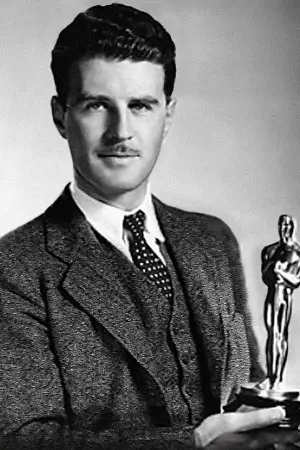
The entire team, the film crew of the film "Mrs. Miniver"
Mrs. Miniver (1942)
Timing:
2:14 (134 min)

7.016/10
243
243

6.978/10
1226
1226

7.6/10
21000
21000
Film crew
Director
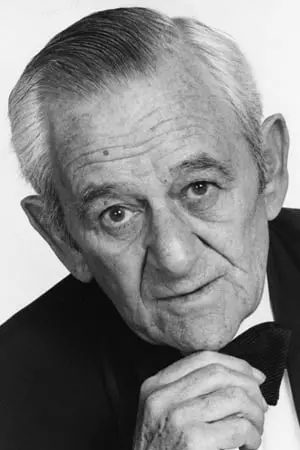
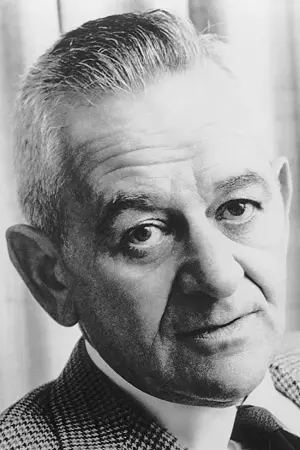
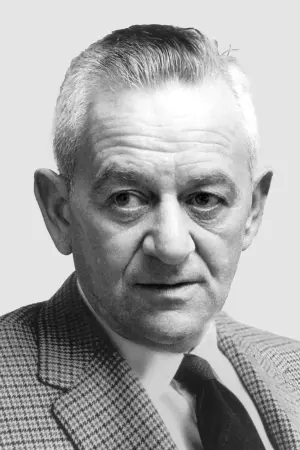
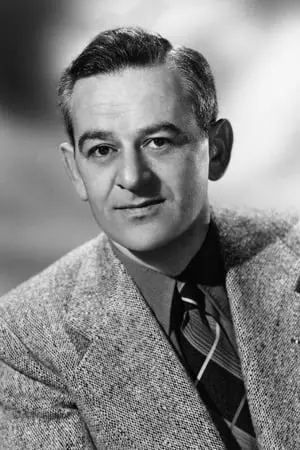
Producer
Editor
Art Direction
Costume Design
Robert Kalloch
Costume Design
Set Decoration
Original Music Composer
Director of Photography
Assistant Art Director
Urie McCleary
Assistant Art Director
Hairstylist
Screenplay
Claudine West
Screenplay


Novel
Jan Struther
Novel
Special Effects

Songs

Conductor
Recording Supervision
What's left behind the scenes
- William Wyler (1902-1981) openly admitted that he made the film for propaganda purposes. Wyler was Jewish, born in Germany, and emigrated to the United States in 1921. He was convinced that the United States should enter the war against Nazism and that a policy of isolationism would be disastrous for the country.
- The vicar's speech at the end of the film was reprinted in Time and Look magazines. President Franklin Delano Roosevelt (1882-1945) ordered it to be broadcast on the Voice of America and the text printed on leaflets for distribution in European countries for propaganda purposes. Soon this speech became known as the "Wilcoxon speech" after the actor Henry Wilcoxon (1905-1984) who delivered it.
- After Norma Shearer (1902-1983) turned down the role of the mother, Greer Garson was cast. She also did not want to play the role, but she was under contract with the studio and subsequently received an Oscar for it.
- On Walter's armband, the letters "LDV" stand for "Local Defense Volunteer," or "volunteer of the local defense detachment."
- The collection of essays by Jan Struther (1901-1953), on which this film is based, was published in 1939. Some of the essays reveal a fear that Great Britain would become involved in the war, and only the final essay is set after the war has already begun. Some characters in the collection are similar to those in the film, but the events (the book has no plot) are entirely different.
- After filming, William Wyler joined the US Army and was assigned to the Signal Corps. On the night he received his Oscar, he was already overseas. Later, Wyler said that he only understood while on the front lines that he had depicted the war in too mild a tone.
- The double-decker bus shown at the beginning of the film is not British, nor is it actually a double-decker. An American bus was used for the filming, with a second story built on top. The bus door is on the right side, as in the USA. A genuine London vehicle would have it on the left.
- In 2009, the US National Film Preservation Council selected "Mrs. Miniver" for preservation in the Library of Congress.
- Henry Wilcoxon’s final speech as vicar was co-written by Wilcoxon himself and director Wyler the night before filming. The version proposed by the screenwriters did not satisfy the director, so he turned to the actor for help writing a new one.
Did you like the film?
 Auditions in India
 Casting calls in USA
 Castingi w Polsce
 Кастинги в Україні
