Apocalypse Now - crew, film crew
The entire team, the film crew of the film "Apocalypse Now"
Apocalypse Now (1979)
Timing:
2:27 (147 min)

8.267/10
9082
9082

8.148/10
166717
166717

8.4/10
767000
767000
Film crew
Director
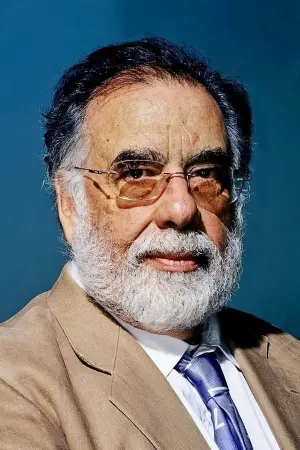
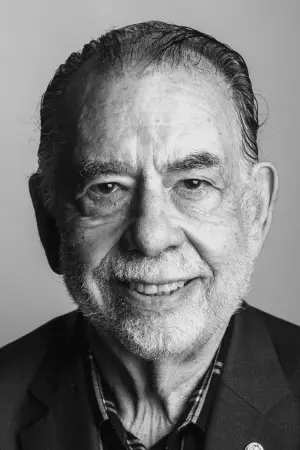
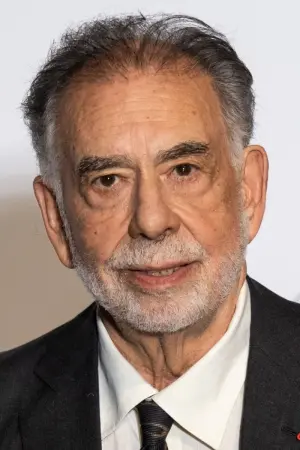
Producer
Writer
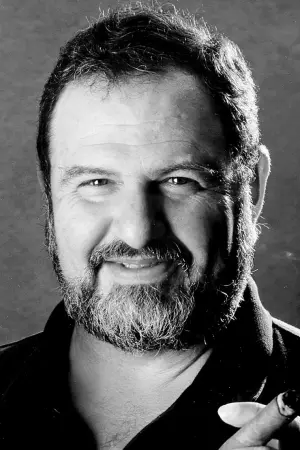
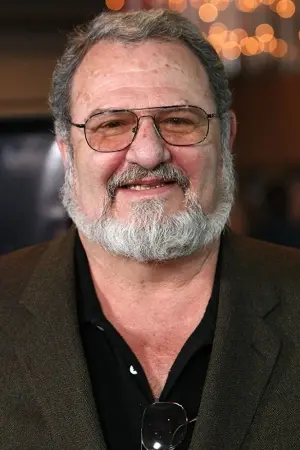

Casting
Terry Liebling
Casting
Editor
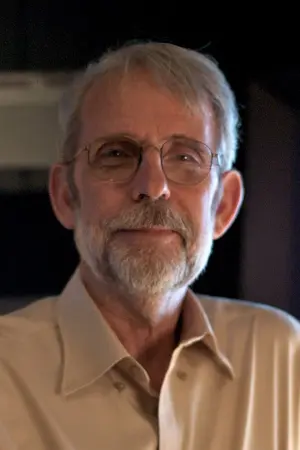

Lisa Fruchtman
Editor
Gerald B. Greenberg
Editor
Art Direction
Angelo P. Graham
Art Direction
Stunts
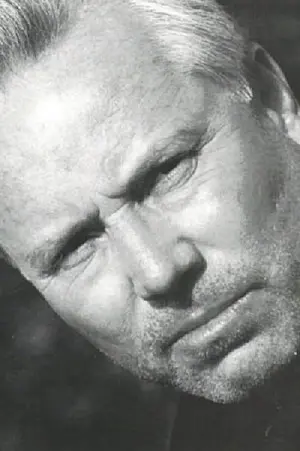
Joe Finnegan
Stunts
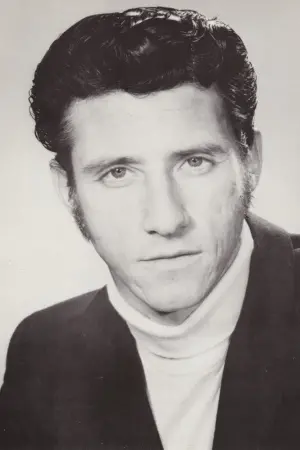
Chuck Waters
Stunts
Production Design
Stunt Coordinator
Set Decoration
George R. Nelson
Set Decoration
Makeup Artist
Fred C. Blau Jr.
Makeup Artist
Jack H. Young
Makeup Artist
Sound Re-Recording Mixer
Richard Beggs
Sound Re-Recording Mixer
Mark Berger
Sound Re-Recording Mixer
Dale Strumpell
Sound Re-Recording Mixer
Thomas Scott
Sound Re-Recording Mixer
Original Music Composer
Carmine Coppola
Original Music Composer
Additional Editing
Evan A. Lottman
Additional Editing
Co-Producer
Gray Frederickson
Co-Producer
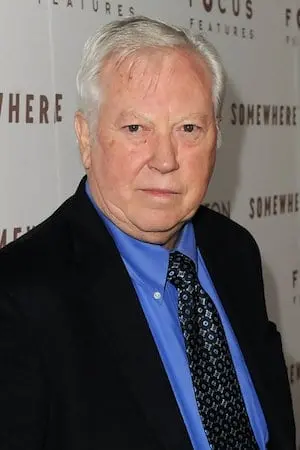
Fred Roos
Co-Producer
Tom Sternberg
Co-Producer
Associate Producer


Mona Skager
Associate Producer
Second Assistant Director
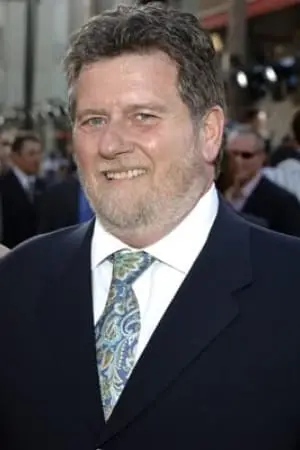
Larry J. Franco
Second Assistant Director
Director of Photography
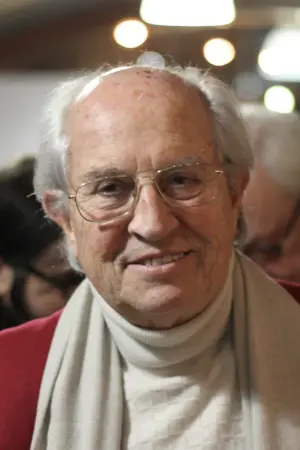
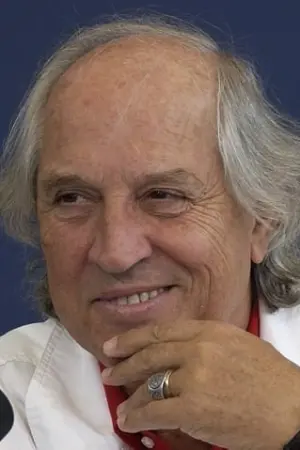
Pilot
John Addington
Pilot
Musician


Jordan Amarantha
Musician


Jim Loveless
Musician
Camera Operator
Piero Servo
Camera Operator
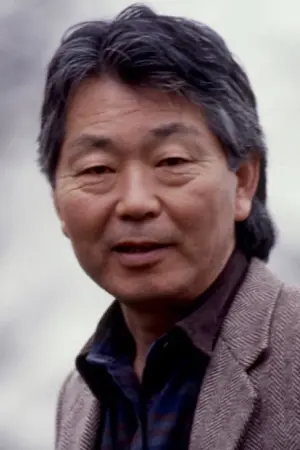
Hiro Narita
Camera Operator
Costumer
Dennis Fill
Costumer
George L. Little
Costumer
Luster Bayless
Costumer
Norman A. Burza
Costumer
Costume Supervisor
Charles E. James
Costume Supervisor
Assistant Art Director
James J. Murakami
Assistant Art Director
Property Master
Douglas T. Madison
Property Master
Douglas E. Madison
Property Master
Supervising Sound Editor
Richard P. Cirincione
Supervising Sound Editor
Script Supervisor
Ray Quiroz
Script Supervisor
Nancy Hopton
Script Supervisor
Special Effects Coordinator
Joe Lombardi
Special Effects Coordinator
A.D. Flowers
Special Effects Coordinator
Still Photographer
Josh Weiner
Still Photographer
Chas Gerretsen
Still Photographer
David Wynn-Jones
Still Photographer
Associate Editor
George Berndt
Associate Editor
Thanks
Jeff Scheftel
Thanks
Flora Purim
Thanks
Production Manager
Leon Chooluck
Production Manager
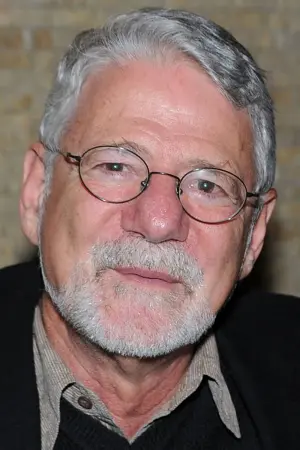
Barrie M. Osborne
Production Manager
First Assistant Editor
Michael Jacobi
First Assistant Editor
Additional Editor
Barry Malkin
Additional Editor
Sound Designer
Construction Coordinator
John LaSalandra
Construction Coordinator
Dialogue Editor
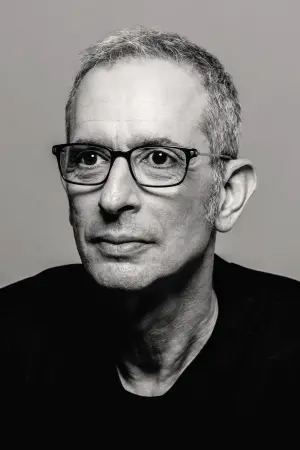
John Nutt
Dialogue Editor
Jim Borgardt
Dialogue Editor
Joanne D'Antonio
Dialogue Editor
Assistant Editor
Jerry Ross
Assistant Editor
Tracey Smith
Assistant Editor
Stephen Semel
Assistant Editor
Richard Candib
Assistant Editor
Jerry Ross
Assistant Editor
Michael Kirchberger
Assistant Editor
Ken Fischer
Assistant Editor
Jay Boekelheide
Assistant Editor
Arthur Coburn
Assistant Editor
Additional Director of Photography
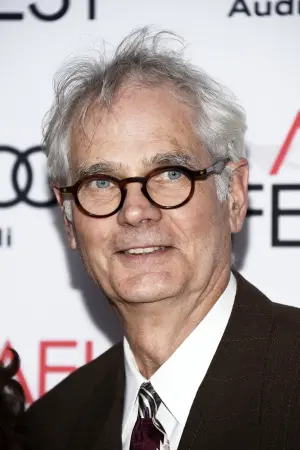
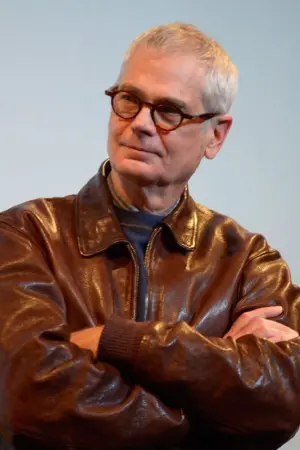
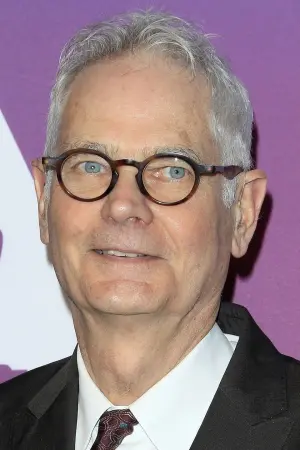
Transportation Coordinator
John Reade
Transportation Coordinator
Dennis Hollis
Transportation Coordinator
Key Grip
Alfredo Marchetti
Key Grip
Assistant Property Master
Tom Shaw Jr.
Assistant Property Master
Thomas L. Roysden
Assistant Property Master
Matt Tomich
Assistant Property Master
Willie E. Hunter
Assistant Property Master
Leadman
Gary Fettis
Leadman
Construction Foreman
Robert Scaife
Construction Foreman
Special Effects
Gerald Endler
Special Effects
Casting Assistant
Heig Beck
Casting Assistant
Ken Metcalfe
Casting Assistant
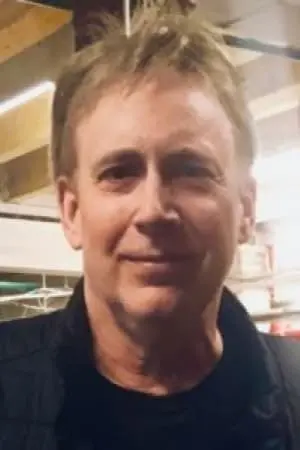
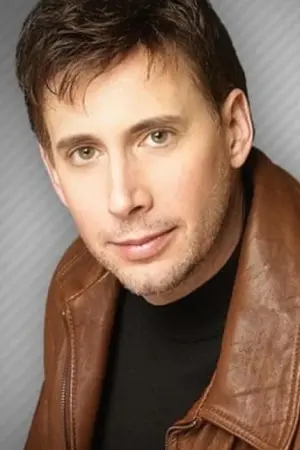
Sue Bastian
Casting Assistant
Special Effects Technician
Lawrence J. Cavanaugh
Special Effects Technician
John Fraser
Special Effects Technician
Rudy Liszczak
Special Effects Technician
Richard O. Helmer
Special Effects Technician
Eddie Ayay
Special Effects Technician
Ted Martin
Special Effects Technician
David St. Ana
Special Effects Technician
Mario Carmona
Special Effects Technician
Third Assistant Director
Tony Brandt
Third Assistant Director
Production Controller
Jean A. Autrey
Production Controller
Production Accountant
Norman Webster
Production Accountant
Sculptor
James B. Casey
Sculptor
Gaffer
Luciano Galli
Gaffer
Assistant Director
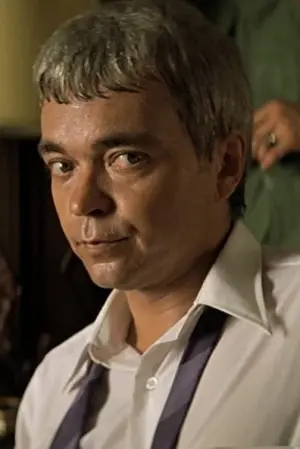
Larry J. Franco
Assistant Director
Tony Brandt
Assistant Director
Music Editor
Stan Witt
Music Editor
Second Unit Director of Photography
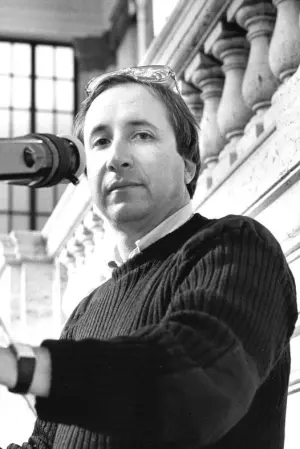
Stephen H. Burum
Second Unit Director of Photography
Piero Servo
Second Unit Director of Photography
First Assistant Camera
Efren Lapid
First Assistant Camera
Post Production Coordinator
Doug Claybourne
Post Production Coordinator
Barbara Marks
Post Production Coordinator
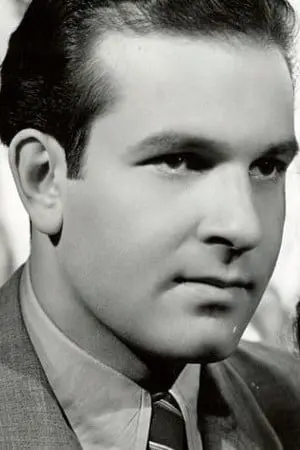
Additional Writing
Researcher
Deborah Fine
Researcher
Production Assistant
Robert Carroll
Production Assistant
Phil Radcliffe
Production Assistant
John Chapman
Production Assistant
Kevin Hughes
Production Assistant
Russ Corin
Production Assistant
Lloyd Kind
Production Assistant
Tony Dingman
Production Assistant
Barbara Parker
Production Assistant
Matt Tomich
Production Assistant
Patti Claybourne
Production Assistant
Production Coordinator
Marisa Alcaraz
Production Coordinator
Loolee De Leon
Production Coordinator
Production Secretary
Francesca Riviere
Production Secretary
Location Coordinator
Jack English
Location Coordinator
Assistant Production Coordinator
Gwen M. Lucas
Assistant Production Coordinator
Sound Recordist
Nathan Boxer
Sound Recordist
Jack C. Jacobsen
Sound Recordist
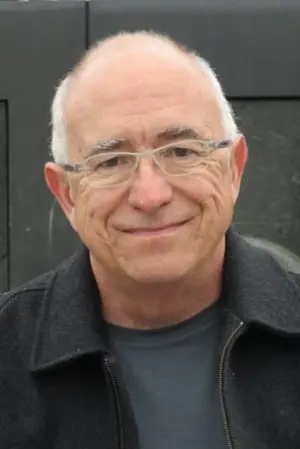
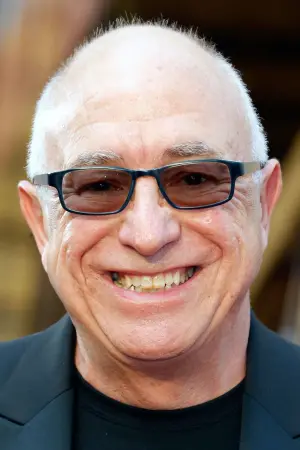
Choreographer
John Calvert
Choreographer
Assistant Sound Editor
Tim Holland
Assistant Sound Editor
Nina Wax
Assistant Sound Editor
Karen G. Wilson
Assistant Sound Editor
Barbara McBane
Assistant Sound Editor
Dave Davis
Assistant Sound Editor
Supervising Editor
Richard Marks
Supervising Editor
Production Executive
John LaSalandra
Production Executive
Title Designer
Wayne Fitzgerald
Title Designer
Sound Editor
Jay Miracle
Sound Editor
Leslie Hodgson
Sound Editor
Maurice Schell
Sound Editor
Les Wiggins
Sound Editor
Pat Jackson
Sound Editor
Military Consultant
Dick White
Military Consultant
Fred Rexer
Military Consultant
Peter Kama
Military Consultant
Paul Gregory
Military Consultant
Paul G. Hensler
Military Consultant
Richard Dioguardi
Military Consultant
Doug Ryan
Military Consultant
Dennis Juban
Military Consultant
Music Producer
Creative Consultant
Dennis Jakob
Creative Consultant
Aerial Camera
David L. Butler
Aerial Camera
David B. Nowell
Aerial Camera
Color Timer
Ernesto Novelli
Color Timer
Larry Rovetti
Color Timer
Assistant Camera
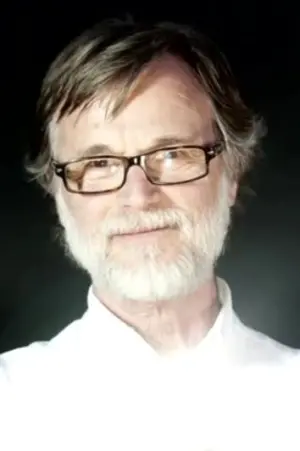
Mauro Marchetti
Assistant Camera
Luigi Barnardini
Assistant Camera
Efren Lapid
Assistant Camera
Rogilio De La Rama
Assistant Camera
Giuseppe Alberti
Assistant Camera
Aerial Coordinator
Dick White
Aerial Coordinator
J. David Jones
Aerial Coordinator
Additional Casting

Éva Gárdos
Additional Casting
Lou Whitehill
Additional Casting
Randy Carter
Additional Casting
Executive Assistant
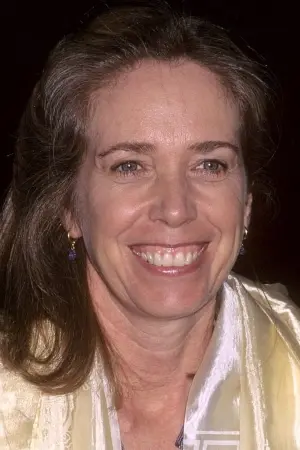
Melissa Mathison
Executive Assistant
Jack Fritz
Executive Assistant
Apprentice Sound Editor
Jephrey Hetz
Apprentice Sound Editor
Louis Benioff
Apprentice Sound Editor
Jeff Watts
Apprentice Sound Editor
Barbara Ellis
Apprentice Sound Editor
Dennie Thorpe
Apprentice Sound Editor
Rob Fruchtman
Apprentice Sound Editor
Marine Coordinator
Peter Cooper
Marine Coordinator
Dennis Murphy
Marine Coordinator
Shane Edwards
Marine Coordinator
Production Illustrator
Alex Tavoularis
Production Illustrator
Second Unit Cinematographer
Piero Servo
Second Unit Cinematographer
Documentation & Support
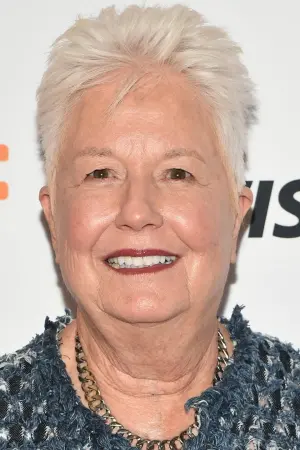
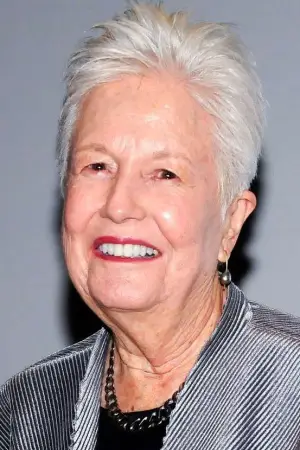
What's left behind the scenes
- The film is based on Joseph Conrad's novella "Heart of Darkness" (1902).
- In scenes with Dennis Hopper, the inscription Apocalypse Now can be seen on stone structures.
- Francis Ford Coppola played a small role as a journalist reporting during the battle. His words: "Don't look at the camera, pretend you're fighting!"
- According to British channel Film4, the film ranked 1st on the list of "50 Films to See Before You Die."
- When Francis Ford Coppola offered Al Pacino the role of Willard, he refused, saying: "I know what this is going to be like. You're going to sit there in the helicopter and tell me what to do, and I'm going to be stuck in this swamp for five months." In reality, filming lasted 1 year and 4 months.
- Initially, George Lucas was supposed to direct the film, as he was Coppola's protégé at the time at American Zoetrope studio. Coppola founded this studio as an alternative to the major Hollywood studios and planned to use it to support young directors who had just finished film school and courses. The Vietnam War was still raging at the time, and the original plan was to shoot the film directly in Vietnam, in a guerrilla style. However, Warner Bros., which had a contract with Zoetrope, refused to finance such a project, citing both doubts about the film's commercial success and safety concerns – the risk that the filmmakers would be harmed while filming in a combat zone was significant. Lucas later claimed that Zoetrope itself viewed the project as "crazy," and he and his colleagues on the project were treated similarly.
- John Milius wrote his screenplay in 1969. The screenplay was called "The Psychedelic Soldier." According to him, the rogue colonel not only proclaimed himself a god but also went to war directly with the American army.
- Steve McQueen was invited for the role of Captain Willard.
- Harvey Keitel had already begun playing the role of Willard, but Coppola replaced him with Martin Sheen after two weeks.
- Sheen's character's full name is Benjamin Willard. Harrison Ford's older sons are named Benjamin and Willard.
- At the time when McQueen was considered for the main role, the script was titled "Apocalypse Three," it featured three main characters, and Coppola intended for all of them to be played by major stars, including Gene Hackman.
- Coppola lost 100 pounds during filming.
- Marlon Brando behaved the worst on set. He had been paid a million dollars in advance, but he threatened to leave the film every time. Coppola then told his agent that he didn't care, and that in exchange for Brando, he wanted Jack Nicholson, Robert Redford, or Al Pacino. In the end, Brando stayed, gained 40 kilograms during filming, refused to read the original script and even Conrad's novel, rejected Coppola's directorial script, agreed only to improvise his role, and forbade being filmed in the light – only in the dark.
- Originally, Kurtz was supposed to be named Colonel Levi in the script.
- Coppola joked that if Al Pacino had agreed to the role of Kurtz, he would have had to film his movie in Pacino's New York apartment.
- In some scenes, the sound of helicopters taking off was reproduced on a synthesizer in order to better synchronize it with the music.
- Filming took place in the Philippines, and by contract, President Ferdinand Marcos was supposed to provide the film crew with helicopters and pilots. However, from time to time Marcos would take the aircraft to fight local rebels.
- According to the shooting schedule, the film was supposed to take just over six weeks to film, but it stretched to 16 months.
- The shooting was interrupted for several months by a typhoon.
- Rumor has it that Coppola and many others from the film crew were under the influence of marijuana and LSD during filming. At the very least, actor Sam Bottoms was caught doing so.
- The film has no opening credits. Its title only appears at the very end.
- One of the sound engineers, Randy Thom, said it took nine months to mix the sound the way Coppola wanted it.
- Many of the film's dialogues were recorded during post-production, as previously recorded noises (such as the sound of helicopters) ruined most of the scenes with dialogue.
- A number of photographs of Colonel Kurtz from his file were frames from John Huston's 1967 film *Reflections in a Golden Eye*, in which Brando played a military officer.
- The character of G.D. Spradlin is named General Corman. This is a nod to the legendary producer Roger Corman, with whom Francis Ford Coppola began his career.
- To get into the film, Laurence Fishburne lied about his age (filming began in '76, at which point he was 14 years old).
- 'I am confident that I have created a work of art, and could not have done it better,' said Francis Ford Coppola about *Apocalypse Now*.
- John Milius recounted that he was inspired to write the screenplay by the words of a professor he studied with: the professor asserted that no one had yet managed to make a good film based on the book "Heart of Darkness", despite attempts being made by such legends as Orson Welles and Richard Brooks. Milius's screenplay did not initially envision the film as anti-war, as it later became. Milius held politically right-wing views, and the screenplay included several monologues in which Colonel Kurtz praised the virtues of war and the warrior lifestyle. Milius himself declined to direct the film, believing George Lucas would be much better suited for the role.
- The American government and military command, seeing that Coppola was planning to make a film that would not align with the official view of the Vietnam War, refused to provide any assistance with the film's production. Coppola found support from the Philippine government, which was then in strained relations with the United States.
- During the filming of Captain Willard's suffering in the Saigon hotel, Coppola strived for maximum realism, and Sheen supported him in this, plunging himself into depression and deliberately abusing alcohol. It took him a long time to recover and return to work, and Coppola even considered shutting down the film's production. When filming resumed, Sheen was shielded from excessive workload, and in some scenes that needed to be reshot, he was replaced by his brother, Joe Estevez, who resembled Sheen in appearance and voice. He later also dubbed some of the film's dialogue.
- Coppola's statement about the filming is well-known: "We made this film much like the Americans waged war – there were too many of us, we spent too much money, and we gradually went insane." Since Coppola invested his own funds in the film's production, he experienced unprecedented pressure – if the film was not completed within a reasonable timeframe or proved commercially unsuccessful, the director faced the risk of bankruptcy.
- It took about 15 hours to view all the filmed material. Because of this, the film's editing, which at the time took about six months, stretched to almost two years. When the first cut of the film was ready, it turned out to be over five hours long, and it needed to be significantly shortened for release. Coppola recalled that this was a very difficult process for him, requiring him to discard entire plotlines that had taken a lot of time, effort, and money to film. Eventually, Coppola edited a three-hour version of the film, which was shown at the 1979 Cannes Film Festival as a "work in progress." The film was a stunning success and won the festival's top prize – the "Palme d'Or." At the press conference in Cannes, Coppola uttered the now-famous words: "My film is not about Vietnam; it *is* Vietnam."
- Coppola explained why the film has no titles, and shouldn't: each viewer attending a screening anywhere on the planet should receive a special booklet with their ticket containing a detailed account of the film's production and detailed information about its creators, including a list of all crew members.
- Roger Ebert declared 'Apocalypse Now' the best film of 1979 and later added it to his list of great films on the grounds that 'it goes further than any other into the dark corners of the human soul.' According to Ebert, it is 'less a film about war than about how war brings to the surface a truth about people that they would prefer never to know.'
- Some Vietnam War veterans consider 'Apocalypse Now' the most realistic film about that war.
- According to Philippine law, all the sets had to be destroyed after filming was completed. Coppola decided to demolish the sets using a series of explosions and film it, hoping to use the footage somehow later. Coppola and his team set up several cameras with different lenses and filters, and filmed the explosions from different angles and at different speeds. In the original 35mm version of the film, titles ran over these shots at the end, and many interpreted this as an indication that Willard had, after all, called in the airstrike. Upon learning of this reaction, Coppola cut these shots from the ending and left only the titles. He denied that the bombing of Kurtz's settlement was considered as one of the alternative endings.
- A cow is genuinely killed in the film.
- Coppola desperately searched for a final scene that satisfied him until his wife, Eleanor, told him she had witnessed an animal sacrifice in a local Ifugao tribe.
- In a private conversation during a visit to Moscow in 1979, Coppola recounted that in a previous version of the finale, the final shot of the film was to be a camera move (from a wide shot to a close-up) on Willard’s face as he emerged to the natives after killing Colonel Kurtz. Originally, the director intended this final shot to echo the first (which was never filmed), which the film was supposed to open with: the director’s screenplay preserves a mention of a rapid camera movement from outer space to Earth, to Southeast Asia, to Vietnam, to Saigon, to the hotel where Willard lies in bed, and the camera was to stop on Willard’s face (where the film now begins).
- There are several different versions of the end credits. The 70mm film release does not contain end credits (except for the Copyright 1979 Omni Zoetrope inscription), and in the final frames of the film, Willard sails past a statue of a stone idol that gradually dissolves into darkness. In the 35mm film version, the credits are shown against a backdrop of explosions. In the 1979 version, the most common one, the credits run on a black background. In the Redux version, the credits are also shown on a black background, but music plays and the sounds of the jungle can be heard.
- Among the scenes not included in the film, on the Blu-ray edition the last is a scene titled 'Special forces knife.' In this scene, Captain Willard witnesses the murder of a photojournalist on Kurtz’s orders, because he took a picture of him. The photojournalist is killed by Colby (a soldier who sided with Kurtz), after which Willard throws a knife at Colby and kills him.
- The film is based on Joseph Conrad’s novella “Heart of Darkness” (1902).
- Francis Ford Coppola played a small role as a journalist reporting during the battle. His words were: “Don’t look at the camera, pretend you’re fighting!”
- When Francis Ford Coppola offered Al Pacino the role of Willard, he refused, saying: “I know what this is going to be like. You’re going to sit there in the helicopter and tell me what to do, and I’m going to be stuck in this swamp for five months.” In reality, filming lasted 1 year and 4 months.
- John Milius wrote his screenplay in 1969. It was called "Psychedelic Soldier." According to him, the rebellious colonel not only proclaimed himself a god but also entered into direct conflict with the American army.
- By the time McQueen was considered for the lead role, the screenplay was titled "Apocalypse Three," featuring three main characters, all of whom, according to Coppola's vision, were to be played by major stars, including Gene Hackman.
- Several photographs of Colonel Kurtz from his file were stills from John Huston's 1967 film "Reflections in a Golden Eye," in which Brando played a military officer.
- "I am convinced that I created a work of art, and I could not have done it better," Francis Ford Coppola said about "Apocalypse Now."
- John Milius recounted that he was inspired to write the screenplay by the words of a professor he studied with: the professor argued that no one had yet managed to make a good film based on "Heart of Darkness," despite attempts by such legends as Orson Welles and Richard Brooks. Milius's screenplay did not initially envision the film as anti-war, as it later became. Milius held politically right-wing views, and the screenplay included several monologues in which Colonel Kurtz praised the virtues of war and the warrior lifestyle. Milius himself refused to direct the film, believing that George Lucas was a much better fit for the role.
Did you like the film?
 Auditions in India
 Casting calls in USA
 Castingi w Polsce
 Кастинги в Україні
