Intolerance: Love's Struggle Throughout the Ages - crew, film crew
The entire team, the film crew of the film "Intolerance: Love's Struggle Throughout the Ages"
Intolerance: Love's Struggle Throughout the Ages (1916)
Timing:
3:17 (197 min)

7.12/10
321
321

7.732/10
7050
7050

7.7/10
18000
18000
Film crew
Director


Writer
Editor
James Smith
Editor
Rose Smith
Editor
Art Direction
Walter L. Hall
Art Direction
Costume Design
Clare West
Costume Design
Stunts
Leo Nomis
Stunts
Charles Eagle Eye
Stunts
Production Design
Makeup Artist


Robert Anderson
Makeup Artist
Production Supervisor
Second Assistant Director


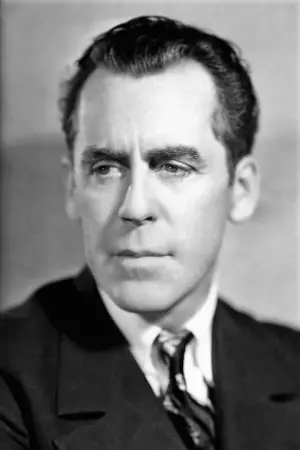
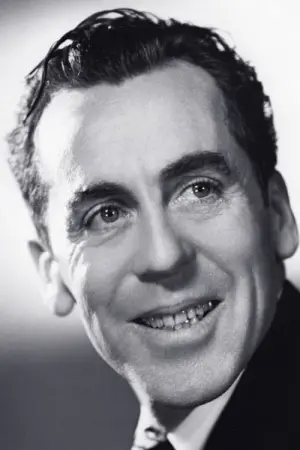

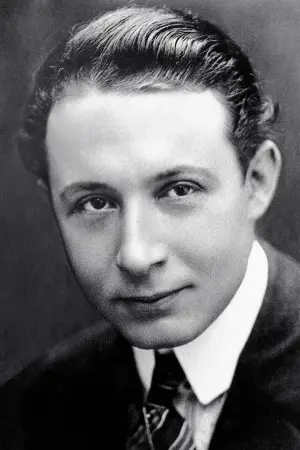
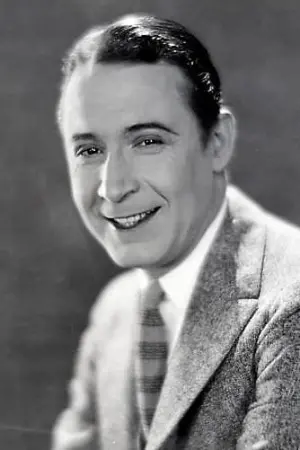


George Nichols Jr.
Second Assistant Director


Edward Dillon
Second Assistant Director
Arthur Berthelet
Second Assistant Director
Mike Siebert
Second Assistant Director
Director of Photography

Camera Operator
Karl Brown
Camera Operator
Property Master
Ralph M. DeLacy
Property Master
First Assistant Director
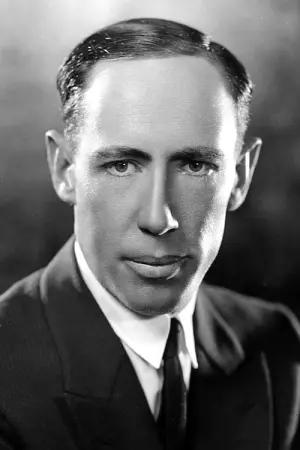
Joseph Henabery
First Assistant Director
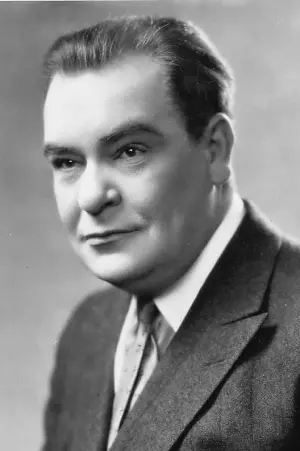
George Siegmann
First Assistant Director
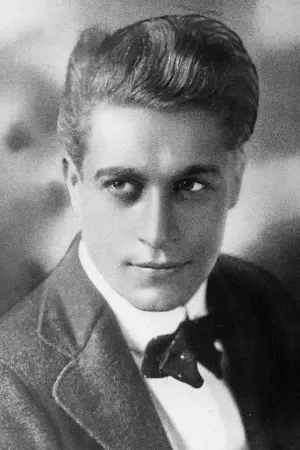

Screenplay
Set Designer
Frank Wortman
Set Designer
Walter L. Hall
Set Designer
R. Ellis Wales
Set Designer
Construction Coordinator
Martin Aguerre
Construction Coordinator
Assistant Editor
Joe Aller
Assistant Editor
Grip
Assistant Property Master
Halsted Sullivan
Assistant Property Master
Carpenter
Shorty English
Carpenter
Special Effects
Hal Sullivan
Special Effects
First Assistant Camera
Louis Bitzer
First Assistant Camera
Choreographer
Gertrude Bambrick
Choreographer
Ruth St. Denis
Choreographer
Second Unit
Title Graphics
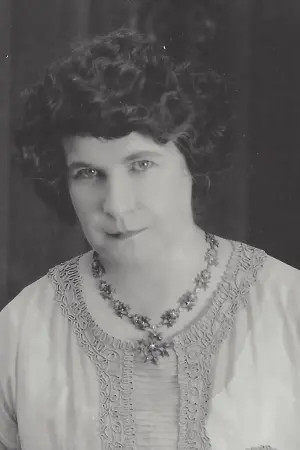
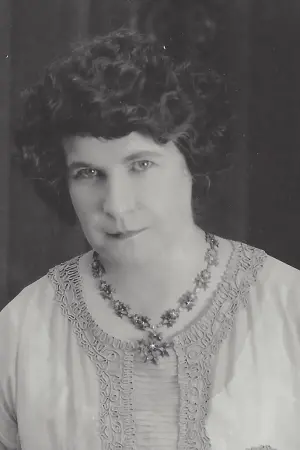
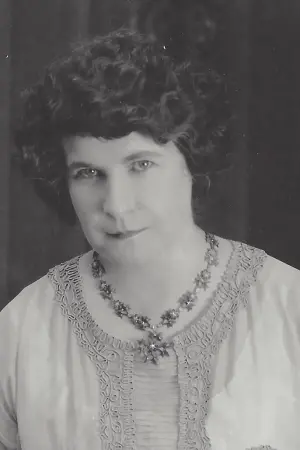
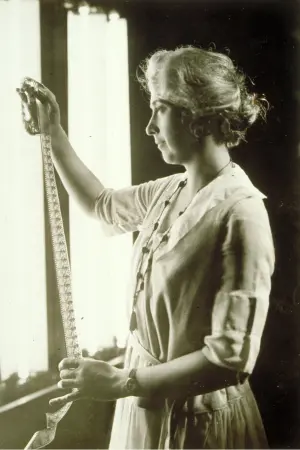
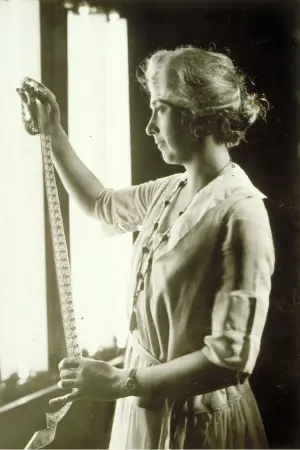
Hettie Grey Baker
Title Graphics
Assistant Production Manager
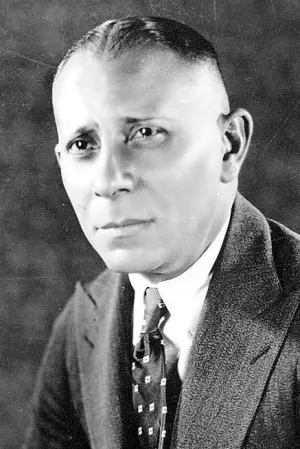
Technical Supervisor

Presenter
Poem
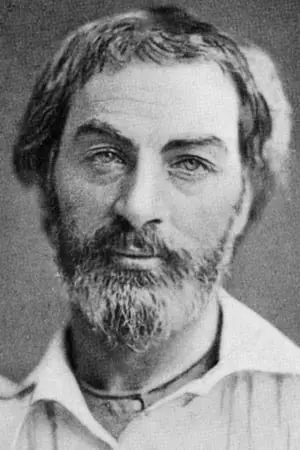
Scenario Writer
What's left behind the scenes
- David Wark Griffith originally intended to make the film in 80 parts and release it as a series, but he couldn't secure funding for it. A number of scenes and episodes from 'Intolerance' literally repeat scenes from 'Cabiria' (1914), although Griffith himself claimed he had not even seen that film.
- 'Intolerance' first appeared on screen on September 5, 1916, at the Liberty Theatre in New York City, in the midst of the campaign to re-elect President Wilson.
- David Wark Griffith called his film a 'sun drama' because he rarely shot scenes using artificial light.
- Cecil B. DeMille restored and reused the 'Babylonian sets' for his film 'The Ten Commandments' (1956).
- Almost all of the film's sets were destroyed in 1930-1932, but some were converted into houses.
- Pavilions of the Disney studio were built on parts of the foundations of the 'Babylonian sets'.
- The finished film consisted of almost 14 reels of film, that is, about 4,100 meters. This means that D.W. Griffith used only one meter out of 30 meters of filmed material.
- Griffith assigned the shooting of each scene of the 'Babylonian Episode' to a large number of cameramen. Filming was conducted simultaneously from different angles of the set, capturing shots in different perspectives and at different speeds. 'Traveling' in the 'Babylonian Episode' was achieved using a tethered balloon. This shooting method was rarely repeated even later.
- Only one of the four episodes ends well, the American episode.
- In the 2011 video game "L.A. Noire", one piece of evidence in one of the investigations is a photograph of the set for the Babylonian episode from the film Intolerance, in which the suspect played a role according to the plot, and at the end of this investigation there will also be a chase after the suspect through these sets. Also in the same game, but in a different case, you will have to search for a maniac on these sets.
- Cecil B. DeMille restored and used the "Babylonian sets" for the film "The Ten Commandments" (1956).
- Griffith assigned the filming of each scene of the "Babylonian episode" to a large number of cinematographers. Filming was conducted simultaneously from different angles of the set, thereby filming from different perspectives and at different speeds. The "tracking shot" in the "Babylonian episode" was achieved using a tethered balloon. This shooting method was rarely repeated afterward.
- During the filming of the battle scenes, some extras became so immersed in their roles that they began to inflict real wounds on each other. After the completion of one of the shooting days, medical assistance was required to treat 60 wounds and injuries.
- D.W. Griffith was forced to reshoot the crucifixion scene when several public organizations raised a fuss, claiming that there were too many extras playing Jews and not enough playing Romans around the cross. Griffith burned the footage and remade the scene.
- Upon completion of filming, the Los Angeles Fire Department declared the sets of Babylon to be fire hazards and demanded their dismantling. The filmmakers were out of money and unable to comply with the order. The sets stood for nearly four more years before finally being demolished in 1919. By that time, they had deteriorated so much that dismantling required a much smaller sum.
- The walls of Babylon (wooden frame and plaster) were only 30 meters high, because 100-meter walls made of these materials would not withstand even a light breeze. Even the 30-meter walls had to be reinforced with steel cables, otherwise they would have collapsed.
- Jenkins and his charitable foundation are based on John D. Rockefeller and his philanthropic foundation. The mass killing of workers at the beginning of the film is a reference to the Ludlow Massacre of 1914, which ended a miners' strike against a number of coal companies, one of which was owned by the Rockefellers.
- The construction of the prison gallows shown in the film was supervised by a former warden of San Quentin State Prison in California.
- Cecil B. DeMille restored and reused the “Babylonian sets” for the film “The Ten Commandments” (1956).
- Griffith assigned a large number of cinematographers to film each scene of the “Babylonian episode.” Filming was conducted simultaneously from different angles of the set, capturing shots from various perspectives and at different speeds. The “traveling” shot in the “Babylonian episode” was achieved using a tethered balloon. This filming method was rarely repeated afterward.
Did you like the film?
 Auditions in India
 Casting calls in USA
 Castingi w Polsce
 Кастинги в Україні
