Snow White and the Seven Dwarfs - crew, film crew
The entire team, the film crew of the film "Snow White and the Seven Dwarfs"
Snow White and the Seven Dwarfs (1938)
Timing:
1:23 (83 min)

7.1/10
7981
7981

0/10
23
23

4.9/10
488
488
Film crew
Director
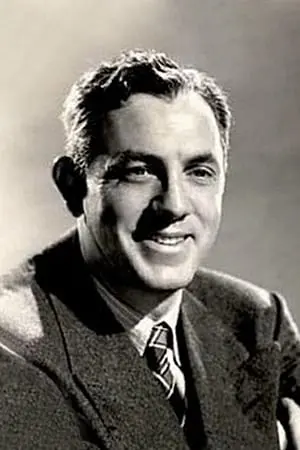
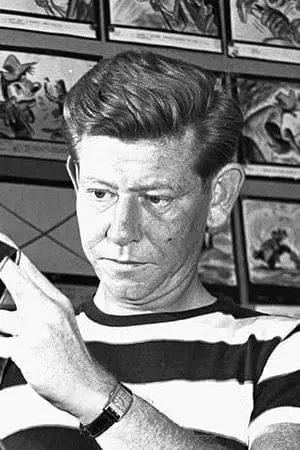
Wilfred Jackson
Director
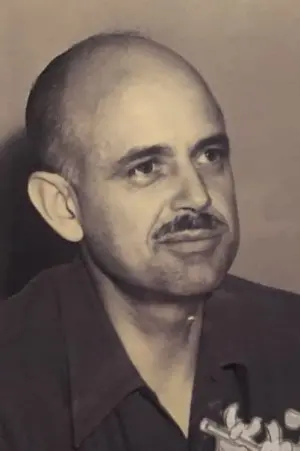
Producer
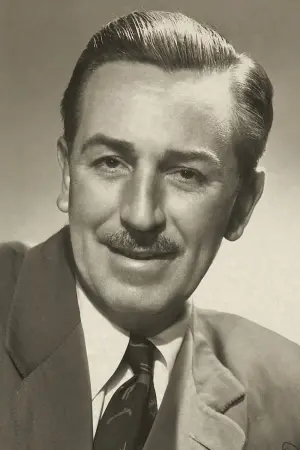
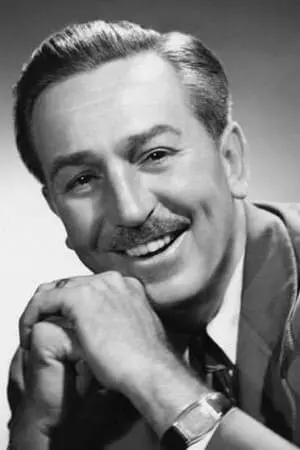
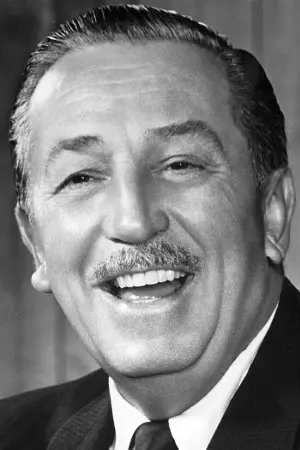
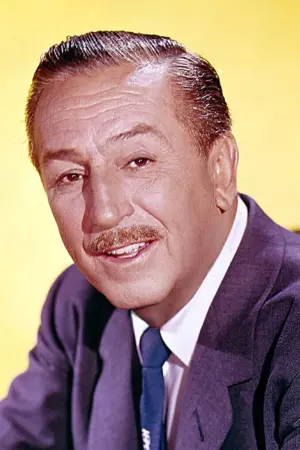
Editor
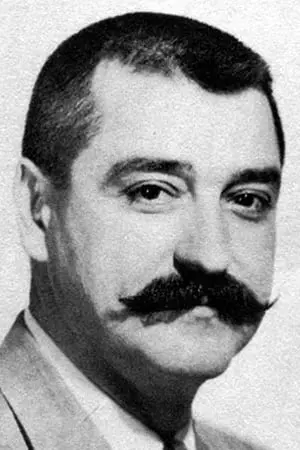
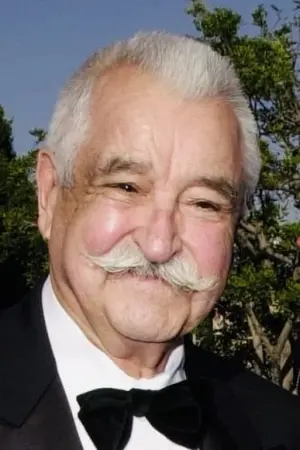
Art Direction
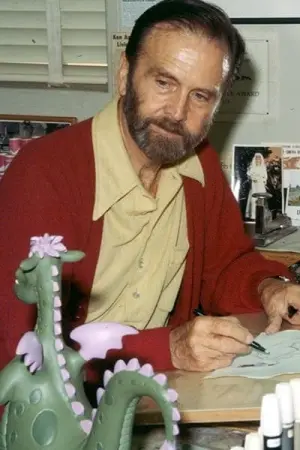
Charles Philippi
Art Direction
Hugh Hennesy
Art Direction
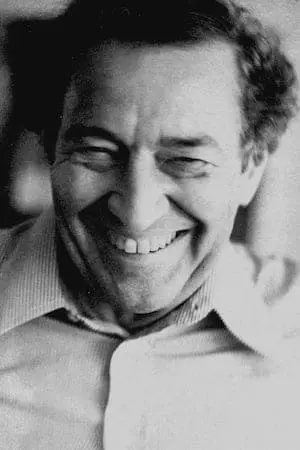
Costume Design
Virginia Lockwood
Costume Design
Original Music Composer
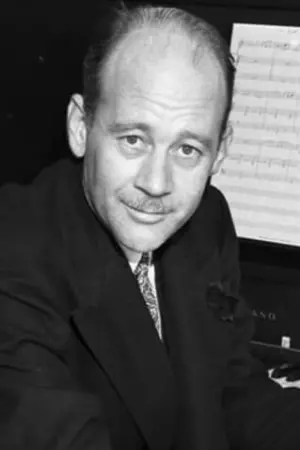
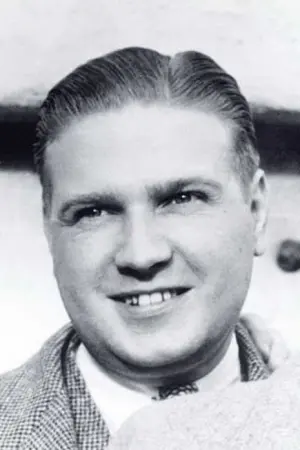
Camera Operator
Max Morgan
Camera Operator
Mickey Batchelder
Camera Operator
Ken Moore
Camera Operator
Animation
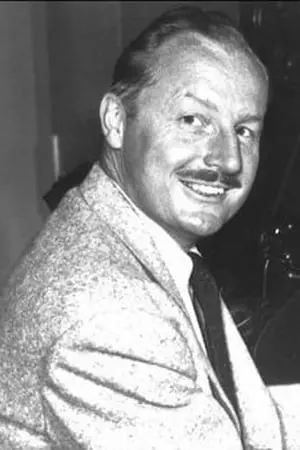
James Algar
Animation


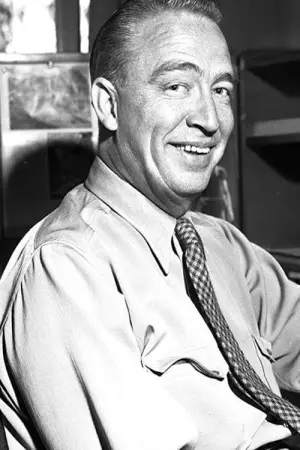

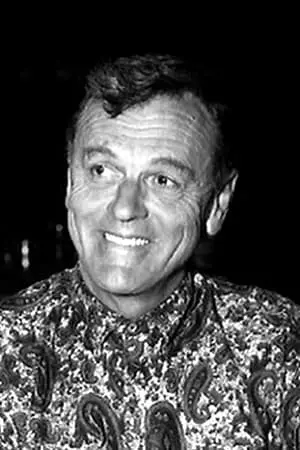

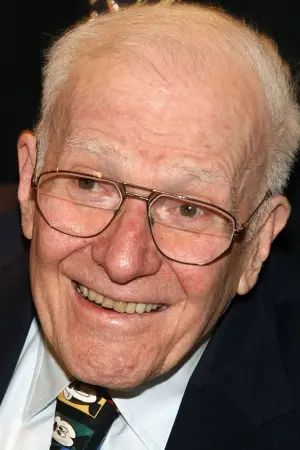
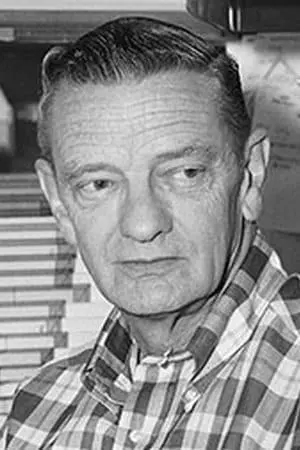
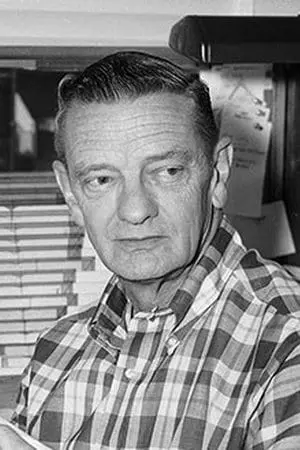
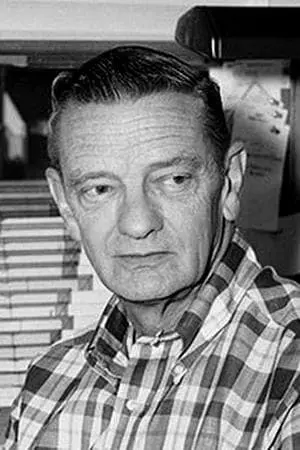
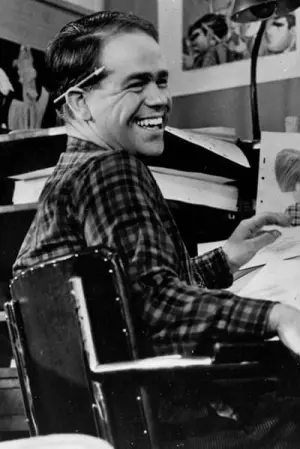
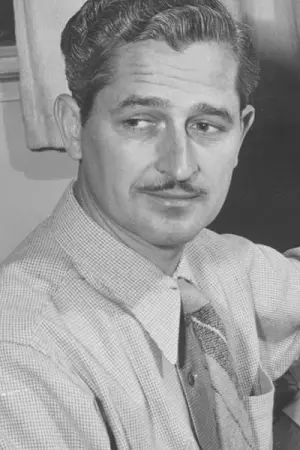
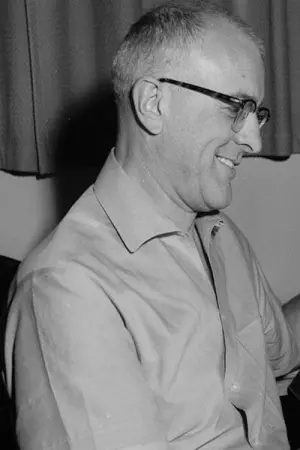
Stan Quackenbush
Animation
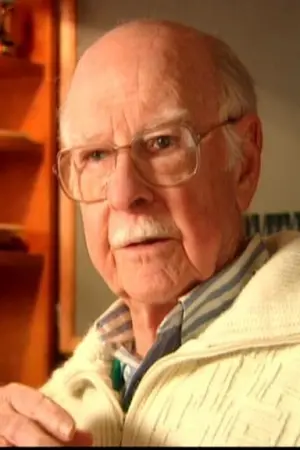
George Rowley
Animation
Marvin Woodward
Animation

John McManus
Animation
Ugo D'Orsi
Animation
Robert Martsch
Animation
Paul Busch
Animation
Screenplay
Richard Creedon
Screenplay
Dick Rickard
Screenplay
Assistant Editor
I.J. Wilkinson
Assistant Editor
Characters
Songs
Assistant Director


Music
Edward H. Plumb
Music
Co-Director
Wilfred Jackson
Co-Director
Post Production Supervisor
Sound Engineer
George Lowerre
Sound Engineer
Visual Effects
Original Story
Sequence Supervisor
Wilfred Jackson
Sequence Supervisor
Background Designer
Merle Cox
Background Designer
Sound Effects

Paullean Rob
Sound Effects
James MacDonald
Sound Effects
Supervising Animator
Character Technical Supervisor
Layout
Lyricist
Editorial Production Assistant
George Cave
Editorial Production Assistant
Animation Production Assistant
Bill Keil
Animation Production Assistant
What's left behind the scenes
- At 15:37 (scene before the house entrance), the layer order of the characters is mixed up for a single frame.
- The first film in history to be fully restored using digital technology. For the final restoration in 1994, five of the surviving artists who worked on the original version were brought together.
- Towards the end of the film's production, Walt Disney noticed a flaw in the Prince's figure at the moment he leans in to kiss Snow White. Liberty magazine reported that Walt meticulously oversaw the new version of the Prince's image and forced all cinemas showing the film to replace their copies.
- A total of twenty-five original songs were written specifically for the film. Only eight of them were used in the cartoon.
- When the film was released in theaters, it had a 16+ age restriction, as censors were convinced it would frighten small children.
- The first feature-length animated film produced by Walt Disney's company.
- The film is based on the fairy tale of the same name by the Brothers Grimm.
- Fourteen-year-old Marge Champion served as the live-action model for Snow White, chosen from over two hundred applicants. She was the daughter of renowned choreographer Ernest Belcher, who had worked with Charles Chaplin himself. The girl was shown storyboards of the scene being filmed, she acted out the scene relying on her imagination, and the artists translated what they saw into drawings.
- During the recording, the animators told Lucille La Verne (who voiced the Evil Queen and the Witch) that a more creaky version of the Queen's voice was needed for the Witch's voice. She briefly excused herself, and then returned with exactly the voice the animators needed. When later asked how she managed it, the actress replied that she simply took out her dentures.
- Walt Disney dreamed of Snow White's voice being truly unique, and therefore forced Adriana Caselotti, who voiced the heroine, to sign a very strict contract with him. With the exception of Victor Fleming and King Vidor's musical "The Wizard of Oz" (1939), Caselotti had no further singing roles in her career, despite having a classical vocal education.
- Some animators objected to the use of the word “dopey” as the name of one of the dwarfs, arguing that it would be inappropriate and too modern for a screen adaptation of an immortal fairy tale. Disney retorted that even William Shakespeare used this word in his plays. This argument convinced the animators, although the word “dopey” has never been found in Shakespeare's works.
- Animator Shamus Culhane later recounted that creating the episode in which the dwarfs return home to a cheerful song was one of the most challenging tasks of his entire career. Six dwarfs walk in time, and each had to create an individual body language that corresponded to his nature. And Dopey brought up the rear, moving out of step with the others, but his gait and movements also had to be coordinated with the rest. According to the animator himself, it took six months to carefully draw all the characters, and the entire scene took less than a minute of screen time.
- The 1937 film was only released on video cassettes in 1994, and before that, the Disney studio actively resisted this. According to former studio head Michael Eisner, the decision to release the cartoon on video cassettes was made because it was about to enter the public domain in Italy and thus become open to pirated distribution. Subsequently, Walt Disney Productions extended its rights to the cartoon.
- Walt Disney introduced the "$5 for a gag" rule to encourage animators. It was thanks to him that the episode with the dwarves' noses was created, when they peek one after another from behind the bedposts to look at Snow White.
- Initially, it was intended that the Prince would play a more significant role in the storyline and have more screen time, but his storyline was significantly reduced due to difficulties in convincingly portraying this character.
- 32 animators and 102 assistant animators were involved in the production of the film; 20 layout artists (specialists who meticulously draw the background in scenes and the arrangement of characters within them); 25 artists who worked on watercolor backgrounds; 65 special effects animators; 158 in-betweeners and tracers; 1,500 shades of various colors were used in 2,000,000 illustrations.
- Rotoscoping was not used when working on the image of the Queen (this is when an artist redraws a character's movements frame by frame from a film reel with real actors and actual sets). Her animators preferred to draw.
- The way Dopey tries to keep up with the other dwarves when Snow White sends everyone to wash their hands and faces was invented by animator Frank Thomas. Walt Disney liked this nuance very much and ordered it to be inserted into other scenes with Dopey (which the other animators did not like at all, as it meant extra work for them).
- 150 girls auditioned for the voice of Snow White, including Dina Durbin, whose film career was just beginning. Disney specifically rejected her, believing her voice sounded too mature.
- The image of trees with branches clinging to Snow White’s dress was based on oaks that Walt Disney saw on Vancouver Island in the Canadian province of British Columbia. Disney very much liked their ominous appearance.
- The idea for the cartoon came to Walt Disney when he was 15 years old and worked as a newspaper delivery boy in Kansas City. He once watched the silent film “Snow White” (J. Searle Dawley, 1916) starring Marguerite Clark in the title role. The screening took place in February 1917 in the city’s conference hall, and the film was projected by four projectors onto different facets of a cubic screen. The film made an indelible impression on Disney, as he could simultaneously see two facets of the screen from his seat, and the screening was not entirely synchronized. Disney wanted other children, and audiences in general, to experience this sense of wonder.
- Animator Wolfgang Reitherman only managed to draw the face in the magic mirror as needed on the ninth attempt. He folded a sheet of paper in half, drew half of the face on it, then flipped the sheet over and outlined the contours of the second half of the face on the back. All his work went up in smoke due to the flames, smoke, and distortion of the mirror.
- The Queen was the first major character in Disney cartoons to die, and the scriptwriters had to rack their brains as to how to depict her death. They immediately rejected the death scene in the original story, as Snow White subjected her stepmother to torture, which would inevitably tarnish the image of the main heroine.
- Walt Disney dreamed of Snow White's voice being truly unique, and therefore forced Adriana Caselotti, who voiced the heroine, to sign a very strict contract with him. With the exception of the Victor Fleming and King Vidor musical “The Wizard of Oz” (1939), Caselotti had no further roles with singing in her career, although she had a classical vocal education.
- The idea for the cartoon came to Walt Disney when he was 15 years old and worked as a newspaper delivery boy in Kansas City. Once, he watched the silent film “Snow White” (J. Searle Dawley, 1916) with Marguerite Clark in the title role. The screening took place in February 1917 in the city’s conference hall and the film was projected by four projectors onto different facets of a cubic screen. The film made an indelible impression on Disney, as he could simultaneously see two facets of the screen from his seat, and the screening was not entirely synchronized. Disney wanted other children and, in general, audiences to experience this sense of wonder.
Did you like the film?
 Auditions in India
 Casting calls in USA
 Castingi w Polsce
 Кастинги в Україні
