How Green Was My Valley - crew, film crew
The entire team, the film crew of the film "How Green Was My Valley"
How Green Was My Valley (1941)
Timing:
1:58 (118 min)

7.259/10
377
377
Film crew
Director
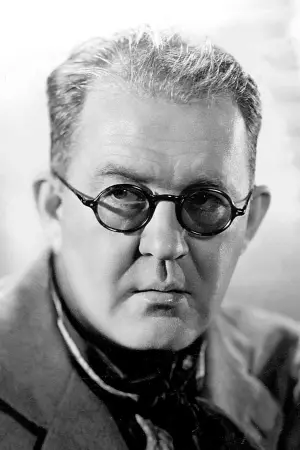
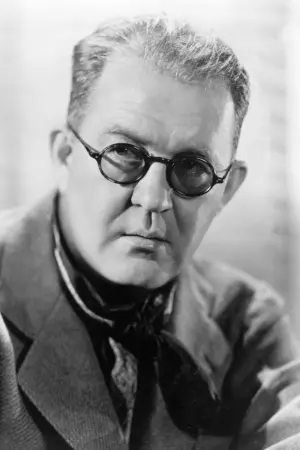
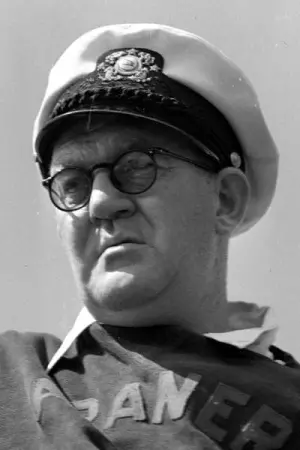
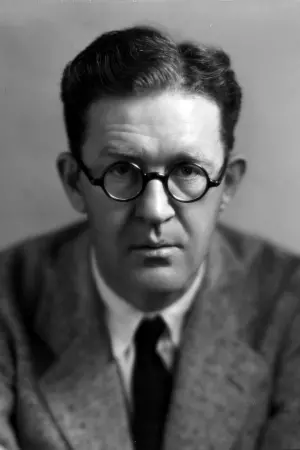
Producer
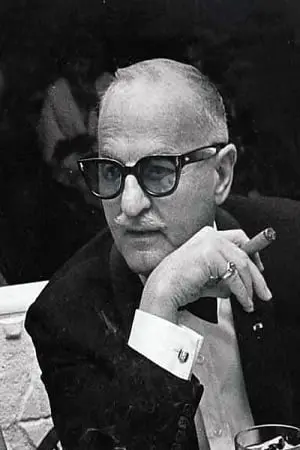
Editor
James B. Clark
Editor
Art Direction
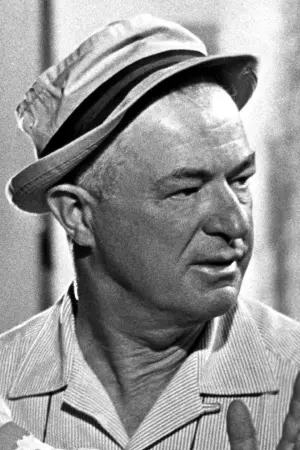
Costume Design
Stunts
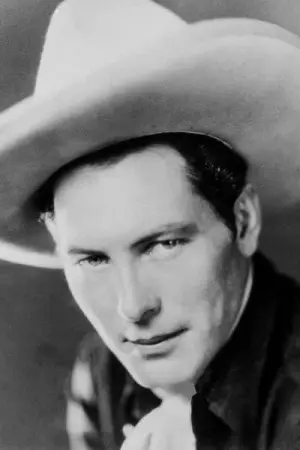
Set Decoration
Makeup Artist
Guy Pearce
Makeup Artist
Original Music Composer
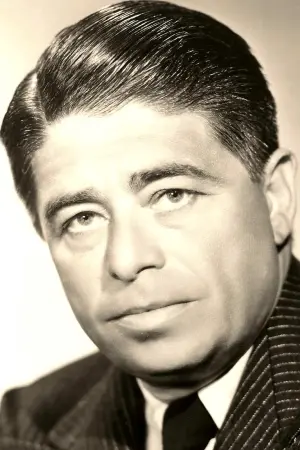
Unit Production Manager
Gene Bryant
Unit Production Manager
Orchestrator
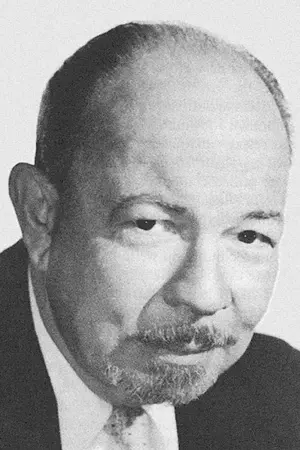
Edward B. Powell
Orchestrator
Second Assistant Director
Wingate Smith
Second Assistant Director
Director of Photography
Camera Operator

Production Manager
William Koenig
Production Manager
Screenplay

Philip Dunne
Screenplay
Novel
Richard Llewellyn
Novel
Location Manager
Ray C. Moore
Location Manager
Assistant Director
Gene Bryant
Assistant Director
Edward O'Fearna
Assistant Director
Sound
Roger Heman Sr.
Sound
Eugene Grossman
Sound
Visual Effects
Fred Sersen
Visual Effects
Matte Painter
W. Percy Day
Matte Painter
Chesley Bonestell
Matte Painter
Assistant Camera
Paul Lockwood
Assistant Camera
Music Arranger
What's left behind the scenes
- During the scene where Hugh relearned to walk, a fly actually landed on the actor's arm. This wasn't in the script.
- The only film by John Ford (1894-1973) to win an Academy Award for Best Picture.
- The most nominated film of 1941, it received 5 Academy Awards.
- Filming lasted 2 months.
- The author of the novel adapted by John Ford, Richard Llewellyn (1906-1983), claimed he wrote the novel based on his own extensive knowledge of life in Wales, but this proved to be untrue, as he had rarely been to Wales. It later emerged that he had gleaned virtually all his knowledge from conversations with local miners.
- Producer Darryl F. Zanuck (1902-1979) initially intended to film a 4-hour saga.
- The construction of the mining village cost $110,000. Blocks of coal weighing over a ton each were brought in to build the mines. To create the impression that everything around was covered in coal dust (in the opening and final scenes), John Ford ordered everything to be painted black.
- The mining village in Wales was built near the city of Malibu, California. By that time, the film's budget had been cut to $1.25 million, making location shooting impossible. Furthermore, filming abroad was practically impossible for a Hollywood studio due to World War II. In addition, Darryl F. Zanuck changed his mind about filming in color because the colors around Malibu differed from the color palette of Wales.
- In 1990, the film was added to the National Film Registry as having "cultural, historical, or aesthetic significance."
- The last words of Kivary, “I am a coward, but I will hold your coat,” were added to the film by director John Ford, despite the objections of screenwriter Philip Dunne.
- When an accident occurs at the mine, the mother and Bronwyn rush out of the house. In the first shot, the mother does not have a scarf – neither on her head nor on her shoulders. Then, the scarf suddenly appears on her shoulders, and then she will put it on her head and utter the famous phrase about seeing her husband and son with the Lord in heaven.
Did you like the film?
 Auditions in India
 Casting calls in USA
 Castingi w Polsce
 Кастинги в Україні
