Union Pacific - crew, film crew
The entire team, the film crew of the film "Union Pacific"
Union Pacific (1939)
Timing:
2:15 (135 min)

6.578/10
77
77

6.845/10
718
718

7/10
3800
3800
Film crew
Director
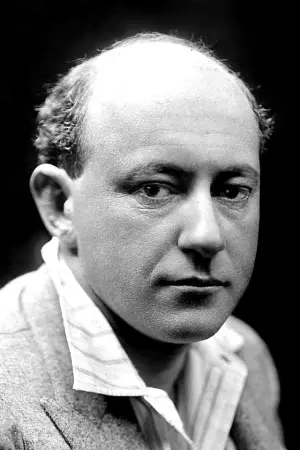
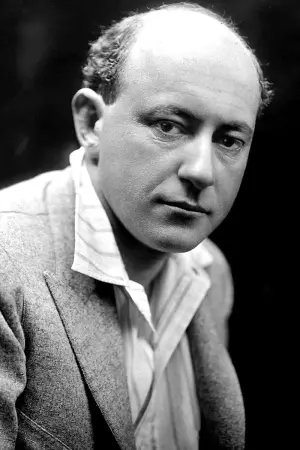
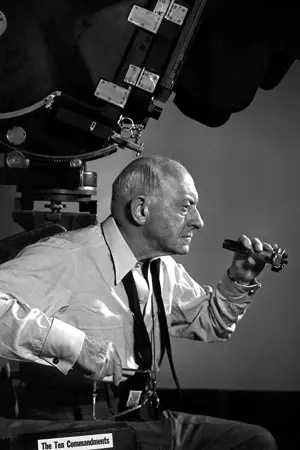
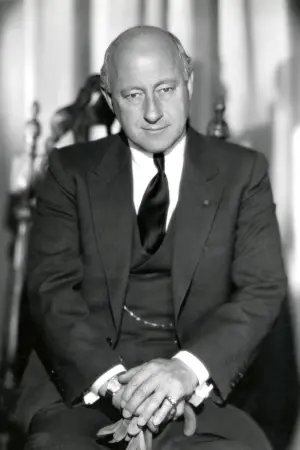
Producer
Executive Producer
William LeBaron
Executive Producer
Editor
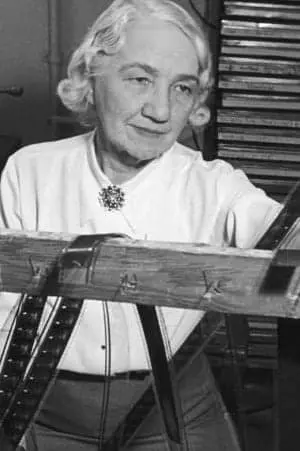
Art Direction
Roland Anderson
Art Direction
Costume Design
Natalie Visart
Costume Design
Second Unit Director
Set Decoration
A. E. Freudeman
Set Decoration
Sound Re-Recording Mixer
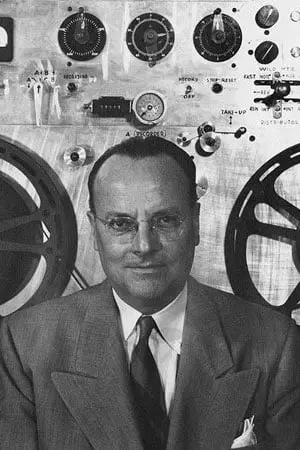
Loren L. Ryder
Sound Re-Recording Mixer
Original Music Composer
Sigmund Krumgold
Original Music Composer
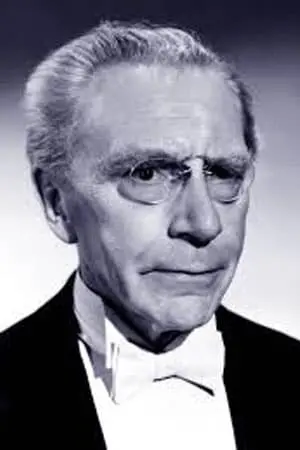
Gerard Carbonara
Original Music Composer
Leo Shuken
Original Music Composer
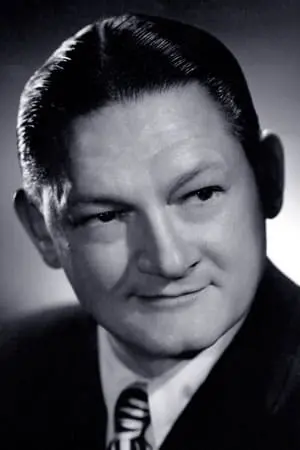
Associate Producer
William H. Pine
Associate Producer
Director of Photography
Screenplay
C. Gardner Sullivan
Screenplay
Jesse Lasky Jr.
Screenplay
Special Effects
Gordon Jennings
Special Effects
Story
Ernest Haycox
Story
Visual Effects
Farciot Edouart
Visual Effects
Dewey Wrigley
Visual Effects
Sound Recordist
Harry Lindgren
Sound Recordist
John Cope
Sound Recordist
Adaptation
Dialogue Coach
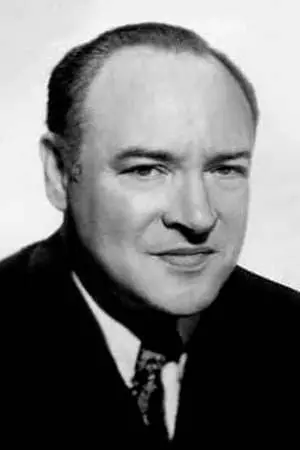
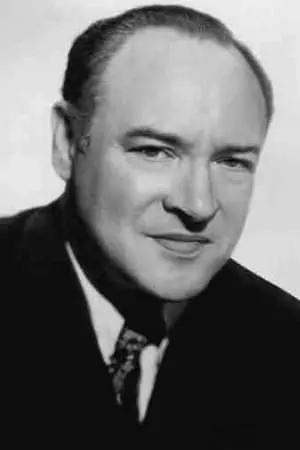
What's left behind the scenes
- To utilize the necessary number of trains for filming, Paramount Pictures had to obtain a license to operate railways from the relevant state authorities.
- The world premiere of the film took place in Omaha, Nebraska. It turned into a three-day celebration, attracting 250,000 people (doubling the city's population), and requiring the deployment of National Guard units to maintain order. A special train departed from Hollywood for Omaha, carrying the film's director, Cecil B. DeMille (1881-1959), as well as cast members Barbara Stanwyck (1907-1990), Joel McCrea (1905-1990), and other actors and actresses. The journey took three days, with stops along the way drawing huge crowds. The film was shown simultaneously in three cinemas. It is claimed that President Franklin Delano Roosevelt (1882-1945) gave the signal for the premiere by pressing a button in Washington. It is also claimed that the premiere (which was accompanied by parades, radio broadcasts and a banquet) was the largest event of its kind in the history of cinema. The vintage train embarked on a 15-day promotional route from one coast of the United States to the other, with stops in 30 major cities.
- Cecil B. DeMille could not withstand the strain of directing three film crews simultaneously and performed directorial duties while lying on a stretcher for approximately two weeks.
- Paramount Pictures hired a hundred Navajo Native Americans to film the scene of the Native American attack on the train.
- The opening credits of the film, shown against the backdrop of descending railway tracks, later inspired Dan Perri to create the famous scrolling text sequences that preface the films "Star Wars: Episode IV – A New Hope" (George Lucas, 1977) and "The Warriors" (Walter Hill, 1979).
- The world premiere of the film took place in Omaha, Nebraska. It turned into a three-day celebration, attracting 250,000 people (thus doubling the city's population), and requiring the deployment of National Guard units to maintain order. A special train traveled from Hollywood to Omaha, carrying the film's director, Cecil B. DeMille (1881-1959), as well as stars Barbara Stanwyck (1907-1990), Joel McCrea (1905-1990), and other actors and actresses. The journey took three days, with the train making stops that drew huge crowds. The film was simultaneously shown in three cinemas. It is claimed that President Franklin Delano Roosevelt (1882-1945) himself gave the signal for the premiere by pressing a button in Washington. It is also claimed that the premiere (which was accompanied by parades, radio broadcasts, and a banquet) was the largest event of its kind in the history of cinema. The vintage train embarked on a 15-day promotional tour from one coast of the United States to the other, with stops in 30 major cities.
Did you like the film?
 Auditions in India
 Casting calls in USA
 Castingi w Polsce
 Кастинги в Україні
