Three Seconds - crew, film crew
The entire team, the film crew of the film "Three Seconds"
Движение вверх (2017)
Timing:
2:13 (133 min)

7.241/10
145
145

7.591/10
610263
610263

6.6/10
5900
5900
Film crew
Director


Anton Megerdichev
Director
Producer
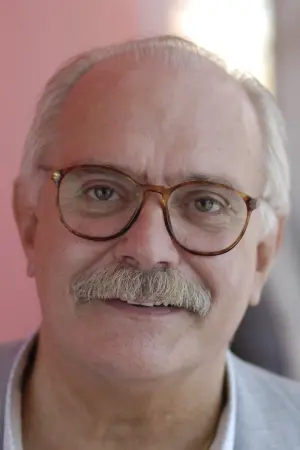
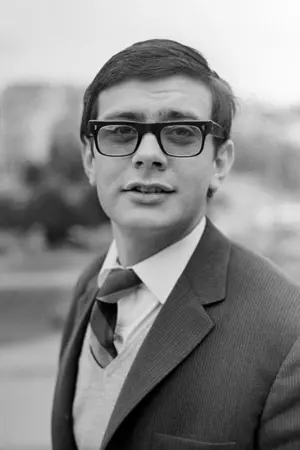
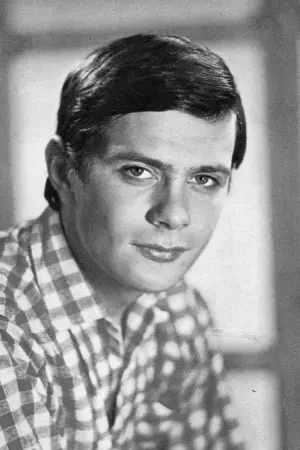
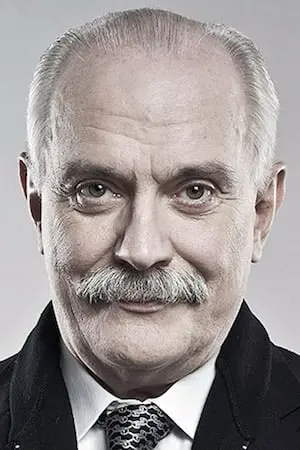
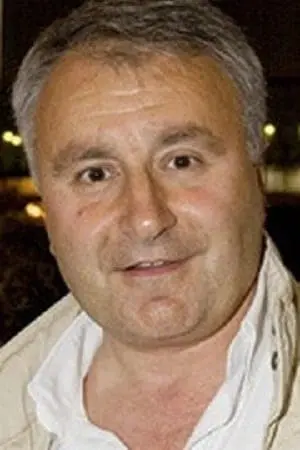
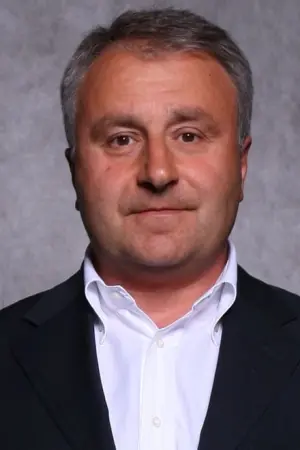
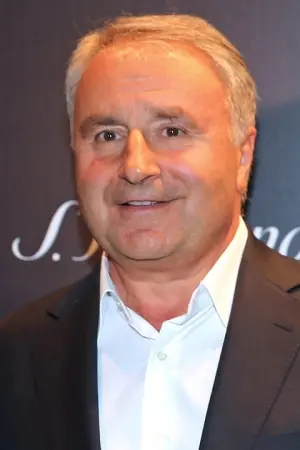
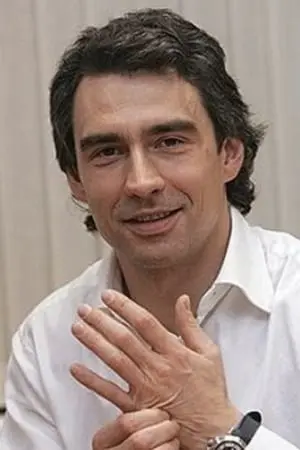
Anton Zlatopolskiy
Producer
Executive Producer
Aleksandr Utkin
Executive Producer
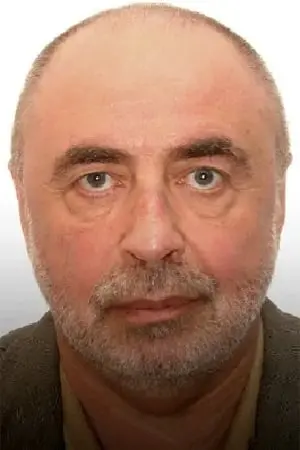
Sergey Gurevich
Executive Producer
Editor
Anton Megerdichev
Editor

Vazgen Kagramanyan
Editor
Petr Zelenov
Editor
Costume Design
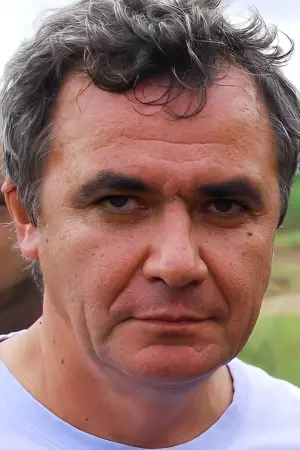
Sergey Struchev
Costume Design
Production Design
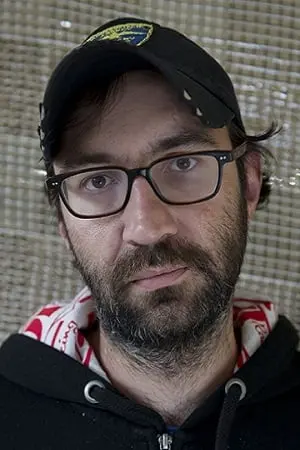
Sergey Agin
Production Design
Original Music Composer
Julia Holter
Original Music Composer
Director of Photography
Igor Grinyakin
Director of Photography
Screenplay

Nikolai Kulikov
Screenplay
Set Designer
Oleg Kolodko
Set Designer
Additional Music
Alexandra Magakyan
Additional Music
Line Producer
Vladimir Vasilyev
Line Producer
Alexey Dubinin
Line Producer
Ekaterina Yakovleva
Line Producer
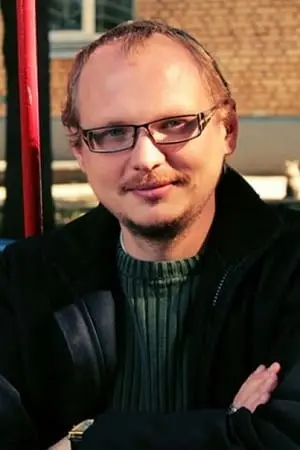
Co-Writer
What's left behind the scenes
- The film is based on the autobiographical book by the great basketball player Sergei Belov, "Moving Up".
- The gold medal at the 1972 Summer Olympics – the first Olympic victory in history for domestic basketball players.
- The final version of the film's script was the 22nd.
- The project's consultants included participant in the Golden Match Ivan Edeshko, as well as Sergei Belov's son, Alexander, who played a small role (Soviet team player Gennady Volnov) and was the director of the film's basketball game scenes.
- Filming took place from July to November 2016.
- The number of actors in mass scenes reached 500 people.
- CG Factory («The Crew», "He is a Dragon", "Metro") under the direction of Alexander Gorokhov created a crowd duplication system, allowing work with photorealistic characters on shots ranging from extremely wide to medium.
- The vast majority of the basketball players in the film are professional basketball players in real life. Alexander Ryapolov, a basketball player making his film debut, spent a month and a half studying acting to play Aljan Zharmukhamedov.
- During preparation for filming, the actors in the main roles trained for several hours a day for several months.
- Costume designer Sergei Struchev thoroughly studied archival photos and videos, the nuances of tailoring and fabric textures used in sports in our country and abroad during that period. For example, it turned out that the shorts of Soviet national basketball players were made of cotton sateen, while Americans were already playing in knitwear. “We adhered to that,” says Sergei, “but we had to sacrifice some other documentary details in favor of aesthetic and cinematic truth. For example, the Soviet basketball players in the film do not have as tight and narrow uniforms as they actually did.”
- More than 500 costumes – civilian and sports outfits – were specially sewn for the project.
- Actors in mass scenes can be seen wearing vintage clothing from the late 1960s – early 1970s.
- Four sets of playing uniforms were created for the main characters, as well as sports suits and everyday outfits.
- More than 20 historically accurate basketballs were ordered for the film: to Soviet standards, for international competitions, and soft ones used during stunts.
- During the preparation stage, the cinematographer and director spent six months doing test shoots of basketball scenes in search of the most effective visual means. Igor Grinyakin, in particular, tried shooting while moving on roller skates (scenes shot this way were included in the film).
- Basketball was filmed by six camera crews on six cameras – a unique case in the domestic film industry. A cable-mounted 'spidercam' under the ceiling was responsible for the speed and geography of the sporting elements. Another camera was constantly on the court. A third filmed close-ups, a fourth – the opponents of the Soviet team. Another camera was responsible for height and angle, and a 'rapid' camera captured events, slowing down time. All signals from the court were combined by Q-take synchronizing equipment.
- A system for the spidercam was created from scratch by young engineers from Moscow State University. It is faster, more mobile, and cheaper than all foreign counterparts.
- The scene of the legendary match was filmed during the first days of shooting. Filming of the final game lasted a month.
- Due to lawsuits from Evgenia Kondrashina and Alexandra Ovchinnikova (widows of Vladimir Kondrashin and Alexander Belov) against the film's authors, the name of the head coach of the USSR men's basketball team was changed to Vladimir Garanzhin. The coach's real name is Vladimir Petrovich Kondrashin.
- The film's title for international film festivals is "Three Seconds".
- For dramatic effect, the filmmakers distorted some historical facts, such as: Alexander Belov was not terminally ill in 1972, Modestas Paulauskas did not attempt to escape from the USSR, Sergei Belov did not have knee problems and did not have a mustache, and Alzhan Zharmukhamedov did not wear contact lenses. Some of these facts did occur in the lives of the athletes, but at different times in their lives.
- In the scene where the team returns from the European Championship and exits the airport building, the "Triumph Palace" skyscraper is clearly visible in the background, although it was built much later.
- The film is based on the autobiographical book of the great basketball player Sergei Belov, "Upwards Movement".
- The gold medal at the 1972 Summer Olympics was the first Olympic victory in history for domestic basketball players.
- CG Factory ("The Crew", "He is a Dragon", "Metro") under the direction of Alexander Gorokhov created a crowd duplication system, allowing work with photorealistic characters in shots ranging from extremely wide to medium.
- The vast majority of the basketball players in the film are professional basketball players in real life. Alexander Ryapolov, a basketball player making his film debut, spent a month and a half studying acting to play Aljan Zharmukhamedov.
- Costume designer Sergei Struchev thoroughly studied archival photos and videos, the nuances of tailoring and fabric textures that were used in sports in our country and abroad during that period. For example, it turned out that the shorts of Soviet national basketball players were sewn from cotton satin, while Americans were already playing in knitwear. “We adhered to that,” says Sergei, “but we had to sacrifice some other documentary details in favor of aesthetic and cinematic truth. For example, the Soviet basketball players' uniforms in the film are not as tight and narrow as they actually were.”
- More than 500 costumes – civilian and sports outfits – were specially sewn for the project.
- The basketball game was filmed by six camera crews using six cameras – a unique occurrence in the domestic film industry. A spidercam moving along cables under the ceiling was responsible for the speed and geography of the sporting elements. Another camera was constantly on the court. A third filmed close-ups, a fourth – the opponents of the Soviet team. Yet another camera was responsible for height and angle, and a "rapid" camera captured events, slowing down time. All signals from the court were brought together by Q-take synchronizing equipment.
- The film’s title for foreign film festivals is "Three Seconds".
- In the scene where the team returns from the European Championship and exits the airport building, the Triumph Palace skyscraper is clearly visible in the background, although it was built much later.
Did you like the film?
 Auditions in India
 Casting calls in USA
 Castingi w Polsce
 Кастинги в Україні
