The Sugarland Express - crew, film crew
The entire team, the film crew of the film "The Sugarland Express"
The Sugarland Express (1974)
Timing:
1:50 (110 min)

6.58/10
364
364

6.925/10
3743
3743

6.7/10
18660
18660
Film crew
Director
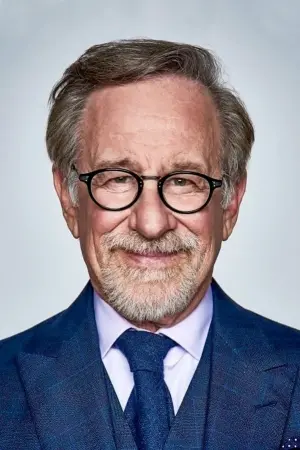
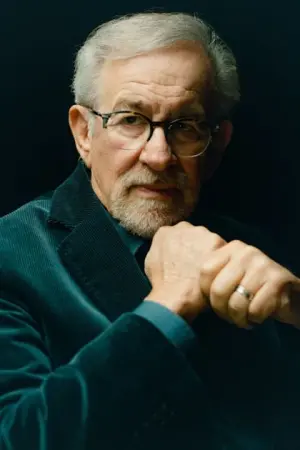
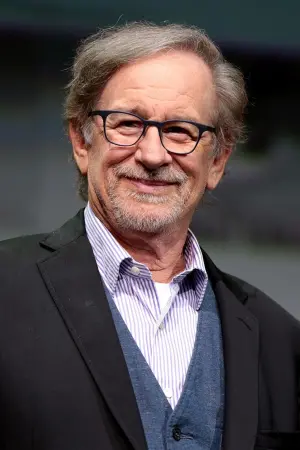
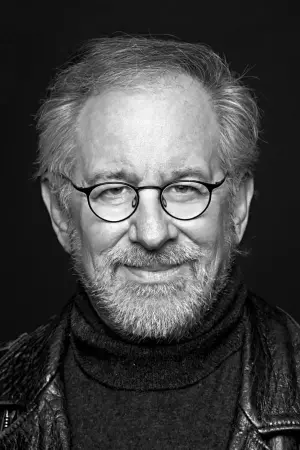
Producer
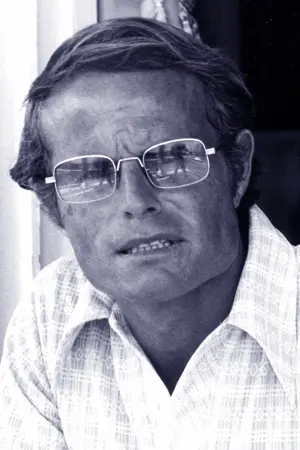
Richard D. Zanuck
Producer
David Brown
Producer
Casting
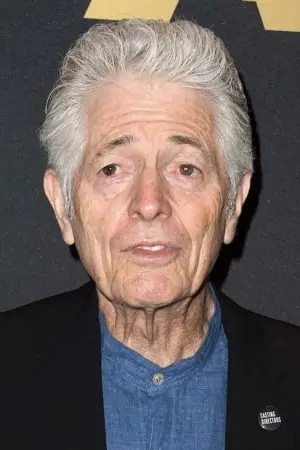
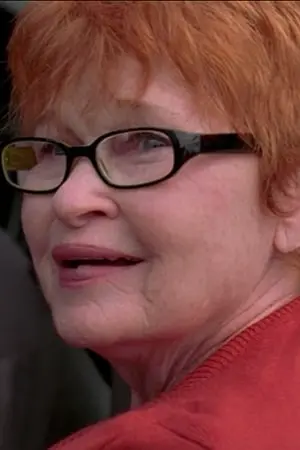
Shari Rhodes
Casting
Editor
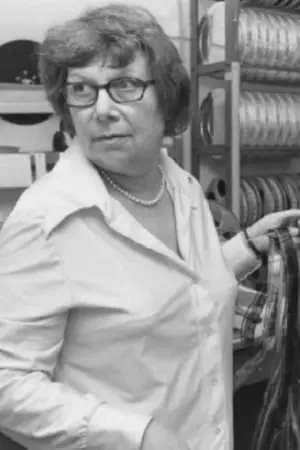
Verna Fields
Editor
Edward M. Abroms
Editor
Art Direction

Costume Design
Robert Ellsworth
Costume Design
James Gilmore
Costume Design
Stunts
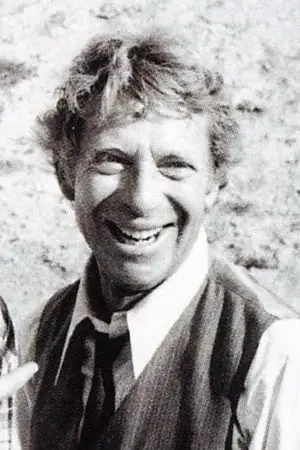
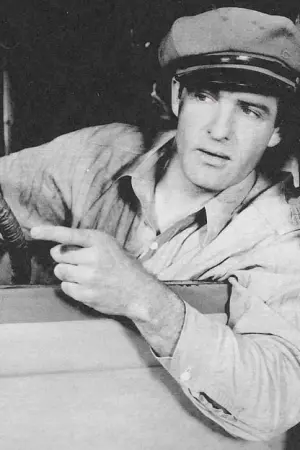
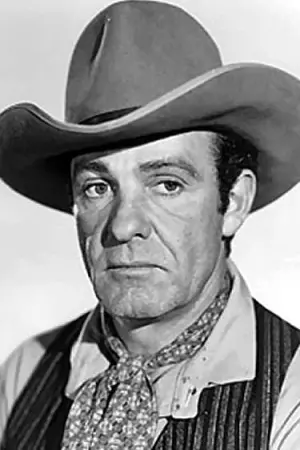
Ted Duncan
Stunts
Max Balchowsky
Stunts
Patty Elder
Stunts
Stunt Coordinator
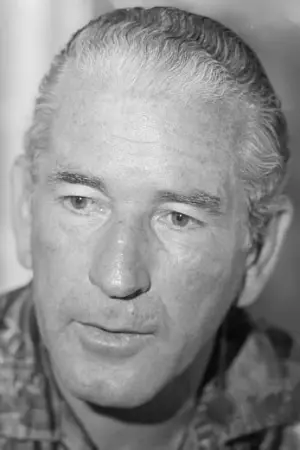
Makeup Artist
Del Armstrong
Makeup Artist
Original Music Composer
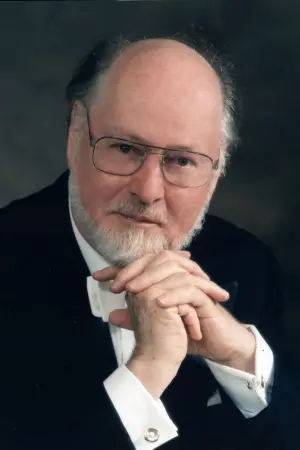
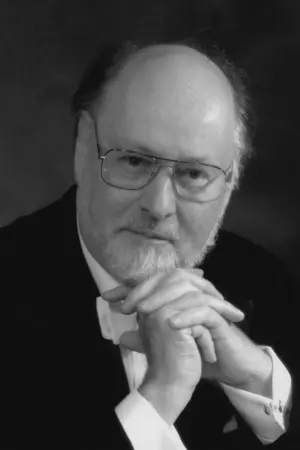
Unit Production Manager
William S. Gilmore
Unit Production Manager
Second Assistant Director
Tom Joyner
Second Assistant Director
Director of Photography
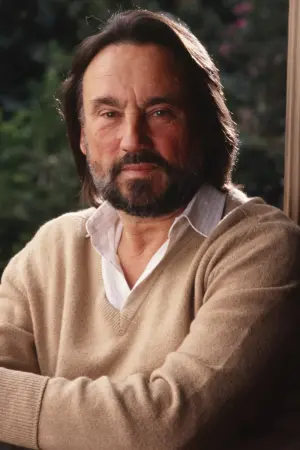
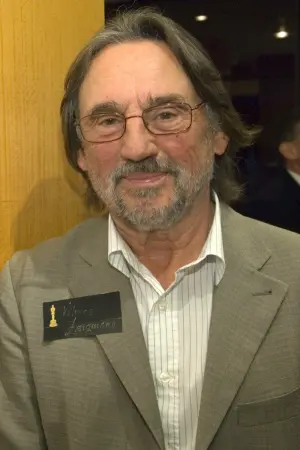
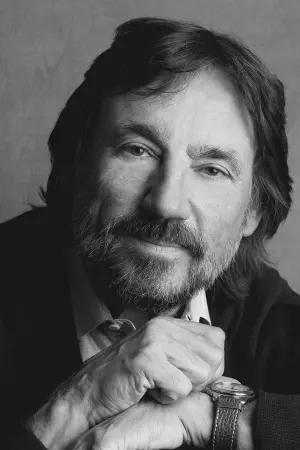
Musician
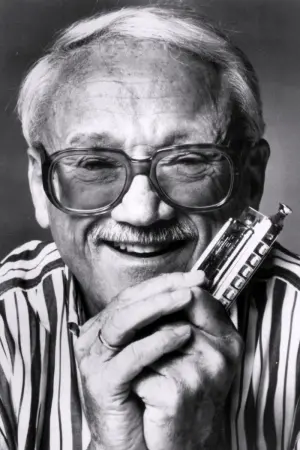
Camera Operator
Sven Walnum
Camera Operator
Jack L. Richards
Camera Operator
Property Master
Bill Dietz
Property Master
Script Supervisor
Ulla Bourne
Script Supervisor
Hairstylist
Susan Germaine
Hairstylist
First Assistant Director

Screenplay
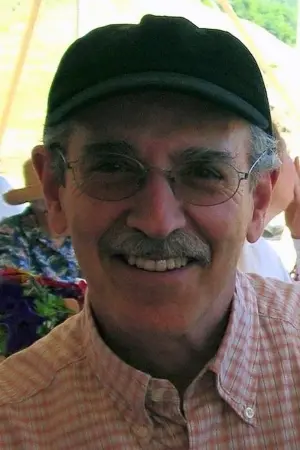
Assistant Editor
Jeff Gourson
Assistant Editor
Key Grip
Robert Moore
Key Grip
Carpenter
Mike Fenton
Carpenter
Special Effects
Frank Brendel
Special Effects
Story
Gaffer
James O. Blair
Gaffer
First Assistant Camera
Nick McLean
First Assistant Camera
Conductor
Unit Publicist
Roy D. Smith
Unit Publicist
Sound
John R. Carter
Sound
Robert L. Hoyt
Sound
Generator Operator
Al Perry
Generator Operator
Sound Recordist
Dennis C. Salcedo
Sound Recordist
Production Executive
William S. Gilmore
Production Executive
Assistant Camera
John J. Connor
Assistant Camera
What's left behind the scenes
- Steven Spielberg's filming crew was consulted by a direct participant in the events – patrolman Kenneth Crown, who was held hostage by the Dent gang.
- The film was shot on location in Texas – in Del Rio, Floresville, Pleasanton, San Antonio, and on the grounds of the Jester Prison in Sugarland.
- Steven Spielberg faced the challenge of somehow combining Goldie Hawn's acting style with William Atherton's performance. Atherton was an experienced actor with stage training, so he improved with each take in every scene. As for Hawn, she performed best in the first two takes, although if a scene required 12 or more takes, the actress would find a 'second wind.' Spielberg concluded that he needed to start with close-ups of her. He would then film Atherton in close-up until Hawn began to 'recover,' and then he would start filming them both.
- During filming, Steven Spielberg and cinematographer Vilmos Zsigmond (1930-2016) had breakfast together every morning and discussed the upcoming shooting. They had agreed in advance that the film should give the impression of being a documentary, so they watched documentaries at night to better understand the nature of the problems they would face on set and how to solve them. Zsigmond's fondness for shooting in natural light was very helpful.
- Many minor roles in the film were filled by local residents who had no acting education or experience. At the very least, this saved the filmmakers budget money.
- Stunt coordinator Carey Loftin (1914-1997) brought the best stunt drivers from all over Hollywood to the set to ensure that the filming of the car crashes would be carried out without casualties. The most challenging was the nighttime shoot of a scene in which a police car crashes into the side of a stolen police car, then another car crashes into the first police car, followed by impacts into several other cars one after another. There was no lighting at the intersection where the filming took place, so a tractor rental set was constructed, and 200 light bulbs were hung over it. These, along with a nearby gas station, provided enough light for Vilmos Zsigmond to film. Steven Spielberg then held a full rehearsal of the scene, but without the car collisions, because there was no money in the budget for additional vehicles. They then began filming the actual stunt, using 4 cameras simultaneously. Loftin himself drove the car that hit the stolen police car on the side, and he succeeded on the first attempt.
- Preparation for filming scenes on the highway took an hour and a half. First, the police had to stop or redirect traffic within 3 kilometers of the filming location. After each take, the vehicles involved in the filming were transported back to where the take began, while the police allowed the cars stuck in traffic to pass.
- The film is based on events from May 1959, when a married couple kidnapped a police officer and went on a chase in his patrol car in an attempt to escape the police. At one point, over 150 police cars and vehicles with reporters were in pursuit. Eventually, FBI agent Bob Wyatt (who retired in 2004) shot the man and arrested the woman.
Did you like the film?
 Auditions in India
 Casting calls in USA
 Castingi w Polsce
 Кастинги в Україні
