Brazil - crew, film crew
The entire team, the film crew of the film "Brazil"
Brazil (1985)
Timing:
2:23 (143 min)

7.668/10
3661
3661

7.738/10
40934
40934

7.8/10
222000
222000
Film crew
Director

Producer

Patrick Cassavetti
Producer
Casting
Irene Lamb
Casting

Margery Simkin
Casting
Editor

Art Direction
Keith Pain
Art Direction
John Beard
Art Direction
Costume Design
Stunts

Production Design
Norman Garwood
Production Design
Sound Re-Recording Mixer
Paul Carr
Sound Re-Recording Mixer
Original Music Composer

Director of Photography
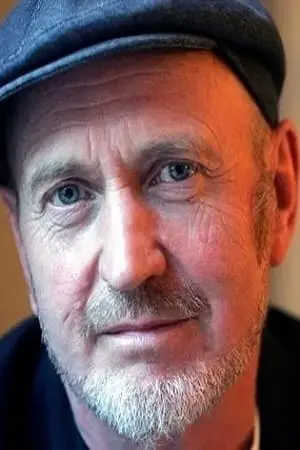
Roger Pratt
Director of Photography
Camera Operator
David Garfath
Camera Operator
Assistant Art Director
Françoise Benoît-Fresco
Assistant Art Director
Dennis Bosher
Assistant Art Director
Property Master
Gary Dawson
Property Master
George Ball
Property Master
Script Supervisor
Penny Eyles
Script Supervisor
Electrician
Perry Evans
Electrician
Still Photographer
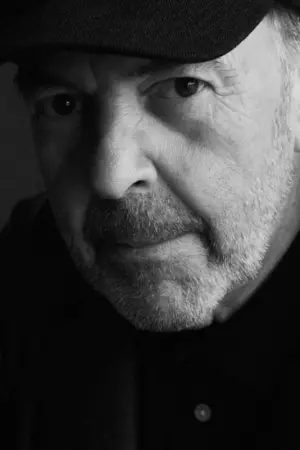
Production Manager
Graham Ford
Production Manager
Screenplay

Charles McKeown
Screenplay
Hair Designer
Maggie Weston
Hair Designer
Makeup Designer
Maggie Weston
Makeup Designer
Gaffer
Roy Rodhouse
Gaffer
Prosthetic Makeup Artist
Aaron Sherman
Prosthetic Makeup Artist
Music
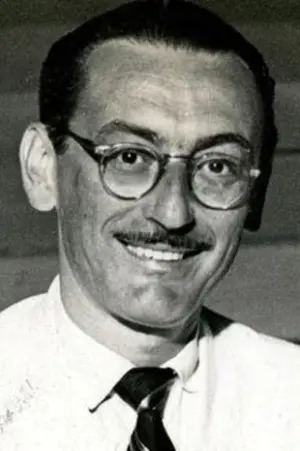
Ary Barroso
Music
Makeup & Hair
Sandra Shepherd
Makeup & Hair
Elaine Carew
Makeup & Hair
Meinir Jones-Lewis
Makeup & Hair
Sallie Evans
Makeup & Hair
Scenic Artist
Andrew Garnet-Lawson
Scenic Artist
Visual Effects
Richard Conway
Visual Effects
Best Boy Electric
Chuck Finch
Best Boy Electric
Sound Recordist
Bob Doyle
Sound Recordist
Publicist
Geoff Freeman
Publicist
Alan Arnold
Publicist
Sound Editor
Rodney Glenn
Sound Editor
What's left behind the scenes
- The film's creation year – 1984 – coincides with the title of George Orwell's famous dystopian novel. Initially, the film was to be called “1984 ½” and the musical theme was to be the song Malia Elena, however, midway through filming, the director changed the theme and title to be more suitable to the content. Furthermore, the Minister of Information's office in the film is located on the 84th floor of the building.
- The film parodies a famous scene from Sergei Eisenstein's "Battleship Potemkin".
- With this film, Terry Gilliam traveled to 80 countries, and in each one, he was told the same phrase: “You know, there’s a piece of our country in your film too.”
- In 2004, the film "Brazil" was included by Total Film magazine in the twenty greatest English-language films of all time. In 2005, film critics Richard Corliss and Richard Schickel of Time magazine named "Brazil" among the 100 best films of all time. In 2006, Channel 4, shortly before a showing on BBC Four, recognized "Brazil" as one of "50 Films to See Before You Die".
- The leitmotif of the film is the 1939 song "Aquarela do Brazil" by Ary Barroso, performed in various variations – from sublime and inspiring to menacingly ominous.
- Actresses such as Kelly McGillis, Ellen Barkin, Kathleen Turner, and Jamie Lee Curtis auditioned for the role that Kim Greist ultimately received.
- Terry Gilliam regretted after filming that he had rejected Ellen Barkin's candidacy for the lead female role.
- Arnon Milchan recommended Robert De Niro for one of the roles in the film.
- The sky views used in Sam Lowry’s dream sequences were created for Wolfgang Petersen’s *The NeverEnding Story*, but were not included in the final cut.
- The distribution of *Brazil* in the United States was controlled by Universal Pictures. Universal’s management considered the film’s ending to be clearly unsuccessful, and company chairman Sid Sheinberg subjected Terry Gilliam’s work to significant editorial revisions, giving it a so-called “happy ending”; this approach met with strong objections from the director. As with *Blade Runner*, released three years earlier, this version of *Brazil* was created by the studio with an ending more acceptable from a consumer perspective. After a prolonged delay, Gilliam placed a full-page advertisement in the trade magazine *Variety*, pushing Sheinberg to release *Brazil* in its cut version. Ultimately, after Gilliam held a series of private screenings (without the company’s approval), the film won the Los Angeles Film Critics Association Award for “Best Picture,” which prompted Universal to release a modified 131-minute version under Gilliam’s control in 1985.
- The scene of the battle with the samurai covered in electronic components parodies Luke Skywalker’s dreamlike battle with his father in the fifth episode and simultaneously symbolizes Terry Gilliam’s love for the films of Akira Kurosawa.
- Kelly McGillis, Ellen Barkin, Kathleen Turner, and Jamie Lee Curtis were among the actresses who auditioned for the role that Kim Greist eventually landed.
- The year the film was made – 1984 – coincides with the title of George Orwell’s famous dystopian novel. The film was originally to be called “1984 ½” and the musical theme was to be the song Malia Elena, but midway through filming, the director changed the theme and title to something more suitable to the content. Furthermore, the office of the Minister of Information in the film is located on the 84th floor of the building.
- In 2004, the film “Brazil” was included by Total Film magazine in its list of the twenty greatest English films of all time. In 2005, Time magazine film critics Richard Corliss and Richard Schickel named “Brazil” among the 100 best films of all time. In 2006, Channel 4, shortly before showing it on BBC Four, recognized “Brazil” as one of “50 Films to See Before You Die.”
- The dream sequences in Sam Lowry feature sky vistas created for Wolfgang Petersen's 'The NeverEnding Story,' but were not included in the final cut.
- The distribution of 'Brazil' in the United States was controlled by Universal Pictures. Universal executives found the film's ending overtly pessimistic, and company chairman Sid Sheinberg subjected Terry Gilliam's work to significant editorial revisions, giving it a so-called 'happy ending'; this approach met with strong objections from the director. As with 'Blade Runner,' released three years earlier, this version of 'Brazil' was created by the studio with an ending more palatable from a consumer perspective. After a prolonged delay, Gilliam placed a full-page advertisement in the trade journal Variety, prompting Sheinberg to release 'Brazil' in its cut version. Ultimately, after Gilliam held a series of private screenings (without the company's approval), the film won the Los Angeles Film Critics Association Award for Best Picture, which prompted Universal to release a 131-minute altered version under Gilliam's control in 1985.
Did you like the film?
 Auditions in India
 Casting calls in USA
 Castingi w Polsce
 Кастинги в Україні
