GoodFellas - crew, film crew
The entire team, the film crew of the film "GoodFellas"
GoodFellas (1990)
Timing:
2:25 (145 min)

8.453/10
14344
14344

8.134/10
232053
232053

8.7/10
1400000
1400000
Film crew
Director
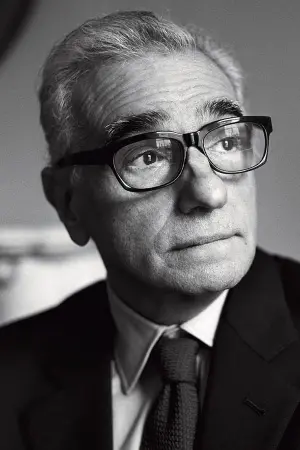
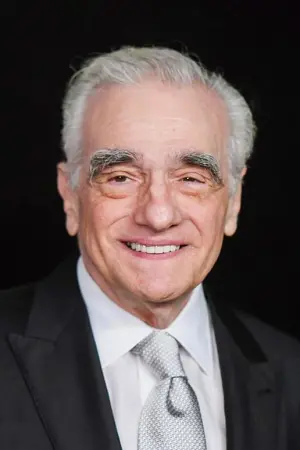
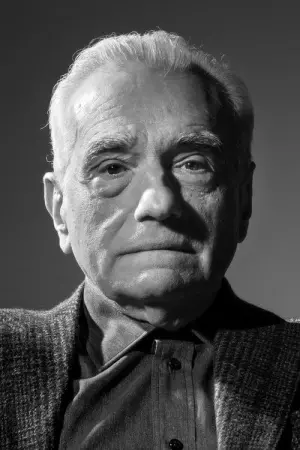
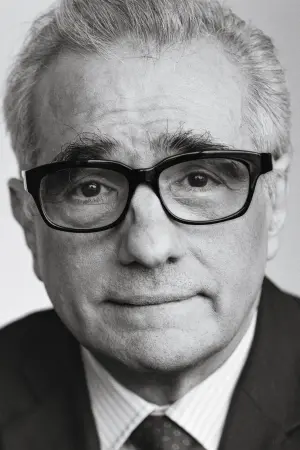
Producer
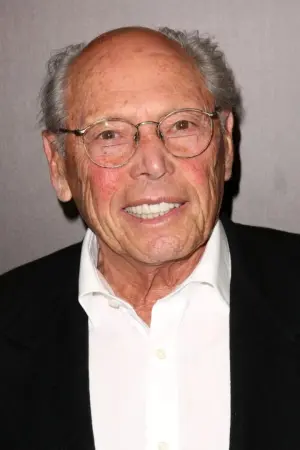
Executive Producer
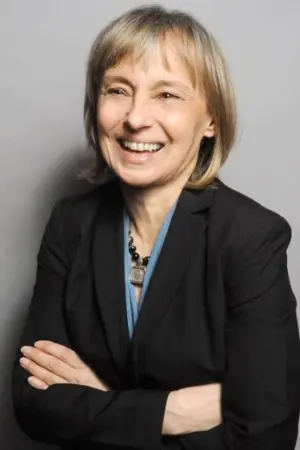
Barbara De Fina
Executive Producer
Casting
Ellen Lewis
Casting
Editor
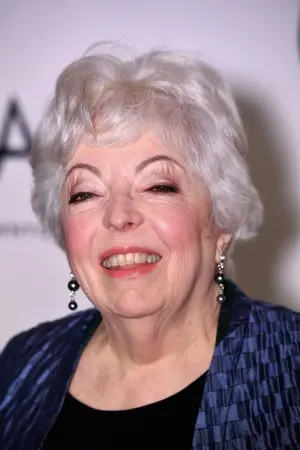
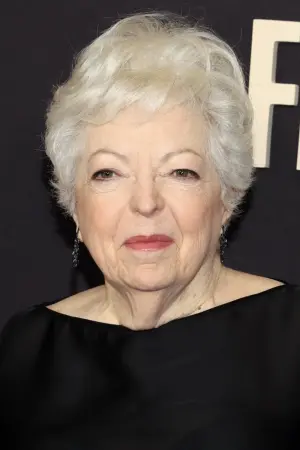
James Y. Kwei
Editor
Art Direction
Maher Ahmad
Art Direction
Costume Design
Richard Bruno
Costume Design
Stunts
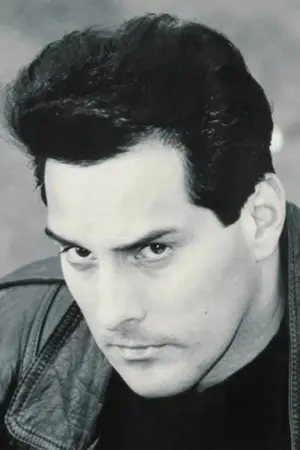
Peter Bucossi
Stunts
Alex Stevens
Stunts
Don Picard
Stunts

Nicholas J. Giangiulio
Stunts

Roy Farfel
Stunts
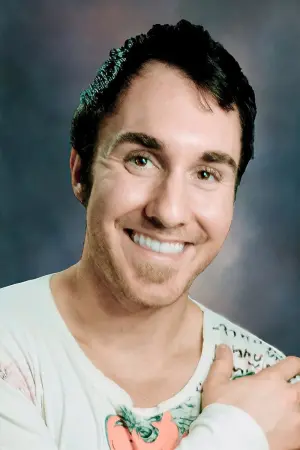
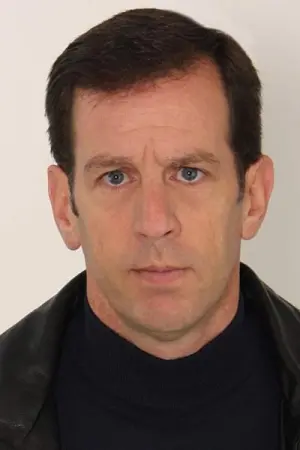
Tony Guida
Stunts
Janet Paparazzo
Stunts
Norman Douglass
Stunts
Paul Bucossi
Stunts
Production Design
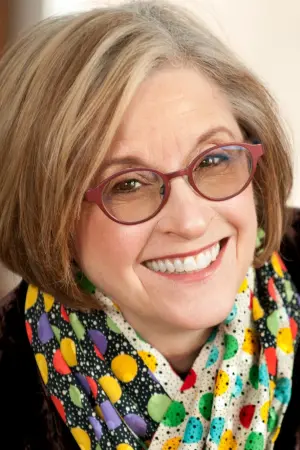
Kristi Zea
Production Design
Stunt Coordinator
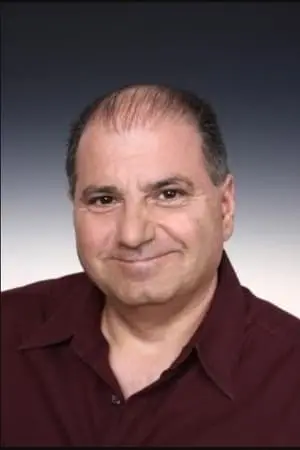
Second Unit Director
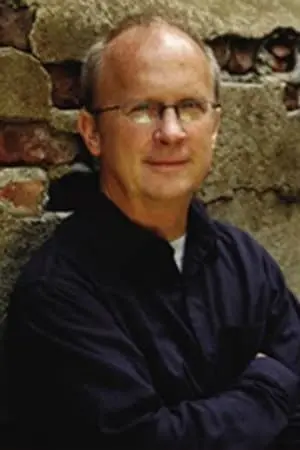
Joseph P. Reidy
Second Unit Director
Set Decoration
Leslie Bloom
Set Decoration
Makeup Artist
Ilona Herman
Makeup Artist
Carl Fullerton
Makeup Artist
Allen Weisinger
Makeup Artist
Sound Re-Recording Mixer
Tom Fleischman
Sound Re-Recording Mixer
Unit Production Manager
Bruce S. Pustin
Unit Production Manager
Associate Producer
Bruce S. Pustin
Associate Producer
Set Dresser
Bruce Swanson
Set Dresser
Second Assistant Director
Vebe Borge
Second Assistant Director
Director of Photography
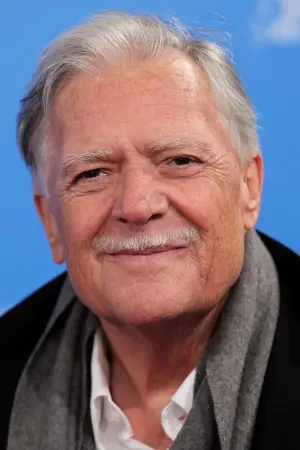
Camera Operator
David M. Dunlap
Camera Operator
Steadicam Operator
Larry McConkey
Steadicam Operator
Property Master
Robert Griffon Jr.
Property Master
Supervising Sound Editor
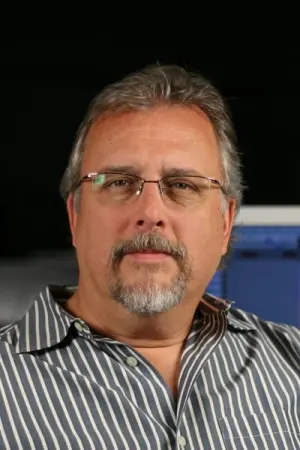
Skip Lievsay
Supervising Sound Editor
Script Supervisor
Supervising Dialogue Editor
Hairstylist
Ilona Herman
Hairstylist
Alan D'Angerio
Hairstylist
William A. Farley
Hairstylist
Still Photographer
Barry Wetcher
Still Photographer
First Assistant Director
Joseph P. Reidy
First Assistant Director
Assistant Costume Designer
Susan O'Donnell
Assistant Costume Designer
Thomas Lee Keller
Assistant Costume Designer
Chief Lighting Technician
Jerry DeBlau
Chief Lighting Technician
Boom Operator
Louis Sabat
Boom Operator
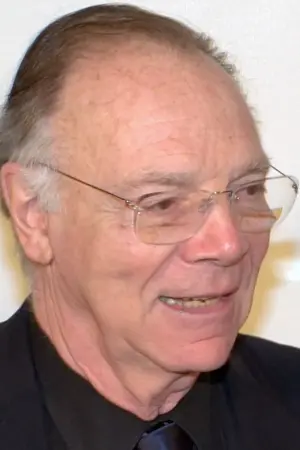
Screenplay
First Assistant Editor
David Leonard
First Assistant Editor
Foley Artist
Marko Costanzo
Foley Artist
Construction Coordinator
Louis Sanchez
Construction Coordinator
Dialogue Editor
Marissa Littlefield
Dialogue Editor
Fred Rosenberg
Dialogue Editor
Jeffrey Stern
Dialogue Editor
Bruce Kitzmeyer
Dialogue Editor
Assistant Editor
Kent Blocher
Assistant Editor
Foley Editor
Frank Kern
Foley Editor
Bruce Pross
Foley Editor
Key Grip
Dennis Gamiello
Key Grip
Book
Location Manager
Steve Rose
Location Manager
Assistant Property Master
John McDonnell
Assistant Property Master
Second Second Assistant Director
Deborah Lupard
Second Second Assistant Director
Construction Foreman
Arne Olsen
Construction Foreman
Special Effects
Connie Brink
Special Effects
Casting Assistant
Laura Rosenthal
Casting Assistant
Foley Supervisor
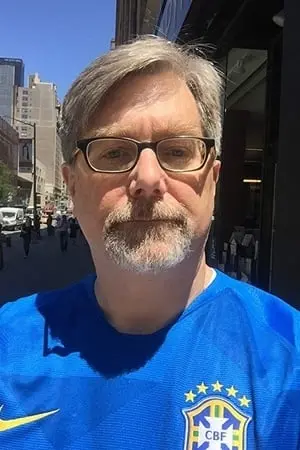
Ron Bochar
Foley Supervisor
Production Accountant
Todd Arnow
Production Accountant
Music Editor
Christopher Brooks
Music Editor
Production Sound Mixer
James Sabat
Production Sound Mixer
First Assistant Camera
Florian Ballhaus
First Assistant Camera
Unit Publicist
Marion Billings
Unit Publicist
ADR Editor
Gail Showalter
ADR Editor
Sound Recordist
Frank Graziadei
Sound Recordist
Wardrobe Supervisor
Dean Jackson
Wardrobe Supervisor
Second Assistant Camera
Bobby Mancuso
Second Assistant Camera
Assistant Sound Editor
Michael Berenbaum
Assistant Sound Editor
Brian Johnson
Assistant Sound Editor
Anne Sawyer
Assistant Sound Editor
William Docker
Assistant Sound Editor
Transportation Captain
Bill Curry Jr.
Transportation Captain
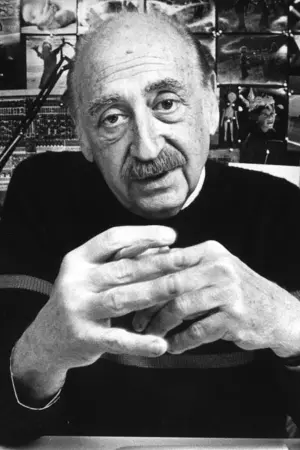
Title Designer
Assistant Chief Lighting Technician
Peter John Petraglia
Assistant Chief Lighting Technician
Transportation Co-Captain
Robert Leddy
Transportation Co-Captain
Production Office Coordinator
Alesandra M. Cuomo
Production Office Coordinator
What's left behind the scenes
- The film is based on Nicholas Pileggi's book "Wiseguy: Life in a Mafia Family" (1985).
- Martin Scorsese's father and mother appeared in small roles in the film.
- Rumors circulated that the real Jimmy Conway (birth name – Jimmy Burke) was so thrilled that De Niro would play him that he called him from prison and gave him some valuable advice. However, Nicholas Pileggi vehemently denied this, claiming that Conway and De Niro never spoke. Nevertheless, he did not deny that people who knew the real main characters quite well were involved in the project.
- The real Hill said that the filmmakers captured the image of the real Tommy DeVito almost 99% accurately, except for one 'but' – Tommy was huge, which contrasts sharply with the short stature of Joe Pesci.
- The real Henry Hill (Ray Liotta) once moved to Redmond, where he opened an Italian restaurant. However, after the film's release, he returned. One of his daughters appears in the wedding scene.
- After Joe Pesci's mother watched the film, she called her son and said the movie was good, but she didn't like how often he swore.
- The word 'fuck' is used 246 times in the film; in most cases, it is used by Joe Pesci's character. Taking into account various variations, it appears 275 times, meaning one curse word every 28 seconds.
- At Scorsese's request, Joe Pesci himself devised and filmed the scene where his character Tommy DeVito loses his temper, repeating the line 'Do you think I'm funny?'
- Warner Bros. refused to produce the film unless one of the leading roles was played by a Hollywood superstar. Scorsese then remembered his close friend Robert De Niro, showed him the script, and asked him who he wanted to see in the role of Jimmy Conway. De Niro read it and replied, "Myself." Soon after, Warner Bros. agreed to finance the film.
- As soon as the director began reading Pileggi’s book, he immediately understood that it had excellent potential for adaptation. Scorsese was pleasantly surprised to discover that the places described in the book were also very familiar to him, as he grew up in Little Italy – a district of New York. Enchanted by this idea, Scorsese called Pileggi himself at his office at New York magazine. The writer was not in the building, and the director told his secretary to make sure Pileggi called him back. Upon arriving at the office, Pileggi did not find his secretary at her desk, but found a note saying that Scorsese himself had called. The writer didn't believe it and threw it in the trash, thinking it was another prank from a colleague. Not receiving the call, Scorsese went to Pileggi's house and told him that he had been searching for his book for years. Not expecting such a confession, Pileggi said he had been waiting to meet him all his life, and had only considered Scorsese as the director for the adaptation of his novel.
- Scorsese envisioned the author of the book, Nicholas Pileggi, as the screenwriter from the very beginning. The writer knew little about scriptwriting, but the director taught him the basics.
- The project had to be postponed for several years due to Scorsese’s commitments on the sets of other planned films. After that period, the director began to wonder if he should return to gangster films. It was then that he gave the final version of the script to the renowned film director and screenwriter Michael Powell. At that time, Powell was married to editor Thelma Schoonmaker, one of Scorsese’s muses. After reading the script, the couple convinced the director of the necessity of making the film.
- After four years of preparation, Scorsese could finally admit to himself that he was ready to shoot. The first thing he wanted to do was change the working title of the future film. Since "Wiseguy" was already the title of both a TV series and Brian De Palma’s comedy, Scorsese decided to call the film "Goodfellas."
- Robert De Niro helped Scorsese by suggesting Ray Liotta for the role of Henry Hill. Liotta, as it turned out, had already read the Pillegi book and quickly got into the role.
- For the role of Karen Hill, Henry's wife, Scorsese considered Lorraine Bracco. At the time, she was married to actor and close friend of Scorsese, Harvey Keitel, and had already auditioned for a role in the director's black comedy 'After Hours'. Scorsese invited her and Ray Liotta to his apartment, where they had a three-hour conversation. After it ended, the director approved her for the role of Karen.
- Filming took place in the spring and summer of 1989, partly in Queens, a district of New York, and partly on Long Island.
- Tommy's final shot into the camera is considered a kind of quote from 'The Great Train Robbery' (1903), where after all the action, a bandit also fires a revolver as if at the audience.
- In early script drafts, the story was told in chronological order, but Scorsese later had the idea that the film absolutely had to begin with a scene of Billy Batts' murder.
- The film is based on Nicholas Pileggi's book "Wiseguy: Life in a Mafia Family" (1985).
- Rumors circulated that the real Jimmy Conway (born James Burke) was so thrilled that De Niro would be playing him that he called him from prison and gave him some valuable advice. However, Nicholas Pileggi vehemently denied this, claiming that Conway and De Niro never communicated. Nevertheless, he did not deny that people who knew the real main characters quite well were involved in the project.
- The real Hill said that the filmmakers captured the image of the real Tommy DeVito with 99% accuracy, with one 'but' – Tommy was enormous, which stands in stark contrast to the short stature of Joe Pesci.
- The word "fuck" is used 246 times in the film; in most cases, it is used by Joe Pesci's character. Including various variations, it appears 275 times, or one swear word every 28 seconds.
- Warner Bros. refused to produce the film unless one of the leading roles was played by a Hollywood superstar. Scorsese then remembered his close friend Robert De Niro, showed him the script, and asked him who he wanted to see in the role of Jimmy Conway. De Niro read it and replied, "Myself." Soon after, Warner Bros. agreed to finance the film.
- After four years of preparation, Scorsese could finally admit to himself that he was ready to film. The first thing he wanted to do was change the working title of the future film. Since “Wise Guys” had already been used for both a television series and Brian De Palma’s comedy, Scorsese decided to call the film “Goodfellas.”
- For the role of Karen Hill, Henry’s wife, Scorsese considered Lorraine Bracco. At the time, she was married to actor and close friend of Scorsese, Harvey Keitel, and had already auditioned for a role in the director’s black comedy “After Hours.” Scorsese invited her and Ray Liotta to his apartment for a three-hour conversation. After it ended, the director approved her for the role of Karen.
- Tommy’s final shot into the camera is considered a kind of quote from “The Great Train Robbery” (1903), where, after all the action, a bandit also shoots a revolver as if into the audience.
Did you like the film?
 Auditions in India
 Casting calls in USA
 Castingi w Polsce
 Кастинги в Україні
