Aladdin - crew, film crew
The entire team, the film crew of the film "Aladdin"
Aladdin (1992)
Timing:
1:31 (91 min)

7.653/10
12004
12004

8.167/10
347520
347520

8/10
498000
498000
Film crew
Director
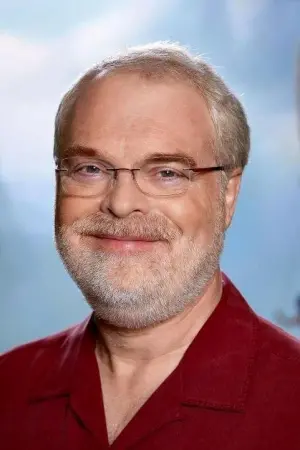
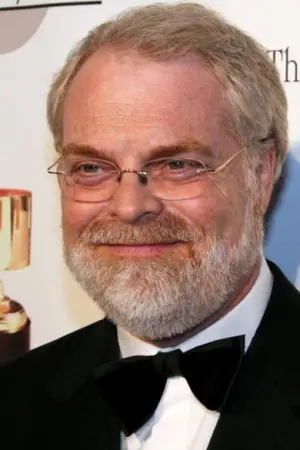

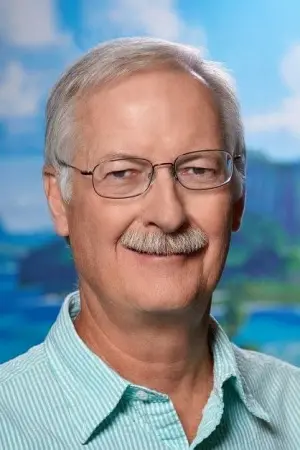
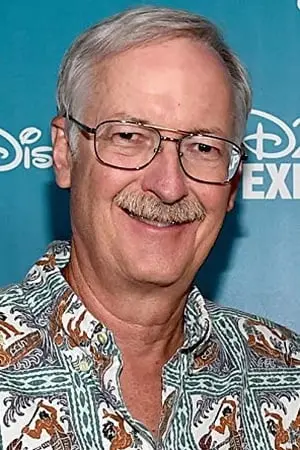
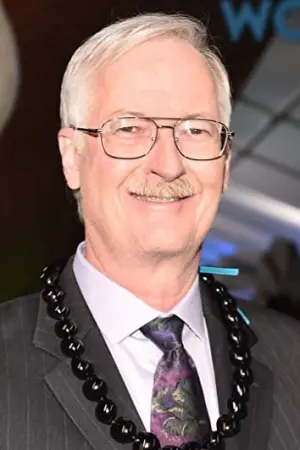
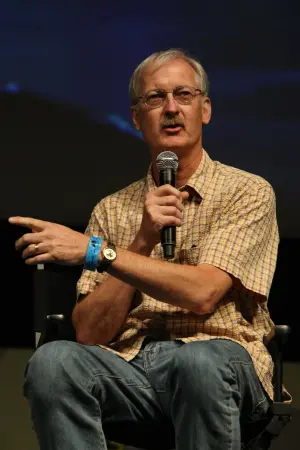
Producer
Executive Producer
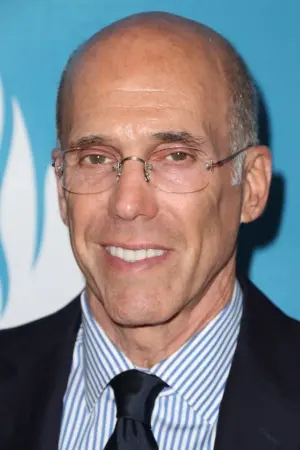
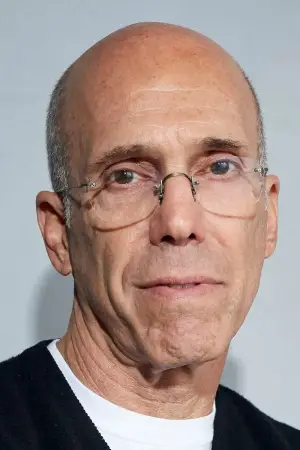
Casting
Albert Tavares
Casting
Editor
H. Lee Peterson
Editor
Art Direction
Bill Perkins
Art Direction
Production Design
R.S. vander Wende
Production Design
Sound Re-Recording Mixer
David J. Hudson
Sound Re-Recording Mixer
Mel Metcalfe
Sound Re-Recording Mixer
Terry Porter
Sound Re-Recording Mixer
Original Music Composer

Co-Producer
Donald W. Ernst
Co-Producer
Amy Pell
Co-Producer
Orchestrator
Danny Troob
Orchestrator
Visual Effects Supervisor
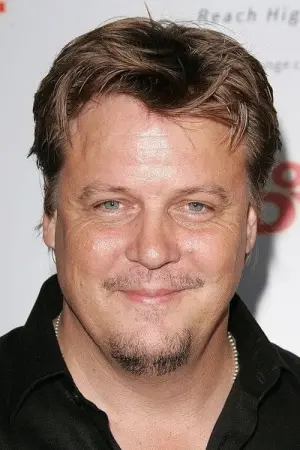
Don Paul
Visual Effects Supervisor
Supervising Sound Editor
Kathleen Bennett
Supervising Sound Editor
Character Designer
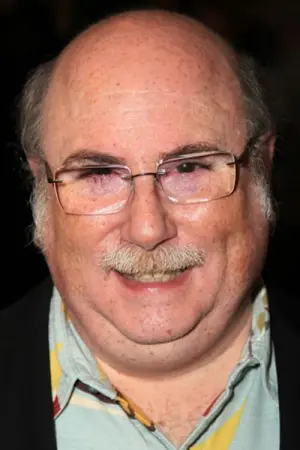
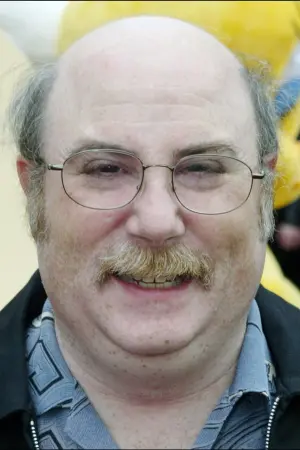
Jean Gillmore
Character Designer
Sound Mixer
Bruce Botnick
Sound Mixer
Animation
Vera Pacheco
Animation

Production Manager
Alice Dewey
Production Manager
Screenplay
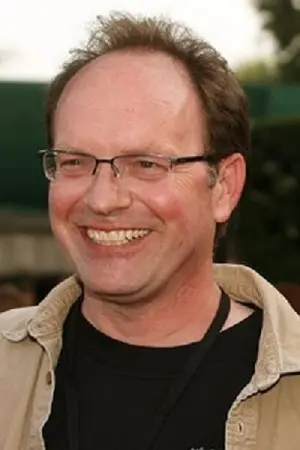
Dialogue Editor
James Melton
Dialogue Editor
Curt Schulkey
Dialogue Editor
Assistant Editor
Sharon Smith Holley
Assistant Editor
Audrey Chang
Assistant Editor
Barbara Gerety
Assistant Editor
Jacqueline Kinney
Assistant Editor
Eric C. Daroca
Assistant Editor
Beth Collins-Stegmaier
Assistant Editor
Story

Darrell Rooney
Story
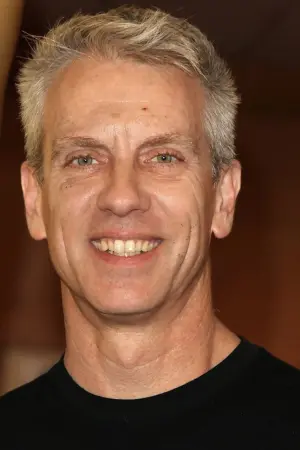
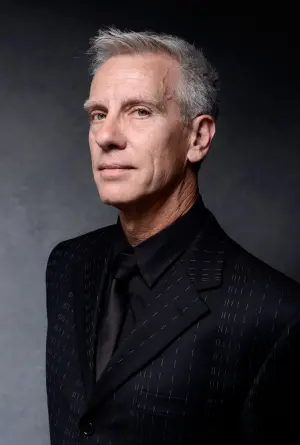
Brian Pimental
Story
Larry Leker
Story
Kevin Harkey
Story
Patrick A. Ventura
Story
Rebecca Reese
Story
James Fujii
Story

Sue C. Nichols
Story
Kirk Hanson
Story
Songs

Casting Associate
Jennifer M. Shotwell
Casting Associate
Post Production Supervisor
Sarah Duran
Post Production Supervisor
Sound Recordist
Bruce Botnick
Sound Recordist
Visual Development
Hans Bacher
Visual Development
Peter Gullerud
Visual Development
Choreographer
Brad Flanagan
Choreographer
Background Designer
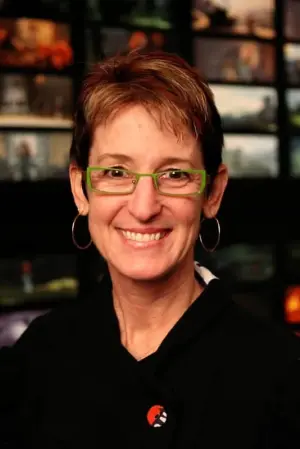
Tia W. Kratter
Background Designer
Ian Gooding
Background Designer
Dan Cooper
Background Designer
Kevin Turcotte
Background Designer
Greg Drolette
Background Designer
John Emerson
Background Designer
Donald Towns
Background Designer
Cristy Maltese
Background Designer

Dean Gordon
Background Designer
Tom Woodington
Background Designer
Thomas Cardone
Background Designer
Natalie Franscioni-Karp
Background Designer
Allison Belliveau
Background Designer
Justin L. Brandstater
Background Designer
Debbie DuBois
Background Designer
Serge Michaels
Background Designer
Philip Phillipson
Background Designer
Sound Editor
Clayton Collins
Sound Editor
Teresa Eckton
Sound Editor
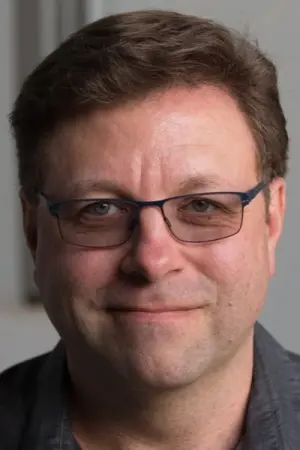
Donald Flick
Sound Editor
Mary Ruth Smith
Sound Editor
Sound Effects
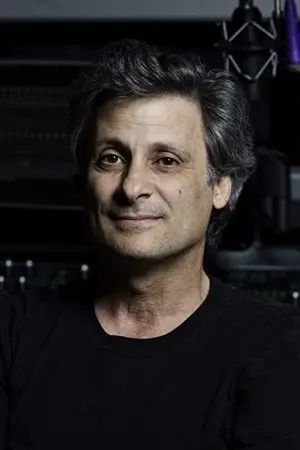
Color Timer
Dale E. Grahn
Color Timer
Supervising Animator
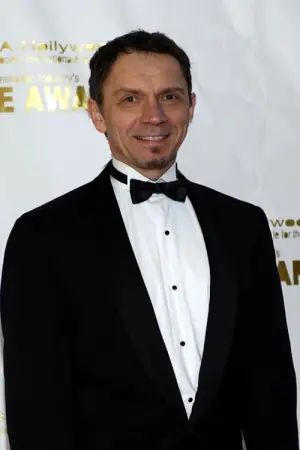
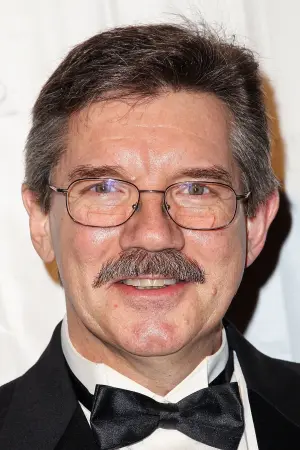
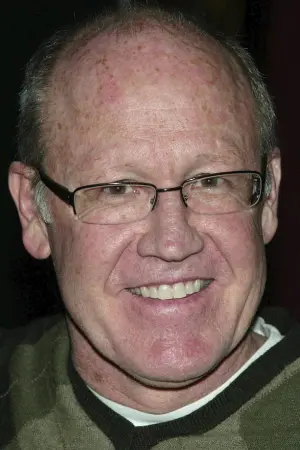
Randy Cartwright
Supervising Animator
Layout
Fred Craig
Layout
Allen Tam
Layout
Jeff Dickson
Layout
Daniel Hu
Layout
Tom Shannon
Layout
Karen Keller
Layout
Mitchell G. Bernal
Layout
Lyricist
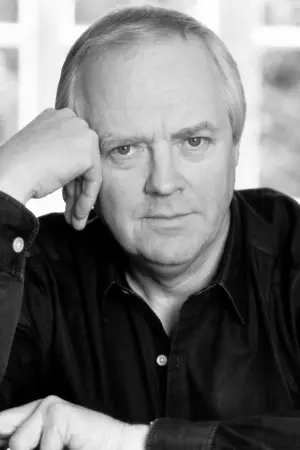
Tim Rice
Lyricist
CGI Supervisor
Steve Goldberg
CGI Supervisor
What's left behind the scenes
- The cartoon is based on the tale of Aladdin from 'One Thousand and One Nights'.
- The film features some of the last songs written by Howard Ashman. Together with Alan Menken, he wrote 'Arabian Nights', 'Friend Like Me', and 'Prince Ali'. When Ashman passed away, the company invited Tony Award winner Tim Rice to finish writing the songs. He became the author of 'One Jump Ahead', 'A Whole New World', and 'Prince Ali' (the final version).
- Robin Williams worked for 'scale' ($485 a day – the minimum of the Actors’ Guild), plus a Pablo Picasso painting.
- Aladdin, which was worked on by a team led by leading animator Glen Keane, was initially designed to resemble actor Michael J. Fox. During development, the character underwent a number of changes and acquired features of Tom Cruise, rapper MC Hammer, and Calvin Klein models.
- Characters in some scenes were drawn by different animators at different times and in different studios (in Florida and California). A second character was drawn on top of the first, and animators had to ensure that their movements matched perfectly during interactions.
- Abu was voiced by Frank Welker, an actor specializing in voicing animals (among other things, he voiced the monkeys in the film 'Indiana Jones and the Raiders of the Lost Ark' (1981)).
- The scene with the Genie's song 'Friend Like Me' was completed first, before Aladdin's final appearance was approved. Therefore, in this episode you can see Aladdin as he was originally intended to look throughout the rest of the film.
- The 'Applause' sign after the Genie's song appeared when producer Jeffrey Katzenberg asked the animators why no one applauded after the songs during preview screenings. The animators jokingly added this sign, and it ultimately remained in the final version.
- The color scheme of the cartoon is dominated by rich blues and reds, as well as their shades (for example, in some scenes, shadows are made lilac). Richard Vander Wende, the film's artist, was the author of the concept where each color embodied a particular mood or emotion. Thus, blue symbolizes good here, while red symbolizes evil.
- Musker and Clements conceived of the Genie with Robin Williams in mind; even when Katzenberg suggested John Candy, Steve Martin, and Eddie Murphy, Williams had the best chance and was ultimately approved.
- Howard Ashman approved the script only after revisions were made by Ron Clements, John Musker, and screenwriters Ted Elliott and Terry Rossio. Among other changes, Aladdin's mother disappeared from the script, Princess Jasmine became a more willful character, Aladdin became “a little rougher, like a young Harrison Ford,” and the parrot Iago, originally conceived as a Britishly unflappable serious character, turned into a comedic image inspired by Gilbert Gottfried's performance in “Beverly Hills Cop II” (1987).
- The “Islamic Commission on Human Rights” criticized the cartoon for creating a negative image of Muslims. In its opinion, the Arabs in the film (with the exception of the “progressive” and “liberal” Aladdin) are generally presented as malicious and greedy people striving for wealth and power.
- The frames of the cartoon are colored using the CAPS system. It was also used to create most of the reflections, the lava in the “Cave of Wonders,” and a significant portion of the special effects.
- In one of the scenes, when the Genie is casting a spell, you can spot another Disney character – Sebastian the crab, from the animated film 'The Little Mermaid' (1989).
- In the pyramid being built by the Sultan, alongside animal figurines, there is a figurine of the “Beast” from the Disney animated film 'Beauty and the Beast' (1991).
- Originally, Aladdin was supposed to be 15 years old, but his age was eventually changed to 18.
- Midway through the film, if you watch the moment the kitten transforms back into a tiger in slow motion, you can see Mickey Mouse.
- The scene at the very beginning of the film, where a street vendor offers his goods to the audience, was created as follows: Robin Williams, who voiced the vendor, was brought to a recording studio where a box with various items covered with a cloth was placed. Then the microphone was turned on, the cloth was removed, and Williams began to describe these items, which he was seeing for the first time in his life.
- The cartoon is based on the tale of Aladdin from the 'One Thousand and One Nights' collection.
- Howard Ashman approved the script only after revisions were made by Ron Clements, John Musker, and screenwriters Ted Elliott and Terry Rossio. Among other changes, Aladdin's mother was removed from the script, Princess Jasmine became a more assertive character, Aladdin was made 'slightly rougher, like a young Harrison Ford,' and the parrot Iago, originally conceived as a stoic British character, evolved into a comedic persona inspired by Gilbert Gottfried's performance in 'Beverly Hills Cop II' (1987).
- The cartoon frames were colored using the CAPS system. It was also used to create most of the reflections, the lava in the 'Cave of Wonders,' and a significant portion of the special effects.
- In the pyramid built by the Sultan, alongside animal figurines, there is a figurine of the 'Beast' from the Disney cartoon 'Beauty and the Beast' (1991).
Did you like the film?
 Auditions in India
 Casting calls in USA
 Castingi w Polsce
 Кастинги в Україні
