Don't Look Now... We're Being Shot At! - crew, film crew
The entire team, the film crew of the film "Don't Look Now... We're Being Shot At!"
La Grande Vadrouille (1966)
Timing:
2:12 (132 min)

7.9/10
1452
1452

8.076/10
45819
45819

7.9/10
22000
22000
Film crew
Director
Producer
Writer
Jean-Charles Tacchella
Writer
Editor
Albert Jurgenson
Editor
Costume Design
Léon Zay
Costume Design
Tanine Autré
Costume Design
Production Design
Jean André
Production Design
Stunt Coordinator
Second Unit Director
Claude Clément
Second Unit Director
Makeup Artist
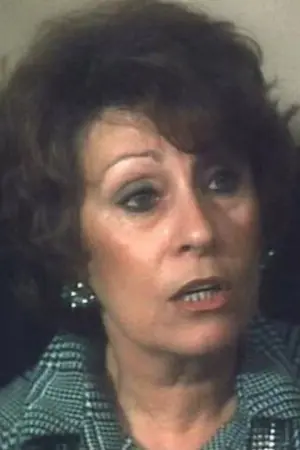
Odette Berroyer
Makeup Artist
Pierre Berroyer
Makeup Artist
Original Music Composer
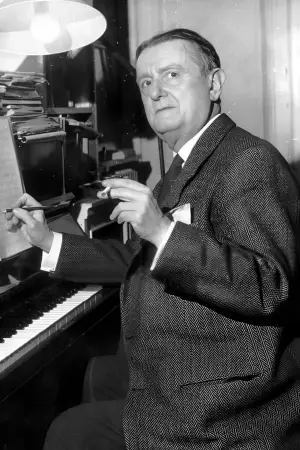
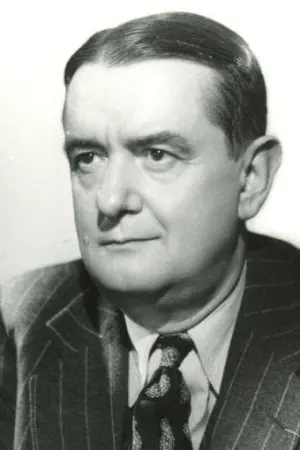
Director of Photography
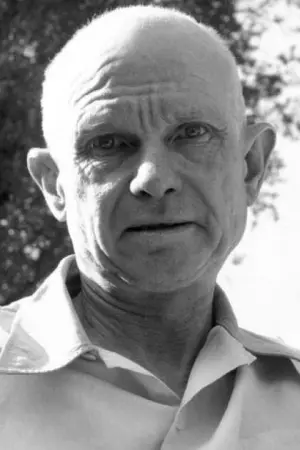
Vladimir Ivanov
Director of Photography
Musician
Orchestre de l’Opéra National de Paris
Musician
Camera Operator
Alain Douarinou
Camera Operator
André Domage
Camera Operator
René Mary
Camera Operator
Raymond Streiff
Camera Operator
Gérard Streiff
Camera Operator
Production Manager
Georges Vallon
Production Manager
Pierre Saint-Blancat
Production Manager
Screenplay

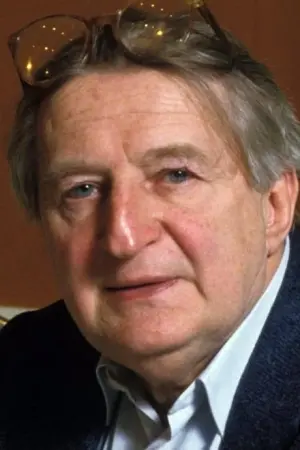
Assistant Editor
Laurence Leininger
Assistant Editor
Janine Oudoul
Assistant Editor
Compositor
Hector Berlioz
Compositor
Assistant Director
Serge Vallin
Assistant Director
Gérard Guérin
Assistant Director
Lucile Costa
Assistant Director
Conductor
Jacques Météhen
Conductor

Robert Benedetti
Conductor
Sound
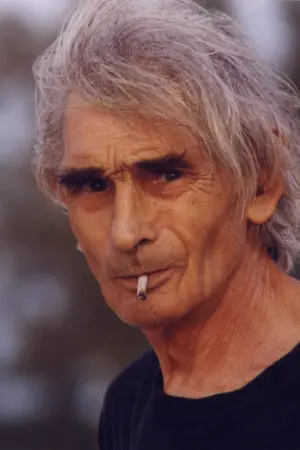
Urbain Loiseau
Sound
Dialogue
André Tabet
Dialogue
Continuity
Francine Corteggiani
Continuity
Decorator
Gabriel Béchir
Decorator
Théobald Meurisse
Decorator
Robert Christidès
Decorator
Robert André
Decorator
What's left behind the scenes
- Stanislaw is shown playing the piano at the Paris Opera. During the period of German occupation of France, Louis de Funès earned a living playing the piano in Parisian bars.
- In America, the film was released under the title “Don’t Look Now — We’re Being Shot at.”
- Ranks 66th in attendance among foreign films in Soviet cinema distribution.
- Louis de Funès' character, conductor Stanislas Lefort, states during interrogation by the major at the headquarters that he was born in 1914, which is the actor's actual year of birth.
- In the final chase scene, a genuine German reconnaissance aircraft, a Fieseler Fi 156 Storch, appears—these were used in France after the war. On the ground, the protagonists are pursued by German soldiers and the major from the headquarters in American M3 armored personnel carriers simulating German Sd Kfz 251s. An American Willys MB modification can also be seen on the headquarters grounds.
- The second film by director Gérard Oury (after 'Razzia') in which he brought together two famous comedians—Bourvil and Louis de Funès.
- The finale of the film features the 'Rakóczy March' from Hector Berlioz's dramatic legend 'The Damnation of Faust'.
- The B-17 (B-17G-85VE 44-8846) featured in the film was a real participant in World War II.
- In the same scene, de Funès states that he was supposed to meet a man named Maréchal. This is the surname of Bourvil's character from the film "Razinya".
- In Soviet distribution, the film was extended by 10 minutes to be a two-part series, through the addition of a "summary of part 1" and additional opening and closing credits.
- In the airplane, the pilots whistle the tune of the American song "Tea for Two".
- In the scene on the country road, the English march while whistling "Rule, Britannia".
- Filming took place from May 16 to July 1966.
- The film set a national attendance record that lasted 42 years and was broken by "Welcome!".
- Stanislas is shown playing the piano at the Paris Opera. During the German occupation of France, Louis de Funès earned a living by playing the piano in Parisian bars.
- Louis de Funès' character, during interrogation by the major at the commandant's office, states that he was born in 1914, which is the actor's actual year of birth.
- In Soviet distribution, the film was split into two parts and extended by 10 minutes due to a synopsis of the first episode and additional opening and closing credits.
- In the final chase scene, a German reconnaissance aircraft, the Fieseler Fi 156 Storch, appears in the frame – these were used in France after the war. On the ground, the protagonists are pursued by German soldiers and a major from the commandant's office in American M3 armored personnel carriers, simulating German Sd Kfz 251s. One of the modifications of the American Willys MB can also be seen on the commandant's office grounds.
- The film set a national attendance record that lasted 42 years and was broken by "Welcome to the Raccoons!"
- In the same scene, de Funès states that he was supposed to meet a man named Mareschal. This is the surname of Bourvil's character in the film "Le Caporal".
- On the plane, the pilots whistle the tune of the American song "Tea for Two".
Did you like the film?
 Auditions in India
 Casting calls in USA
 Castingi w Polsce
 Кастинги в Україні
