The Taking of Pelham One Two Three - crew, film crew
The entire team, the film crew of the film "The Taking of Pelham One Two Three"
The Taking of Pelham One Two Three (1974)
Timing:
1:44 (104 min)

7.445/10
604
604

7.582/10
2339
2339

7.6/10
41000
41000
Film crew
Director


Producer
Edgar J. Scherick
Producer
Gabriel Katzka
Producer
Casting
Alixe Gordin
Casting
Editor
Gerald B. Greenberg
Editor

Robert Q. Lovett
Editor
Art Direction
Gene Rudolf
Art Direction
Costume Design
Stunt Coordinator
Joie Chitwood Jr.
Stunt Coordinator
Second Unit Director
Burtt Harris
Second Unit Director
Set Decoration
Herbert F. Mulligan
Set Decoration
Stunt Driver
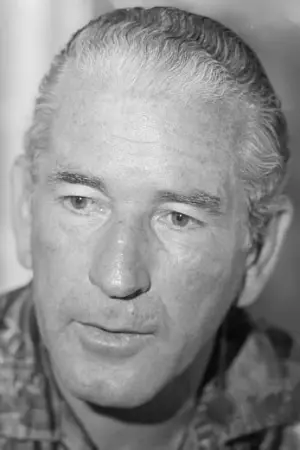
Paul Nuckles
Stunt Driver
Joie Chitwood Jr.
Stunt Driver
Daniel Dod
Stunt Driver
Tim Chitwood
Stunt Driver
Tim Heck
Stunt Driver
Bill Barber
Stunt Driver
Makeup Artist
Irving Buchman
Makeup Artist
Sound Re-Recording Mixer
Al Gramaglia
Sound Re-Recording Mixer
Original Music Composer
David Shire
Original Music Composer
Associate Producer
Stephen F. Kesten
Associate Producer
Second Assistant Director
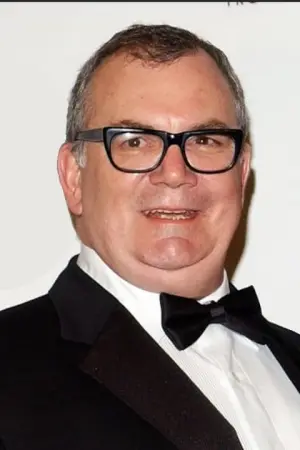
Michael Haley
Second Assistant Director
Sal Scoppa Jr.
Second Assistant Director
Director of Photography
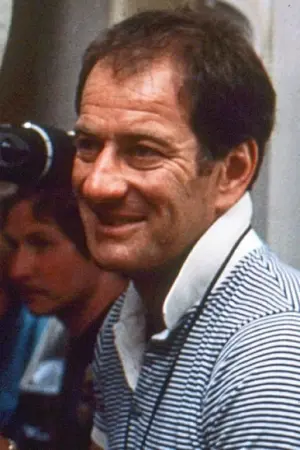
Camera Operator
Dick Mingalone
Camera Operator
Sound Effects Editor
Maurice Schell
Sound Effects Editor
Property Master
Joseph M. Caracciolo
Property Master
Script Supervisor
Nancy Hopton
Script Supervisor
Still Photographer
Josh Weiner
Still Photographer
Sound Mixer
Boom Operator
Pat Suraci
Boom Operator
Screenplay
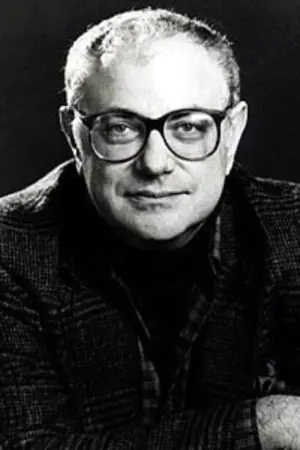
Peter Stone
Screenplay
Novel
Assistant Editor
Cynthia Scheider
Assistant Editor
Maurice Schell
Assistant Editor
Assistant Director
Peter R. Scoppa
Assistant Director
Music Editor
Scenic Artist
Bruno Robotti
Scenic Artist
Extras Casting
Assistant Sound Editor
David Ray
Assistant Sound Editor
Stanley Bochner
Assistant Sound Editor
Second Unit
Burtt Harris
Second Unit
Sound Editor
Jack Fitzstephens
Sound Editor
Sanford Rackow
Sound Editor
Marc Laub
Sound Editor
Wardrobe Master
George Newman
Wardrobe Master
Assistant Camera
Tom Priestley Jr.
Assistant Camera
Gary Muller
Assistant Camera
What's left behind the scenes
- The film is based on John Godey's novel 'The Taking of Pelham One Two Three' (1973).
- The noticeable gap between the edge of the platform and the edge of the train is explained by the fact that a significant portion of the scenes in the subway were filmed on a closed branch of the Independent City Subway system, which uses wider cars than those used in the IRT subway system.
- The relevant authorities in New York initially refused the filmmakers permission to shoot directly in the subway, fearing that real criminals might take advantage of the idea of such a crime. (This did not happen, but such concerns proved well-founded when the criminal world later picked up on the idea around which Joseph Rubin's 1995 film 'Money Train' was built.) Producer Steven F. Kesten (1935-2001) in turn insisted that filming had to be done only in the New York subway and nowhere else. Eventually, thanks to the intervention of city mayor John V. Lindsay (1921-2000), permission was granted, but 'United Artists' had to purchase $75,000 worth of insurance and pay another $275,000 for the use of the subway.
- Filming of scenes in the subway began in late November 1973 and continued until the end of January 1974. The filming took place on a section that had not been used since the 1940s, but was close enough to the active 'A' and 'E' lines to conveniently fit filming of takes between the arrival and departure of trains at those stations.
- During filming in the subway tunnels, all members of the film crew had to wear respirators.
- The noticeable gap between the edge of the platform and the edge of the train car is explained by the fact that a significant portion of the scenes in the subway were filmed on a closed branch of the Independent City Subway System, which uses wider cars.
- Authorities initially refused to allow the filmmakers to shoot in the subway, fearing that real criminals might take advantage of the idea of such a crime. Producer Steven F. Kesten insisted that filming had to be done only in the New York subway and nowhere else. Eventually, thanks to the intervention of Mayor John V. Lindsay, permission was granted, but United Artists had to purchase $75,000 in insurance and pay an additional $275,000 for the use of the subway.
- Filming of the subway scenes began in late November 1973 and lasted until the end of January 1974. The filming took place on a section that had not been used since the 1940s, but was located close enough to the A and E lines.
- During filming in the subway tunnels, all members of the crew had to wear respirators.
Did you like the film?
 Auditions in India
 Casting calls in USA
 Castingi w Polsce
 Кастинги в Україні
