Serpico - crew, film crew
The entire team, the film crew of the film "Serpico"
Serpico (1973)
Timing:
2:10 (130 min)

7.532/10
2125
2125

7.807/10
20977
20977

7.7/10
146000
146000
Film crew
Director
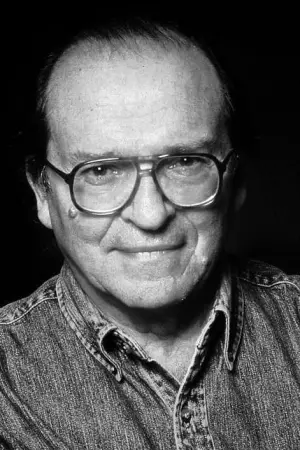
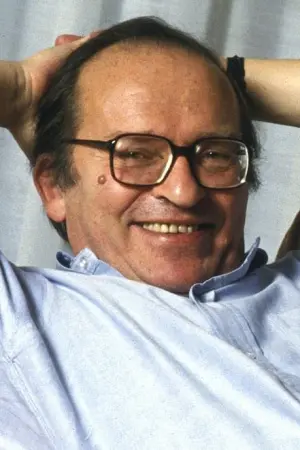
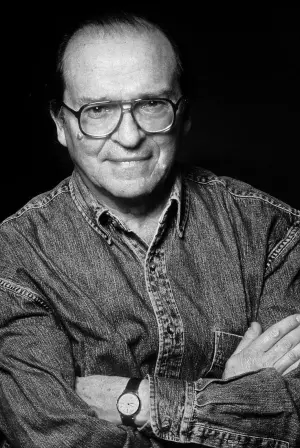
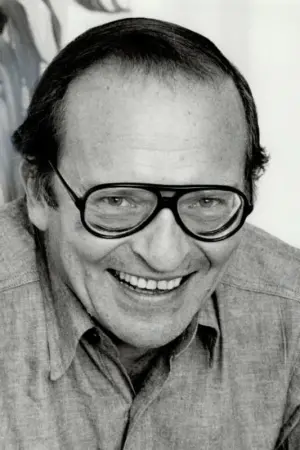
Producer
Martin Bregman
Producer
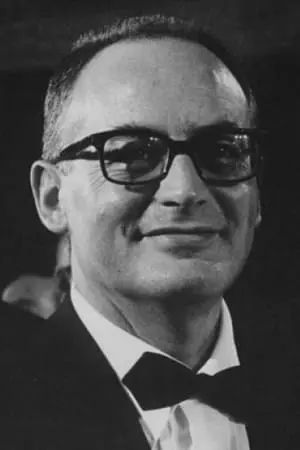
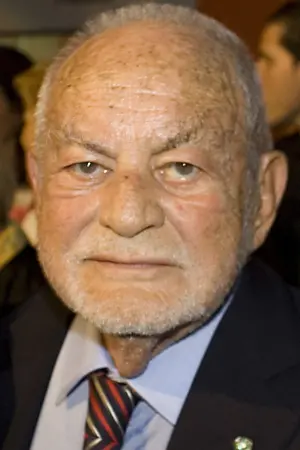
Executive Producer
Casting
Shirley Rich
Casting
Editor
Art Direction
Douglas Higgins
Art Direction
Costume Design
Stunts
Whitey Hughes
Stunts
Production Design
Charles Bailey
Production Design
Set Decoration
Thomas H. Wright
Set Decoration
Makeup Artist
Reginald Tackley
Makeup Artist
Original Music Composer

Associate Producer
Roger M. Rothstein
Associate Producer
Director of Photography
Script Supervisor
B.J. Bjorkman
Script Supervisor
Screenplay
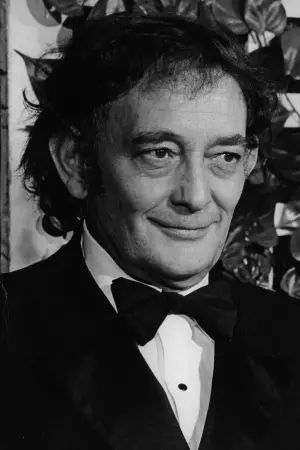
Norman Wexler
Screenplay
Novel

Book
Assistant Director
Burtt Harris
Assistant Director
Alan Hopkins
Assistant Director
Music
Co-Editor
Richard Marks
Co-Editor
Sound Editor
Jack Fitzstephens
Sound Editor
Robert M. Reitano
Sound Editor
Richard P. Cirincione
Sound Editor
Edward Beyer
Sound Editor
What's left behind the scenes
- John G. Avildsen was supposed to direct the film, but he dropped out of the project shortly before filming began due to disagreements with producer Martin Bregman. As a result, Sidney Lumet became the director of the film.
- The film was shot in 104 different locations, situated in almost all districts of New York.
- Filming took place in reverse chronological order. Al Pacino first filmed scenes where he had long hair and a beard; then, in each subsequent episode, his hair and beard were shortened. This was done to give the audience the impression that Al Pacino's character's hair and beard were growing naturally.
- Al Pacino became so deeply immersed in the role of Frank Serpico that one day, on his way home from the set, he fined a driver for speeding.
- Frank Serpico joined the New York City Police Department on September 11, 1959, at the age of 23.
- According to director Sidney Lumet, during filming, the lead actor Al Pacino constantly remained in character, even when not on camera – sometimes having fun and rejoicing, and at other times taking his frustration out on everyone when the shooting schedule demanded it.
- The real Frank Serpico spent a lot of time with Al Pacino, helping the actor prepare for the role and get into character, and then expressed a desire to stay on set during filming. Producer Martin Bregman had to order him to leave the set so as not to distract the actors with his presence.
- Before filming began, Sidney Lumet and the producers auditioned candidates for 107 speaking roles in the film. The decision was made to mostly cast actors unknown to the public. According to Lumet, it's always better if viewers watch the film without associating the actors with their previous roles. Even Al Pacino, who had already starred in Francis Ford Coppola's 'The Godfather' (1972), was a young actor and therefore relatively unknown.
- The film was intended for release around Christmas 1973. Sidney Lumet had only four and a half months for filming, editing, and everything else (in his view, 'insanely little time'). That's why editing was done concurrently with filming. Time was so tight that the footage was taken to editor Dede Allen immediately after completing any scene, and she had only two days to edit it before it had to be handed over to the sound engineers.
- Actors were allowed to improvise during filming. Al Pacino, in particular, improvised extensively during the filming of the scene of Serpico's last meeting with his former captain.
- On the first day of filming, Sidney Lumet preferred to shoot various minor details in order to give the actors and crew involved in the film a chance to "get to know" each other, and everyone understood that this relaxed pace would soon end and everything would move much faster. It often happened that he shot only one take before immediately moving on to filming another scene. The director himself claimed that this method allowed him to identify the weak links in the team. On the first day of filming for this particular movie, he worked in three locations far from each other. Al Pacino was initially very surprised by this, especially after the calm and measured work on "The Godfather," but soon both he and the other actors realized that this working pace helped everyone stay in shape.
- John G. Avildsen was originally slated to direct the film, but he left the project shortly before filming began due to disagreements with producer Martin Bregman. Sydney Lumet ultimately became the director.
- Filming took place in reverse chronological order. Al Pacino first filmed scenes with long hair and a beard; then, in each subsequent episode, his hair and beard were gradually shortened. This was done to give the audience the impression that Al Pacino's character's hair and beard were growing naturally.
- The film was intended for release around Christmas 1973. Sydney Lumet had only four and a half months for filming, editing, and everything else (in his view, “an insane amount of time”). Therefore, editing was done concurrently with filming. Time was so tight that the footage was taken to editor Dede Allen immediately after completing a scene, and she had only two days to edit it before it had to be handed over to the sound engineers.
- On the first day of filming, Sydney Lumet preferred to shoot minor scenes to give the actors and crew involved in the film a chance to “get to know” each other, while everyone understood that this relaxed pace would soon end and everything would move much faster. It often happened that he shot only one take before immediately moving on to filming another scene. The director himself claimed that this method allowed him to identify weak links in the team. On the first day of filming for this particular film, he worked in three locations far removed from each other. Al Pacino was initially very surprised by this, especially after the calm and measured work on “The Godfather,” but soon he and the other actors realized that this working pace helped everyone involved in the filming process stay in shape.
Did you like the film?
 Auditions in India
 Casting calls in USA
 Castingi w Polsce
 Кастинги в Україні
