The Man Who Would Be King - crew, film crew
The entire team, the film crew of the film "The Man Who Would Be King"
The Man Who Would Be King (1975)
Timing:
2:9 (129 min)

7.496/10
608
608

7.765/10
4401
4401

7.7/10
55000
55000
Film crew
Director
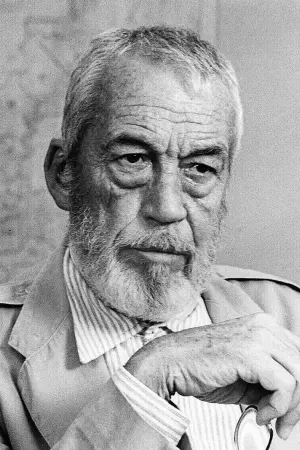
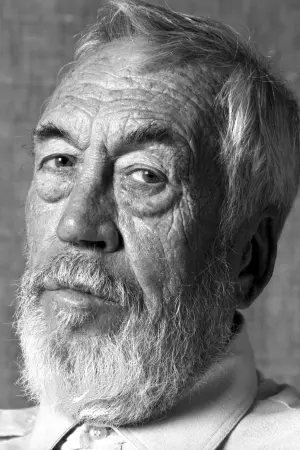
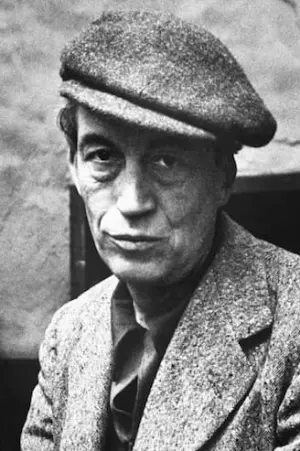
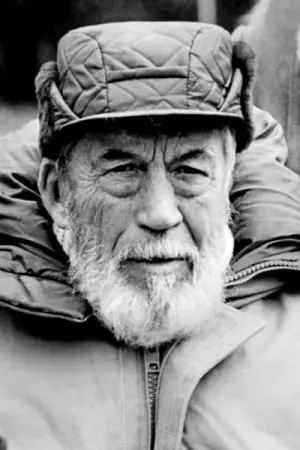
Producer
John Foreman
Producer
Casting
Boaty Boatwright
Casting
Editor
Russell Lloyd
Editor
Art Direction
Tony Inglis
Art Direction
Production Design
Alexandre Trauner
Production Design
Second Unit Director
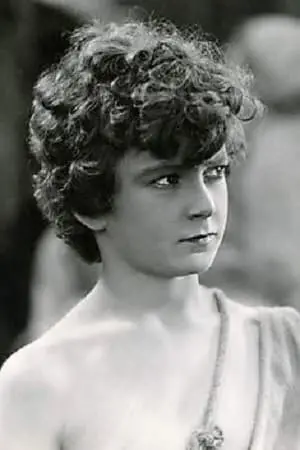
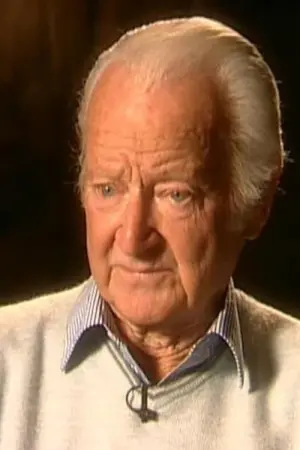
Makeup Artist
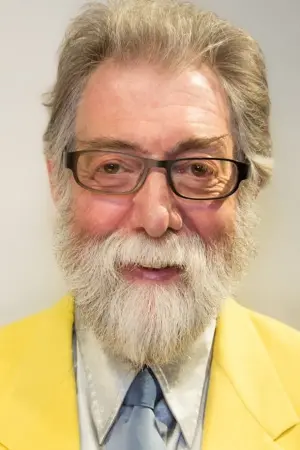
George Frost
Makeup Artist
Original Music Composer
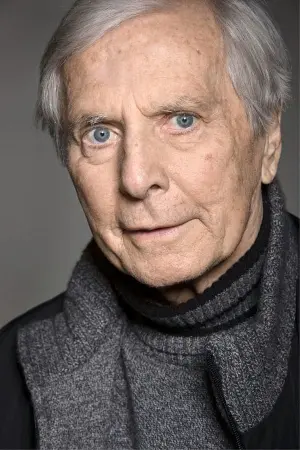
Associate Producer
William Hill
Associate Producer
Set Dresser
Peter James
Set Dresser
Director of Photography
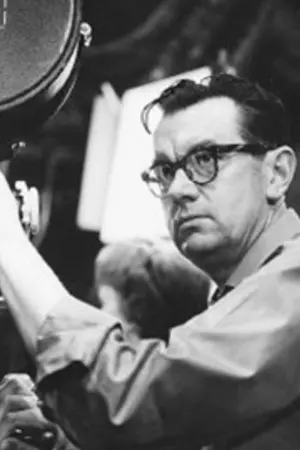
Oswald Morris
Director of Photography
Screenplay
Gladys Hill
Screenplay
Book

Special Effects
Richard Parker
Special Effects
Production Assistant
Ron Quelch
Production Assistant
Hairdresser
Pat McDermott
Hairdresser
Wardrobe Designer
What's left behind the scenes
- Rudyard Kipling's story, “The Man Who Would Be King,” was based on the real story of Josiah Harlan, the first American to set foot on Afghan territory. Born in Pennsylvania, the naturally adventurous Harlan traveled to Afghanistan in the early 19th century. Emir Dost Mohammad Khan of Kabul, noticing Harlan's military talent, made him commander-in-chief of the entire Afghan army.
- After filming "The Man Who Would Be King," Sean Connery and Michael Caine were supposed to receive 5% of the profits. Allied Artists studio cheated Connery and Caine, underpaying them $110,000 each. They decided to sue the studio, despite the risk of losing an amount far greater than what they were claiming. It was a matter of principle, as the proud Scotsman Sean stated. Allied Artists immediately issued a statement accusing Caine and Connery of publishing false and defamatory statements damaging to the company. In the ensuing verbal war, Connery struck back, telling the "New York Times" about the corruption prevalent in Hollywood. This was followed by the delivery of a lawsuit from Allied Artists to him for $21 million for defamation, and both actors received lawsuits for $10 million each for discrediting the company.
- During filming, Sean Connery personally performed a risky stunt: he fell from a rope bridge into a chasm. The scene was filmed in a deep gorge, and Sean fell about a hundred feet before landing on a large pile of cardboard boxes. The episode was shot several times, and not every time did he have to fall deep into the chasm. Documentary footage of the film's shooting clearly shows Connery falling from the bridge into a safety net in one of the takes, descending about 15 meters.
- Karum Ben Buikh was a watchman at an olive grove located near the filming location. He was invited to appear in the film after a chance encounter with John Huston. After the centenarian fell asleep several times during filming, it was discovered that he still worked as a watchman, filming during the day and guarding the olive grove at night. Huston explained to him that Ben Buikh no longer needed his old job, as he would be well paid for filming the movie.
- For 103-year-old Karum Ben Buikh, who played the high priest Kafu-Selim, this role was his first and last in his life.
- Several kilometers from Tanaghout, an hour's drive from Marrakech, the filmmakers built the fairytale Sacred City of Sikandergul on one of the hills. Ultimately, 30 different locations in the vicinity of Marrakech and Ouarzazate were used for filming.
- Director John Huston and producer John Foreman chose Morocco for filming because the country features a vast number of different peoples and languages, including Arabic, African, French, and Berber. In addition, it was possible to film various landscapes, including deserts, plains, forests, hills, lush countryside, and mountains.
- Christopher Plummer plays Rudyard Kipling in the film. Kipling, as a character in his own works, first appeared in George Stevens' film 'Gunga Din' (1939); he was played by Reginald Sheffield. Kipling as a film character can also be seen in Irving Rappers' 'The Adventures of Mark Twain' (1944); Paul Scardon played him in that role.
- It took visual effects creator Albert Whitlock only six hours to paint the interiors of the Sikandergul fortress.
- Christopher Plummer plays Rudyard Kipling in the film. Kipling, as a character in his own works, first appeared in George Stevens’ “Gunga Din” (1939), played by Reginald Sheffield. Kipling as a film character can also be seen in Irving Rappers’ “The Adventures of Mark Twain” (1944), portrayed by Paul Scardon.
Did you like the film?
 Auditions in India
 Casting calls in USA
 Castingi w Polsce
 Кастинги в Україні
