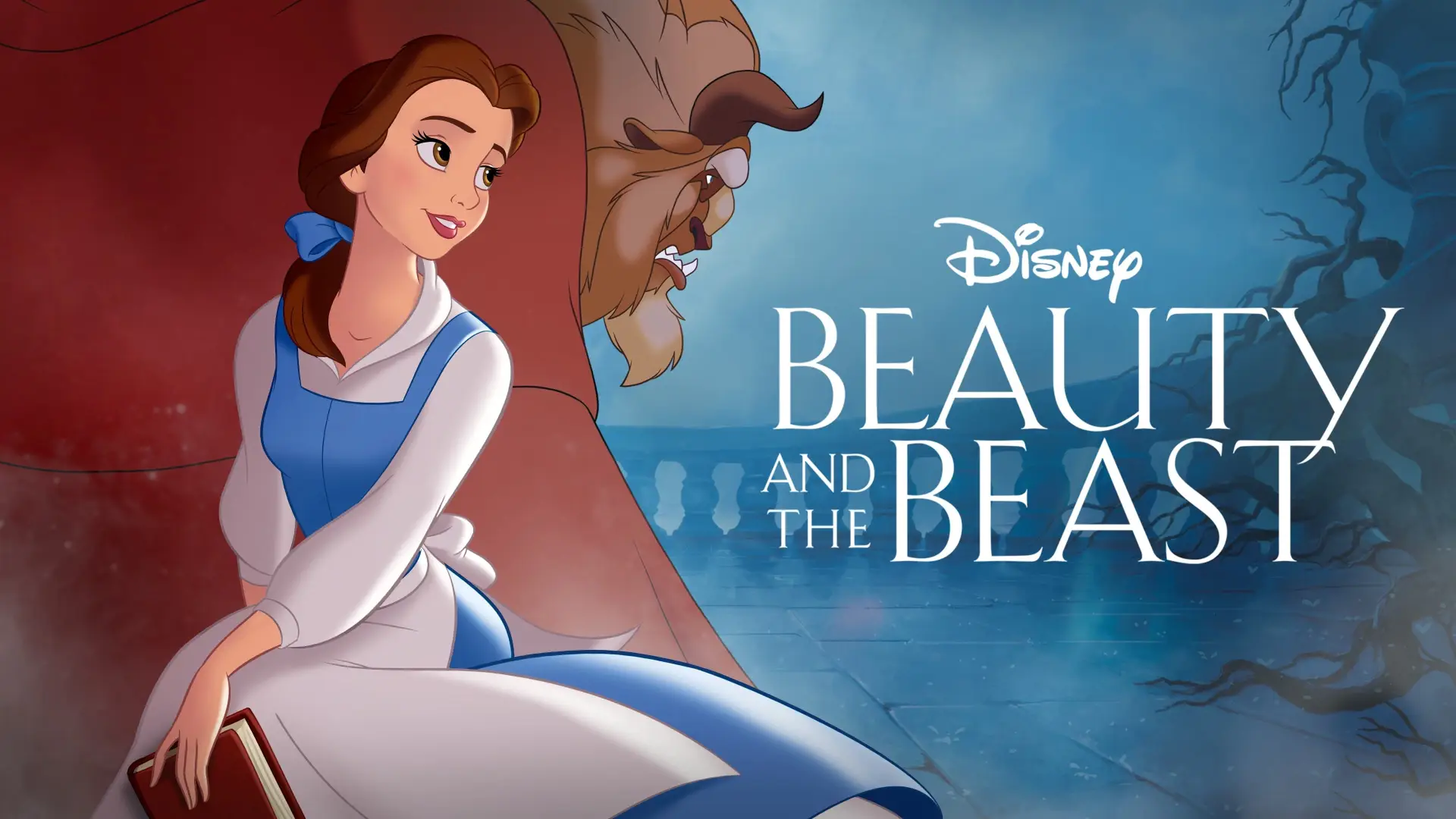
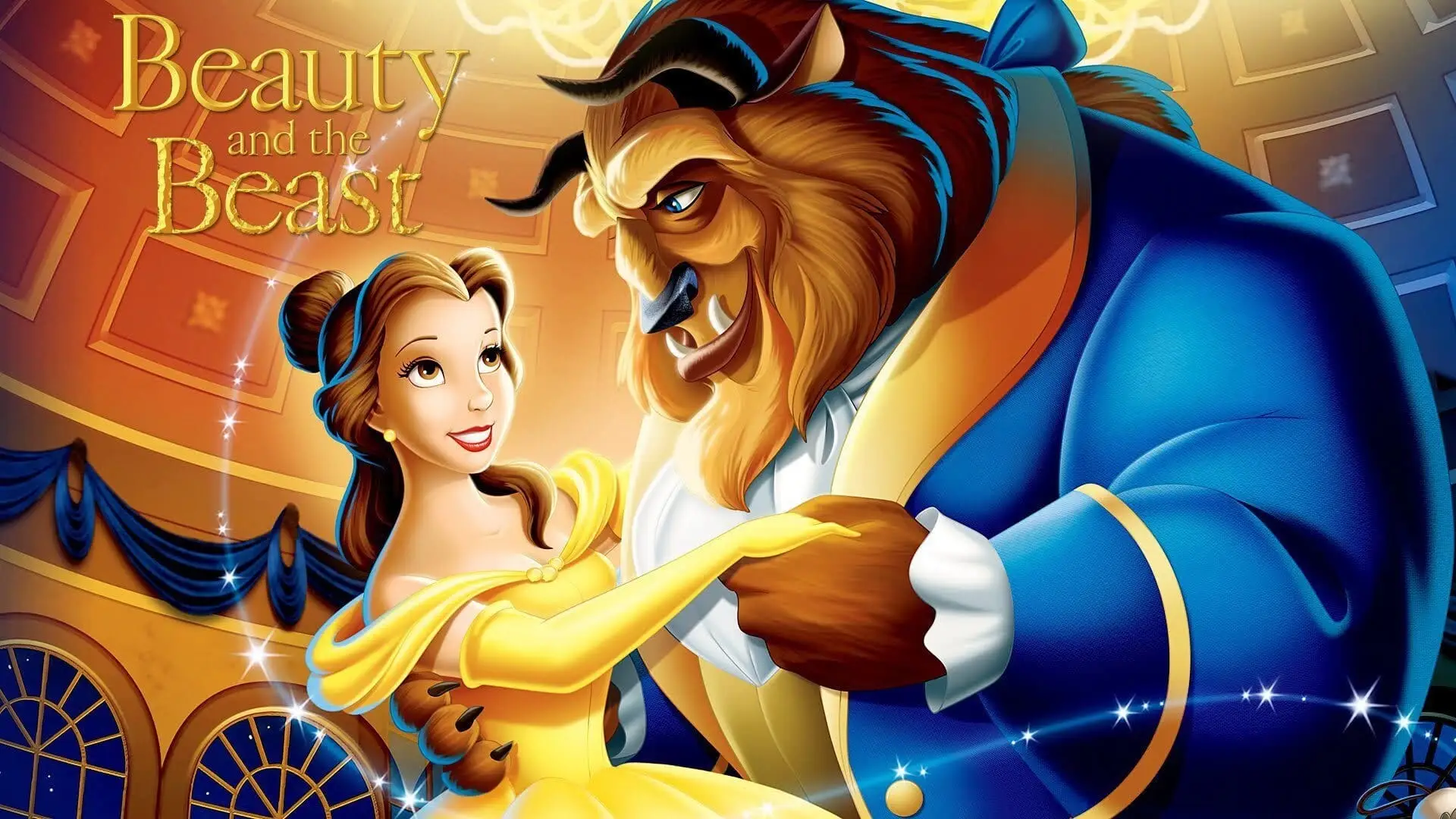
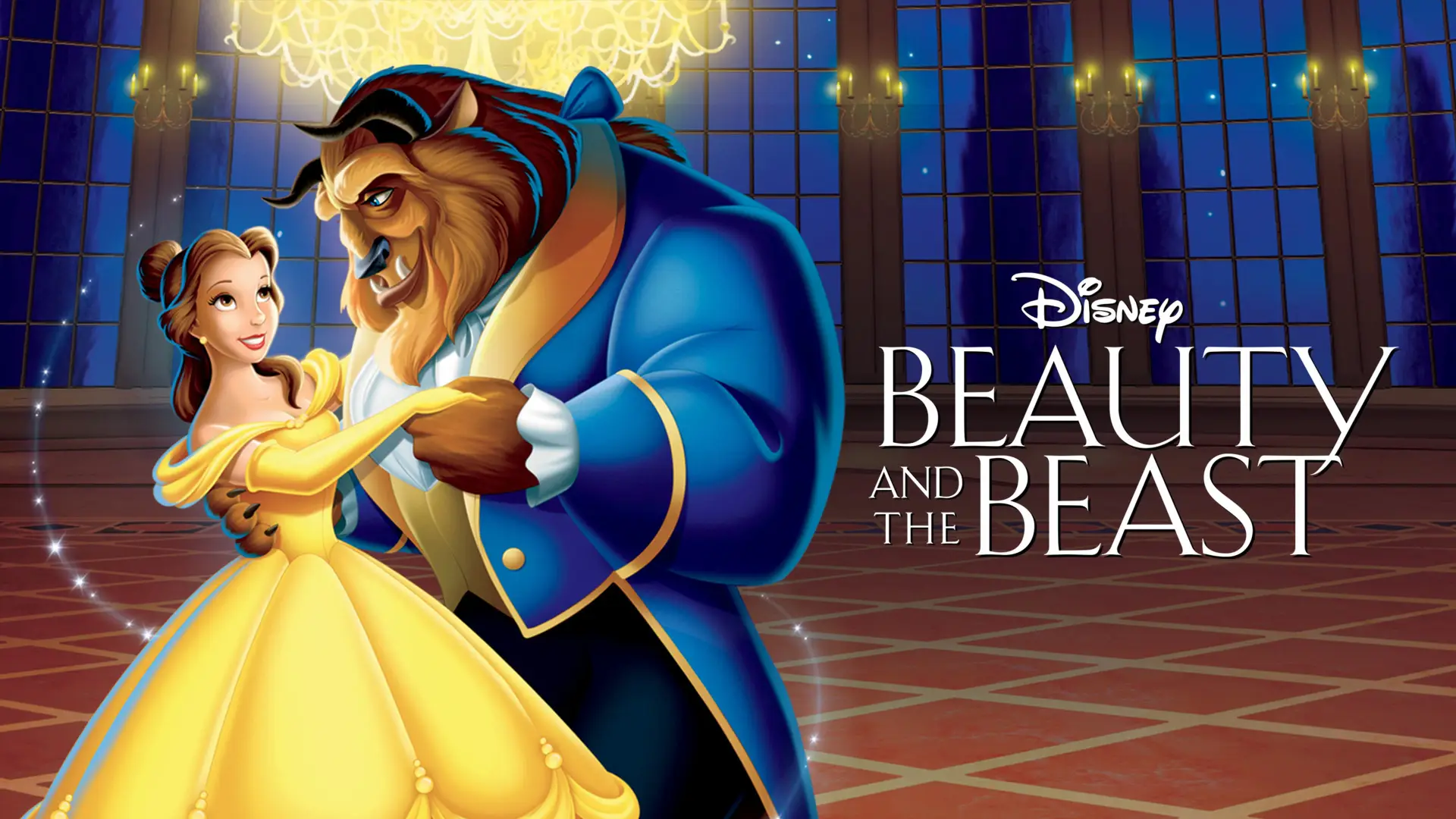
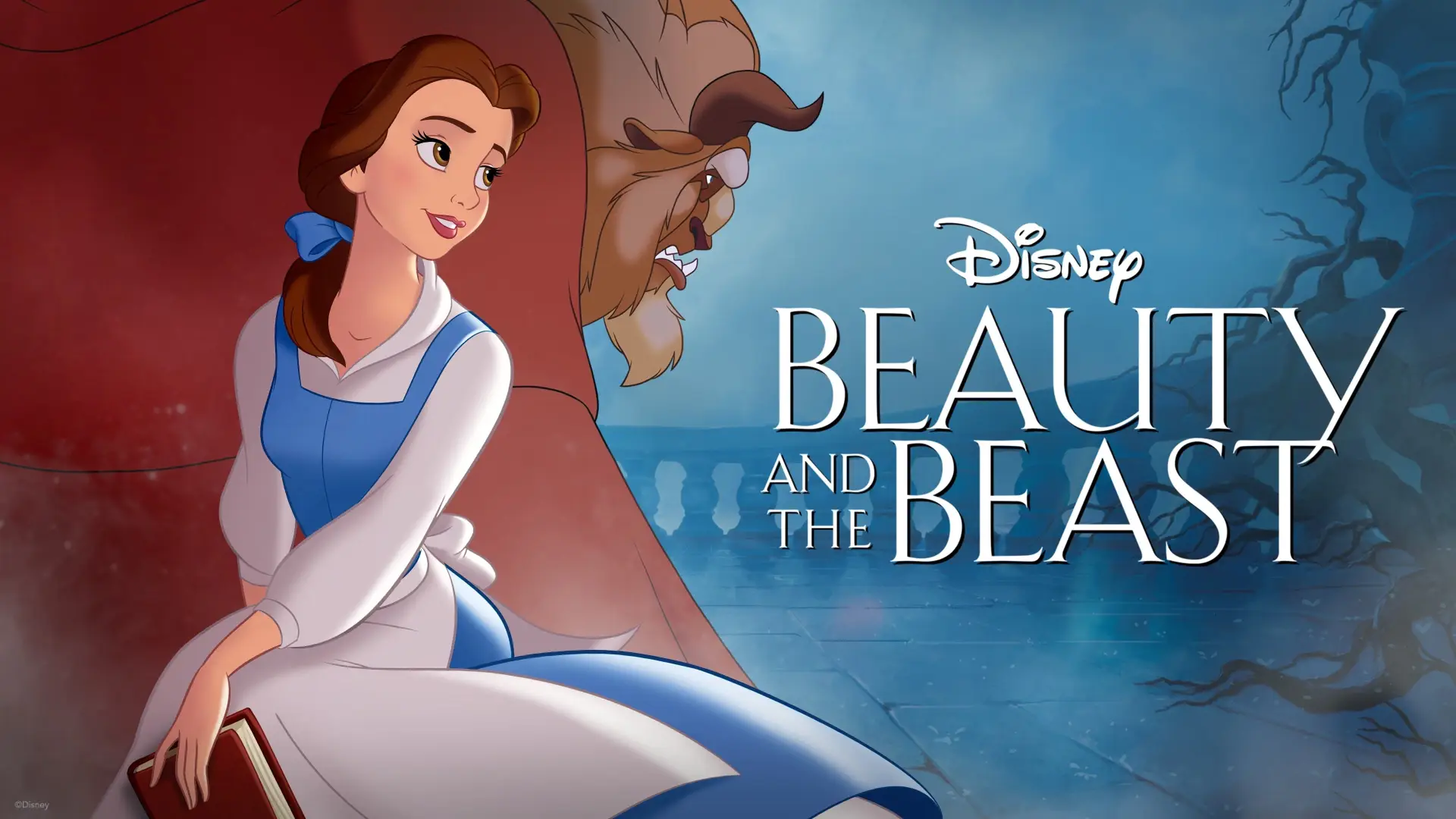
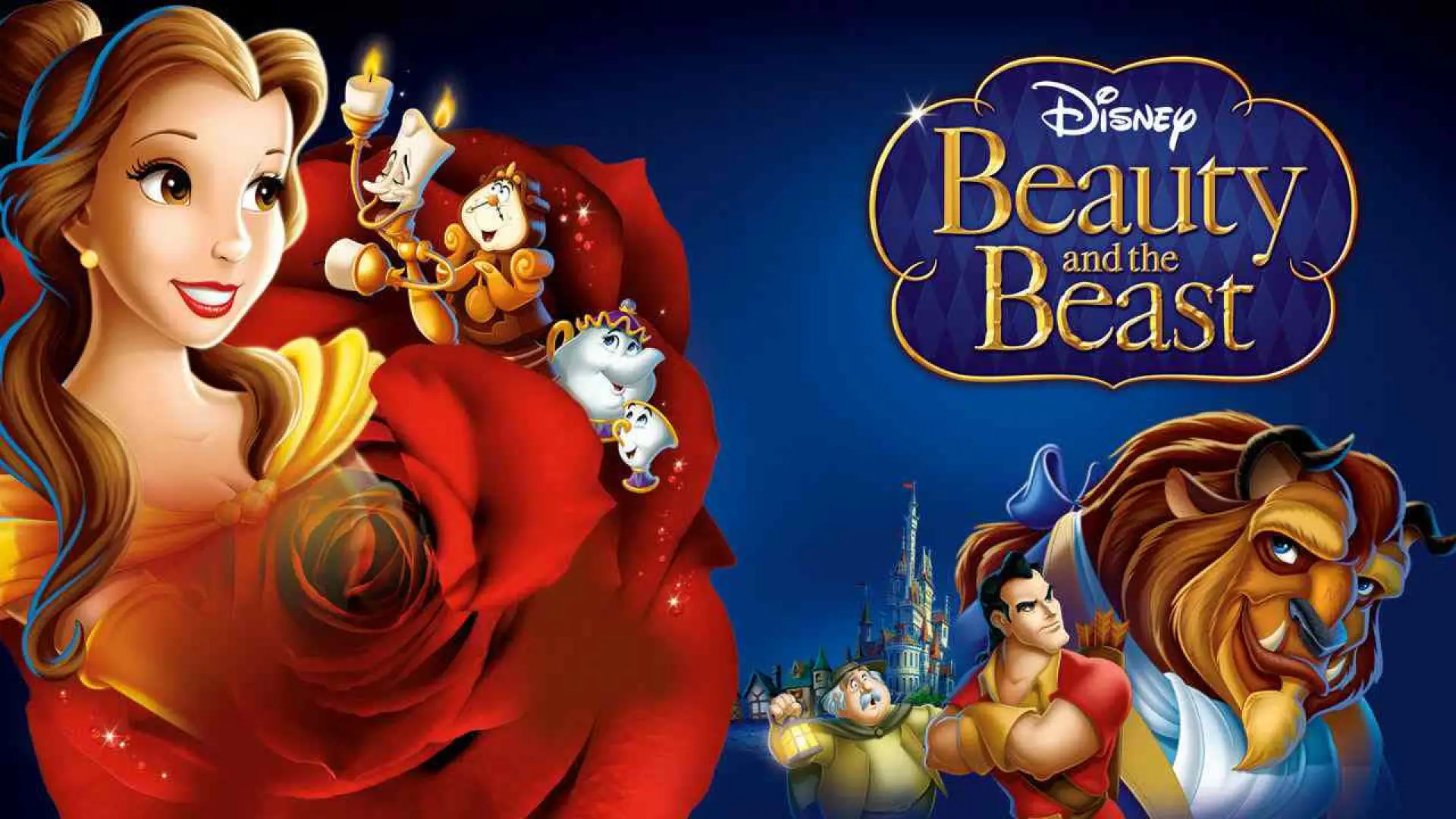
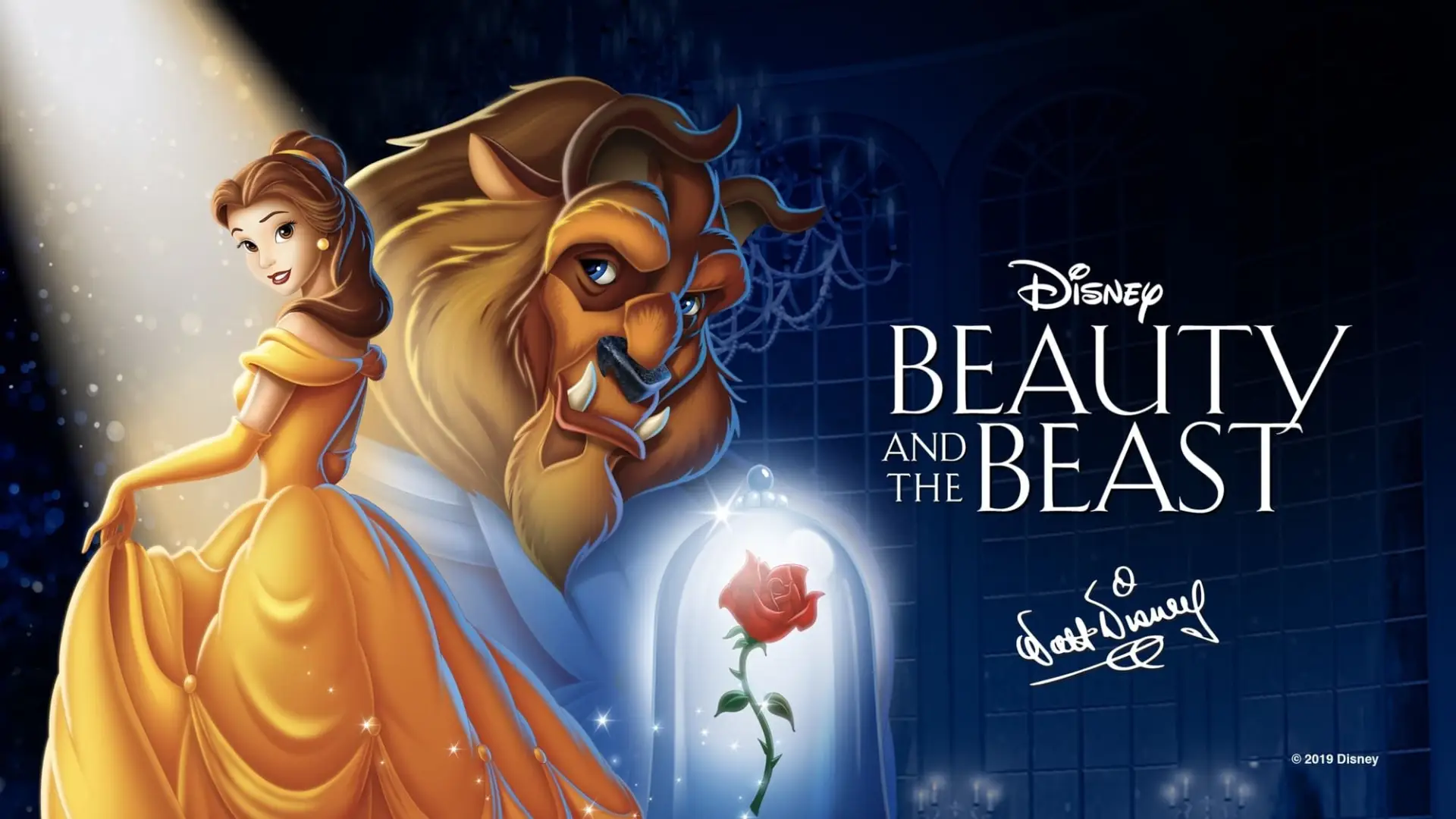
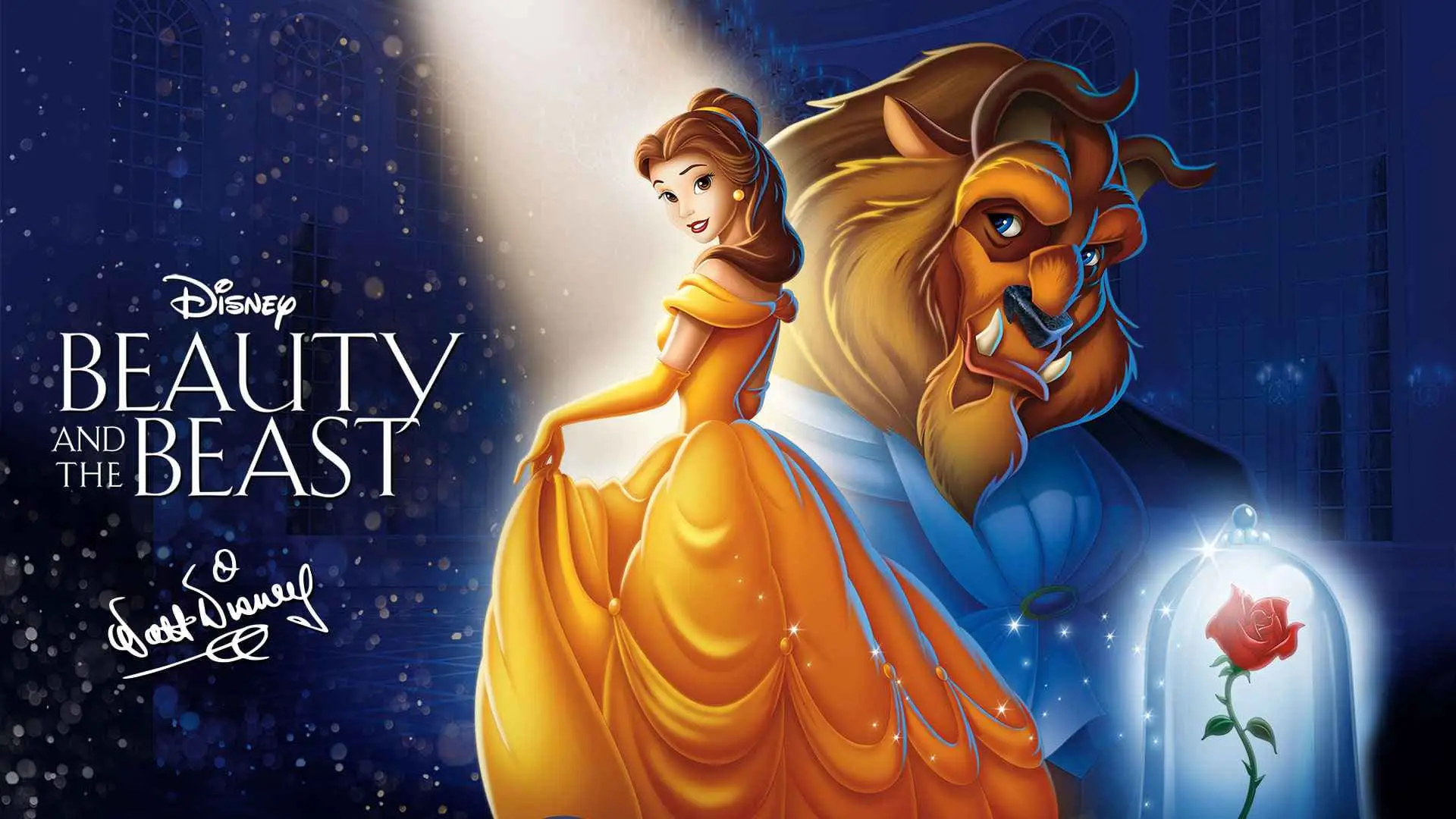
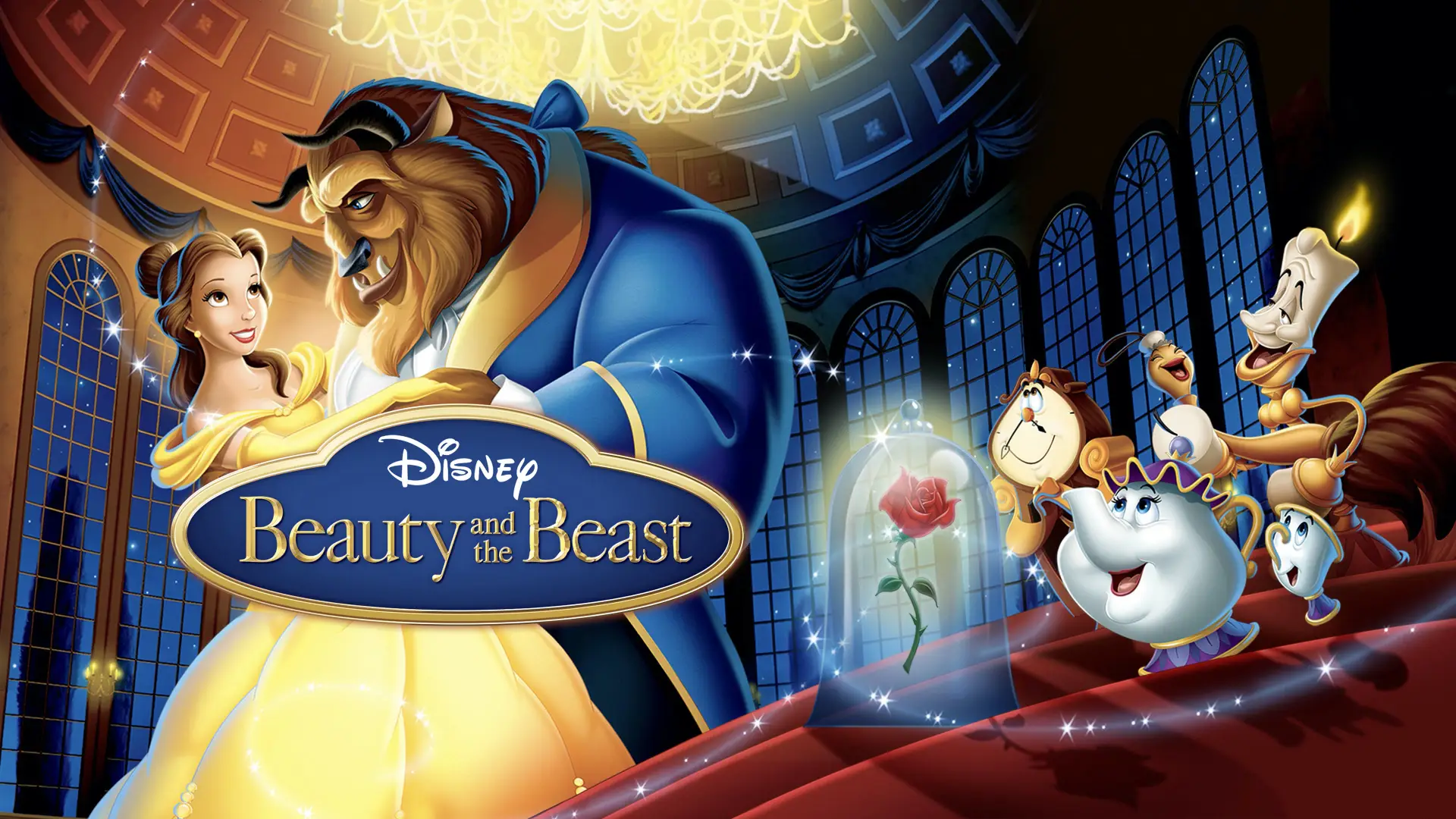
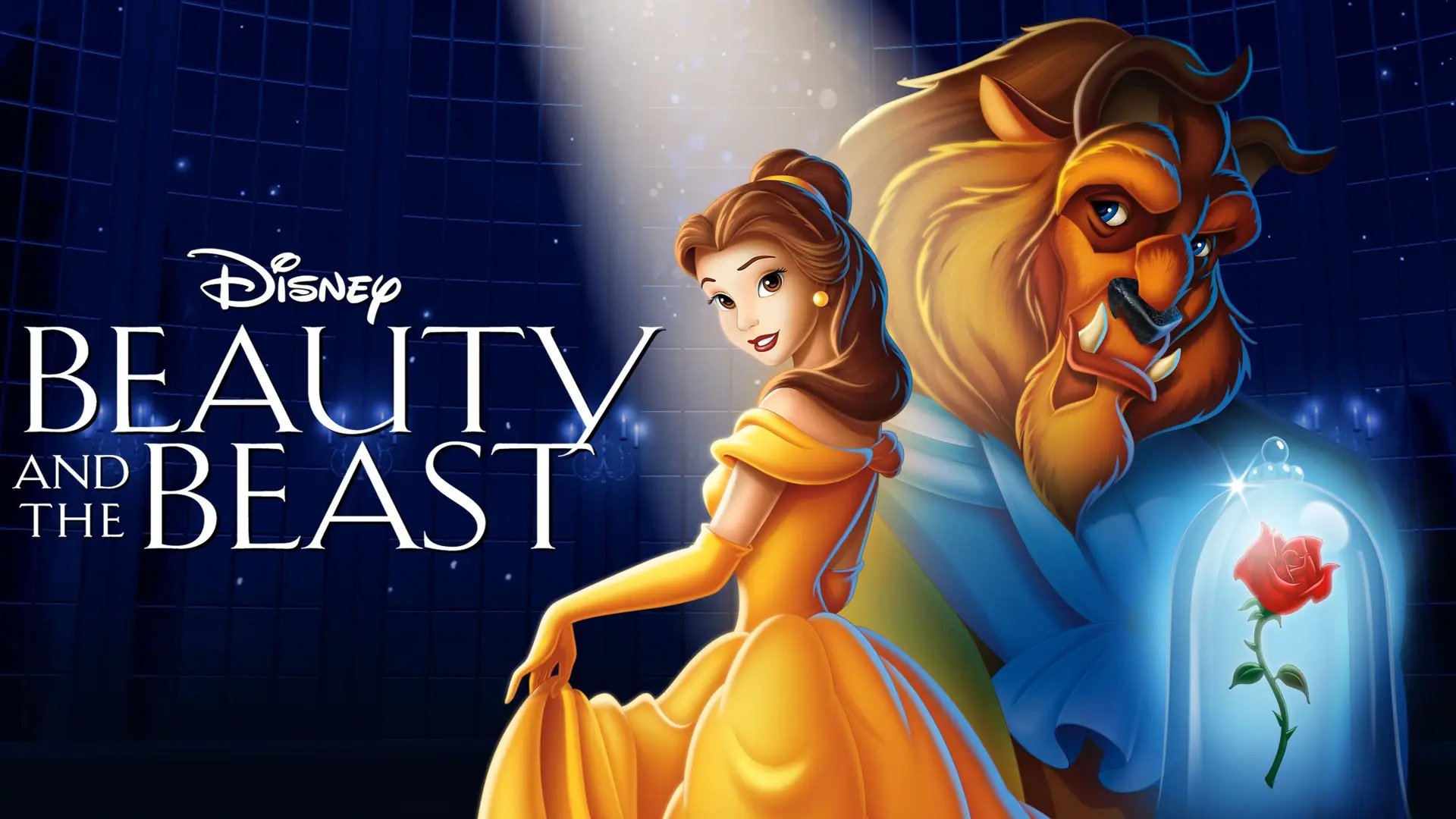
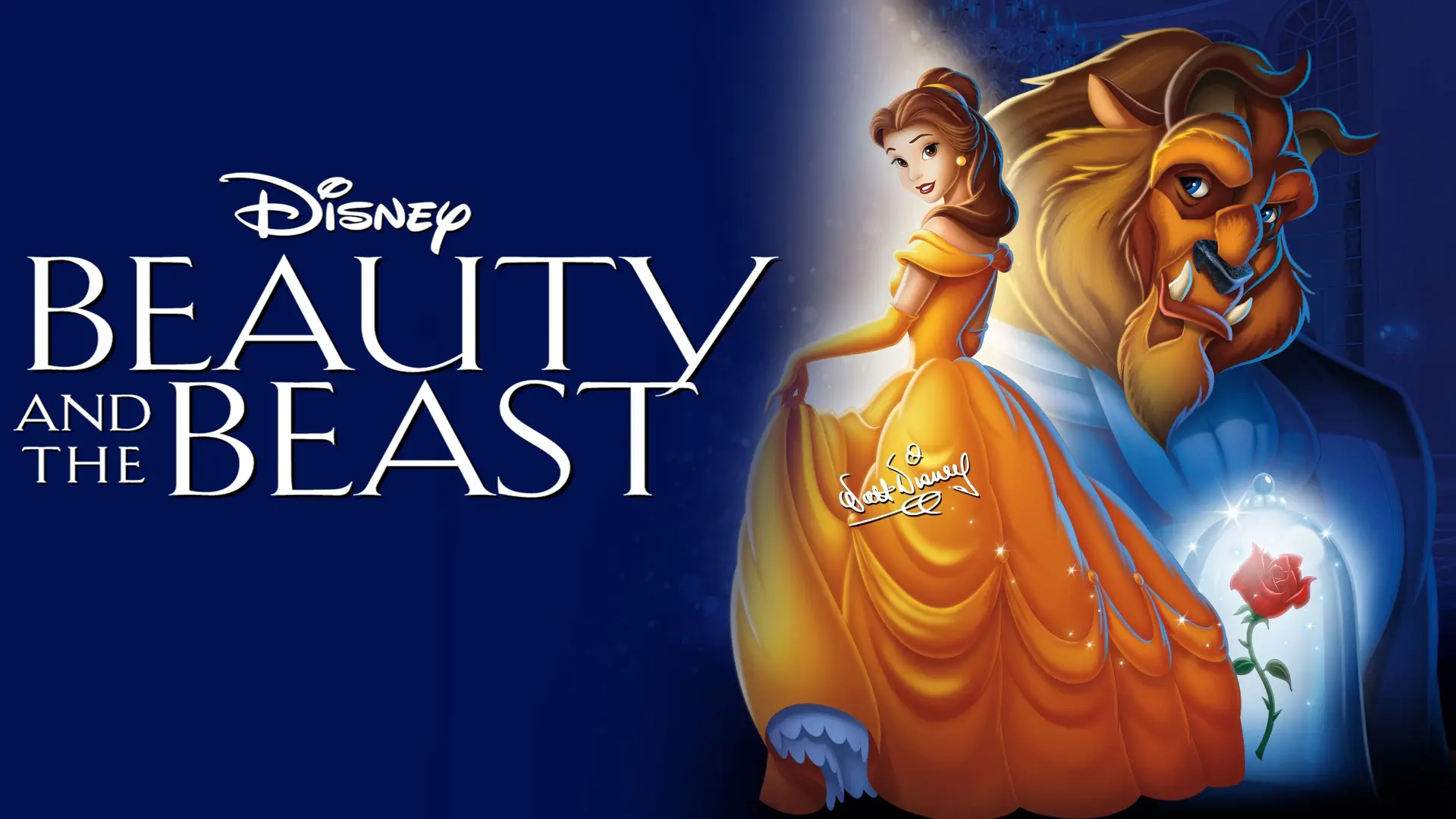
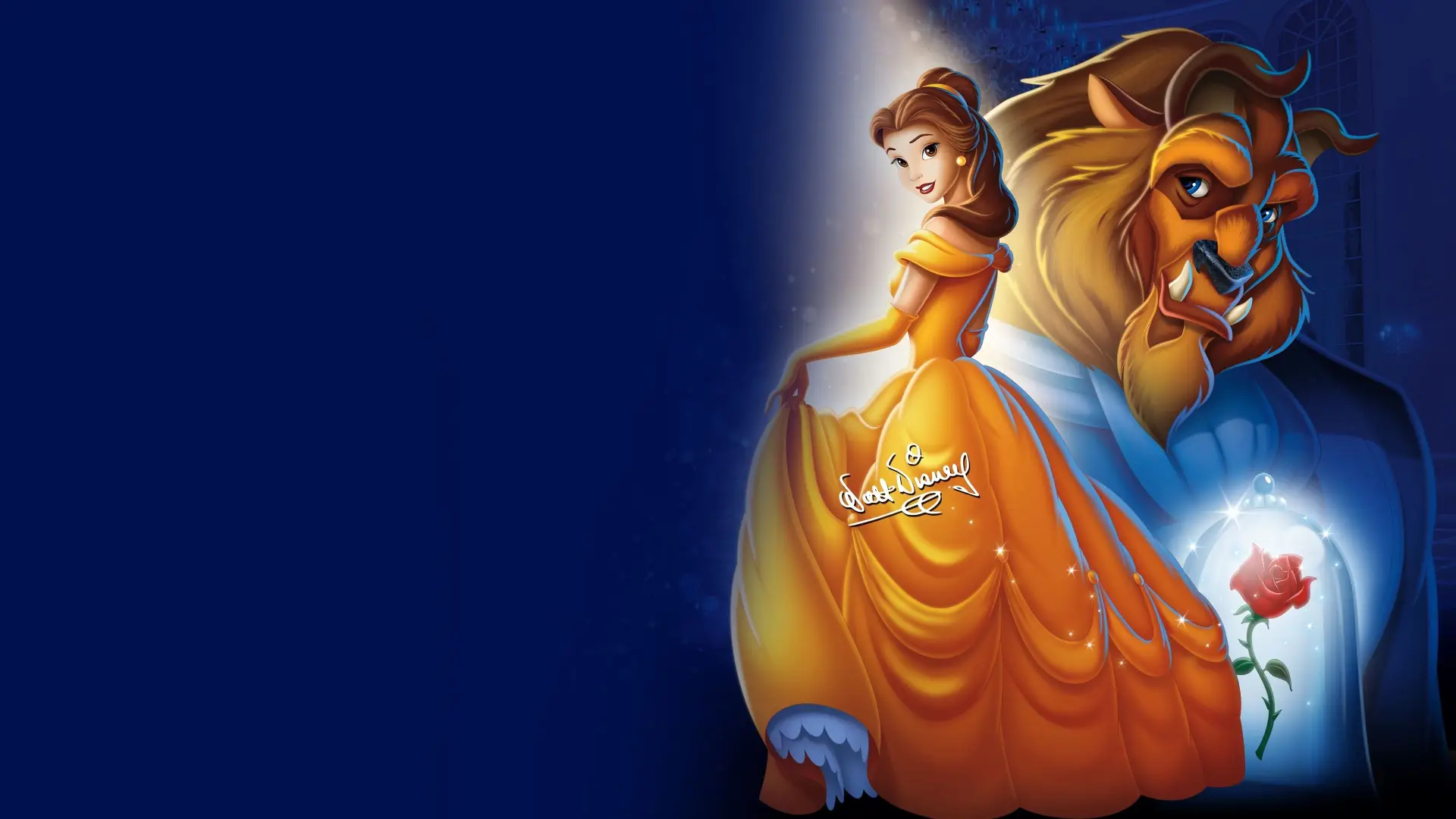
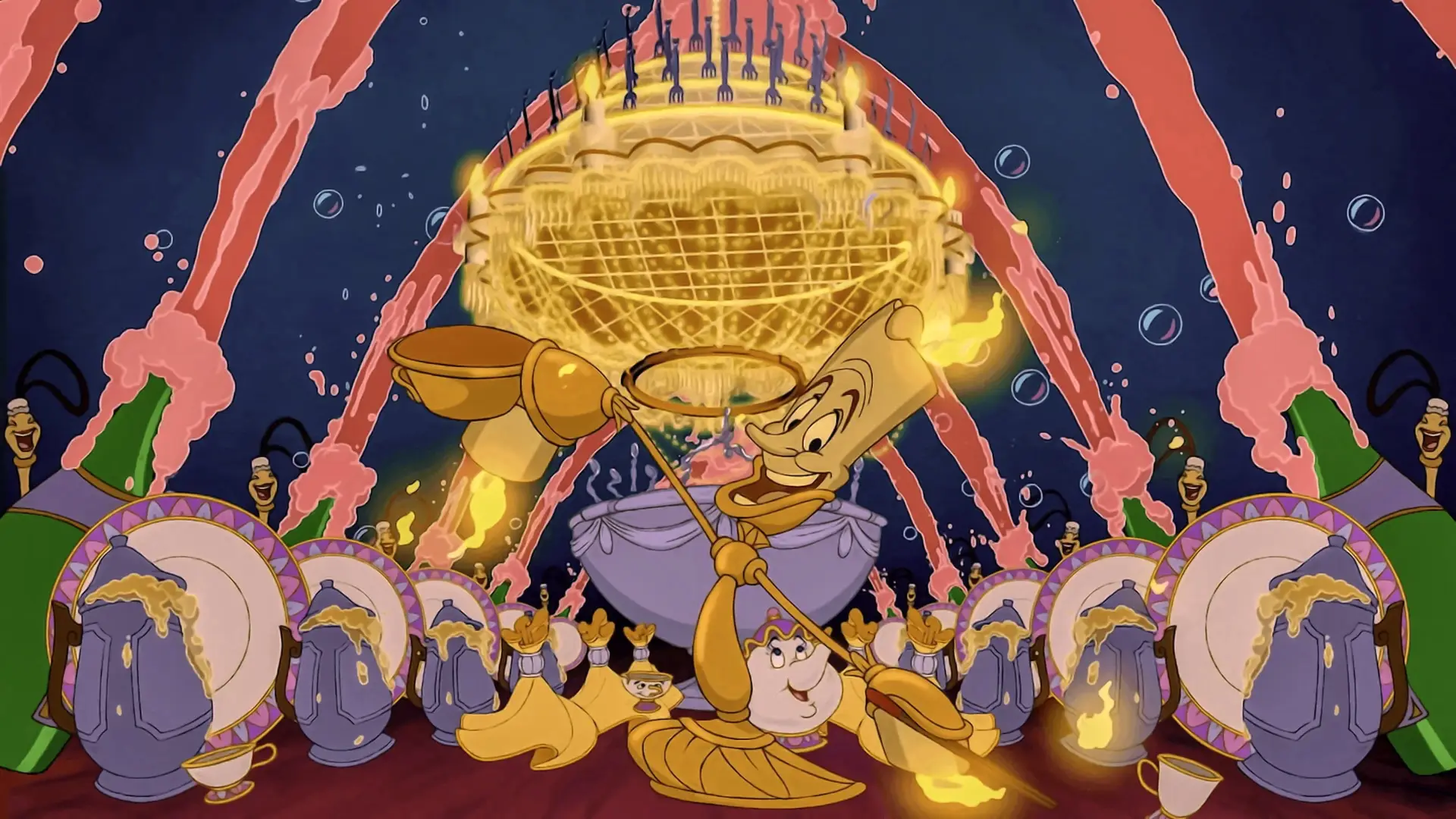
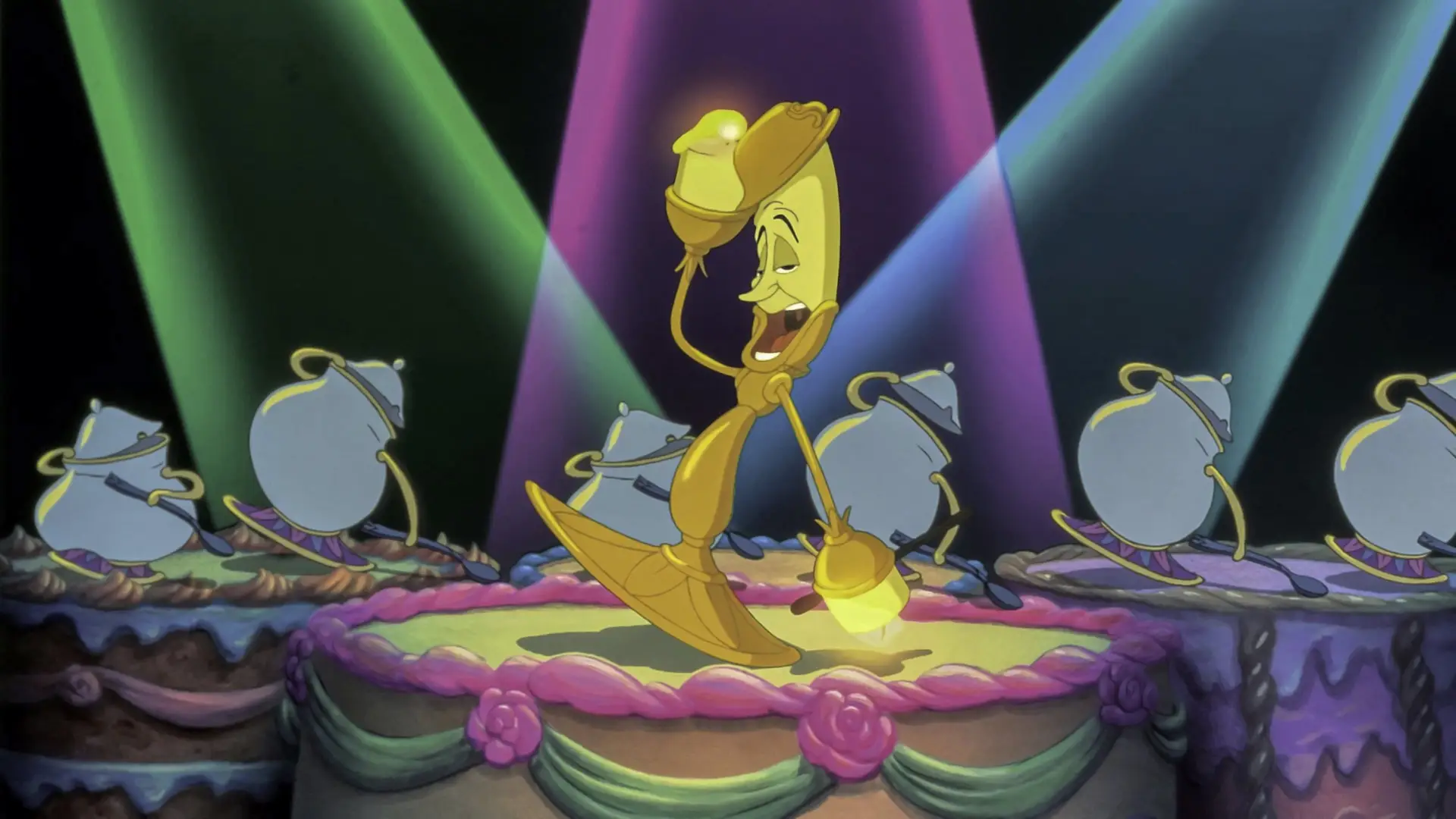
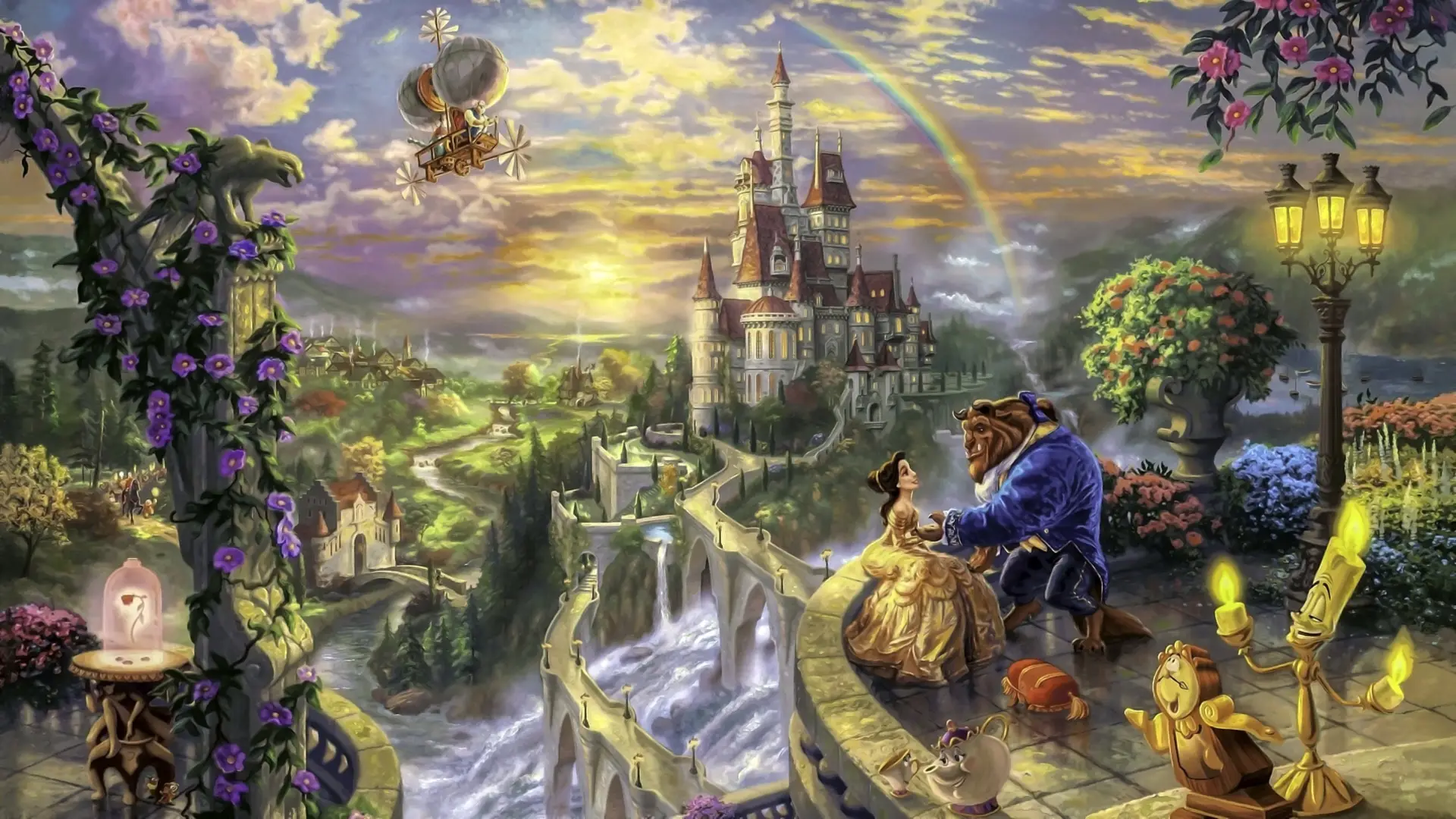
Beauty and the Beast - posters, covers, wallpapers

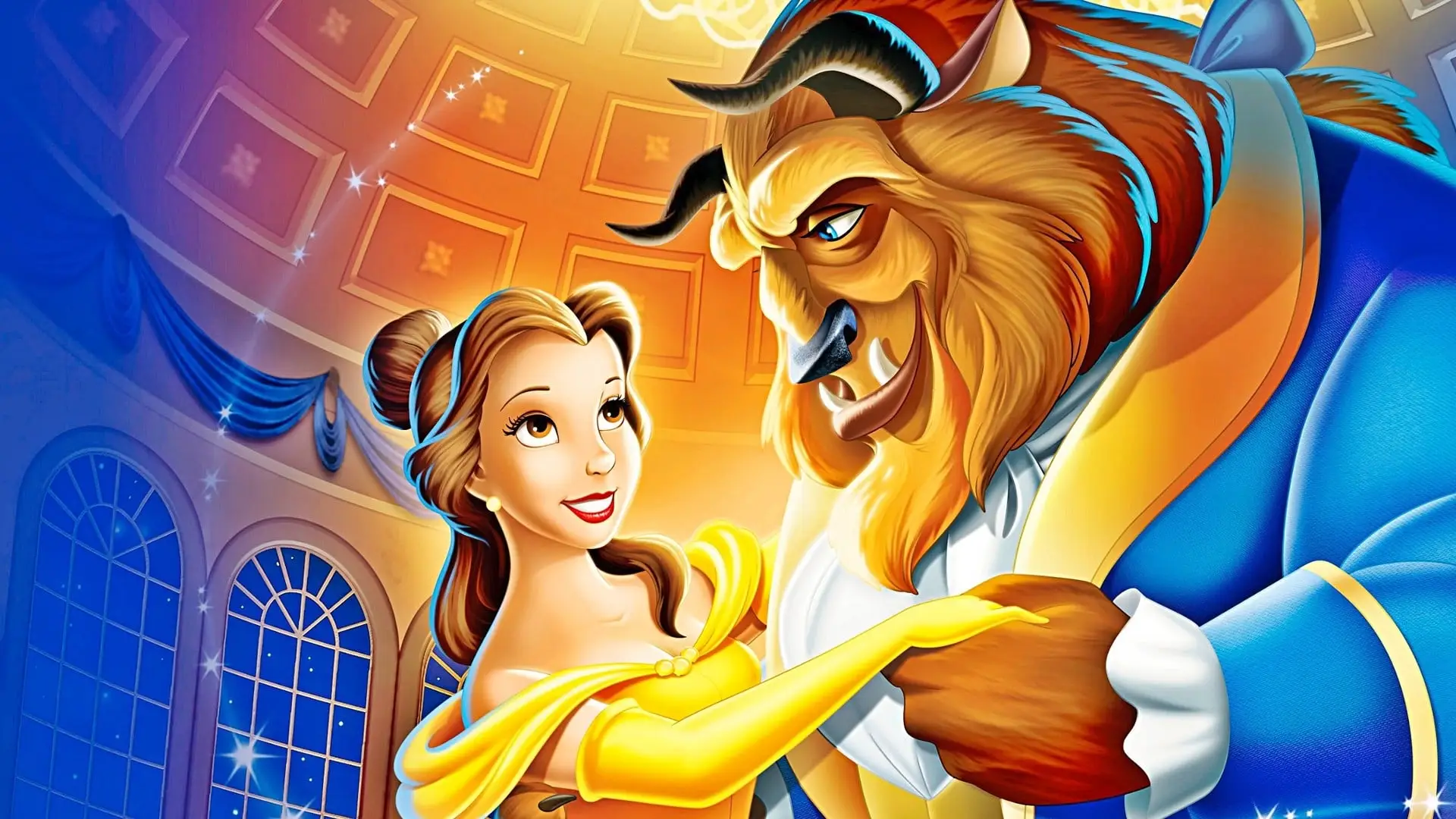
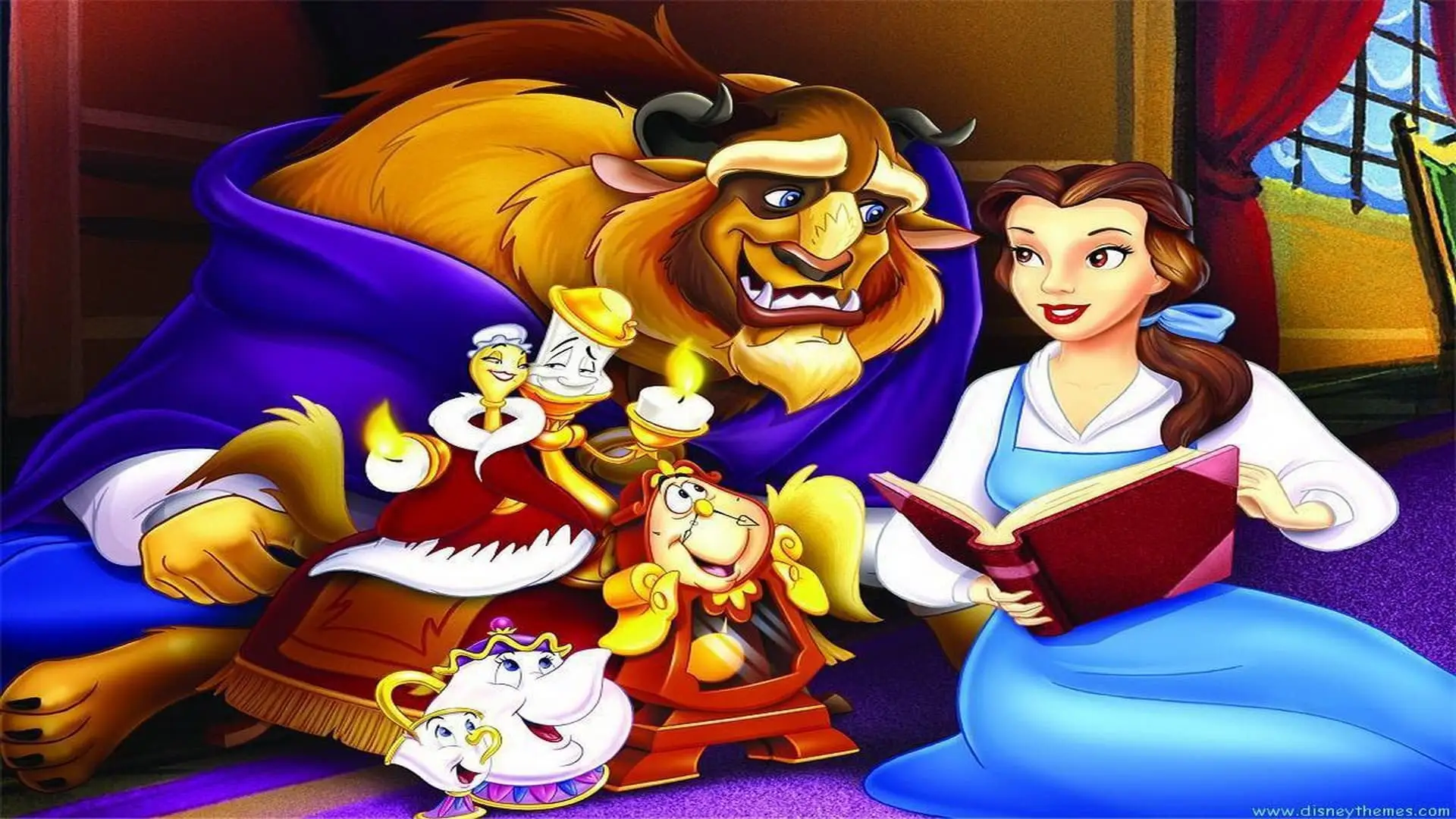
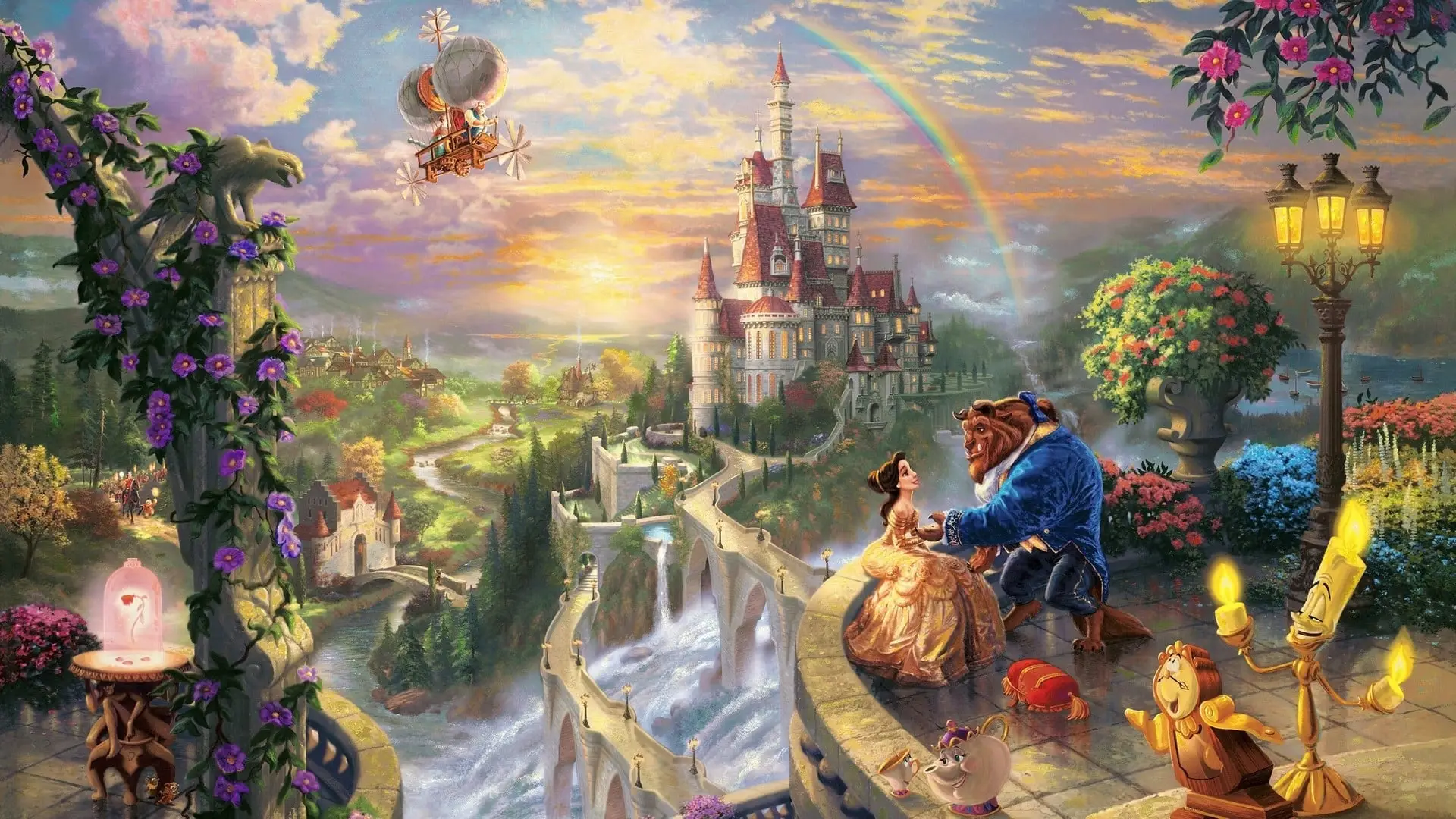
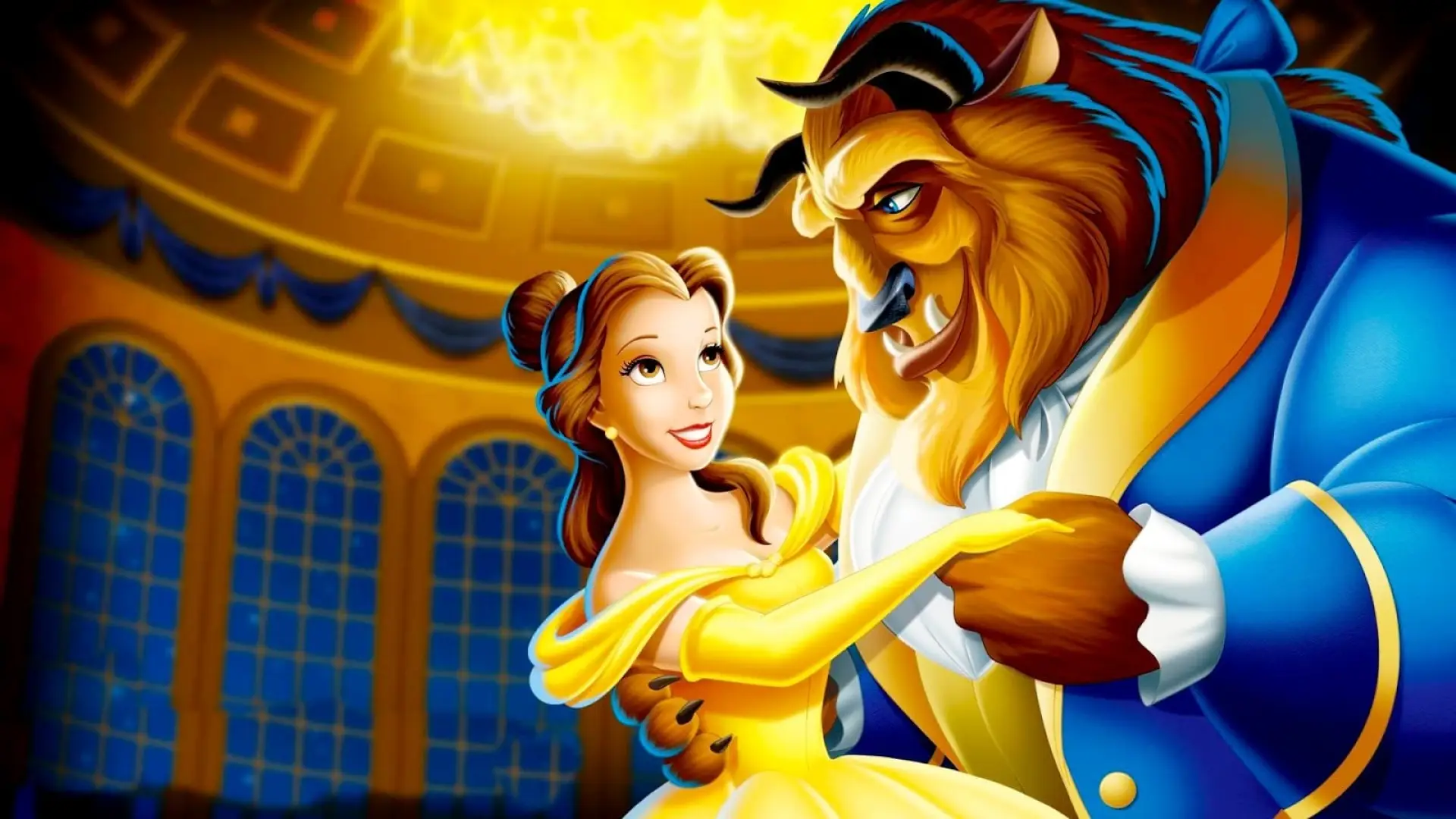
Lots of posters, covers and wallpapers for the movie "Beauty and the Beast"
Beauty and the Beast (1991)
Timing: 1:24 (84 min)
Beauty and the Beast - TMDB rating
7.725/10
10601
Beauty and the Beast - Kinopoisk rating
8.269/10
359868
Beauty and the Beast - IMDB rating
8/10
504000

Backdrops, wallpaper

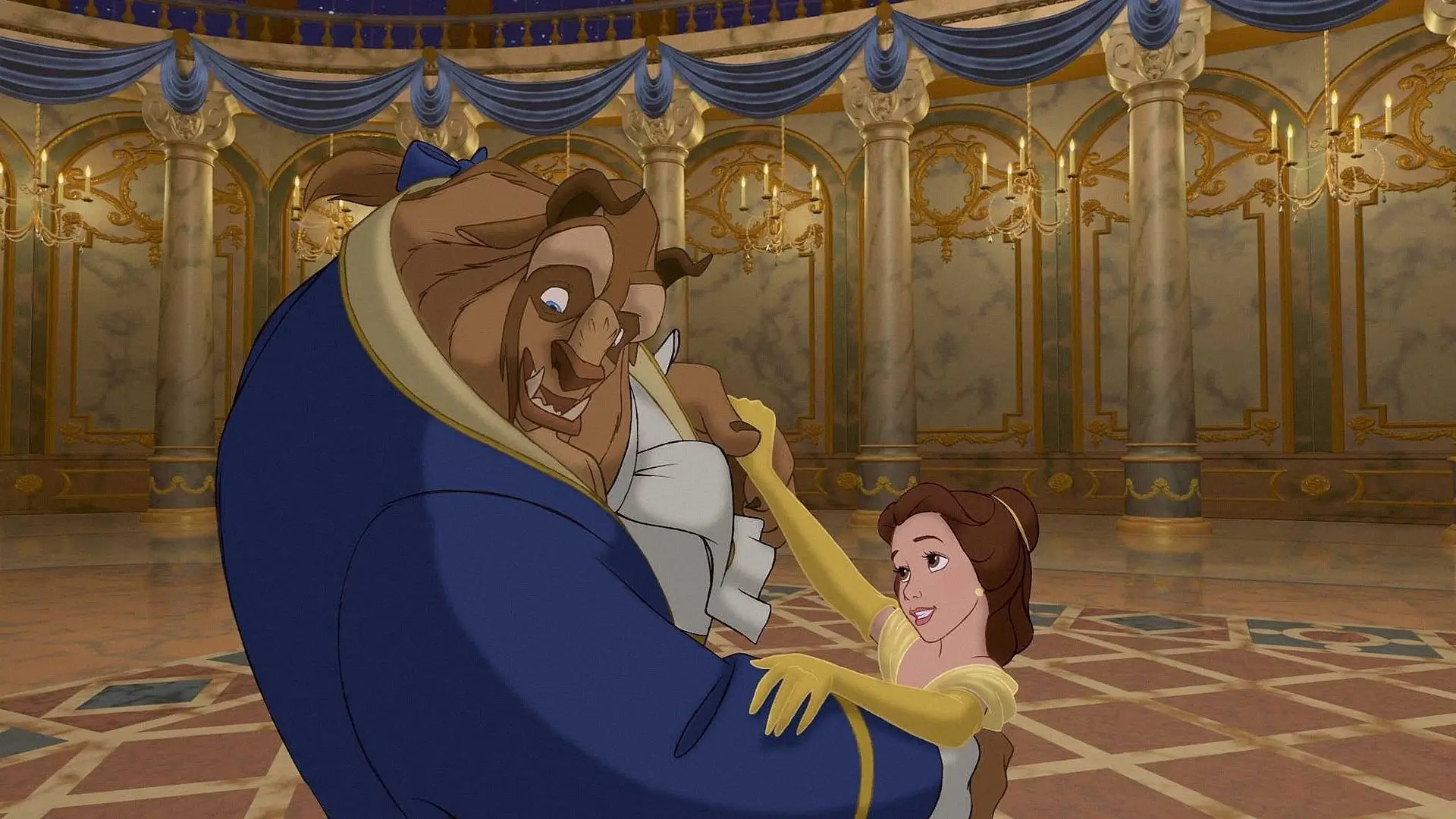
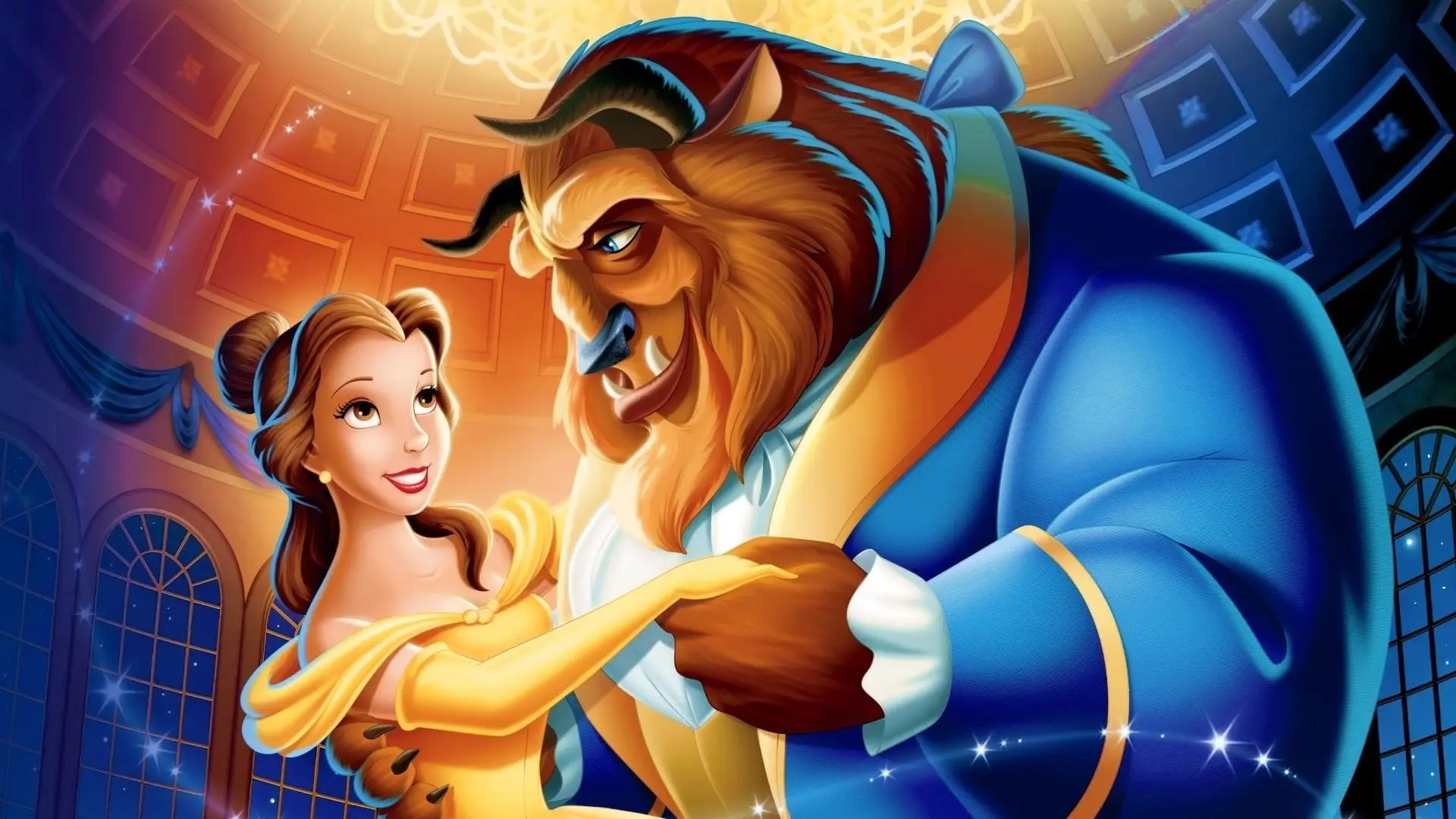
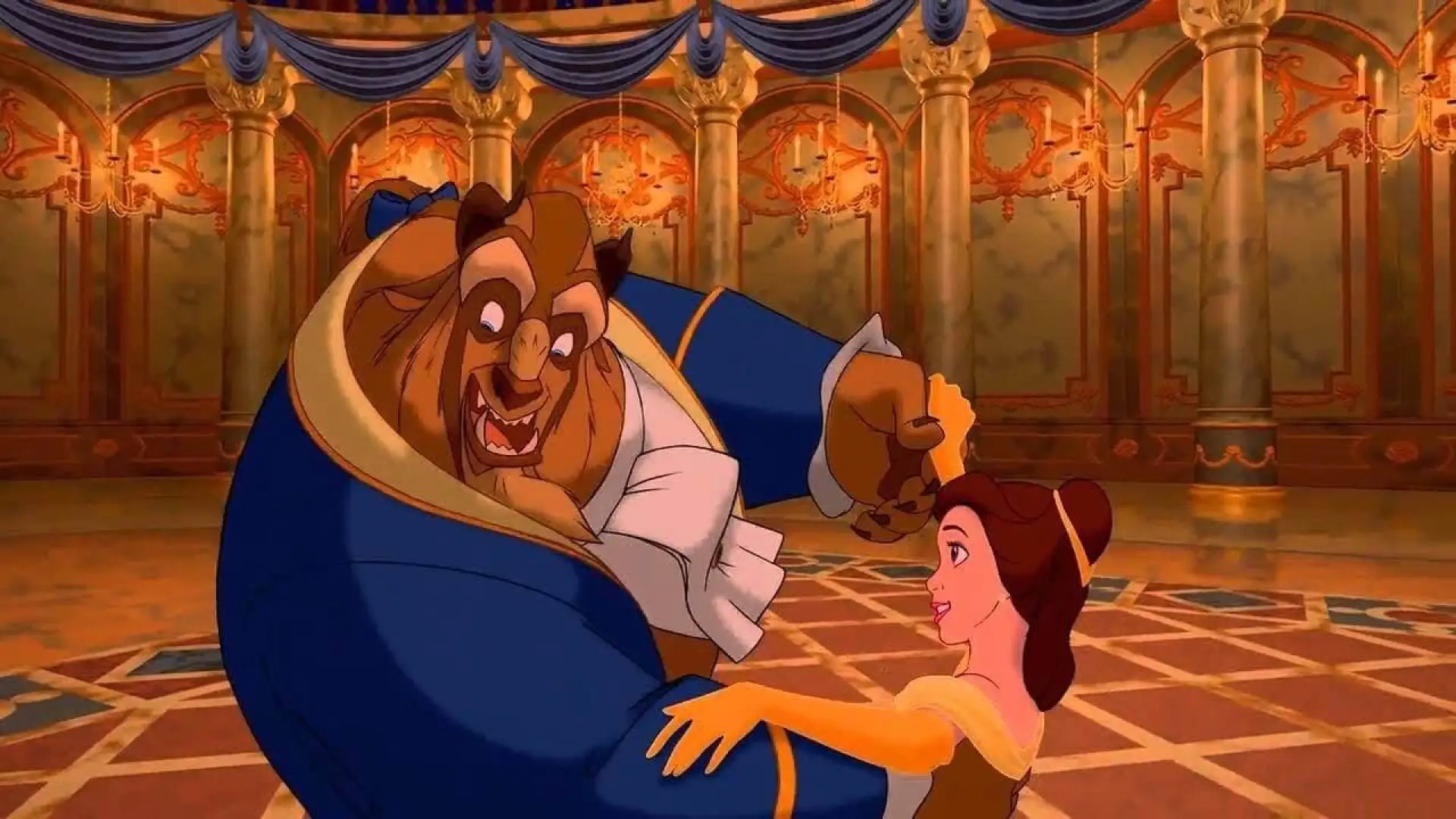
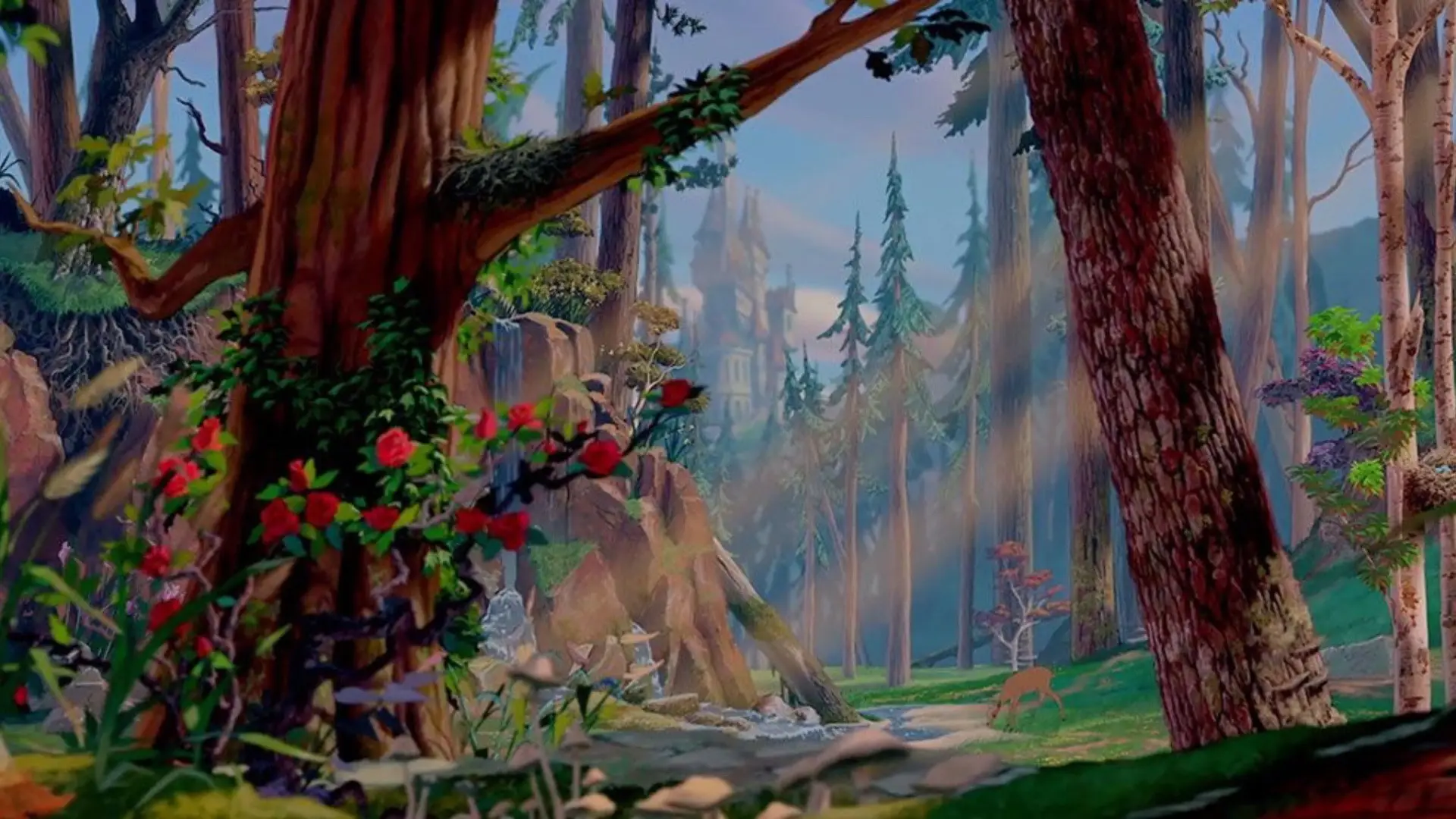
Backdrop to the movie "Beauty and the Beast" #137014K UHD 2160p
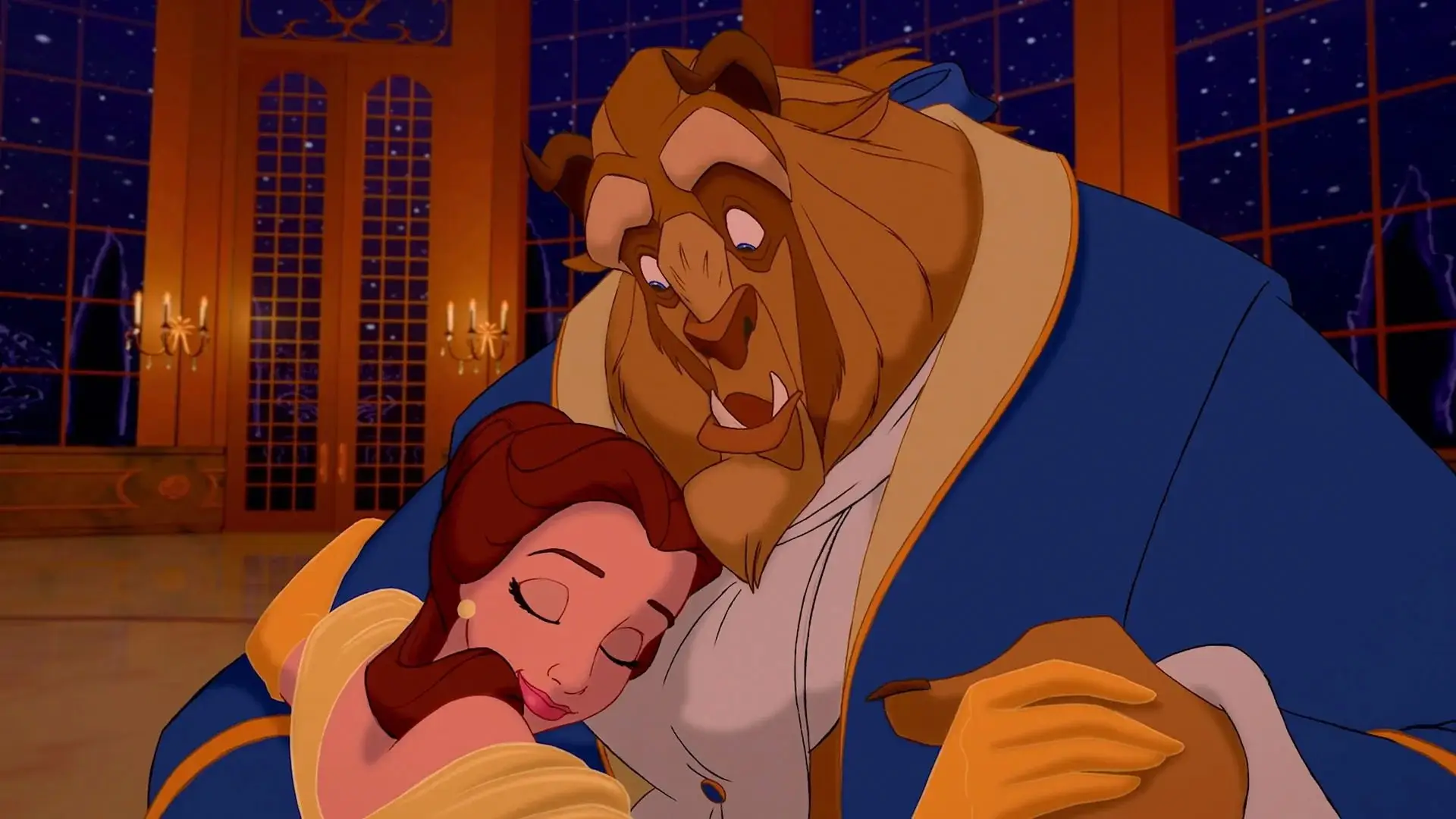
Backdrop to the movie "Beauty and the Beast" #13702Full HD 1080p
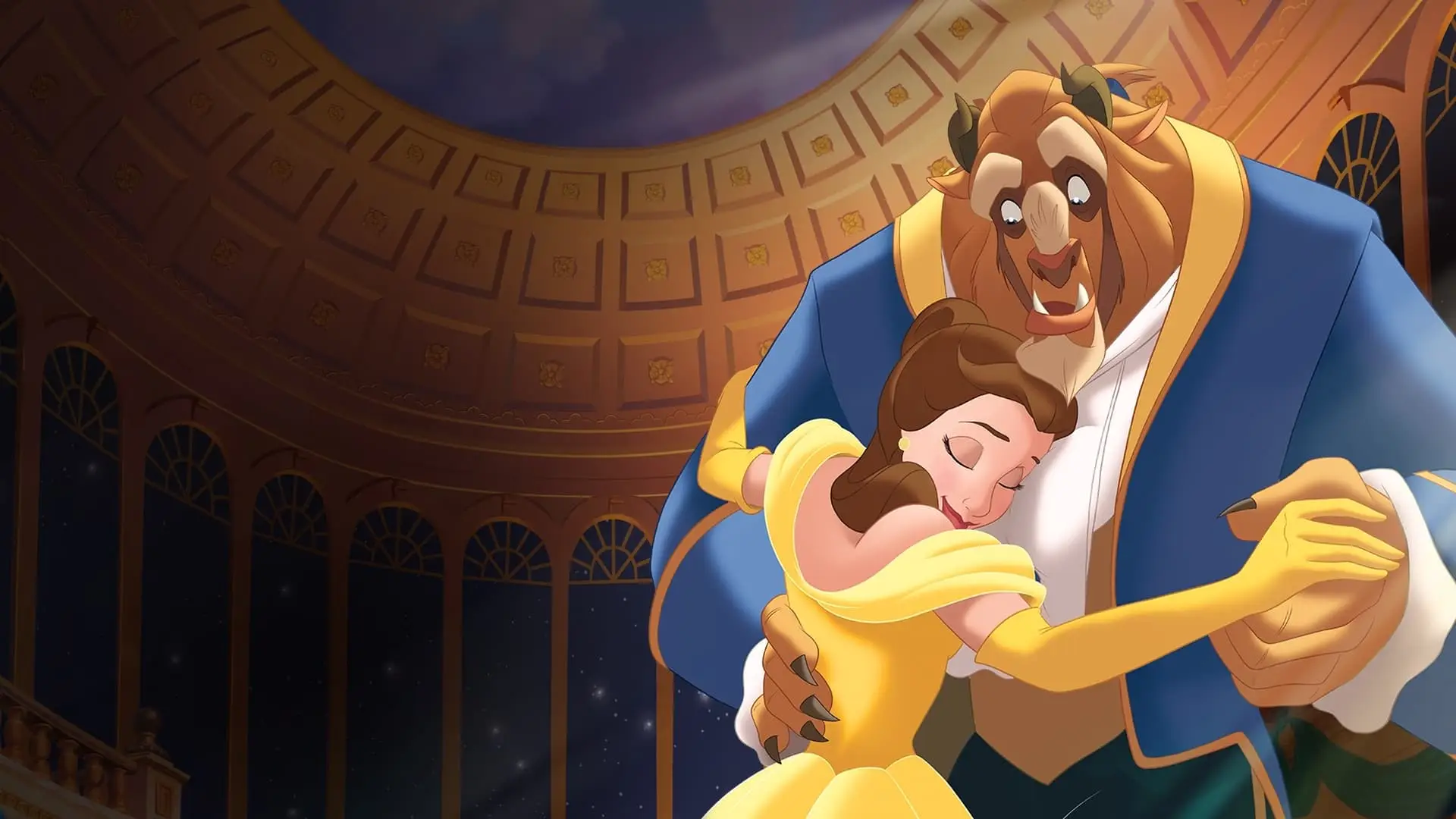
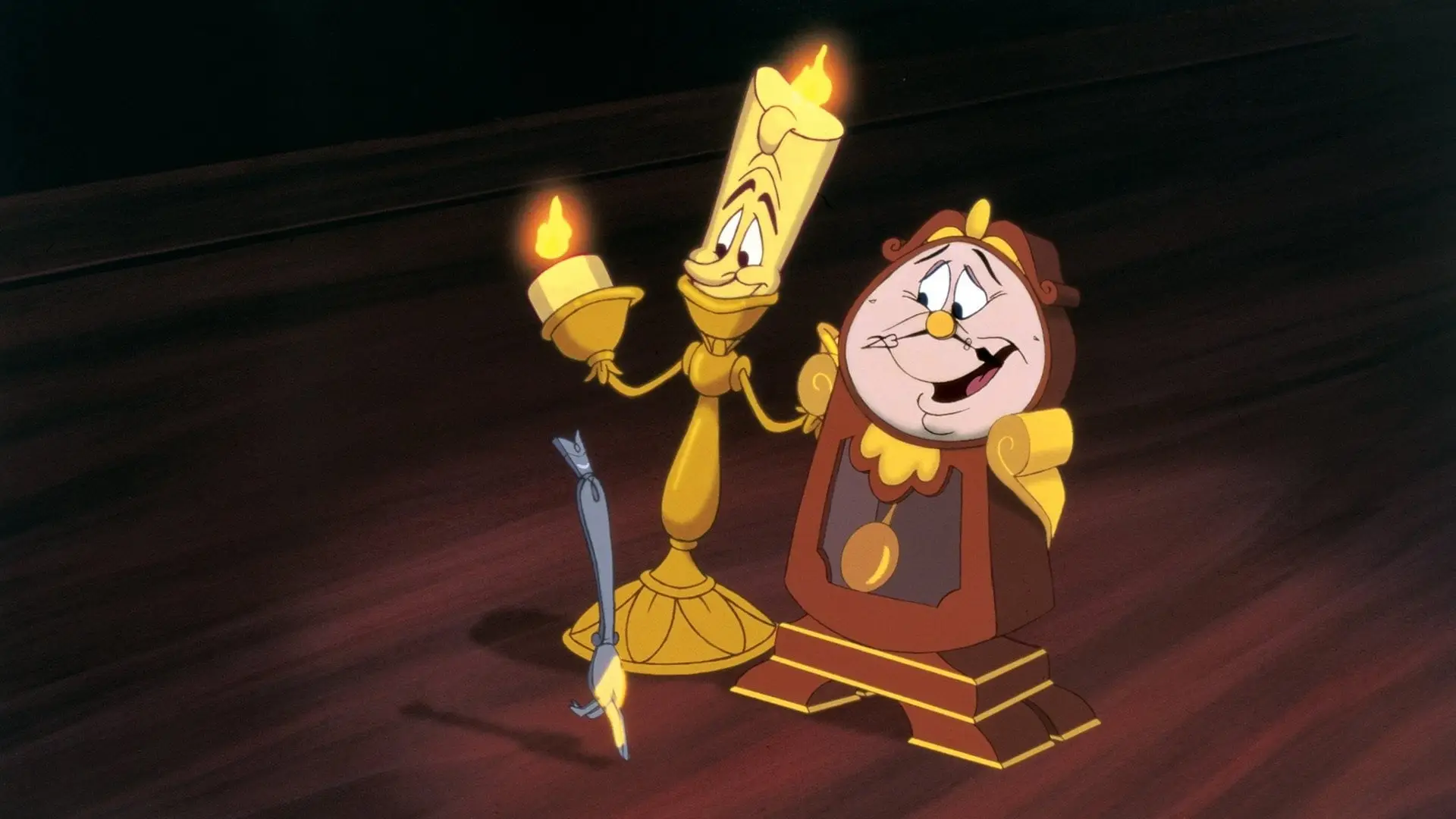
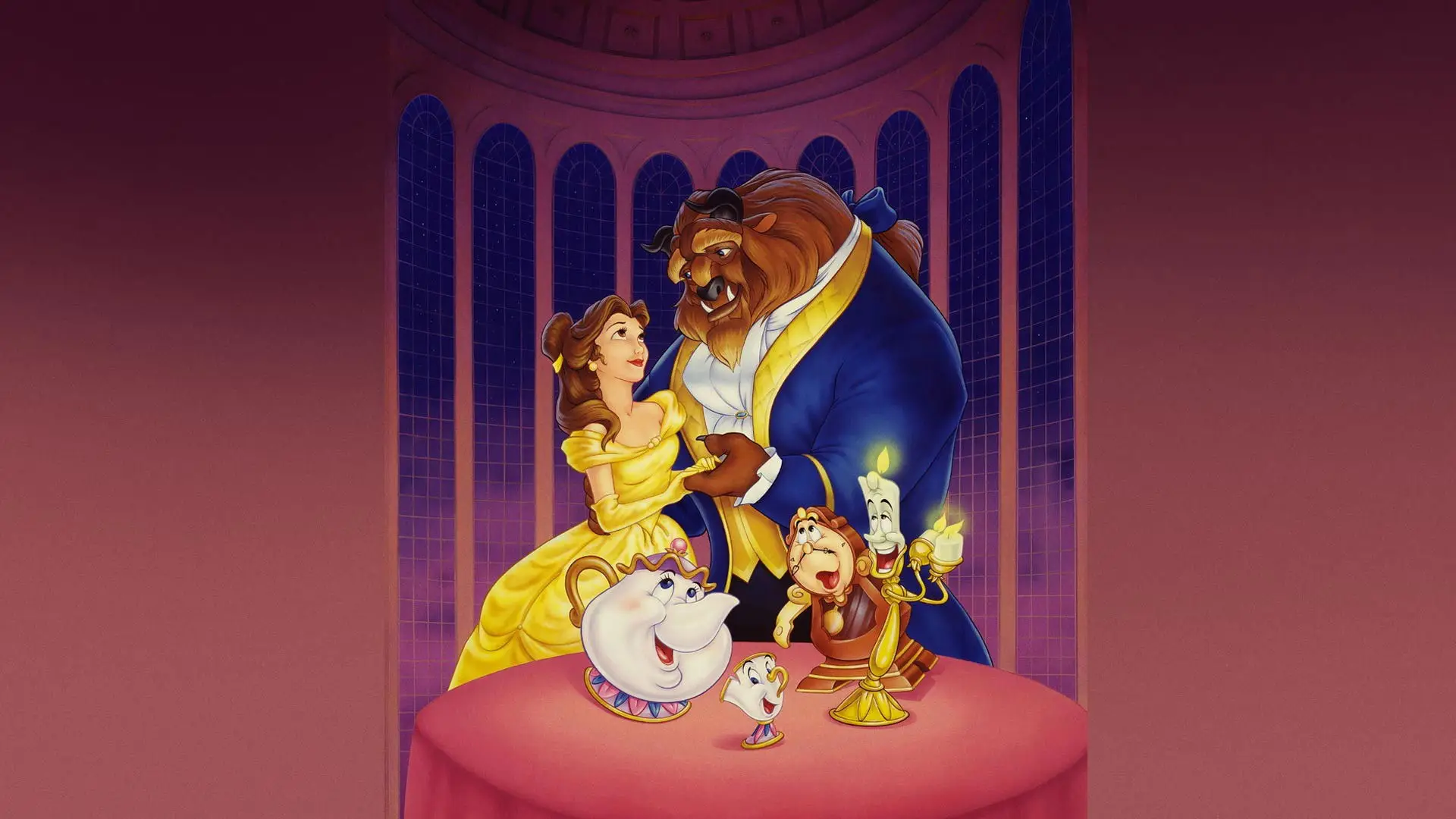
Backdrop to the movie "Beauty and the Beast" #137034K UHD 2160p
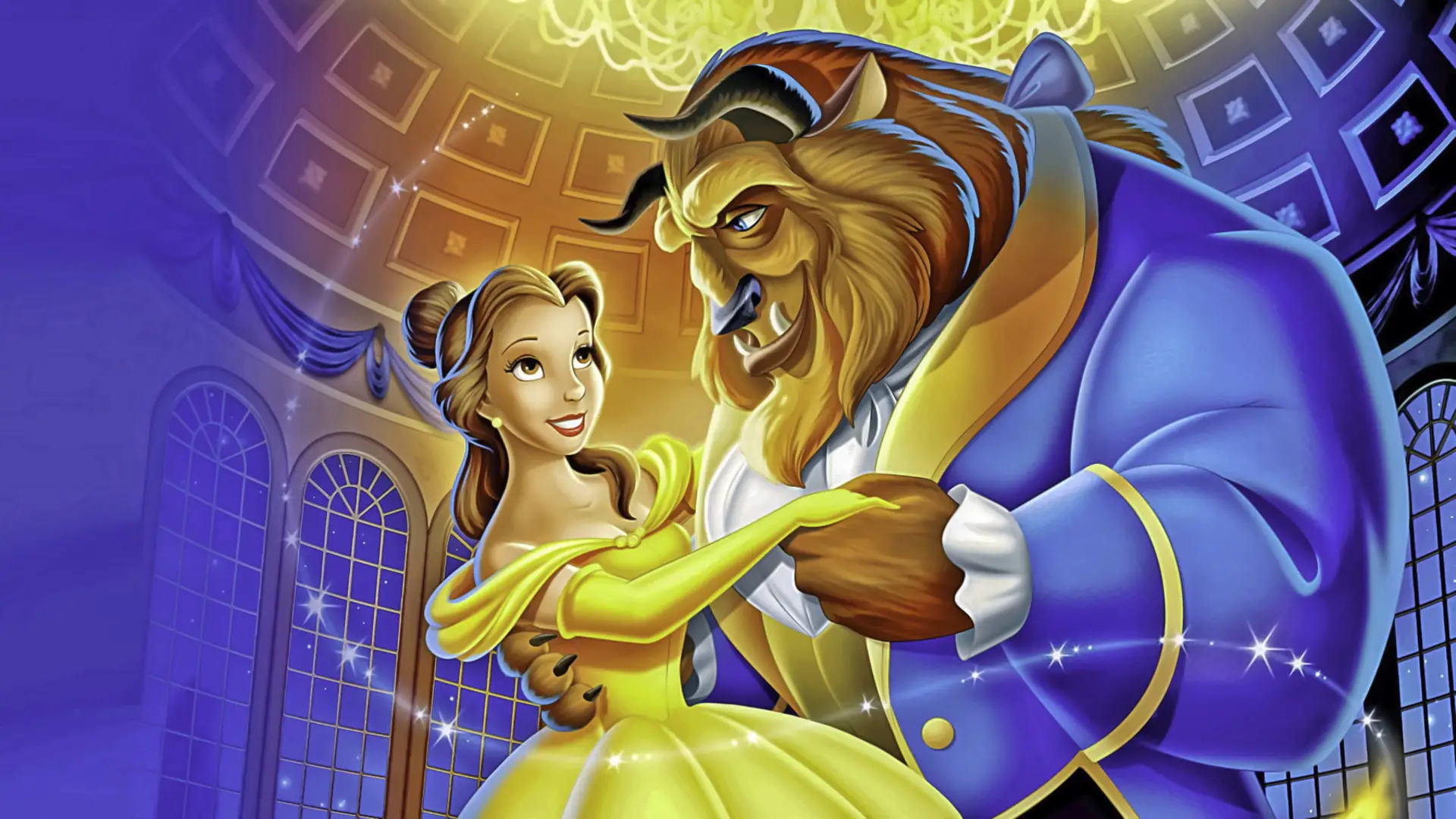
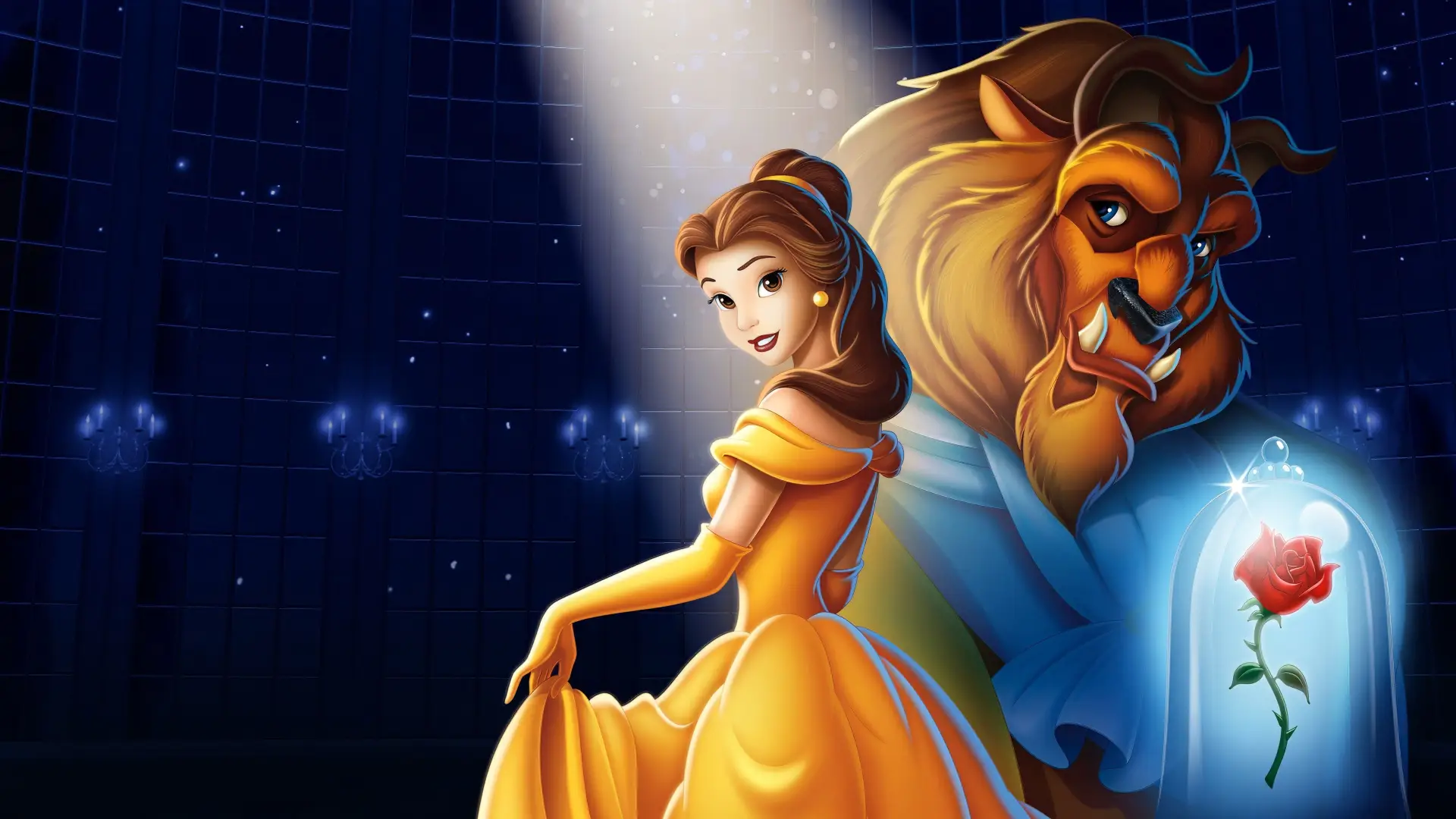
Backdrop to the movie "Beauty and the Beast" #13704Full HD 1080p
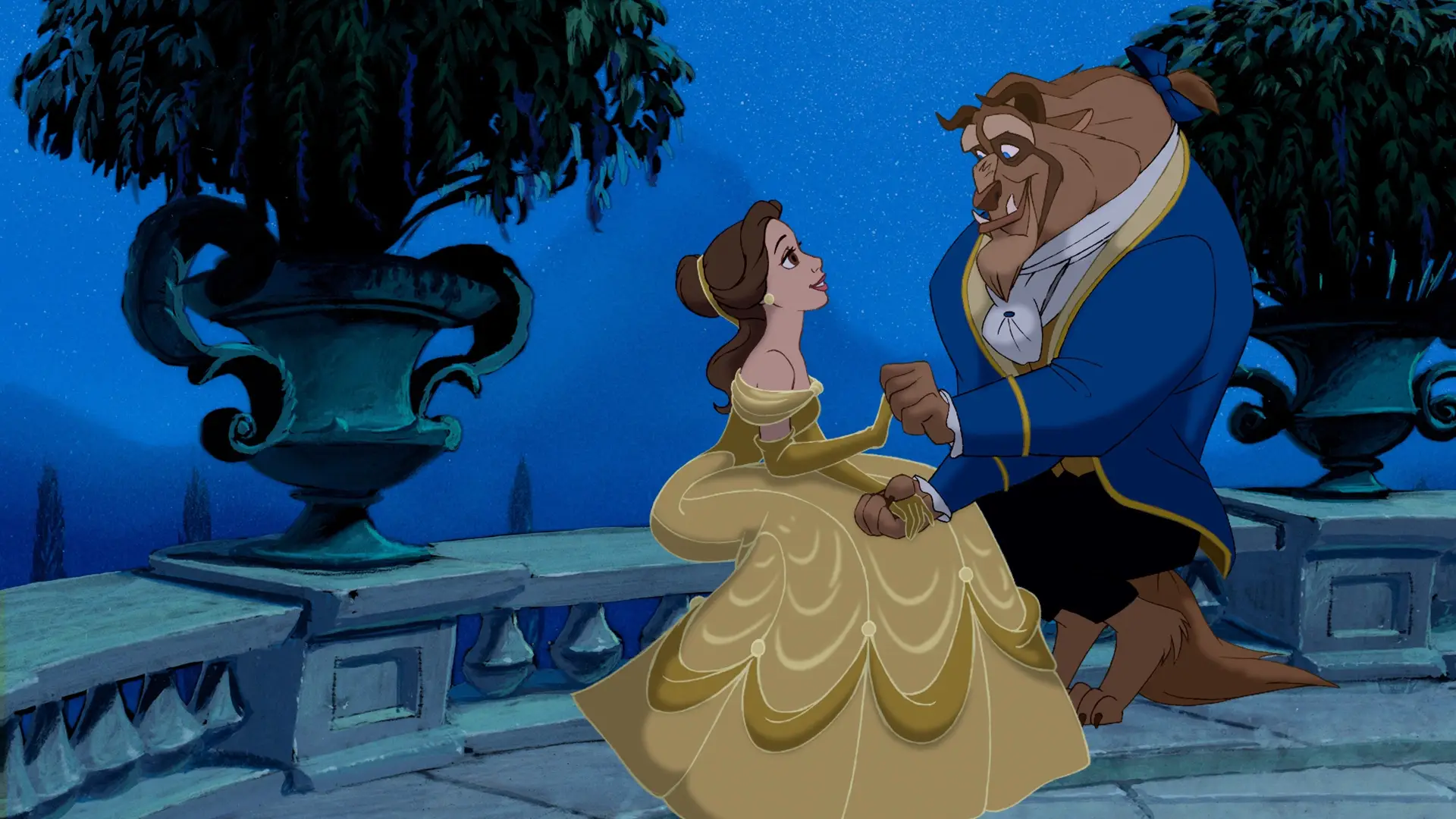
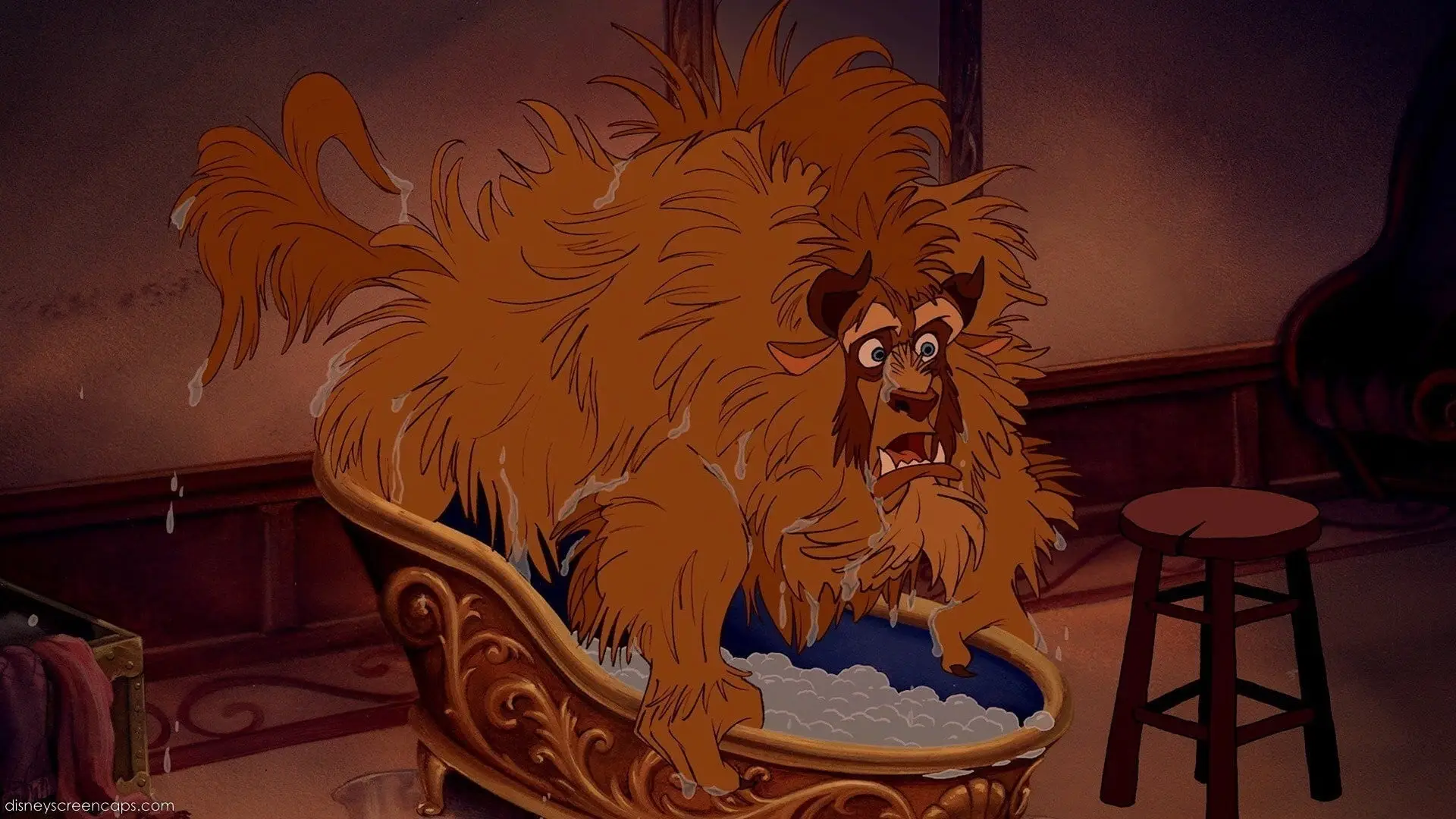
Backdrop to the movie "Beauty and the Beast" #137054K UHD 2160p
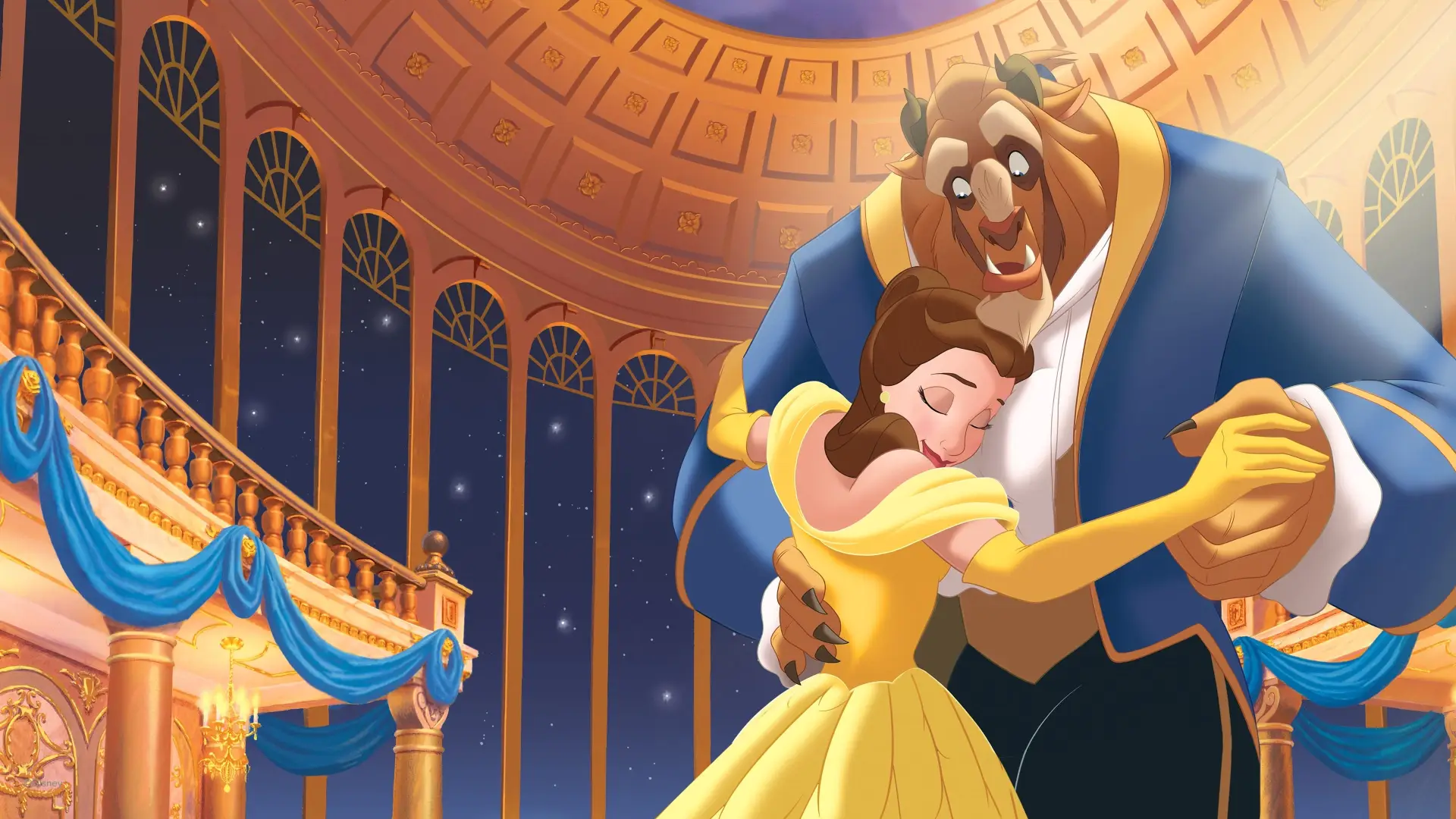
Backdrop to the movie "Beauty and the Beast" #13706HD Ready 720p
Backdrop to the movie "Beauty and the Beast" #13707Full HD 1125p
Backdrop to the movie "Beauty and the Beast" #13708Full HD 1080p
Backdrop to the movie "Beauty and the Beast" #137094K UHD 2160p
Backdrop to the movie "Beauty and the Beast" #137104K UHD 2160p
Backdrop to the movie "Beauty and the Beast" #137114K UHD 2160p
Backdrop to the movie "Beauty and the Beast" #573498HD Ready 720p
Backdrop to the movie "Beauty and the Beast" #168777Full HD 1080p
Backdrop to the movie "Beauty and the Beast" #168780Full HD 1080p
Backdrop to the movie "Beauty and the Beast" #1687834K UHD 2160p
Backdrop to the movie "Beauty and the Beast" #1687864K UHD 2160p
Backdrop to the movie "Beauty and the Beast" #168790Full HD 1080p
Backdrop to the movie "Beauty and the Beast" #1687934K UHD 2160p
Backdrop to the movie "Beauty and the Beast" #168796Full HD 1080p
Backdrop to the movie "Beauty and the Beast" #1687994K UHD 2160p
Backdrop to the movie "Beauty and the Beast" #1688044K UHD 2160p
Backdrop to the movie "Beauty and the Beast" #1688084K UHD 2160p
Backdrop to the movie "Beauty and the Beast" #1688124K UHD 2160p
Backdrop to the movie "Beauty and the Beast" #1688174K UHD 2160p
Backdrop to the movie "Beauty and the Beast" #168822Full HD 1080p
Backdrop to the movie "Beauty and the Beast" #168826Full HD 1080p
Backdrop to the movie "Beauty and the Beast" #168828Full HD 1080p
Backdrop to the movie "Beauty and the Beast" #168832Full HD 1080p
Backdrop to the movie "Beauty and the Beast" #168835Full HD 1080p
Backdrop to the movie "Beauty and the Beast" #168837Full HD 1080p
Backdrop to the movie "Beauty and the Beast" #168839Full HD 1080p
Backdrop to the movie "Beauty and the Beast" #168842Full HD 1080p
Backdrop to the movie "Beauty and the Beast" #168845Full HD 1080p
Backdrop to the movie "Beauty and the Beast" #168848Full HD 1080p
Backdrop to the movie "Beauty and the Beast" #168851Full HD 1080p
Backdrop to the movie "Beauty and the Beast" #168853HD Ready 900p
Backdrop to the movie "Beauty and the Beast" #168864HD Ready 720p
Backdrop to the movie "Beauty and the Beast" #168867Full HD 1080p
Backdrop to the movie "Beauty and the Beast" #1688714K UHD 2160p
Backdrop to the movie "Beauty and the Beast" #1688754K UHD 2160p
Backdrop to the movie "Beauty and the Beast" #1688814K UHD 2160p
Backdrop to the movie "Beauty and the Beast" #1688864K UHD 2160p
Backdrop to the movie "Beauty and the Beast" #1688894K UHD 2160p
Backdrop to the movie "Beauty and the Beast" #7483244K UHD 2160p
Backdrop to the movie "Beauty and the Beast" #5734804K UHD 2160p
Backdrop to the movie "Beauty and the Beast" #573482Full HD 1152p
Backdrop to the movie "Beauty and the Beast" #573483Full HD 1080p
Backdrop to the movie "Beauty and the Beast" #573485Full HD 1080p
Backdrop to the movie "Beauty and the Beast" #5734874K UHD 2160p
Backdrop to the movie "Beauty and the Beast" #5734884K UHD 2160p
Backdrop to the movie "Beauty and the Beast" #5734894K UHD 2160p
Backdrop to the movie "Beauty and the Beast" #5734904K UHD 2160p
Backdrop to the movie "Beauty and the Beast" #5734914K UHD 2160p
Backdrop to the movie "Beauty and the Beast" #5734924K UHD 2160p
Backdrop to the movie "Beauty and the Beast" #5734934K UHD 2160p
Backdrop to the movie "Beauty and the Beast" #5734944K UHD 2160p
Backdrop to the movie "Beauty and the Beast" #573495Full HD 1082p
Backdrop to the movie "Beauty and the Beast" #573500HD Ready 1014p
Backdrop to the movie "Beauty and the Beast" #5735014K UHD 2160p
Backdrop to the movie "Beauty and the Beast" #5735034K UHD 2160p
Backdrop to the movie "Beauty and the Beast" #5735054K UHD 2160p
Backdrop to the movie "Beauty and the Beast" #5735084K UHD 2160p
Backdrop to the movie "Beauty and the Beast" #5735104K UHD 2160p
Backdrop to the movie "Beauty and the Beast" #5735124K UHD 2160p
Backdrop to the movie "Beauty and the Beast" #5735144K UHD 2160p
Backdrop to the movie "Beauty and the Beast" #5735163K 2150p
Backdrop to the movie "Beauty and the Beast" #5735183K 2150p
Backdrop to the movie "Beauty and the Beast" #5735203K 2150p
Backdrop to the movie "Beauty and the Beast" #573522Full HD 1080p

Posters, covers

Poster to the movie "Beauty and the Beast" #137195K UHD 3000p
Poster to the movie "Beauty and the Beast" #137205K UHD 2700p
Poster to the movie "Beauty and the Beast" #137212K 1500p
Poster to the movie "Beauty and the Beast" #137225K UHD 2946p
Poster to the movie "Beauty and the Beast" #137234K UHD 2175p
Poster to the movie "Beauty and the Beast" #137245K UHD 3000p
Poster to the movie "Beauty and the Beast" #137255K UHD 3000p
Poster to the movie "Beauty and the Beast" #137263K 1704p
Poster to the movie "Beauty and the Beast" #137272K 1500p
Poster to the movie "Beauty and the Beast" #137282K 1500p
Poster to the movie "Beauty and the Beast" #137292K 1500p
Poster to the movie "Beauty and the Beast" #137302K 1500p
Poster to the movie "Beauty and the Beast" #137315K UHD 3000p
Poster to the movie "Beauty and the Beast" #137322K 1500p
Poster to the movie "Beauty and the Beast" #137333K 2100p
Poster to the movie "Beauty and the Beast" #137342K 1500p
Poster to the movie "Beauty and the Beast" #137352K 1500p
Poster to the movie "Beauty and the Beast" #13736HD Ready 800p
Poster to the movie "Beauty and the Beast" #13737Full HD 1200p
Poster to the movie "Beauty and the Beast" #137382K 1500p
Poster to the movie "Beauty and the Beast" #137395K UHD 3000p
Poster to the movie "Beauty and the Beast" #137405K UHD 3000p
Poster to the movie "Beauty and the Beast" #137412K 1500p
Poster to the movie "Beauty and the Beast" #137425K UHD 3000p
Poster to the movie "Beauty and the Beast" #137435K UHD 3000p
Poster to the movie "Beauty and the Beast" #13744HD Ready 900p
Poster to the movie "Beauty and the Beast" #137452K 1500p
Poster to the movie "Beauty and the Beast" #137464K UHD 2560p
Poster to the movie "Beauty and the Beast" #1689202K 1500p
Poster to the movie "Beauty and the Beast" #1689255K UHD 2700p
Poster to the movie "Beauty and the Beast" #5735295K UHD 3000p
Poster to the movie "Beauty and the Beast" #573532HD Ready 933p
Poster to the movie "Beauty and the Beast" #5735345K UHD 3000p
Poster to the movie "Beauty and the Beast" #573535Full HD 1200p
Poster to the movie "Beauty and the Beast" #573538Full HD 1140p
Poster to the movie "Beauty and the Beast" #573540Full HD 1140p
Poster to the movie "Beauty and the Beast" #573542Full HD 1248p
Poster to the movie "Beauty and the Beast" #573544Full HD 1248p
Poster to the movie "Beauty and the Beast" #5735515K UHD 3000p
Poster to the movie "Beauty and the Beast" #5735555K UHD 3000p
Poster to the movie "Beauty and the Beast" #5735562K 1500p
Poster to the movie "Beauty and the Beast" #5735574K UHD 2530p
Poster to the movie "Beauty and the Beast" #5735585K UHD 3000p
Poster to the movie "Beauty and the Beast" #5735595K UHD 3000p
Poster to the movie "Beauty and the Beast" #5735602K 1500p
Poster to the movie "Beauty and the Beast" #5735615K UHD 3000p
Poster to the movie "Beauty and the Beast" #5735634K UHD 2475p
Poster to the movie "Beauty and the Beast" #5735652K 1500p
Poster to the movie "Beauty and the Beast" #573566HD Ready 919p
Poster to the movie "Beauty and the Beast" #5735675K UHD 3000p
Poster to the movie "Beauty and the Beast" #5735685K UHD 3000p
Poster to the movie "Beauty and the Beast" #573569HD Ready 887p
Poster to the movie "Beauty and the Beast" #5735732K 1500p
Poster to the movie "Beauty and the Beast" #7990685K UHD 2989p
Poster to the movie "Beauty and the Beast" #7990692K 1500p
Poster to the movie "Beauty and the Beast" #1688912K 1536p
Poster to the movie "Beauty and the Beast" #1688945K UHD 3000p
Poster to the movie "Beauty and the Beast" #168896Full HD 1426p
Poster to the movie "Beauty and the Beast" #168899Full HD 1426p
Poster to the movie "Beauty and the Beast" #168902Full HD 1426p
Poster to the movie "Beauty and the Beast" #168905Full HD 1426p
Poster to the movie "Beauty and the Beast" #168908Full HD 1426p
Poster to the movie "Beauty and the Beast" #168911Full HD 1426p
Poster to the movie "Beauty and the Beast" #1689164K UHD 2560p
Poster to the movie "Beauty and the Beast" #168922HD Ready 750p
Poster to the movie "Beauty and the Beast" #3719632K 1500p
Poster to the movie "Beauty and the Beast" #4101402K 1500p
Poster to the movie "Beauty and the Beast" #7483255K UHD 3000p
Poster to the movie "Beauty and the Beast" #573530HD Ready 750p
Poster to the movie "Beauty and the Beast" #5735312K 1500p
Poster to the movie "Beauty and the Beast" #573546Full HD 1200p
Poster to the movie "Beauty and the Beast" #5735625K UHD 3000p
Poster to the movie "Beauty and the Beast" #5735703K 2048p
Poster to the movie "Beauty and the Beast" #5735713K 1704p

What's left behind the scenes

  • The cartoon is based on the fairy tale by Jeanne-Marie Leprince de Beaumont, "Beauty and the Beast" (La Belle et la Bête, 1757).
  • Chip initially had only one line, but the creators liked his voice so much that they added several additional lines for him.
  • Sherry Stoner, the writer for the "Tiny Toon Adventures" (1990-1992) series, was used as a model for Belle, from whom Belle inherited the habit of fixing her hair, and from Ariel ("The Little Mermaid" (1989)) – the habit of biting her lower lip.
  • The signs that Maurice encounters in the forest display the names of California cities. Anaheim is the location of Disneyland. The second sign, pointing down a menacing dark path, is named Valencia – the city where Disneyland's competitor, Six Flags Magic Mountain, is located. The third sign reads “Glendale” – a city in California where Walt Disney Imagineering is located.
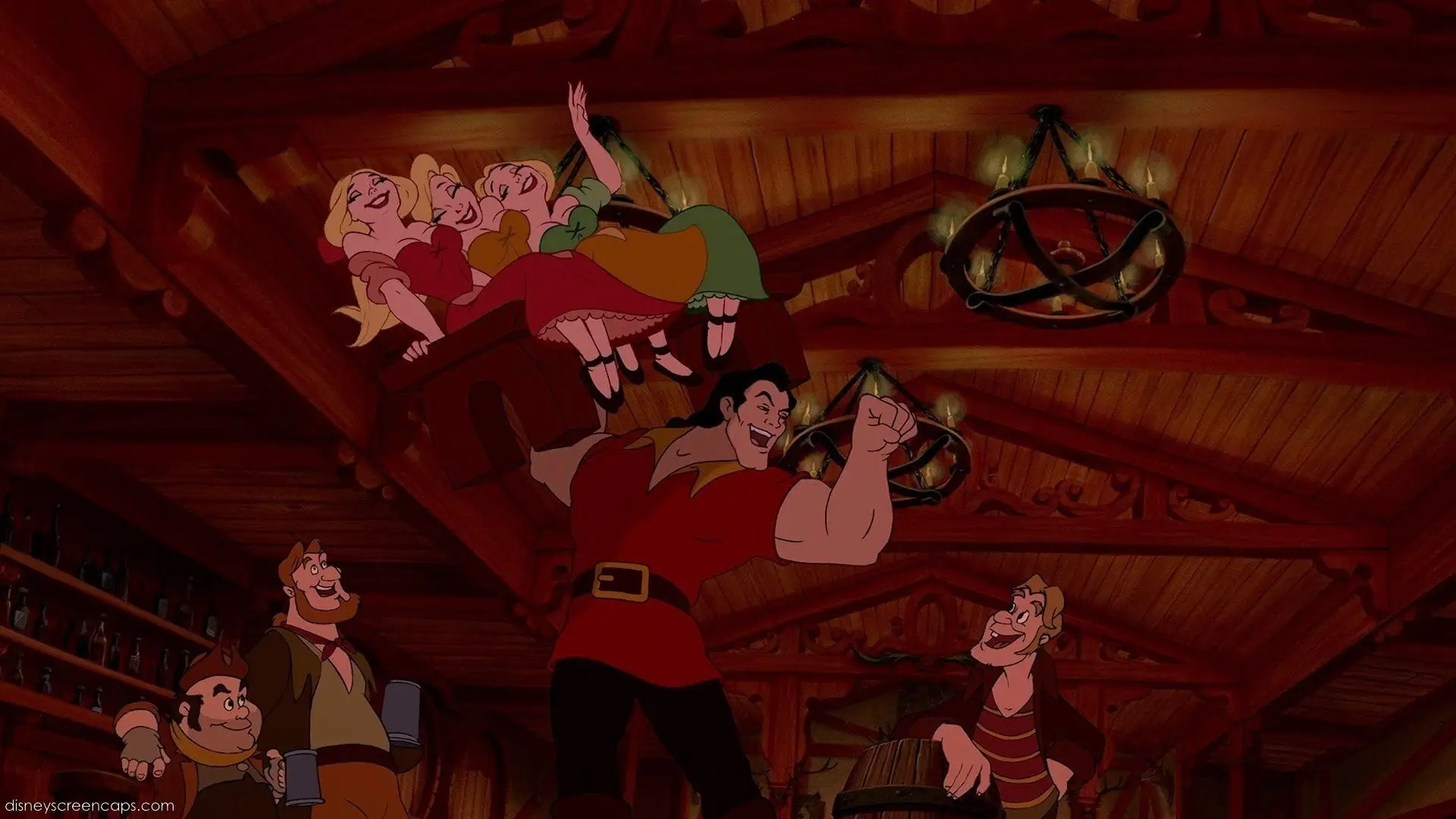
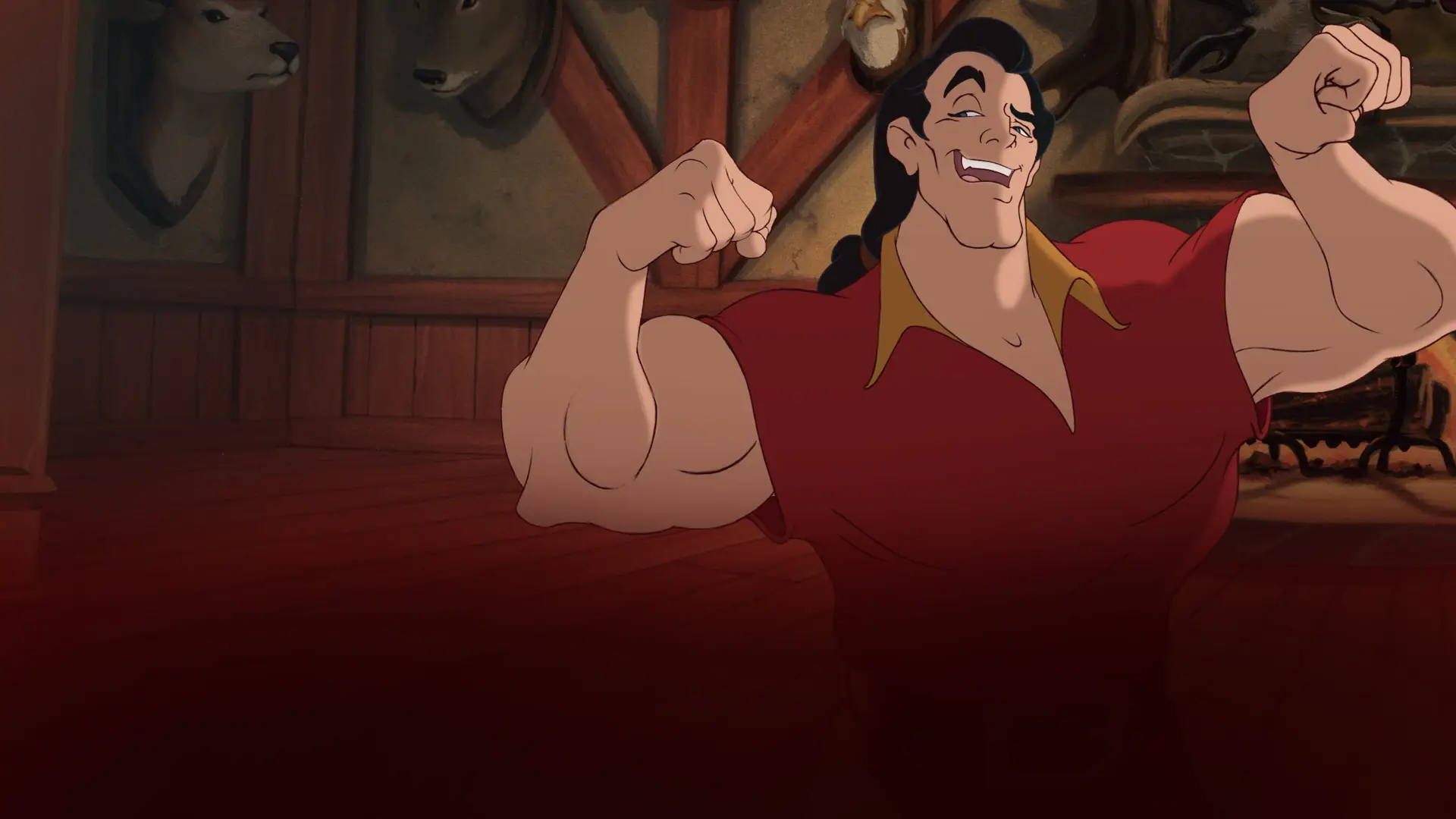
  • Gaston was supposed to be short and old, but the authors decided to revise him and made him look exactly like the actor who voiced him—Richard White.
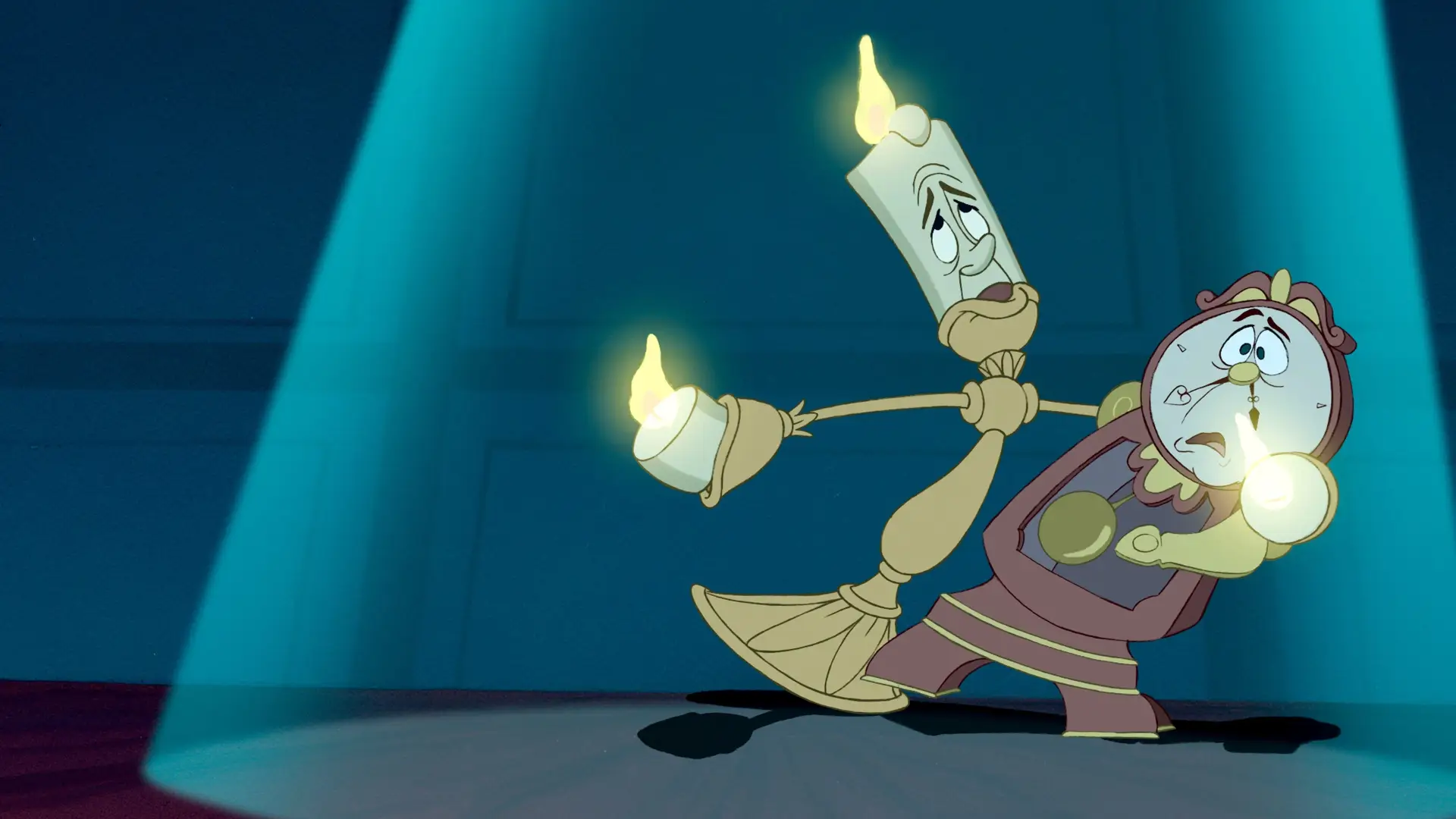
  • Belle means 'beautiful' in French, Gaston means 'handsome,' Lefou means 'fool,' Lumière means 'light,' and Cogsworth means 'clock.'
  • The Beast cannot read; originally, there was a scene in the film where Belle teaches him to read, but it was cut, and only a frame remains showing Belle and the Beast looking at a book together.
  • The illustration in the book Belle is flipping through while sitting on the fountain is from Andrew Lang's 'Blue Fairy Book,' for the tale 'Beauty and the Beast.'
  • Originally, the 'cute' character in the cartoon was supposed to be a music box, which was to be a musical version of Dopey from 'Snow White and the Seven Dwarfs' (1937). But when Chip's role was expanded, the idea of the music box was revised. However, you can briefly see the music box on the table next to Lumière before the battle scene between the enchanted objects and the villagers in the Beast’s castle.
  • Cogsworth's line, "Flowers, chocolates, promises you can't keep...", was an improvisation by David Ogden Stiers.
  • The film was nominated for the Academy Award for Best Picture, but lost to *The Silence of the Lambs* (1990). However, it was the first animated film to win the Golden Globe Award for Best Motion Picture – Musical or Comedy, and the first Walt Disney Pictures film to receive such an award since *Mary Poppins* (1964).
  • The first animated film to win an Emmy Award for Outstanding Animated Program.
  • The song sung by the enchanted objects, titled "Human Again," was cut from the film. The song was later added to Disney on Ice shows and stage productions, and was also re-recorded and animated for the film's 2002 IMAX reissue. It was also added to the Platinum Edition release on October 8, 2002, slightly lengthening the film.
  • Artist Brian McEntee highlighted Belle with color, as she is the only one in town who wears blue clothing. This symbolizes how different she is from everyone around her. Later, she meets the Beast, and he also wears blue clothing. In the film, blue symbolizes good, and red symbolizes evil (Gaston wears a red shirt).
  • While creating the song "You Are Our Guest", Alan Menken came up with musical sketches for Howard Ashman to write lyrics to. Later, Alan decided that these initial melodies were much better than anything he could compose, and they ultimately became the final version of the song.
  • The computer technology intended for use in the rooftop fight scene and the forest chase, due to its primitiveness, was only used for the ballroom scenes. And even for this scene, the creators had a backup strategy, which they call the Ice Capades version (where the focus is on two characters against a black background).
  • In the French release, Cogsworth was named Big Ben, referring to the famous London clock. The actual name of this landmark is "Elizabeth Tower", and Big Ben is actually the name of the largest bell in the tower.
  • This was the first Disney animated film for which the screenplay was fully written before animation began. In previous films, there were initially only plot outlines that were refined during the animation process. Several previous films went significantly over budget due to this approach, because animators had to spend a lot of time and effort fixing scenes that were deemed unsuitable for the film at the last moment. Ultimately, the producers realized they could save a considerable amount of money by having a completed script first.
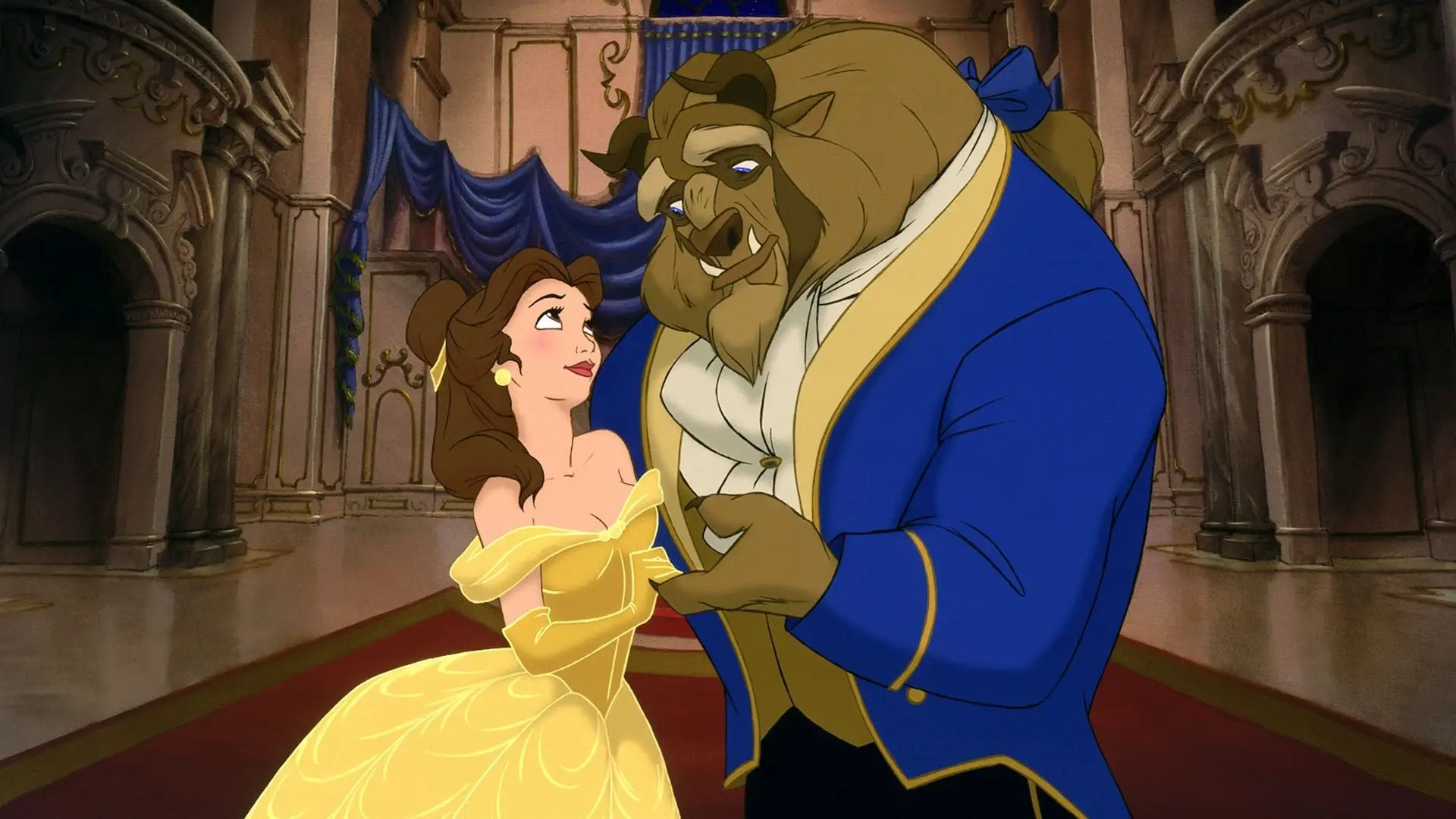
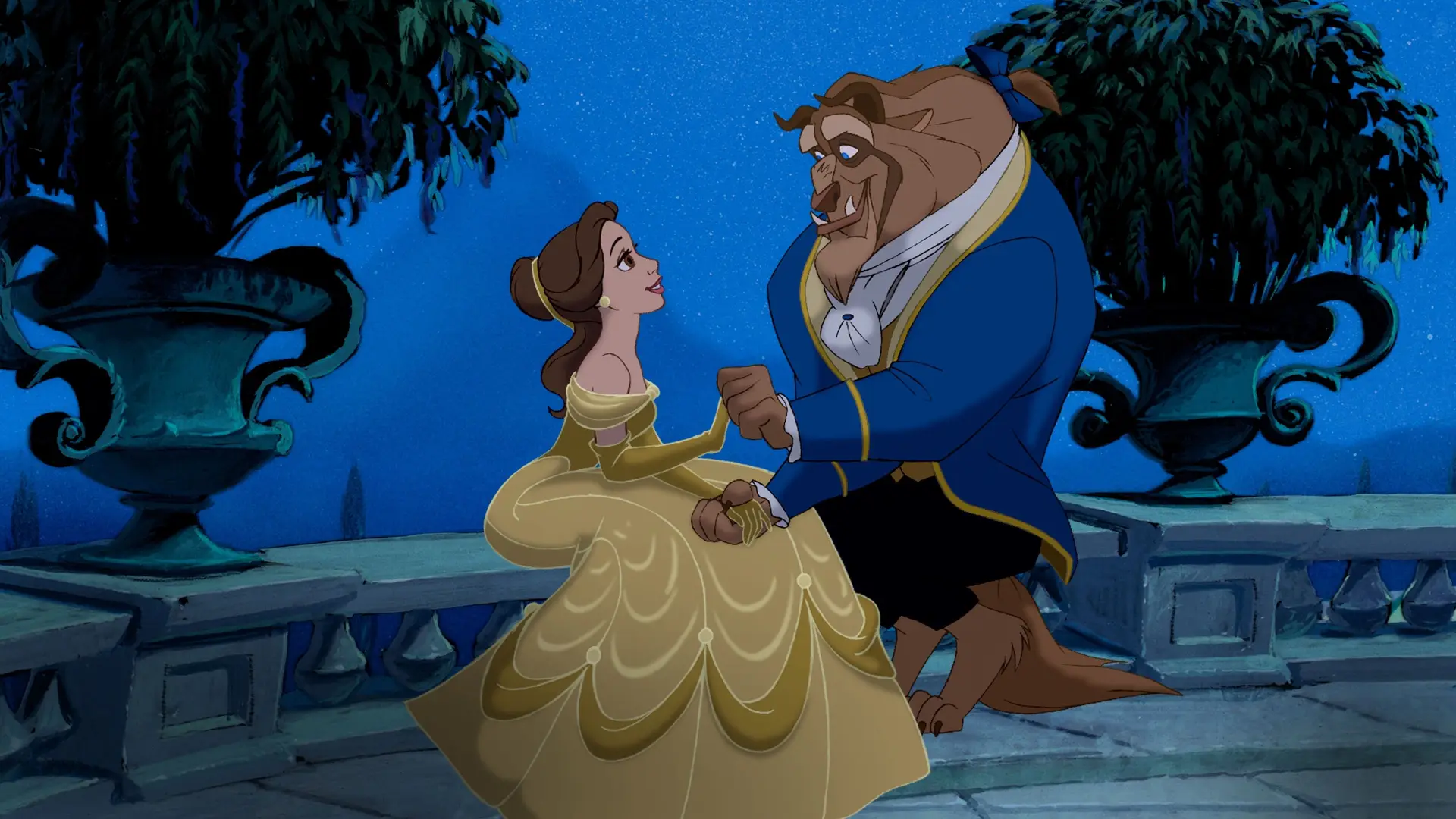
  • Belle and her prince's dance in the film's finale is actually a repeat of the dance between Princess Aurora and Prince Phillip in "Sleeping Beauty" (1959). Animators simply redrew Belle and the prince over the original couple from "Sleeping Beauty" and did so due to a lack of time to produce the film.
  • Both in the 1930s and the 1950s, Walt Disney Studios attempted to turn the story of "Beauty and the Beast" into a full-length film, but each time the project was postponed. It wasn't until after the film "The Little Mermaid" (1989) became very successful that they decided to tackle the project for the third time.
  • This is the second animated film from Disney to fully utilize their own CAPS (Computer Animation Production System) animation system. The first film was "The Rescuers Down Under" (1990).
  • Angela Lansbury, who voiced Mrs. Potts, believed that another character would have been better suited to sing the ballad "Beauty and the Beast." The director asked her to make one recording as a backup, in case nothing else worked out, and that recording ultimately made it into the film.
  • This was the first Disney film to use fully processed and painted 3D CGI moving backgrounds combined with traditional character animation. This technology was further expanded in the short film "Runaway Brain" (1992) and later in "Aladdin" (1992).
  • A preview of the film took place at the New York Film Festival in September 1991 as an "unfinished film." Only about 70 percent of the material had been processed in color. The remaining 30 percent consisted of storyboards, rough pencil test animation, and test computer animation of the ballroom scene. This was the first time Disney Studios had done such a large-scale preview of an unfinished film. There were concerns within the studio that an audience consisting only of adults might think poorly of such a version of the film. But according to producer Don Hahn, the entire audience gave a standing ovation.
  • Julie Andrews was considered for the role of Mrs. Potts.
  • Among the trophy heads in Gaston's tavern, you can notice a frog's head. A bald eagle can be seen when it jumps onto a chair during its song.
  • The smoke that appears during the Beast's transformation into the Prince is actually real, not animated. It was first used in the film "The Black Cauldron" (1985).
  • Linda Woolverton drew her inspiration for writing the screenplay not from Jean Cocteau's "Beauty and the Beast" (1946), but from "Little Women" (1933), which is why Belle's character has distinctive features of Katharine Hepburn.
  • Many of the paintings on the walls of the castle are simplified versions of famous paintings by artists such as Vermeer, Rembrandt, and Goya.
  • The artists who worked on the film traveled to the Loire Valley in France for inspiration and studied the great painters of French Rococo in the 18th century (such as Fragonard and Boucher).
  • The idea of transforming enchanted objects into living creatures with unique personalities came to producer Howard Ashman.
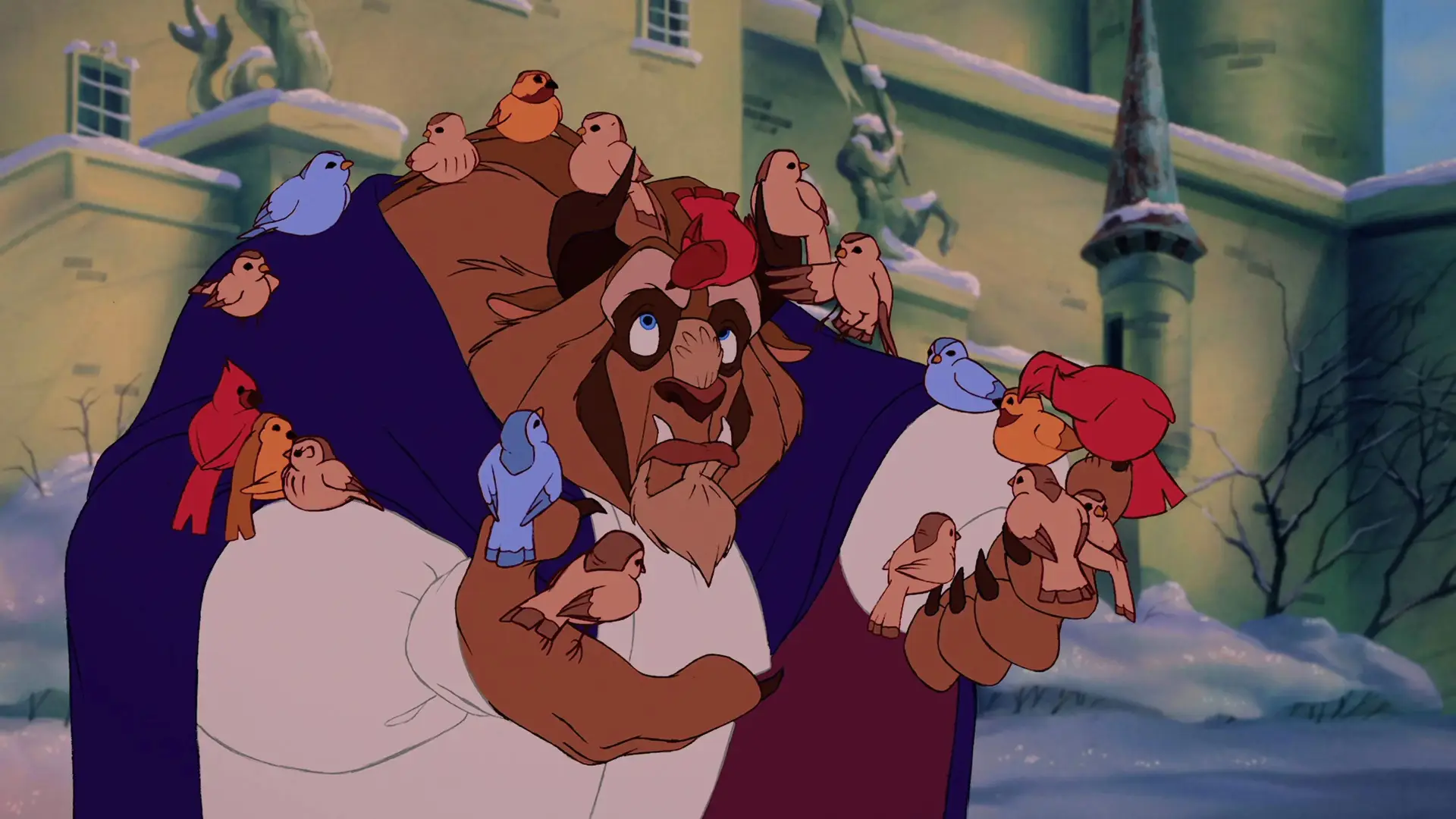
  • Glen Keane, the supervising animator for the Beast, created its hybrid model by combining a lion's mane, a beard and head structure from a buffalo, the tusks and snout of a wild boar, a gorilla's muscular forehead, the legs and tail of a wolf, and the large, bulky body of a bear. Only its blue eyes do not change when it transforms into a human.
  • The "Wilhelm scream" can be heard when a peasant is thrown through the front door during the attack on the castle.
  • The songs take up 25 minutes of the film, and only five minutes of the film have no musical accompaniment at all.
  • 370 people participated in the making of the film, 43 of whom were animators.
  • The film uses 1295 painted backgrounds and 120,000 drawings.
  • A caricature of the directors, Kirk Wise and Gary Trousdale, can be seen in the scene where Belle is given a book as a gift. As she leaves the shop, three men pretend they weren't peeking in the window, and then they sing: “What a strange and ethereal…”. They are the two men on either side of the fair-haired, stout man.
  • Robbie Benson’s voice was altered with the roars of real panthers and lions, making him almost unrecognizable. That is why his voice changes so dramatically when the Beast transforms into the Prince.
  • This is the first Disney animated film to feature the main musical theme of the film playing during the end credits, reworked and sung as a genuine pop track.
  • This film is dedicated to lyricist Howard Ashman, who died before the film was completed. The end credits read: "For our friend Howard, who gave the mermaid her voice and the beast his soul, we will be eternally grateful to you."
  • Storyboards were created for many scenes, but they were never animated. These included a scene where Gaston visits a mental institution, and a scene where the Beast drags the carcass of an animal he killed. Both scenes were deemed too frightening for the film and were cut.
  • Most of the sculptures in the castle are various early versions of the Beast.
  • Originally, Disney Studios intended to cast Jodi Benson, who voiced Ariel in 'The Little Mermaid' (1989), as Belle. However, it was decided that Belle's voice should be more "European." Howard Ashman remembered his collaboration with Paige O'Hara and suggested she audition for the role.
  • All of Tony Jay's lines (the asylum attendant) were recorded during his audition. Thanks to this minor role, he was given the opportunity to voice Judge Claude Frollo in 'The Hunchback of Notre Dame' (1996).
  • Due to filming in the series «Star Trek: The Next Generation» (1987-1994), Patrick Stewart had to decline the role of Cogsworth.
  • This was the first Disney animated film to be dubbed in Spain. Previously, dubbing for the Spanish market was done in Puerto Rico.
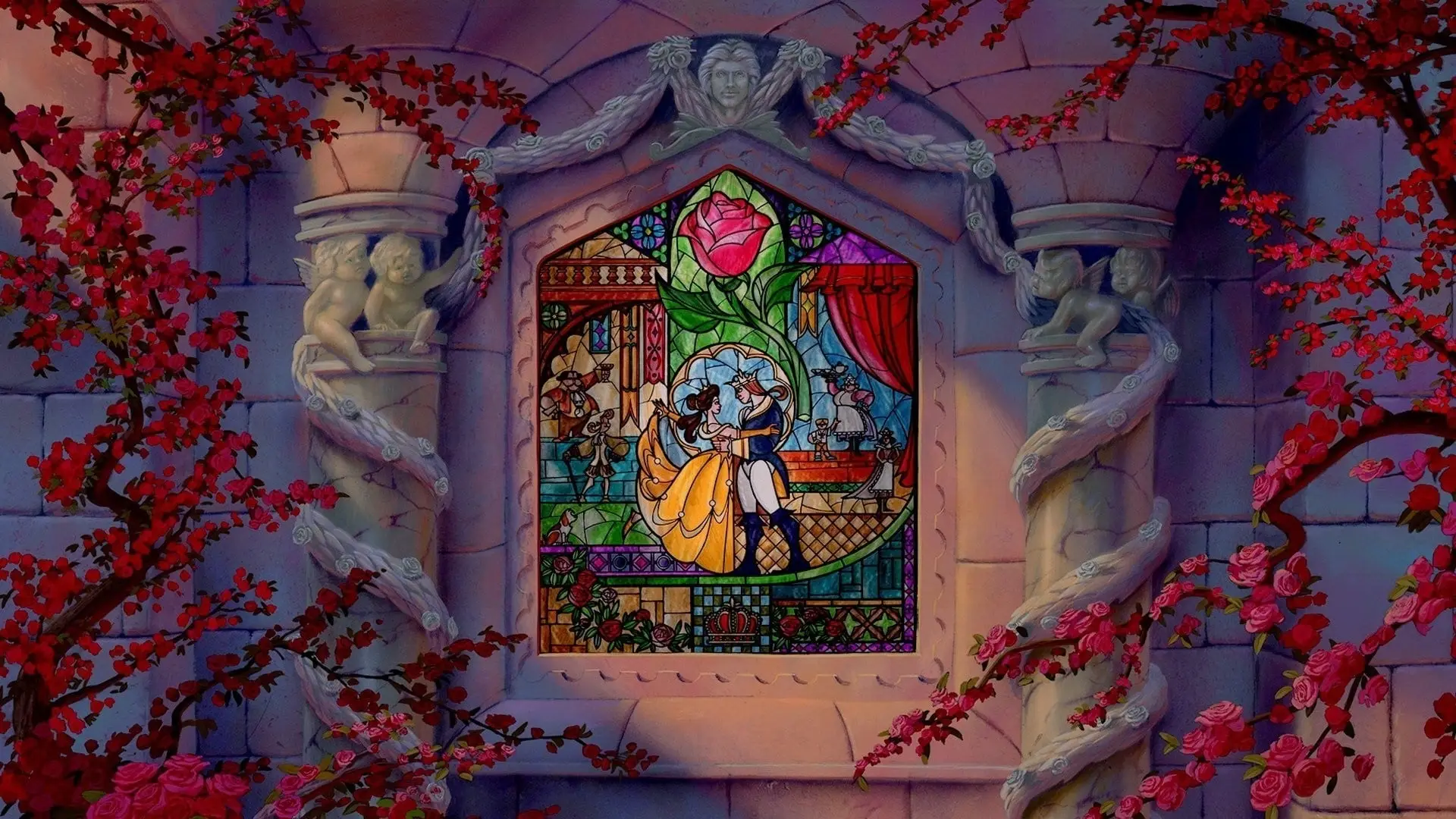
  • The stained glass window shown at the very end of the film was built at Disneyland after the film's release.
  • On April 18, 1994, the Broadway musical «Beauty and the Beast» starring Terrence Mann, Susan Egan, and Tom Bosley premiered at the Palace Theater. Having played 5461 performances by July 29, 2007, it ranked seventh among the longest-running Broadway productions (2010) and won the Tony Award for Best Musical in 1994.
  • In June 2008, the film received seventh place on the American Film Institute's list of the 10 greatest animated films.
  • Jerry Orbach tried to make Lumière's voice sound like Maurice Chevalier's.
  • Almost all of the film's actors are Broadway musical stars, and Disney made it that way hoping that theatrical creditors would be able to finance a future Broadway production of the film.
  • Until the 2009 Disney/Pixar film *Up* was nominated in 2010, it was the only film to be nominated for the Academy Award for Best Picture.
  • Disney's thirtieth animated feature film.
  • Rupert Everett auditioned for the role of Gaston, but the directors said his voice didn't sound arrogant enough. He recalled the remark when voicing Prince Charming in *Shrek 2* (2004).
  • The library in the Beast's castle bears a strong resemblance to the Oval Reading Room in the Richelieu building of the National Library of France in Paris.
  • Initially, the song 'Be Our Guest' was intended to be performed for Maurice, not Belle. However, Bruce Woodsides noted that the song was out of place because Maurice was not the main character, and it didn't make sense to waste such a wonderful song on a secondary character.
  • When Gaston prepares to kill the Beast, he sings 'Screw your courage to the sticking place' in the original, a reference to William Shakespeare's play 'Macbeth'.
  • The film was originally intended to be more similar to the original French fairy tale, which is more sinister and dark than the film, but after Alan Menken and Howard Ashman joined the project, this idea was abandoned.
  • Although his true name is never mentioned, after the release of the game (The D Show) based on the film, it was revealed that the Beast's real name is Prince Adam.
  • The first stained-glass window in the prologue features a Latin inscription, "vincit qui se vincit," which means, "He conquers who conquers himself."
  • By the time Alan Menken and Howard Ashman received the Oscar for Best Original Song for the film (for their song from "Beauty and the Beast" in 1991), Ashman had already passed away. His closest friend, Bill Lauch, accepted the award on his behalf.
  • Rob Minkoff was going to direct this film, but the studio refused him because he wanted full "creative control."
  • Jesse Corti also voiced LeFou in the Spanish dub of the film.
  • For the song "Gaston," Howard Ashman wrote far more lyrics than were needed, so some of the lyrics were cut in the final version of the film. However, the full lyrics were used in the Broadway musical.
  • Initially, Disney Studios wanted Richard Williams, who had just finished his work on "Who Framed Roger Rabbit" (1988), to direct the film. Williams declined the offer to continue working on "The Princess and the Cobbler" (1993), but suggested Richard Purdum instead. However, Purdum wanted to film the movie as closely as possible to the original fairy tale, making it darker and without musical numbers. Dissatisfied with the idea of the original story, Jeffrey Katzenberg turned to Alan Menken and Howard Ashman, who had just finished their work on "The Little Mermaid" (1989), and asked them to write songs and share their vision for the story. Purdum left the project at the end of 1989, feeling that it was no longer the film he wanted to make. The opening scenes he created can be seen in the bonus materials on the 2010 Diamond Edition DVD/Blu-Ray release.
  • The prologue states that the rose will bloom until the prince turns 21. Later, in the song "Be Our Guest," Lumière sings, "For ten years we've been rusting, covered in mold..." Therefore, if the castle has been enchanted for 10 years, and the prince is now 21, he was 11 years old when he met the enchantress.
  • The role of Cogsworth was written specifically for John Cleese, but he turned it down.
  • If you look closely at the page of the book Belle is holding while sitting by the fountain, you can see that under the illustration it says "le prince de charmont." This can be translated from French as "The handsome prince."
  • In the original version of Gabrielle-Suzanne Barbot de Villeneuve's tale, "Beauty and the Beast," the prince was transformed into a beast not because he was selfish and unfriendly, but because he did not want to marry at the insistence of his godmother, an evil fairy. Furthermore, Beauty's task was not to understand his temperament, but his foolishness, because in the form of a beast he could not utter two words.
  • David Ogden Stiers (the voice of Cogsworth) originally auditioned for the role of Lumière.
  • The film contains a hidden symbol of classic Disney Mickey when Gaston and company are chopping down a tree; next to the felled tree are three drops of water that form an inverted Mickey head. Additionally, three stones at the roots to the left of the cottage at the beginning of the film also form an inverted Mickey head symbol.
  • Out of the three animated films nominated for 'Best Picture', this film is the only one traditionally hand-drawn. Furthermore, it is the only animated film to have been nominated simultaneously in four other categories (while 'Up' (2009) received 9 nominations and 'Toy Story 3' (2010) received 8). It is also the only animated film nominated for 'Best Picture' that was not nominated for 'Best Animated Feature', as that category did not exist at the time.
  • Ron Clements and John Musker declined the opportunity to work on this project, citing fatigue from working on 'The Little Mermaid' (1989).
  • When Gaston falls at the very end, his eyes are shown in close-up. During this moment, in several frames in each of his eyes, a tiny skull flashes. These frames were only in theatrical releases and the DVD release, and were not present on VHS or laserdisc editions. Disney claims that these skulls provide certainty about Gaston's fate, in case viewers remain unsure whether he died at the end or not.
  • Alan Menken composed two different musical pieces for the scene of the Beast's death. The initial version (which ultimately became part of the musical accompaniment to the Beast's transformation scene) was considered too cheerful, and Alan Menken revised it.
  • Initially, Gaston was supposed to stab the Beast twice with a knife: once in the leg and a second time in the side. After which, Gaston himself would jump from the tower, laughing maniacally as he fell. The filmmakers decided to change this moment so that the scene would not be too disturbing for children. And Gaston's "corrected suicide" became the best explanation for why he chose such a dangerous position to kill the Beast, despite knowing he would never win the Beauty's heart.
  • The character of Gaston did not appear in the original tale of Beauty and the Beast. He was most likely modeled after the antagonist from the 1946 film *Beauty and the Beast*. There, Avenant was in love with Belle and tried to kill the Beast after learning of Belle’s love for him, and Avenant ultimately died. It is known that a sequel with a villain named Avenant (Gaston's younger brother, who decided to avenge him) was planned for the Disney film, but the project was later revised, and instead, *Beauty and the Beast: The Enchanted Christmas* (1997) was made.
  • Glen Keane was thrilled with the transformation scene and said it would be the best moment in his career as an animator. He specifically requested that this scene be animated last, to "save the best for last." He had only two weeks on the schedule to complete the animation. He went to producer Don Hahn and asked him to extend the deadline because he wanted to make everything perfect. Hahn told him not to worry about the schedule and to take as much time as he needed to do the scene.
  • Paige O'Hara genuinely cried while recording Belle's sobs when she mourned the slain Beast. Her performance was so powerful that the director asked if she was alright, to which O'Hara immediately broke character and said, “I’m acting!”
  • In the initial version of Gaston's death, it was supposed that he would survive the fall from the fortress, breaking his leg, and then be killed by wolves. This part of the script was later used in the film «The Lion King» (1994).
  • The cartoon has an alternative ending in which the Beast does not turn into a human.
  • In the film, the orchestra plays “Bridal Chorus” (more commonly known as Here Comes the Bride), composed by Richard Wagner. Wagner composed this piece in the mid-19th century. The events of the film take place in the mid-18th century. The “Bridal Chorus” was not performed anywhere except Germany until the beginning of the 20th century.
  • There is a hint of France in the song “Be Our Guest.” A kind of Eiffel Tower is shown, which did not yet exist at that time.
  • Before proposing to Belle, Gaston takes off his shoes. But when he walks around the house, the sound of footsteps is heard as if he is wearing boots.
  • During the battle scene between Gaston and the Beast, Gaston says the words “Belle is mine!”, but his lips form something else. This is likely because he was originally supposed to say the phrase “Time to die!”, but the screenwriters changed the line to emphasize the importance of Belle in this scene.
  • When Belle continues her song at the top of the hill, Philippe appears and interrupts her. Belle says “Philippe!”, but judging by the movement of her lips, a different line of dialogue was intended.
  • At the end of the song “Gaston,” female voices can be heard. But the only women there are Gaston’s three admirers, and their faces are frozen in radiant smiles. So it’s unclear how they could be singing at that moment.
  • When the Beast fights the wolves, the sound of tearing fabric can be heard several times, presumably implying that the animals are ripping his cloak. However, as soon as the fight is over and Belle is left alone with the Beast, there are no signs of damage to his cloak.
  • When Cogsworth gives Belle a tour of the castle for the first time, he asks her to pay attention to the supports above, but the supports he is talking about are outside the castle, not inside.
  • When Gaston tries to kiss Belle, she opens the door, and Gaston falls into the mud in front of the house. But Belle's front door opens onto a porch, and there is no mud there.
  • When Belle first enters the dungeon, her father reaches through the middle space in the door grating. In a close-up, his hand is extended through the leftmost space.
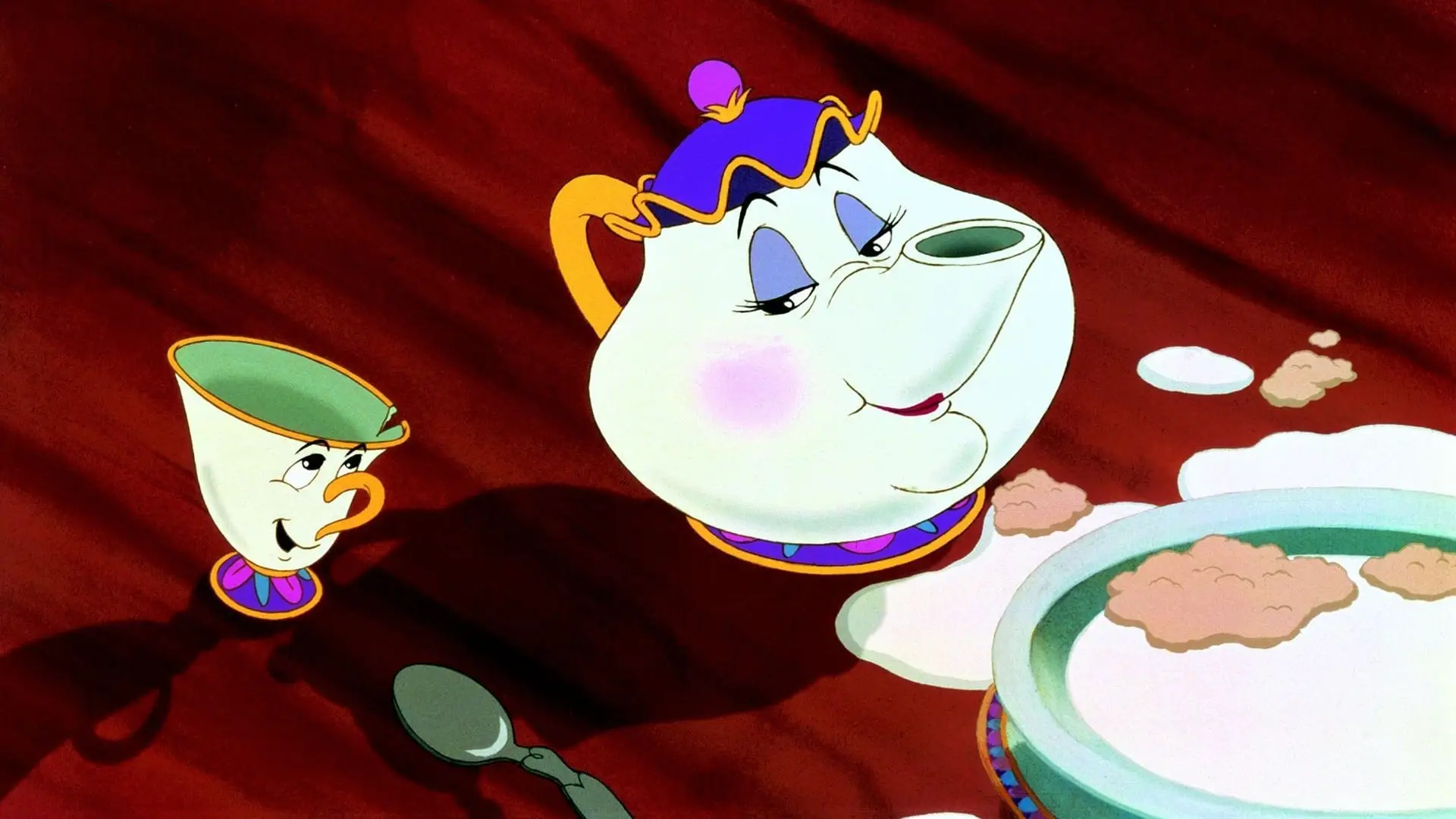
  • When Mrs. Potts rides past Cogsworth to give Maurice tea, she, Chip, the sugar bowl, and the cream jug are riding on a cart. However, when the cart stops by the chair, only she and Chip are there. Then, when Maurice talks to Chip, a teaspoon appears on the cart.
  • Right before the moment Gaston begins to sing the song “Kill the Beast,” when he is talking to the villagers, their number sharply increases from a few people to a large crowd. And initially they are standing somewhere in the distance, and then suddenly move closer, forming a circle.
  • After the song “Gaston,” the bear skin rug is first located behind the chair, and in the next frame it is already under the chair.
  • After Gaston shoots the bird, Lefou puts it in his hunting bag, but then the bag disappears when he goes to pick up the large carcass.
  • During the song "Gaston," his chair, which is standing near the fireplace, disappears during close-ups.
  • When Belle's father is about to be taken to the asylum, Belle's white apron disappears and then reappears a few seconds later.
  • When Lefou is chasing the footstool, he is missing one boot, which is near the footstool (enchanted dog). But when Lefou and his friends burst through the door, he is wearing both of his boots. And when they then run away in panic, he is again wearing only one boot.
  • When the Beast slams the door to the West Wing in anger at Belle's refusal to leave her room, a piece of plaster falls on Lumière, Cogsworth, and Mrs. Potts, crumbling around them. In the next shot, there is no trace of the fallen plaster.
  • When Cogsworth falls down the stairs, all sorts of screws, springs, and gears fall out of him, and in the next frame, they all disappear.
  • In the scene where Belle approaches the Beast's castle for the first time, her hood is down. And in the subsequent close-up, it's raised.
  • In the special edition of the film, at 1 hour 3 minutes, Mrs. Potts' eyes turn black for a second, and then back to blue.
  • When Lumière first greets Belle, he kisses her hand. Immediately after the kiss, you can see that the candle, which serves as his right hand, is not lit, although it had been lit before and immediately after that moment.
  • When Belle and the Beast have breakfast together, before the Beast takes the spoon, you can see that his entire face is covered in food. When he takes the spoon, his face is clean, then he tries to eat with the spoon and gets messy again. Ultimately, when he eats directly from the plate, like Belle, his face is clean again.
  • Belle's nails disappear and reappear several times throughout the film.
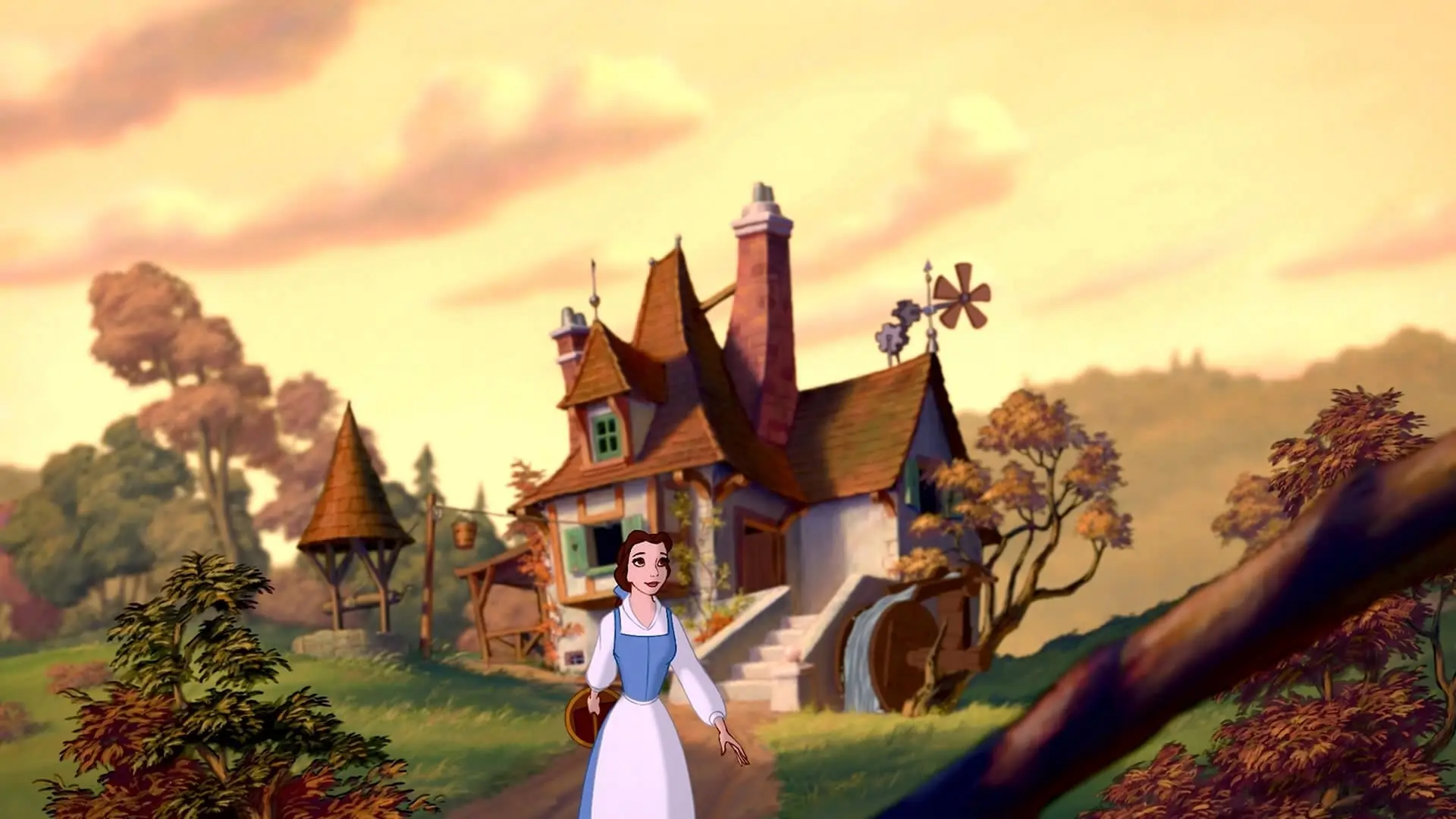
  • At the beginning of the film, before Belle starts to sing, you can notice steps leading down to the path into the village. But when Gaston comes to propose, those same steps lead to the barn. And later, when Gaston and the others come to take Maurice to the asylum, the steps face directly towards the village.
  • During the song “Gaston,” Gaston himself eats an entire bowl of eggs, after which Lefou attempts to repeat the trick. Then, when Gaston fires a rifle, a full bowl of eggs reappears on the counter.
  • When the Beast transforms back into the prince, there is a large hole in his right sleeve that disappears and reappears.
  • The three blonde women infatuated with Gaston have three different hairstyles during both the song “Belle” and the song “Gaston.” But at the very end of the song “Gaston,” these hairstyles become identical.
  • In the scene where Gaston and Lefou are talking to the owner of the insane asylum, Gaston shoves Lefou so hard that his face gets stuck in a beer stein. When he manages to remove it, the splash of beer reveals that the stein was half-full. But then Gaston is about to hit him again, and Lefou covers his head, turning the stein upside down. And it turns out it's empty.
  • In the scene where the Beast watches Belle from the balcony, during a panoramic shot, her dress appears to be blue. However, in a close-up, it is green.
  • In Belle's room (in the Beast's castle), the appearance of the doors changes when she opens them at the knock of Mrs. Potts.
  • During the fight with Gaston, the Beast's trousers rip. When the Beast transforms into the Prince, a close-up shows his legs changing, and the trousers are no longer torn. But in the next scene, they are ripped again.
  • When Maurice sets out to rescue Belle, he wedges a long stocking under the door. It's visible under the door in the next scene, but as soon as Gaston throws open the door, the stocking disappears as if it were never there.
  • After the dance, when Belle and the Beast are sitting on the balcony, immediately after Belle says, "If only I could see my father. Just for a moment. I miss him so much," you can notice the Beast's right horn sliding on his head.
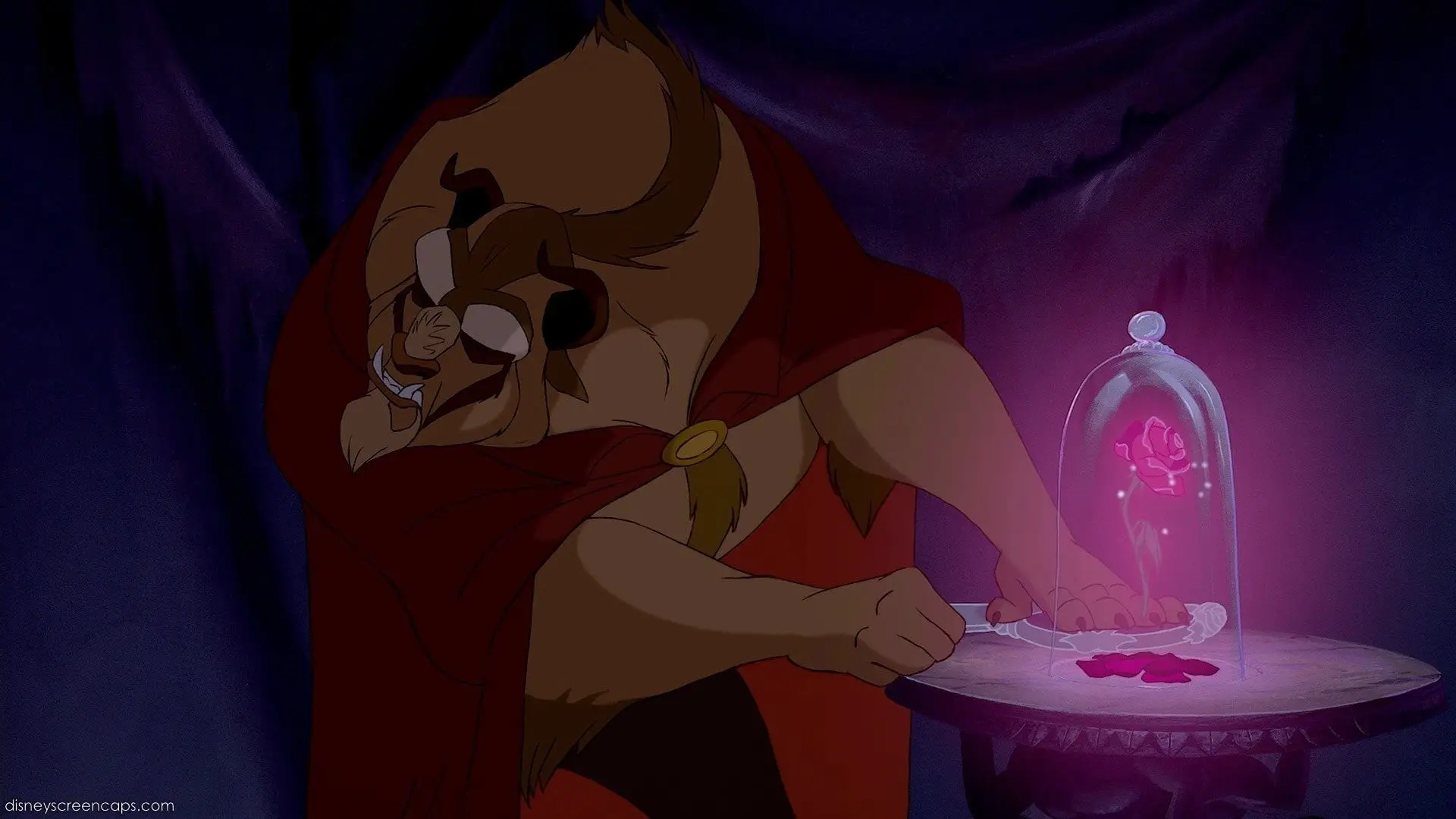
  • The scratch the Beast makes on his portrait changes direction and position throughout the film.
  • During the final battle, when Cogsworth comes to save Lumière from Lefou, he is holding a pistol, but in the next shot the pistol disappears.
  • When Belle brings her father home after finding him in the forest, Philippe (the horse) is eating grass. Given the context, it can be understood that it is winter at this point, and the grass is unlikely to be appetizing for a horse at that time of year.
  • Chip's reflection on the floor does not show a mouth.
  • After the Beast saves Belle from the wolves, they return to the castle, and Belle tries to heal the Beast's hand. Three scratches are clearly visible on his hand in the shots where she attempts to apply a towel to it, as they begin to argue, but then, in a close-up, there are already four.
  • During the song “Kill the Beast,” when Gaston begins to sing to Lefou, the mirror is not visible, although at the beginning of this scene it is noticeable how he pulls it out from behind his belt.
  • When Gaston tries to kiss Belle, she opens the door and he falls into the mud. This indicates that the door opens outwards. In the next scene and all subsequent ones, the door opens inwards.
  • When the Beast first brings Belle to her room, a rose lies at the foot of her bed. Then, when Mrs. Potts meets her to offer tea, the rose is no longer there.
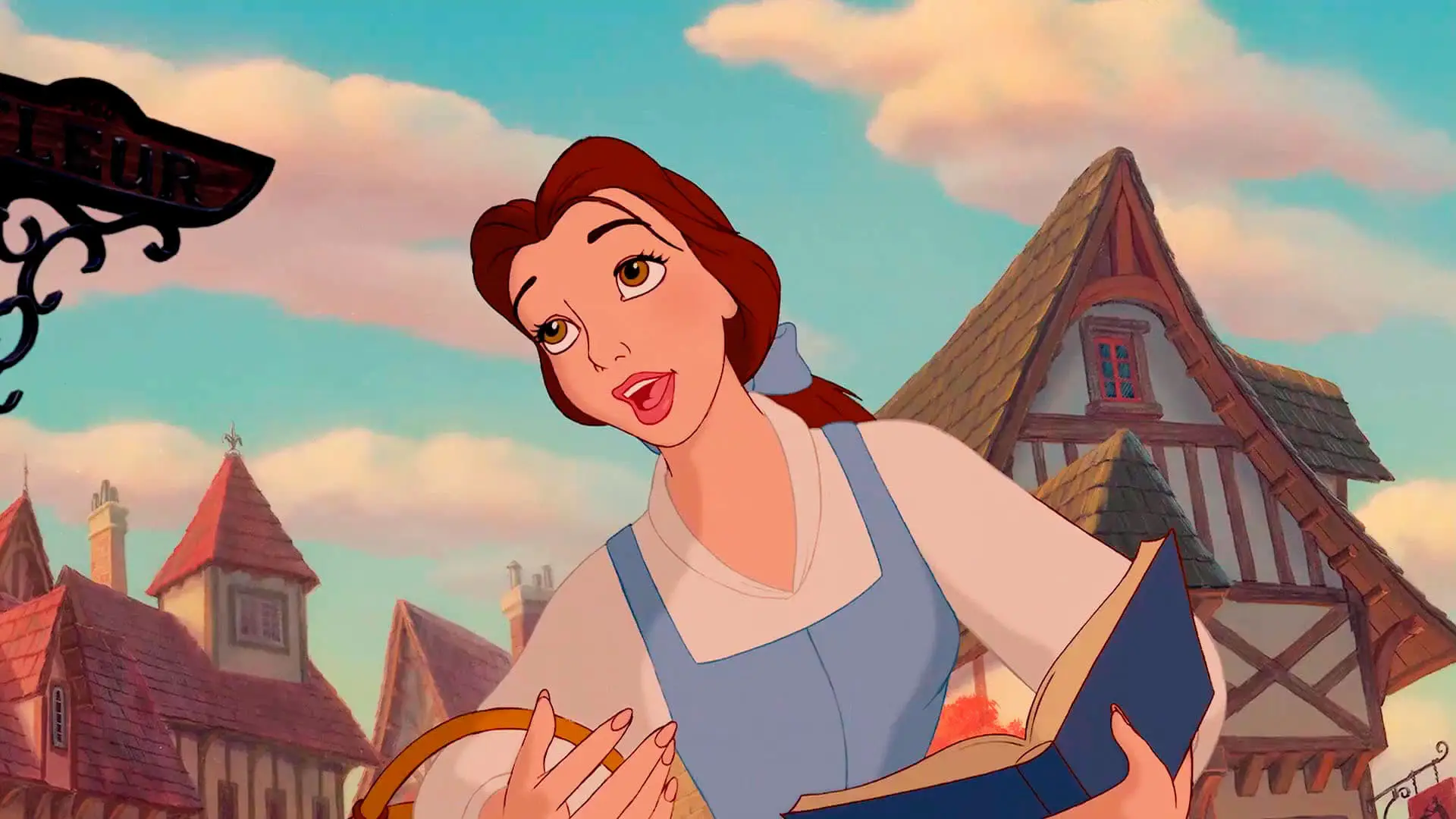
  • During Belle's opening song, as she walks to the bookstore, the book she is carrying changes color. It is first red, then blue (when the book is in the basket), then red again. The basket in her hands also disappears and reappears at different moments in the song.
  • Midway through the opening song, Belle shows a bird struck by an arrow, falling to the ground. Lefou picks it up and carries it to Gaston, who is standing holding not a bow, but a smoking musket, implying that he shot the bird with it.
  • When Belle sings by the fountain, an open book with an illustration of a prince and princess is shown. Later, after this song, Gaston takes her book, flips through it, and says, “How do you read it? There aren’t any pictures in it.”
  • In the opening song, it can be noticed that Lefou is carrying a bundle of furs, one of which has a tail striped with black and gray rings, like a raccoon. However, the film takes place in France, while raccoons are native to North America.
  • In the opening song, one can pay attention to the windmill on the house. It consists of two gears rotating in opposite directions, and yet the mill somehow still works.
  • The film mentions several times that Belle and Maurice were locked in the dungeon, but, as the Beast correctly pointed out, they were locked in the tower. The dungeon would be in the basement, while Belle had to climb several flights of stairs to reach her father.
  • Phillip (the horse) throws Maurice into the forest before Maurice finds the castle. Later, Phillip himself brings Belle to the castle. But this is illogical, as he hadn't been there before. On the other hand, Maurice returns to the village mid-film and somehow gets lost when trying to return to the castle, even though he had already been there (though after Phillip threw him, he ran from wolves for the rest of the way). Later in the film, Gaston and his henchmen easily find the castle, despite never having been there (however, Gaston has a magic mirror). But perhaps the biggest plot hole is the fact that none of the villagers have ever heard of this hidden kingdom located in the nearby forest.
  • On April 18, 1994, the Broadway musical "Beauty and the Beast" premiered at the Palace Theater, starring Terrence Mann, Susan Egan, and Tom Bosley. After 5461 performances by July 29, 2007, it ranked seventh among the longest-running Broadway productions (2010) and won the Tony Award for Best Musical in 1994.
  • Sherry Stoner, the screenwriter for "Tiny Toon Adventures" (1990-1992), was used as a model for Belle; Belle also inherited her habit of adjusting her hair, and from Ariel ("The Little Mermaid" (1989))—the habit of biting her lower lip.
  • Initially, the “cute” character in the cartoon was intended to be a music box, which was to be a musical version of Dopey from “Snow White and the Seven Dwarfs” (1937). But when Chip’s role was expanded, the idea of the music box was revised. However, you can notice the music box appearing for a moment on the table next to Lumière before the battle scene between the enchanted objects and the villagers in the Beast's castle.
  • The song sung by the enchanted objects, titled “Human Again,” was removed from the film. The song was later added to Disney on Ice shows and stage productions, and was also recorded and animated for the 2002 IMAX re-release of the film. It was also added to the Platinum Edition version, released on October 8, 2002, slightly lengthening the film.
  • While creating the song “Be Our Guest,” Alan Menken came up with musical sketches for Howard Ashman to write lyrics to. Later, Alan decided that these initial melodies were much better than anything he could compose, and they ultimately became the final version of the song.
  • In the French release, Cogsworth was named Big Ben, referring to the famous London clock. The actual name of this landmark is Elizabeth Tower, and Big Ben is actually the name of the largest bell in the tower.
  • The dance between Belle and her prince in the film’s finale is actually a repeat of the dance between Princess Aurora and Prince Phillip in “Sleeping Beauty” (1959). Animators simply drew Belle and the Prince over the original pair from “Sleeping Beauty” and did so due to a lack of time to produce the film.
  • Both in the 1930s and 1950s, Walt Disney Studios attempted to turn the story of "Beauty and the Beast" into a full-length film, but each time the project was postponed. It wasn't until after the film "The Little Mermaid" (1989) became very successful that they decided to tackle the project for the third time.
  • This is the second animated film from Disney Studios to fully utilize its own CAPS (Computer Animation Production System) animation system. The first film was "The Rescuers Down Under" (1990).
  • Angela Lansbury, who voiced Mrs. Potts, believed that another performer would have been better suited to sing the ballad "Beauty and the Beast." The director asked her to make one recording as a backup, in case nothing else worked, and that recording ultimately ended up in the film.
  • This was the first Disney film to use fully processed and painted 3D CGI moving backgrounds combined with traditional character animation. This technology was further developed in the short film "Mad Dog McCree" (1992) and later in the film "Aladdin" (1992).
  • A preview of the film was held at the New York Film Festival in September 1991 as an "unfinished film." Only about 70 percent of the footage had been processed in color. The remaining 30 percent consisted of storyboards, rough test pencil animation, and test computer animation of the ballroom scene. This was the first time Disney Studios had done such a large-scale preview of an unfinished film. There were concerns within the studio that an audience consisting solely of adults might think little of such a version of the film. But according to producer Don Hahn, the entire audience gave a standing ovation.
  • The smoke that appears during the monster's transformation into a prince is actually real, not animated. It was first used in the film 'The Black Cauldron' (1985).
  • Linda Woolverton drew her inspiration for writing the screenplay not from Jean Cocteau's 'Beauty and the Beast' (1946), but from 'Little Women' (1933), which is why Belle's image contains distinctive features of Katharine Hepburn.
  • A Wilhelm scream can be heard when a villager is thrown through the front door during the attack on the castle.
Did you like the film?

© ACMODASI, 2010-2026

All rights reserved.
The materials (trademarks, videos, images and text) contained on this site are the property of their respective owners. It is forbidden to use any materials from this site without prior agreement with their owner.
When copying text and graphic materials (videos, images, text, screenshots of pages) from this site, an active link to the site www.acmodasi.in must necessarily accompany such material.
We are not responsible for any information posted on this site by third parties.