Maleficent - videos, teasers and stills from filming
All videos, teasers and footage from the filming of the film "Maleficent"
Maleficent (2014)
Timing:
1:37 (97 min)

7.1/10
13714
13714

7.237/10
452979
452979

6.9/10
423000
423000

![Watch film Maleficent | Czarownica - polski zwiastun [napisy]](/amdb/images/posters/e/3/maleficent-2014-9zwNJ.webp)
What's left behind the scenes
- Tim Burton was originally slated to direct the film.
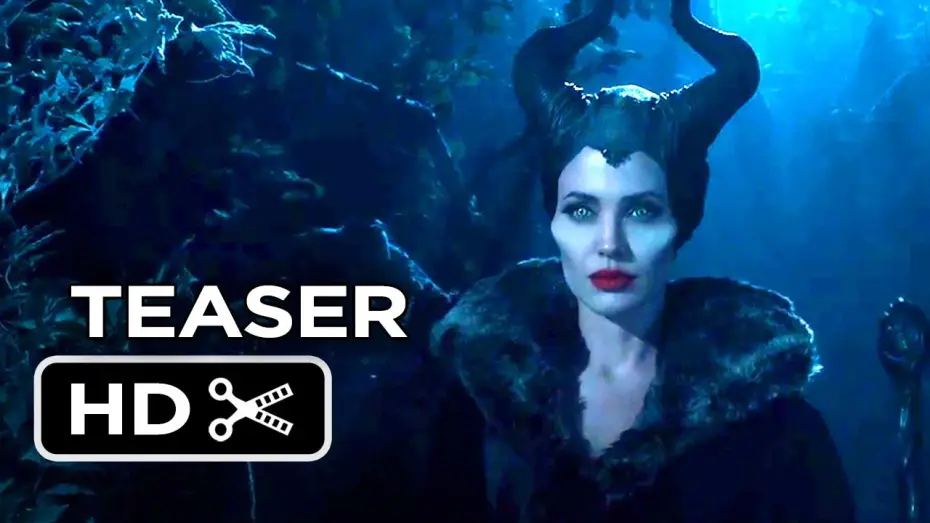
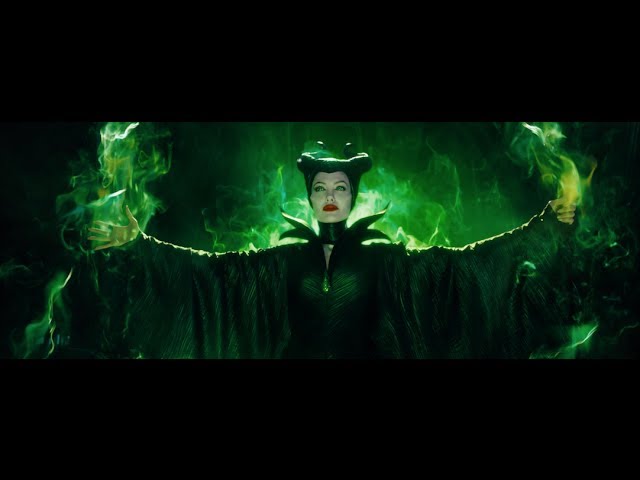
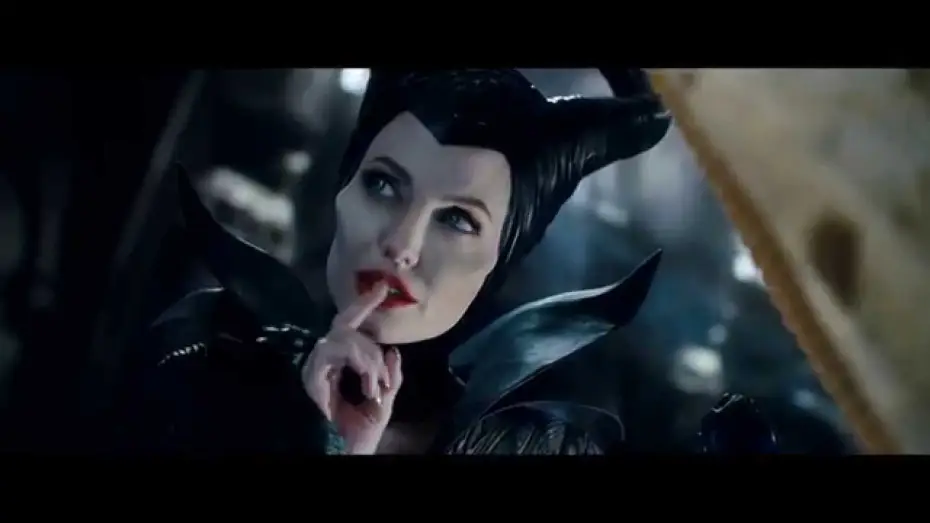
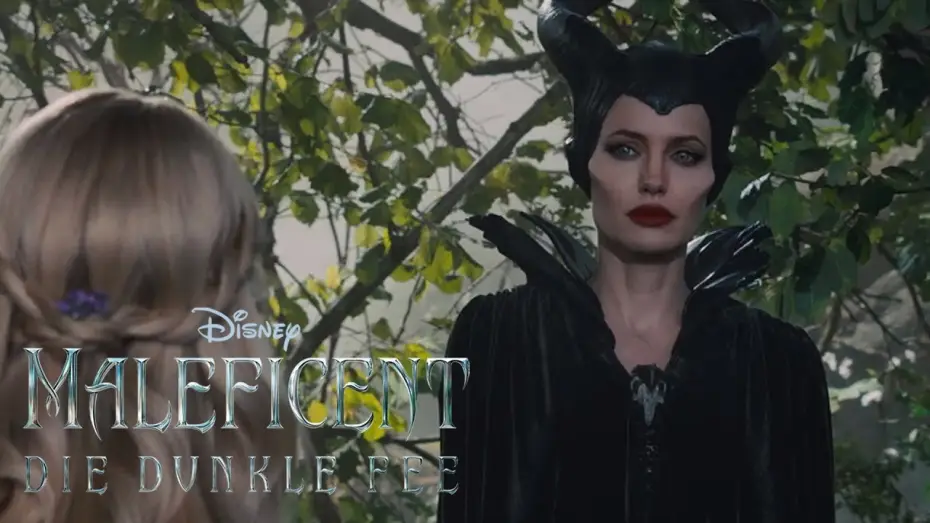
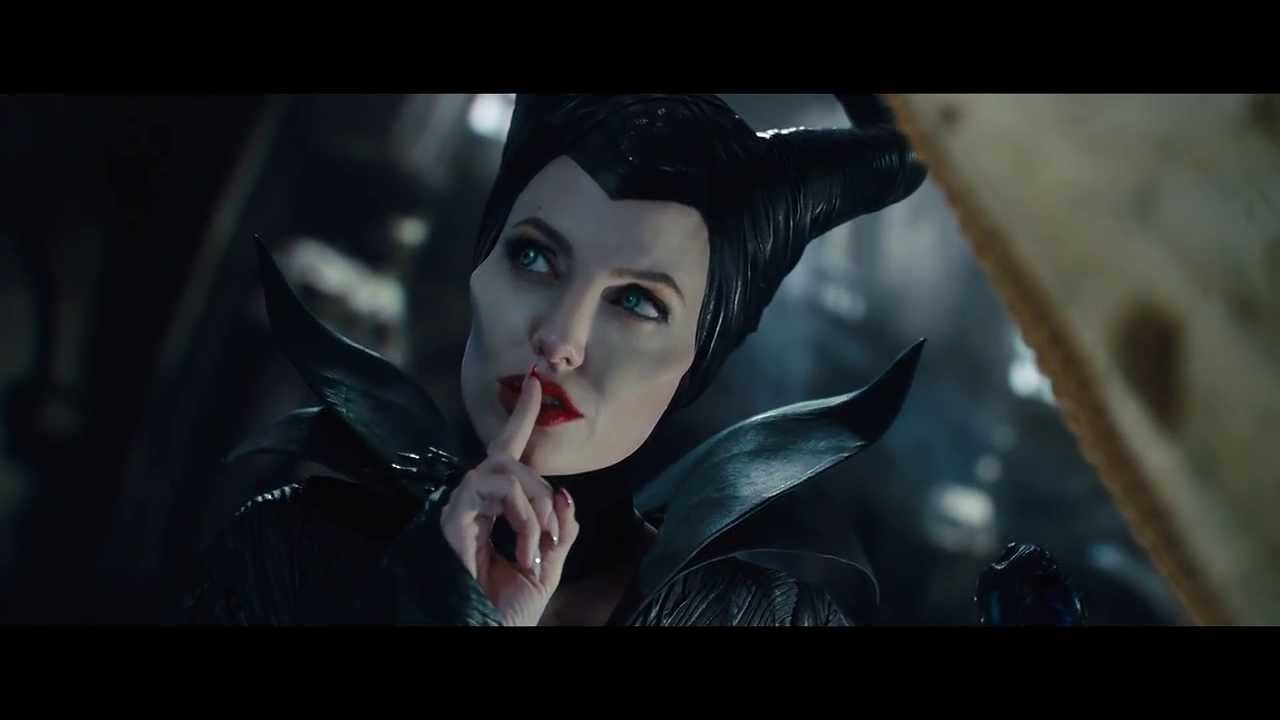
- Angelina Jolie admitted that in makeup and costume, she looked so intimidating that she genuinely frightened children on set. One child even said, "Mom, please ask that evil witch not to talk to me." Only Jolie's daughter, Vivienne Jolie-Pitt, who plays the little Princess Aurora, was not scared.
- Jude Law was considered for the role of King Stefan.
- This is the first Disney film for many actors, including Angelina Jolie, Imelda Staunton, Charlto Copley, Brenton Thwaites, Juno Temple, and Elle Fanning.
- Dean Semler served as the cinematographer for "Maleficent," having previously filmed Angelina Jolie's directorial debut "In the Land of Blood and Honey" (2011).
- Angelina Jolie said she grew up on Disney cartoons and particularly liked "Sleeping Beauty" (1959). She also said that the character of Maleficent always terrified her, but still fascinated her.
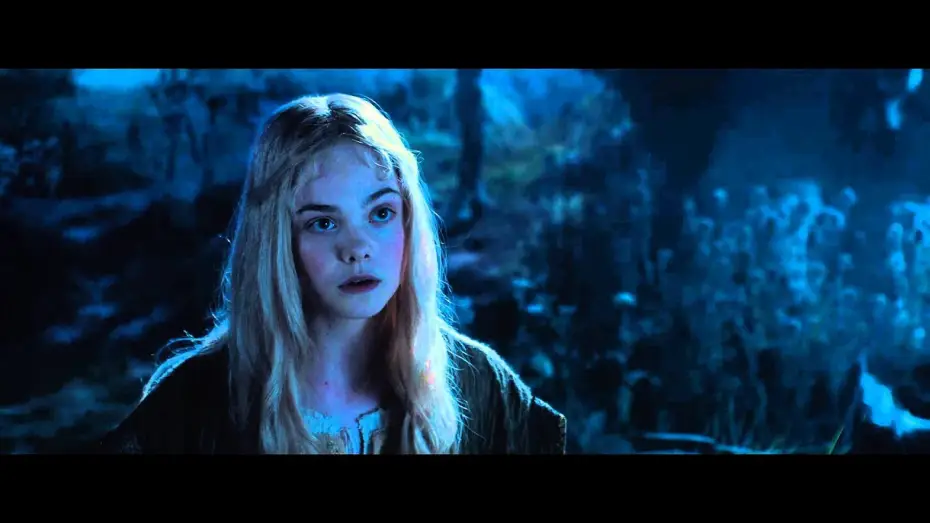
- Vivienne Jolie-Pitt, the daughter of Angelina Jolie and Brad Pitt, played the role of the young Princess Aurora.
- The film marks Robert Stromberg's directorial debut.
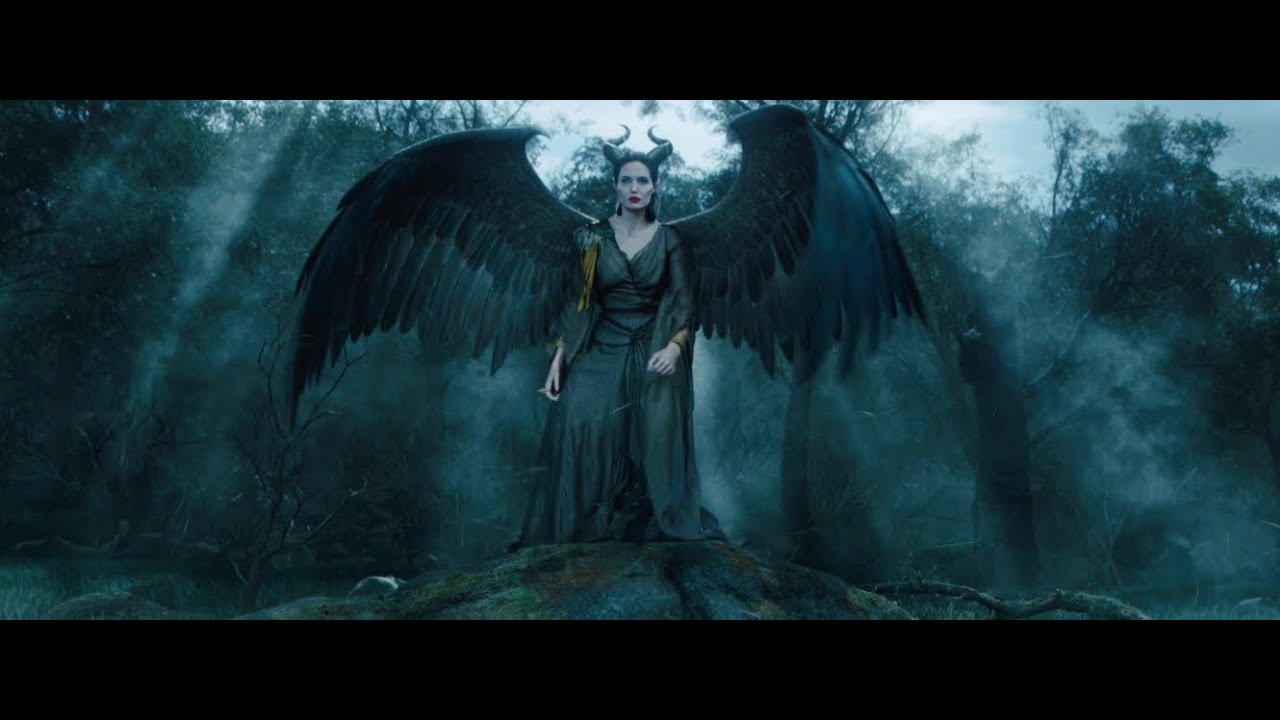
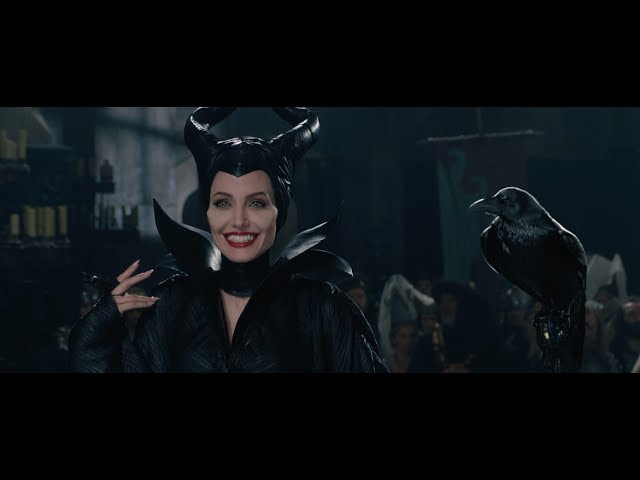
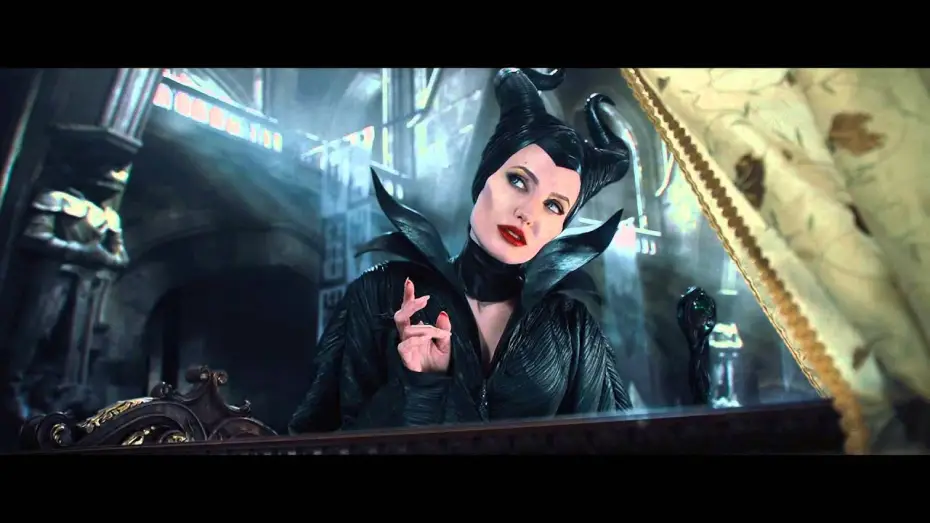
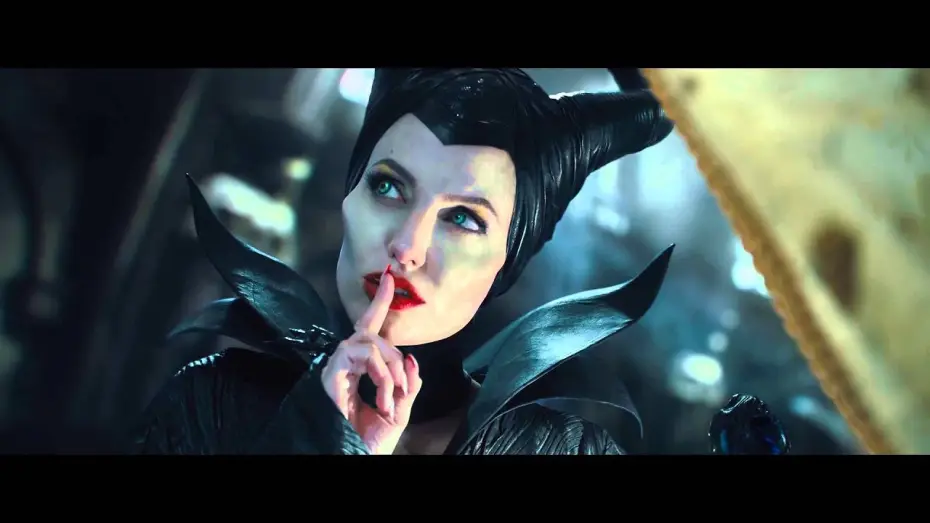
- Angelina Jolie worked with costume designers and makeup artists to create a fearsome look for Maleficent. Studio executives at Disney objected, hoping to capitalize on Jolie's beauty for marketing purposes, but the actress insisted that her character retain the frightening features of Maleficent from the 1959 animated film 'Sleeping Beauty'.
- Emma Thompson and Judi Dench were considered for the roles of the fairies.
- On May 12, 2009, information appeared that Brad Bird was working on a project based on Walt Disney's animated film 'Sleeping Beauty' (1959), the story of which would be retold from Maleficent's perspective with Angelina Jolie in the role of Maleficent herself. In January 2010, information emerged that Tim Burton might direct the project. In May 2011, it became known that Burton had left the project. Disney began searching for a replacement, with David Yates as a potential candidate. On January 6, 2012, Disney officially announced that Robert Stromberg would be the project's director.
- Logan Marshall-Green, George Blagden, Gael García Bernal, and Jim Sturgess were considered for the role that ultimately went to Sam Riley.
- Shortly before Richard D. Zanuck's death, he was offered the opportunity to produce this film.
- Patrick Stewart could have been cast in this film.
- For 400 years, the tale of Sleeping Beauty has been paraphrased under various titles approximately 1000 times, if including some medieval beliefs. The character's evolution is easy to trace. Her features can be seen both in the French prose chivalric romance by an unknown author, "Perseforest" (1527), and in the tale by Italian writer Giambattista Basile, "Sun, Moon, and Talia," which was included in the collection "Tales of Tales" ("Pentamerone"). The chapters of this collection became the first printed fairy tales. In 1697, Charles Perrault offered his version of the story in his book "Tales of Mother Goose" – it was called "The Sleeping Beauty in the Wood." In 1812, the Brothers Wilhelm and Jacob Grimm significantly reworked Perrault's plot. The story of the beautiful princess, a victim of evil spells, was called "Little Briar Rose." It is now more difficult to determine why Maleficent began to embody the female personification of absolute evil. In Basile's tale, the queen is described as an envious and vengeful villain, but she was married to the King, not an outside sorceress who cursed the entire royal family. Perrault transformed the villain into an evil witch; this version is closest to the plot of the classic Disney film. In addition, Perrault introduced the tale’s Handsome Prince to readers. This new character became an important, perhaps even essential, element of the fairy tale – only his kiss could break the evil spell on Sleeping Beauty.
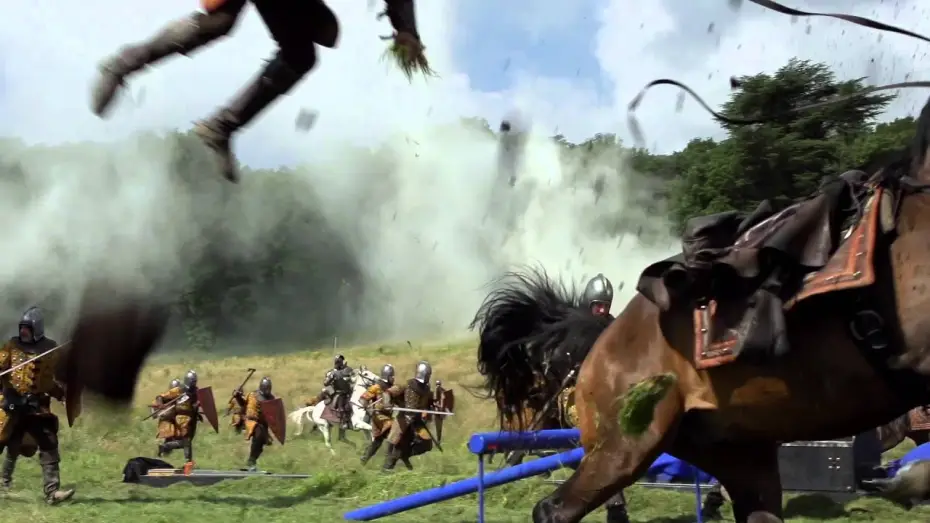
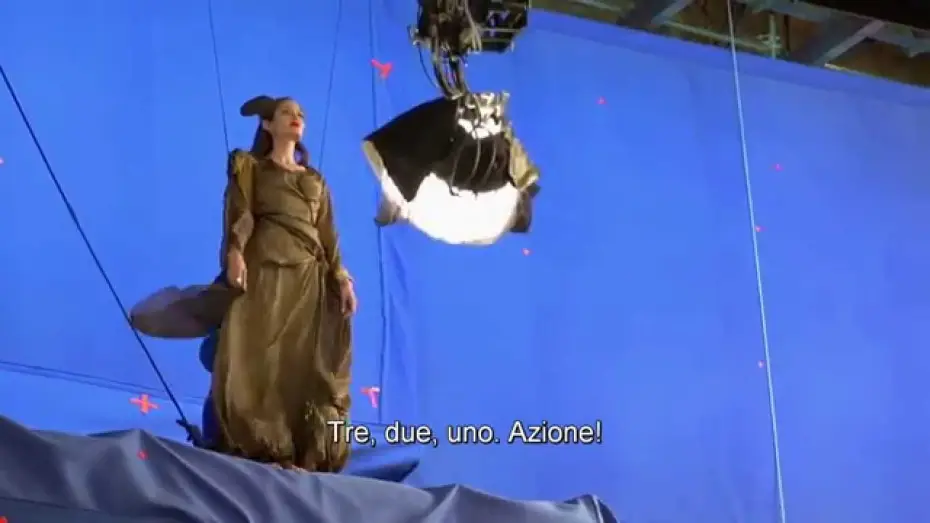
- Filming began on June 11, 2012, at the famous Pinewood Studios in England. Most of the film was shot on the studio's grounds. For five months, the crew "occupied" six soundstages, several square kilometers of exterior locations, and some other production areas.
- One of the filming locations was an old castle – an exact replica, both inside and out, of the majestic structure that Disney animators drew in 1959. The castle floor was laid with marble. The original animated film's castle combined several architectural styles. The creators of 'Maleficent' (2014) could not afford to do that, because a modern audience would not believe in the existence of a castle that combined Victorian, Gothic, and Romanesque architectural styles. They had to choose one style and stick to it. It was also a hybrid, but far more logical: a kind of Prague style with clear Romanesque lines. Suspended supports were also devised, connecting all the castle's rooms and becoming a kind of unifying element.
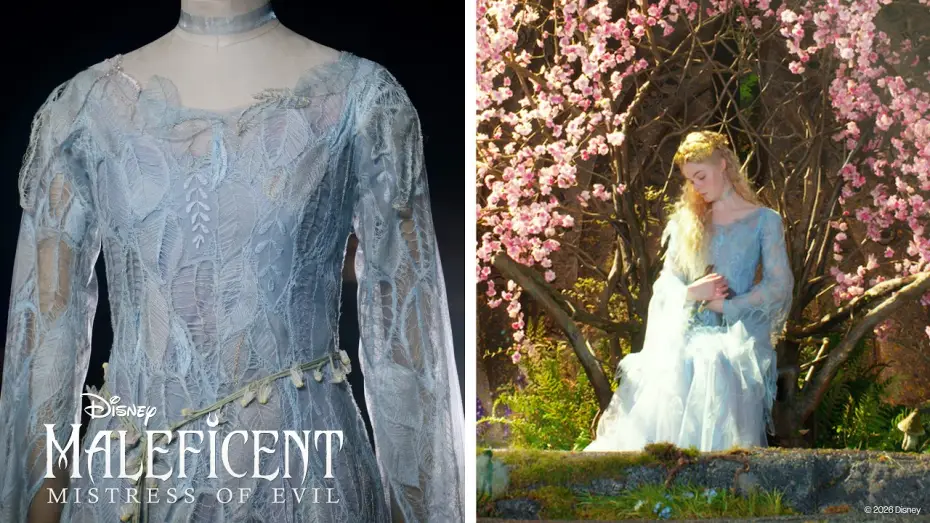
- A total of over 2000 costumes were sewn by hand for the film.
- According to producer Joe Roth, they would not have made the film if Angelina Jolie had refused to play the main role.
- Initially, Miranda Richardson was cast as Queen Ulla, but her character was ultimately cut from the script.
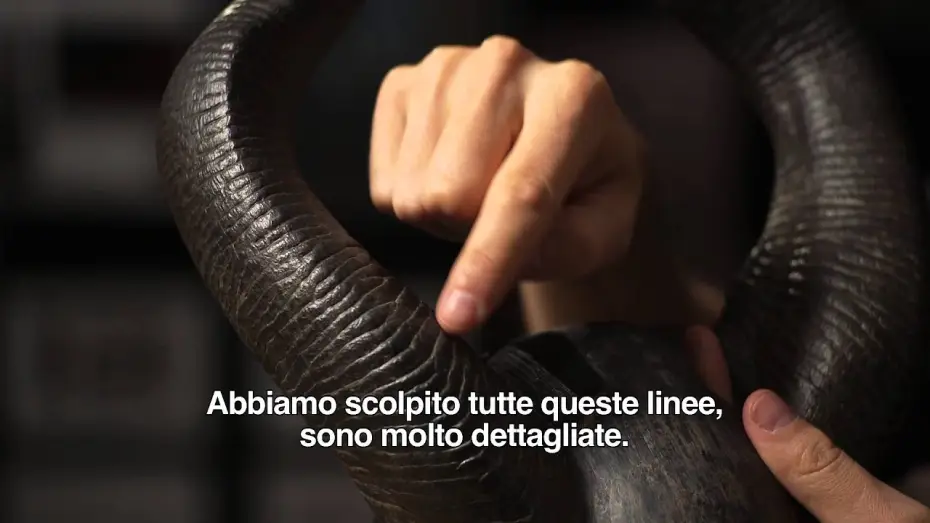
- The prosthetic makeup team was led by seven-time Academy Award winner Rick Baker. Several specialists worked exclusively on Maleficent's prosthetic horns and ears. Other makeup artists spent several hours each morning applying makeup to the remaining characters.
- For 400 years, the tale of Sleeping Beauty has been paraphrased under various titles approximately 1000 times, if including some medieval beliefs. The evolution of the character is easily traceable. Her features are discernible both in the French prose chivalric romance by an unknown author, “Perceforest” (1527), and in the tale by the Italian writer Giambattista Basile, titled “Sun, Moon, and Talia,” which was included in the collection “Pentamerone” (Tales of Tales). The chapters of this collection became the first printed fairy tales. In 1697, Charles Perrault offered his version of the story in his book “Tales of Mother Goose” – it was called “The Sleeping Beauty in the Wood.” In 1812, Wilhelm and Jacob Grimm significantly reworked Perrault’s plot. The story of the beautiful princess, a victim of evil spells, was called “Little Briar Rose.” It is now more difficult to determine why Maleficent began to become the embodiment of absolute female evil. In Basile’s tale, the queen is described as an envious and vengeful villain, but she was married to the King, not an outsider sorceress who cast a curse on the entire royal lineage. Perrault transformed the villain into an evil witch; this version is closest to the plot of the classic Disney film. In addition, Perrault introduced the Handsome Prince to readers. The new hero became an important, perhaps even integral, element of the fairy tale – because only his kiss could break the evil spell on Sleeping Beauty.
- One of the filming locations was an ancient castle – an exact replica, both inside and out, of the majestic structure that Disney animators drew in 1959. The castle floor was laid with marble. The original animated film combined several architectural styles in the castle. The creators of “Maleficent” (2014) could not afford this, because a modern audience would not believe in the existence of a castle combining Victorian, Gothic, and Romanesque architectural styles. They had to choose one style and stick to it. This was also a hybrid, but much more logical: a kind of Prague style with clear Romanesque lines. Suspended supports were also devised, connecting all the rooms of the castle and becoming a kind of connecting link.
- The prosthetic makeup team was led by seven-time Academy Award winner Rick Baker. Several specialists worked exclusively on Maleficent’s prosthetic horns and ears. Other makeup artists spent several hours each morning applying makeup to the remaining characters.
Did you like the film?
 Auditions in India
 Casting calls in USA
 Castingi w Polsce
 Кастинги в Україні
