Castle in the Sky - videos, teasers and stills from filming
All videos, teasers and footage from the filming of the film "Castle in the Sky"
天空の城ラピュタ (1986)
Timing:
2:5 (125 min)

8/10
4676
4676

8.286/10
101361
101361

8/10
197000
197000
![Watch film Castle in the Sky | Castle in the Sky - Studio Ghibli Fest 2018 Trailer [In Theaters November 2018]](/amdb/images/posters/m/a/castle-in-the-sky-1986-kTHWD.webp)

What's left behind the scenes
- The squirrel-foxes – squirrel-foxes from Laputa – first appeared in Miyazaki's work "Nausicaä of the Valley of the Wind".
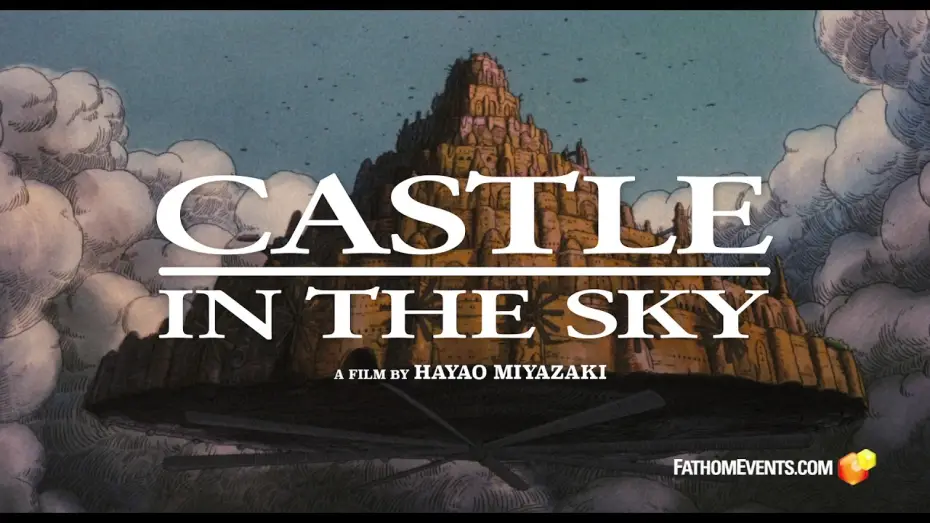
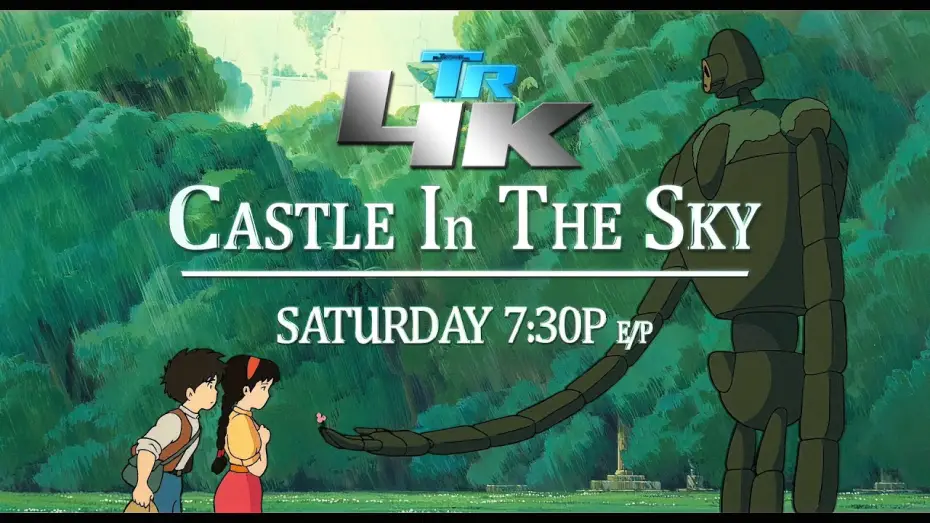
- The robot from Laputa is identical to the robot that previously appeared with Miyazaki’s involvement in “Lupin III,” in the episode “Farewell, Beloved Lupin.” A full-scale model of this robot is located on the roof of the Studio Ghibli Museum in Tokyo.
- Hayao Miyazaki borrowed the word “Laputa” from Jonathan Swift (“Gulliver’s Travels”). Swift, in turn, likely took it from Spanish, where it means “prostitute.” Therefore, in Spanish-speaking countries and the United States, the film was shown without the offensive word in the title.
- The name "Sita" and a number of legends used in the film are borrowed from Indian folklore.
- Studio Ghibli was founded by Hayao Miyazaki and Isao Takahata specifically to create this film.
- When creating the image of the mining town, Hayao Miyazaki drew on his memories of visiting Wales. The director, a former trade union leader, was particularly impressed by stories of worker protests against mine closures, which are reflected in the film.
- The fox-squirrels – squirrel foxes from Laputa – first appeared in Miyazaki’s work, “Nausicaä of the Valley of the Wind.”
- The robot from Laputa is identical to the robot that previously appeared under Miyazaki’s involvement in “Lupin III,” in the television episode “Farewell, Beloved Lupin.” A full-size model of this robot is located on the roof of the Studio Ghibli Museum in Tokyo.
- Hayao Miyazaki borrowed the word “Laputa” from Jonathan Swift (“Gulliver’s Travels”). Swift, in turn, likely took it from Spanish, where it means “prostitute.” Therefore, in Spanish-speaking countries and the United States, the film was screened without the offensive word in the title.
- The name "Sita" and a number of legends used in the film are borrowed from Indian folklore.
- Hayao Miyazaki borrowed the word "Laputa" from Jonathan Swift ("Gulliver's Travels"). Swift, in turn, likely took it from Spanish, where it means "prostitute." For this reason, the film was released in Spanish-speaking countries and the US without the offensive word in the title.
Did you like the film?
 Auditions in India
 Casting calls in USA
 Castingi w Polsce
 Кастинги в Україні
