The Alamo - actors, characters and roles
All actors and their roles in the film "The Alamo"
The Alamo (1960)
Timing:
3:22 (202 min)

7.168/10
330
330

6.564/10
485
485

6.8/10
17154
17154
Actors and characters
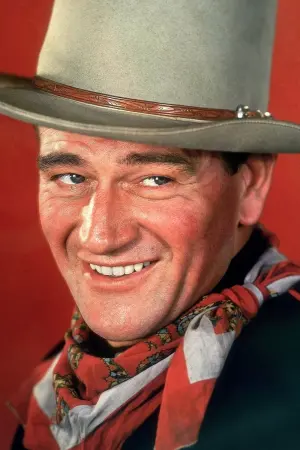
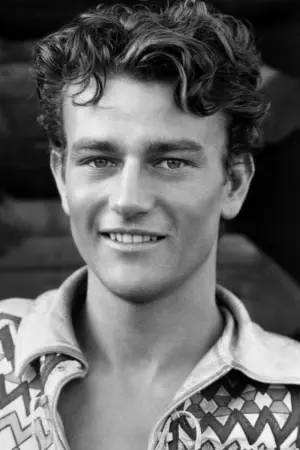
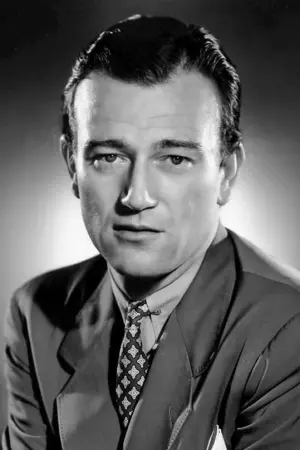
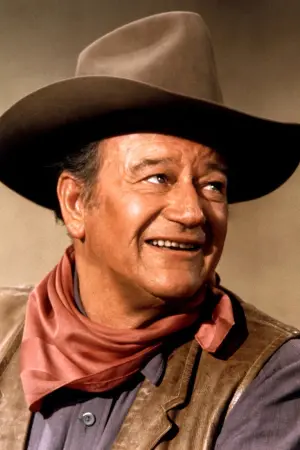
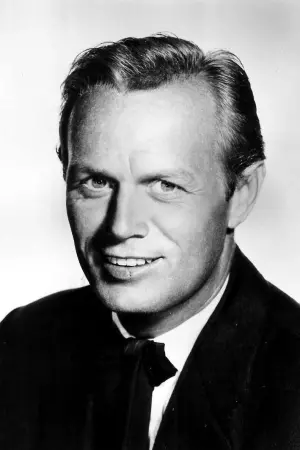
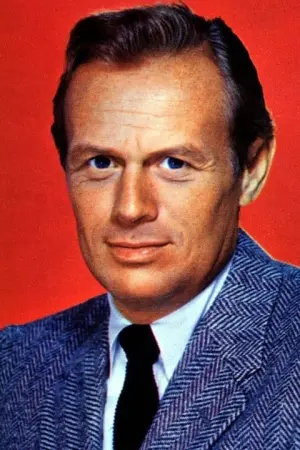
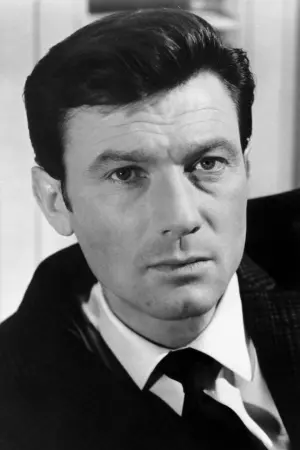
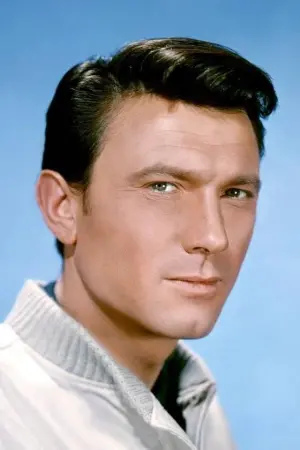

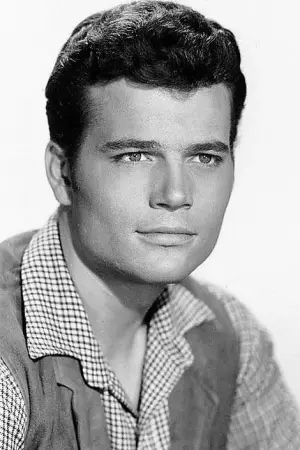
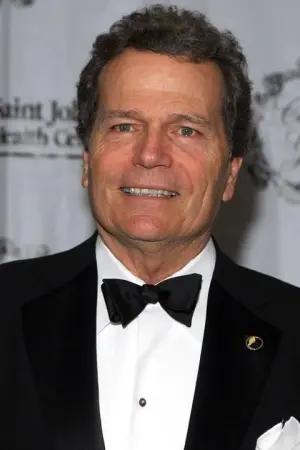
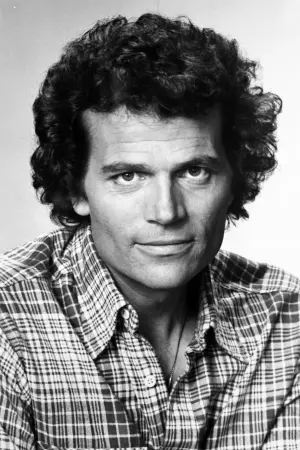
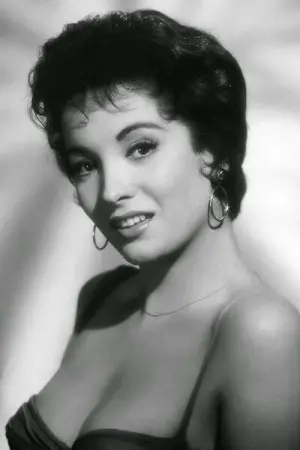
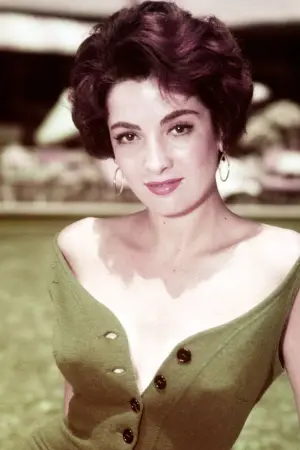


Joan O'Brien
Character Mrs. Sue Dickinson


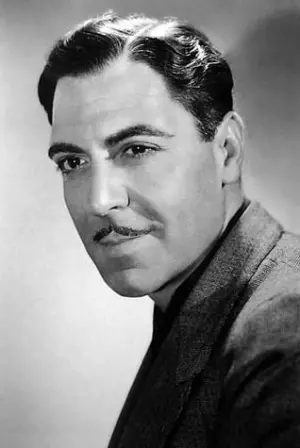
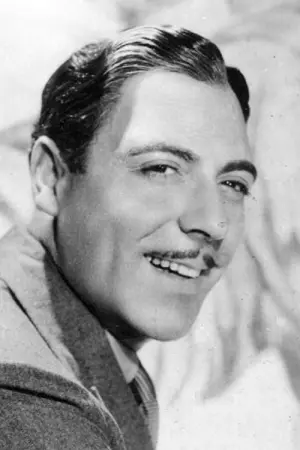

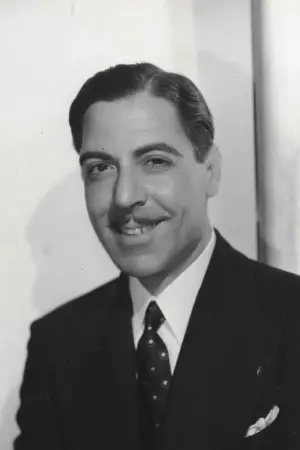


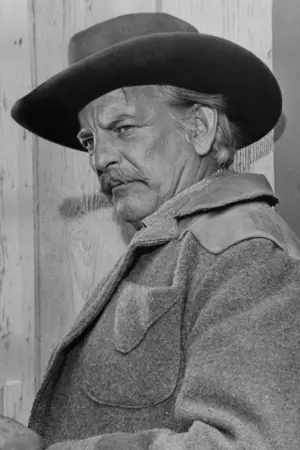
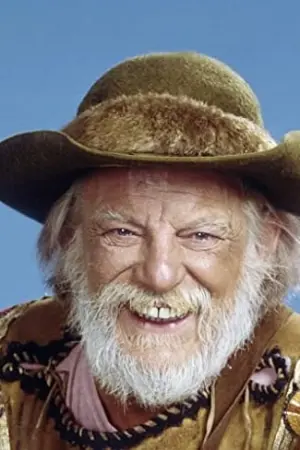
Ken Curtis
Character Capt. Almeron Dickinson
Carlos Arruza
Character Lt. Reyes


Aissa Wayne
Character Lisa Angelica Dickinson


Bill Daniel
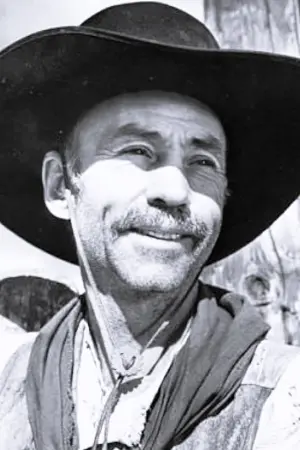
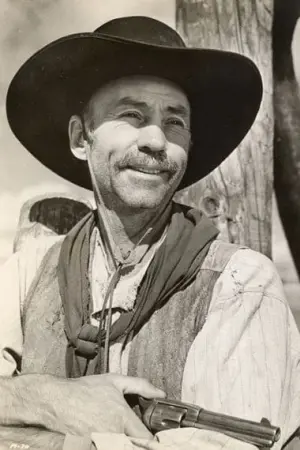
Character Col. Neill

Wesley Lau
Character Emil
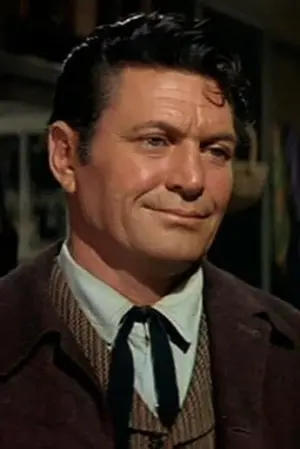
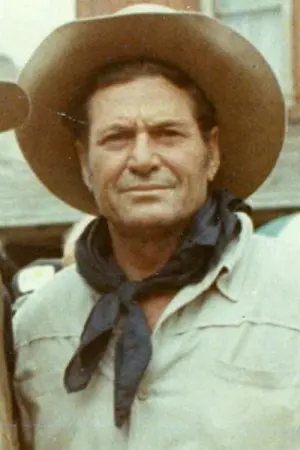
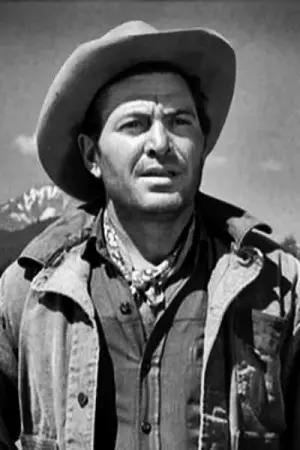
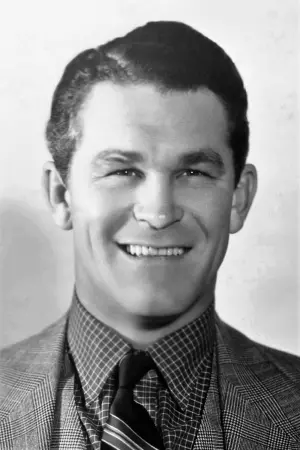
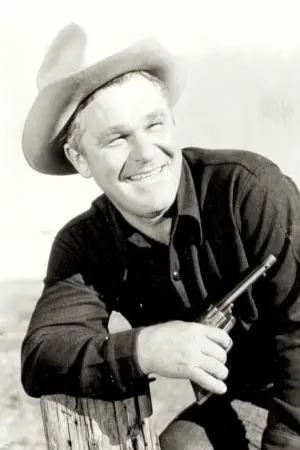
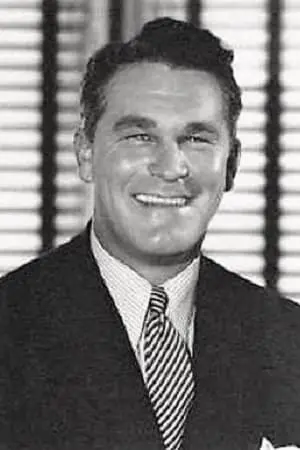


Olive Carey
Character Mrs. Dennison
Ruben Padilla
Character General Santa Anna
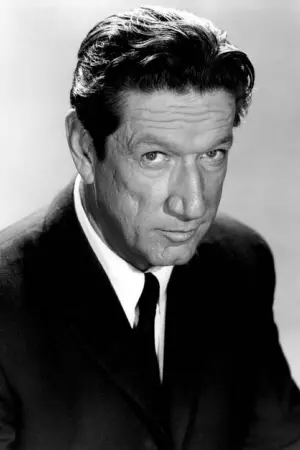
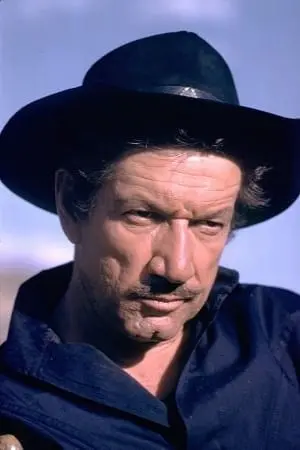
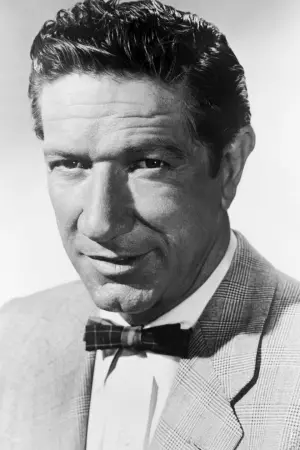


Jack Pennick
Character Sgt. Lightfoot (uncredited)
George Ross
Character Bowie's Man (uncredited)
J.R. Miller
Character Bowie's Man (uncredited)
Danny Borzage
Character Bowie's Man
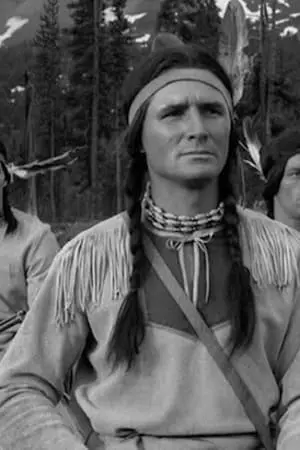
Chuck Hayward
Character Tennessean (uncredited)
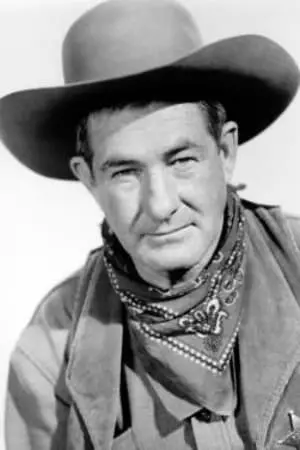
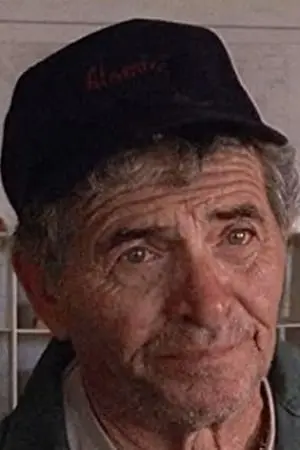
Joe Canutt
Character Bowie's Man (uncredited)
Tap Canutt
Character Bowie's Man (uncredited)

What's left behind the scenes
- A total of 7,000 people and 1,500 horses were involved in the battle scenes.
- Filming lasted 83 days, with the fort's sets being built over two years.
- In early 1945, John Wayne decided to create a film about the 1836 Battle of the Alamo.
- As the film's script neared completion, Wayne and the president of Republic Pictures, Herbert Yates, quarreled over the film's three-million-dollar budget. Wayne broke ties with Republic Pictures, but was unable to take the original script with him. It was later rewritten and became the film 'The Last Command'.
- After the break with Republic, Wayne and producer Robert Fellows founded their own company, Batjac. Wayne continued working on creating his version of the film about the Alamo. Convinced that the film could differ from his expectations under directorial influence, he decided to direct and produce it himself. Wayne intended to stop there, but he failed to secure financial support for the project, which would have been provided by his appearance on screen. In 1956, he signed an agreement with United Artists (UA). UA invested $2.5 million in the film’s development and acted as its distributor. In return, Batjac was expected to invest another $1.5–2.5 million, and Wayne would play one of the leading roles. Wayne secured the remaining funding from wealthy Texans who insisted the film be shot in Texas.
- The set was built near Brackettville, Texas, on James Shahan’s ranch. Chatto Rodriguez was the main contractor for the sets. In preparation for their construction, Rodriguez laid 14 miles (23 km) of paved roads to facilitate the delivery of necessary equipment to Brackettville. In addition, his crew drilled six wells capable of providing 12,000 gallons of water daily, and laid miles of water and sewer lines. They also fenced off 5,000 acres (2,000 hectares) of horse corrals.
- Hundreds of thousands of hand-laid adobe bricks created the walls of the former Alamo mission. The sets recreated three-quarters of the mission buildings and have since been used for filming over a hundred other Westerns, including new film versions of the 1836 battle. It took more than two years to build the Alamo complex.
- Initially, Wayne was planning to play Houston, a small role that would allow him to focus on his directorial debut. However, the main investors insisted that he play one of the film’s main characters, so Wayne chose the character of Davy Crockett, and the role of Houston went to Richard Boone.
- During tense moments on set, Laurence Harvey entertained those present by reciting lines from Shakespeare with a Texan accent.
- Some roles in the film went to Wayne's relatives and close friends, including his daughter Aissa.
- Sammy Davis Jr. requested that Wayne give him the role of a slave so he could entertain the audience with his song and dance. However, one of the film's producers put a stop to this, apparently because Davis was then dating the white actress May Britt.
- A few days after filming began, Richard Widmark tried to leave the project, explaining that he was not suited for the role. However, after threats of lawsuits for breach of contract, he agreed to stay until the end.
- Wayne's mentor, John Ford, though not invited, also showed up to help film and coordinate the actions of his 'student'. In order to maintain his own control over the film, Wayne sent him to shoot secondary scenes. And although practically nothing from Ford's footage was used in the film, Ford is often incorrectly credited as an uncredited second-unit director.
- Actors such as Widmark complained that Wayne was trying to explain to them how to play a particular scene, even if it contradicted their understanding of the character.
- Some actors, like Frankie Avalon, were frightened by the numerous rattlesnakes. Crickets were everywhere, often ruining takes by jumping onto the actors’ shoulders during filming, or chirping loudly during dialogue.
- During the film's production, the filmmakers encountered various difficulties, the most tragic of which was the murder of an extra, LeJean Eldridge, due to a private internal dispute regarding the filming. Another incident occurred with Laurence Harvey, who forgot about the recoil of the firing cannon. In the scene where Travis shoots the Mexican envoy, after the shot, the cannon recoiled, ran over Harvey’s foot, and broke it – he didn’t make a sound until Wayne said, “Cut!” Wayne reacted to the incident: “Professional!”
- Filming wrapped on December 15, 1959. A total of 560,000 feet of film was shot, consisting of 566 scenes. Despite such an incredible amount of footage, filming lasted only three weeks longer than planned. After editing, the film's final runtime was three hours and thirteen minutes.
- To coordinate the media campaign to promote the film, Wayne hired Russell Birdwell. Birdwell believed that a successful media campaign was one that created news. He persuaded the authorities of seven states to declare 'Alamo Day' during the film's premiere screenings. He also sent messages to elementary schools across the United States asking them to educate children about the Alamo.
Did you like the film?
 Auditions in India
 Casting calls in USA
 Castingi w Polsce
 Кастинги в Україні
