Take the Money and Run - posters, covers, wallpapers
Lots of posters, covers and wallpapers for the movie "Take the Money and Run"
Take the Money and Run (1969)
Timing:
1:25 (85 min)

7.12/10
710
710
Posters, covers
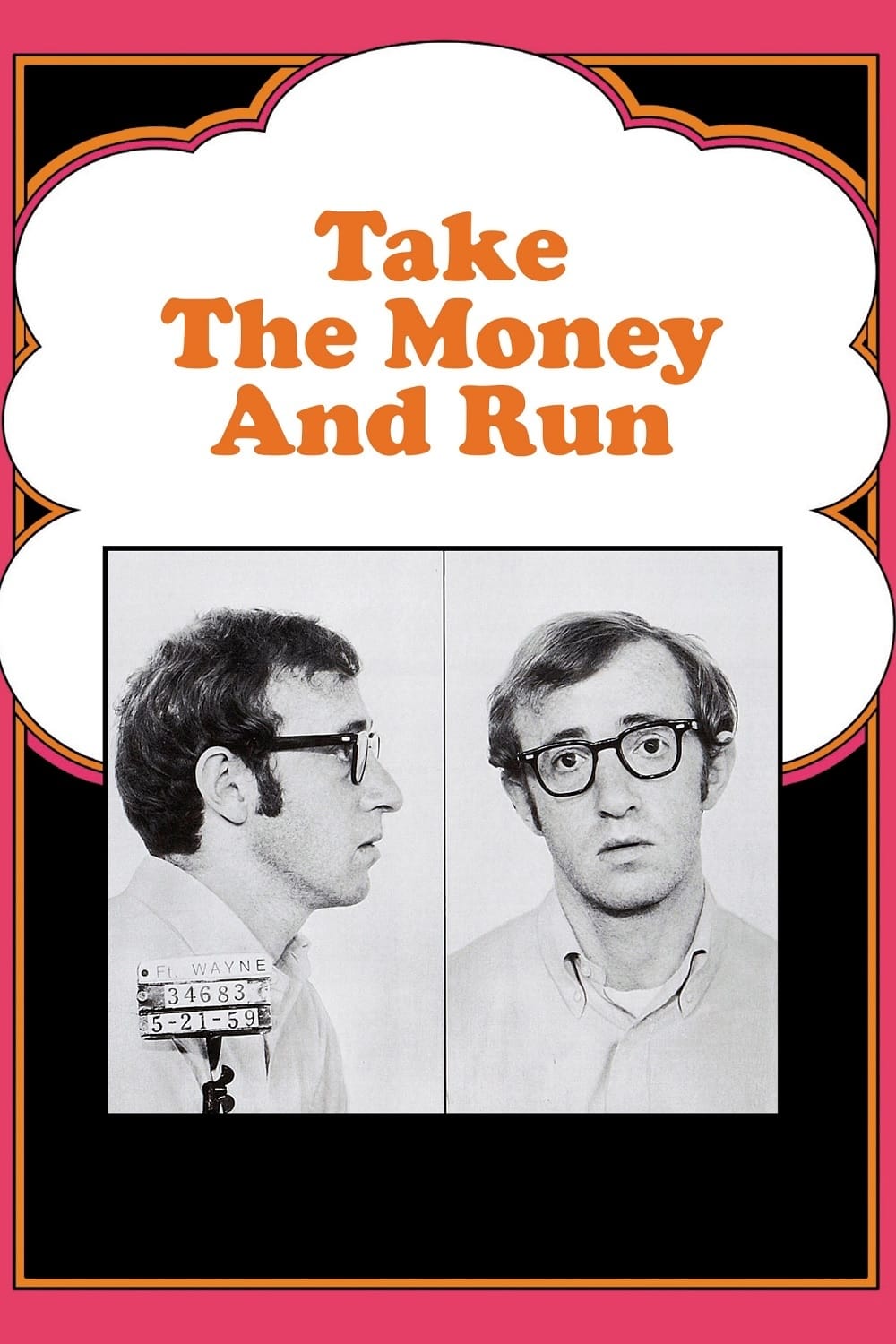 2K 1500p
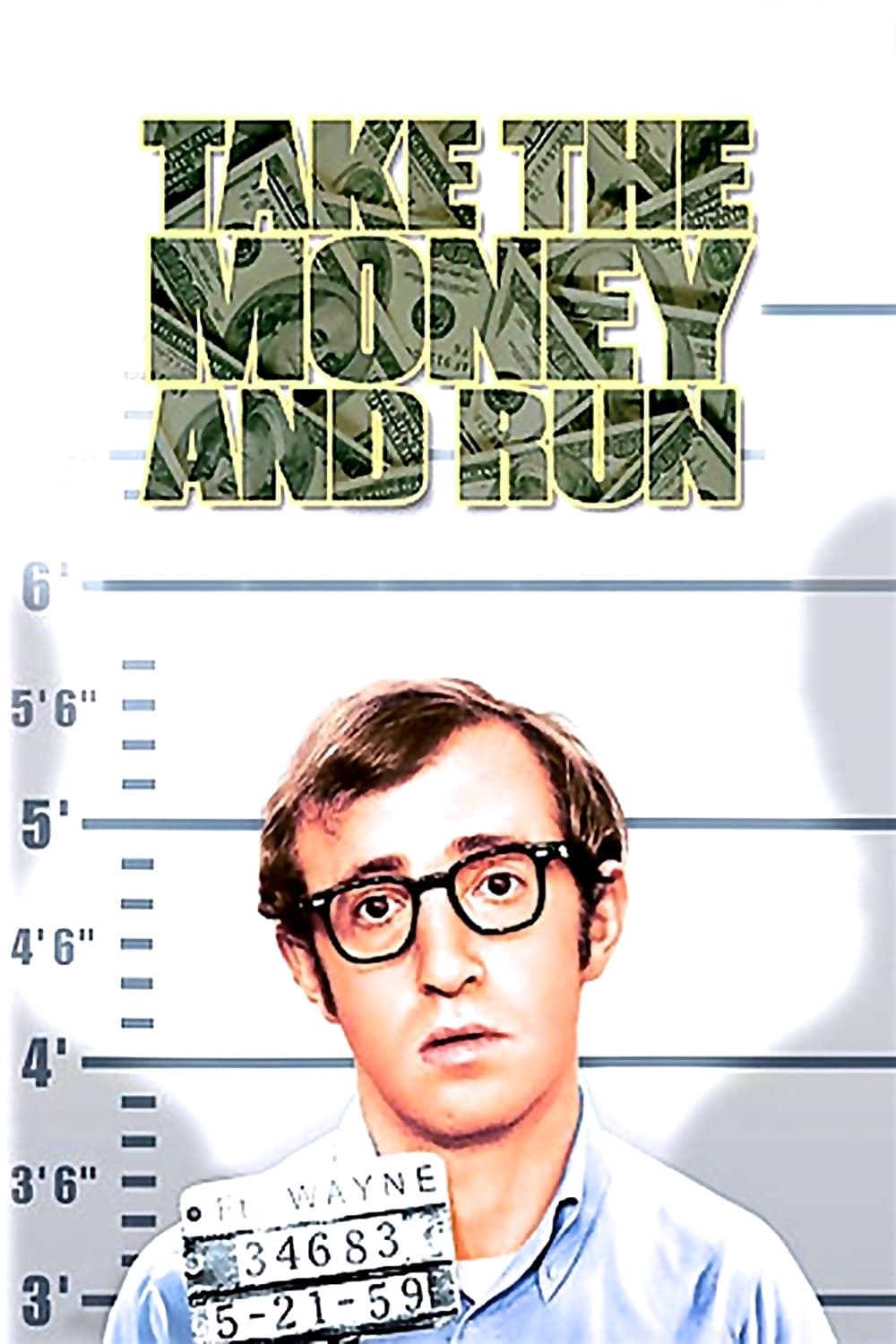 2K 1500p
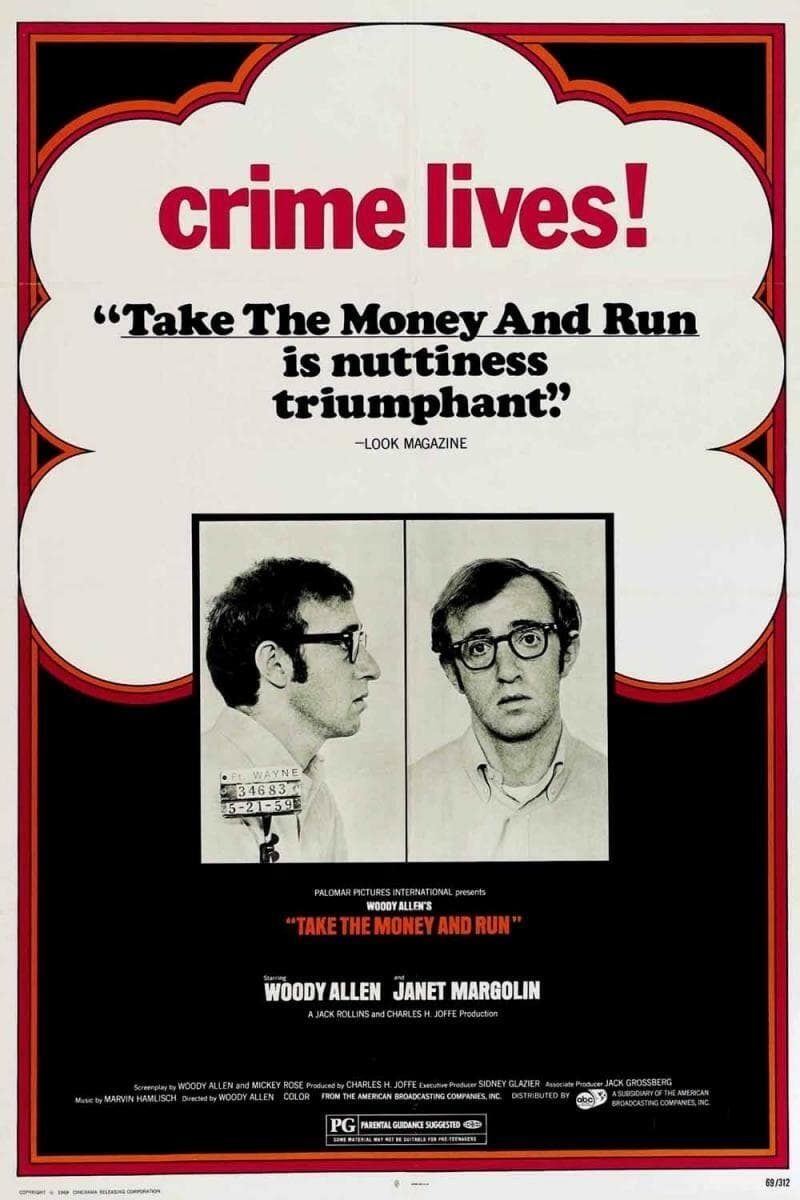 Full HD 1200p
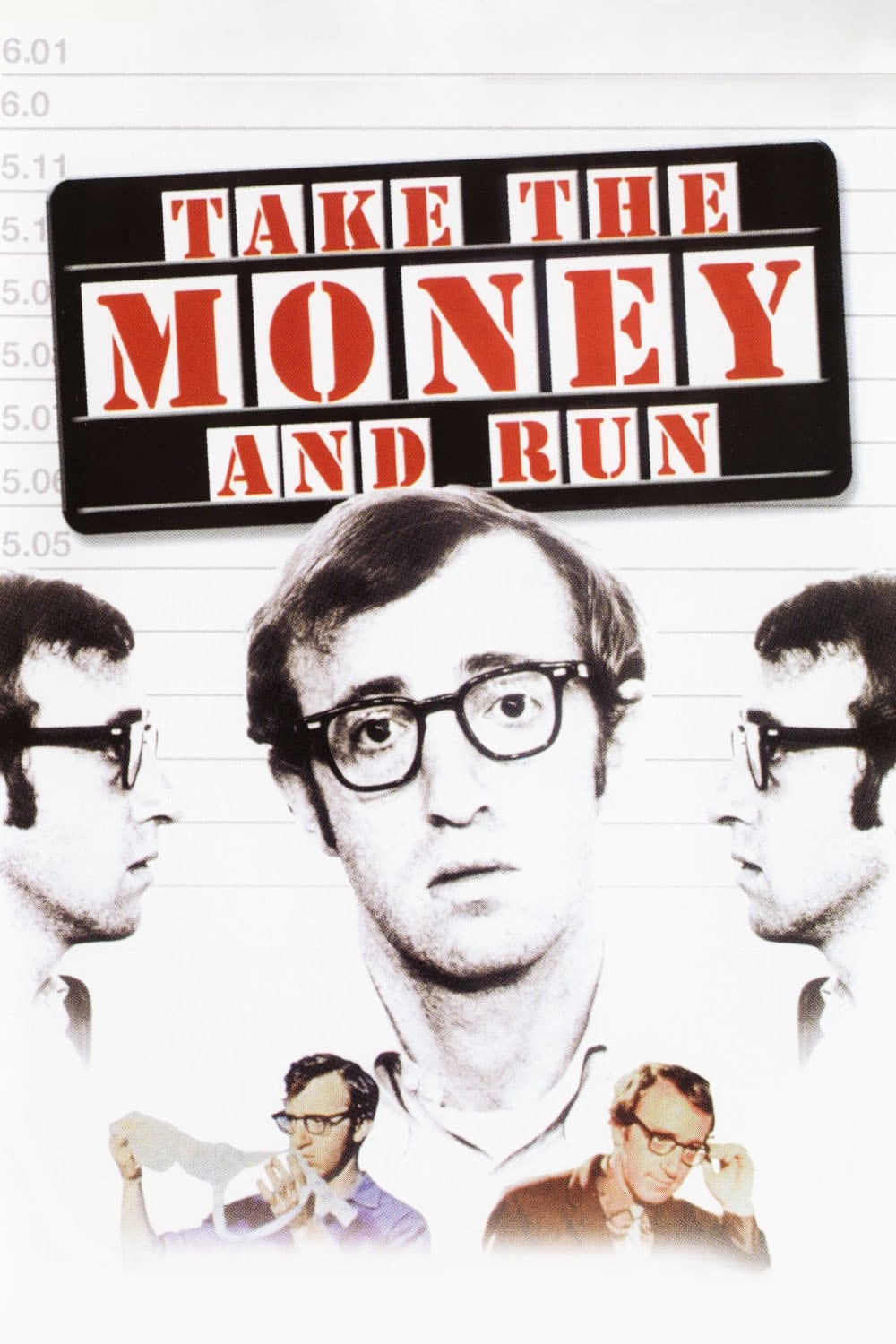 2K 1500p
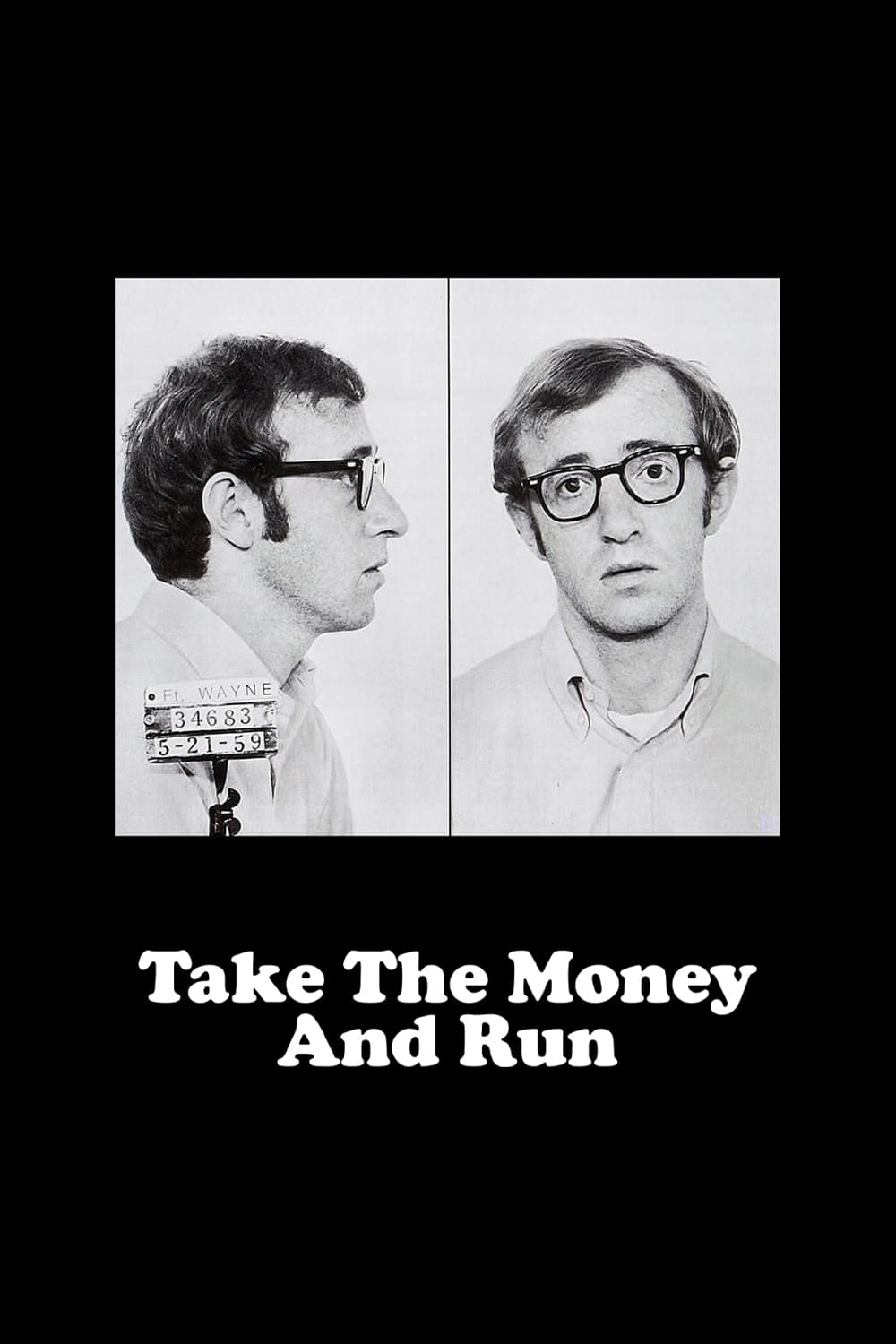 2K 1500p
Backdrops, wallpaper
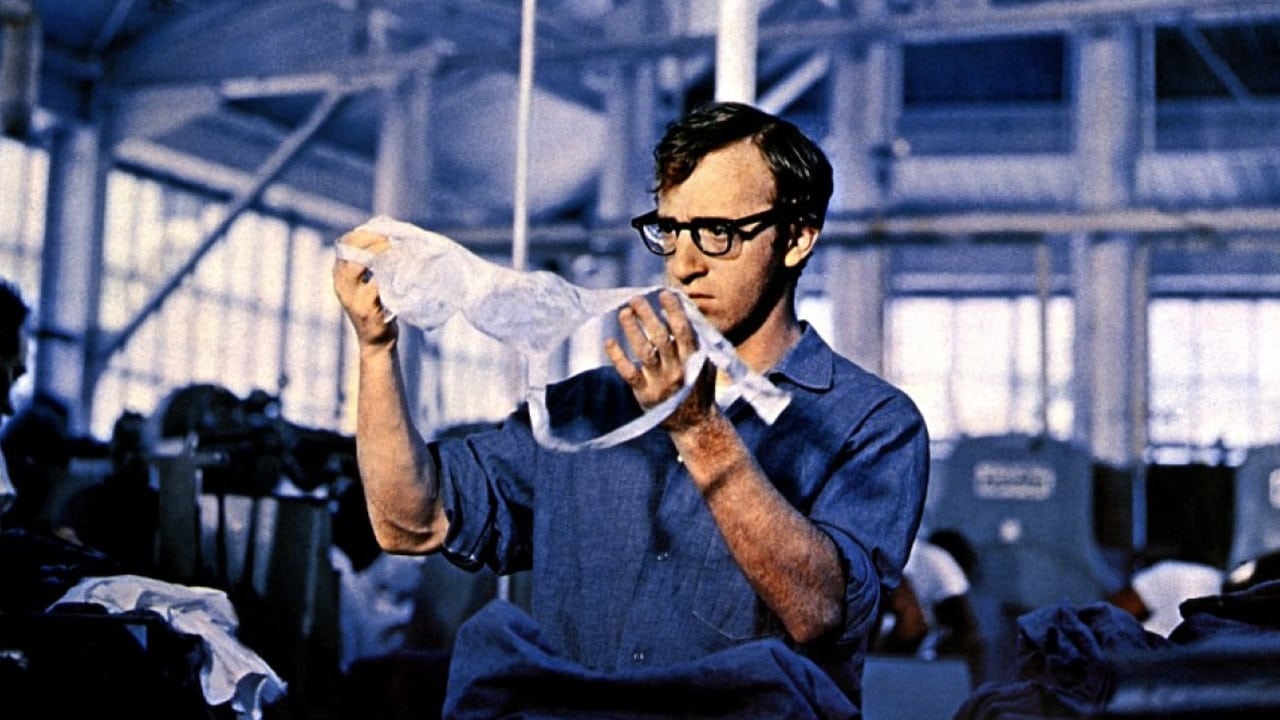 HD Ready 720p
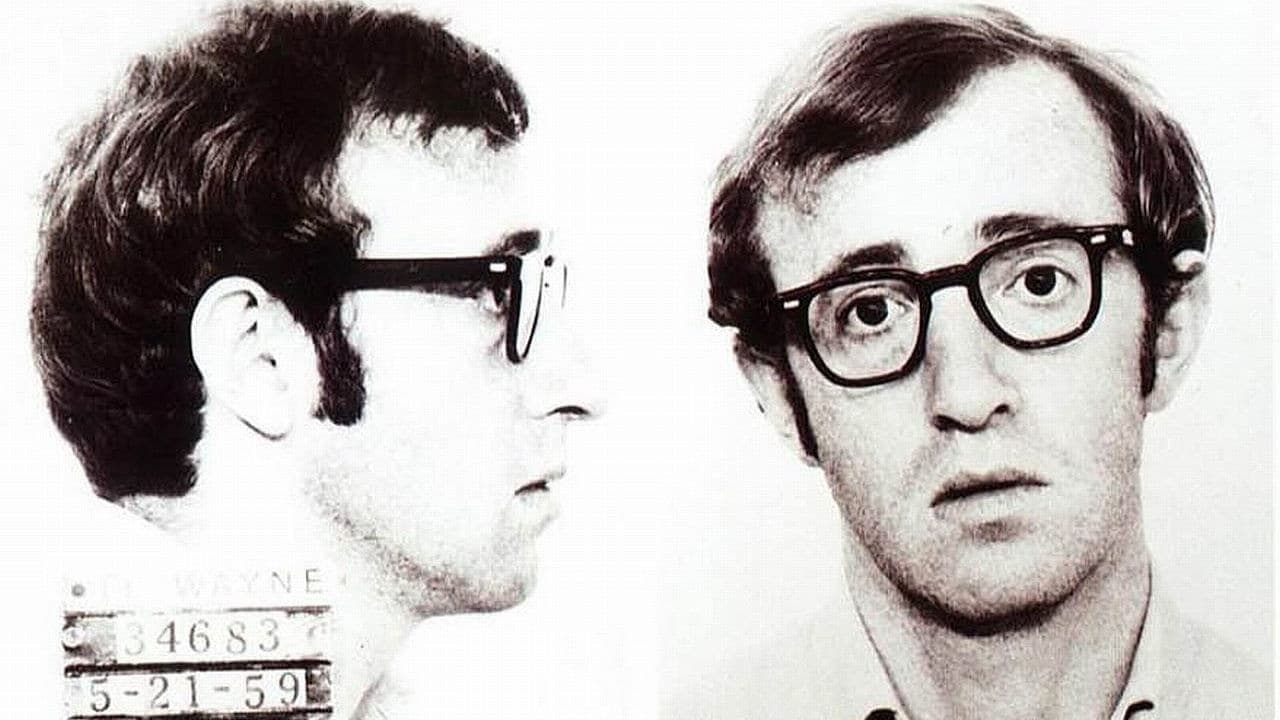 HD Ready 720p
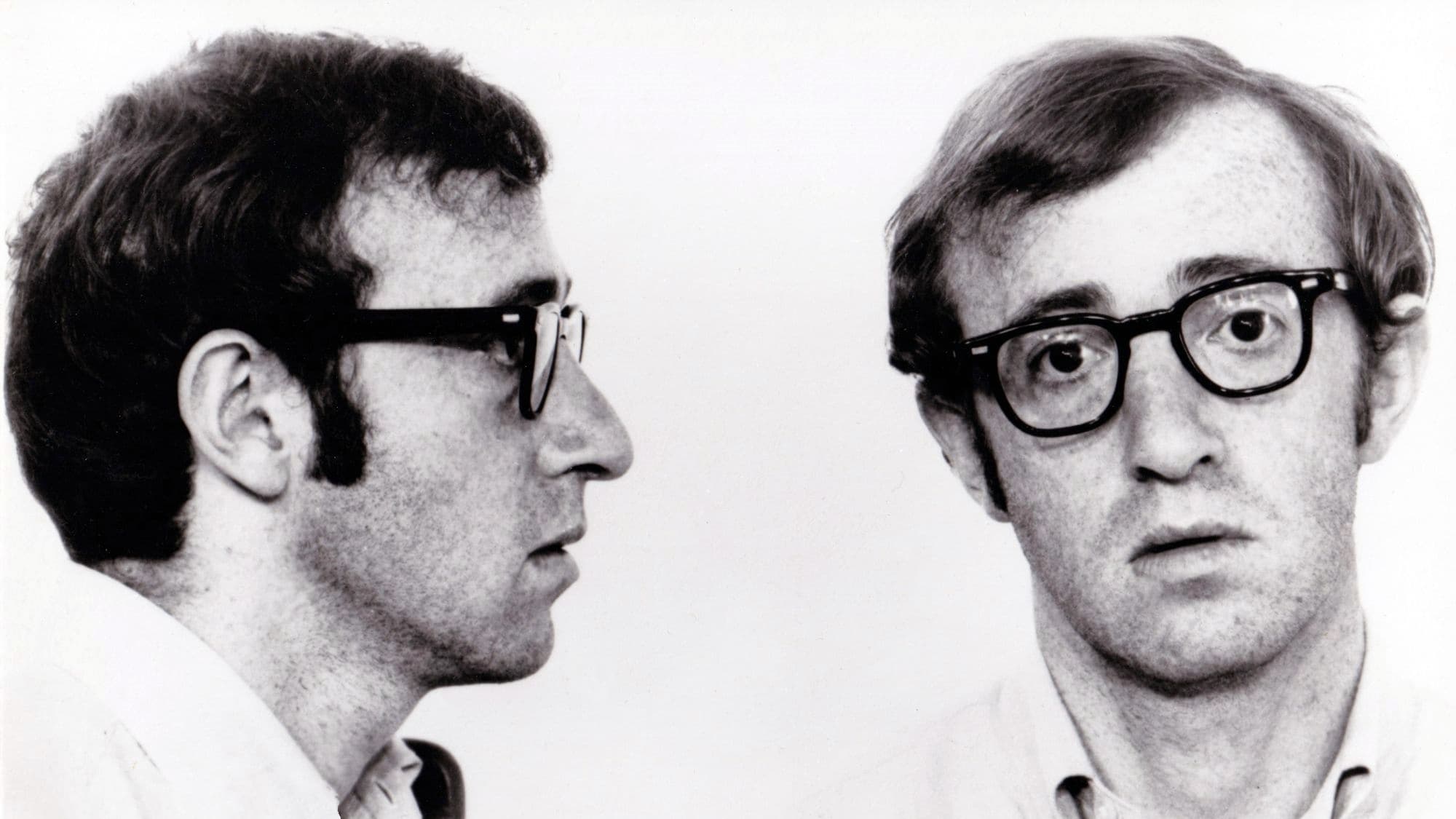 Full HD 1125p
What's left behind the scenes
- One hundred real prisoners from San Quentin prison were filmed in the prison scenes for a small fee. During these shoots, actors and crew members were marked each day with special ink that glowed under ultraviolet light so that guards could determine who could be released from the prison grounds at the end of the day.
- Woody Allen was prompted to direct a film in which he also played the lead role by the chaotic and practically uncontrollable filming of 'Casino Royale' (1967), in which he had appeared two years earlier.
- The first mockumentary to achieve such widespread distribution.
- This was the first time Woody Allen worked simultaneously as a screenwriter, director, and actor.
- The film was shot in 10 weeks in the San Francisco area. Woody Allen joked that it was better to spend the summer there than in Cleveland, but in reality, he knew that the city’s small size allowed him and his crew to make 87 location moves in 50 days. The crew knew that such a frantic shooting schedule was more typical of the television industry, where working until 10 or 11 pm was completely normal. But Allen shot the film without ever working late, and on several occasions the workday on his set ended as early as 4 pm.
- Missile Murphy had previously been to San Quentin prison. He became an actor after being paroled in 1966, having served five and a half years for armed robbery.
- This film marked Woody Allen’s directorial debut. Initially, due to a lack of confidence and experience, he asked Jerry Lewis to direct the film, but Lewis was busy with his own project.
- The film that Virgil shows to his gang ("Catching Trout in Quebec") credits Rollins and Joffe as the production company. This is a real production company belonging to Woody Allen.
- The date of birth given for Virgil in the film – December 1, 1935 – is Woody Allen's actual date of birth.
- The name of the psychiatrist in the film (Dr. Julius Epstein) is a tribute to screenwriter Julius J. Epstein, widely known for winning an Academy Award for the screenplay of "Casablanca" (1942).
- The Spring Street Settlement House Marching Band, with whom Woody Allen attempts to play the cello at the beginning of the film, was a real orchestra from Tamalpais High School in Mill Valley, California. The orchestra received an invitation to perform at a festival at Disneyland, and the money earned from filming in this movie helped them pay for the trip to the festival.
- Virgil's absurd attempts to escape from prison by carving a gun out of soap and painting it black with shoe polish are partly based on a well-known case of a prison break from the Crown Point (Indiana) prison by real bank robber John Dillinger, who used a wooden gun painted black with shoe polish. Interestingly, in director John Milius’s film “Dillinger” (1973), Warren Oates, playing the role of Dillinger, also uses a piece of soap instead of a piece of wood.
- During the scene where Virgil prepares for the bank robbery, he hides a camera in a challah – a braided egg bread that Jews eat during Shabbat.
- The first version of Woody Allen’s film was considered not funny at all, including the scene of his death under a hail of bullets, executed in slow motion like in the film “Bonnie and Clyde” (1967). Producers Jack Rollins and Charles H. Joffe convinced the director to talk to editor Ralph Rosenblum to understand how to save the film. The first thing Rosenblum did was cut the violent ending, then he completely changed the structure of the film and strengthened Allen’s rambling narrative. Thanks to his actions, the film turned into a classic comedy. Rosenblum subsequently participated in almost all of Allen’s films, including such pictures as “Bananas” (1971), “Sleeper” (1973), “Love and Death” (1975) and “Annie Hall” (1977).
- Virgil was born in December 1935. When he was a teenager and played the cello in the orchestra, it was approximately the 1950s. But in the background, you can see cars characteristic of the time when the film was shot (late 1960s), as well as the long hair on boys that was popular then. Moreover, most of the characters wear clothing from the late 1960s throughout almost the entire film.
- When the gang escapes, they climb the same embankment twice.
- During the bicycle scene, Woody Allen is chained between the prisoners, but when they enter the old woman’s house, he walks first in the chain.
- When Louisa visits Virgil in prison, the position of her hands changes after a cut.
- After escaping with the gang and talking to Louisa, the position of the hands of the guy walking in front changes abruptly.
- When Virgil cuts a hole in the window, the camera and crew are reflected in it.
- When Virgil walks on the beach, after eating a piece of pepperoni, the shadow of the camera and microphone is visible on his sweat-soaked jacket.
- When Virgil walks from the bathroom to the kitchen in the morning on the day of the robbery, the shadow of the camera is visible on him.
- As two gangs exit the building after robbing a bank, correction fluid sheets are visible on the glass doors.
Did you like the film?
 Auditions in India
 Casting calls in USA
 Castingi w Polsce
 Кастинги в Україні
