TMNT - actors, characters and roles
All actors and their roles in the film "TMNT"
TMNT (2007)
Timing:
1:27 (87 min)

6.165/10
1195
1195

6.745/10
45867
45867

6.2/10
72000
72000
Actors and characters

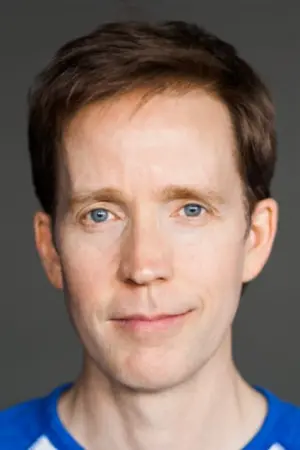
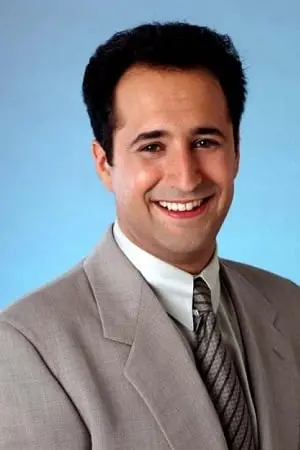
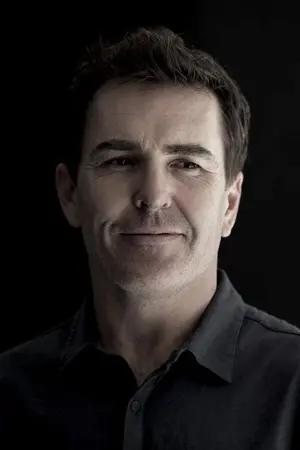
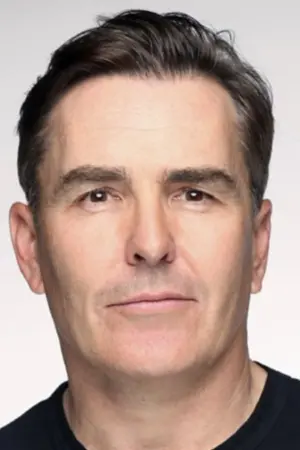

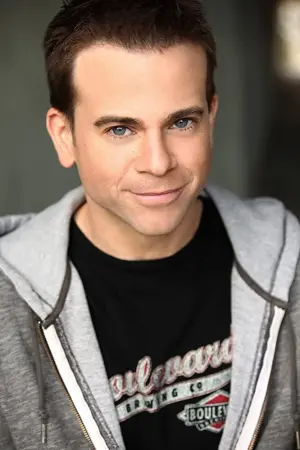


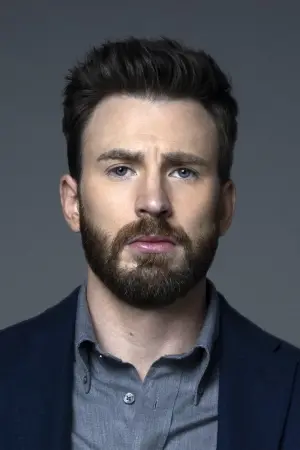
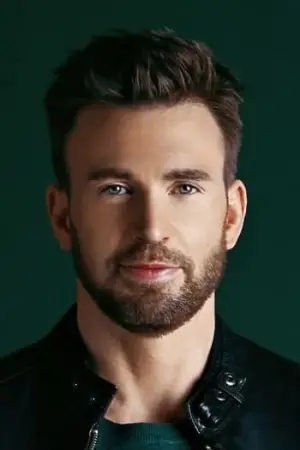
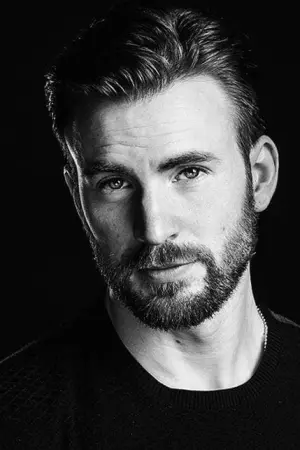
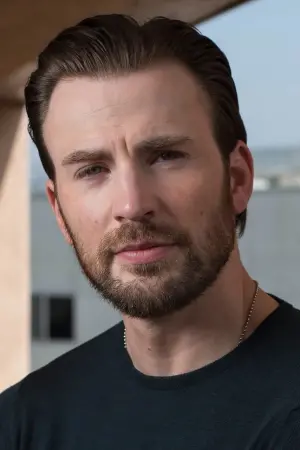
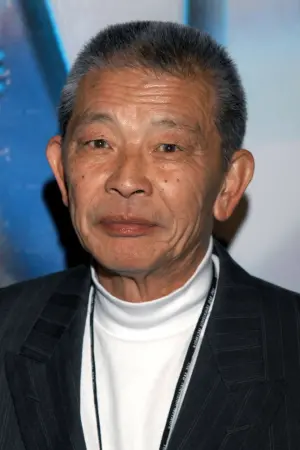
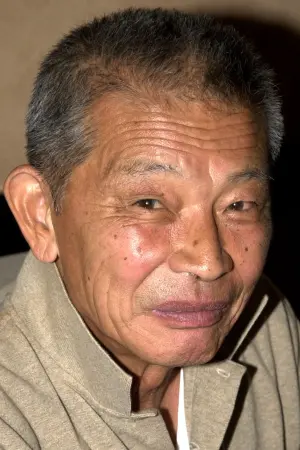
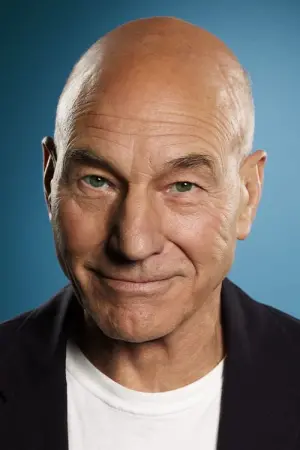
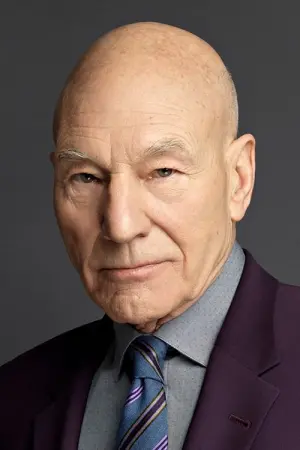
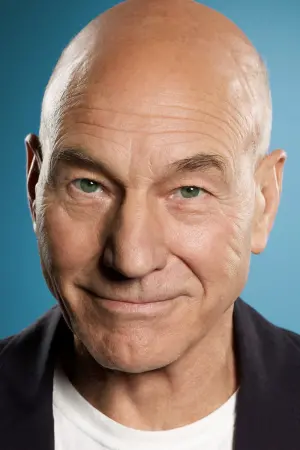
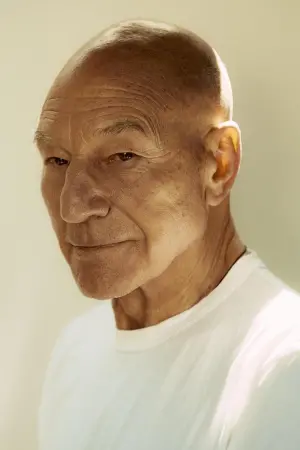
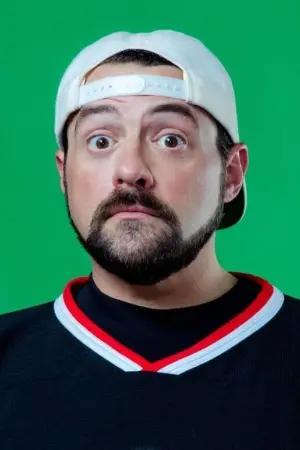
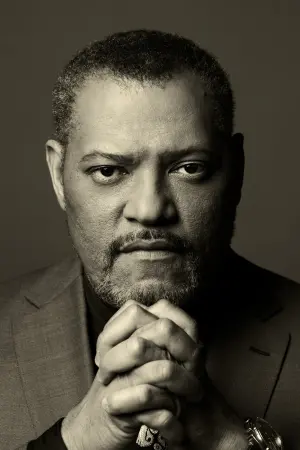
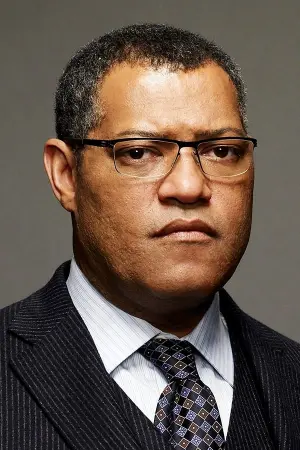
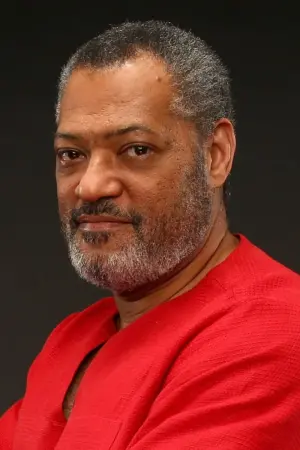




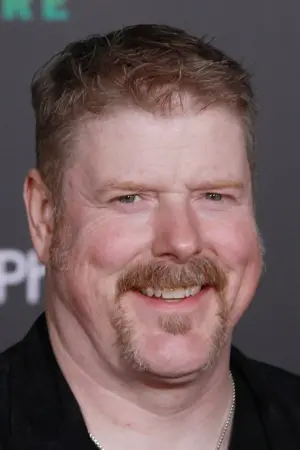
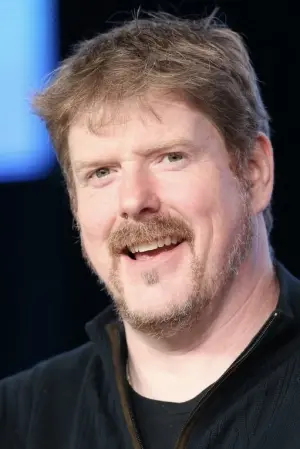
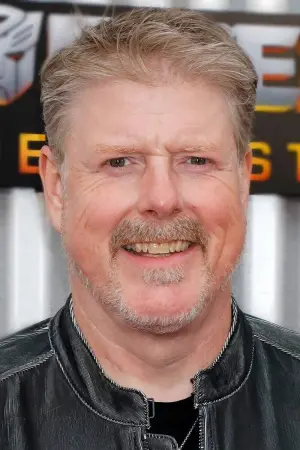
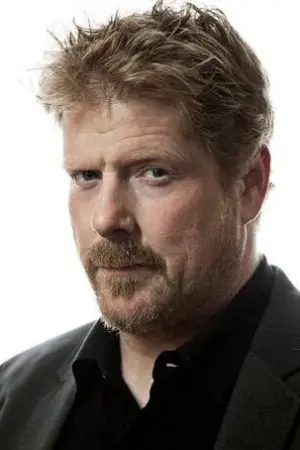
Paula Mattioli
Character General Serpiente (voice)
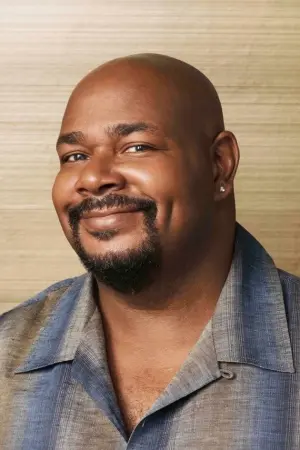
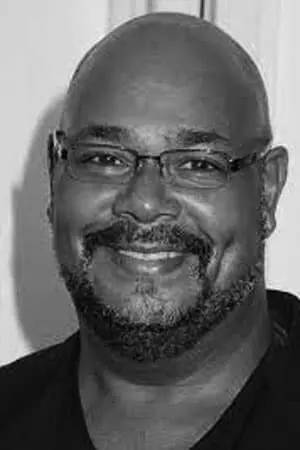
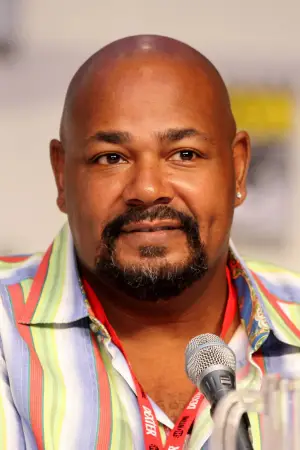
Kevin Michael Richardson
Kevin Michael RichardsonCharacter General Aguila / Additional Voices (voice)
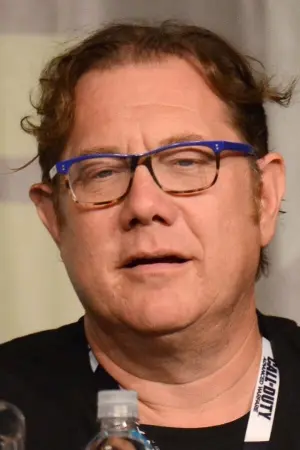
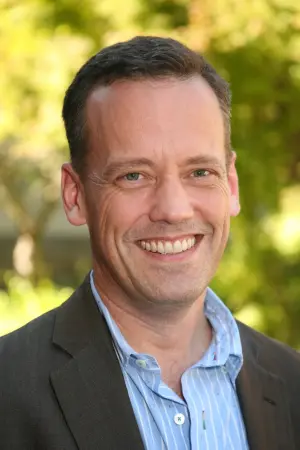
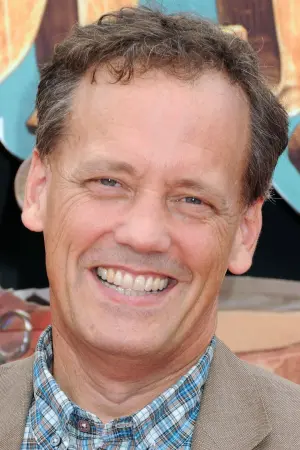
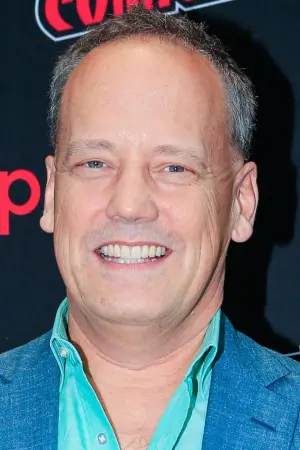

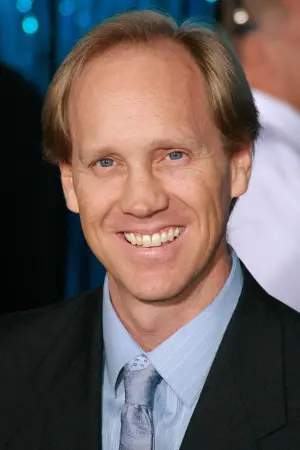
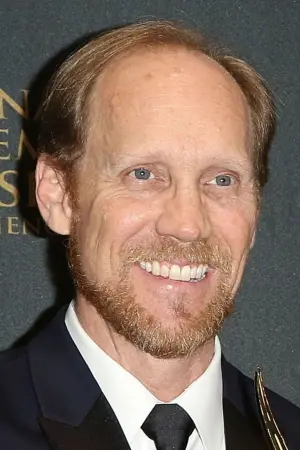
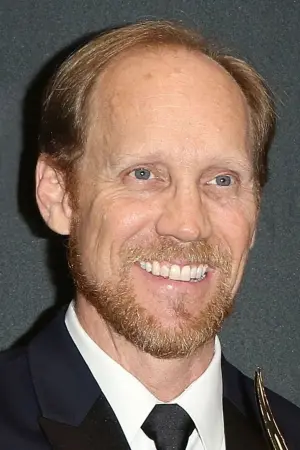
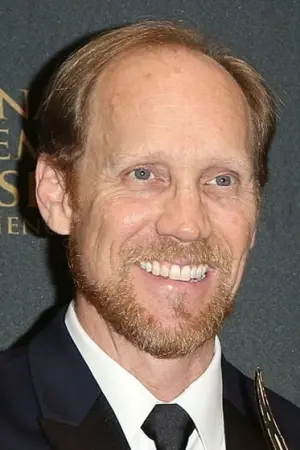





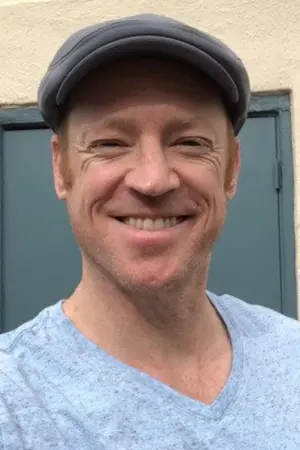
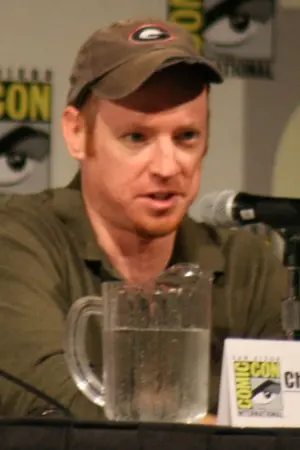


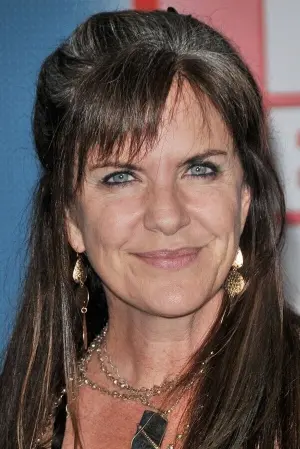
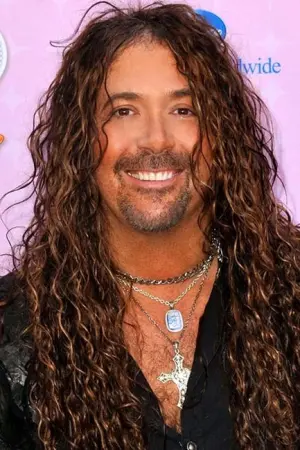
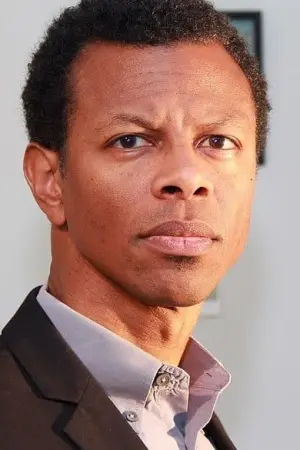

Paul Michael Robinson
Character Additional Voices (voice)




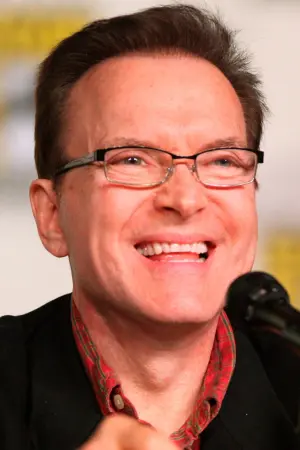


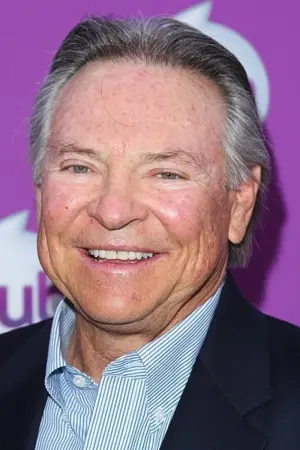
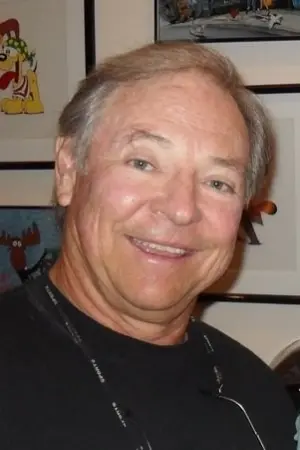
What's left behind the scenes
- The film is dedicated to the memory of Mako, who did not live to see the film's premiere.
- This is the 4th film about the turtles. The first 3 films did not use computer animation, but were made using advanced puppetry technology (animatronic heads as part of the turtle costume, with puppeteers controlling the facial expressions remotely).
- Leonardo, Raphael, and Donatello have brown eyes, while Michelangelo has blue eyes. The director of the cartoon wanted Michelangelo to look younger and more harmless than the others.
- One day before the death of Oscar-nominated actor Mako on July 21, 2006, it was announced that Splinter would be voiced by him at the annual international Comic-Con festival in San Diego. The filmmakers managed to film Mako in almost all of the scenes of the movie 'Teenage Mutant Ninja Turtles' where his character was active.
- Karai's first on-screen appearance. She is Shredder's adopted daughter in the animated series 'Teenage Mutant Ninja Turtles: New Adventures!' (2003–2009), who arrives from Japan after Shredder's death in the comics.
- The central composition of Gym Class Heroes’ cartoon song 'Shell Shock' began as a rap improvisation that they performed at one of their concerts.
- During its opening weekend, the cartoon broke all box office records in the US, grossing $25.45 million.
- In all previous films of the franchise, animation alternated with live-action. This is the first full-length computer-animated film in 14 years. The events in it take place after those depicted in earlier films.
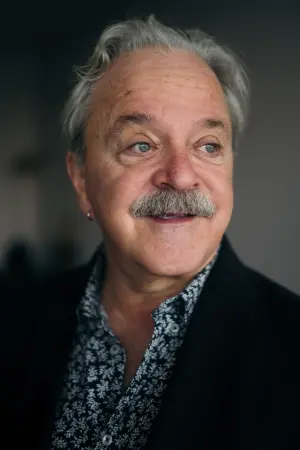
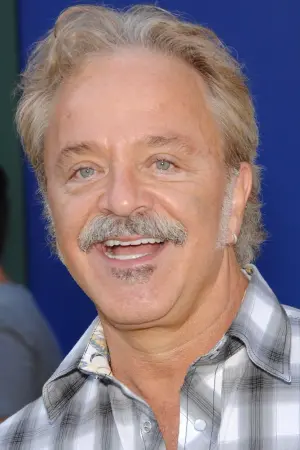
- Jim Cummings became the only actor to remain in the films of the franchise since his first appearance in the animated series in 1987, where he voiced Leatherhead, a frog named Genghis, and partially Shredder.
- The first film in the franchise where computer graphics were handled by Imagin Animation Studios.
- It was the highest-budget film in the franchise until the release of Jonathan Liebesman's action film Teenage Mutant Ninja Turtles (2014).
- The names of General Yutla's henchmen translate from Spanish as follows: Aguila – eagle, Gato – cat, Serpiente – snake, Mono – monkey.
- Despite the fact that the cartoon takes place in New York, only one real city landmark appears on screen – the Brooklyn Bridge. The rest of the urban landscape is a product of the authors' imagination.
- Inside the Teenage Mutant Ninja Turtles' lair, you can see an image of the Zeus battle robot, a character from the animated series "Centrix" (2001-2004) created by "Imagi Animation Studios".
- Kevin Munroe believed he would choose a different actor to voice Splinter. "It would be better than looking for an actor with a voice similar to Mako's, because such a person simply cannot be found," he once said.
- Screenwriter Peter Laird has already categorically rejected one idea for the plot of subsequent films in the franchise. It concerns a journey of the Teenage Mutant Ninja Turtles to the past, to the heyday of the Mayan civilization, where aliens-invaders are simultaneously teleported. As Kevin Munroe once recalled, Laird said to this proposal: "We've been through this in 1992" (in the 1992 film "Teenage Mutant Ninja Turtles III").
- The English title of the film consists of the abbreviation TMNT, which is often used by Teenage Mutant Ninja Turtles fans. This is the only film in the franchise, including television series and films (with the conditional exception of the series "Teenage Mutant Ninja Turtles: The New Mutation" 1997-1998), in the title of which the words "Teenage Mutant Ninja Turtles" are not present.
- Casey says the phrase "I thought it was only insurance agents who were so brazen!" when he and Raphael are attacked. Michelangelo also utters this phrase when members of the Foot Clan break into April's apartment in Steve Barron's 1990 film *Teenage Mutant Ninja Turtles*.
- At the very end, Raphael says the phrase "It's great to be a turtle!" (I love being a turtle!). Michelangelo said the same phrase in the first film, and all the turtles (after defeating Super Shredder) in the second film.
- As the cartoon's director Kevin Munro stated in the DVD commentary, the song Splinter hums as he enters the kitchen is an ancient Japanese lullaby. Makoto performed it extemporaneously.
- In the cartoon, the heroes face 13 monsters, some of which are of mythological origin. This is true of the Yeti that appears in the unfinished building, another is a cyclops, pigeons on the roof devour gargoyles, and the creature in the diner strongly resembles the legendary Jersey Devil.
- During the battle between Nightshade and the monster in the diner, a refrigerator falls on the monster, the music cuts out, and the viewer hears the monster make whimpering sounds. These sounds were the result of a glitch in the soundtrack, but the cartoon's creators liked them so much that they decided to leave them in the cartoon.
- For the most part, Splinter's appearance corresponds to what viewers have seen in previous films (where his body is covered in brownish fur), however, in this cartoon he is dressed in a kimono, not in rags as before. In addition, unlike previous appearances on screen, Splinter has an entire right ear here. Kevin Munroe once joked that Splinter had otoplasty (ear reconstruction or repair of missing parts).
- In the finale, Raphael says the phrase "We strike and vanish into the night." This is the same phrase that ends the first Teenage Mutant Ninja Turtles comic book.
- As the director said in commentary on the DVD, in one of the early plot versions, it was assumed that Raphael would die, and Donatello would use Max Winters' technology to bring him back to life. Soon, one of the scriptwriters, Peter Laird, rejected this plot twist. He did not like the idea that one of the main characters would die.
- Some lines in the cartoon are taken from previous films where animation alternated with live action. During the battle with the Foot Clan, Casey Jones says: "Two minutes for high-sticking!" - a phrase he had already used. The last line of the film becomes Raphael's words "It's good to be a turtle!" This same phrase sounds in all previous films of the franchise.
- The plot of the future film "Teenage Mutant Ninja Turtles 2" is supposed to generally repeat the plot of "City War," a 13-part comic book saga. Feeling a certain alienation, Michelangelo believes that no one takes him seriously. Guided by the best intentions, he runs away from his brothers and joins the Foot Clan and puts on a black bandana. The Teenage Mutant Ninja Turtles, at this time, go to Japan, where they encounter Karai, and everything ends with the return of their old enemy Shredder. The next film after that provides for the appearance of Triceratons, and also the arrival from Dimension X of the Technodrome, a spherical mobile fortress. All these events will be triggered by the actions of Donatello. Kevin Munroe wanted the commander of the Technodrome to speak from the screen with the voice of Michael Clarke Duncan. He even came up with posters for the film "Teenage Mutant Ninja Turtles 2" ("shiny asphalt after the rain, a manhole cover, and next to it an orange bandana of Michelangelo") and its sequel ("The Technodrome and small turtle figures in the distance").
- In the first episode featuring the Night Watcher, as the criminals are already scattering, one of the distant store signs is written in hiragana (a Japanese syllabary) as "monro". This is likely a reference to director Monroe.
- Some fans believe that this film is a loose continuation of the original trilogy, ignoring the events described in the television series "Teenage Mutant Ninja Turtles: The New Mutation" (1997-1998), and that the film takes place in a separate universe. This is not the case. At the end of the film, items familiar to viewers from previous films appear on screen – Shredder's helmet and staff, a Foot Clan member's mask, a canister of mutagen that altered the appearance of the main characters and Splinter (labeled TCRI, not TGRI, i.e., Techno Global Research Industries, although a dent on the side of the canister allows for misinterpretation of the 'C'), the scepter of time, Walker's hat, the helmet of Lord Norinaga, and parts of the armor worn by the Ninja Turtles in the third film of the franchise.
- The day before the death of Oscar-nominated actor Mako, on July 21, 2006, it was announced that Splinter would be voiced by him at the annual international Comic-Con festival in San Diego. The filmmakers managed to film Mako in almost all of the scenes for the film “Teenage Mutant Ninja Turtles” featuring his character.
- Karai’s first on-screen appearance. She is Shredder’s adoptive daughter in the animated series “Teenage Mutant Ninja Turtles. New Adventures!” (2003–2009), who arrives from Japan after Shredder’s death in the comics.
- The central composition of Gym Class Heroes' song "Shell Shock" originated as a rap improvisation they performed at one of their concerts.
- The first film in the franchise to feature computer graphics by Imagin Animation Studios.
- It was the highest-budget film in the franchise until Jonathan Liebesman's action film "Teenage Mutant Ninja Turtles" (2014).
- Inside the Teenage Mutant Ninja Turtles' lair, you can see an image of Zeus, the combat robot character from the animated series "Centrix" (2001-2004), created by Imagi Animation Studios.
- Kevin Munroe believed he would choose a different actor to voice Splinter. "It would be better than looking for an actor with a voice like Mako's, because there simply isn't one," he once said.
- The screenwriter Peter Laird has definitively rejected one idea for the plot of subsequent films in the franchise. It concerns a journey of the Teenage Mutant Ninja Turtles to the past, to the height of the Mayan civilization, where aliens-invaders are simultaneously teleported. As Kevin Monroe once recalled, Laird said to this proposal: "We've already been through that in 1992" (in the 1992 film "Teenage Mutant Ninja Turtles III").
- The English title of the film consists of the abbreviation TMNT, which is often used by fans of the Teenage Mutant Ninja Turtles. This is the only film in the franchise, including television series and films (with the conditional exception of the 1997-1998 series "Teenage Mutant Ninja Turtles: The New Mutation"), in the title of which the words "Teenage Mutant Ninja Turtles" are not present.
- Casey says the phrase "I thought it was just insurance agents who were so rude!" when he and Raphael are attacked. The same phrase is uttered by Michelangelo when members of the Foot Clan break into April's apartment in Steve Barron's 1990 film "Teenage Mutant Ninja Turtles."
- In the finale, Raphael says the phrase "We strike and vanish into the night." The first Teenage Mutant Ninja Turtles comic book ends with the same words.
- The plot of the future film "Teenage Mutant Ninja Turtles 2" was supposed to roughly repeat the plot of "War in the City," a 13-part comic book saga. Feeling a certain alienation, Michelangelo believes that no one takes him seriously. Guided by the best intentions, he runs away from his brothers and joins the Foot Clan and puts on a black bandana. The Teenage Mutant Ninja Turtles, meanwhile, go to Japan, where they confront Karai, and everything ends with the return of their old enemy, Shredder. The next film after that was to feature Triceratons, and also the arrival of the Technodrome from Dimension X, a spherical mobile fortress. The actions of Donatello would serve as the impetus for all these events. Kevin Monroe wanted the commander of the Technodrome to speak from the screen in the voice of Michael Clarke Duncan. He even came up with posters for the film "Teenage Mutant Ninja Turtles 2" ("shiny asphalt after the rain, a manhole cover, and next to it an orange bandana of Michelangelo") and its sequel ("The Technodrome and small turtle figurines in the distance").
- In the first episode featuring the Night Watcher, as the criminals are already scattering, one of the distant shop signs is written in hiragana (the Japanese syllabary) as “monro”. This is likely a reference to director Monroe.
- Some fans believe that this film is a loose continuation of the original trilogy, disregarding the events described in the television series “Teenage Mutant Ninja Turtles: The New Mutation” (1997-1998), and that the film takes place in a separate universe. This is not the case. At the end of the film, items familiar to viewers from previous films appear on screen – Shredder's helmet and staff, a Foot Clan member's mask, a canister of mutagen that altered the appearance of the main characters and Splinter (it bears the abbreviation TCRI, not TGRI, meaning Techno Global Research Industries, although a dent on the side of the canister on the letter “C” allows for misinterpretation), the Scepter of Time, Walker's hat, the helmet of Lord Norinaga, and pieces of armor worn by the Teenage Mutant Ninja Turtles in the third film of the franchise.
Did you like the film?
 Auditions in India
 Casting calls in USA
 Castingi w Polsce
 Кастинги в Україні
