Tomorrowland
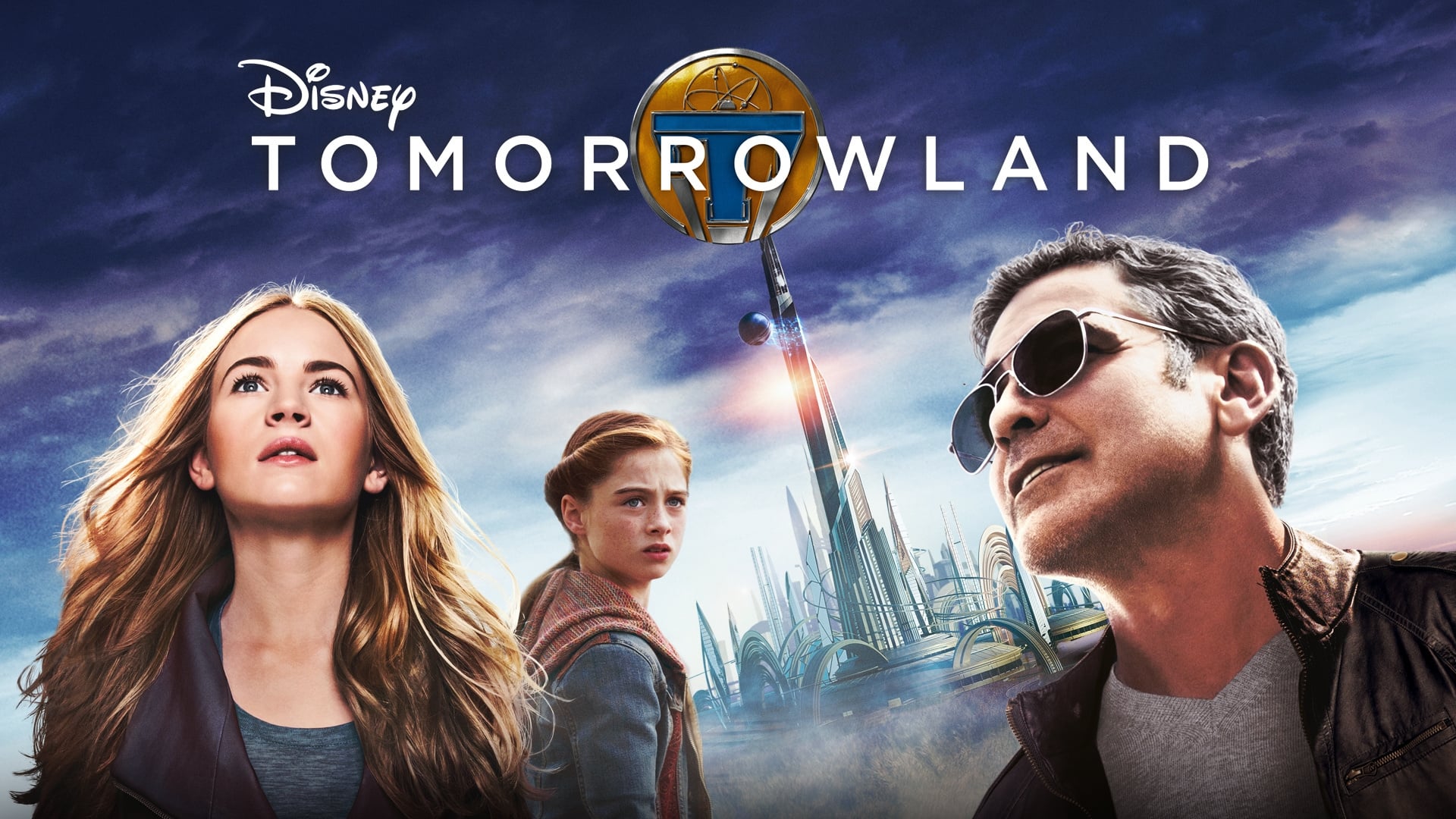
Imagine a world where nothing is impossible.
Tomorrowland (2015)
Timing:
2:10 (130 min)

6.3/10
7353
7353

6.245/10
130497
130497

6.4/10
199000
199000
Country
Production
Genre
Adventure, Family, Mystery, Science Fiction
Budget
$190 000 000
Revenue
$209 200 000
Director
Actors
Scenario
Producer
Brad Bird, Jeffrey Chernov, Damon Lindelof, Bernard Bellew, John Walker
Operator
Claudio Miranda
Composer
Artist
Laurel Bergman, Natasha Gerasimova, Andrew Li
Audition
April Webster, Alyssa Weisberg, Corinne Clark
Editing
Short description
Bound by a shared destiny, a bright, optimistic teen bursting with scientific curiosity and a former boy-genius inventor jaded by disillusionment embark on a danger-filled mission to unearth the secrets of an enigmatic place somewhere in time and space that exists in their collective memory as "Tomorrowland."
What's left behind the scenes
- In 1955, Walt Disney expanded his Disneyland amusement park, naming the new area "Tomorrowland." At that time, people's imaginations painted a very optimistic future for Earth. However, gradually, the perception of the future became increasingly gloomy and joyless. This process interested screenwriter and producer Damon Lindelof. Once, Lindelof heard that an unusual box had been found in the basement of Disney Studios. It contained all sorts of models and drawings, photographs and recordings, somehow related to the construction of "Tomorrowland" and the 1964 World's Fair. Lindelof decided for himself that there must have been a real place called "Tomorrowland," and not just an amusement park. This idea became fundamental to the plot of the story "Tomorrowland," which Lindelof later reworked into a screenplay with director and producer Brad Bird and executive producer Jeff Jensen.
- From the very beginning, Brad Bird and Damon Lindelof saw only one actor – George Clooney – in the role of the disillusioned inventor Frank Walker.
- The city depicted in the script was filled with the latest technologies. The filmmakers understood that, ideally, it would be good to find such a city in our modern and far-from-perfect world. Initially, it seemed that the entire Earth of the future would have to be created from scratch – a rather laborious and expensive undertaking. Only as a result of an amazing coincidence was a far less costly solution found. Visual effects developer and film co-producer Tom K. Peitzman stumbled upon a completely futuristic location and showed it to director Brad Bird. This location turned out to be the City of Arts and Sciences in Valencia, Spain. It was designed by architect Santiago Calatrava, whose work had already repeatedly inspired production designer Scott Chambliss. The discovery pleased the director as well, who always preferred real locations to chroma key.
- Not all scenes set in the Earth of the future could be filmed at the City of Arts and Sciences. In particular, they needed to figure out how to film scenes with a monorail. The area with a huge energy sphere and a massive monitor was named 'Bridgeway Plaza'. It took six months to build the sets; ultimately, the area turned out to be half the size of a football field. The sets were so large that there wasn’t a pavilion in the world that could accommodate them. Considering the height of some of the structures and the cranes on which the lighting equipment was mounted, unlimited airspace above the site was also required. Furthermore, as the plot developed, different eras of the 'Earth of the Future' were to be demonstrated on the same site.
- A real monorail was assembled on the 'Bridgeway Plaza' site. After the main elements of the structure were ready, the monorail was glazed and illuminated. In its final assembly, the futuristic vehicle weighed almost 16 tons. All that remained was to figure out how to place the massive car on the rail, located five meters above the ground, stop it at a designated point, and return it to the ground. The designers were most concerned about safety, as actors were inside the car. Engineers proposed using hydraulic winches, which could stop the car almost instantaneously in an emergency, and hydraulic brakes, allowing it to slow down at a predetermined and marked point. The doors opened automatically, and the actors could leave the cabin safely.
- Some scenes from the film were shot on a real NASA launch pad at Cape Canaveral in Florida.
- Filming began on a farm near the town of Pincher Creek in the Canadian province of Alberta. The producers had to pay farmers to grow a field of winter wheat with a characteristic amber hue. This is exactly what Brad Bird envisioned as the ideal rural landscape. The crew then moved to a farm in Enderby near Okanagan Lake in British Columbia. Scenes at Walker’s farm and his cornfields were filmed there, which were also grown specifically for the film. Several other locations were also selected in Spain and Canada. Filming took place on the 'It's a Small World' attraction at Disneyland in Anaheim, California, and on the beaches of the Bahamas. A second unit worked in Paris. In total, more than 90 combinations of various on-location and studio sets were used. The crew had to move 10 times.
- Brad Bird turned down the director's chair for "Star Wars: The Force Awakens" (2015) in order to work on "Tomorrowland" (2015).
- Shailene Woodley turned down the role of Casey, which ultimately went to Britt Robertson. Naomi Scott was also considered for the role.
- In Europe, Disney had to change the film's title to "Disney Project T" because the name "Tomorrowland" is a registered trademark of an electronic music festival. A similar situation occurred when the festival was held in the US, where its organizers had to change the name to "TomorrowWorld".
- In the "Blast from the Past" store in one scene of the film, figures of characters from the animated films "The Iron Giant" (1999) and "The Incredibles" (2004) can be seen on the shelves. Both of these films were directed by Brad Bird.
- According to the plot, the search for information related to the mysterious badge leads Casey to Houston, Texas. There is an antique shop called "Blast from the Past," which was completely built on a studio set. "Blast from the Past" is a kind of mishmash of all the science fiction comics that Brad Bird and Scott Chambliss read in their youth. It took the set decorator several months to collect the items that were placed in the store. The collection included several thousand items, most of which were purchased or made specifically for the filming, and there were also some originals, including those that Brad donated from his own collection.
- During the house's self-destruction activation, when Frank and Casey get into the bathtub, Casey is on the right and Frank on the left, but after landing they find themselves in the opposite positions.
- Before the scene where George Clooney freezes the burning combine harvester with a fire extinguisher, it is raining heavily and Britt Robertson is walking around the house through large puddles. However, when George Clooney is thrown away from the door a few seconds later, he falls onto completely dry ground and crawls out from under the stairs in completely dry clothes, while Britt's hair is still wet.
- When young Frank brings his 'Jetpack' invention to the World's Fair, he says that the nitroglycerin flask had to be transported separately due to the bumpy roads. As is known, nitroglycerin can detonate even with a slight impact, but Frank handles the bag containing the nitroglycerin quite carelessly. The first time when the bus stopped, the second – after exiting the bus, the third time when he throws the bag over his shoulder, the fourth, when he traveled through time and the bag fell from above onto the room's floor. In reality, nitroglycerin would have inevitably detonated with such handling.
- When young Frank descends in a boat into a dark tunnel, it is visible that water gets on his backpack, however, after a change of shot, the backpack is completely dry.
- In 1955, Walt Disney expanded his Disneyland amusement park, naming the new area "Tomorrowland." At the time, people on Earth imagined a very optimistic future. However, gradually, the perception of the future became increasingly bleak and joyless. This process intrigued screenwriter and producer Damon Lindelof. Once, Lindelof heard that an unusual box had been found in the basement of Disney Studios. It contained all sorts of models and drawings, photographs and recordings, related in one way or another to the construction of "Tomorrowland" and the 1964 World's Fair. Lindelof decided for himself that there must have been a real place called "Tomorrowland," not just an amusement park. This idea became fundamental to the plot of the story "Tomorrowland," which Lindelof later reworked into a screenplay with director and producer Brad Bird and executive producer Jeff Jensen.
- From the very beginning, Brad Bird and Damon Lindelof saw only one actor – George Clooney – in the role of the disillusioned inventor Frank Walker.
- The city described in the screenplay was filled with the latest technologies. Filmmakers understood that ideally, it would be good to find such a city in our modern and far from perfect world. Initially, it seemed that the entire Tomorrowland would have to be created from scratch – a rather laborious and expensive undertaking. Only thanks to an amazing coincidence was a far less costly solution found. Visual effects developer and co-producer Tom K. Peitzman stumbled upon a completely futuristic location and showed it to director Brad Bird. This location was the City of Arts and Sciences in Valencia, Spain. It was designed by architect Santiago Calatrava, whose work had repeatedly inspired production designer Scott Chambliss. The discovery delighted the director, who always preferred real locations to chroma key.
- Not all scenes set in Tomorrowland could be filmed at the City of Arts and Sciences. In particular, they needed to figure out how to film scenes with the monorail. The area with a huge energy sphere and a massive monitor was named "Bridgeway Plaza." It took six months to build the sets; ultimately, the area turned out to be half the size of a football field. The sets were so large that no pavilion in the world could accommodate them. Considering the height of some of the buildings and the cranes on which the lighting equipment was mounted, unlimited airspace above the site was also required. Furthermore, as the plot developed, different eras of Tomorrowland's existence had to be demonstrated in the same location.
- Filming began on a farm near Pincher Creek in the Canadian province of Alberta. Producers had to pay farmers to grow a field of winter wheat with a characteristic amber hue. This is exactly the kind of rural landscape that Brad Bird envisioned. The film crew then moved to a farm in Enderby near Okanagan Lake in British Columbia. Scenes at Walker's farm and its cornfields were filmed there, also grown specifically for the movie. Several other locations were also selected in Spain and Canada. Filming took place at the "It's a Small World" attraction at Disneyland in Anaheim, California, and on the beaches of the Bahamas. A second unit worked in Paris. A total of over 90 combinations of various location and set locations were used. The film crew had to move 10 times.
- Brad Bird turned down the director's position on "Star Wars: The Force Awakens" (2015) in favor of working on "Tomorrowland" (2015).
- In Europe, Disney had to change the film's title to "Disney Project T" because the name "Tomorrowland" is a registered trademark of an electronic music festival. A similar situation occurred when the festival was held in the US, where its organizers had to change the name to "Tomorrowworld."
- In the "Blast from the Past" shop in one scene of the film, figures of characters from the animated films "The Iron Giant" (1999) and "The Incredibles" (2004) can be seen on the shelves. Both of these films were directed by Brad Bird.
- According to the plot, the search for any information related to the mysterious badge leads Casey to Houston, Texas. There is the "Blast from the Past" antique shop, which was completely built on a studio set. "Blast from the Past" is a kind of mishmash of all the science fiction comics that Brad Bird and Scott Chambliss read in their youth. It took the set decorator several months to collect the goods that were arranged in the store. The collection included several thousand items, most of which were purchased or made specifically for the film, and there were also some originals, including those that Brad donated from his collection.
- When little Frank brings his invention, the “Jetpack,” to the world's fair, he says he had to transport the nitroglycerin flask separately due to the bumpy roads. As is well known, nitroglycerin can detonate even with a slight impact, but Frank handles the bag containing it quite carelessly. The first time was when the bus stopped, the second – after exiting the bus, the third time when he throws the bag over his shoulder, the fourth time when he time-traveled and the bag fell from above onto the room’s floor. In reality, nitroglycerin would have inevitably detonated with such handling.
Did you like the film?
 Auditions in India
 Casting calls in USA
 Castingi w Polsce
 Кастинги в Україні
