Stalingrad - actors, characters and roles
All actors and their roles in the film "Stalingrad"
Сталинград (2013)
Timing:
2:11 (131 min)

6.5/10
342
342

5.757/10
193863
193863

5.7/10
18000
18000
Actors and characters
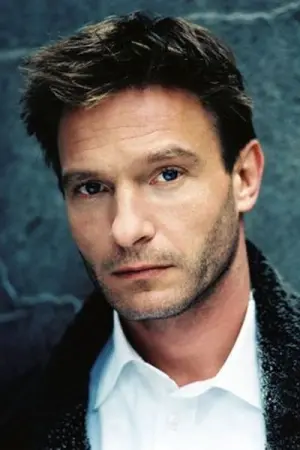
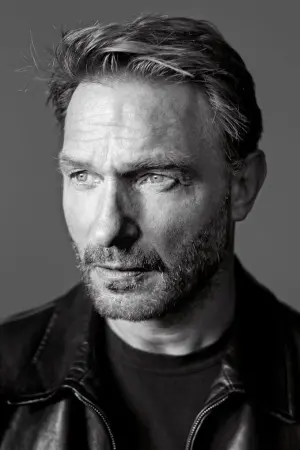
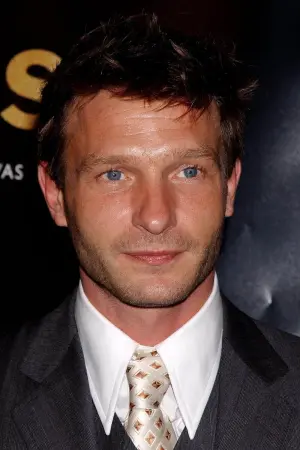
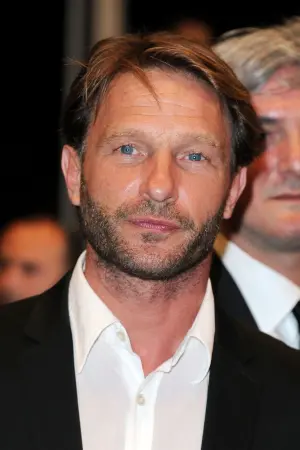


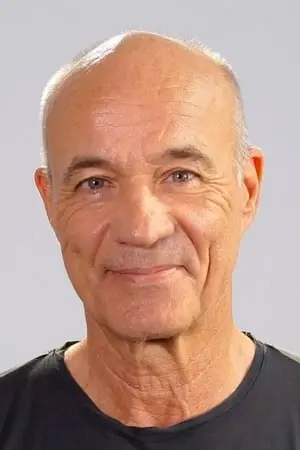


Mariya Smolnikova
Character Katya
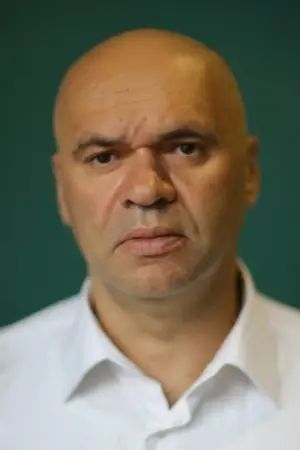


Anna von Haebler
Character Nina
Mariya Sittel
Mariya SittelCharacter Translation of the speech of the Prime Minister of Japan reads (voice)
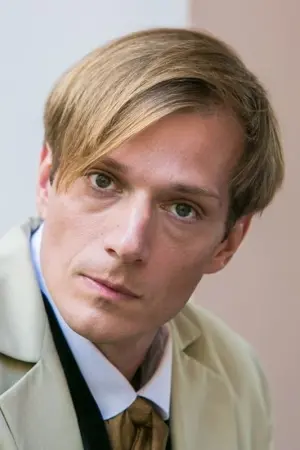


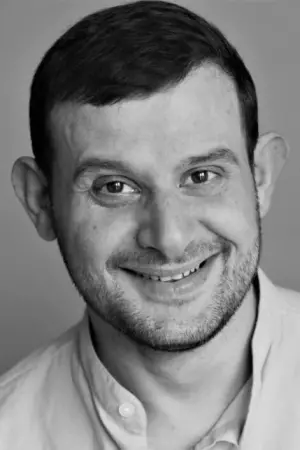
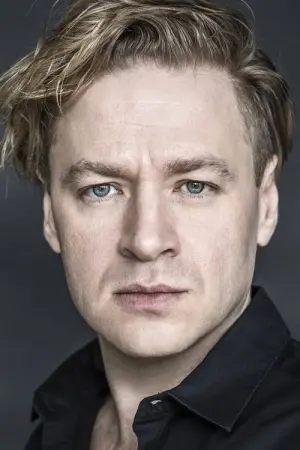

Aleksey Barabash
Character Nikiforov
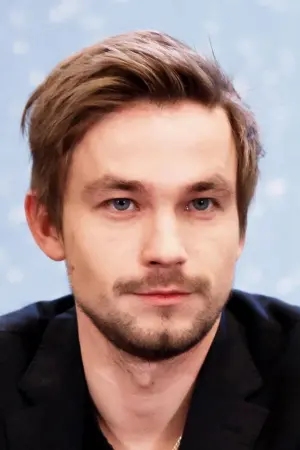
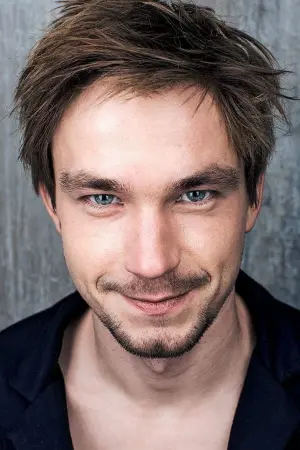
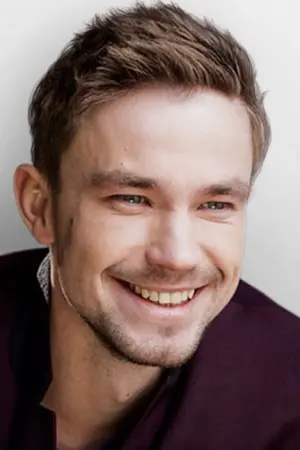
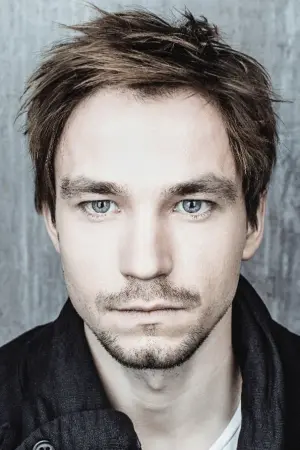
Alexander Petrov
Character Efreytor
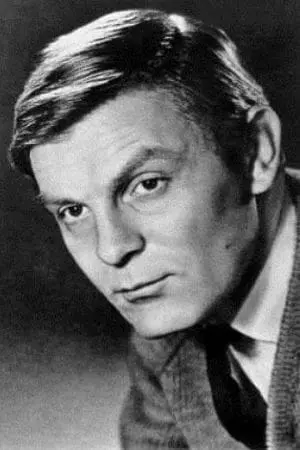
Yuriy Nazarov
Character Gunner



Polina Raykina
Character Natashka
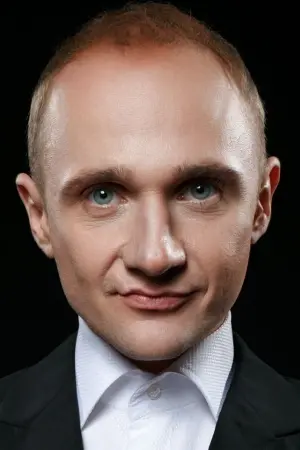
Dmitriy Kochkin
Character Mitya
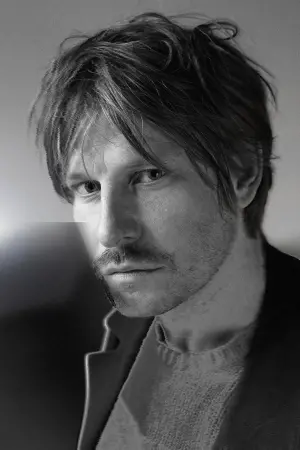
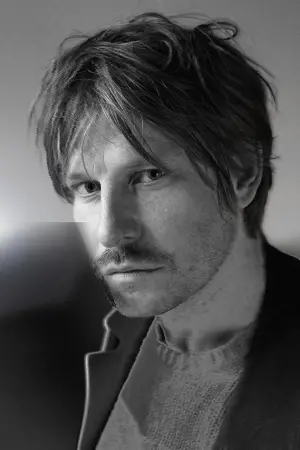
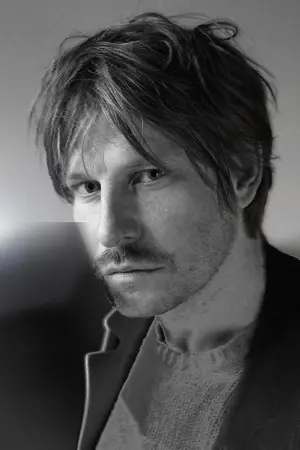
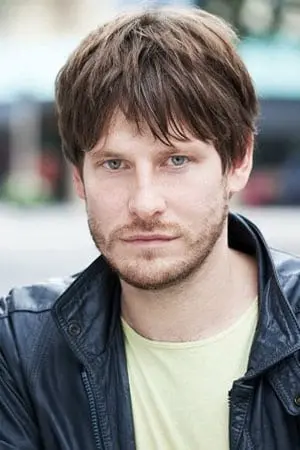
Christoph Gawenda
Character Otto
Nataliya Kadochnikova
Character Zoyka

Valentin Kuznetsov
Character Klyuev
Roman Likhodeev
Character Matros

Aleksandr Suvorov
Character Matros

Ivan Debov
Character Matros


Mikhail Bogdanov
Character Matros

Evgeniy Levitskiy
Character Chasovoy

Oleg Tilkin
Character Belobrysyy saper
Maxim Yakovlev
Character The boy is charging


Kirill Varaksa
Character Sukhoy
Yan Kuzmin
Character Radist


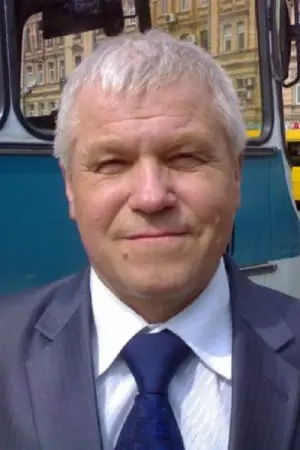
Aleksandr Pangaev
Character Saper

Aleksandr Ivanov
Character Saper
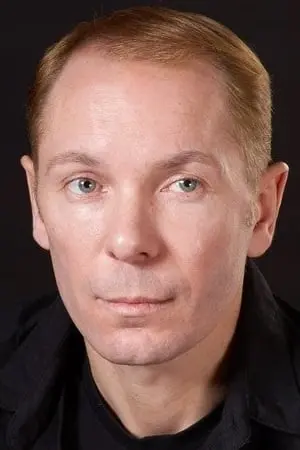
Yuriy Utkin
Character Efreytor
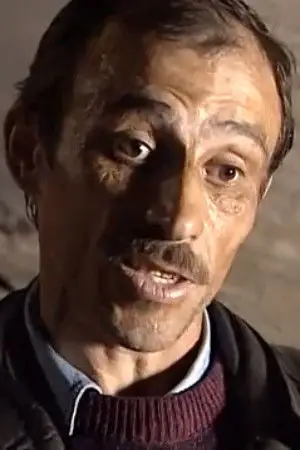
Sergey Trebesov
Character Smuglyy
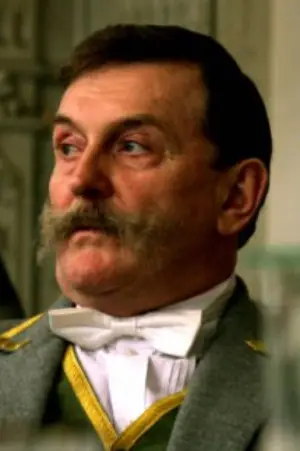
Nikolay Pavlov
Character Opolchenets

Evgeniy Tsurko
Character Opolchenets
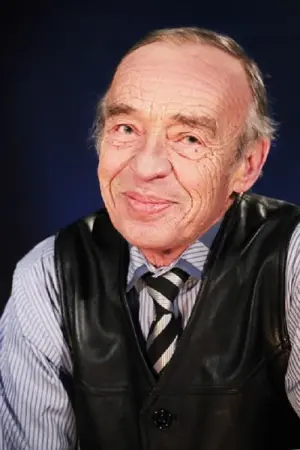


Vladimir Shagin
Character Opolchenets
What's left behind the scenes
- Ilya Tilkin's screenplay has a literary source – chapters from Vasily Grossman's novel.
- Til Schweiger refused the role in the film, citing his unwillingness to play the image of a Nazi German officer.
- The extras were approved solely by the director. Around 1000 people were involved in the mass scenes. Costumes, makeup, and weaponry were meticulously crafted for each of them. Nothing on set is accidental: the cars, scraps of newspapers from that era, stands with posters of pre-war performances, and even cigarette butts – everything corresponds to the period.
- A team of 400 specialists was responsible for the construction and design of the sets, which cost the producers around $4 million.
- The film features T-34 tanks, a German self-propelled gun, and a German PZ-IV tank. All of this equipment is made up of replicas. The PZ-IV was built on the base of a Soviet T-44 tank, with a redesigned turret, additional plating welded on, the bogies covered with shields, and fascist swastikas painted on the sides. The self-propelled gun was made on the base of an all-terrain vehicle. The T-34(76) is a full-size mock-up made of plastic and plywood. The work was carried out by masters from Vitebsk. These same artists created the mock-up of a downed airplane.
- Before filming the battle scenes, specialists carefully inspected the area, removing stones and digging holes for the charges, which were then covered with soft peat. Each participant, whether a stuntman or an actor, knew their maneuver to avoid being blown up. Nevertheless, each performer was assigned a pyrotechnician who guided them and remotely controlled the detonation of the explosives.
- The film contains over 230 shots with computer graphics.
- The opening scene, featuring an airplane flying over Fukushima, lasts approximately two minutes. This shot was entirely created on a computer by artists from Main Road|Post studio.
- Filming in 3D technology is being carried out using original equipment provided by the Hollywood company 3ALITY digital. On set, maintenance of this equipment, rig systems, and RED Epic cameras was handled by a combined Russian-American team assembled by the company “3D Stereo Art.” The visual effects for “Stalingrad” are being produced by the Russian company “Main Road|Post.”
- The prototype for the house in the film is the legendary Pavlov's House in Stalingrad and its history. Shortly before production began, the script was significantly revised, including the plot and dialogue.
- One of Fyodor Bondarchuk's first roles was as Ivan in Yuri Ozerov's film “Stalingrad.”
- According to the director, when he had nothing but the script and a giant model of the Gromov House set with small figurines of people, Vladimir Putin supported the film. The film's budget consists of 30% support from the Cinema Fund, 20% investment from the "Russia" TV channel, and 50% from VTB Bank.
- The attack scene on the German positions after the fuel tanks exploded presented exceptional difficulties for staging. In this episode, our soldiers do not stop fighting even after being engulfed in flames and bursting into fire like torches. Filming proved to be a challenging ordeal for everyone involved, including the camera crew. The temperature soared even in the safe zone, and although the pyrotechnicians did everything possible to minimize the fire for the shot, the heat was unbearable. The scene was rehearsed in front of fully prepared cameras. All participants memorized every one of their actions. At that moment, absolutely everyone, including assistants and safety personnel, was dressed in Red Army uniforms to avoid spoiling the shot even if they accidentally entered the frame. Over three days of filming, 96 burns were performed. At the same time, 14 stunt performers were on fire on the set.
- The explosion of the building is one of the most crucial scenes in the film, because the filmmakers had only one shot. If anything went wrong, rebuilding the house would have been impossible, but the desired artistic effect was achieved on the first attempt.
- In the scene with the burning Red Army soldiers, computer models of people appear in the shots where the soldiers fall from the cliff. They were built and animated in a 3D editor, based on photographs of the actors. The animation technology was mixed; some actions were animated using keyframes, while others were created using motion capture.
- In one scene, Soviet aircraft shoot down a German Heinkel bomber, which dives and crashes with a roar onto the square opposite the Gromov house. This episode was created entirely using computer graphics and animation. When working on the computer model of the aircraft, the 3D artists at Main Road|Post studied the appearance of the German machine from photographs and took into account a model of the aircraft that was on the set. The computer model was built in Autodesk Maya, and all the dynamics of the destruction were simulated in Houdini. In addition, the Stalingrad scenery was also recreated graphically based on numerous photographs of the location.
- The character played by Thomas Kretschmann tells Masha that he is from a noble Prussian family and was invited to his home by Field Marshal Paulus. However, the film's events take place in 1942, while Paulus received the rank of Field Marshal only in January 1943.
- "Stalingrad" is the first domestically produced Russian film to be released in IMAX 3D.
- Thomas Kretschmann, who played a Wehrmacht officer, began his acting career in the German film “Stalingrad”.
- According to the director, when he had nothing but the script and a giant model of the Gromov House set with miniature figures of people, the film received support from Vladimir Putin. The film's budget is comprised of 30% from the Cinema Fund, 20% investment from the “Russia” TV channel, and 50% from VTB Bank.
Did you like the film?
 Auditions in India
 Casting calls in USA
 Castingi w Polsce
 Кастинги в Україні
