Detective Story - posters, covers, wallpapers
Lots of posters, covers and wallpapers for the movie "Detective Story"
Detective Story (1951)
Timing:
1:43 (103 min)

6.944/10
134
134
Backdrops, wallpaper
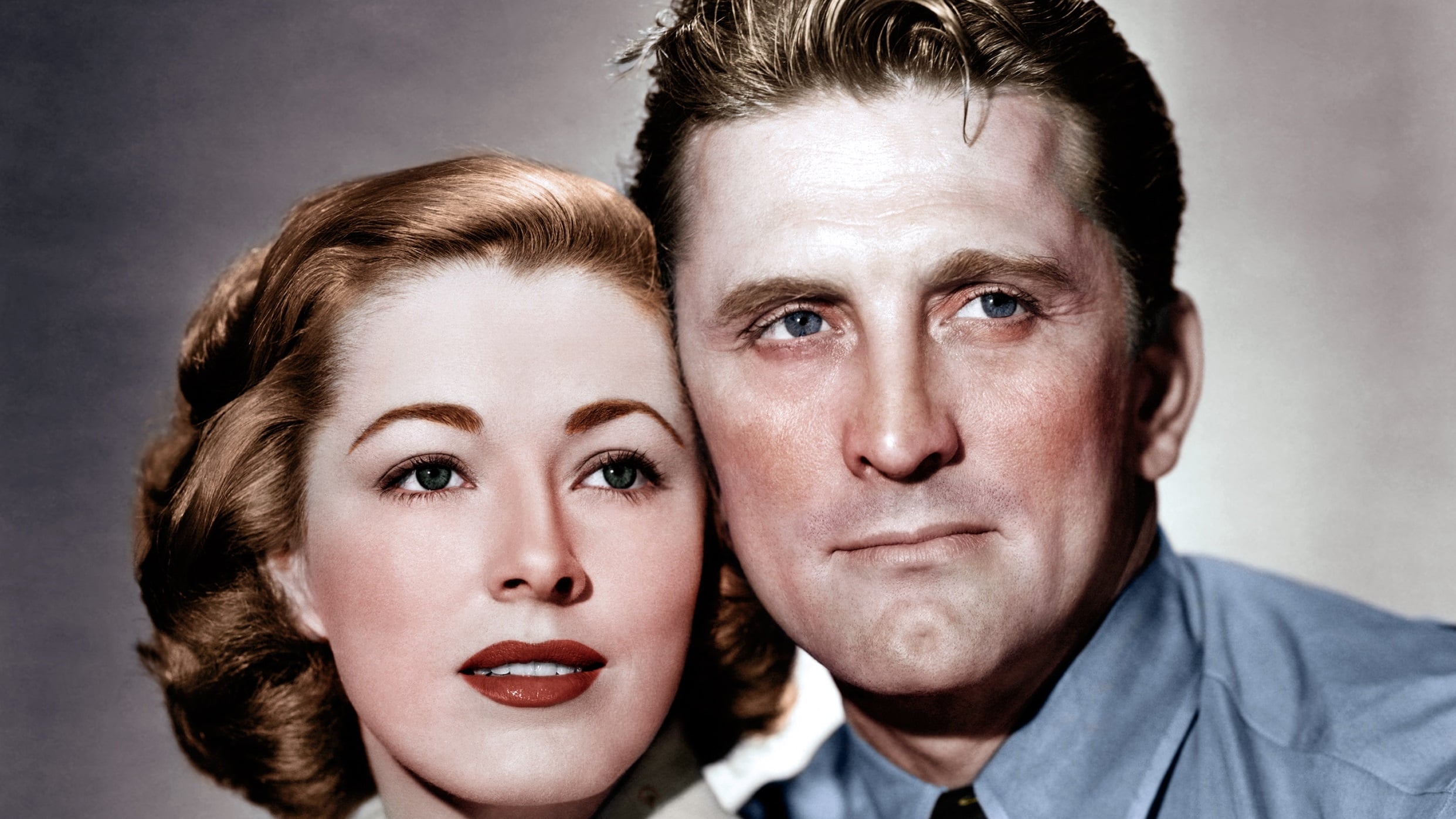 Full HD 1397p
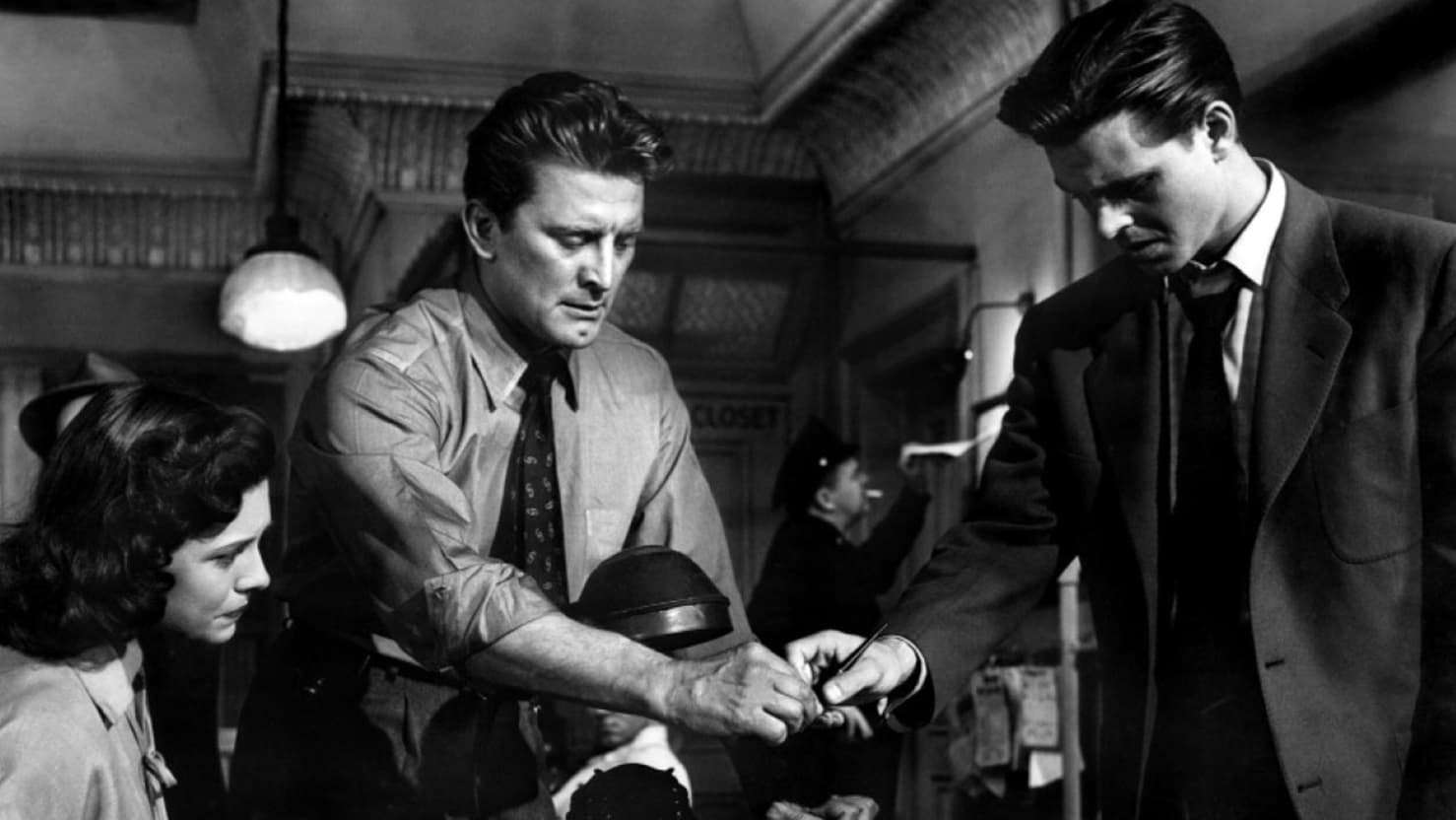 HD Ready 832p
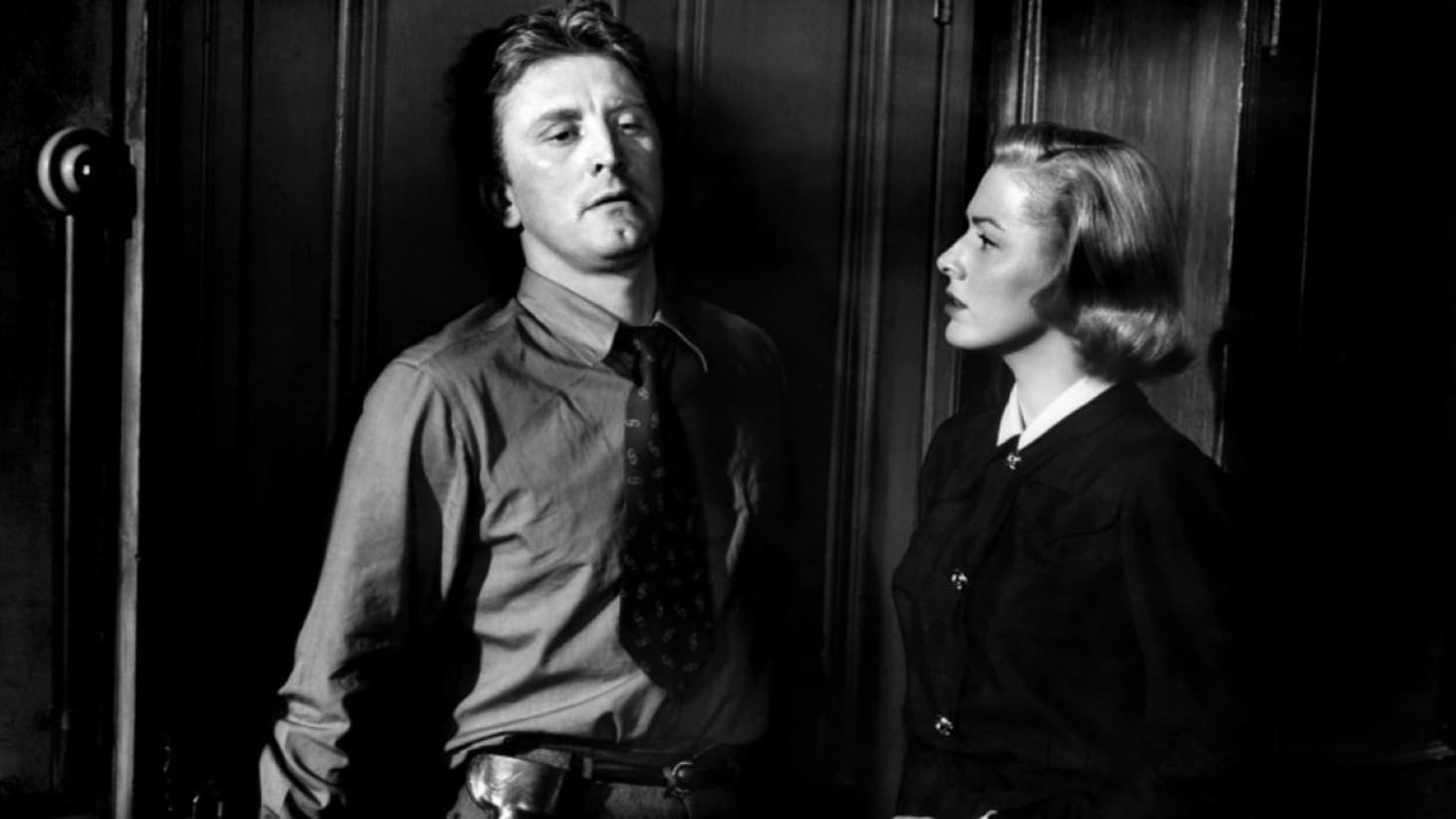 HD Ready 823p
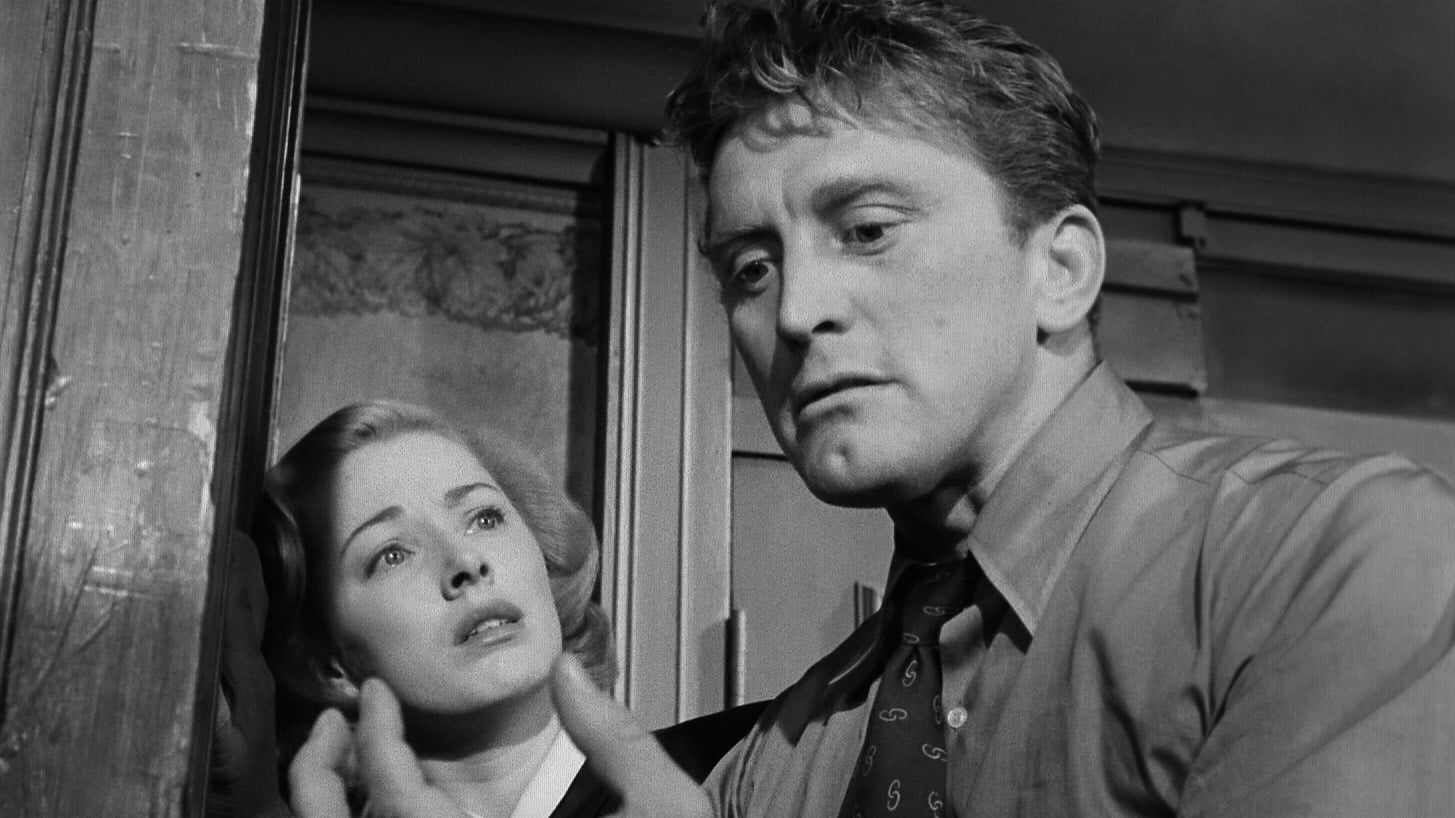 HD Ready 818p
 HD Ready 818p
 HD Ready 818p
 HD Ready 818p
 HD Ready 818p
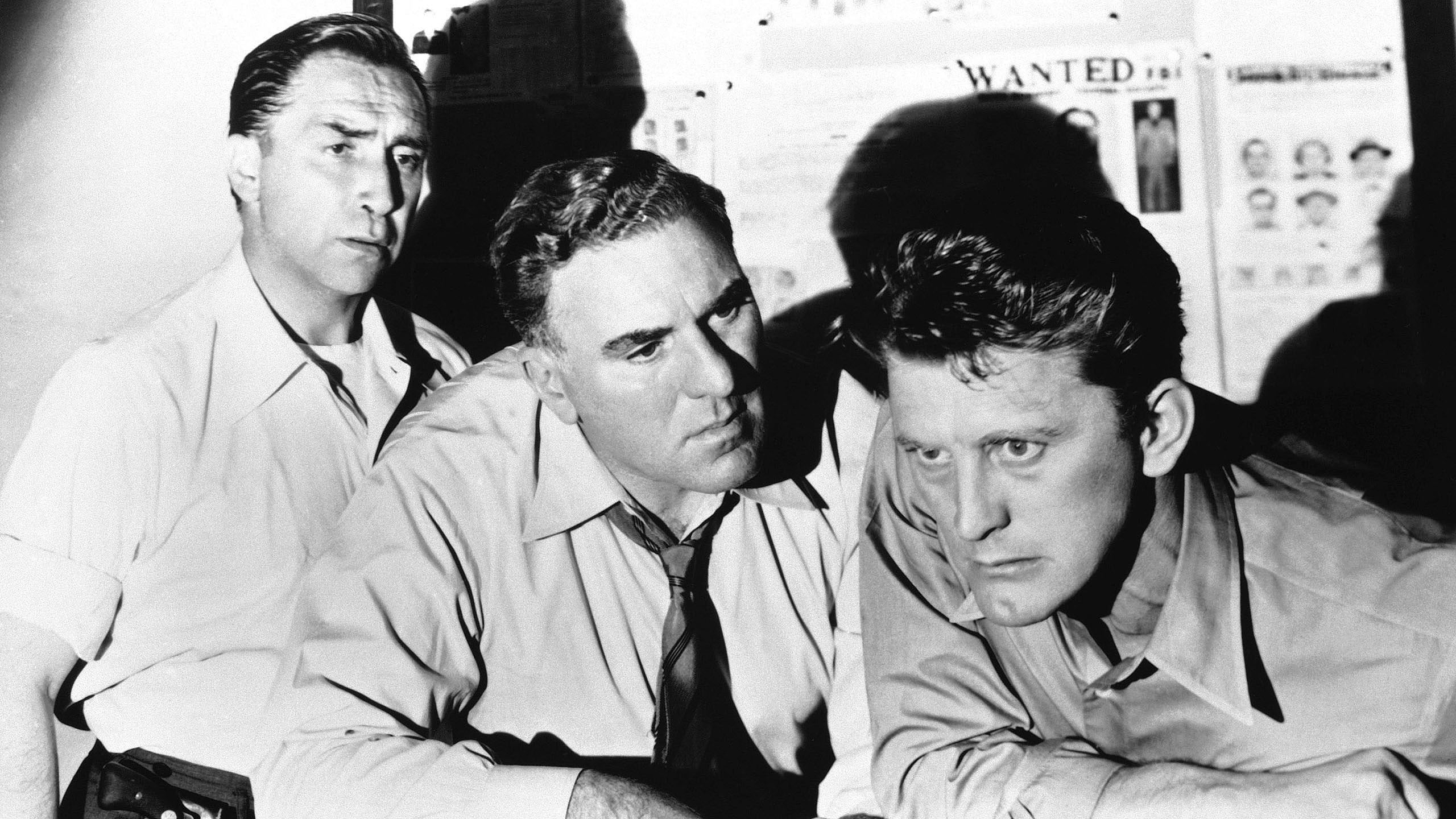 2K 1440p
What's left behind the scenes
- The film is based on the play of the same name from 1949 by playwright Sidney Kingsley. Paramount Pictures bought the rights to adapt the play from Kingsley for $285,000 plus a percentage of the profits, which at that time was the highest price ever paid for the rights to a play adaptation. Kingsley specifically requested that William Wyler, who had successfully adapted his hit play "Dead End" to the screen in 1937, direct the film. Kingsley himself considered the film version of his play superior to the production he staged on Broadway.
- In preparation for his role in 'The Detective Story,' Kirk Douglas worked for several weeks alongside detectives from a real police station in New York and accompanied Los Angeles police officers during their field assignments. In addition, as part of his preparation, Douglas played the role of McLeod in a special staging of 'The Detective Story' at a theater in Phoenix, Arizona, for a week.
- According to a March 1951 article in 'The New York Times', Wyler rehearsed for two weeks and then shot almost the entire film on a single soundstage at Paramount Studios in Los Angeles in just 24 days, ahead of schedule.
- Work on the film's screenplay encountered numerous problems related to the restrictions of the Production Code. The main obstacle was that in the play and the initial screenplay, the character 'Karl Schneider' was an obstetrician performing illegal abortions, which the Code Administration would not approve at that time. Kingsley's play, and the first draft of the screenplay, clearly state that Karl Schneider is an obstetrician practicing illegal abortions, and Mary McLeod was his patient. In his letter of June 12, 1950, addressed to one of Paramount's executives, Luigi Luraschi, the director of the Production Code Administration, Joseph I. Breen, deemed this version of the script 'completely unacceptable… due to the theme of abortion.' In a memorandum dated June 23, 1950, Breen noted that Wyler had agreed to replace the underground obstetrician with a doctor without a license who traded in illegitimate babies.
- After Breen suggested replacing 'abortions' with 'illegal births,' Wyler expressed disappointment in a July 1950 article in 'The New York Times' that the Code was 'outdated,' stating that the Administration's refusal to allow any discussion of abortion was 'ridiculous.' According to archival materials from the Production Code Administration, Paramount threatened to appeal Breen's decision to the Motion Picture Association of America in New York, emphasizing that abortion was depicted quite clearly as evil in the script. In a letter to the President of the Motion Picture Association of America, Eric Johnston, Breen objected that discussing the topic of abortion was 'extremely dangerous for an unprepared audience… especially for youth and adolescents,' and that it should not be raised at all. Although the final version of the film does not feature the word 'abortion,' and Schneider’s business is described as trading in babies, hints of abortion, particularly Schneider being referred to as a 'butcher,' remained in the film. Ultimately, in the final version of the script, Schneider became an underground obstetrician delivering babies out of wedlock and trading children. However, the text was written deliberately ambiguously, and viewers could deduce that Schneider was actually performing abortions.
Did you like the film?
 Auditions in India
 Casting calls in USA
 Castingi w Polsce
 Кастинги в Україні
