James Dean - posters, covers, wallpapers
Lots of posters, covers and wallpapers for the movie "James Dean"
James Dean (2001)
Timing:
1:30 (90 min)

6.7/10
112
112

7.588/10
3917
3917

7.1/10
6000
6000
Backdrops, wallpaper
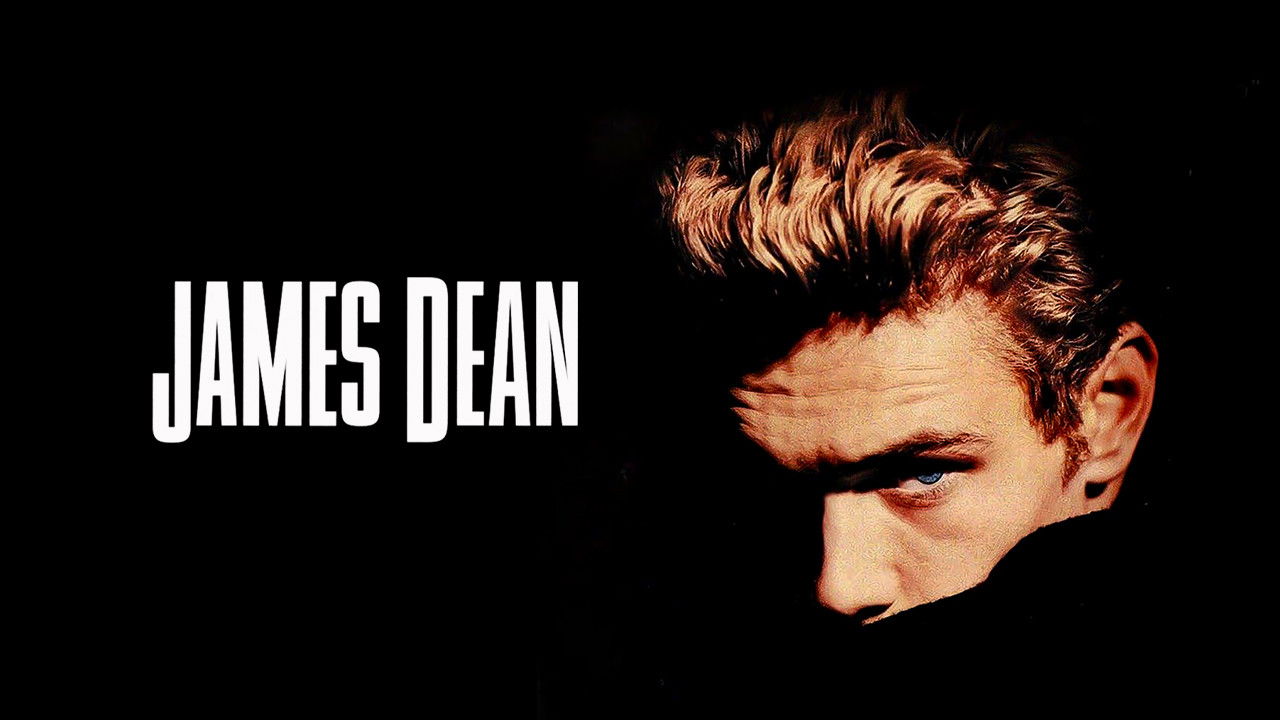 HD Ready 720p
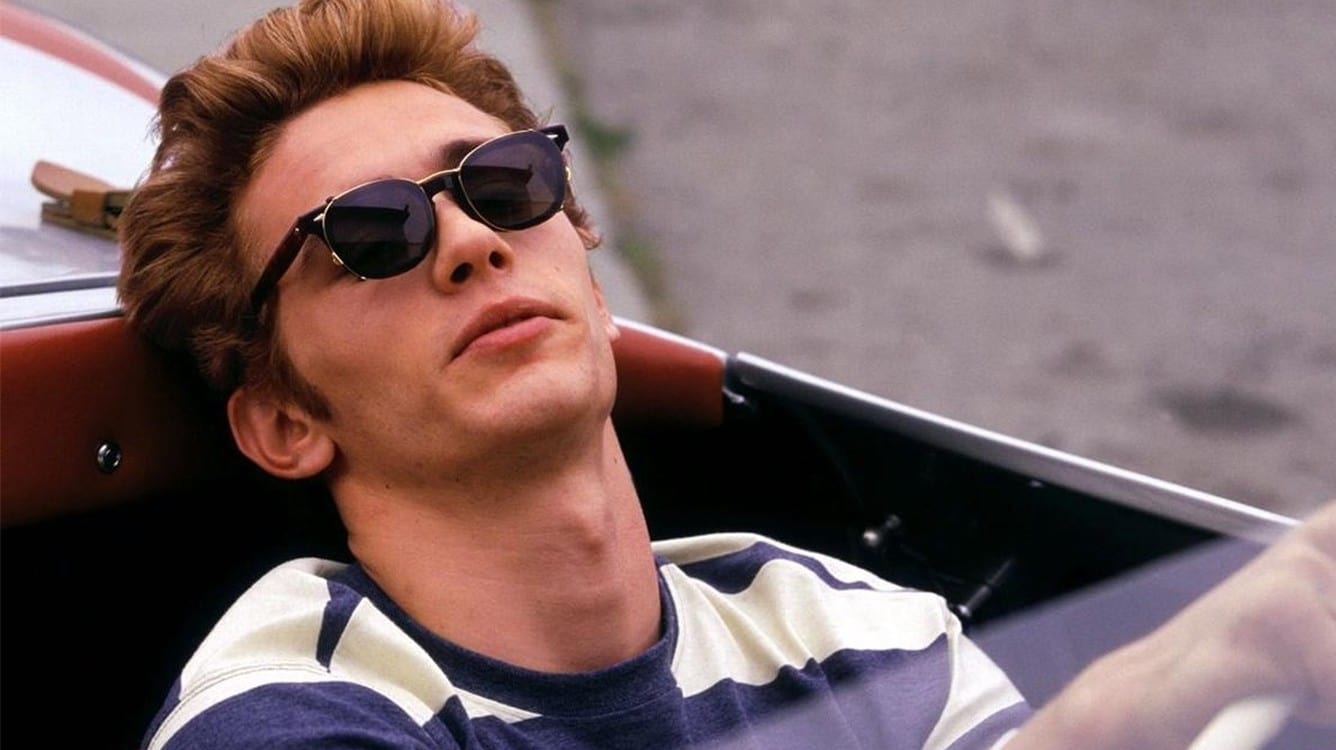 HD Ready 750p
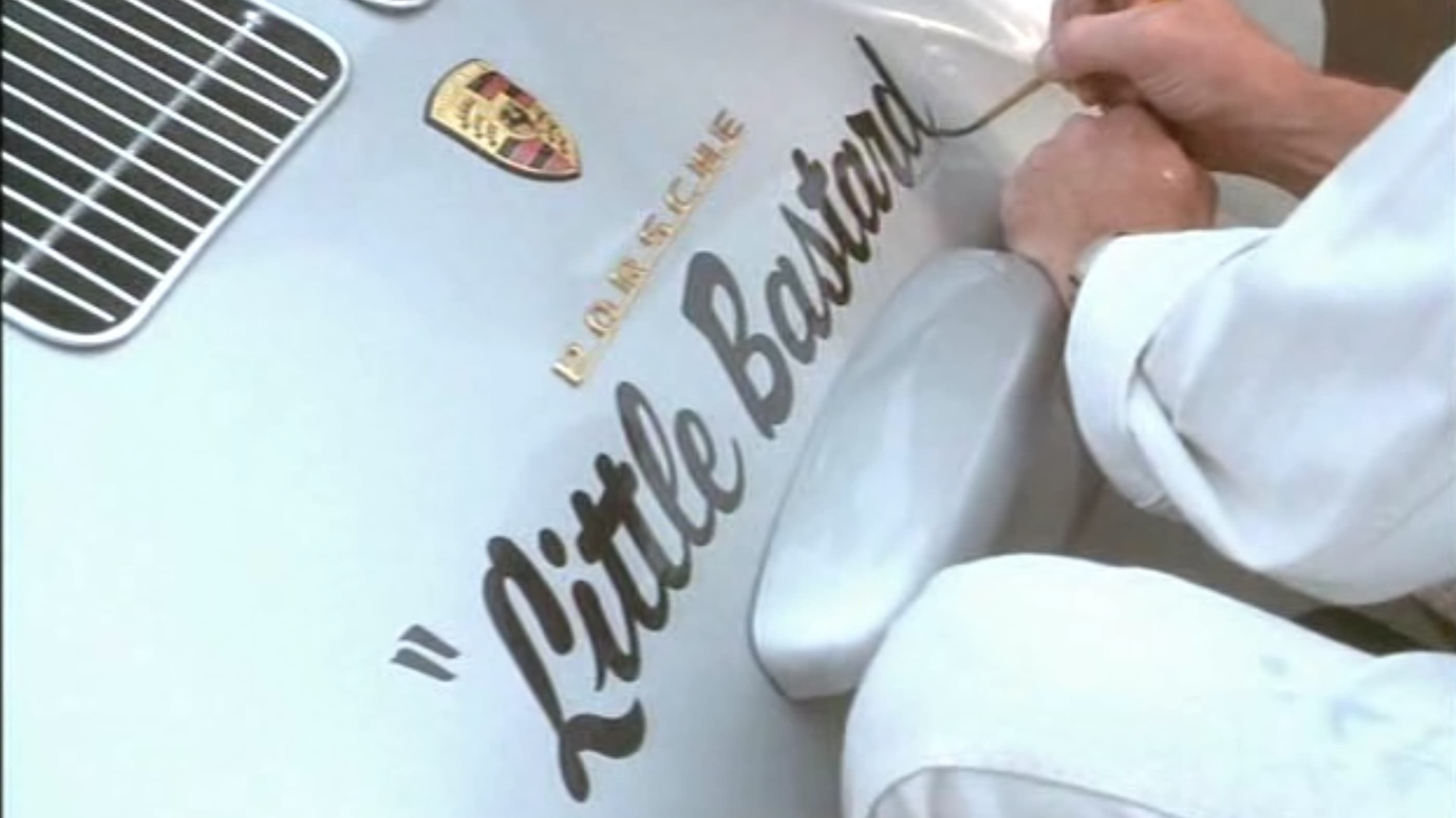 2K 1572p
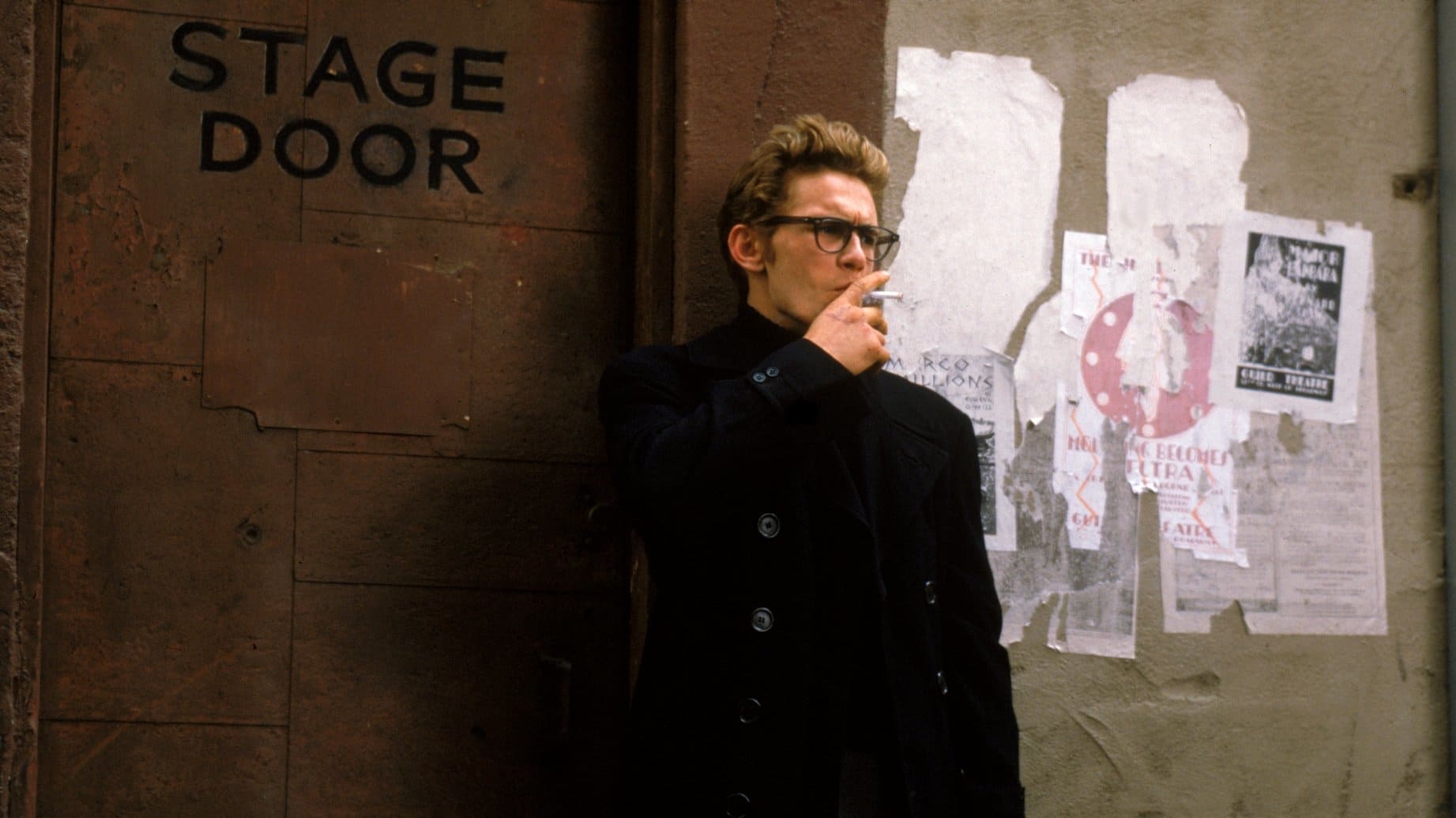 HD Ready 1035p
Posters, covers
 2K 1500p
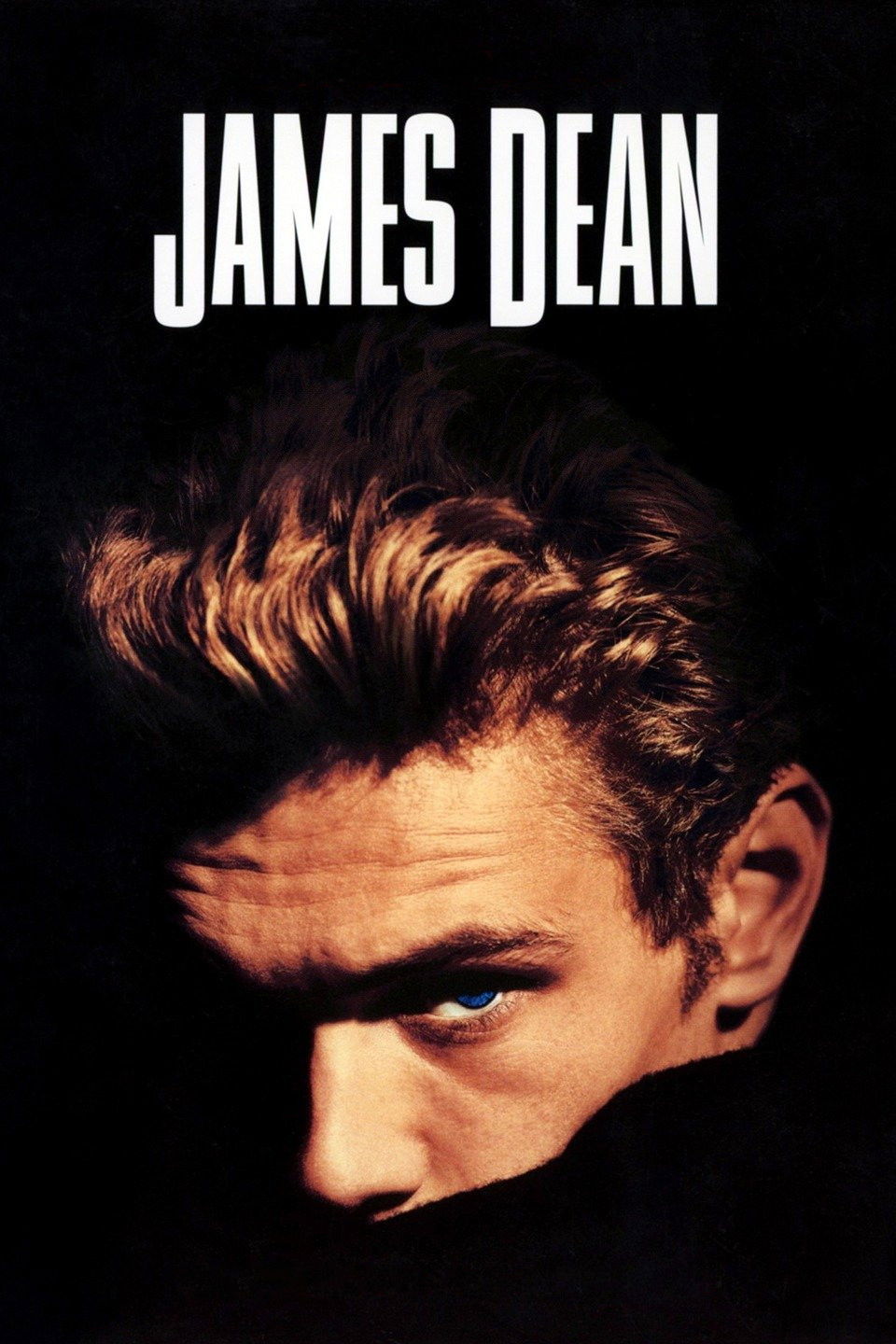 2K 1440p
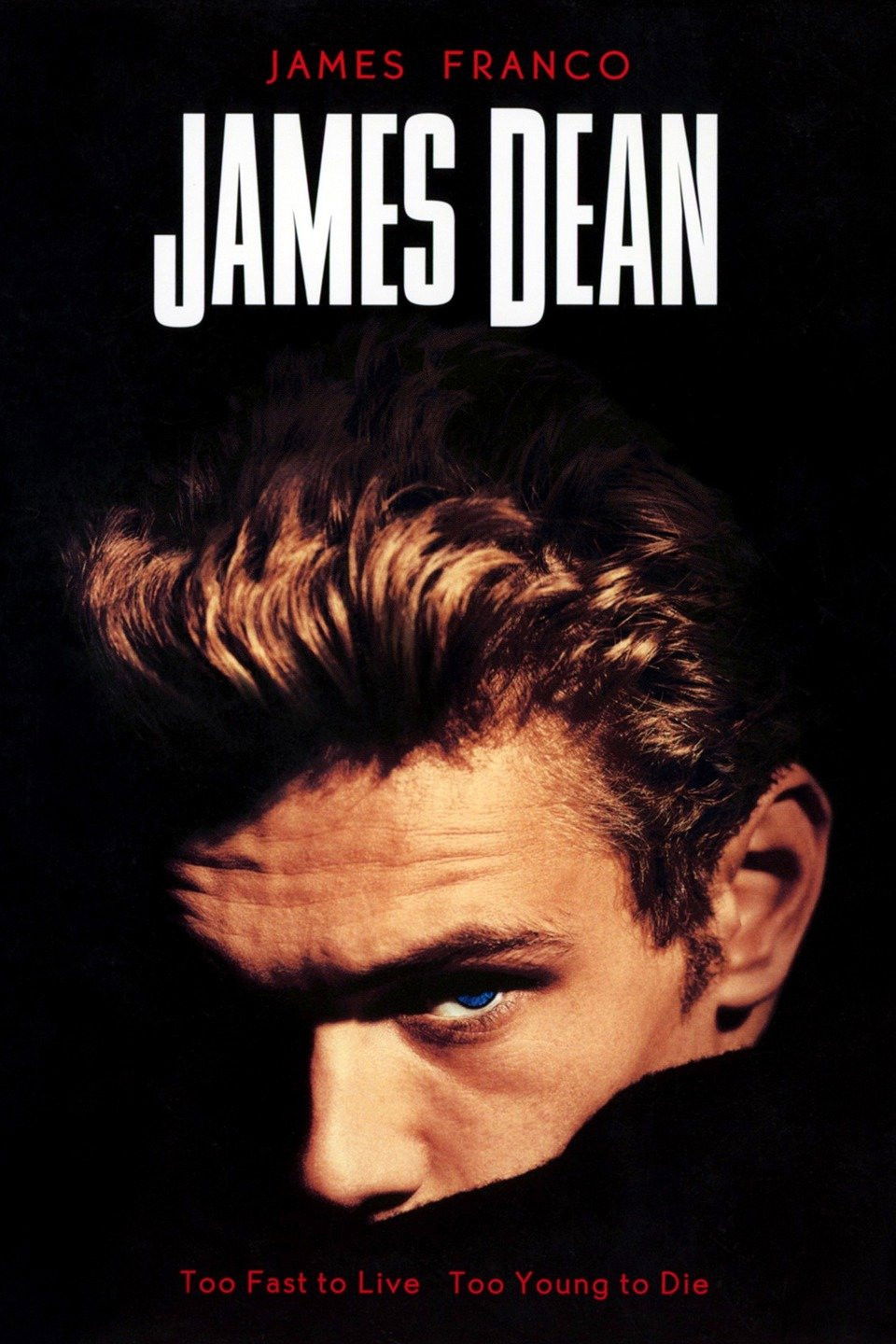 2K 1440p
 Full HD 1080p
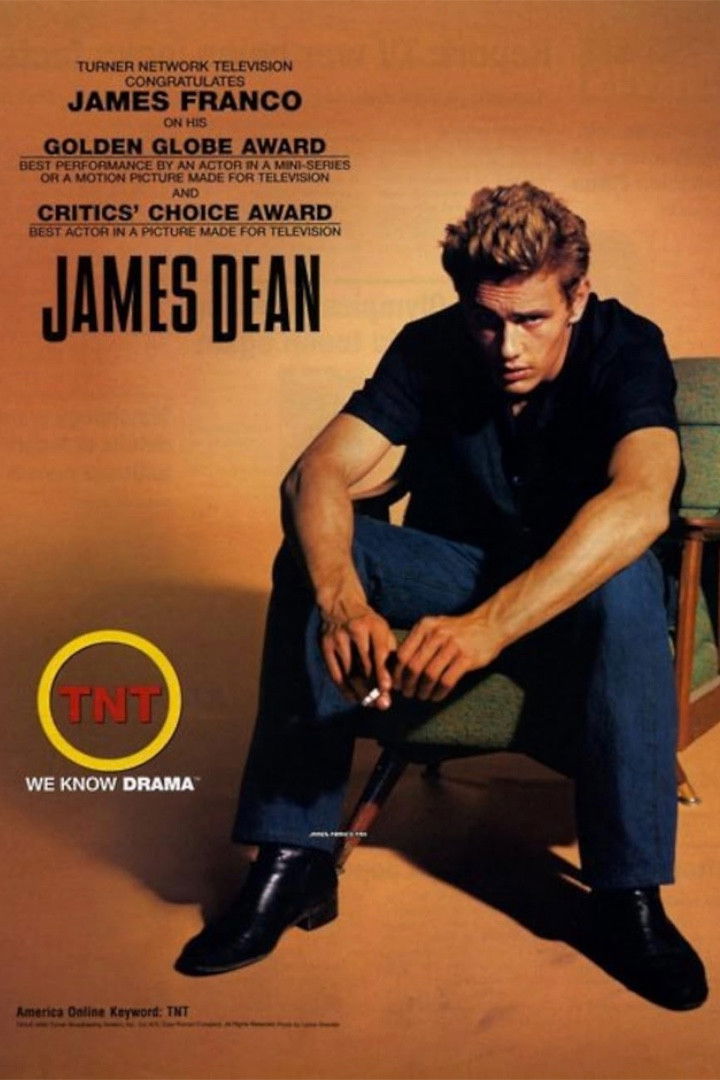 Full HD 1080p
What's left behind the scenes
- One of the working titles of the film was “James Dean: An Invented Life.”
- Michael Mann signed a contract in September 1993 and was to direct the film, with shooting scheduled to begin in May 1994. Brad Pitt and Johnny Depp were the main candidates for the role – both actors were interested in the offer. However, Mann wanted to cast Leonardo DiCaprio, as he believed the actor was the best choice. Gary Oldman was considered for a supporting role. In March 1994, Mann dropped out of the project due to scheduling conflicts with the film 'Heat' (1995). Furthermore, Mann believed that DiCaprio was too young for the role and wanted to wait another year.
- After Mann left the project, he was replaced by Des McAnuff, and the start of filming was postponed to December 1994. He soon declined to direct the film, and was replaced by Dennis Hopper, a close friend of Dean’s and a co-star in 'Rebel Without a Cause'. He met with DiCaprio to discuss the role, but Hopper also eventually left the project. By May 1995, DiCaprio was still the leading candidate for the role, and Milcho Manchevski was being considered as director.
- After negotiations with Manchevski fell through, Mark Rydell was hired as director in February 1996. Rydell was one of Dean’s close friends – they both studied at the Actors Studio in New York in the early 1950s. DiCaprio left the project when he asked for an excessively high fee after the success of 'Romeo + Juliet' (1996) and 'Titanic' (1997). Meanwhile, Rydell began rewriting the script with Horowitz, and Warner Bros. was planning to begin filming as soon as possible. Shortly after Rydell joined the project, discussions began about casting Stephen Dorff as James Dean. Ethan Hawke turned down the role.
- After all the setbacks, producer Bill Gerber of Warner Bros. decided it was best to change the format of the film – it would be a television film made for broadcast on Turner Network Television (TNT), which, along with Warner Bros., was owned by Time Warner. Gerber commented on the decision as follows: “The studio is unlikely to be able to find big names for $20 million. We also faced a number of marketing problems. He crashed in 1955 – we know what the outcome will be. James Dean isn’t that popular with modern audiences.” James Franco received the lead role, and filming began in June 2000 – it took place in the vicinity of Los Angeles and at Sony Pictures Studios in Culver City.
- Rydell began searching for actors at the end of March 2000, trying to select actors who were most suitable for the lead role. Casting took place in New York, Los Angeles, Toronto, Vancouver, Atlanta, Chicago, and cities in the Midwest. Casting director Nancy Foy noted that she paid attention to everyone – “both experienced actors slightly over 20 and raw newcomers.” About 500 actors auditioned for the role, and James Franco finally landed the part in May 2000. Franco approached the role with apprehension, fearing he would only be associated with working on this project.
- Franco dedicated a lot of time to studying Dean's personality. He started smoking two packs of cigarettes a day, but quit this harmful habit after working on the project. He learned to ride a motorcycle, play the guitar, congas, and bongos; studied the manner of acting by rewatching all three of his films — “Rebel Without a Cause,” “East of Eden,” and “Giant”; read several biographical books; and spoke with Dean’s close friends — Martin Landau, Dennis Hopper, Liz Sheridan (Dean’s former girlfriend), and Leonard Rosenman. “I got the most information from Martin. He helped me convey Dean’s habits. During filming, I spent a lot of time alone, as it seems to me that this was the state Dean was in for most of his life, and I wanted to feel it. The lack of communication with family and loved ones greatly affected me.”
- One of the working titles of the film was "James Dean: An Invented Life" (English: James Dean: An Invented Life).
- Michael Mann signed a contract in September 1993 and was to direct the film, with shooting scheduled to begin in May 1994. Brad Pitt and Johnny Depp were the main candidates for the role – both actors were interested in the offer. However, Mann wanted to cast Leonardo DiCaprio, as he believed the actor was the best candidate. Gary Oldman was considered for a supporting role. In March 1994, Mann dropped out of the project due to scheduling conflicts with the film "Heat" (1995). Furthermore, Mann felt that DiCaprio was too young for the role and wanted to wait another year.
- After Mann left the project, he was replaced by Des McAnuff, and the start of filming was postponed to December 1994. He soon declined to direct the film, and was replaced by Dennis Hopper, a close friend of Dean and a colleague from the film "Rebel Without a Cause." He met with DiCaprio to discuss the role, but Hopper also eventually left the project. By May 1995, DiCaprio was still the leading candidate for the role, and Milčo Mančevski was being considered as director.
- After negotiations with Mančevski failed, Mark Rydell was hired as director in February 1996. Rydell was one of Dean’s close friends – they both studied at the Actors Studio in New York in the early 1950s. DiCaprio left the project when he asked for a very high fee after the success of the films "Romeo + Juliet" (1996) and "Titanic" (1997). Meanwhile, Rydell began rewriting the script with Horowitz, and Warner Bros. was planning to start filming as soon as possible. Shortly after Rydell joined the project, Steven Dorff’s candidacy for the role of James Dean was discussed. Ethan Hawke turned down the role.
- After all the setbacks, producer Bill Gerber of Warner Bros. decided it would be better to change the format of the film – it would be a television film, shot for broadcast on Turner Network Television (TNT), which, along with Warner Bros., was owned by Time Warner. Gerber commented on the decision as follows: "The studio is unlikely to find big names for $20 million. We also encountered a number of marketing problems. He crashed in 1955 – we know what the outcome will be. James Dean is not that popular with modern audiences." James Franco received the lead role, and filming began in June 2000 – it took place in the vicinity of Los Angeles and at Sony Pictures Studios in Culver City.
- Rydell began the actor search in late March 2000, trying to select actors who best fit the main role. Casting took place in New York, Los Angeles, Toronto, Vancouver, Atlanta, Chicago, and cities in the Midwest. Casting director Nancy Foy noted that she paid attention to everyone – “both experienced actors slightly over 20 and raw talents.” About 500 actors auditioned for the role, and James Franco finally landed it in May 2000. Franco approached the role with the fear that he would only be associated with working on this project.
- Franco devoted a lot of time to studying Dean’s personality. He started smoking two packs of cigarettes a day, but quit this harmful habit after working on the project. He learned to ride a motorcycle, play the guitar, congas, and bongos; studied his acting manner by rewatching all three of his films – “Rebel Without a Cause,” “East of Eden,” and “Giant”; read several biographical books; and spoke with Dean’s close friends – Martin Landau, Dennis Hopper, Liz Sheridan (Dean’s ex-girlfriend), and Leonard Rosenman. “I got the most information from Martin. He helped me convey Dean’s habits. During filming, I spent a lot of time alone, as it seems to me that this was the state Dean was in for most of his life, and I wanted to feel it. The lack of communication with family and loved ones greatly affected me.”
Did you like the film?
 Auditions in India
 Casting calls in USA
 Castingi w Polsce
 Кастинги в Україні
