And Starring Pancho Villa as Himself - actors, characters and roles
All actors and their roles in the film "And Starring Pancho Villa as Himself"
And Starring Pancho Villa as Himself (2003)
Timing:
1:52 (112 min)

6.705/10
95
95

6.451/10
1553
1553

6.5/10
3800
3800
Actors and characters
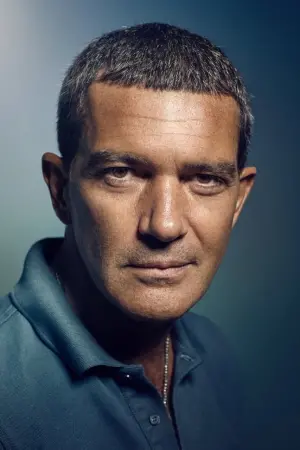
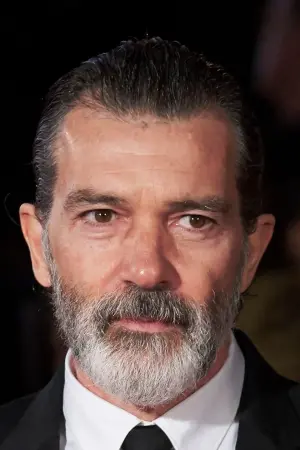
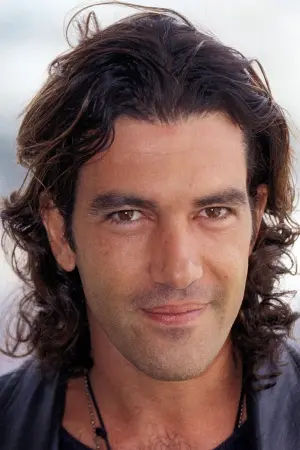
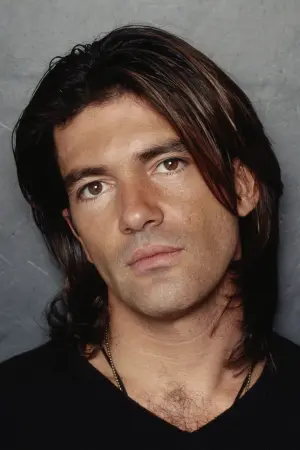

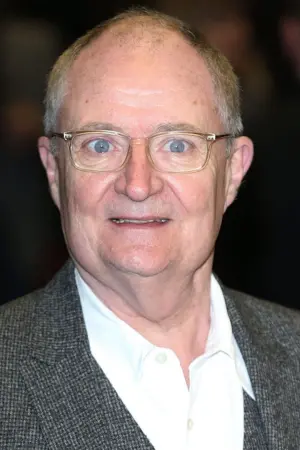
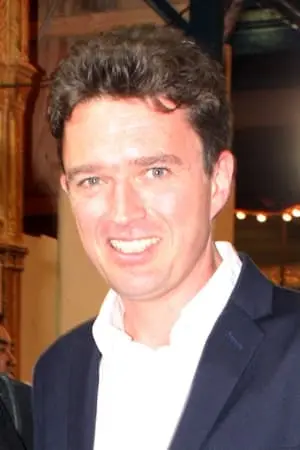
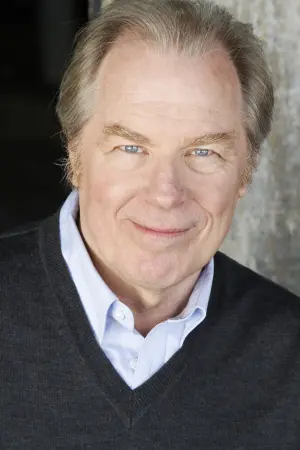
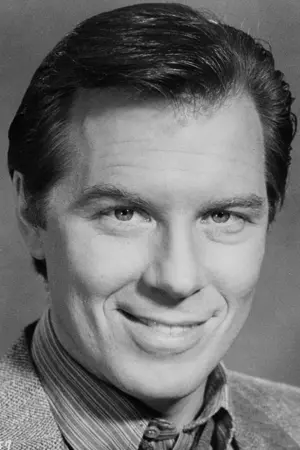
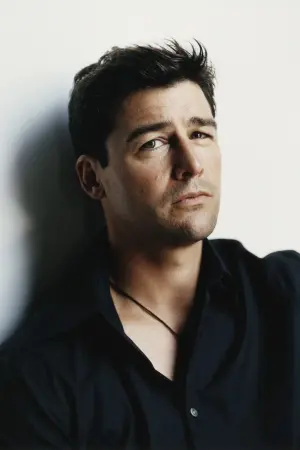


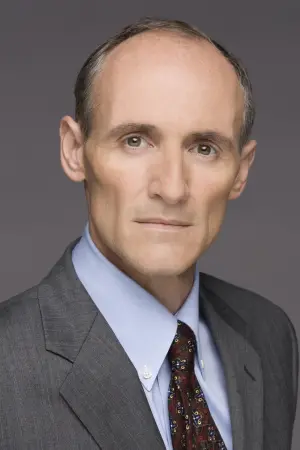
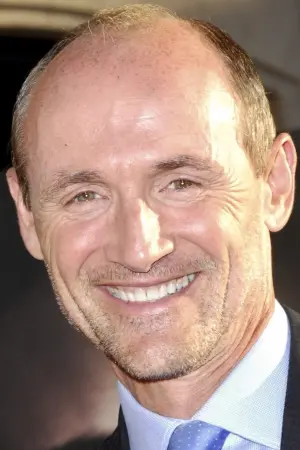
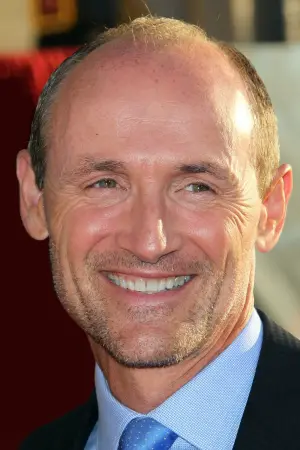
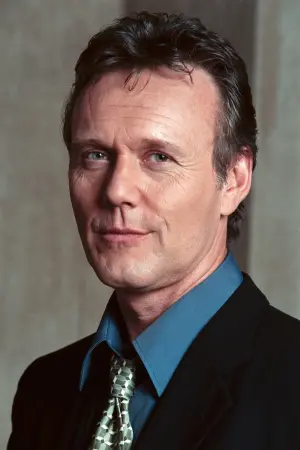

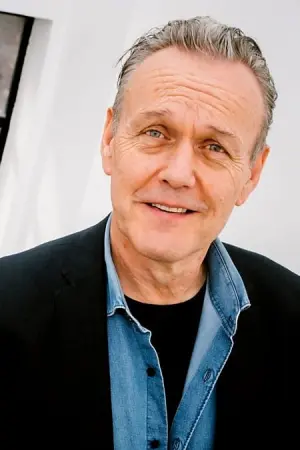


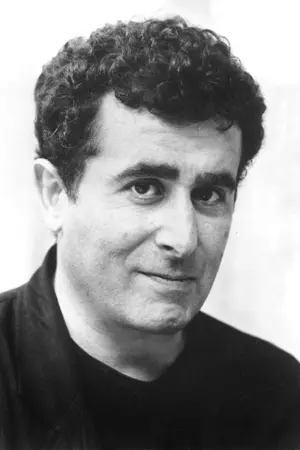
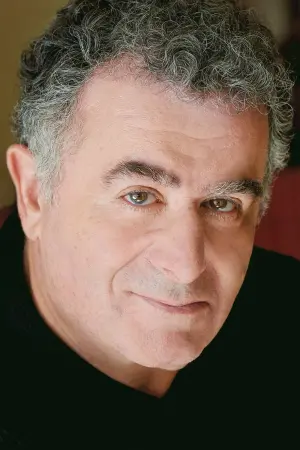
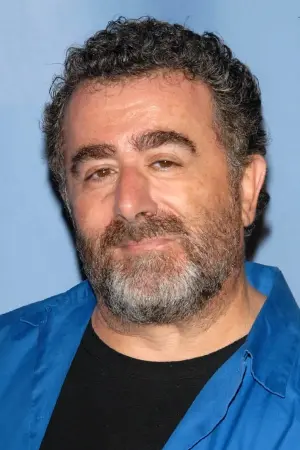
Lilia Zelinna
Character Rosita
What's left behind the scenes
- During the filming of the battle between Pancho Villa's (1878-1923) men and federal government troops near Ojinaga, the silent film cameraman for "The Life of Villa" (Christy Cabanne, 1912), Charles Rosher (1885-1974), was captured by the federales and brought before the general. Rosher feared, not without reason, that he would be mistaken for a spy and shot, but the general of the Mexican government forces noticed a Masonic pin on his lapel, identifying Rosher as a Freemason. Fortunately, the general himself belonged to the lodge, so Rosher was welcomed as a distinguished guest. He was subsequently released when the governments of Mexico and the United States reached an agreement allowing Mexican troops to cross the border to flank and attack Villa's rebels from the rear.
- The original contract for the filming of the battle for Ojinaga, which Pancho Villa signed on January 5, 1914, with producer Frank N. Taylor and Mutual Film Company, has survived to this day. It can be seen in one of the museums in Mexico City.
- The original silent film "The Life of General Villa" (Christy Cabanne, 1914), Mutual Film Company's second film about Pancho Villa, is lost. Only a few unedited reels of film remain, depicting the battle between Villa's forces and government troops for Ojinaga in January 1914. Some photographs and frames from the lost original, used for promotional purposes, have also survived.
- At the time of its release, this was the most expensive two-hour film, with a budget exceeding $30 million.
- During the filming of the battle between Pancho Villa's (1878-1923) men and federal government troops near Ojinaga, Charles Rosher (1885-1974), the cinematographer for the silent film «Life of Villa» (Christy Cabanne, 1912), was captured by the federals and brought before a general. Rosher, not without reason, feared he would be mistaken for a spy and shot, but the general of the Mexican government troops noticed a Masonic pin on his lapel, identifying Rosher as a Freemason. Fortunately, the general himself belonged to the lodge, so Rosher was welcomed as a guest. He was later released when the governments of Mexico and the United States reached an agreement allowing Mexican troops to cross the border to flank and attack Villa’s insurgents from the rear.
- During the filming of the battle between Pancho Villa’s men (1878-1923) and federal government troops near Ojinaga, the silent film “Life of Villa” (Christy Cabanne, 1912) cinematographer Charles Rosher (1885-1974) was captured by the federals and brought before the general. Rosher, not without reason, feared he would be mistaken for a spy and shot, but the general of the Mexican government troops noticed a Masonic pin on his lapel, identifying Rosher as a Freemason. Fortunately, the general himself belonged to the lodge, so Rosher was received as a welcome guest. He was subsequently released when the governments of Mexico and the United States reached an agreement allowing Mexican troops to cross the border to flank and attack Villa’s insurgents from the rear.
- The original silent film “Life of General Villa” (Christy Cabanne, 1914), the second film by Mutual Film Company about Pancho Villa, is lost. Only some unedited reels of film remain, depicting the battle between Villa’s troops and government forces for Ojinaga in January 1914. Some photographs and frames used for promotional purposes from the lost original have also survived to this day.
Did you like the film?
 Auditions in India
 Casting calls in USA
 Castingi w Polsce
 Кастинги в Україні
