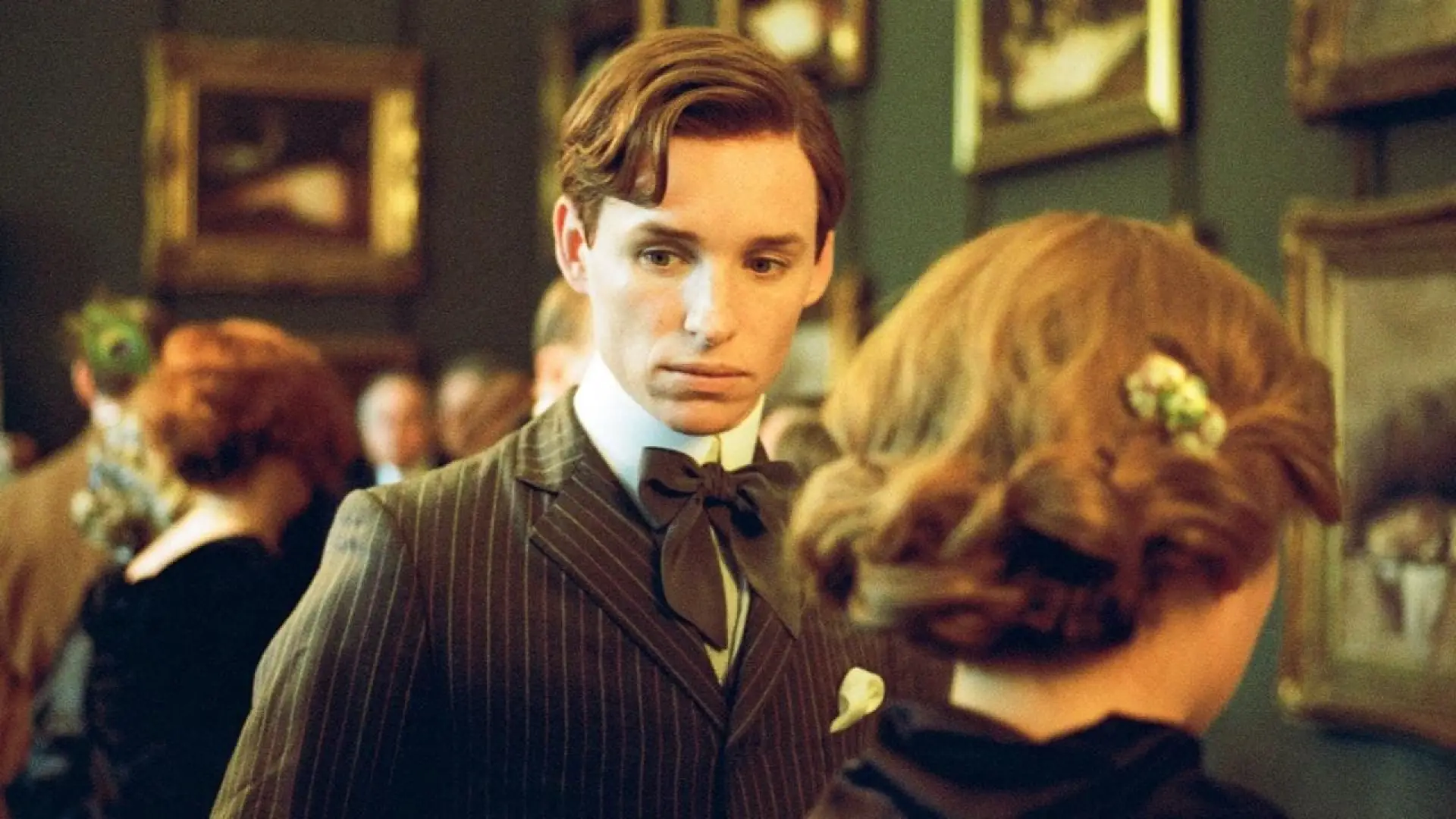
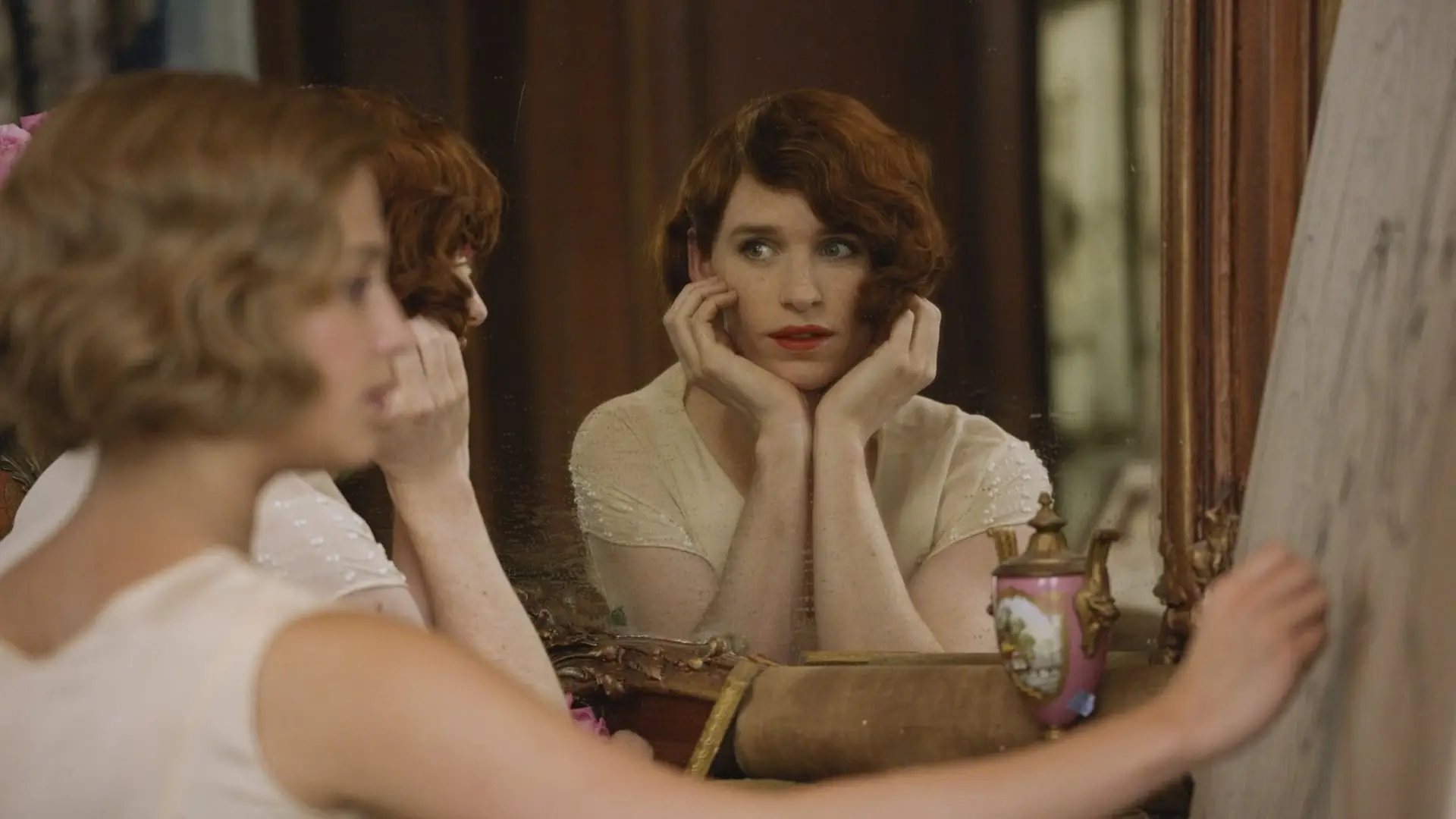
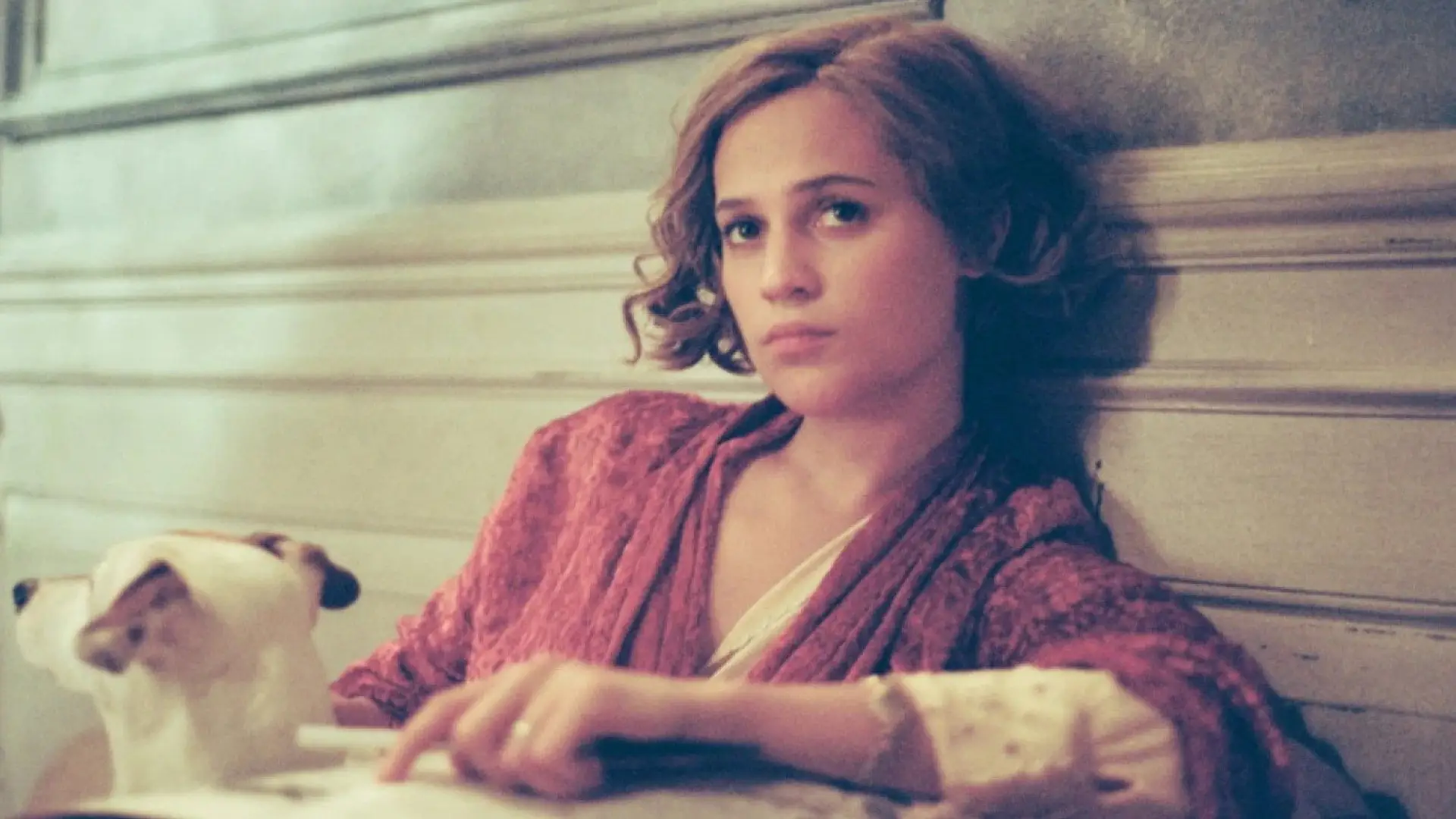
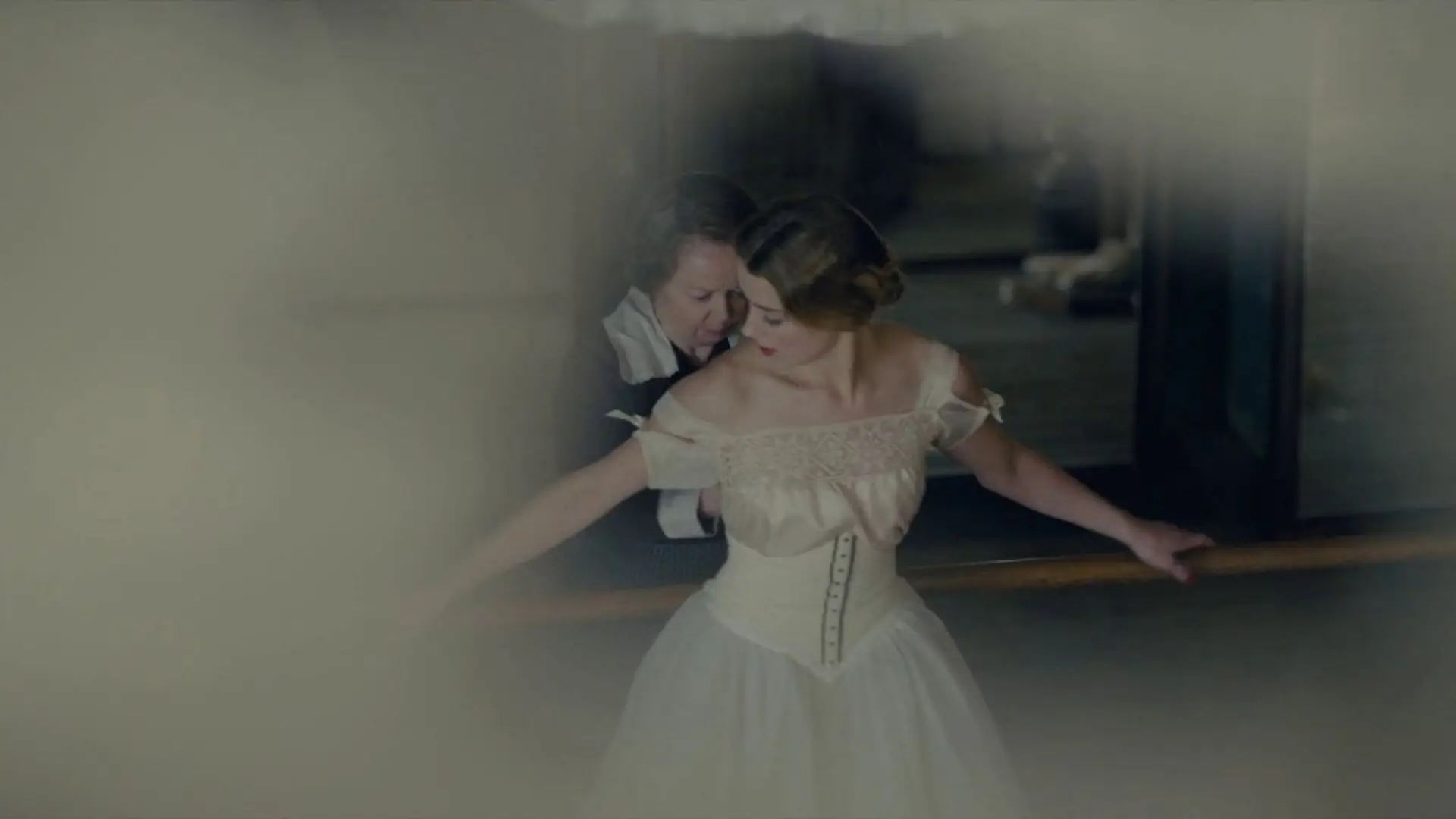
The Danish Girl - posters, covers, wallpapers

Lots of posters, covers and wallpapers for the movie "The Danish Girl"
The Danish Girl (2015)
Timing: 1:59 (119 min)
The Danish Girl - TMDB rating
7.592/10
5660
The Danish Girl - Kinopoisk rating
6.963/10
97085
The Danish Girl - IMDB rating
7.1/10
206000

Backdrops, wallpaper

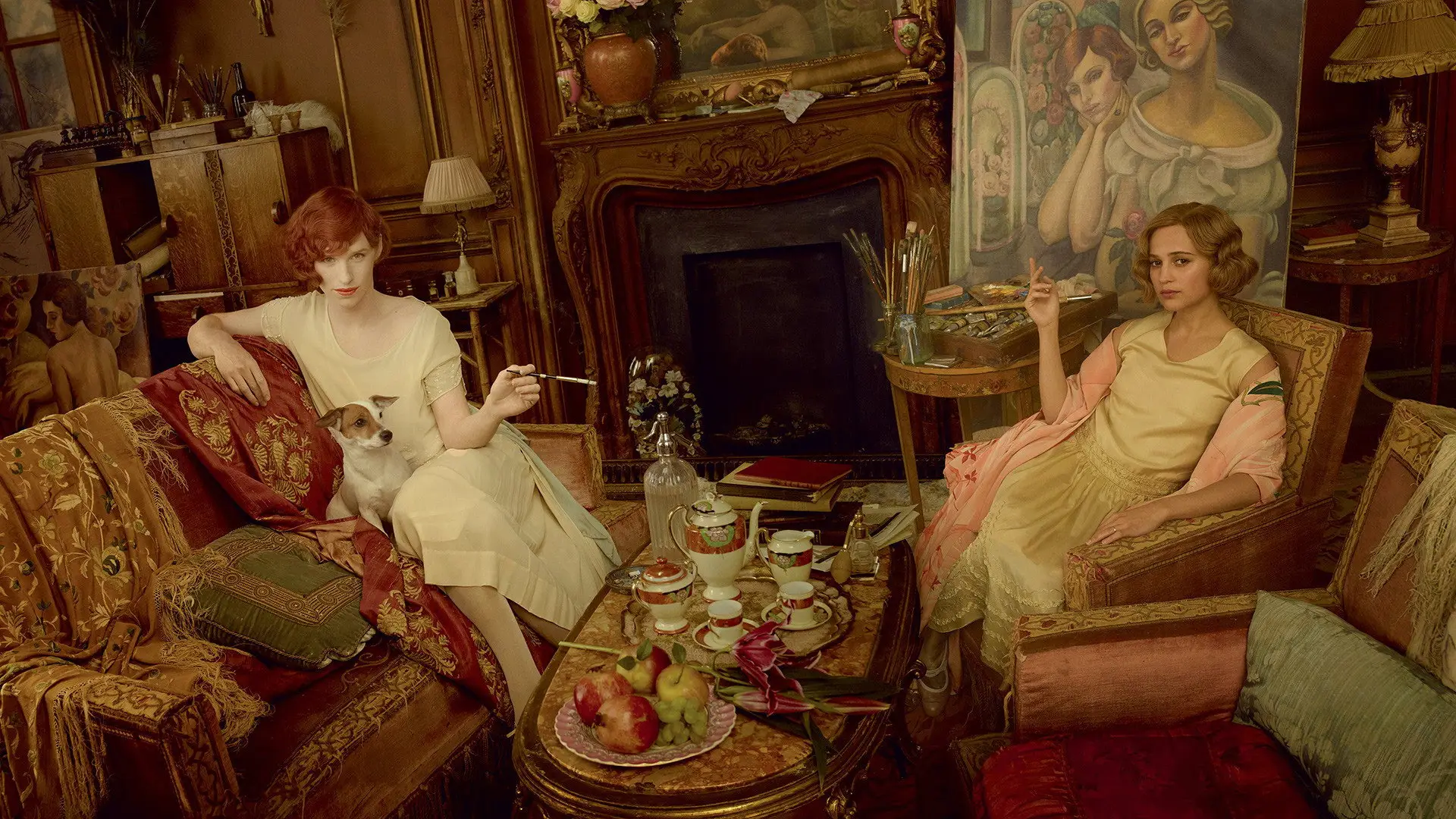
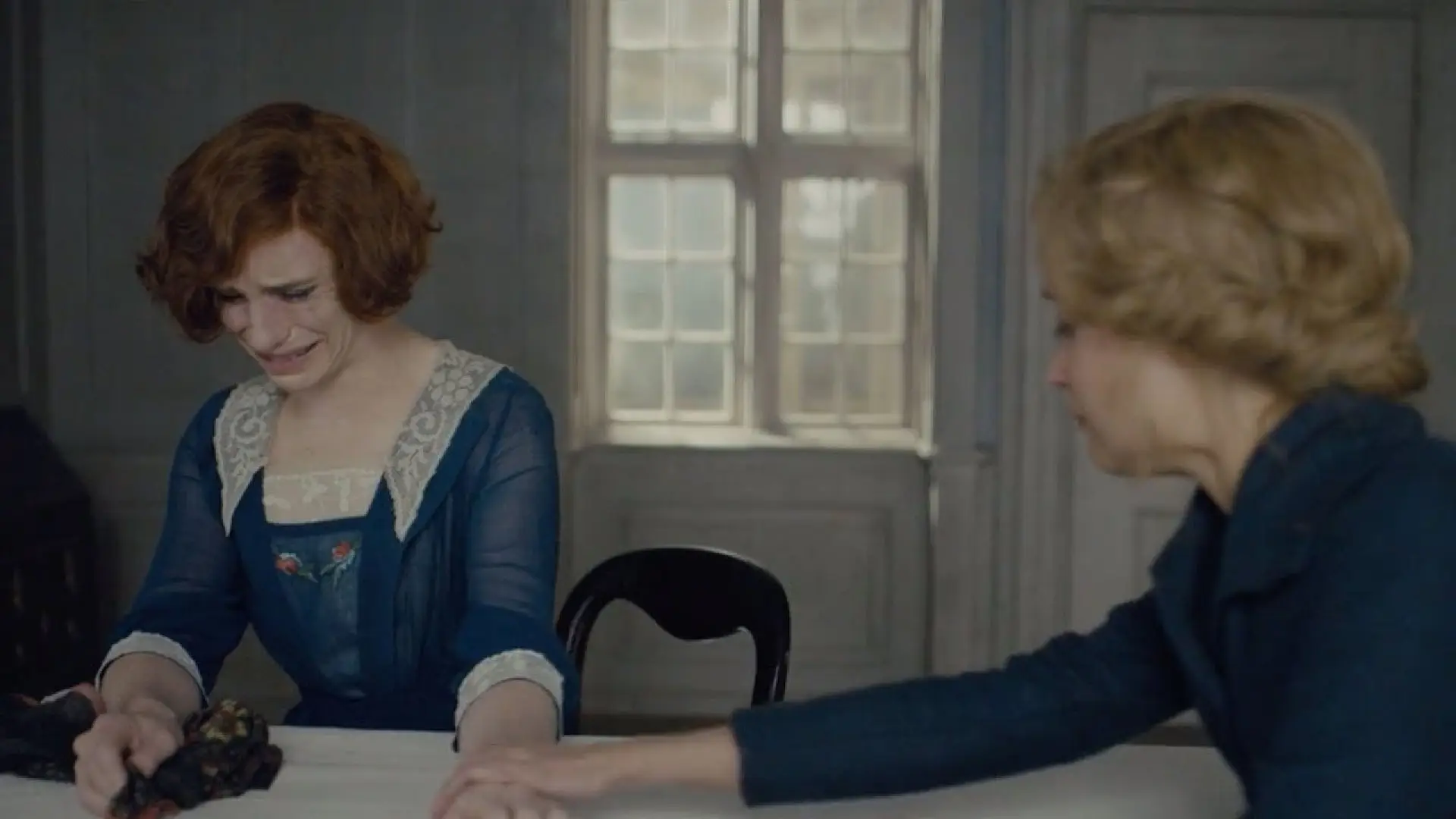
Backdrop to the movie "The Danish Girl" #131721HD Ready 720p
Backdrop to the movie "The Danish Girl" #205910Full HD 1080p
Backdrop to the movie "The Danish Girl" #2059113K 1620p
Backdrop to the movie "The Danish Girl" #205912HD Ready 720p
Backdrop to the movie "The Danish Girl" #205913Full HD 1080p
Backdrop to the movie "The Danish Girl" #205914Full HD 1080p
Backdrop to the movie "The Danish Girl" #205915Full HD 1080p
Backdrop to the movie "The Danish Girl" #2059164K UHD 2160p

Posters, covers

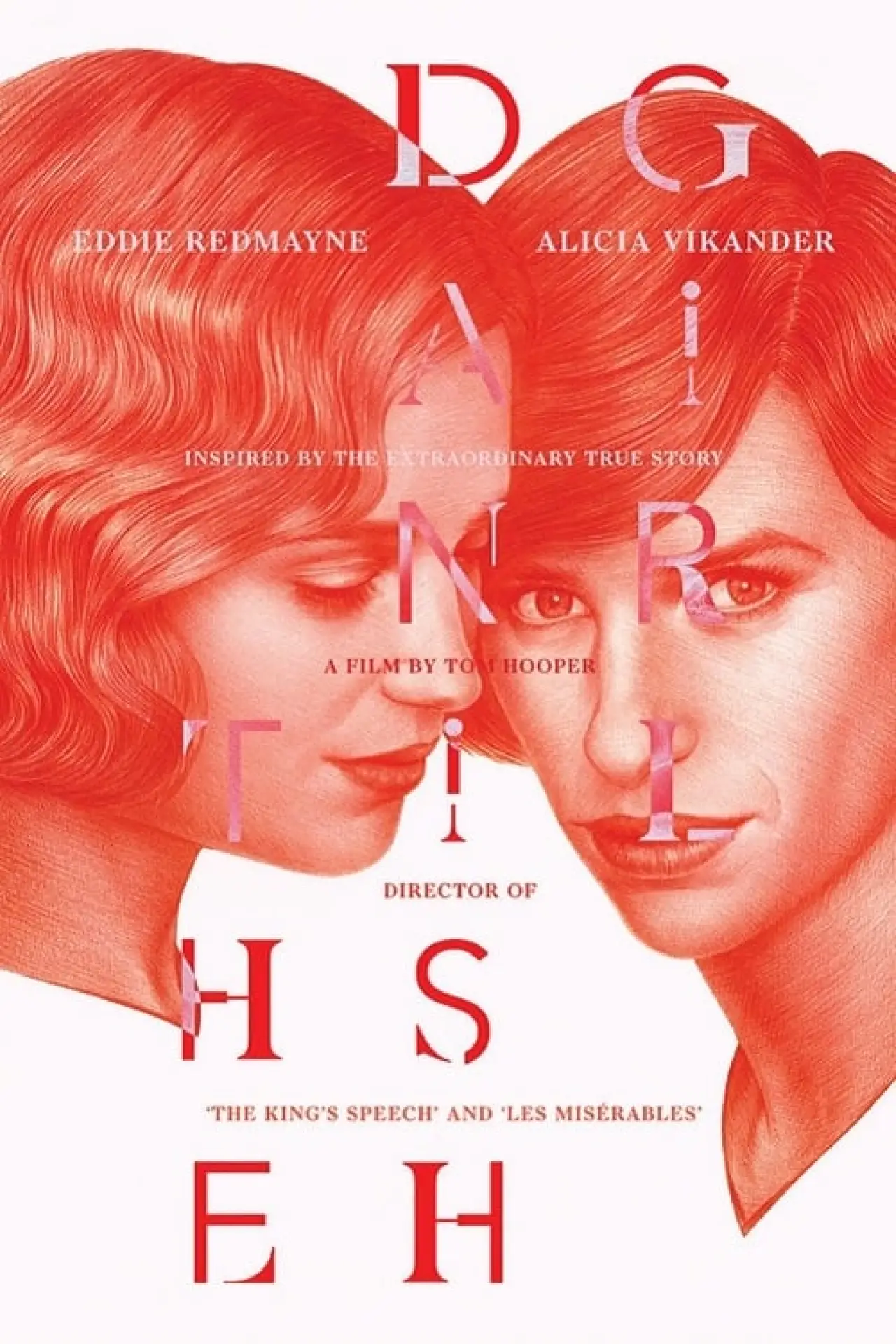
Poster to the movie "The Danish Girl" #1317232K 1500p
Poster to the movie "The Danish Girl" #1317245K UHD 3000p
Poster to the movie "The Danish Girl" #131725HD Ready 750p
Poster to the movie "The Danish Girl" #1317265K UHD 3000p
Poster to the movie "The Danish Girl" #131727HD Ready 750p
Poster to the movie "The Danish Girl" #1317282K 1500p
Poster to the movie "The Danish Girl" #2059172K 1500p
Poster to the movie "The Danish Girl" #374335Full HD 1426p
Poster to the movie "The Danish Girl" #374336Full HD 1426p

What's left behind the scenes

  • Einar Wegener/Lili Elbe was not the first person to undergo sex reassignment surgery. Before Lili arrived in Berlin, such an operation had been performed on Karla von Krist, Toni Ebel, and Dorchen Rittker. At that time, the Institute for Sexual Science (similar to the American Kinsey Institute for the study of sex, gender, and reproduction) existed in the German capital. It was founded by Magnus Hirschfeld in 1919. The Berlin institute performed sex reassignment surgeries, but in 1933, when the Nazis came to power, they destroyed all archives, making it impossible to determine the name of the first person who decided to change their gender. Lili's operation in Dresden was performed by Kurt Warnecke (1882-1949), while the first operation was performed in Berlin under the direction of Hirschfeld himself.
  • When Nicole Kidman was chosen for one of the roles in the film and the position of producer, it was assumed that the role of Gerda Wegener would go to someone else, while Kidman herself would play Einar Wegener. Charlize Theron was the first candidate for the role of Gerda, but she turned down the project in 2008. The filmmakers turned to Gwyneth Paltrow, but she refused as she wanted to spend more time with her family. There were rumors at one point that Uma Thurman would get the role. In 2010, Marion Cotillard was considered for the role of Gerda. They wanted to work together again with Kidman after starring in Rob Marshall's musical "Nine" (2009), and their project "Rivals" was shelved. A year later, Rachel Weisz was approved for the role, but she soon left the project. Eventually, the role went to Alicia Vikander. This happened in 2014, when Tom Hooper became the director of the future film.
  • For her role in the film "The Danish Girl" (2015), Alicia Vikander was nominated for an Academy Award in the category of "Best Supporting Actress." Many were surprised and indignant by this, as Gerda, as played by Alicia Vikander, has more screen time and lines in the film than Einar/Lili, as played by Eddie Redmayne. Gerda Wegener is on screen for 73 minutes and 27 seconds, i.e., for 61.7% of the film's duration. Nevertheless, Eddie Redmayne was nominated for the Academy Award in the category of "Best Actor." The film's distributor, Focus Features, issued a statement stating that Vikander was submitted in this category because it was decided that she would have a better chance of winning the golden statuette. Vikander herself declined to comment.
  • At the very beginning of filming for "The Danish Girl" (2015), Eddie Redmayne received an Academy Award for his work in James Marsh's melodrama "The Theory of Everything" (2014). Redmayne was given a week to attend the awards ceremony. The actor received the statuette and resumed filming.
  • Initially, Nicole Kidman was considered for the role of Einar Wegener/Lili Elbe. She was also supposed to be the producer. Kidman had dreamed of starring in this film for many years, and at one point, when there were difficulties finding a director and sponsors, she even considered directing it herself. Kidman was always a passionate supporter of the project, but in 2014, Tom Hooper became the director and decided to cast Eddie Redmayne instead of Kidman. Tom Hooper first read the script in 2008, when it was still a Nicole Kidman project. In 2012, he showed the script to Eddie Redmayne while they were working together on the musical drama «Les Misérables» (2012) and cast the actor in the lead role for the future film. The official announcement of Hooper and Redmayne joining the project was made in April 2014, although this had actually happened back in 2012.
  • After transitioning, Lili took the name Lili Ilse Elvenes. The name «Lili Elbe» was invented by a Copenhagen journalist, Louise (Lulu) Lassen. It was first used in the Danish yellow press during the promotional campaign preceding the release of the book «From Man to Woman», which gave rise to many myths and outright fabrications about Elvenes's story.
  • It was not easy for the author of the book and the film's creative team to establish many details from the life of Einar Wegener. Archives in Denmark have not been preserved. The archives of the Institute for Sexual Science were lost during World War II. They had to settle for brief newspaper reports, recollections of Wegener's friends, and biographies of other people who underwent similar operations during that period.
  • In real life, Matthias Schoenaerts enjoys painting graffiti. In the film «The Danish Girl» (2015), he plays an art dealer who presents Gerda's portraits of Lili.
  • Filming the 186 scenes of the film took 44 days. It took place in England, Denmark, Belgium, Germany, France, and Norway. Filming did not stop even on Sundays and ended in 2015 at Easter.
  • Actors Eddie Redmayne and director Tom Hooper previously collaborated on the television miniseries "Elizabeth I" (2005) and the film "Les Misérables" (2012).
  • Filming was originally scheduled to begin at the end of 2014, but was postponed to February 2015 due to Alicia Vikander's schedule. The premiere of "The Danish Girl" took place at the Venice International Film Festival in September, giving the filmmakers just seven months to complete the project.
  • The film is set in Denmark and features characters of Danish origin, but the cast does not include a single actor from that country. Not a single word of Danish is spoken in "The Danish Girl" (2015). The characters speak English with British accents in all the countries where the film's events take place (Denmark, France, and Germany).
  • This is the second film in Alicia Vikander’s career about the past, which is (partially) set in Denmark. The first was "A Royal Affair" by Nikolaj Arcel in 2012.
  • At one point, Thomas Alfredson intended to direct "The Danish Girl" (2015), but he left the project. Before Alfredson, Lasse Hallström, Neil LaBute, and Anand Tucker were considered for the role of director.
  • In an interview with The New York Times on February 9, 2016, Alicia Vikander admitted that her non-Scandinavian appearance literally gave the filmmakers no peace. According to the actress, makeup artists were instructed to make her skin look lighter than it was. "Everyone told me I was too tanned, but that was my natural skin color." Gerda Wegener was a fair-haired, blue-eyed Danish woman with light skin, while Vikander is a natural brunette with brown eyes and regular skin. Before filming, the actress's skin was lightened, and she wore a wig on set.
  • Lili was examined by two doctors, and both recognized her as a homosexual. A third, after the examination, declared that she was intersex (intersex – a person born with sex characteristics that do not fit typical definitions of male or female bodies), and that she had rudimentary female genitalia. Hormonal tests taken before the first surgery showed that the level of female hormones in her body exceeded the level of male hormones. It can be assumed that she suffered from Klinefelter syndrome with a combination of XXY chromosomes. The clinical picture of the syndrome was first described in the works of Klinefelter and Fuller Albright only in 1942. The fact of Lili’s intersexuality is not mentioned in the film.
  • If Marion Cotillard had played Gerda, as initially planned in 2010, it would have been her third collaboration with Matthias Schoenaerts. In 2012, Cotillard and Schoenaerts already starred in Jacques Audiard’s drama "Rust and Bone".
  • Matthias Schoenaerts plays the role of Einar Wegener's childhood friend in the film "The Danish Girl" (2015). In 2014, the actor had the chance to play a transgender person in François Ozon’s melodrama "New Girlfriend." Schoenaerts was forced to decline participation in this project due to filming in Thomas Vinterberg’s "Far from the Madding Crowd" (2015), based on the novel of the same name by Thomas Hardy (1874).
  • Matthias Schoenaerts and Sebastian Koch had previously starred together in Paul Verhoeven’s "Black Book" (2006).
  • The London premiere of the film took place on December 8, 2015, on Matthias Schoenaerts' birthday. The actor himself was present at the premiere.
  • Eddie Redmayne played the lover of the main character, played by Michelle Williams, in Simon Curtis's drama "7 Days and Nights with Marilyn" (2011). In Sola Dibb's "Suite Française" (2015), Schoenaerts and Williams also played lovers.
  • This was the first of two films featuring Matthias Schoenaerts that competed at the 2015 Venice Film Festival. The other film was Luca Guadagnino's erotic thriller "A Bigger Splash," which was released one day after the premiere of "The Danish Girl."
  • Scenes in the Leipzig hospital were filmed in a building belonging to the Copenhagen municipality.
  • Filming began in February 2015 and took place in London, Brussels, and Copenhagen.
  • Before filming began, Eddie Redmayne spent two years studying the transgender community.
  • For the role, Eddie Redmayne lost seven kilograms.
  • Einar and Gerda’s official marriage lasted 26 years (1904-1930). They married at the ages of 22 and 18 respectively. At 47, Lili underwent gender confirmation surgery, and a year later died due to organ rejection after a uterine transplant. Eddie Redmayne filmed 'The Danish Girl' (2015) at the age of 33, and Alicia Vikander was 26. One episode of the film mentions that Einar and Gerda were married for 6 years. During the period depicted in the film, Gerda was 44 years old. She died of a heart attack at the age of 54.
  • The characters of Hans and Henrik were not present in the lives of Lili and Gerda. Like many other things shown in the film, they are a product of the authors’ imagination. Lili’s friend at the time of her death was Claude Lejeune, a French art dealer she wanted to marry and have a child with. A photograph of Lili and Lejeune has been preserved, dated 1929, when Lili and Gerda were still married. Gerda did not participate in the events described in the film’s happy ending. By that time, she had married Italian army officer Fernando Porta (born 1896) and was living with him in Italy. Only 10 years later, in Morocco, did she learn of Lili’s death and said, “Lili, my poor dear.” Porta squandered all of Gerda’s savings. After living with him for several years in Marrakech and Casablanca, she divorced Porta in 1936 and never remarried. She had no children. Gerda returned to Denmark, turned to alcohol, and died in complete poverty in 1940.
  • Real transgender people appear in the film only in episodic roles. Rebecca Root played one of the nurses caring for Lili. Jake Graf appears for a few moments alongside Matthias Schoenaerts in a gallery exhibiting portraits of Gerda. On January 5, 2016, Graf wrote on 'Instagram' that the other episodes in which he starred with Schoenaerts had been cut.
  • In the novel and the first draft of the screenplay, the character played by Amber Heard was an opera singer named Anna von Schmack. However, in the film, the ballerina Ulla Paulson appears. This image is based on the stories of the Danish actress Anna Larssen Bjørner and the Danish ballerina Ulla Poulsen, who were friends with the Wegener couple.
  • Lili and Gerda moved to Paris in 1912, when they were 30 and 26 years old respectively. The film begins in 1926, when they were 44 and 40 years old respectively. In the first two decades of the 20th century, Paris was a surprisingly liberal city. That's why Gerda and Lili settled there and did not hide the fact that they were lesbians. The scene in Paris where two men beat Einar was invented by the filmmakers, but did not actually happen.
  • Matthias Schoenaerts and Alicia Vikander were supposed to star in Justin Chadwick's melodrama "Tulip Fever" (2016), but Schoenaerts was unable to participate in the project. In this film, Schoenaerts and Vikander were also supposed to play lovers.
  • When Gerda and Lili enter the entrance hall of their house in Paris, a church is visible behind them. This is the Frederick's Church, or Marble Church, one of the sights of Copenhagen, where this episode was filmed.
  • The final scene of the film, in which Hans and Gerda look at the sea, was filmed on Easter Sunday 2015 near Mount Mannen in Norway. According to the script, this is the Kattegat Strait between Jutland and the Scandinavian Peninsula. Only Matthias Schoenaerts was present during the filming. Alicia Vikander spent the last week of filming "The Danish Girl" in New York, promoting another film. Apparently, a stunt double was used in this scene.
  • In one episode, Hans recalls with a smile the kiss he and Lili shared as children. This scene was conceived by Tom Hooper and Matthias Schönarts. As the actor later remembered, "this memory could have been played in different ways, but we decided that everything should be written on the hero's face. Let him experience a quiet, bright sadness for what has passed."
  • In the novel and the 2007 screenplay, Hans and Gerda have a love affair and remain together. Tom Hooper decided to change this circumstance, and in his film, Gerda stays with Lili until the latter's death, while her relationship with Hans is purely platonic. The director did not focus attention on Hans in order to exclude even the possibility of a feeling that would make Hans a rival to Lili. He wanted to leave a sense of ambiguity and understatement, even if it ultimately turns out that there was a romance between Gerda and Hans, and not just a friendly relationship.
  • The film omits an important detail related to Lili's death. In the hope of one day carrying and giving birth to a child, Lili underwent a series of operations in September 1931 aimed at implanting a uterus. Elbe died due to the rejection of the transplanted uterus (it was her 5th operation, and one of the first operations of its kind in the world) on September 13th at the age of 48. In the film, however, she dies after the second sex reassignment surgery. Moreover, the film does not mention the fact that Lili had a uterus implantation surgery.
  • When Nicole Kidman was chosen for one of the roles in the film and the position of producer, it was assumed that the role of Gerda Wegener would go to someone else, while she herself would play Einar Wegener. Charlize Theron was the first candidate for the role of Gerda, but she refused to participate in the project in 2008. The filmmakers turned to Gwyneth Paltrow, but she declined as she wanted to spend more time with her family. There were rumors for a while that Uma Thurman would get the role. In 2010, Marion Cotillard was considered for the role of Gerda. They both wanted to star together again after appearing in Rob Marshall's musical "Nine" (2009), and their project "Rivals" was shelved. A year later, Rachel Weisz was approved for the role, but the actress soon left the project. Ultimately, the role went to Alicia Vikander. This happened in 2014, when Tom Hooper became the director of the future film.
  • For her role in "The Danish Girl" (2015), Alicia Vikander was nominated for an Academy Award in the category of Best Supporting Actress. Many were surprised and indignant by this, as Gerda, as played by Alicia Vikander, has more screen time and lines in the film than Einar/Lili, played by Eddie Redmayne. Gerda Wegener is on screen for 73 minutes and 27 seconds, i.e., for 61.7% of the film's duration. Nevertheless, Eddie Redmayne was nominated for the Academy Award in the category of Best Actor. The film's distributor, Focus Features, stated that Vikander was nominated in this category because it was decided that she would have a better chance of winning the golden statuette. Vikander herself refused to comment.
  • Initially, Nicole Kidman was planned to play Einar Wegener/Lili Elbe. She was also to become the producer. Kidman had dreamed of starring in this film for many years, and at one point, when there were difficulties finding a director and sponsors, she even considered directing it herself. Kidman has always been a passionate fan of this project, but in 2014, Tom Hooper became the director, who decided to cast Eddie Redmayne instead of Kidman. Tom Hooper first read the script in 2008, when it was still a Nicole Kidman project. In 2012, he showed the script to Eddie Redmayne while they were working together on the musical drama "Les Misérables" (2012), and cast the actor in the lead role of the future film. The official announcement of Hooper and Redmayne joining the project was made in April 2014, although this actually happened back in 2012.
  • The film takes place in Denmark and features characters of Danish origin, but the film's cast does not include a single native of this country. Not a single word in "The Danish Girl" (2015) is spoken in Danish. The characters speak English with a British accent in all the countries where the film's events take place (Denmark, France, and Germany).
  • This is the second film in Alicia Vikander's career about the past that is (partially) set in Denmark. The first was "A Royal Affair" by Nikolaj Arcel in 2012.
  • At one time, Thomas Alfredson intended to direct the film "The Danish Girl" (2015), but he left the project. Even before Alfredson, the role of director was intended for Lasse Hallström, Neil LaBute, and Anand Tucker.
  • In an interview with The New York Times on February 9, 2016, Alicia Vikander admitted that the filmmakers were literally bothered by her non-Scandinavian appearance. According to the actress, makeup artists were instructed to make her skin look lighter than it was. "Everyone told me I was too tanned, but that was my natural skin color." Gerda Wegener was a fair-haired, blue-eyed Danish woman with fair skin, while Vikander is a natural brunette with brown eyes and ordinary skin. Before filming, the actress's skin was lightened, and she wore a wig on set.
  • If Marion Cotillard had played Gerda, as was considered in 2010, it would have been her third collaboration with Matthias Schoenaerts. In 2012, Cotillard and Schoenaerts had already starred in Jacques Audiard’s drama "Rust and Bone".
  • Matthias Schoenaerts plays the role of Einar Wegener’s childhood friend in the film "The Danish Girl" (2015). In 2014, the actor had the chance to play a transgender person in François Ozon’s melodrama "New Girlfriend". Schoenaerts was forced to decline participation in this project due to filming in Thomas Vinterberg’s "Far from the Madding Crowd" (2015), based on the novel of the same name by Thomas Hardy (1874).
  • Matthias Schoenaerts and Sebastian Koch had previously starred together in Paul Verhoeven’s "Black Book" (2006).
  • Eddie Redmayne played the lover of the main character, played by Michelle Williams, in Simon Curtis's drama "7 Days and Nights with Marilyn" (2011). In Saul Dibb's "Suite Française" (2015), Schonaerts and Williams also played lovers.
  • This was the first of two films featuring Matthias Schoenaerts that competed at the 2015 Venice Film Festival. The other film was Luca Guadagnino's erotic thriller "A Bigger Splash," which was released one day after the premiere of "The Danish Girl."
  • Einar and Gerda's official marriage lasted 26 years (1904-1930). They married at the ages of 22 and 18 respectively. At 47, Lili underwent sex reassignment surgery, and a year later died due to organ rejection after a uterine transplant. Eddie Redmayne filmed "The Danish Girl" (2015) at the age of 33, Alicia Vikander at the age of 26. One episode in the film mentions that Einar and Gerda were married for 6 years. During the period depicted in the film, Gerda was 44 years old. She died of a heart attack at the age of 54.
  • The characters of Hans and Henrik were not present in the lives of Lili and Gerda. Like much else depicted in the film, they are a product of the authors' imagination. Lili's friend at the time of her death was Claude Lejeune, a French art dealer whom she wanted to marry and from whom she dreamed of having a child. A photograph of Lili and Lejeune has been preserved, dated 1929, when Lili and Gerda were still married. Gerda did not participate in the events described in the film’s happy ending. By that time, she had married Italian army officer Fernando Porta (b. 1896) and was living with him in Italy. Only 10 years later, in Morocco, did she learn of Lili's death and said: "Lili, my poor dear." Porta squandered all of Gerda's savings. After living with him for several years in Marrakech and Casablanca, she divorced Porta in 1936 and never remarried. She had no children. Gerda returned to Denmark, took to the bottle, and died in complete poverty in 1940.
  • Actual transgender people appear in the film only in episodic roles. Rebecca Root played one of the nurses caring for Lili. Jake Graf appears for a few moments next to Matthias Schoenaerts in a gallery exhibiting portraits of Gerda. On January 5, 2016, Graf wrote on "Instagram" that the remaining scenes in which he starred with Schoenaerts had been cut.
Did you like the film?

© ACMODASI, 2010-2026

All rights reserved.
The materials (trademarks, videos, images and text) contained on this site are the property of their respective owners. It is forbidden to use any materials from this site without prior agreement with their owner.
When copying text and graphic materials (videos, images, text, screenshots of pages) from this site, an active link to the site www.acmodasi.in must necessarily accompany such material.
We are not responsible for any information posted on this site by third parties.