Top Hat - crew, film crew
The entire team, the film crew of the film "Top Hat"
Top Hat (1935)
Timing:
1:41 (101 min)

7.292/10
279
279

7.335/10
2153
2153

7.7/10
22000
22000
Film crew
Director


Producer
Editor
Art Direction
Costume Design
Makeup Artist
Robert J. Schiffer
Makeup Artist
Sound Re-Recording Mixer
Set Dresser
Director of Photography
Sound Effects Editor
Assistant Art Director
Boom Operator
Richard Van Hessen
Boom Operator
Screenplay
Special Effects

Story
Songs
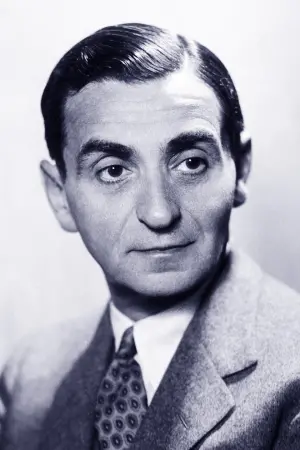
Music
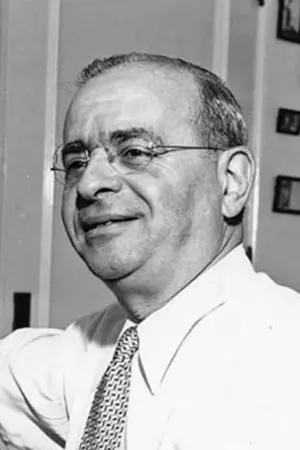
Sound Recordist
Eddie Harman
Sound Recordist
Hugh McDowell Jr.
Sound Recordist
Philip Faulkner Jr.
Sound Recordist
Choreographer

Sound Editor
George Marsh
Sound Editor
Music Director
Lyricist
What's left behind the scenes
- To perform the number in which Fred Astaire (1899-1987) supposedly attacks the other dancers using a cane as a weapon, the props department prepared 13 canes. During filming, Astaire, who always strived for perfection in everything, constantly broke canes out of frustration with his own mistakes, to the point where the film crew began to fear they hadn't prepared enough. Fortunately, the scene was filmed to Astaire's complete satisfaction on the very last cane.
- The way Eric Rhodes depicted the Italian Alberto Beddini so offended the Italian government – specifically dictator Benito Mussolini (1883-1945) – that the film was banned in Italy. The same fate befell the comedic melodrama "The Gay Divorcee" (Marco Sandrich, 1900-1945) in 1934.
- To perform one of the dances, Ginger Rogers (1911-1995) planned to wear a luxurious blue dress with ostrich feathers. Mark Sandrich and Fred Astaire immediately understood that the dress would not work. She was offered other options (including a dress from the previous year's film “The Gay Divorcee”), but the actress flared up and left the set, returning only when the director approved the dress with ostrich feathers. There was no time for rehearsals, and Rogers put on the dress for the first time right before filming. As Sandrich and Astaire had predicted, the feathers immediately began to fall off. Later, as a sign of reconciliation, Astaire gave Rogers a gold pendant in the shape of a bird's feather. The episode with the falling feathers was later recreated in Charles Walters’ “Easter Parade” (1948), where Astaire danced with an awkward partner played by Judy Garland (1922-1969).
- Before becoming a director, Mark Sandrich studied engineering. Before filming, he would draw a diagram of each scene and always knew exactly where to place the cameras and actors.
Did you like the film?
 Auditions in India
 Casting calls in USA
 Castingi w Polsce
 Кастинги в Україні
