Ben-Hur: A Tale of the Christ - videos, teasers and stills from filming
All videos, teasers and footage from the filming of the film "Ben-Hur: A Tale of the Christ"
Ben-Hur: A Tale of the Christ (1925)
Timing:
2:23 (143 min)

7.3/10
95
95

7.252/10
991
991

7.8/10
8400
8400
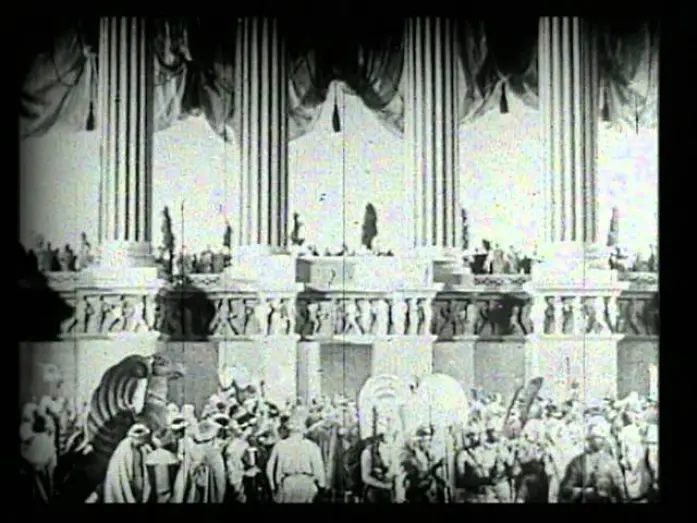
What's left behind the scenes
- The film is based on the novel of the same name by American writer Lew Wallace.
- The film is the most expensive silent film in history – $3.9 million USD was spent on its production. In early 21st-century prices, this amounts to approximately $40 million.
- The film is the second adaptation of Lew Wallace's novel. The previous one was released in 1907.
- Work on the film began with Goldwyn Pictures in 1923, but in 1924 it merged with Metro Pictures and Louis B. Mayer Pictures to form Metro Goldwyn Mayer (MGM).
- "Ben-Hur" was not only a very successful novel but also a highly popular stage production that ran on theater stages for twenty-five years. Only in 1922, two years after the last tour of the "Ben-Hur" show, was the film company Goldwyn Pictures finally able to afford to acquire the rights to adapt the novel. The show's producer, Abraham Erlanger, demanded a price that was unaffordable for the studio. An agreement was reached only by offering him a very significant share of the project's profits and the opportunity to control any detail of film production.
- Filming began in Italy in 1923.
- A total of 60,960 meters (200,000 feet) of film were used during the filming of the chariot race scene, of which only 229 meters (750 feet) remained after editing. This scene has been repeatedly recreated in other cinematic works. In particular, it was repeated by William Wyler when filming a remake of the film in 1959; it was also copied in "The Prince of Egypt"; it is impossible not to recall it when watching the race scene in the first episode of "Star Wars," filmed almost 75 years later.
- Some scenes of the film were shot using the two-color Technicolor process.
- One of the film's assistant directors was a very young William Wyler at the time, who would create a famous remake of this film in 1959.
- The additional casting (including the approval of Ramon Novarro for the role of Ben-Hur) and the change of director significantly increased the film's previously planned budget. The studio's sales department, advertising the film, used slogans such as: «This is a film that every Christian should see!», trying to attract as broad an audience as possible to the cinemas. Although the film grossed around nine million dollars, its huge expenses and the studio's onerous obligations to Erlander still prevented MGM from recouping its four million dollar investment in the film.
- During the filming of the chariot race scene, the charioteers acted very slowly and cautiously, which greatly irritated Mayer. To make the scene more believable, he offered a prize of $100 to the winner of the race. The resulting terrible crash was filmed by the operator and is present in the film. Several horses died.
- “Ben-Hur” was not only a very successful novel but also a highly popular theatrical production that ran on stage for twenty-five years. Only in 1922, two years after the last tour of the “Ben-Hur” show, was the film company “Goldwyn Pictures” finally able to afford to acquire the rights to adapt the novel. The show's producer, Abraham Erlanger, demanded a price that was insurmountable for the studio. An agreement was reached only by offering him a very significant share of the project's profits and the ability to control every detail of the filmmaking process.
- A total of 60,960 meters (200,000 feet) of film were used during the filming of the chariot race scene, of which only 229 meters (750 feet) remained after editing. This scene has been repeatedly replicated in other cinematic works. In particular, it was recreated by William Wyler when filming a remake of the film in 1959; it was also copied in “The Prince of Egypt”; it is impossible not to recall it while watching the race scene in the first episode of “Star Wars,” filmed almost 75 years later.
- The addition of extra actors (including the approval of Ramon Novarro for the role of Ben-Hur) and the replacement of the director significantly increased the film's previously planned budget. The studio's sales department, in advertising the film, used slogans such as: “This is a film that every Christian should see!” in an attempt to attract as wide an audience as possible to theaters. Although the film grossed around nine million dollars, its enormous expenses and the studio's onerous obligations to Erlanger prevented MGM from recouping its four million dollar investment in the film.
Did you like the film?
 Auditions in India
 Casting calls in USA
 Castingi w Polsce
 Кастинги в Україні
