Barry Lyndon - videos, teasers and stills from filming
All videos, teasers and footage from the filming of the film "Barry Lyndon"
Barry Lyndon (1975)
Timing:
3:8 (188 min)

8/10
3152
3152

8.031/10
28874
28874

8.1/10
203000
203000
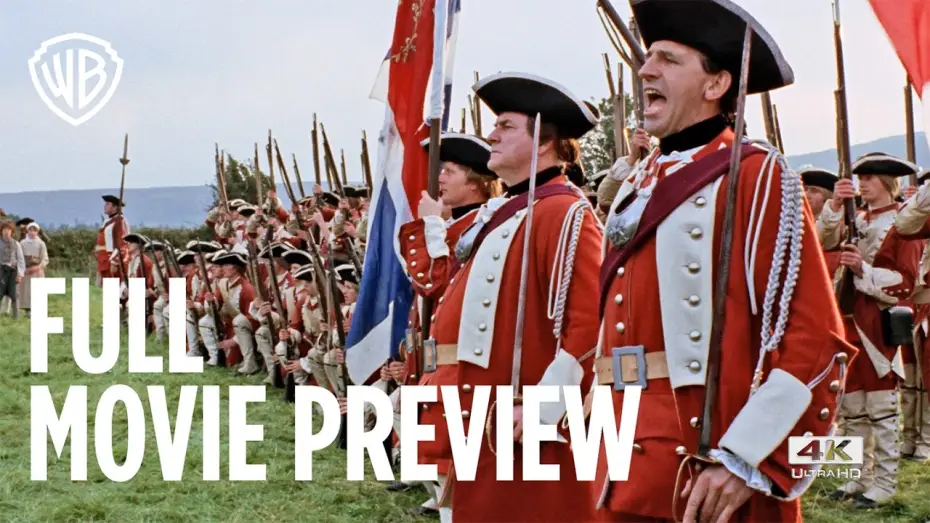

![Watch film Barry Lyndon | Barry Lyndon - The robbery [Scene 4]](https://i.ytimg.com/vi/woO1Cs6c-oo/sddefault.jpg)


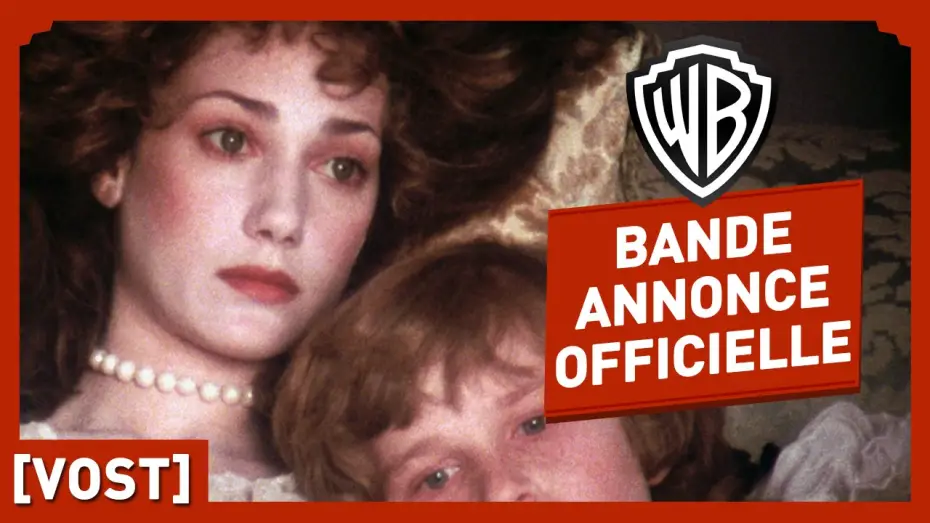
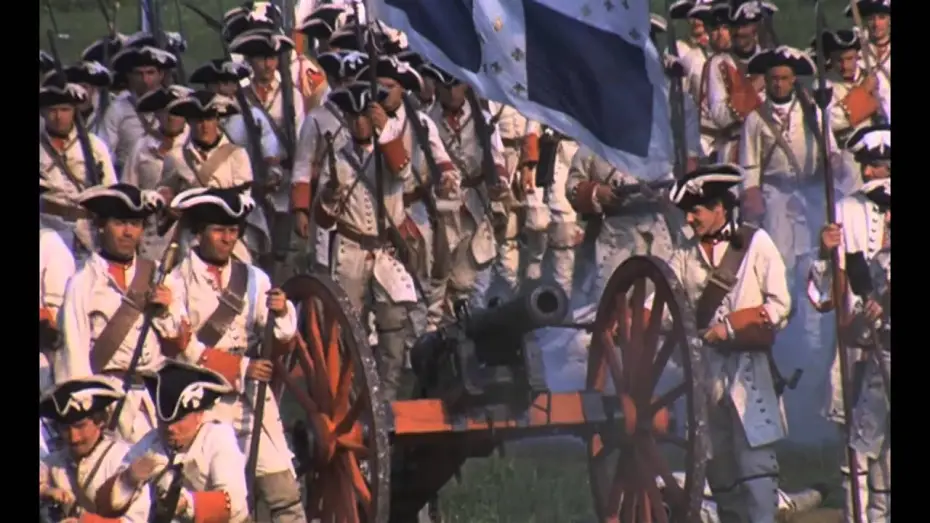
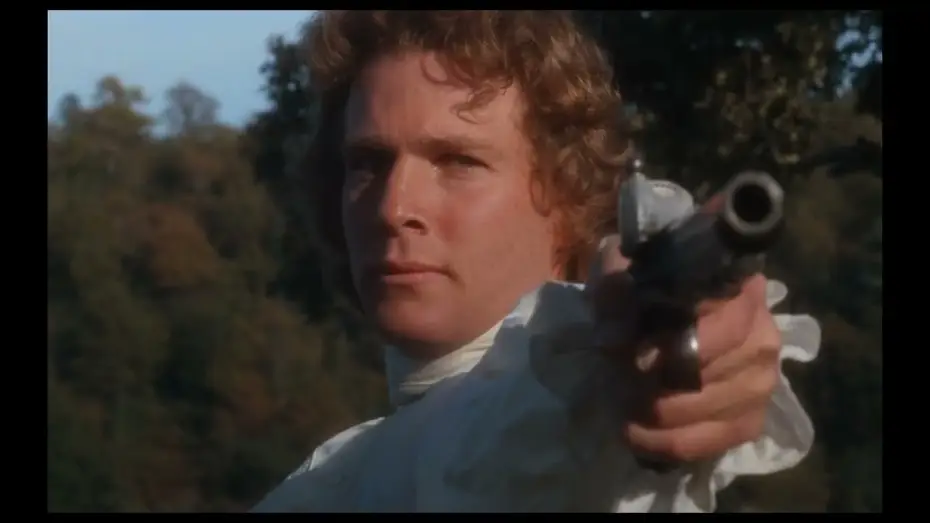

What's left behind the scenes
- The film is based on William Makepeace Thackeray's novel «The Luck of Barry Lyndon» (1844).
- Kubrick insisted on abandoning electric lighting during interior filming. Evening scenes in the film were the first in the history of cinema to be shot by candlelight without additional illumination, made possible by the use of ultra-fast Carl Zeiss Planar 50mm f/0.7 cine lenses, specifically designed for observing stars during NASA's lunar program. The production of each of these lenses cost NASA a million dollars, and three units were specially manufactured for Kubrick in a slightly cheaper version with reduced use of rare earth elements.
- In 1977, in an interview with «Sight & Sound» magazine, Steven Spielberg commented on the film as follows: “I really like ‘Barry Lyndon,’ but for me, it’s like walking through the Prado Museum without a lunch break.”
- The film was shot over approximately three hundred days, spanning two years.
- Kubrick always selected the music for his films himself. As a rule, he used well-known classics. For the soundtrack to "Barry Lyndon," he used Handel's "Sarabande," which had been forgotten by everyone.
- When asked about the reasons for turning to William Makepeace Thackeray's picaresque novel "The Adventures of Barry Lyndon," Kubrick quipped: "Try to explain why you love your wife – it's a completely pointless exercise." The fact that Kubrick chose a not particularly strong novel by a not particularly major Victorian English writer prompted Harold Rosenberg to accuse Kubrick in 1976 of "recycling literature that no one reads." Deflecting accusations of indiscriminate choice, Kubrick noted that more profound novels could not be adapted into a two- or three-hour film without significant loss.
- Kubrick worked on the screenplay independently. He finished the first draft in three months and subsequently revised it many times. About half of the episodes from the novel were not included in the screenplay, in particular, everything concerning Barry Lyndon's parliamentary career and his rivalry for the Countess's heart with Lord Poynings.
- A feature of Thackeray's novel was that the narrative was conducted from the perspective of the author of the memoirs, Barry Lyndon himself, who sought in every way to justify his actions and defend his good name. Kubrick decided from the outset to abandon the first-person narration, because in cinema events unfold before the viewer's eyes without the mediation of text. According to Kubrick, accompanying them with not particularly truthful comments from the main character would mean reducing the film to the level of a comedy, which was not at all in his plans.
- When one of the critics came to Kubrick to discuss the film with a volume of Thackeray in his hands, the director remarked: "The most significant thing in the film cannot be retold or analyzed." He also promised that the screenplay for "Barry Lyndon" would never be published, because from a literary point of view it was of no interest.
- The figure of the unseen narrator, whose voice comments on the events unfolding on screen, sparked considerable debate among critics. Kubrick justified the need for voiceover by the necessity of conveying a large amount of extra-plot information to the audience. The narrator not only mocks Barry's motives but also predicts how events will unfold, preparing the viewer for them and giving them a sense of inevitability: «Barry Lyndon» is a story where there is no room for surprises. It's not what will happen that matters, but how it will happen,» Kubrick emphasizes.
- Following the films «2001: A Space Odyssey» and «A Clockwork Orange», Kubrick set out to film an epic about the Napoleonic Wars era. Initial plans to adapt W.M. Thackeray's «Vanity Fair» had to be abandoned due to the novel's length, which was more suitable for a television series than a film. Gradually, Kubrick's attention shifted to the figure of Napoleon; he was developing the idea for a biographical film. Kubrick wrote a 150-page screenplay for «Napoleon». Jack Nicholson, Audrey Hepburn, Peter O'Toole, and Alec Guinness were invited to star in the blockbuster, but the box office failure of Sergei Bondarchuk's «Waterloo» (leading to Metro-Goldwyn-Mayer's refusal to finance the production) and the release of another version of «Vanity Fair» on television forced Kubrick to moderate his ambitions and turn to an earlier period of history. Thus, Stanley Kubrick began work on «Barry Lyndon».
- Work on «Barry Lyndon» continued for more than two years in an atmosphere of such secrecy that even studio executives had little idea what Kubrick was filming. The triumph of Kubrick's two previous films convinced the bosses of Warner Bros. to take a risk and invest $11 million in his new project.
- This was Kubrick's last experience working outside of a studio during his lifetime. Filming, which began in December 1973, continued not only in England and Ireland but also behind the «Iron Curtain»—in socialist East Germany. This caused additional difficulties due to Kubrick's dislike of travel; instead of traveling to various corners of England, Ireland, and Germany himself, he sent assistants.
- The entire original negative of the film was shot with the then-newest filmmaking camera, the «Arriflex 35 BL», which subsequently became Kubrick's favorite camera.
- When filming interiors during daylight hours, the windows were covered with tracing paper, onto which beams of artificial light were directed from the outside. Kubrick often worked for days and weeks on a minute episode that did not play a significant role in the narrative. For example, Barry's baptism of fire in an unnamed skirmish of the Seven Years' War was filmed from the side by three cameras that moved along an 800-foot track on dolly tracks.
- A number of episodes (including a frank scene between Barry and Lady Lyndon) were not included in the final version of the film.
- Kubrick believed that cinema, with far less expense and greater persuasiveness than other art forms, transported the viewer years and centuries back in time. He sought to demonstrate this ability with his film, insisting on the use of only authentic scenery in which people of the mid-18th century could have acted. Despite all this, inaccuracies could not be avoided: the film mentions the “Kingdom of Belgium” (which emerged after the Napoleonic Wars), Chevalier de Balibari stays in the Neo-Gothic Hohenzollern Castle (an architectural fantasy of 19th-century romanticists), and in the corner of the map in the office of Lady Lyndon’s sons there is a depiction of a locomotive.
- It is a common opinion that the selection of actors for the main roles was motivated by advertising considerations. Hoping to recoup the expensive filming, the film company demanded that the role of Redmond be given to one of the ten most sought-after actors in Hollywood. Only two actors from this list had Irish roots and were suitable for the role by age – Robert Redford and Ryan O’Neal; the former refused to cooperate with Kubrick, so the latter played Redmond.
- Kubrick instructed the film crew to create a “documentary” about the morals and manners of the aristocracy of the previous century. Convinced of the impossibility of authentically recreating the atmosphere of the 18th century in modern conditions, the director deviated from his usual practice and insisted on a complete refusal to film in the studio. The pursuit of authenticity required artist Milena Canonero to create costumes that fully corresponded to the Rococo era.
- Kubrick, who saw a commonality between the professions of director and investigator, considered comments regarding the scrupulousness of his historical reconstruction as compliments. He saw no point in making a historical (or futuristic) film if the director was unable to make the audience believe in the reality unfolding on the screen. Work on "Barry Lyndon" required him to immerse himself in the study of the daily life of European aristocracy in the eighteenth century. A whole year was spent preparing for filming. Kubrick compiled a weighty folder with reproductions of artworks from that period. He insisted that nothing created after the eighteenth century appear in the frame. Architecture, furniture, costumes, means of transportation – all these elements were found by him in the paintings and engravings of the recreated era.
- Production designer Ken Adam recalls that the task set before him by Kubrick was to recreate the scenery of an eighteenth-century aristocratic estate with documentary accuracy. The Countess’s house, according to Adam, should have given the impression of being an old building even by the standards of the eighteenth century. Having traveled all over England, the designer decided to combine in the image Castle Howard’s theatrical silhouette with the interiors of Longleat and Petworth and the park structures of Wilton House. Due to the poor preservation of Irish estates, it was more difficult to reproduce the setting of Barry’s ancestral home. The Potsdam scenes were filmed in East Germany by a separate team, which sent slides to the director in the UK, and he gave them instructions by phone. At Kubrick’s direction, the filmmakers had to study toothbrushes of that time, contraceptives, and a multitude of things that did not make it into the film.
- Kubrick approached the choice of musical theme with no less scrupulousness than he did the development of visual solutions. It was common practice for him to fit scenes to music selected in advance. He recalls that during the work on the film he listened to all the available records of music from the 17th and 18th centuries. The film features such rarely performed melodies as the Hohenfriedberg March, traditionally attributed to the Prussian king himself.
- After Kubrick’s death, retrospective screenings of "Barry Lyndon" were held in many cities.
- Such major directors as Steven Spielberg and Martin Scorsese (who paradoxically defined it as "one of the most emotional films") count themselves among the admirers of "Barry Lyndon".
- Kubrick spent 42 days editing the duel scene between Barry and Lord Bulington.
- The film is based on William Makepeace Thackeray’s novel “The Luck Of Barry Lyndon” (1844).
- When asked about the reasons for turning to the picaresque novel genre of W. M. Thackeray’s “The Adventures of Barry Lyndon,” Kubrick quipped: “Try to explain why you love your wife – it’s a completely pointless exercise.” The fact that Kubrick chose a not particularly strong novel by a not particularly prominent Victorian English writer allowed Harold Rosenberg to reproach Kubrick in 1976 with ‘recycling literature no one reads.’ Deflecting accusations of indiscriminate taste, Kubrick noted that more profound novels could not be transformed into a two- or three-hour film without significant loss.
- Following the films “2001: A Space Odyssey” and “A Clockwork Orange,” Kubrick set out to make a film epic about the Napoleonic Wars era. Initial plans to adapt Thackeray’s “Vanity Fair” had to be abandoned due to the novel’s length, which was more suitable for a television series than a film. Gradually, Kubrick’s attention shifted to the figure of Napoleon; he was developing an idea for a biographical film. Kubrick wrote a 150-page screenplay for “Napoleon.” Jack Nicholson, Audrey Hepburn, Peter O’Toole, and Alec Guinness were invited for the leading roles in the blockbuster, but the box office failure of Sergei Bondarchuk’s “Waterloo” (which led to Metro-Goldwyn-Mayer refusing to finance the production) and the release of another version of “Vanity Fair” on television forced Kubrick to moderate his ambitions and turn to an earlier period of history. Thus, Stanley Kubrick began work on “Barry Lyndon.”
- Kubrick believed that cinema, with much less expense and greater persuasiveness than other art forms, transported the viewer years and centuries back in time. He sought to demonstrate this ability with his film, insisting on the use of only authentic settings in which people from the mid-18th century could have operated. Despite all this, inaccuracies could not be avoided: the film mentions the “Kingdom of Belgium” (which arose after the Napoleonic Wars), Chevalier de Balibari stops at the neo-Gothic Hohenzollern Castle (an architectural fantasy of 19th-century romantic crowned heads), and in the corner of a map in the study of Lady Lyndon’s sons there is an image of a locomotive.
- Kubrick instructed the film crew to create a "documentary" about the morals and manners of the aristocracy of the previous century. Convinced of the impossibility of accurately recreating the atmosphere of the 18th century in modern conditions, the director deviated from his usual practice and insisted on a complete refusal of studio filming. The pursuit of authenticity required artist Milena Kanonero to create costumes completely corresponding to the Rococo era.
Did you like the film?
 Auditions in India
 Casting calls in USA
 Castingi w Polsce
 Кастинги в Україні
