Good Night, and Good Luck. - posters, covers, wallpapers
Lots of posters, covers and wallpapers for the movie "Good Night, and Good Luck."
Good Night, and Good Luck. (2005)
Timing:
1:32 (92 min)

7.083/10
943
943

7.001/10
8366
8366

7.4/10
105000
105000
Posters, covers
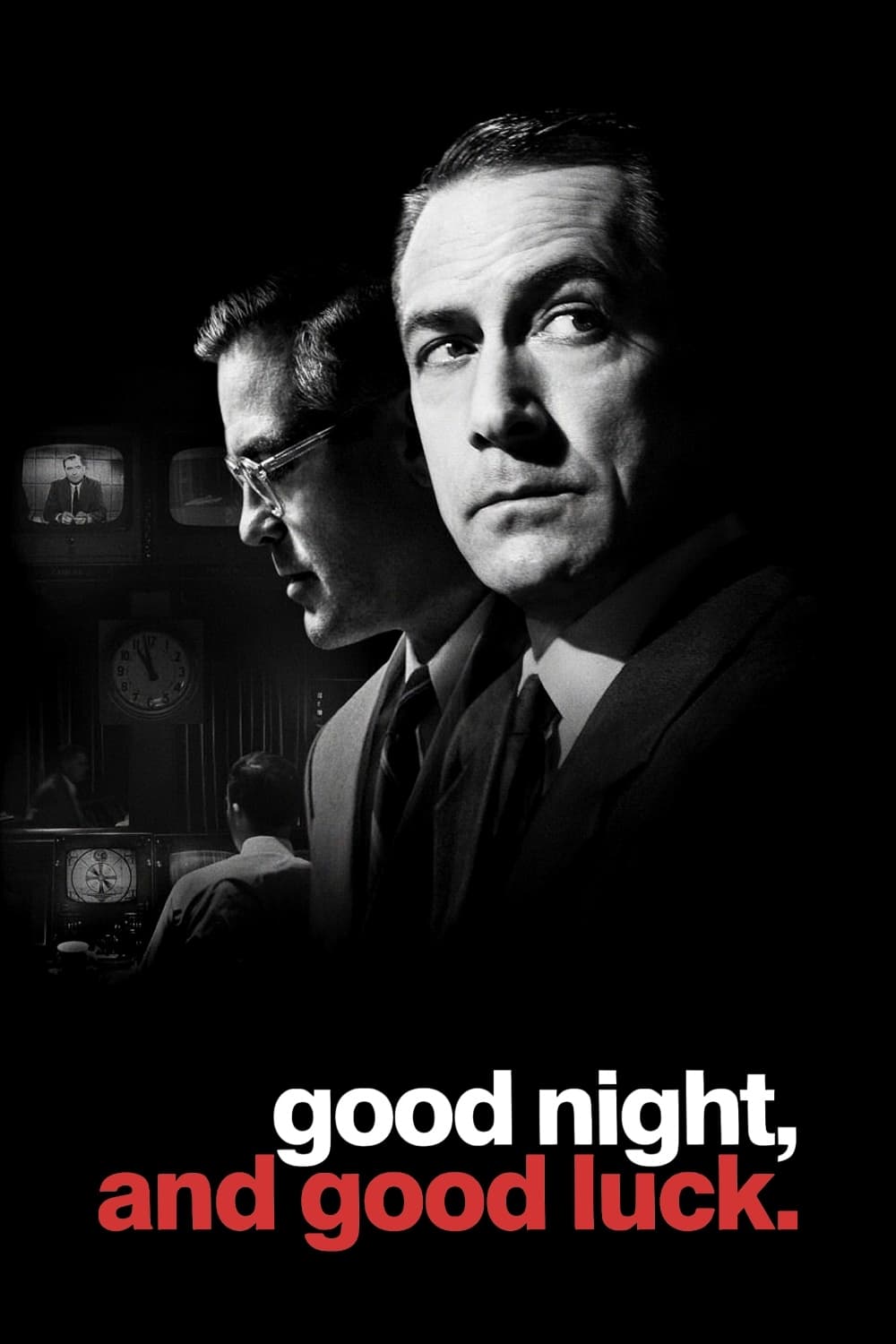 2K 1500p
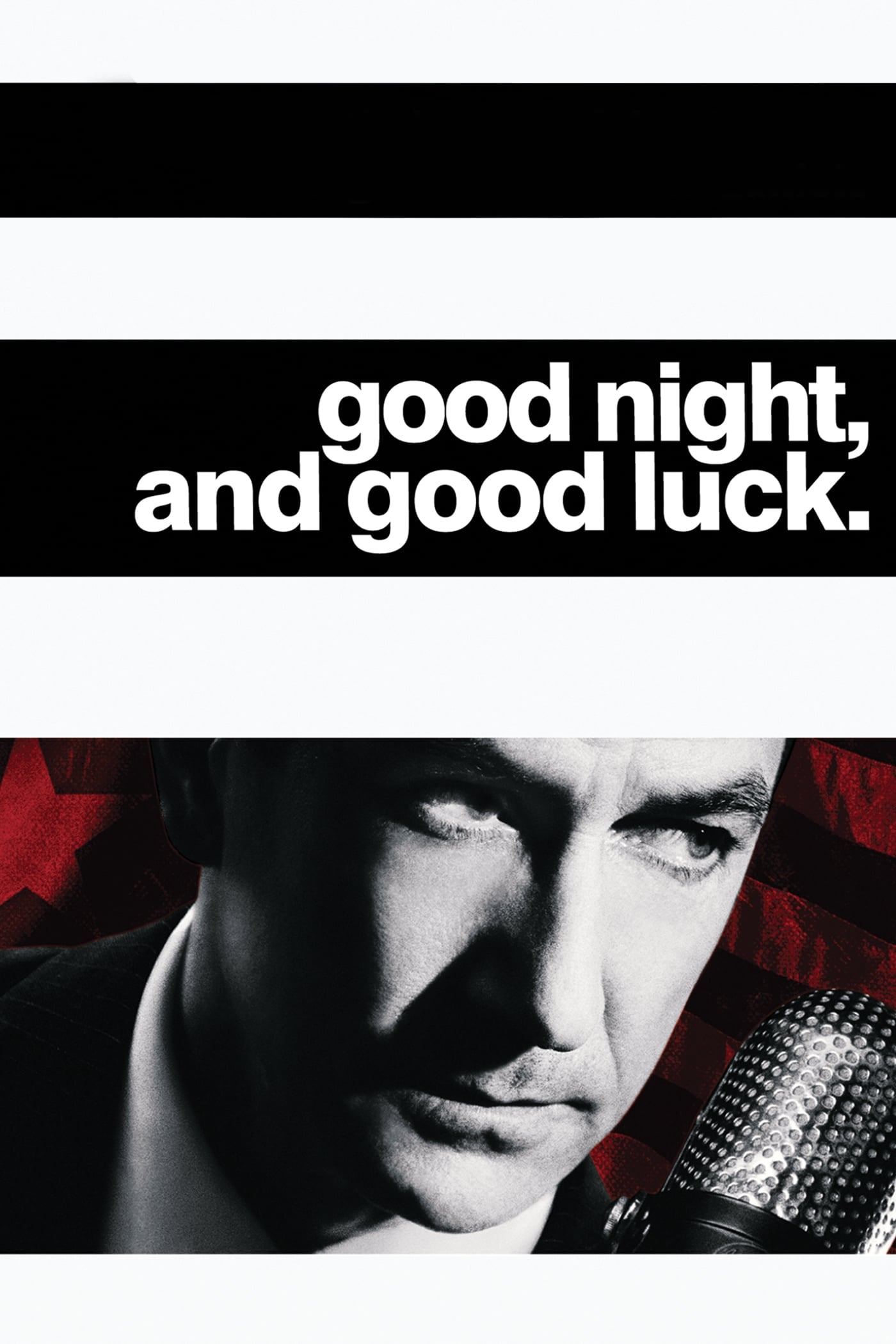 3K 2100p
 2K 1500p
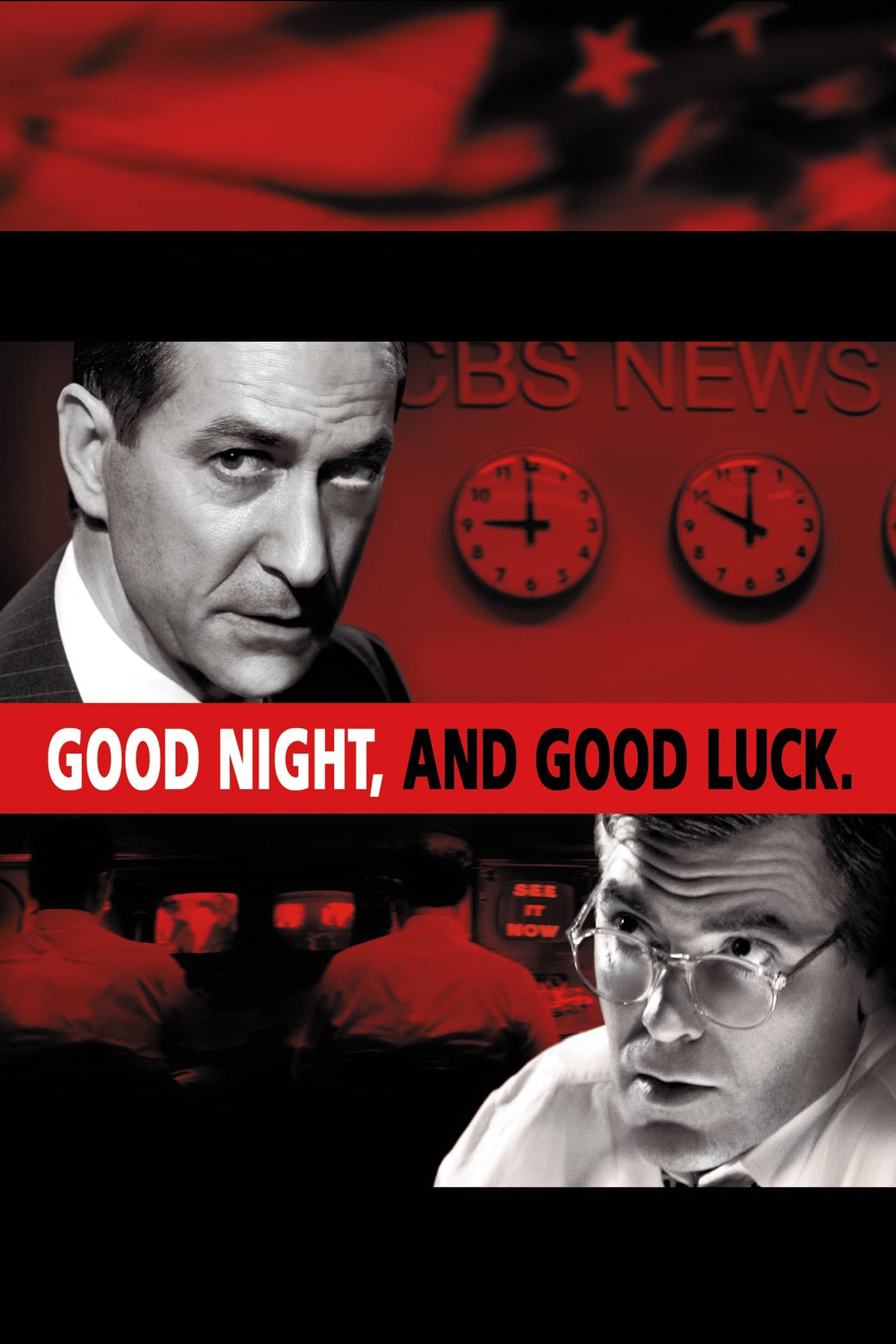 3K 2100p
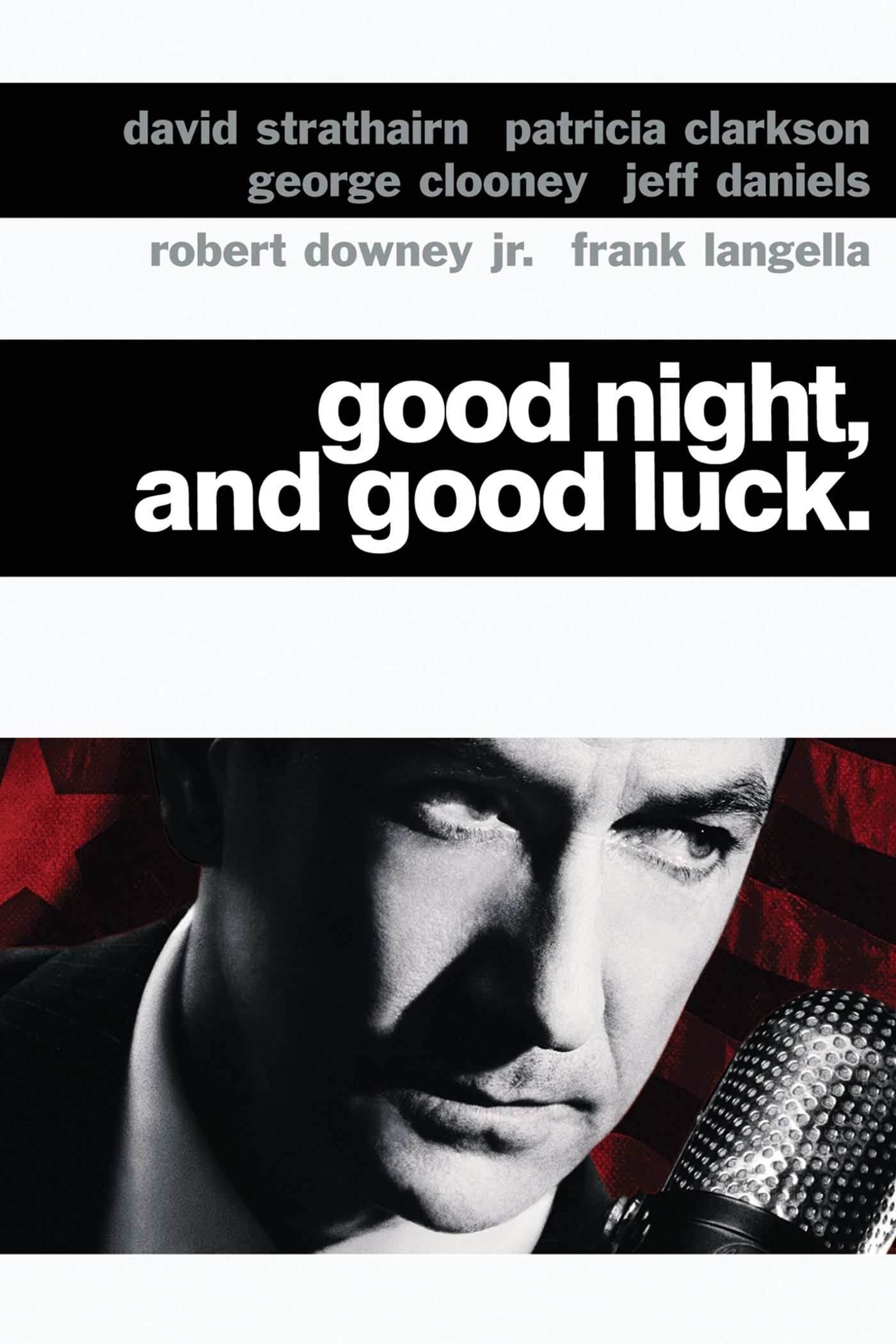 3K 2100p
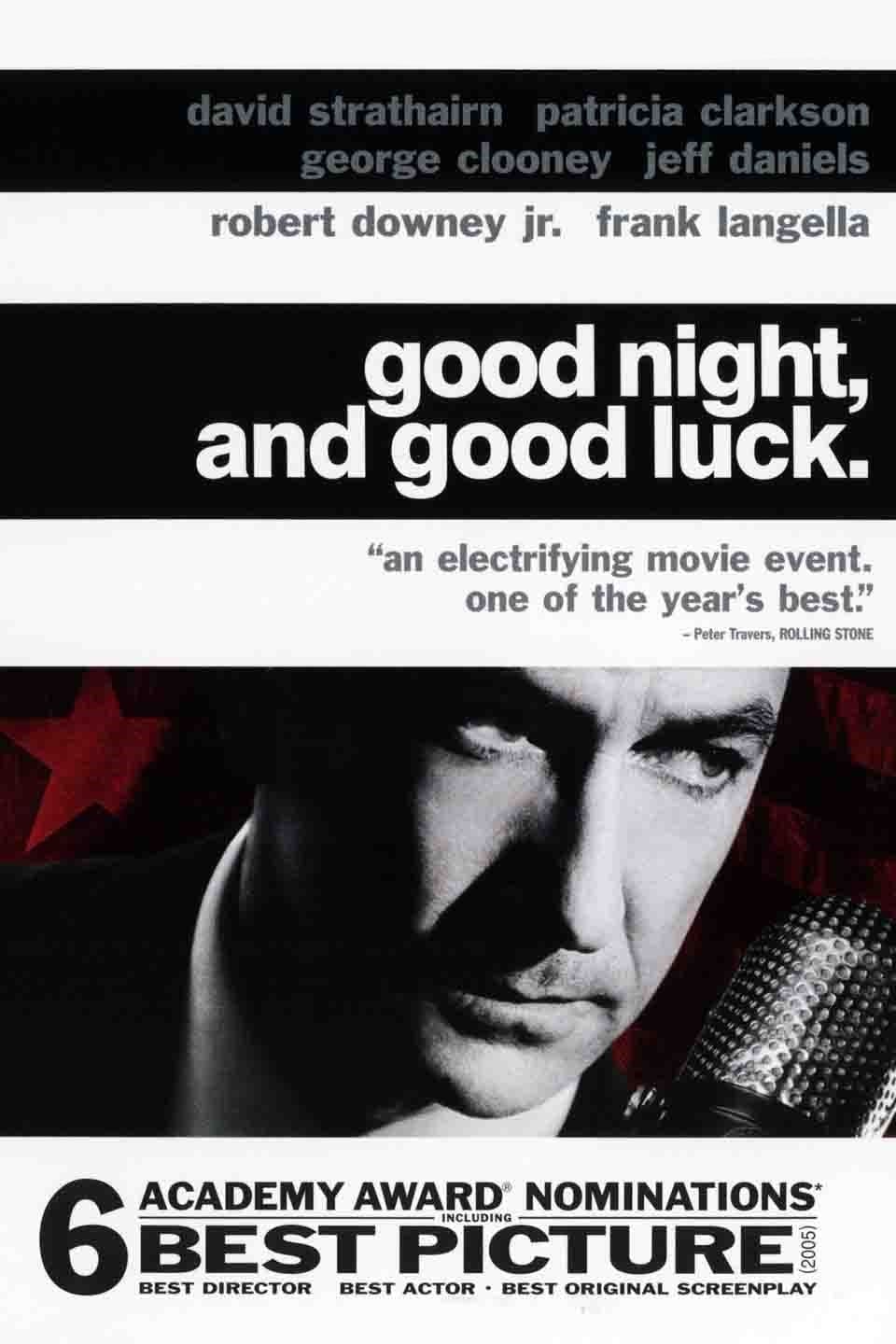 2K 1440p
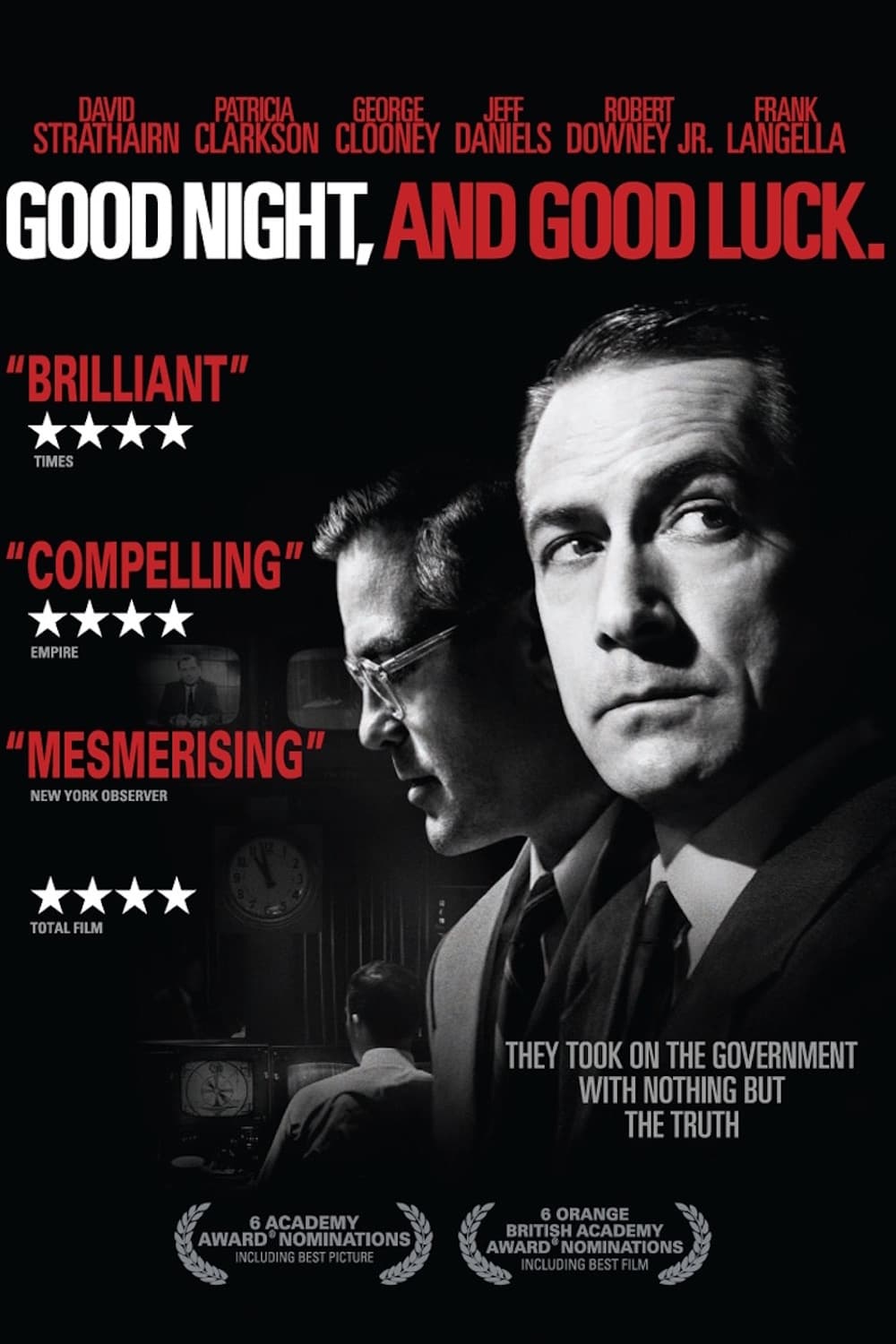 2K 1500p
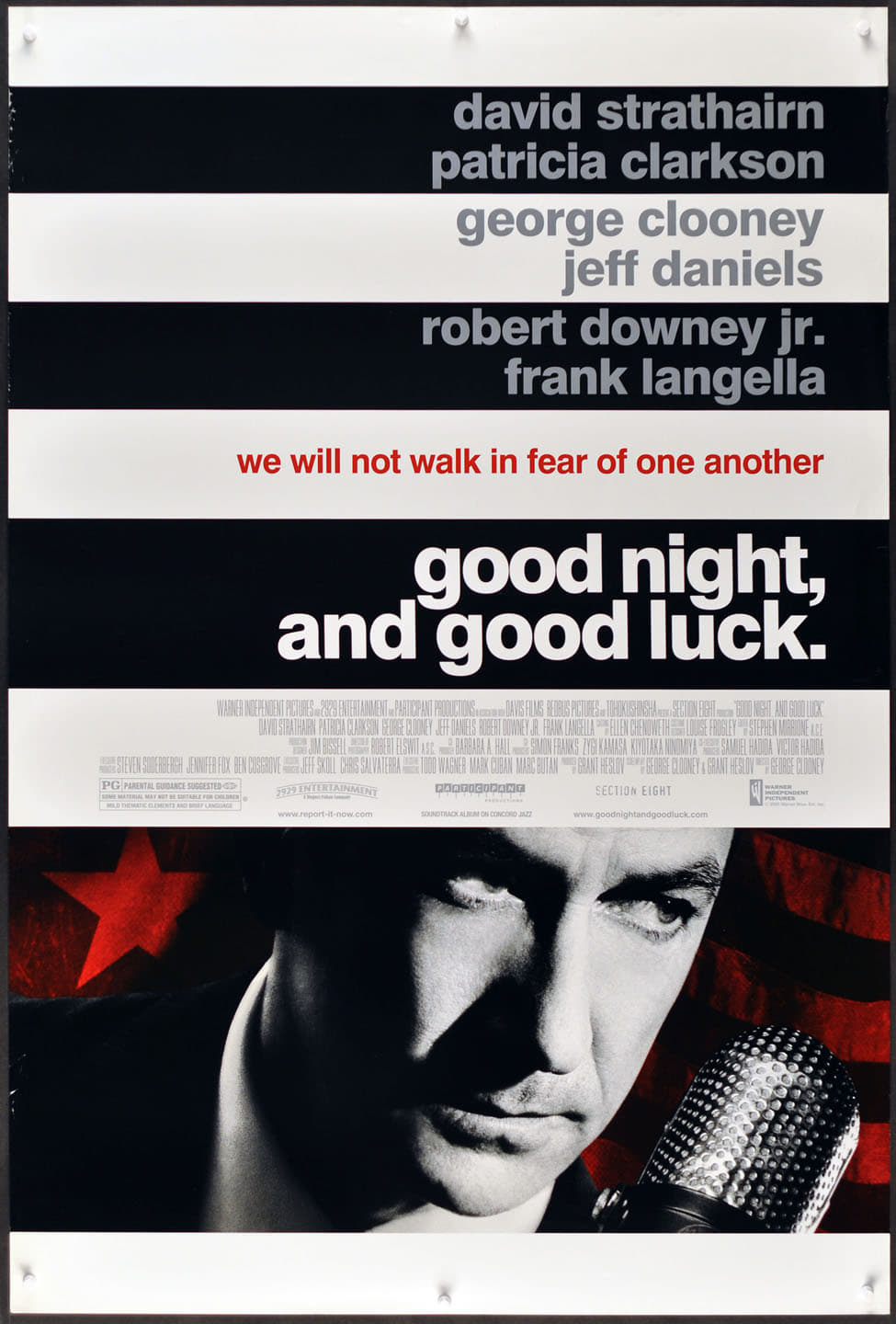 2K 1440p
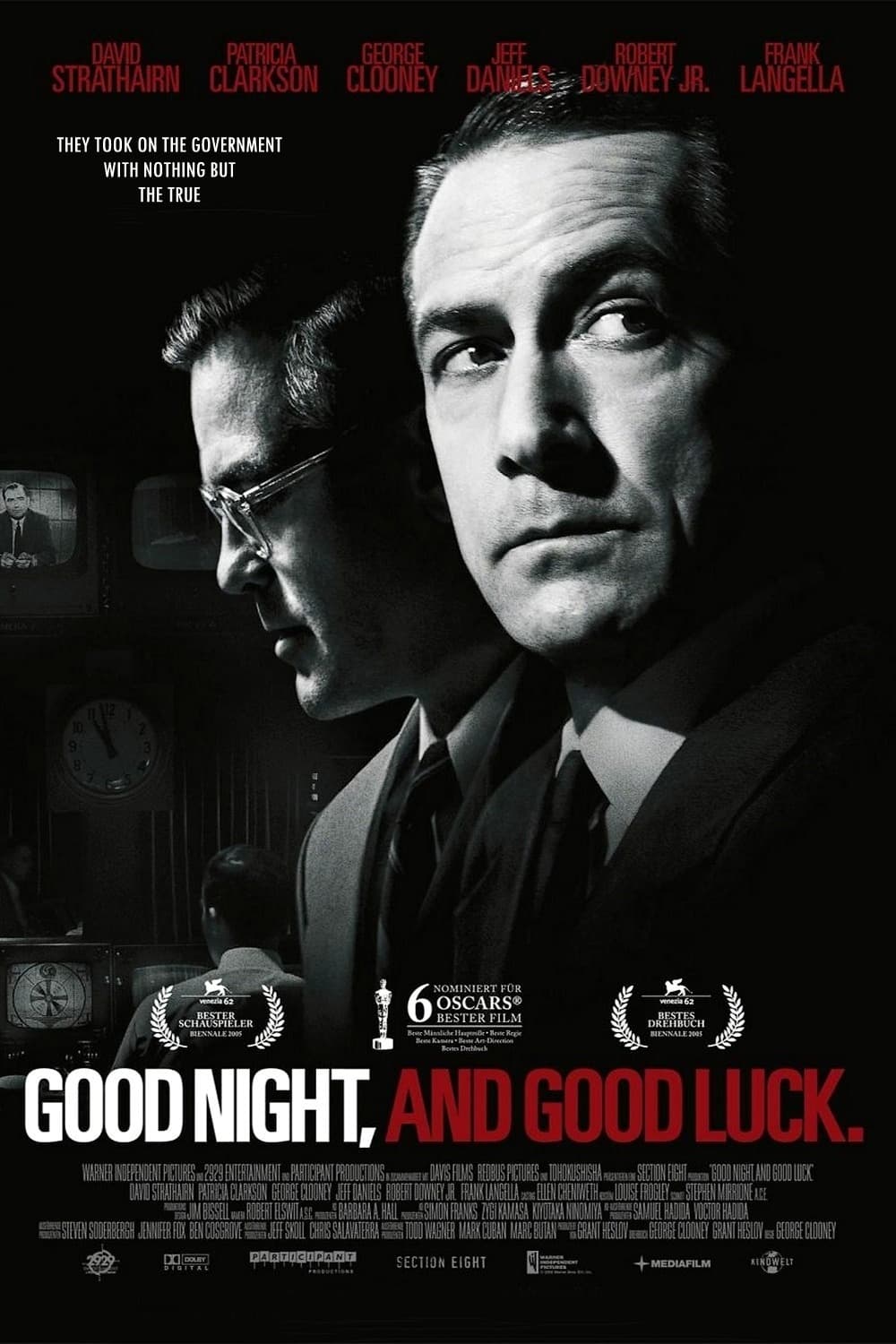 2K 1500p
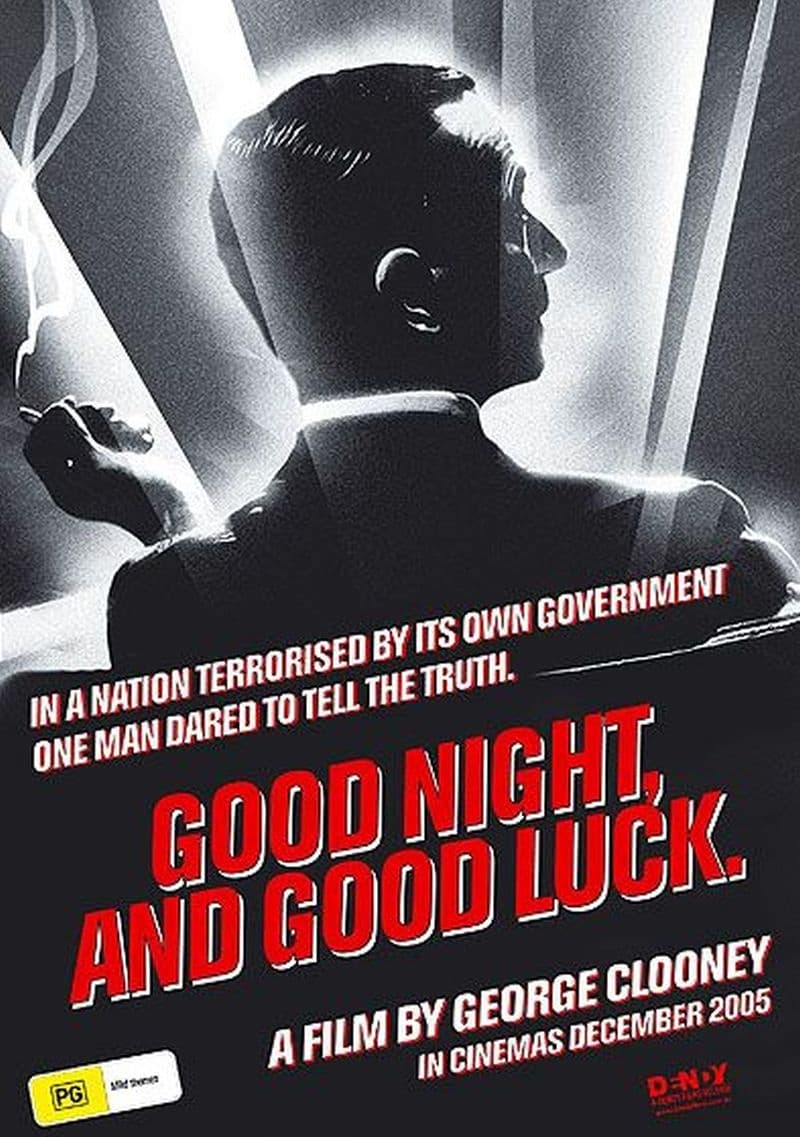 Full HD 1137p
Backdrops, wallpaper
 HD Ready 720p
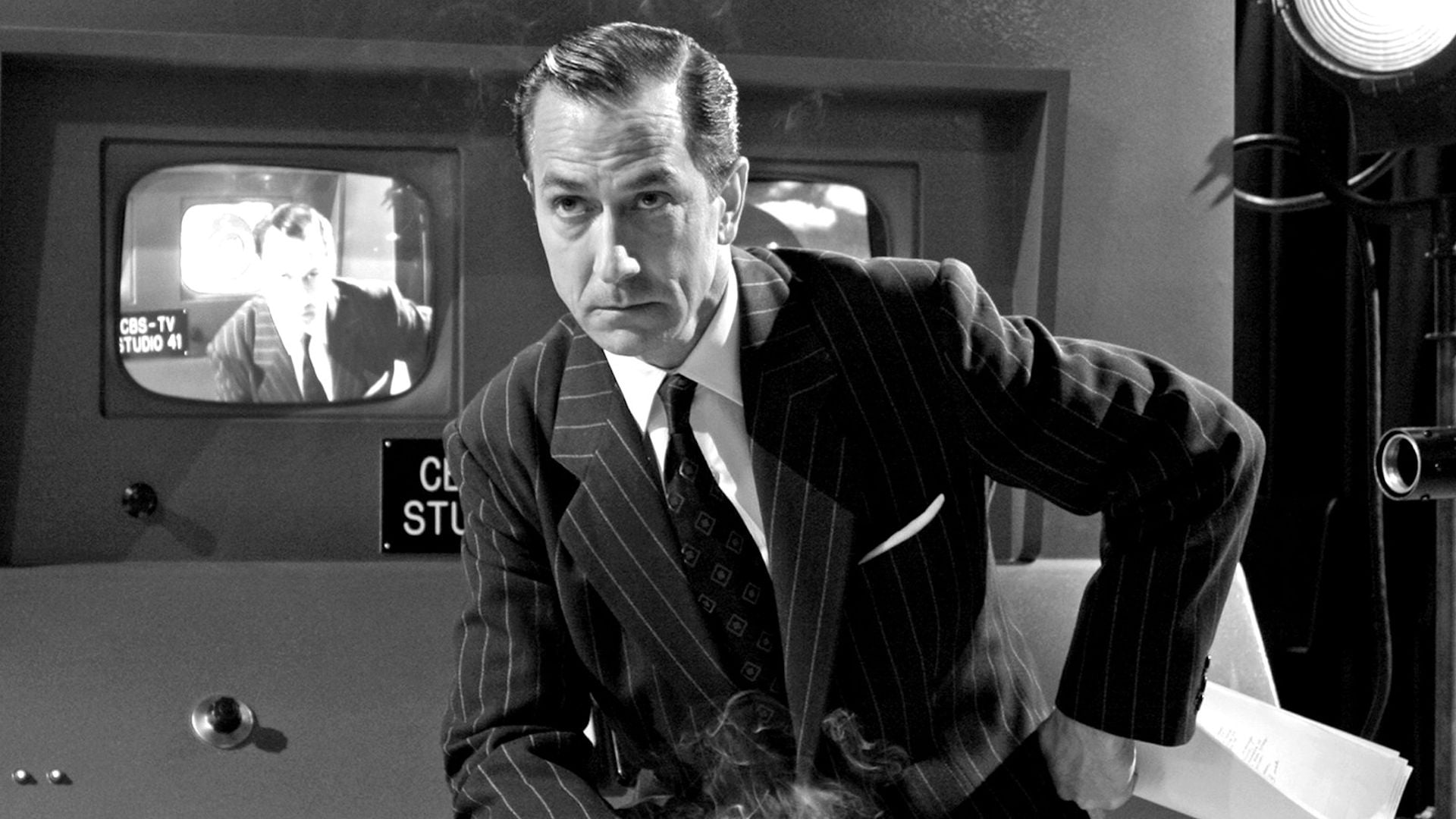 Full HD 1080p
 HD Ready 720p
 HD Ready 720p
What's left behind the scenes
- The film uses documentary footage featuring Senator McCarthy. During test screenings, viewers unaware of this claimed that the actor playing McCarthy was “overacting severely.”
- Every morning, director George Clooney gathered the cast and handed out copies of newspapers from that day in 1953. The actors had half an hour to retype articles from the newspapers on old typewriters. Afterwards, he held conferences with an editor, during which the actors pitched the editor materials from their supposed article for inclusion in that day’s issue.
- The phrase that became the film’s title, “Good Night, and Good Luck,” originally belonged to Robert P. Morrow (1908-1965) from his time in London as a war radio correspondent. These words were said by residents of Great Britain during World War II, when they were unsure if they would survive the night under Luftwaffe bombs.
- To help raise funds for the film’s production, George Clooney mortgaged his own mansion in Los Angeles.
- Every 23 minutes (exactly the length of television programs in the 1950s), a jazz composition performed by Dianne Reeves sounds in the film.
- George Clooney received one dollar each as a screenwriter, director, and actor. This helped reduce the film's production costs, with a budget of just over $7.5 million.
- George Clooney was very nervous before showing the film to his father, a former reporter. After watching the film, Nick Clooney reassured his son, saying that he had accurately conveyed the atmosphere.
- Initially, it was intended to be not a feature film, but a live broadcast program for CBS.
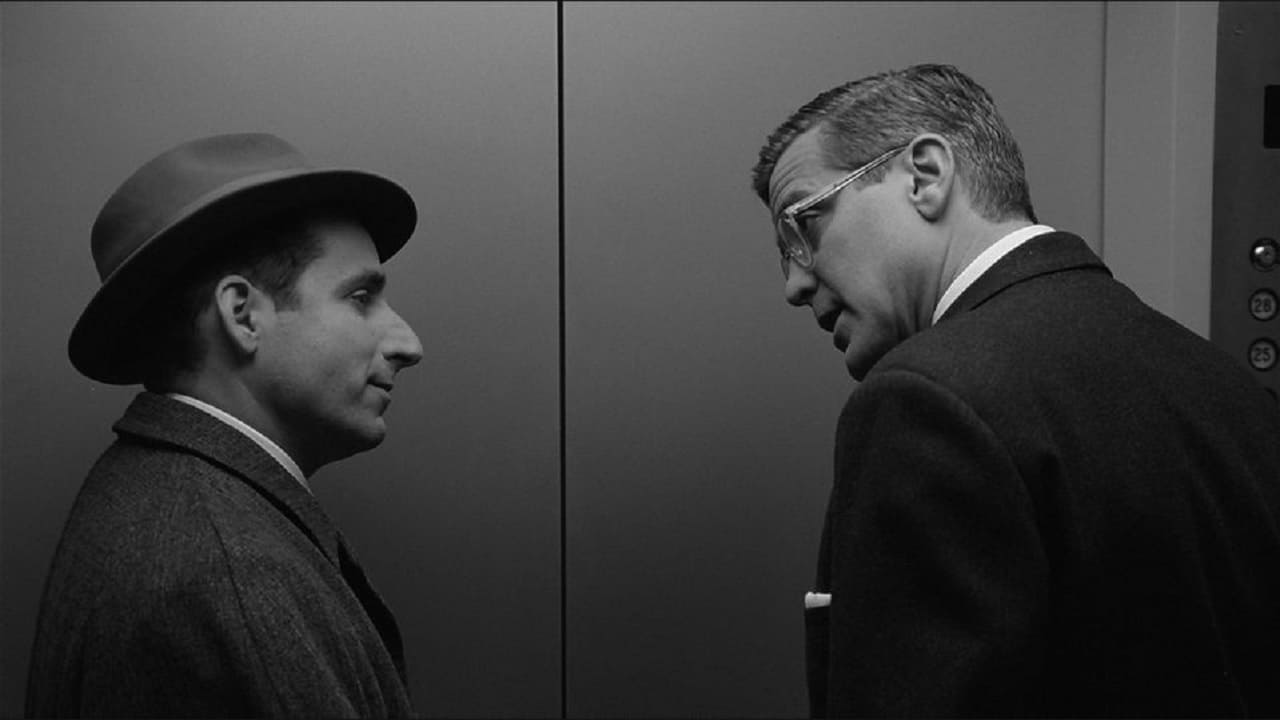
- The entire set and all the decorations were built on one floor; the elevator cabin was made to rotate around its axis, so during continuous shots it was simply rotated, and then supposedly another floor was shown.
- The film features Matt Catingub's orchestra, with all arrangements done by Catingub himself. He also produced the last album of American popular singer and actress of the 1940s-1950s Rosemary Clooney (1928-2012), George Clooney's aunt. Clooney personally asked Catingub to work on this film.
- While preparing to film, George Clooney revisited films from the 1950s and 1960s. He was particularly impressed by Sidney Lumet’s (1924-2011) thriller “The Hill” (1964), his drama “12 Angry Men” (1956), and Jean-Luc Godard’s drama “Breathless” (1960). He even attempted, though unsuccessfully, to find the same camera lens used in Godard’s film.
- The film was shot simultaneously with two cameras, a decision George Clooney made due to a back injury. At a minimum, this allowed him to cut the shooting day in half, to 9 hours.
- In the film, Joe resigned voluntarily to avoid being fired when his secret marriage to Shirley, played by Patricia Clarkson, came to light. In reality, Joseph Wershba (1920-2011) wrote for the New York Post for 6 years before returning to CBS when their rules regarding employee marriages changed. He became one of the original producers of the popular show “60 Minutes”.
Did you like the film?
 Auditions in India
 Casting calls in USA
 Castingi w Polsce
 Кастинги в Україні
