Who's Afraid of Virginia Woolf? - actors, characters and roles
All actors and their roles in the film "Who's Afraid of Virginia Woolf?"
Who's Afraid of Virginia Woolf? (1966)
Timing:
2:11 (131 min)

7.694/10
903
903

7.798/10
11527
11527

8/10
84000
84000
Actors and characters
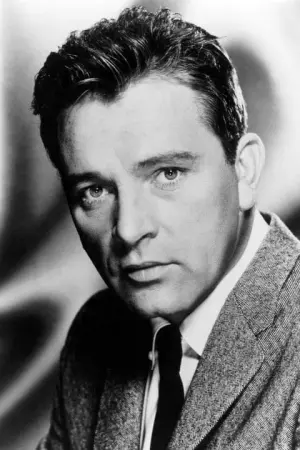
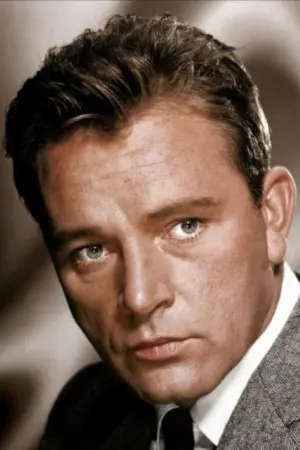
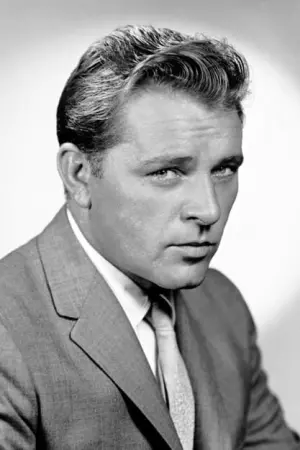
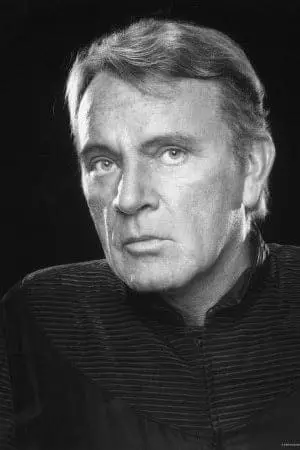
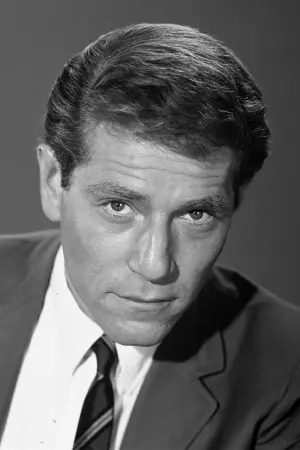
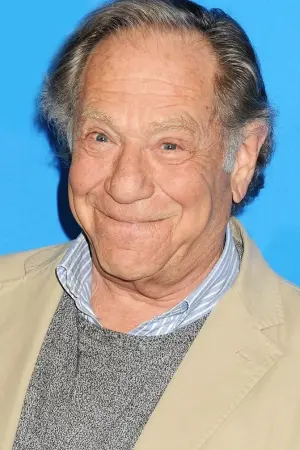
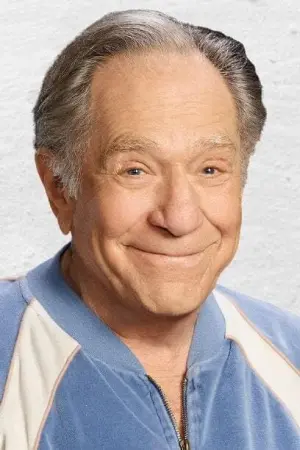
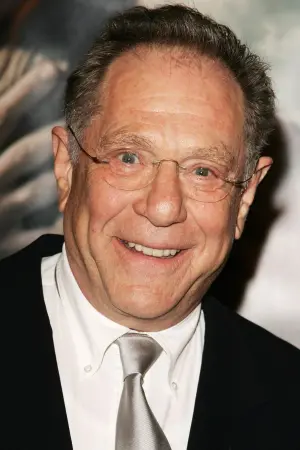
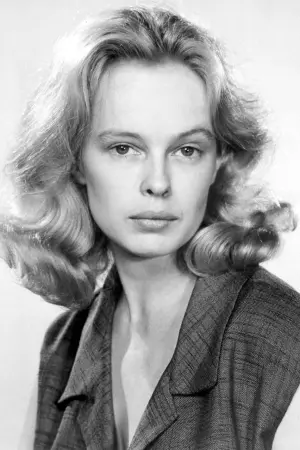
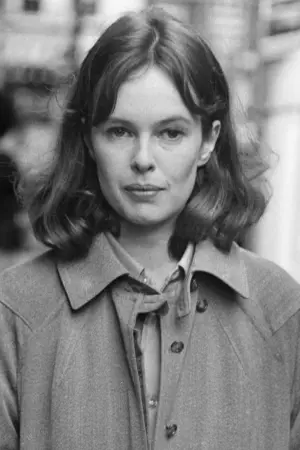
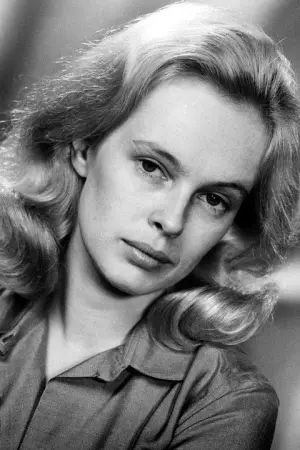
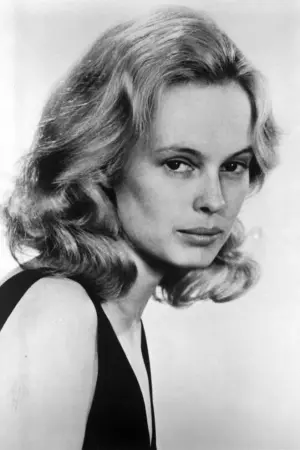
Agnes Flanagan
Character Roadhouse Waitress (uncredited)
Frank Flanagan
Character Roadhouse Manager (uncredited)
What's left behind the scenes
- Edward Albee's play, which was a resounding success on Broadway in 1962, was purchased by the company for $500,000 USD.
- For her role in this film, Elizabeth Taylor (1932-2011) gained almost 14 kilograms.
- Director Mike Nichols (1931-2014) later realized that insisting on filming on campus was unnecessary. All those scenes could easily have been shot at the studio. It was just one of the lessons he learned from working on his first film. As he later admitted, he was simply a theater director from New York who found himself in Hollywood, and was therefore terribly afraid.
- By the time filming began, Richard Burton (1925-1984) and Elizabeth Taylor were already major stars, so working with them was quite a trial. Each of their contracts included a clause stating that they could not appear on set before 10 a.m., while the rest of the crew were practically always there from early morning. Upon arriving on set, the two of them would go to their dressing rooms, where makeup artists and costume designers would work on them for up to two hours each time, and by the time they were ready to film, it was time for a lunch break. Their lunch breaks were long – often with friends and alcohol – so they didn’t return until late in the afternoon, when filming could finally begin. According to editor Sam O’Steen, Burton and Taylor consistently acted as if everything was as it should be, and that nothing had happened. Moreover, sometimes they didn't return from lunch until 5 p.m., while their contracts stipulated that the workday should end at 6 p.m.
- In the scene near the bar, Richard Burton's character becomes enraged and pushes Elizabeth Taylor towards a car. Burton genuinely pushed Taylor hard, and she hit her head loudly against the top of the car. The actress's hand instinctively went to the impact site, but she played the scene to the end, and her voice made it clear she was in pain. Mike Nichols decided not to reshoot the scene, but to include this particular take in the film.
- By that time, most films in Hollywood were being shot in color, but director Mike Nichols insisted on filming in black and white. Firstly, Elizabeth Taylor was made up to look 15 years older, and the makeup looked more natural that way. Furthermore, both she and Richard Burton looked more worn out on black and white film than they would have in color. Secondly, Nichols believed that color would make the film more literal and realistic, while he wanted it to look more stylized and abstract. Overall – and largely thanks to the fees of screenwriter Edward Albee (1928-2016) and Taylor – “Who’s Afraid of Virginia Woolf?” became the most expensive black and white film in history, costing $7.5 million to produce.
- The film's editing was handled by Mike Nichols and Sam O’Steen. They worked from 5 a.m. until late at night, and Sam O’Steen once even fainted from exhaustion. In general, he – by his own admission – was “like a sleepwalker” and worked on autopilot. This continued for a whole month, and sound mixing was still ahead, but the studio bosses wouldn’t allow Nichols to do it. O’Steen did everything alone, and then every evening he would call Nichols and let him listen to the result through the phone speaker, and listen to Nichols’ requests and advice regarding the sound design.
- According to Mike Nichols, the screenwriter and producer of the film, Ernest Lehman (1915-2005), wrote another ending for the film in which the son of George and Martha, played by Richard Burton and Elizabeth Taylor respectively, committed suicide several years before the events depicted. Nichols refused to film that ending.
Did you like the film?
 Auditions in India
 Casting calls in USA
 Castingi w Polsce
 Кастинги в Україні
