Burke & Hare - posters, covers, wallpapers
Lots of posters, covers and wallpapers for the movie "Burke & Hare"
Burke & Hare (2010)
Timing:
1:31 (91 min)

6.072/10
450
450

6.475/10
24102
24102

6.1/10
22000
22000
Backdrops, wallpaper
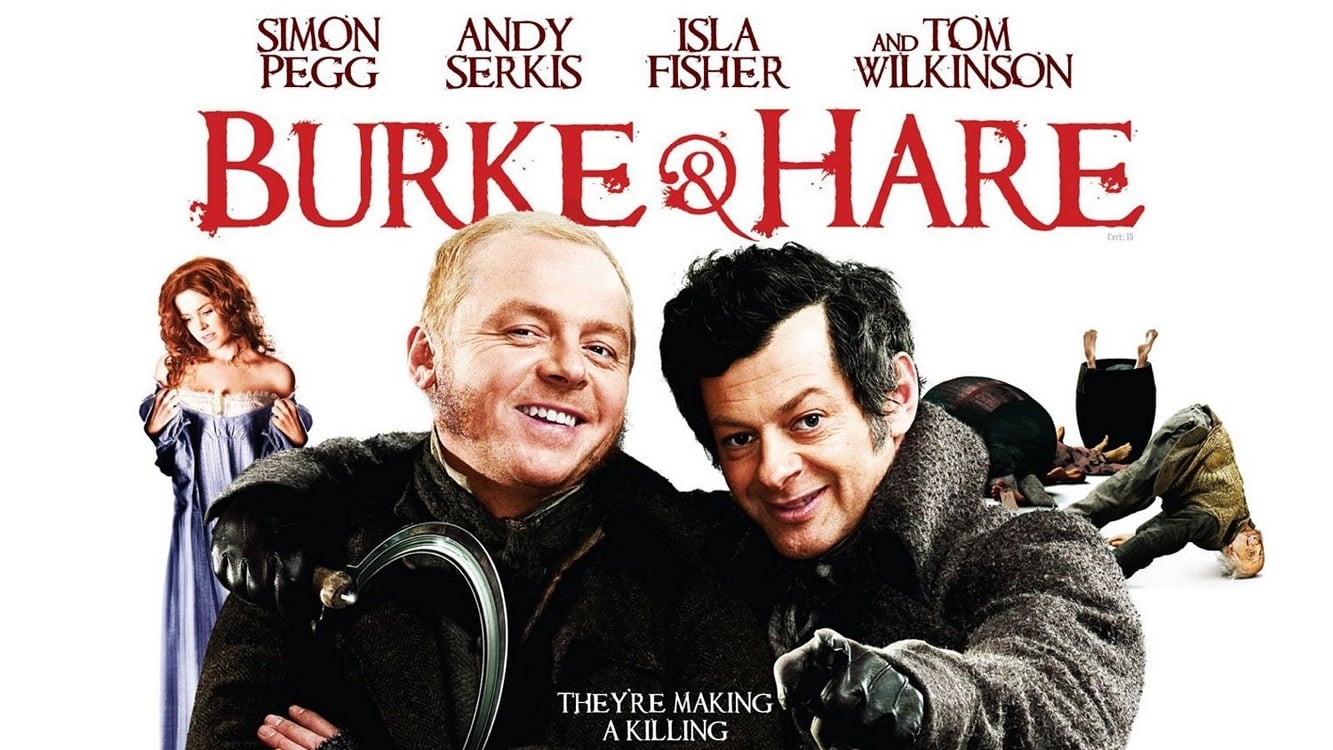 HD Ready 750p
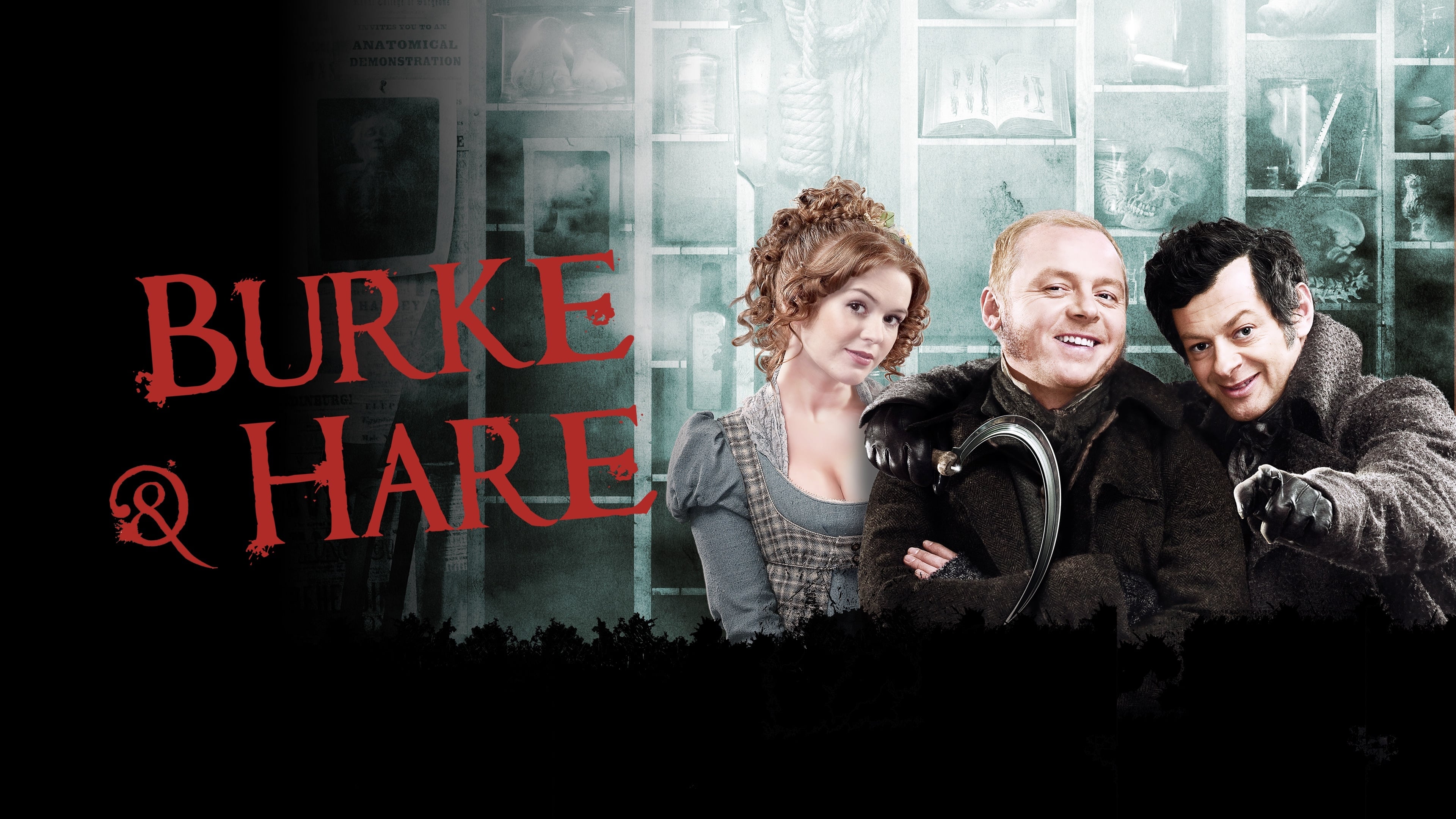 4K UHD 2160p
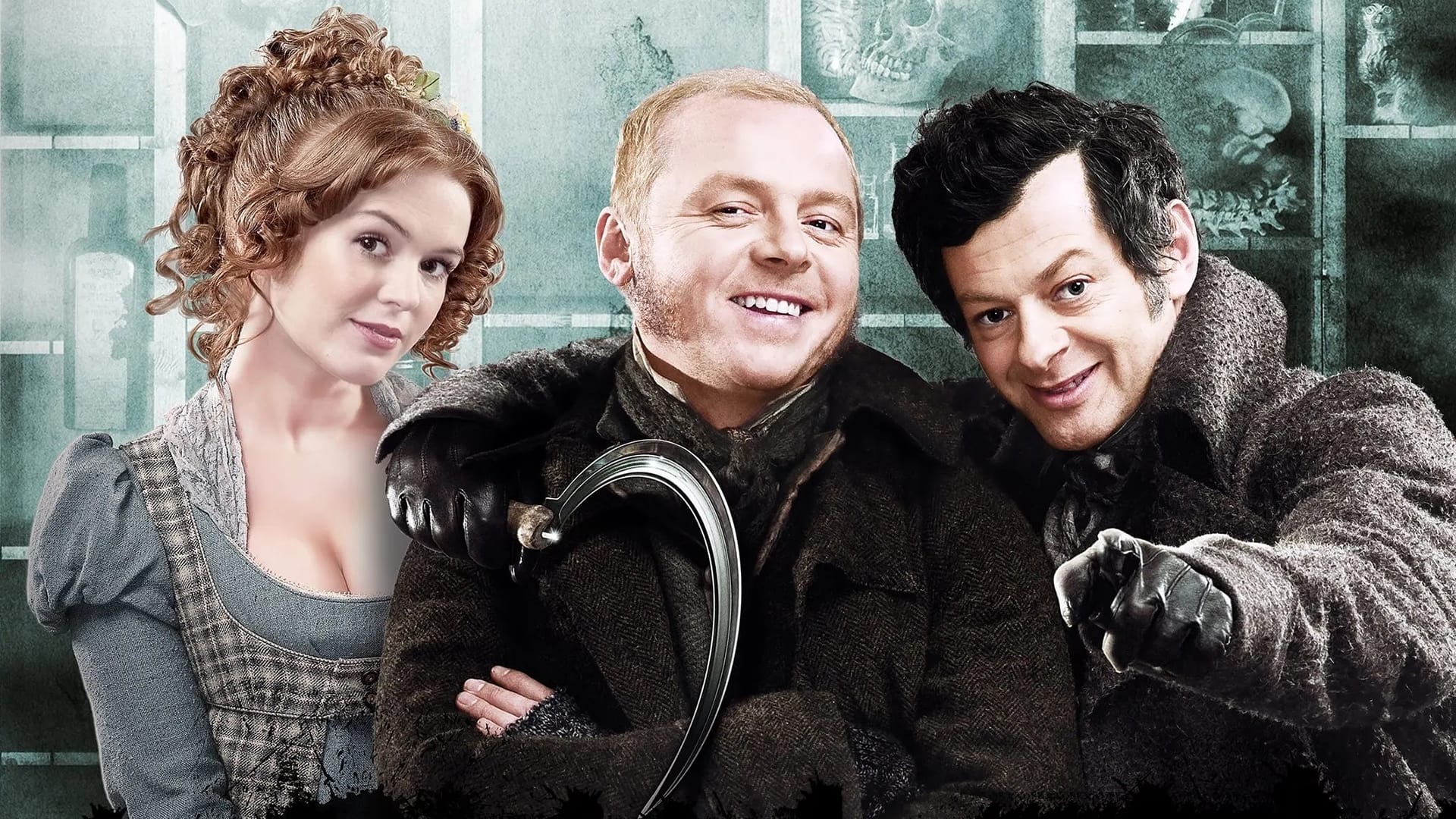 Full HD 1080p
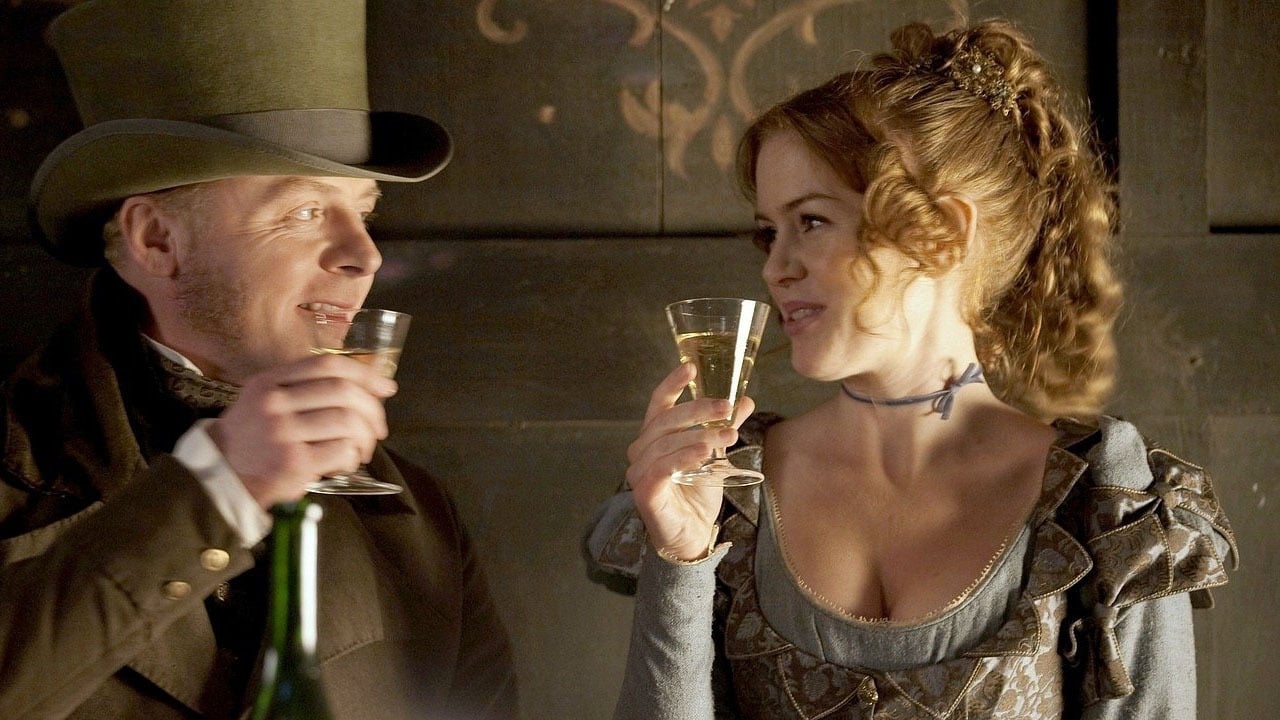 HD Ready 720p
Posters, covers
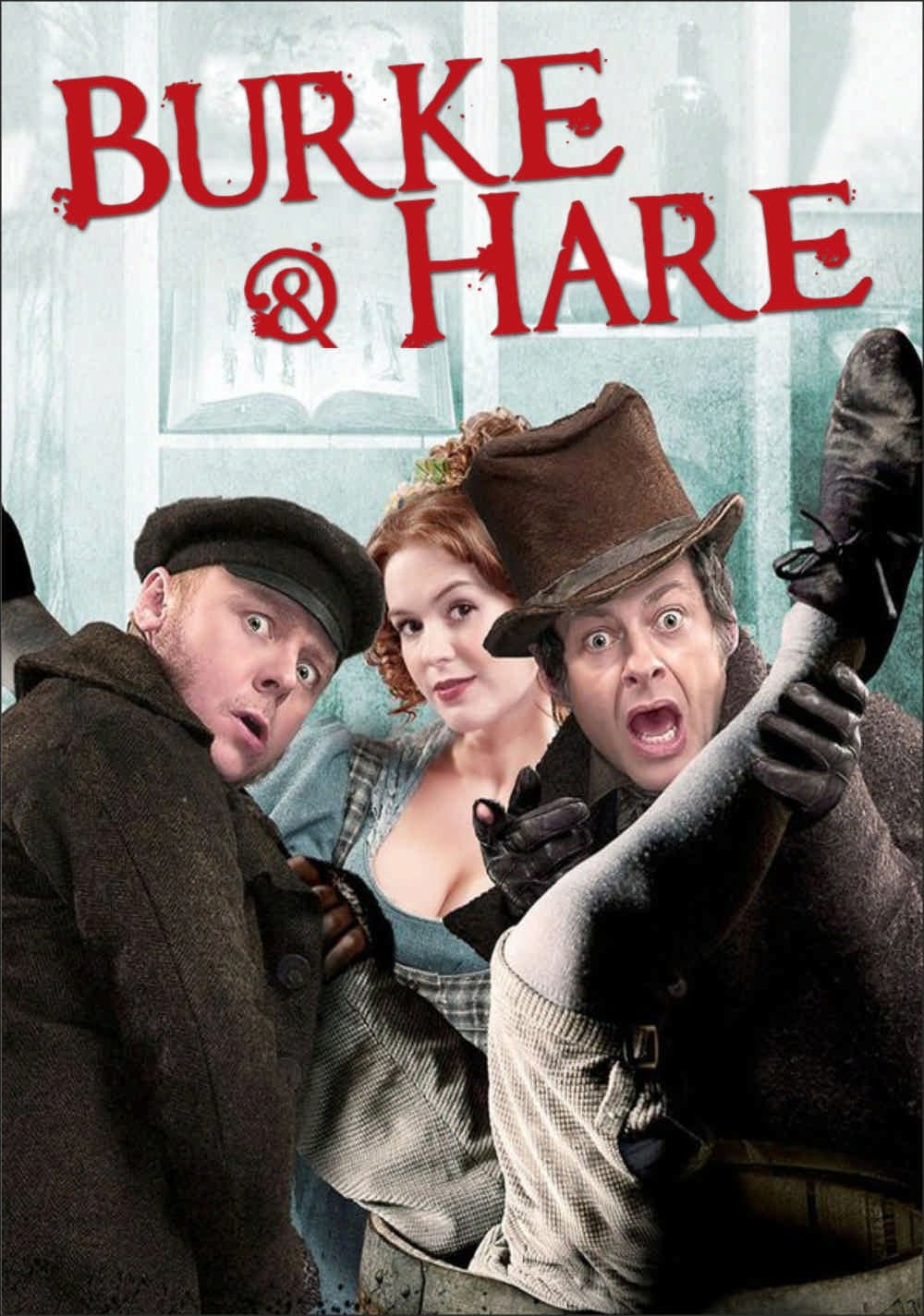 Full HD 1425p
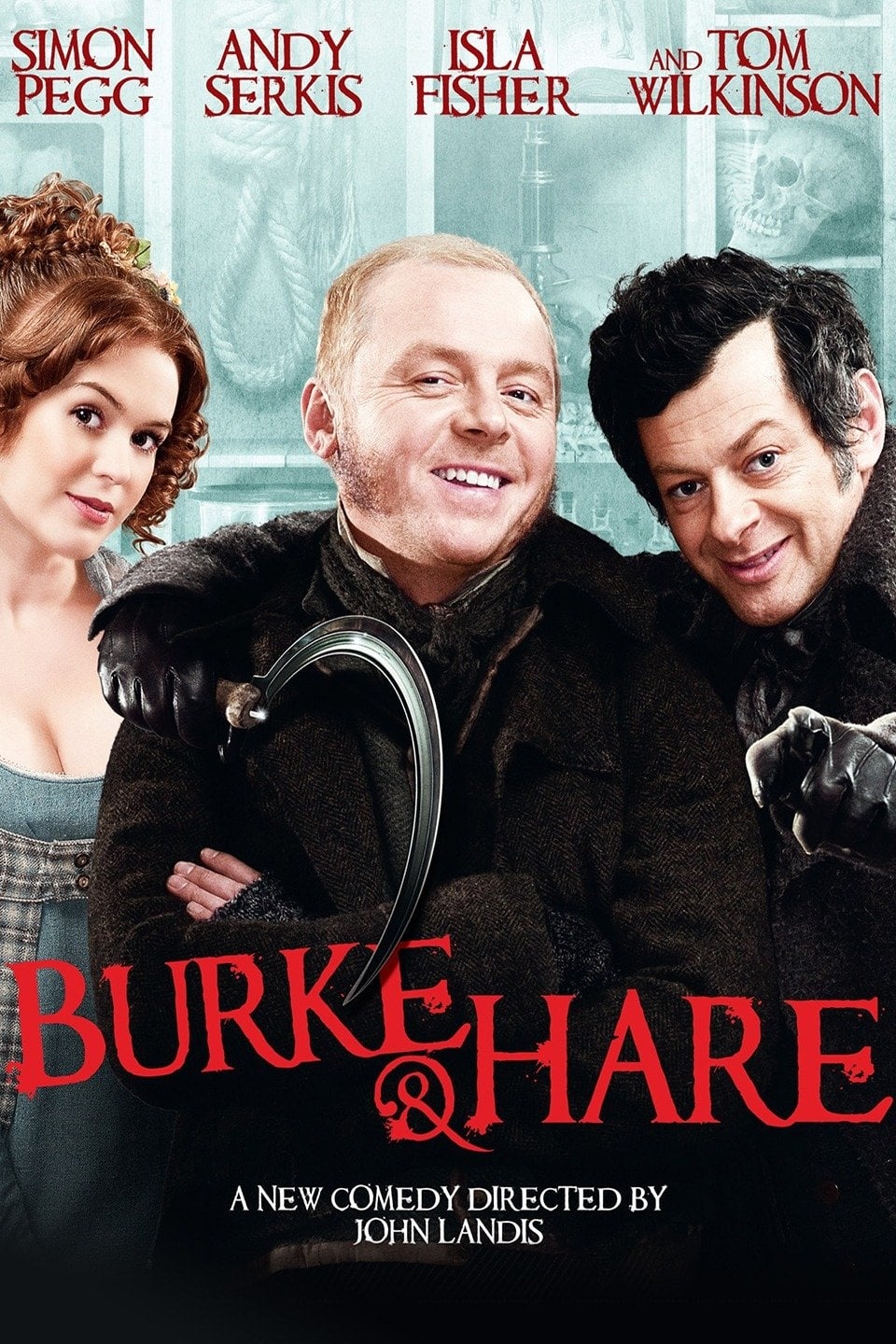 2K 1440p
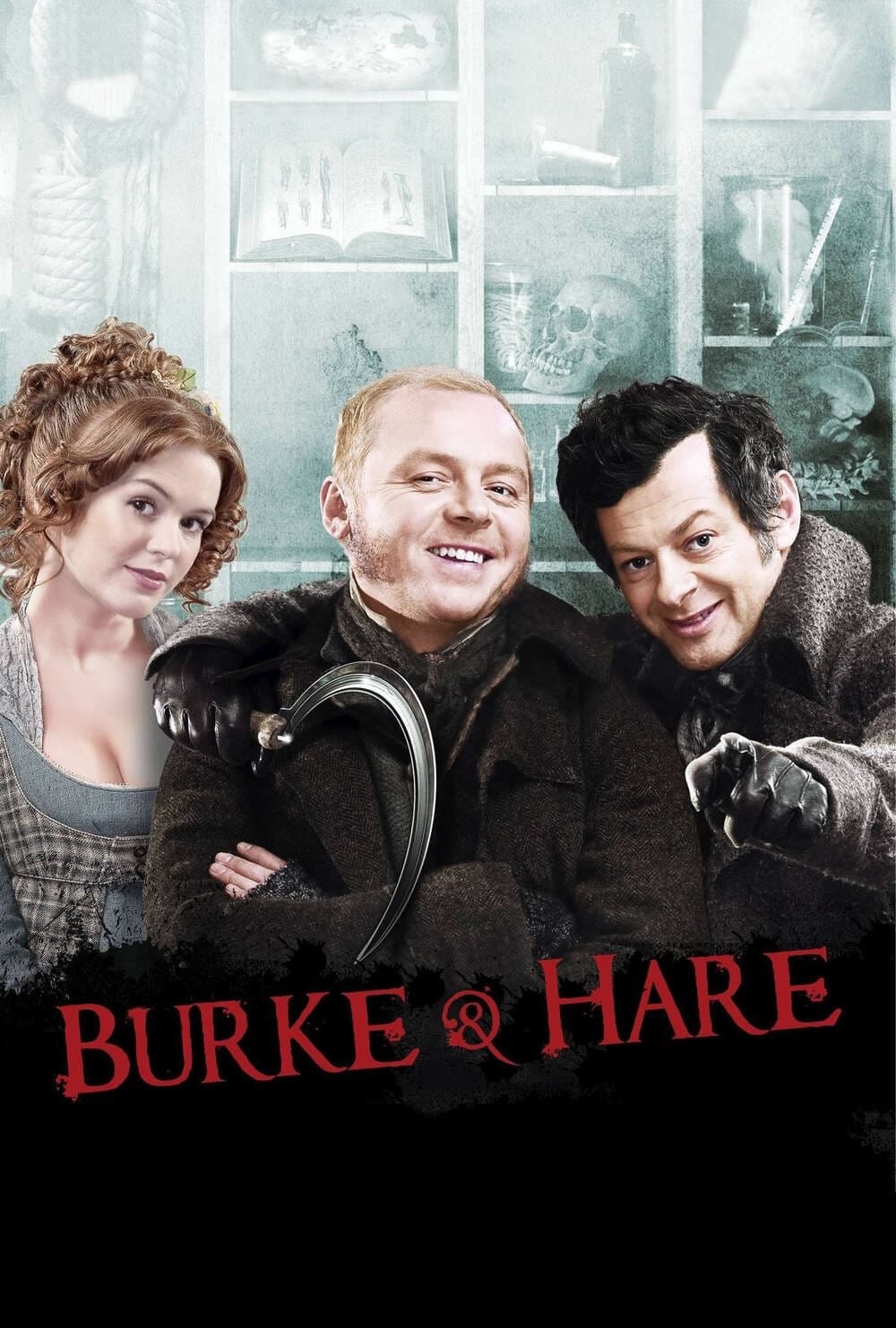 2K 1482p
 Full HD 1425p
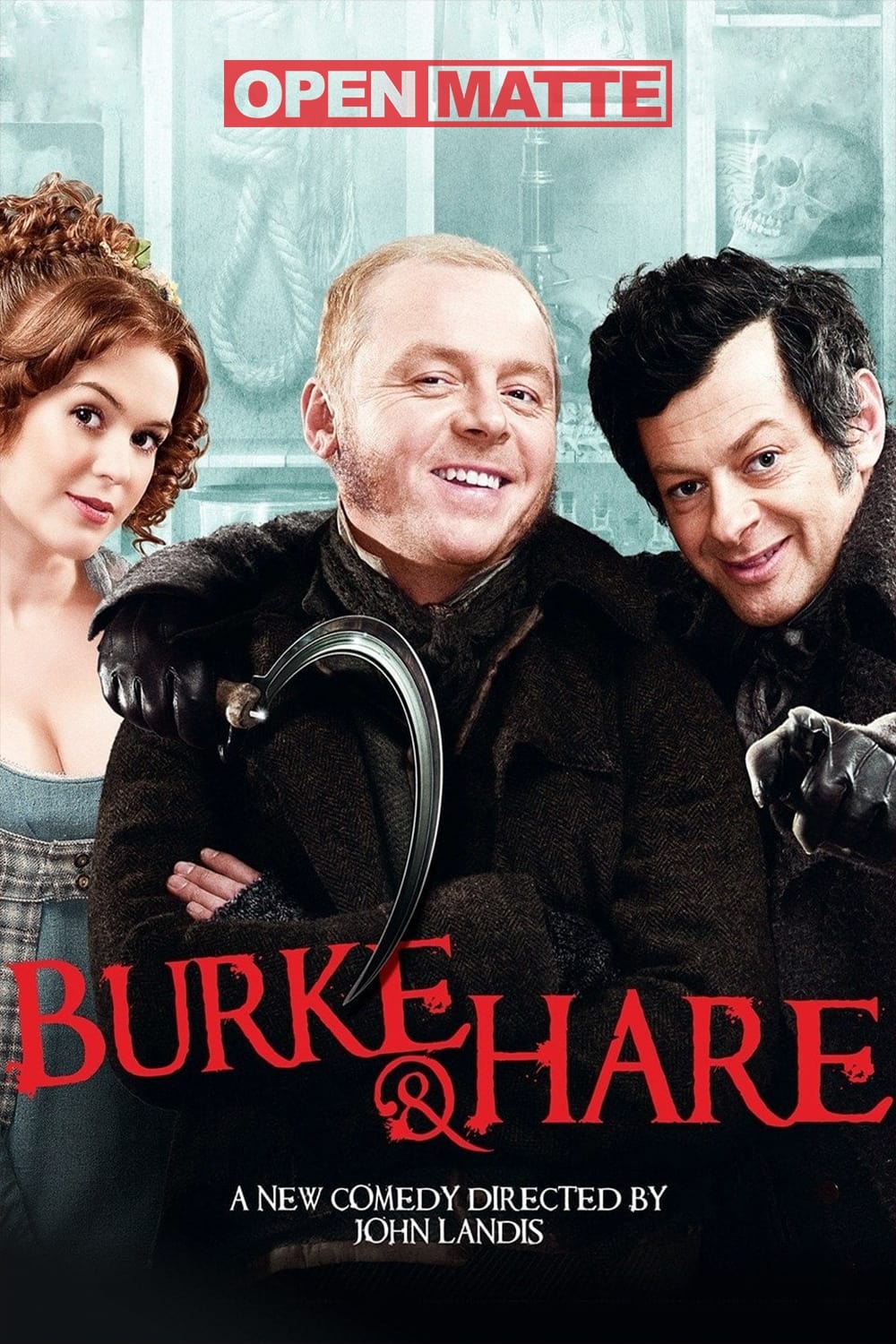 2K 1500p
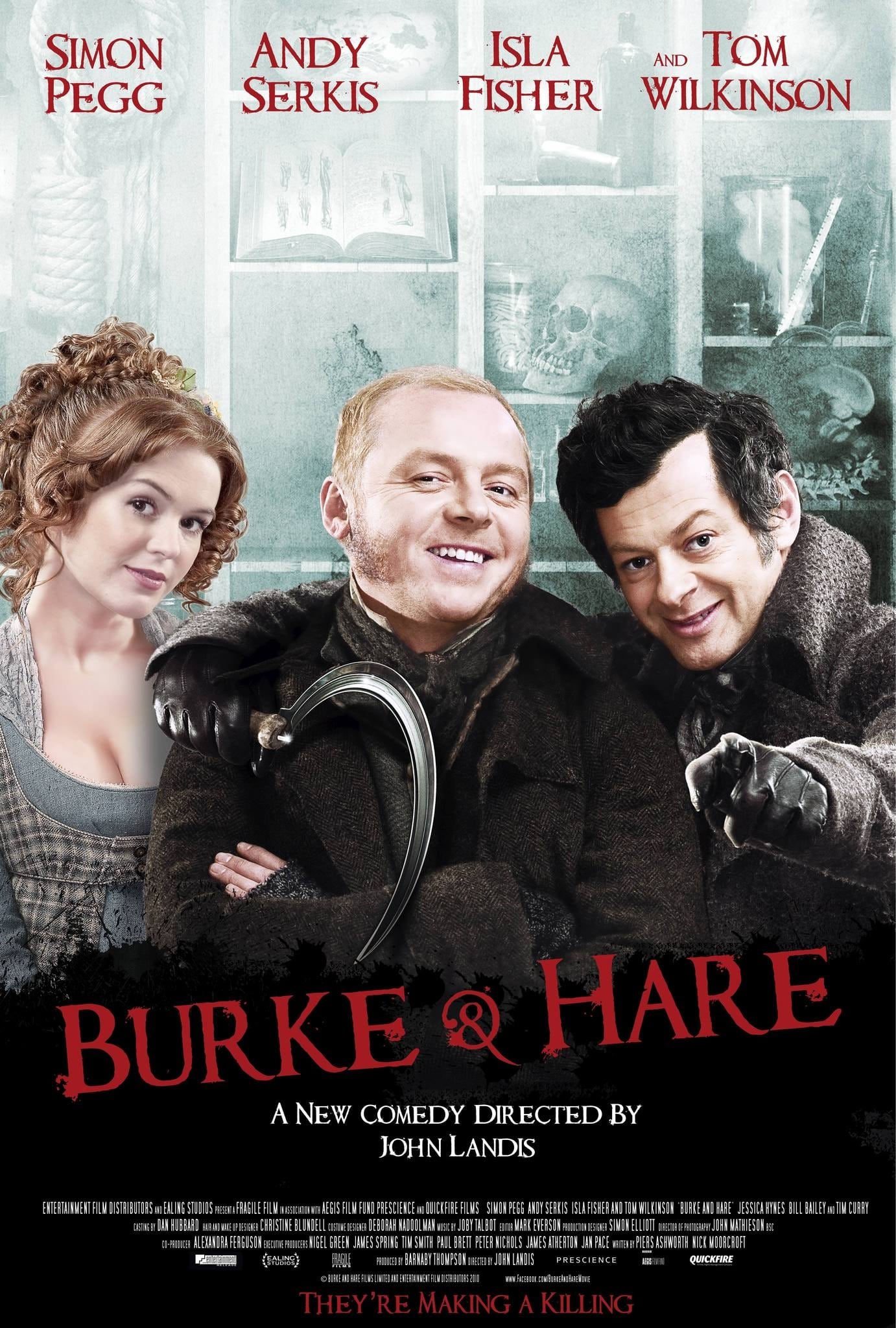 3K 2048p
What's left behind the scenes
- The film is based on real events: a series of 17 murders committed from November 1827 to October 31, 1828, in the vicinity of West Port street in Edinburgh by Irish immigrants William Burke and William Hare. Burke and Hare sold the bodies of their victims as material for dissection to the famous Edinburgh doctor Robert Knox – the founder of private anatomical courses for students of the Edinburgh Medical College. Burke’s mistress, Helen McDougal, and Hare’s wife, Margaret Laird, were accomplices in the crimes. The method of murder used by Burke and Hare – strangulation by compressing the victim's chest – received its own name in English, 'burking,' from 'burke' – to kill, to strangle; figuratively – to cover up a matter, to deal with it quietly and unnoticed.
- In the cemetery scene, you can see the famous Greyfriars Bobby dog, who became known for his extraordinary loyalty to his owner – after his death, he spent 14 years at his grave. However, Bobby lived in the second half of the 19th century, while the events depicted in the film take place half a century earlier.
- In real life, Helen McDougal was Burke’s mistress, and they lived in rented apartments at the Hairs’. The story with the actress Ginny is a fiction created by the author.
- Joseph Nicéphore Niépce, one of the pioneers of photography, is depicted in the film making heliographic photographs of corpses after they have been dissected by Dr. Knox. In reality, there is no evidence of Niépce having been in Edinburgh.
- The film is based on real events: a series of 16 murders committed between November 1827 and October 31, 1828, in the vicinity of West Port street in Edinburgh by Irish immigrants William Burke and William Hare. Burke and Hare sold the bodies of their victims as material for dissection to the renowned Edinburgh doctor Robert Knox – the founder of private anatomy courses for students at the Edinburgh Medical College. Accomplices in the crimes were Burke's lover, Helen McDougall, and Hare's wife, Margaret Laird. The method of murder used by Burke and Hare – strangulation by compressing the victim's chest – received its own name in English, 'burking,' from 'burke' – to kill, to strangle; figuratively, to cover up a matter, to deal with something quietly and discreetly.
- There is a certain temporal inconsistency in the episode where Dr. Monroe (played by Tim Curry) tells Dr. Lister, as portrayed by George Potts, that he has "disgusting breath." Dr. Lister lived several decades after the historical period in which the film is set and was a pioneer in the use of carbolic acid for sterilizing surgical instruments and cleaning wounds in the 1860s. This revolutionized surgery and saved countless patients who would otherwise have lost limbs or succumbed to sepsis. He is the namesake of the well-known Listerine (a brand name for antibacterial mouthwash), hence the remark about bad breath.
- The film's finale shows the anatomy museum building of the University of Edinburgh in Scotland and the actual skeleton of William Burke (played by Simon Pegg in the film).
- At the beginning of the film, Simon Pegg and Andy Serkis's characters are merely criminals, and the Irish moss they sell to gullible buyers is simply cheese mold. They could easily have used Scottish moss in their scam, and certain mosses do indeed have medicinal properties and can treat some infections. Had these two characters not become grave robbers, they could have made a name for themselves as the discoverers of penicillin.
- David Tennant was initially cast for the role ultimately played by Andy Serkis, but the television channel with which he was contractually obligated refused to release Tennant for filming with John Landis, fearing difficulties with scheduling conflicts.
- John Landis of the United States has been a true fan of horror films from the British Hammer Film Productions studio since childhood. He even appreciated the fact that the film's budget was relatively modest, as all Hammer films were made on a shoestring. For him, it was a chance to return to his early days in directing, when budgets were more than modest, unlike the later projects he filmed in Hollywood, where money was no object. The fact that he would be working with Christopher Lee at one of the oldest film studios in Britain, as well as the subject matter of the film, convinced him to accept the offer to direct without hesitation.
- The film is based on real events: a series of 16 murders committed between November 1827 and October 31, 1828, in the vicinity of West Port street in Edinburgh by Irish immigrants William Burke and William Hare. Burke and Hare sold the bodies of their victims to the renowned Edinburgh doctor Robert Knox as material for dissection for his private anatomy courses for students at the Edinburgh Medical College. Accomplices in the crimes were Burke's mistress Helen McDougall and Hare's wife Margaret Laird. The method of murder used by Burke and Hare – strangulation by compressing the victim's chest – received its own name in English, 'burking,' from 'burke' – to kill, to strangle; figuratively – to cover up a case, to deal with something quietly and discreetly.
- In the scene where Dr. Monroe (played by Tim Curry) tells Dr. Lister (played by George Potts) that he has "disgusting breath," there is a certain temporal inconsistency. Dr. Lister lived later than the historical period in which the film takes place, and was a pioneer in the use of carbolic acid for sterilizing surgical instruments and cleaning wounds in the 1860s. This revolutionized surgery and saved countless lives of patients who would otherwise have lost limbs or simply died of blood poisoning. Listerine (the trade name for antibacterial mouthwash) is named after him, hence the remark about bad breath.
Did you like the film?
 Auditions in India
 Casting calls in USA
 Castingi w Polsce
 Кастинги в Україні
