The Lone Ranger - actors, characters and roles
All actors and their roles in the film "The Lone Ranger"
The Lone Ranger (2013)
Timing:
2:29 (149 min)

6.118/10
6063
6063

6.788/10
170262
170262

6.4/10
252000
252000
Actors and characters
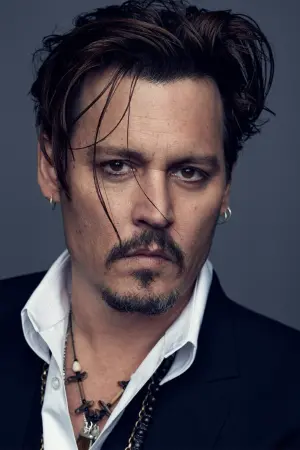
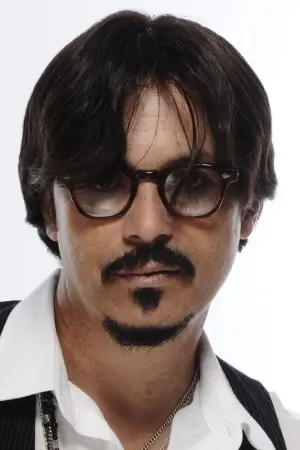
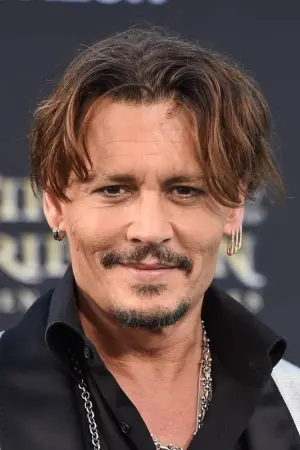
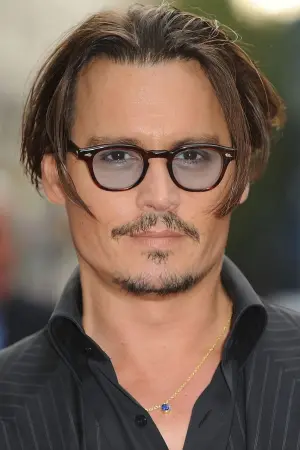
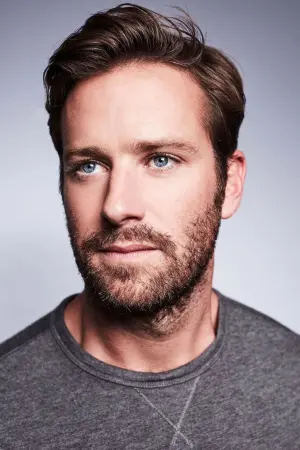
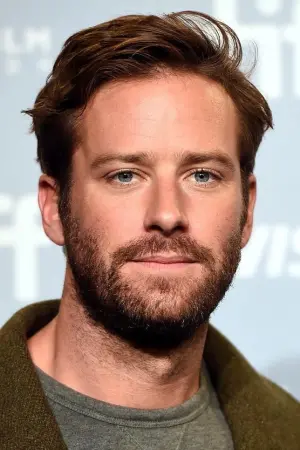
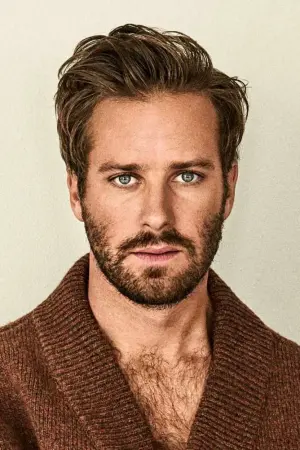
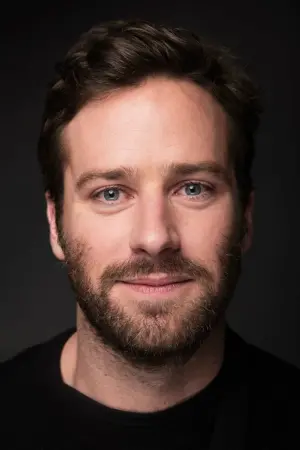
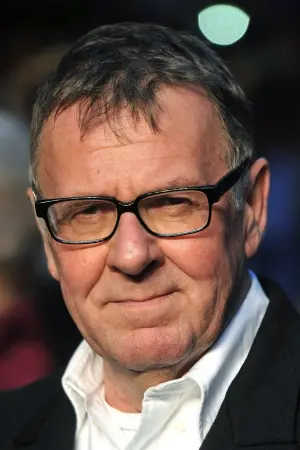
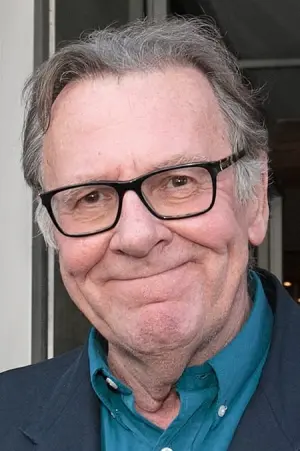
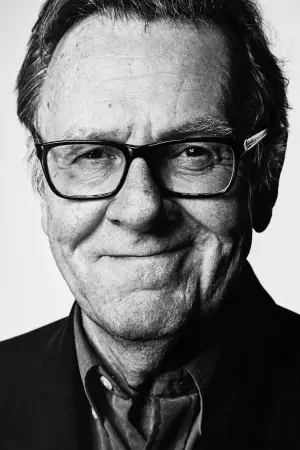
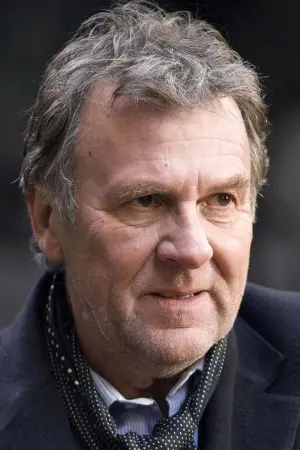
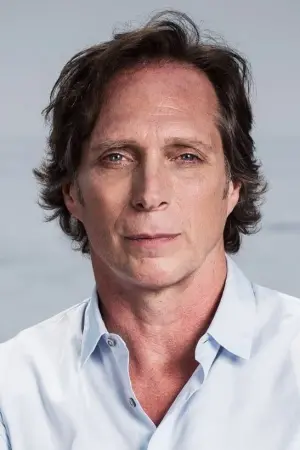
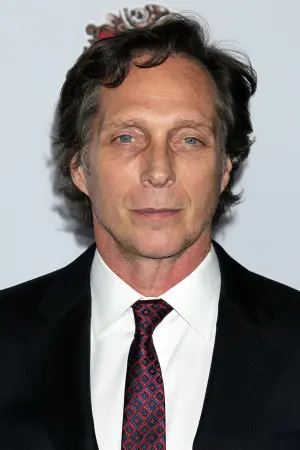
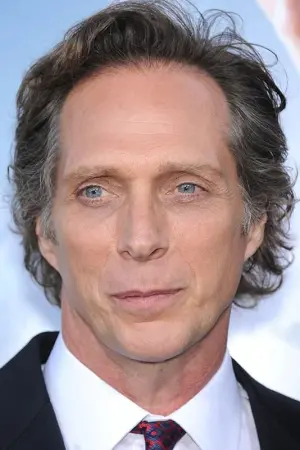
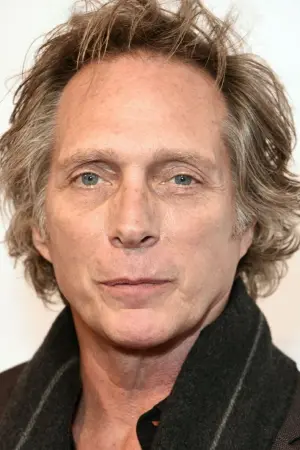
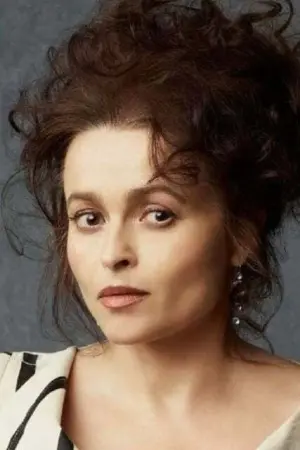
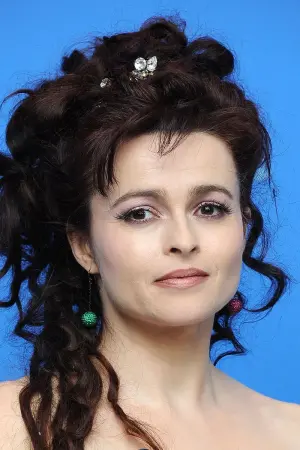
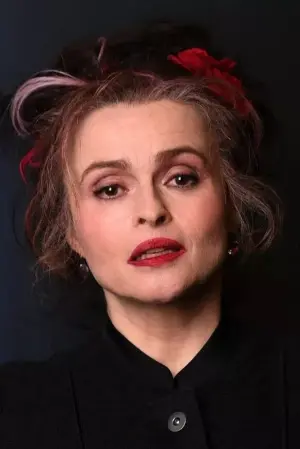
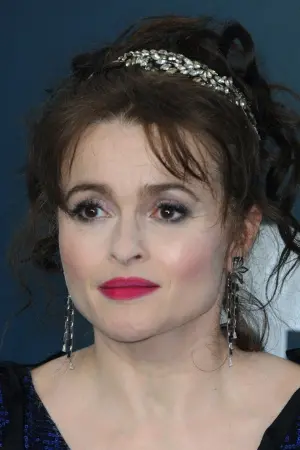
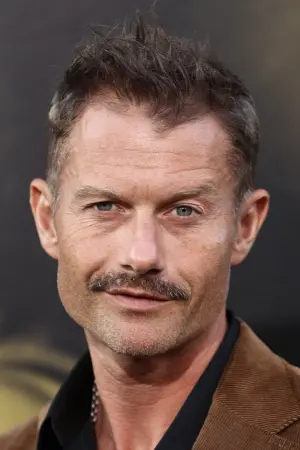
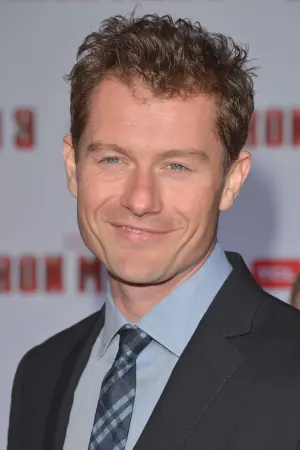
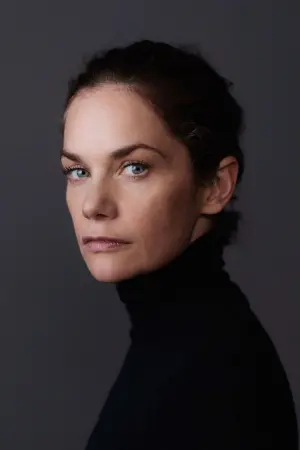
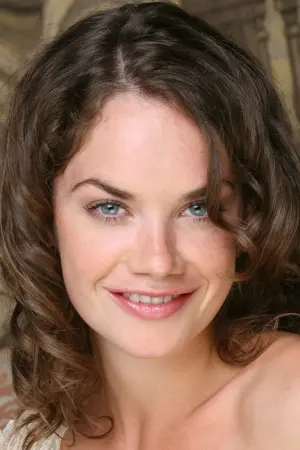

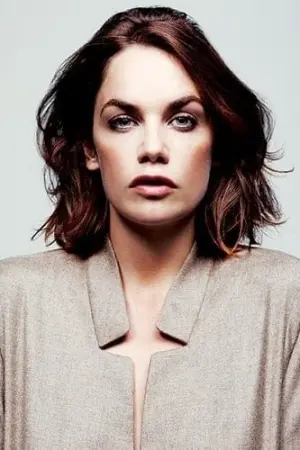
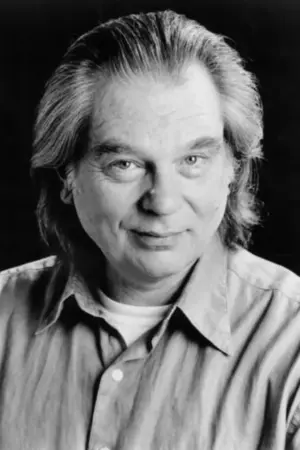
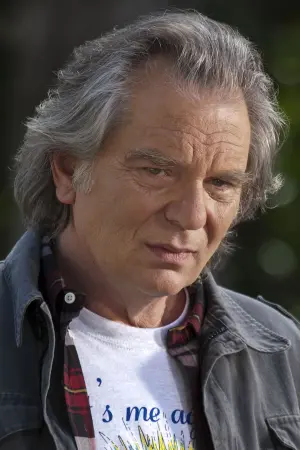
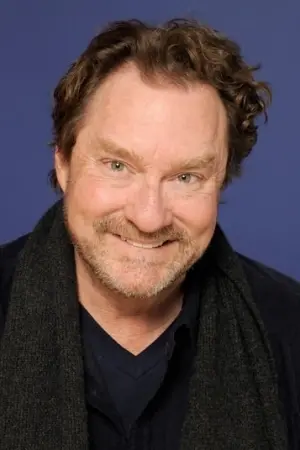
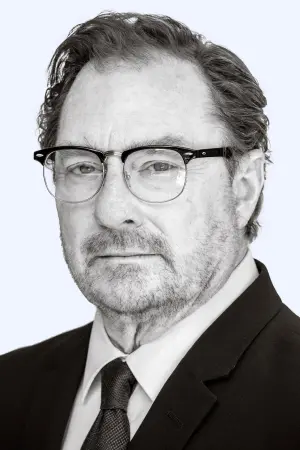
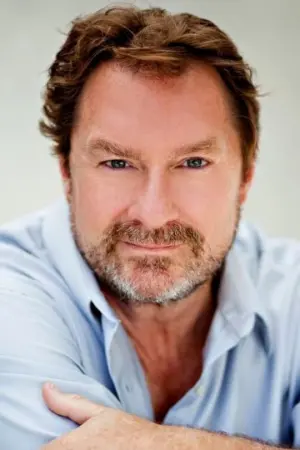
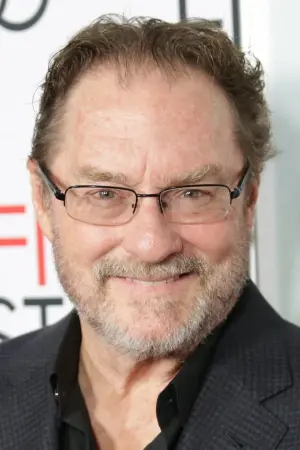
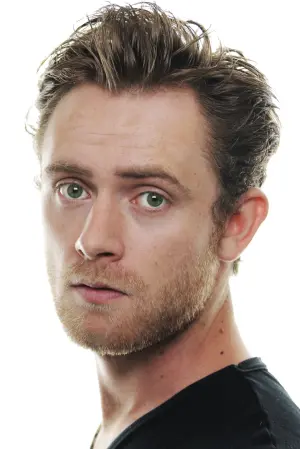
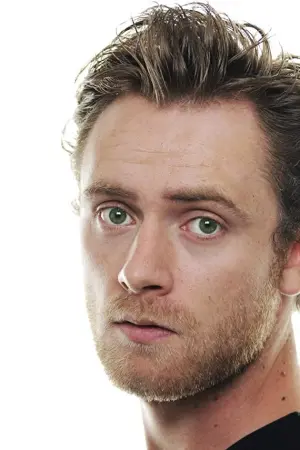
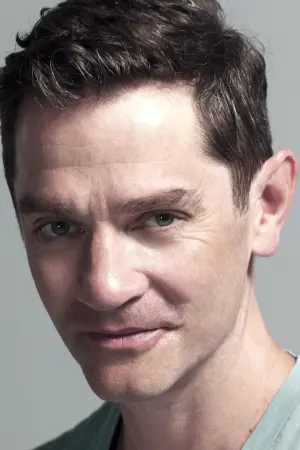
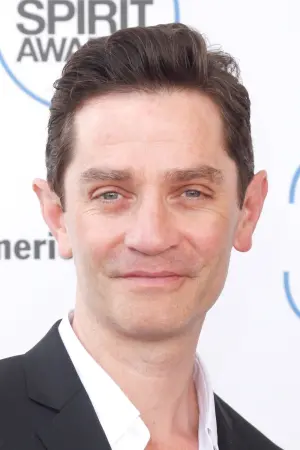

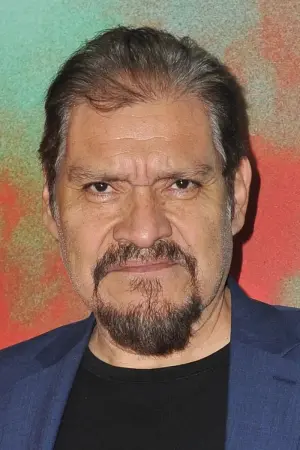
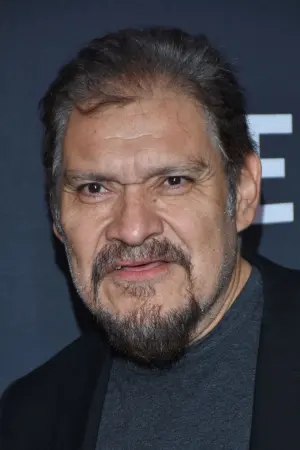
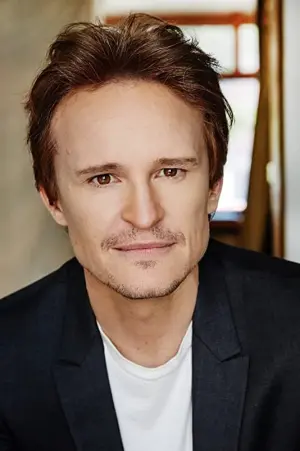


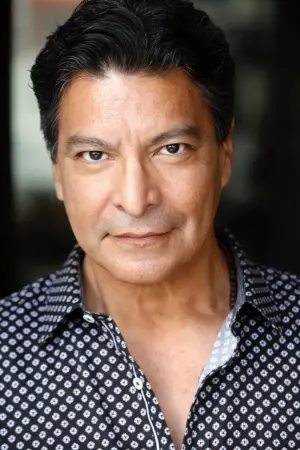
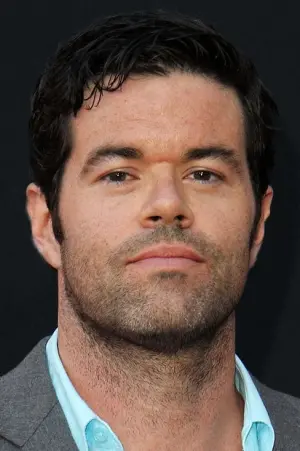
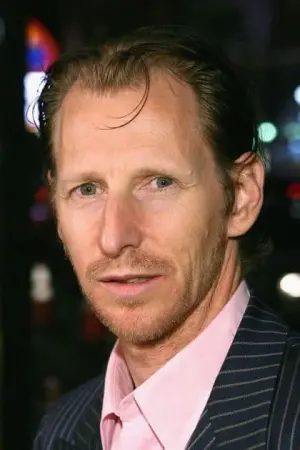
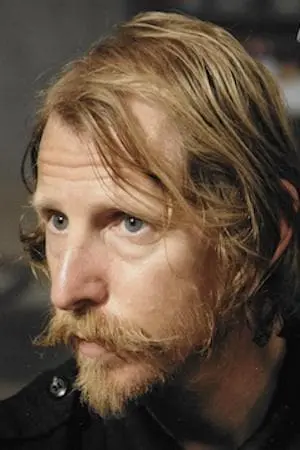
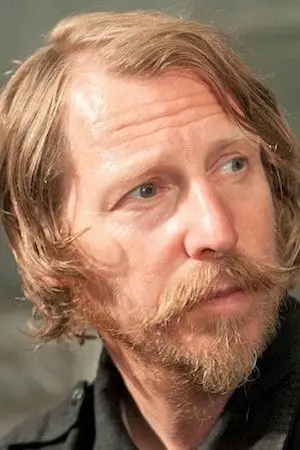
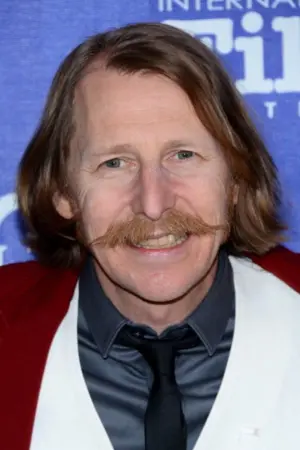

Bryant Prince
Character Danny


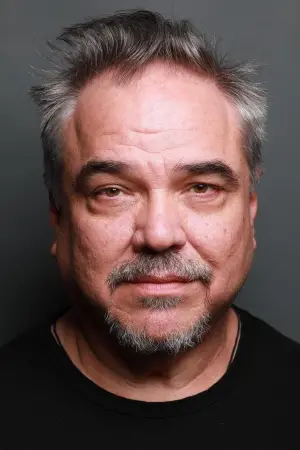
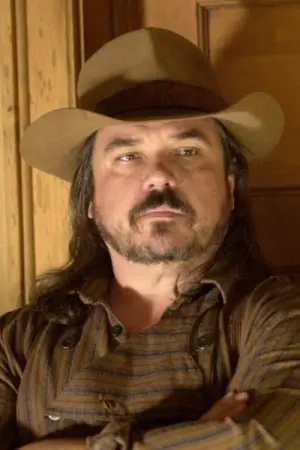
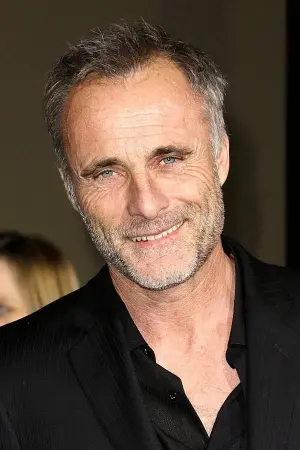
Timothy V. Murphy
Character Fritz

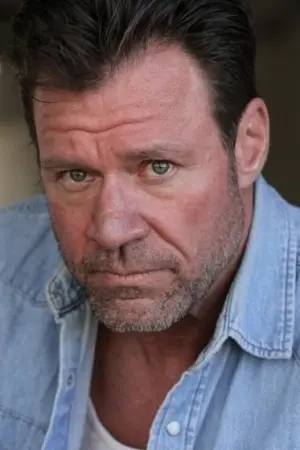
Kevin Wiggins
Character Clayton
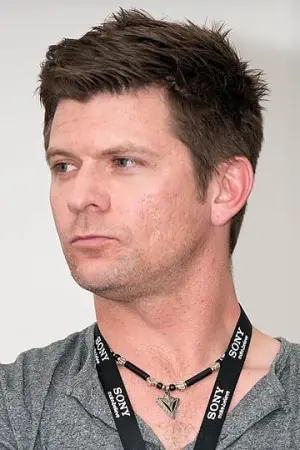
Chad Brummett
Character Martin
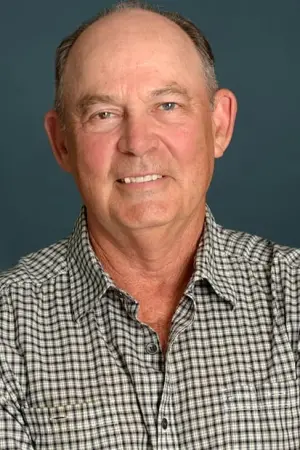
Joseph E. Foy
Character Boy Tonto
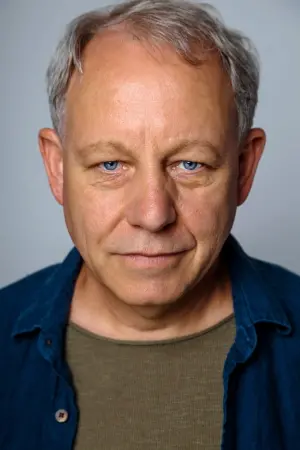
Randy Oglesby
Character Shareholder
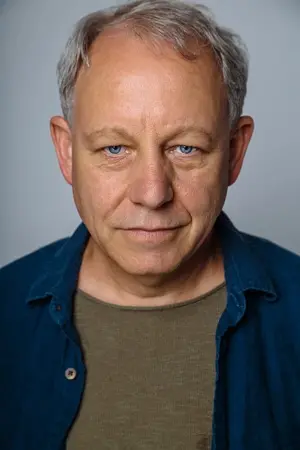
Brad Greenquist
Character Shareholder
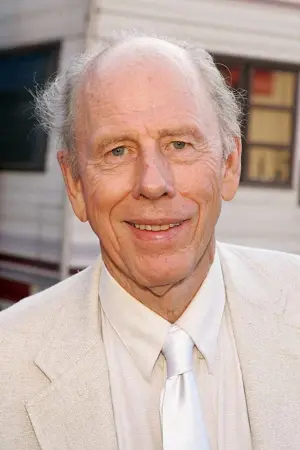

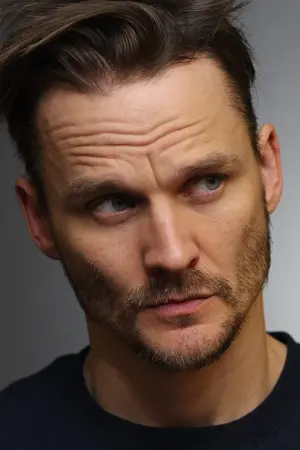

Steve Corona
Character Young Cole
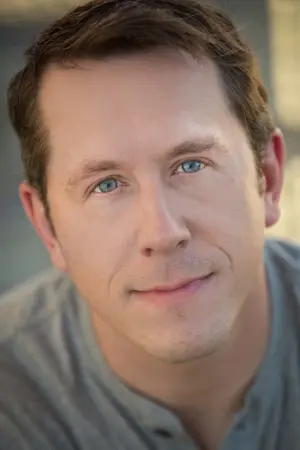

Jack Axelrod
Character Telegraph Operator
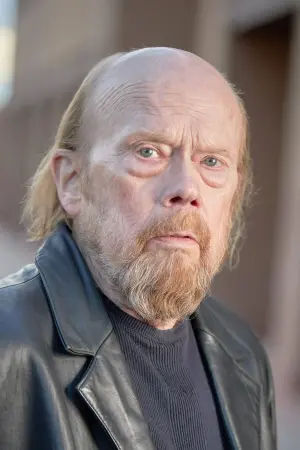
Christopher Hagen
Character Preacher


Luz P. Mendez
Character Pilar
Laina Loucks
Character Rosalie
Devon J. Adams
Character Dancer (Red's)
Desirae Anslover
Character Dancer (Red's)
Charlotte Cormier
Character Dancer (Red's)
Megan Pribyl
Character Dancer (Red's)
Briana Van Schuyver
Character Dancer (Red's)
Julie Stracener
Character Dancer (Red's)
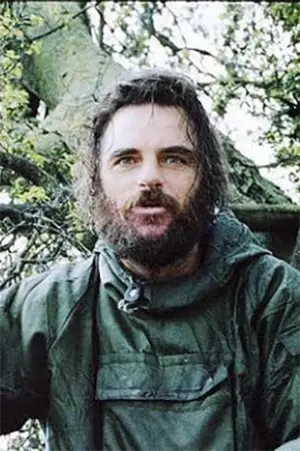
Chad Randall
Character Pawing Drunk
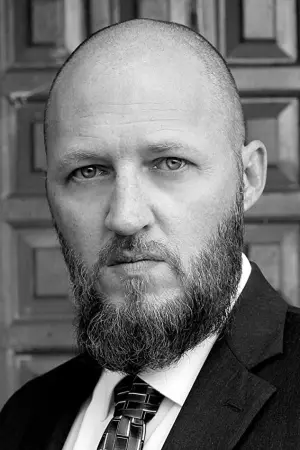
Jason E. Hill
Character Mob Member
Todd Anderson
Character Mob Member
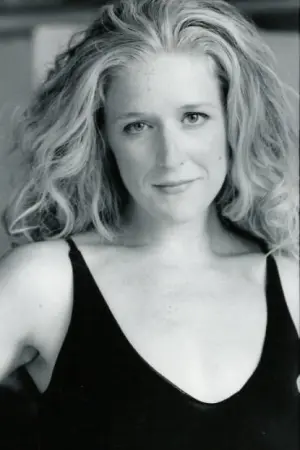

Beth Bailey
Character Mob Member

Joanne Camp
Character Glenda
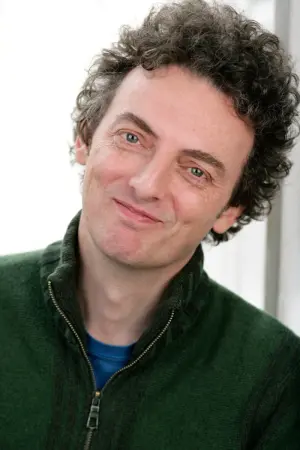
John Keating
Character Young Crier (Hell on Wheels)
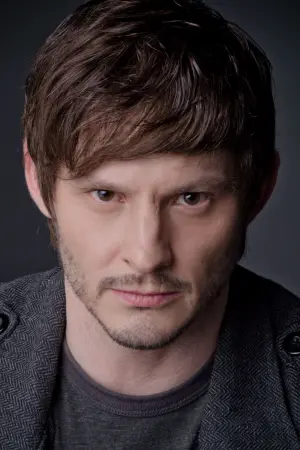
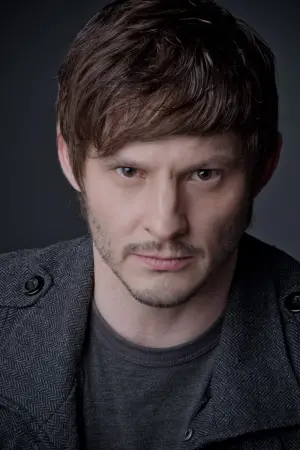

Will Koberg
Character Soldier #2
Jack Chang
Character Huang

Tad Jones
Character VP Colfax
Robin McGee
Character Old Crier
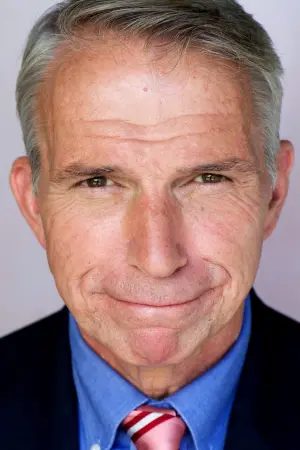
Bob Rumnock
Character Stove Pipe
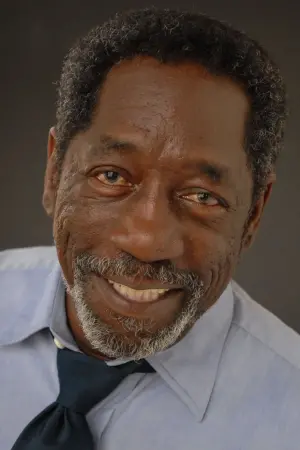
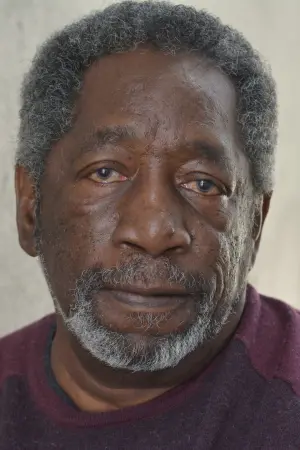
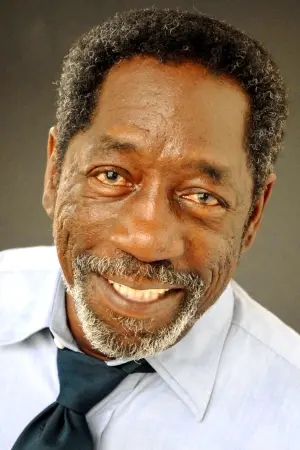
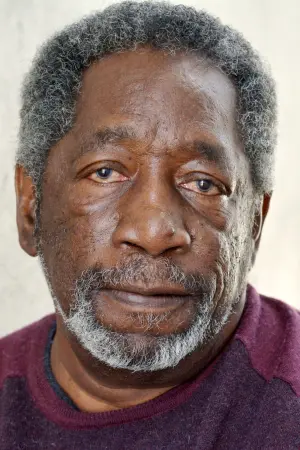
Grover Coulson
Character Joe
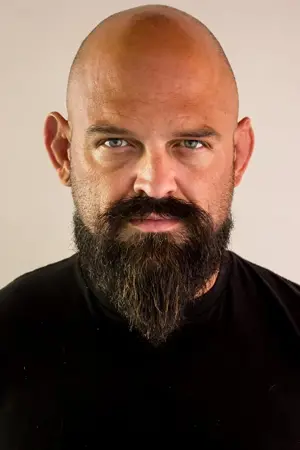

Alex Knight
Character Soldier #4
Argos MacCallum
Character Farmer
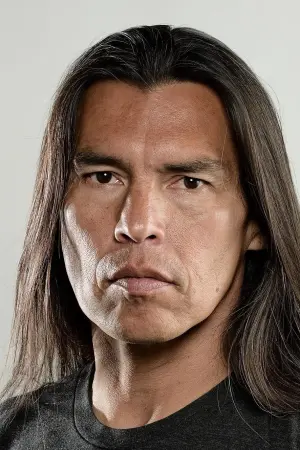
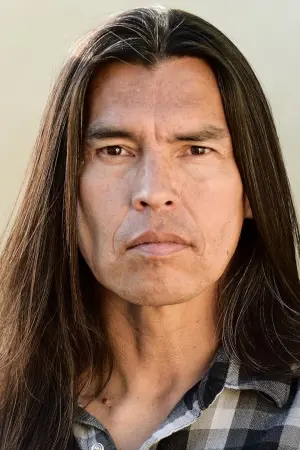
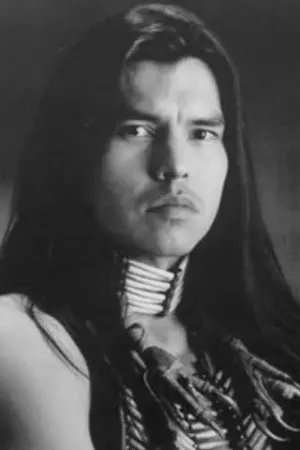
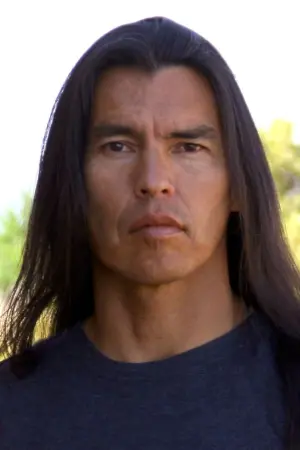
Allison Marie Volk
Character Jane

Joey Glynn
Character Band at Red's
Adam Hoskins
Character Band at Red's
Ryan Koenig
Character Band at Red's
Tom E. Kostkowski
Character Man Who Congratulates Cole
Malachi Tsoodle-Nelson
Character Red Knee's Young Warrior
Sean Durham
Character Cavalry Guard
Anthony R. Burt
Character Cavalry
K.J. Kirkhope
Character Cavalry Guard
Will Kirkhope
Character Cavalry Guard
Kenneth Love
Character Cavalry
Nick W. Nicholson
Character Saloon Guy (uncredited)
Joel Thingvall
Character Sheriff Long Johns (uncredited)
Ava Wagenman
Character Fairground Child (uncredited)
Francisco Peramos
Character Cavalry (uncredited)
What's left behind the scenes
- The heroes of this film first appeared on the radio on January 30, 1933, on the airwaves of radio station WXYZ, broadcasting in Detroit, Michigan. Station owner George W. Trendle wanted to launch a Western into the ether that would appeal to a children’s audience. He conceived of an honest, strong, and authoritative hero whom children could admire. Thus, the general concept of “The Lone Ranger” was born. Subsequently, the idea was passed on to Buffalo screenwriter Francis Striker and station program director James Jewell for more detailed development.
- Andrea Riseborough and Sarah Gadon auditioned for the role.
- Jessica Chastain and Abby Cornish auditioned for the lead female role, but yielded it to Ruth Wilson.
- James Jewell directed the radio serial “The Lone Ranger,” which, upon its release in 1938, became a national sensation. Jewell's father-in-law owned the “Ke-Mo-Sa-Be” campsite on Mullett Lake in Michigan. Apparently, the name of the campsite inspired the creators as to how Tonto (who appeared in the eleventh episode of the series) would name his white friend. It is believed that the campsite’s name is a slightly altered word, “giimzaabi,” which translates from the Ojibwe language as “faithful scout” or “one who does not go the beaten path.” Tonto’s name came from another Ojibwe word – “ndah-on-tu,” which translates as “wild.” Jewell also suggested using the overture theme by Gioachino Rossini from the opera “William Tell” in the serial’s soundtrack. A total of 2956 episodes of “The Lone Ranger” aired on the radio. The last broadcast took place on September 3, 1954. Over 21 years, a television series was filmed, starring Clayton Moore as the Lone Ranger and Jay Silverheels as Tonto. ABC broadcast it from 1949 to 1957.
- Filming began on February 28, 2012, and continued for seven months across four southwestern states in America, as well as in Southern California.
- The fictional town of Colby in Texas is a dusty border town where John Reid and his brother grew up. Verbinski and McCreedy drove through several towns in the West, trying to find a suitable one. But ultimately, they decided to build the town from scratch near Rio Puerco, more than 50 kilometers from Albuquerque.
- Truly challenging was the construction of the so-called “Hell on Wheels” – a mobile tent city, modeled after real settlements that sprung up like mushrooms in the 19th century. They followed the workers building the transcontinental railroad and fully lived up to their name. The colorful “Hell on Wheels” set was recreated on the territory of one of Albuquerque's warehouses, which was rented for five weeks. Then the set was moved to the town of Lamy in New Mexico and reassembled.
- During filming, three American steam locomotives from the 19th century were needed for several large-scale and spectacular scenes. “We built them exactly as we built full-scale ship models for the filming of 'Pirates of the Caribbean'. Reality cannot be replaced with anything. Given what we wanted to do with the locomotives, we needed real, full-size models,” admitted Jerry Bruckheimer.
- In the town of San Valley in California, visual effects coordinator John Frazier assembled two full-scale locomotives that could move along a laid track – the historic “Jupiter” and a locomotive that the film crew called the “Colby train.” It was subsequently modified into Laytham Cole’s locomotive “Constitution.” The locomotives were assembled by hand down to the smallest components, changing only two important details. First, the locomotives ran on modern hydraulics, not steam. And second, all the railroad cars were made in the form of shipping containers, which could be removed from the moving base and returned. There were also empty flatbed chassis onto which various cinematic equipment, such as cranes, were installed.
- Before filming began, Wahatuvika-William Velker, a consultant on the history of Native North Americans, and his assistant Troy performed a traditional Native American luck-bringing ceremony on the grounds of Albuquerque Studios.
- The Comanche warriors’ village was built in a green valley within the crater of an extinct volcano with a diameter of 19 kilometers. This place has the status of a national preserve and is called Valles Caldera.
- The set for the ‘Sleepy Man’ mine, which was built near the town of Creed, Colorado, was interspersed with genuine mining structures that had remarkably survived since the 19th century. The new constructions included a 60-meter railway tunnel, the entrance to which was a 12-meter false rock face; approximately 1.5 kilometers of railway tracks; lifts and mine carts. The shafts and galleries were built from scratch, but the decorators draped them so skillfully that it seemed the arches were about to collapse.
- The trains in the film are unique in that they are real. Practically no scene on these trains was filmed at a speed of less than 50 km/h, and sometimes – at a speed of 60 km/h. Special guides were installed on the roofs of the cars to which stuntmen’s safety harnesses were attached.
- William Fichtner himself performed the stunt in one scene, where his character jumps from a train moving at around 30 km/h onto a galloping horse.
- Approximately eight kilometers of railway were laid in the towns of Kolbi and Promontori, forming an almost perfect oval. In some places, the railway doubled to allow Verbinski to film scenes with a moving train. The construction was carried out by professionals from the Albuquerque Gandy Dancer railway and construction company. The process proved quite laborious – it took 16 weeks. Gandy Dancer workers brought 1,760 tons of 10-meter rails, sleepers, and other materials to the set. The cargo was delivered by 82 trucks from the city of Blythe, California. Two trucks brought 27 tons of bolts, washers, and railway switches from Kansas. In addition, 182 tons of sleepers and clips were delivered from Stockton, California. Once all the materials were delivered, the workers began laying the rails. The result was a new, fully functional railway line in the dusty desert near Rio Puerco.
- For the film's shooting, costumers sewed 1500 costumes, as well as hundreds of hats, boots, and other clothing items. Some accessories were rented from other film companies.
- The image of Johnny Depp's character was based on a painting by the artist Kirby Sattler.
- The mask of Armie Hammer's character was cut from soft goat leather. A cast of Armie's face was made to ensure the mask would perfectly replicate all the contours. The leather was then softened in warm water, placed over the cast, and a few wrinkles were added to make the mask look more natural.
- Visual effects consultant Mark McCreary personally carved Native American petroglyphs onto the wooden fences of the Old Tonto diorama at the Wild West Exhibition circus, and also drew symbols on the walls of the 60-meter railway tunnel, which was dug near the town of Creed, Colorado.
- Creating the stunning world of "The Lone Ranger" as envisioned by Gore Verbinski required assembling a substantial team. It included six production designers, eleven set decorators, two illustrators, one painter, numerous storyboard artists, two graphic designers, two model makers, a research coordinator, an art department supervisor’s assistant, and 274 construction workers.
- To age the costumes, a variety of tricks were employed. Suits were tumbled with gravel in a concrete mixer, and some areas were worn down using kitchen graters. Sometimes, costume designers even resorted to gas burners.
- Before filming began, all the actors spent some time at "Cowboy Boot Camp" on a ranch in Albuquerque, New Mexico. There they learned to ride horses, shoot, use a lasso, saddle horses, and drive a wagon.
- After filming wrapped in the town of Creed, Colorado, Johnny Depp spent four hours signing autographs for local residents. Although the town’s official population is only 290 people, nearly a thousand aspiring fans suddenly appeared, hoping to get the Hollywood star’s signature.
- After filming concluded, some statistics were compiled: 4.5 months of pre-production; 3 days of pre-shoot rehearsals; 150 shooting days; 31 weeks of production across five states; 3,000 camera setups; over 1,000 hours of footage; and over 1,000,000 man-hours.
- The first film featuring Johnny Depp and Helena Bonham Carter not directed by Tim Burton.
- "Tonto" translates from Spanish as "fool," so in the Spanish version the character's name was changed to "Toro," which means "bull."
- The first film that cinematographer Bojan Bazelli shot using anamorphic lenses since the release of "Body Snatchers" (1993).
- During the filming of one scene, Johnny Depp was supposed to deliberately fall off a horse, which he later thanked for saving his life. It was only thanks to the horse instinctively jumping over Depp during the stunt that he escaped with minor bruises and scratches.
- In Dead Horse Canyon was the "Plateau of Spirits" — a rock with a relatively flat area where John Reid awakens, saved by Tonto. On top of the rock was built a tall ritual platform. "It was a pretty rickety structure about five meters high," said Armie Hammer. "I stood on top of this unstable structure that swayed in the wind by a meter. A 600-meter drop yawned below me. It was scary."
- In one scene, a runaway locomotive races towards Tonto and John Reid at tremendous speed. For this scene, the 11-ton locomotive was secured to a nearly two-ton rotating platform, which traveled along a track (the total weight of the rails was over 4.5 tons), and was rotated using an ingenious system of winches and cables.
- Three American locomotives from the 19th century were needed for several large-scale and spectacular scenes during filming. “We built them exactly as we built full-scale ship models for the filming of ‘Pirates of the Caribbean.’ There is no substitute for reality. Considering what we wanted to do with the locomotives, we needed real, full-size models,” Jerry Bruckheimer admitted.
- Creating the amazing world of "The Lone Ranger" as envisioned by Gore Verbinski required assembling a rather impressive team. It included six production designers, eleven set decorators, two illustrators, one matte painter, numerous storyboard artists, two graphic designers, two model makers, a research coordinator, an art department assistant, and 274 construction workers.
- "Tonto" translates to "fool" in Spanish, so in the Spanish version, the character's name was changed to "Toro," which means "bull."
- This was the first film shot by cinematographer Bojan Bazelli using anamorphic lenses since the release of "Body Snatchers" (1993).
Did you like the film?
 Auditions in India
 Casting calls in USA
 Castingi w Polsce
 Кастинги в Україні
