Jaws - actors, characters and roles
All actors and their roles in the film "Jaws"
Jaws (1975)
Timing:
2:4 (124 min)

7.682/10
11520
11520

7.325/10
112039
112039

8.1/10
733000
733000
Actors and characters
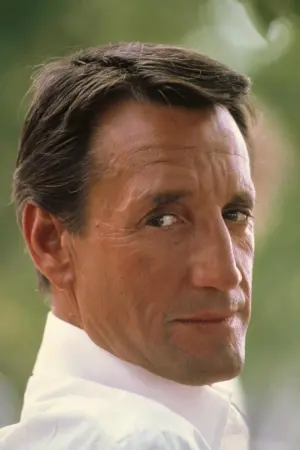
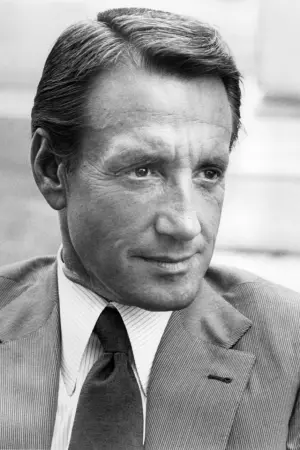
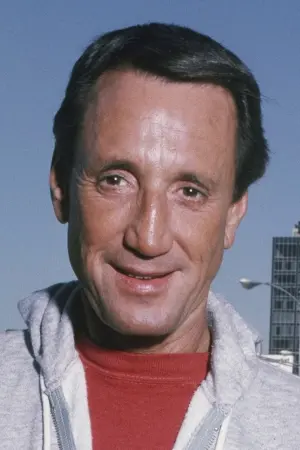
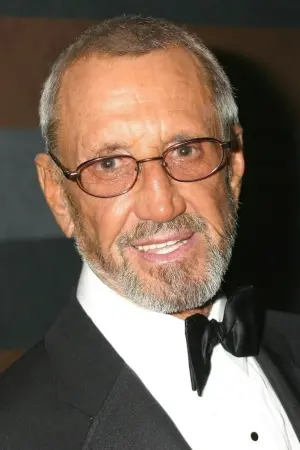


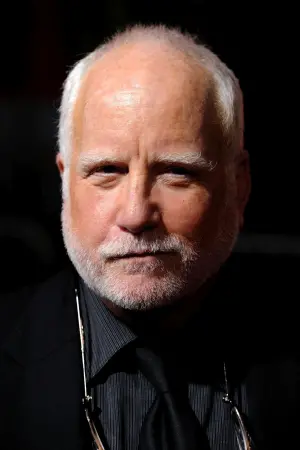
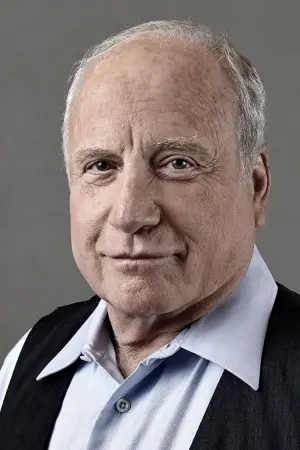
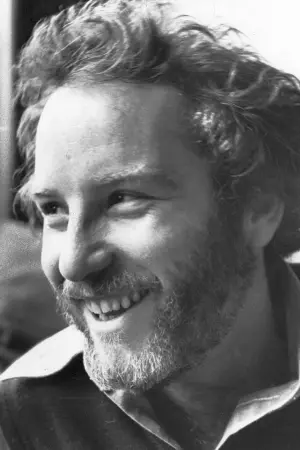


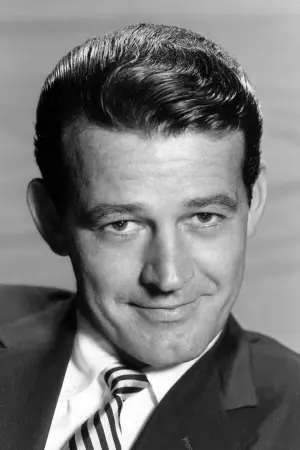
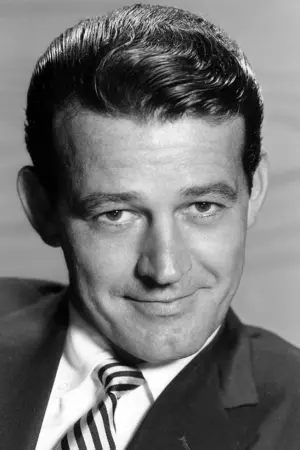
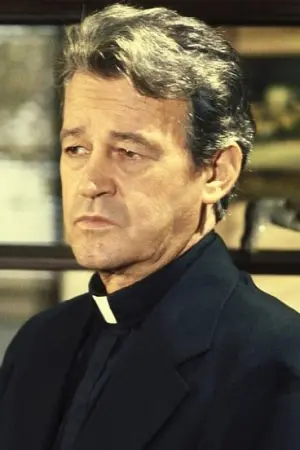
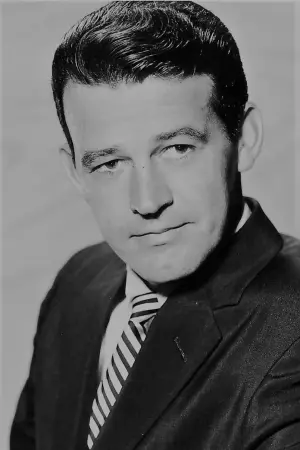

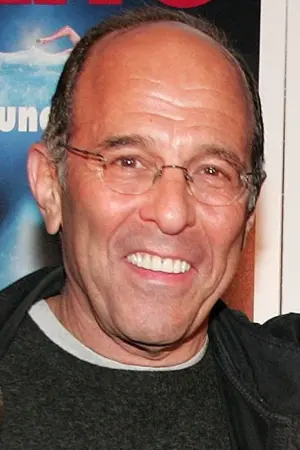

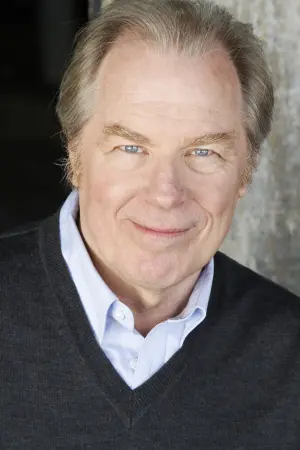
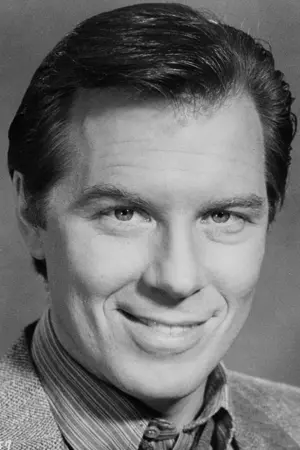
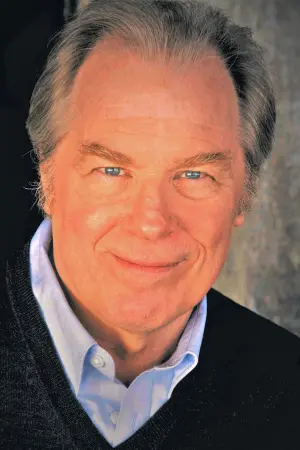
Jonathan Filley
Character Cassidy
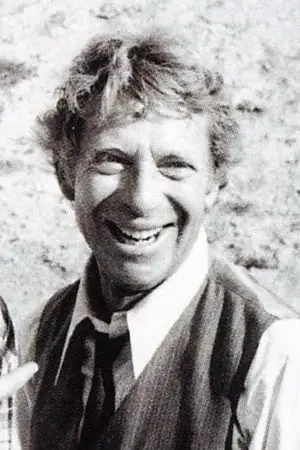
Chris Rebello
Character Michael Brody

Jeffrey Voorhees
Character Alex Kintner
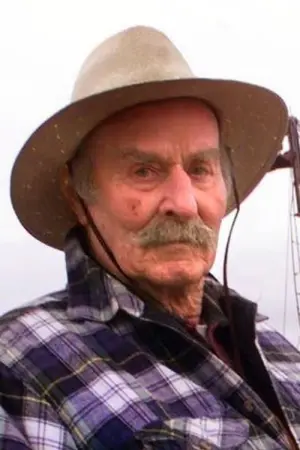

Phil Murray
Character Mr. Taft
Robert Nevin
Character Medical Examiner

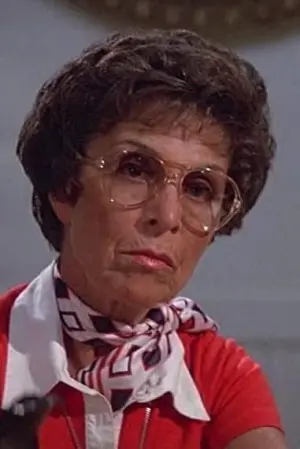
David Engelbach
Character Research Assistant (uncredited)
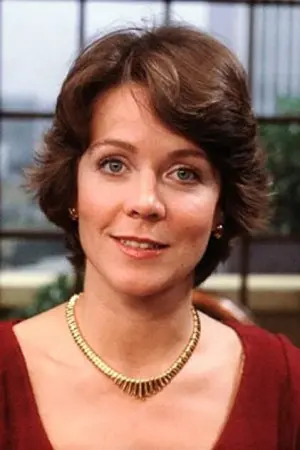
Dorothy Fielding
Character Girl in Music Store (uncredited)
Joe La Creta
Character Barwood (uncredited)
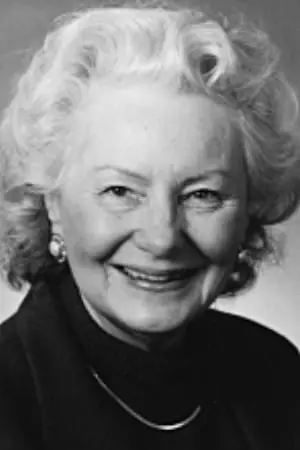
Belle McDonald
Character Mrs. Posner (uncredited)
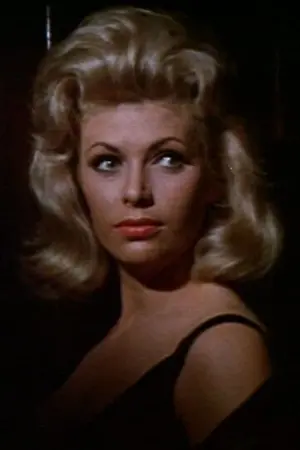
Joseph Oliveira
Character Swimmer (uncredited)
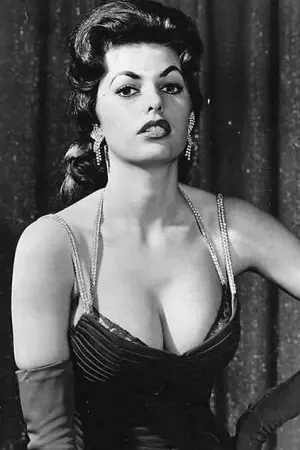

Christopher Sands
Character Lifeguard (uncredited)


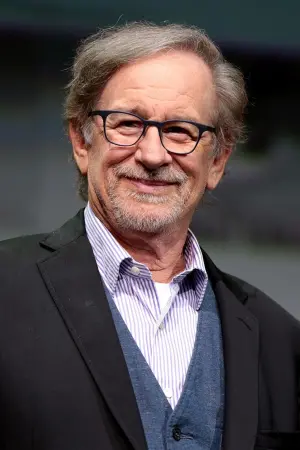

Rex Trailer
Character Scout Master (uncredited)
Chris Anastasio
Character Out of Towner (uncredited)
Henry Carreiro
Character Felix (uncredited)
Robert Carroll
Character Mr. Polk (uncredited)
Edward Chalmers Jr.
Character Mr. Denherder (uncredited)
David Daniel
Character Hippie on Beach (uncredited)
Cyprian R. Dube
Character Mr. Posner (uncredited)
Wally Hooper Jr.
Character Harry (uncredited)
Duncan Inches
Character Townsperson (uncredited)
John Moffet
Character At Bonfire with Mustache (uncredited)
John Searle
Character Converted Man (uncredited)
Hershel West
Character Salvatore (uncredited)
Dick Young
Character Pratt (uncredited)



What's left behind the scenes
- The film is based on Peter Benchley's novel "Jaws" (1974).
- The first film in history to surpass the coveted $100 million mark. In total, it earned approximately $260 million at the US box office and $210 million worldwide.
- Following the film's overwhelming success at the box office, film critics quickly credited editor Verna Fields with all the praise. 28-year-old Steven Spielberg was not taken into consideration. That is why in subsequent works, Steven refused the services of Ms. Fields.
- The first "summer blockbuster" in history. Approximately 67 million tickets were sold during the summer of 1975.
- The film's producers decided to avoid casting superstars in the project to prevent distracting viewers from the plot and to fully focus on the sharks and their victims.
- After first listening to the soundtrack composed by John Williams, Steven Spielberg couldn't contain his laughter: “John, that’s very funny. I’m curious what you were thinking when you wrote the music?” Later, Steven admitted that it was thanks to Williams' music that the film became so successful.
- A curious situation unfolded at the Academy Awards ceremony in February 1976. John Williams was the orchestra's conductor at the time, and after receiving the award for Best Original Score, he was forced to rush onto the stage to collect the statuette and then return to fulfilling his duties.
- Filming stretched to 155 days instead of the initially planned 52.
- Lee Marvin and John Voight initially turned down the role of Quint.
- Robert Shaw and Richard Dreyfuss simply couldn't stand each other and frequently argued on set, so the scenes of conflict between Hooper and Quint have a partially real undertone.
- The mechanical shark, when it was brought to Martha's Vineyard and put in the water for the first time, simply sank, so the team of technicians had to urgently rework it.
- Charlton Heston auditioned for the role of Martin Brody, and Jeff Bridges, Timothy Bottoms, and Jan-Michael Vincent auditioned for the role of Matt Hooper.
- The film's protagonist, Sheriff Martin Brody, as we know, cannot swim, which amusingly echoes the fact that Spielberg himself was terrified of water while filming 'Jaws'.
- For the 1970s, the film's budget was enormous, and the shark, packed with electronics, alone cost two million.
- Filming took place on Martha's Vineyard Island (Massachusetts) near the east coast of the United States (home to six small resort towns). Some scenes with a real shark were filmed in Seal Rocks (Victoria, Australia), and underwater shots were taken near Santa Catalina Island (California) on the west coast of the United States.
- The working title of the film was "Stillness in the Water".
- From June 3-6, 2005, the "JAWSFest-2005" festival was held on Martha's Vineyard Island (Massachusetts), dedicated to the 30th anniversary of the classic horror film "Jaws".
- Peter Benchley's bestseller and Steven Spielberg's film drew inspiration from the following sources: Herman Melville's novel "Moby Dick"; Ibsen's play "An Enemy of the People"; the documentary film "Blue Water, White Death" (1971) about the expeditions of scuba diver Peter Gimbel; the scientific book "Blue Meridian: The Search for the Great White Shark" by Peter Matthiessen; two classic American horror films from the 1950s: "Creature from the Black Lagoon" (1954) and "The Monster That Challenged the World" (1957); and the real-life events that occurred in New Jersey in the summer of 1916, when five people were killed by a shark in two weeks.
- Actress Lee Fierro, who played the mother of the deceased boy Alex Kintner in the film, could not convincingly simulate slapping Martin Brody in one scene, so actor Roy Scheider received several quite palpable hits to the face from her during takes.
- Later, the producers admitted that if they had known how many problems there would be during the film's production, they would never have taken on the project.
- The film brought profit not only to its creators but also to Martha's Vineyard, as the number of tourists per season there was around 5,000 before 1975, and tripled after the film's release.
- The team that created the mechanical shark model named it "Bruce" – after Steven Spielberg's lawyer.
- Steven Spielberg (in the beach scene where he played the clarinet in the orchestra) and Peter Benchley (the television reporter covering the shark story in Amity) appeared in cameo roles.
- The shark that was killed, supposedly a man-eater, was actually caught and brought from Florida, as such large specimens are not found near Martha's Vineyard.
- Residents of Martha's Vineyard were hired as extras for the mass panic scene on the beach, for $64 each, to scream and bump into each other.
- Quint's house for the film was built in a remote location on Martha's Vineyard, but the island municipality insisted that the crew dismantle and destroy the structure after filming, as it resembled a garbage dump more than a dwelling.
- Steven Spielberg initially wanted Lee Marvin, then Sterling Hayden, to play Quint. However, the latter had problems with the tax authorities. Furthermore, the producers considered his payment scheme risky, whereby he would receive a fee for filming (taxable) on the one hand, and the studio would buy his literary material for a new film from Hayden for a large sum (the actor was also a writer), which would be tax-free income. Due to all these complications, the deal with Hayden ultimately fell through, and Robert Shaw was cast as Quint instead. Ironically, Robert Shaw also had tax problems, so he had to flee the United States immediately after filming.
- Work on the film continued from February 1974 to April 1975. Filming took place from May 2nd to September 15th, 1974, with some additional shooting from October to December, and the rest of the time was spent on editing and preparing for the premiere.
- The story told by fisherman Quint in the film about the tragic fate of the crew of the warship “Indianapolis” (out of over a thousand people rescued after the ship’s sinking on July 30, 1945, only 316 survived: the rest were eaten by sharks) was written by Howard Sackler, John Milius, and Robert Shaw.
- The 2005 television version has a runtime of 130 minutes.
- The scene in which Jeffrey Voorhees' character dies was so gruesome that it had to be cut from the final version. This allowed the film to receive a PG rating.
- According to the original script, Quint was supposed to drown. The harpoon rope was caught on his leg, and the shark dragged him into the depths of the sea, where Quint met his death. However, during filming, it was decided that Quint should be eaten by the shark.
- In the scene where the shark attacks the cage with Hooper inside, underwater photographers Ron and Valerie Taylor used a real shark. But since the live shark was much smaller than the mechanical one, a reduced cage was built, inside which was a very short woman. And, by the way, in the initial version, the shark was not supposed to break the cage, but after the real fish began to break into the cage, and these rare shots were taken, the script was revised and these scenes were inserted into the film.
- The character Matt Hooper was originally intended to die in the cage during the shark attack.
- The name Quint means "fifth" in Latin, corresponding to the fifth human victim of the man-eating shark in the film. And the name of his vessel, "ORCA," corresponds to the popular name for the killer whale – the orca, the eternal enemy of sharks.
- Two versions of the film's ending were shot – one where the shark's head explodes, and one where it dies from blood loss due to numerous harpoons. Steven Spielberg favored the first version, Peter Benchley the second, which led to considerable disagreement between them. However, the audience at the premiere effectively "legalized" the first version of the shark's death.
- Steven Spielberg did not appear on set during the filming of the final scene of the film, where the shark explodes – he was convinced that the crew had conspired and planned to throw him into the water after the call of "cut." Since then, Spielberg has made it a tradition not to attend the filming of the final scene of every film he directs.
- The film is based on Peter Benchley's novel "Jaws" (1974).
Did you like the film?
 Auditions in India
 Casting calls in USA
 Castingi w Polsce
 Кастинги в Україні
