The Towering Inferno - actors, characters and roles
All actors and their roles in the film "The Towering Inferno"
The Towering Inferno (1974)
Timing:
2:45 (165 min)

7.016/10
886
886

7.147/10
4105
4105

7/10
52000
52000
Actors and characters
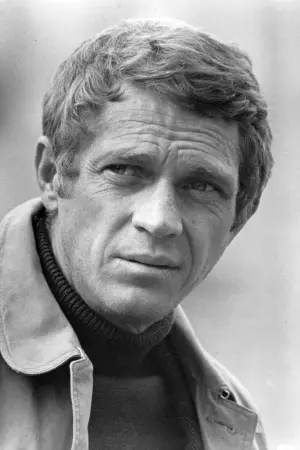
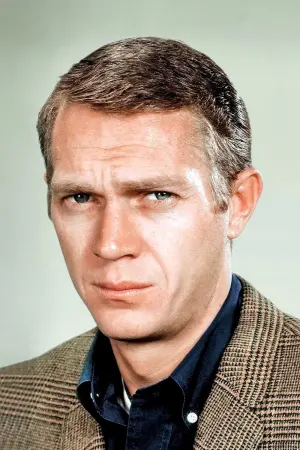
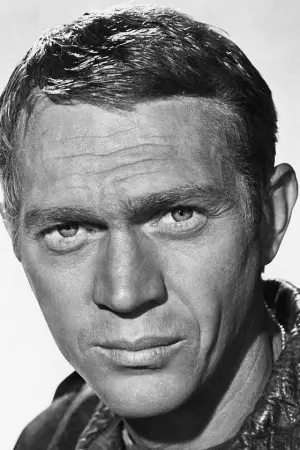
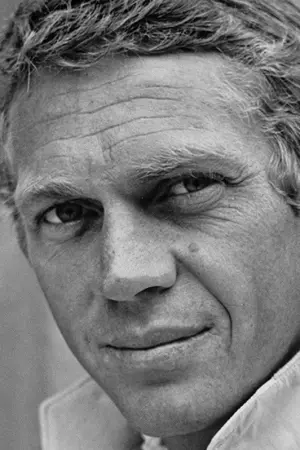
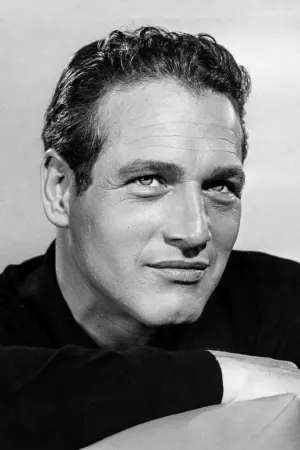
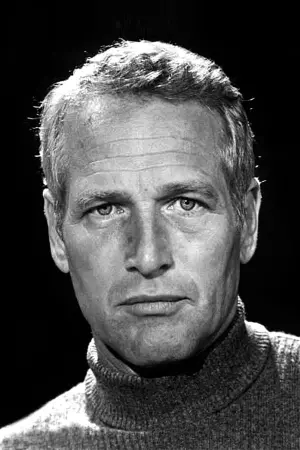
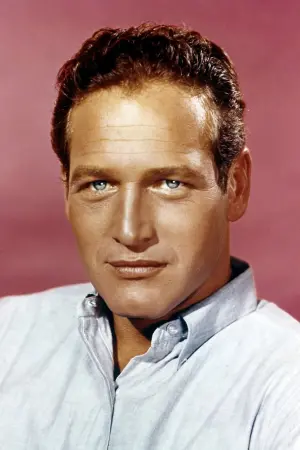
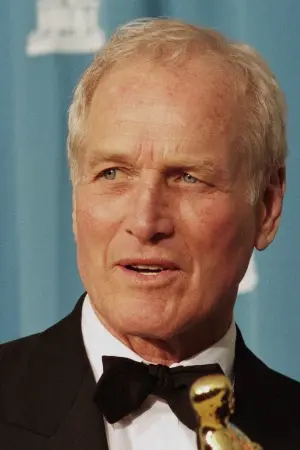
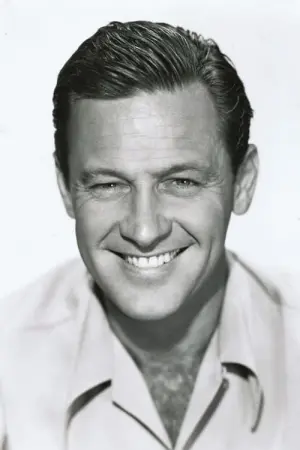
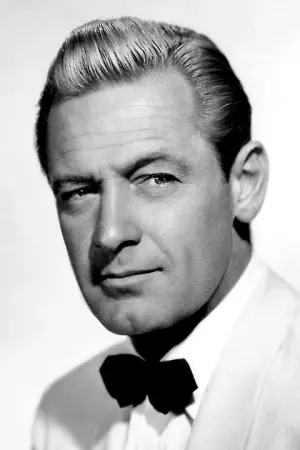
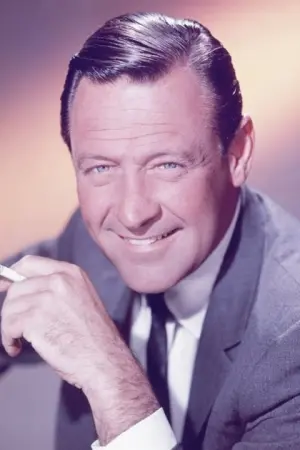
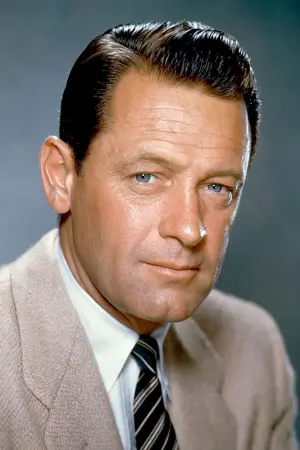

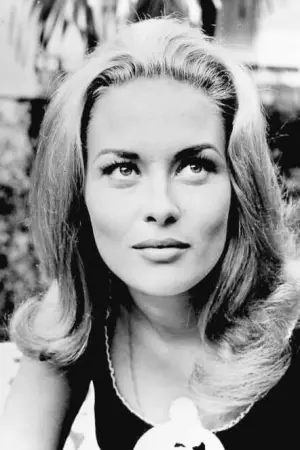
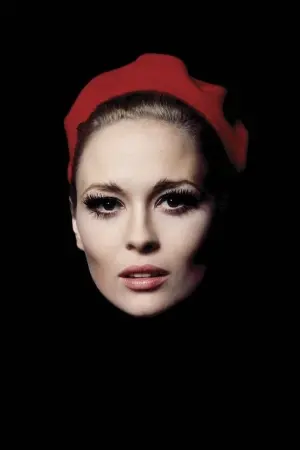
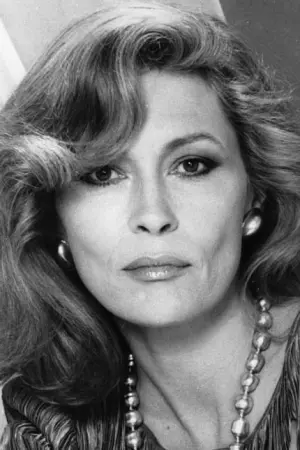
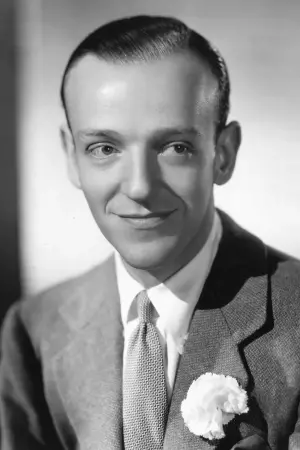
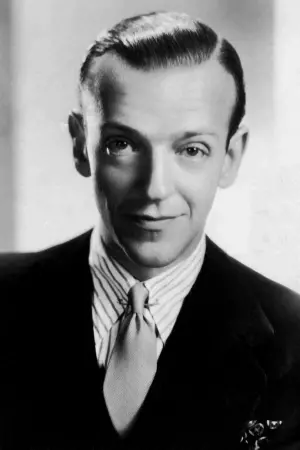
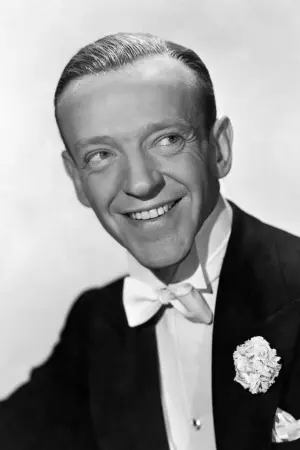

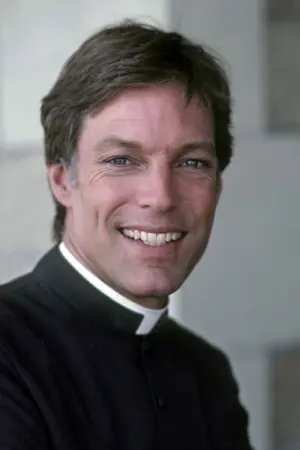
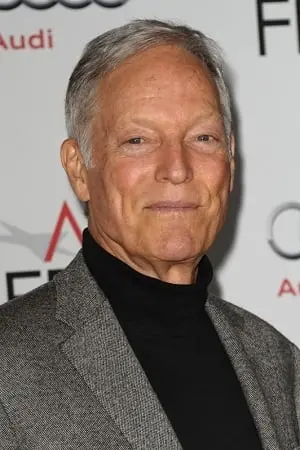
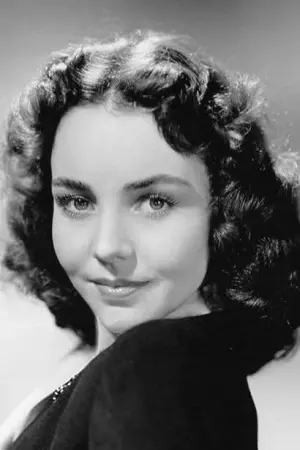
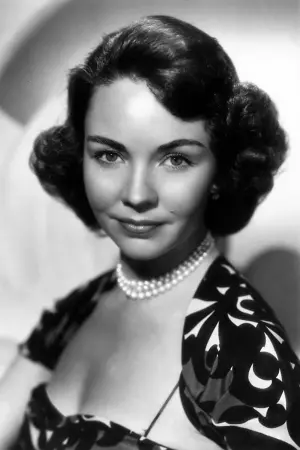
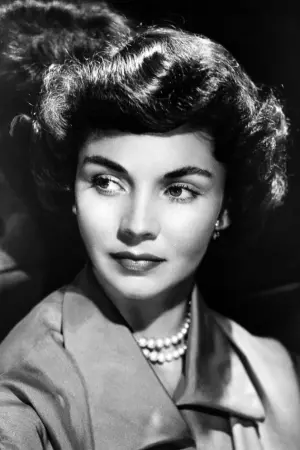
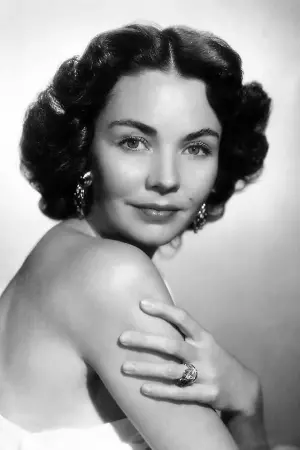


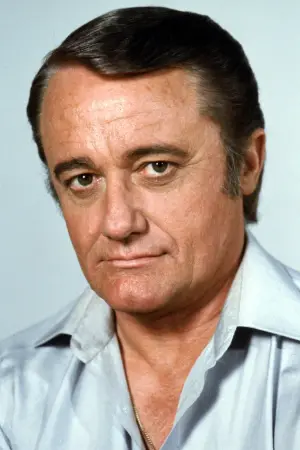
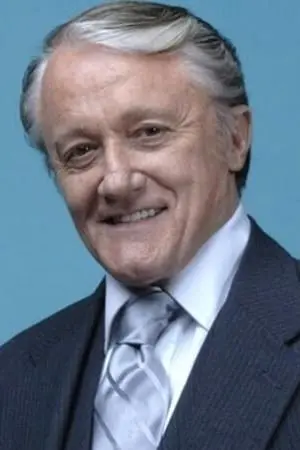
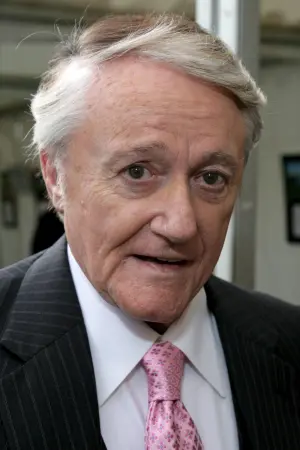
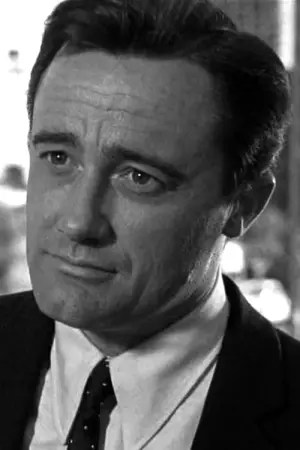
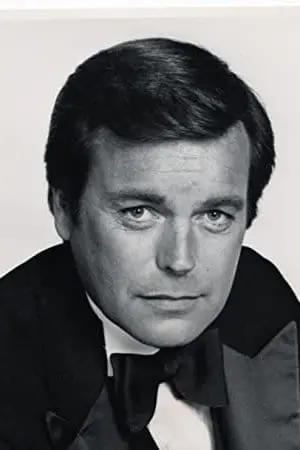
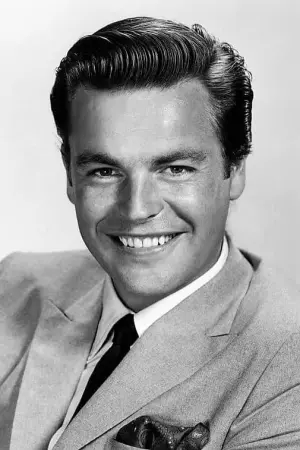
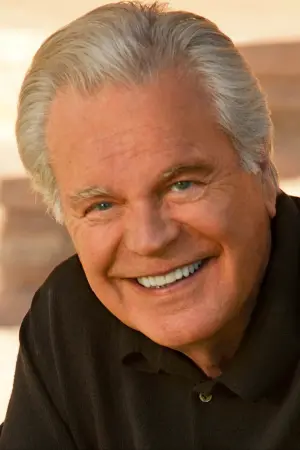
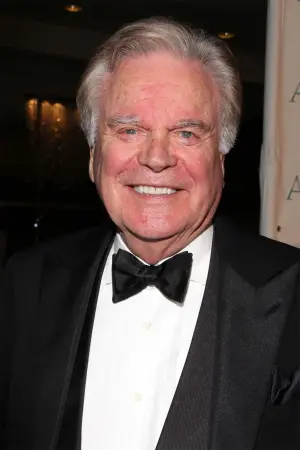
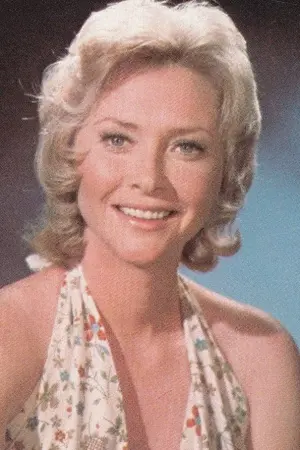
Susan Flannery
Character Lorrie


Jack Collins
Character Mayor Ramsay


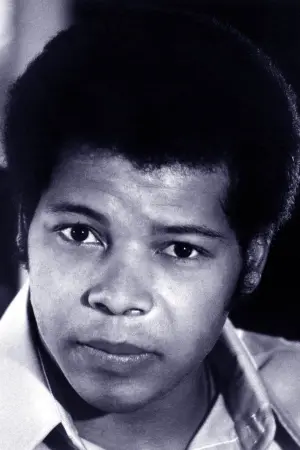

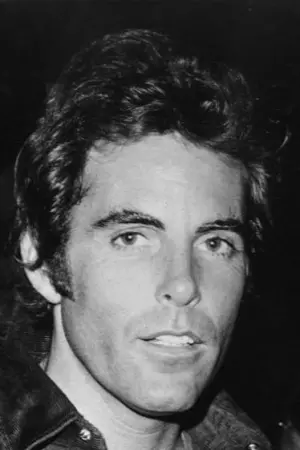


Elizabeth Rogers
Character Lady in Buoy
Ann Leicester
Character Guest
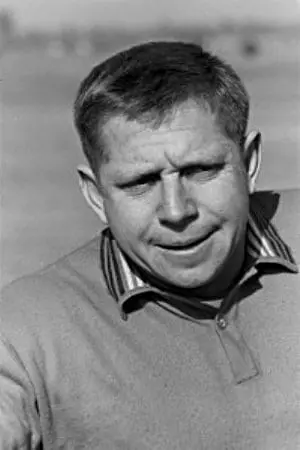
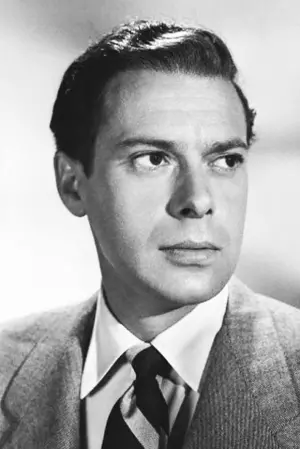
Ross Elliott
Character Deputy Chief #2

Carlena Gower
Character Angela Allbright
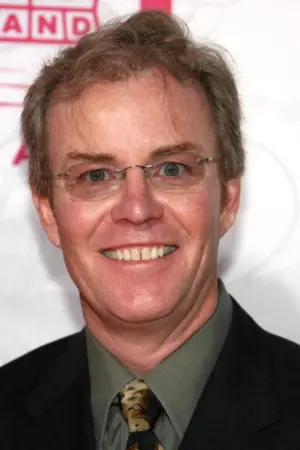
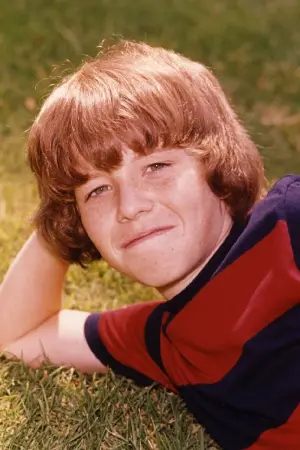
Mike Lookinland
Character Phillip Allbright
Carol McEvoy
Character Mrs. Allbright

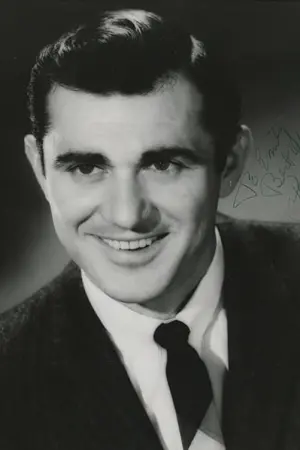
Paul Comi
Character Tim
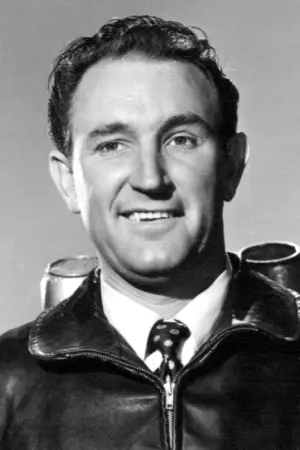

Patrick Culliton
Character Technician

William Bassett
Character Leading Agent
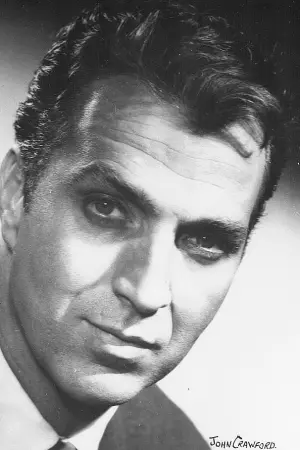
Erik L. Nelson
Character Wes

Norman Hicks
Character Pilot
Thomas Karnahan
Character Co-Pilot
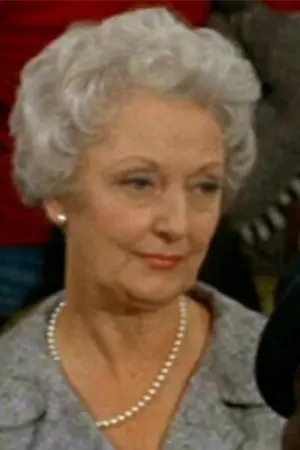
Leoda Richards
Character Party Guest (uncredited)
David Armstrong
Character Party Guest (uncredited)
Ruth Foster
Character Party Guest (uncredited)

What's left behind the scenes
- The film is based on the non-fiction novels *The Tower* by Richard Martin Stern, and *The Glass Inferno* (*The Glass Tower*) by Thomas N. Scortia and Frank M. Robinson.
- The role of the elderly aristocrat was the last in Jennifer Jones's career.
- The film was the first example of a joint project between Warner Bros. and 20th Century Fox, which shared the production costs and box office profits.
- Thanks to the special effects, which received much critical acclaim, the film was able to create a realistic depiction of a skyscraper fire and the mass loss of life. The visual effects were created using 1970s technologies: rotoscoping, rear projection, traveling matte, and filming of large-scale models.
- Artists drew over two thousand preliminary sketches, based on which the 5 floors of the 138-story skyscraper were created. In eight pavilions, 57 sets were built and placed for various scenes of the film (only 8 of them survived until the end of filming). A month before the start of filming, a large number of shots of San Francisco at dusk were taken from carefully calculated angles, to be used later during filming.
- William Holden, who received the role of the head of “Duncan Enterprises,” was initially dissatisfied, as his character spoke on the phone too much without much action on screen. He called the screenplay “mediocre,” but agreed to star in the film. Holden’s fee was $750,000, becoming the largest of his entire career.
- After becoming familiar with the script, Steve McQueen wanted to switch his role to the fire chief, and to have someone “no less caliber than myself,” as he put it, take on the role of the architect. The producer trusted the instinct of the experienced performer. McQueen himself suggested the candidacy of his friend and rival Paul Newman, who agreed to participate in the project. Newman and McQueen agreed on an equal fee ($1 million) and 7.5% of the total box office receipts each.
- Paul Newman and Steve McQueen not only received the same fee, but McQueen also specifically made sure that they had exactly the same amount of dialogue. Steve even asked the screenwriter to add twelve lines to his role, although taciturn characters were more suited to his acting style. The credits also became a subject of rivalry. In them, the names of the two stars in one frame are arranged diagonally, so as not to cause disagreement about who has higher status in the film.
- The high technical complexity and danger of some scenes forced a careful approach to safety issues during the filming of the future action film – the actors were insured for a total of $50 million. Near each actor, in scenes involving fire, a separate firefighter was on duty, responsible for ensuring that the fire did not spread to the body, hair, or clothing. A total of about twenty fire extinguishing specialists from San Francisco were involved in the filming in episodes and as backup. The film's consultant was Commander Jack Cavello from one of the San Francisco fire stations. Steve McQueen underwent short training under the guidance of another film consultant, Peter Lucarelli, went out with the team, and even participated in extinguishing one of the fires. The safety precautions were fully justified – no personnel or actors were injured during filming.
- The specifics of working on the film were such that some scenes had to be shot in one take, as the sets were completely destroyed by fire and water. In most cases, however, the team of artists and technicians restored the sets between takes. While the team rebuilt one set, the camera crew was burning another one under the lenses. Before each shooting day, the groups meticulously planned the sequence of transitions from set to set to avoid downtime.
- Technically, the most complex and dangerous scenes were those in the ballroom on the 135th floor. Only this hall, the fire, and the extinguishing of the fire took about 3 weeks to film. To capture the fire, it required from five to seven cameras, and up to eight cameras for filming the water flow. The combination of water and fire in some shots only added to the problems, especially for the lighting technicians. Even a small amount of liquid getting onto a red-hot spotlight could put it out of order. As a result, scenes were composed as much as possible so that the fire itself was the 'lighting fixture'. The pyrotechnicians had to carefully select components so that the fire, if possible, was smokeless, creating the necessary brightness of illumination.
- Irvin Allen, recalling the filming of the final scene, said: 'In all my years of working in film, this was the scariest moment.' The episode was captured in one take with eight cameras – after the filming, the set was completely destroyed. For the actors, the scene was not much different from what the heroes on screen had to endure. 50 cubic meters of water from 6 tanks raised above the sets crashed down on the performers, and water cannons were also used. Fred Astaire was very apprehensive about the episode, and McQueen even jokingly said goodbye to his wife before the start of the filming, 'bequeathing' his car to her in case something went wrong.
- A total of up to 300 stunt performers were involved in the film.
- The film featured several episodes in which the heroes performed dangerous stunts. Newman and McQueen preferred to perform them themselves whenever possible, without using stunt doubles. This rivalry greatly worried the producer, but he could do nothing about it. In the scene of jumping from a helicopter, McQueen, wearing a fireproof suit, jumped from a height of four meters into the fire.
- William Holden, who landed the role of head of "Duncan Enterprises", was initially dissatisfied, as his character spent too much time on the phone without much action on screen. He called the film's script "miserable", but agreed to star in it. Holden’s fee was $750,000, the highest of his career.
- After reading the script, Steve McQueen wanted to switch his role to the fire chief, and to have someone "at least as big as me" take the place of the architect, as he put it. The producer trusted the instinct of the experienced performer. McQueen himself suggested his friend and rival Paul Newman, who agreed to participate in the project. Newman and McQueen agreed on an equal fee ($1 million) and 7.5% of the total box office revenue each.
- The most technically complex and dangerous scenes were those in the ballroom on the 135th floor. Filming this hall, the fire, and the firefighting took about three weeks. Capturing the fire required five to seven cameras, and up to eight cameras for filming the water stream. The combination of water and fire in some shots only added to the problems, especially for the lighting technicians. Even a small amount of liquid getting on a hot spotlight could disable it. As a result, scenes had to be composed as much as possible so that the fire itself was the “lighting fixture”. The pyrotechnicians had to carefully select components so that the fire, if possible, was smokeless, creating the necessary brightness of illumination.
- Irvin Allen, recalling the filming of the final scene, said: “In all my years in the film industry, this was the scariest moment.” The episode was captured in one take with eight cameras – after filming, the set was completely destroyed. For the actors, the scene wasn’t much different from what the characters on screen had to endure. 50 cubic meters of water from six tanks, raised above the set, crashed down on the performers, and water cannons were also used. Fred Astaire was very apprehensive about the episode, and McQueen even jokingly said goodbye to his wife before the start of filming, “bequeathing” her his car in case something went wrong.
Did you like the film?
 Auditions in India
 Casting calls in USA
 Castingi w Polsce
 Кастинги в Україні
