Army of Darkness - actors, characters and roles
All actors and their roles in the film "Army of Darkness"
Army of Darkness (1992)
Timing:
1:21 (81 min)

7.263/10
3483
3483

7.632/10
60257
60257

7.4/10
208000
208000
Actors and characters
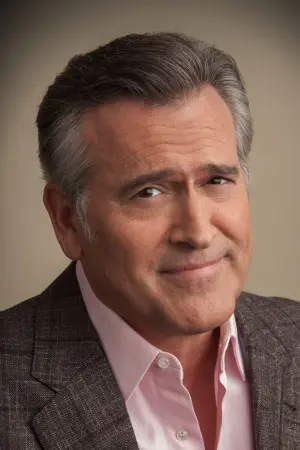
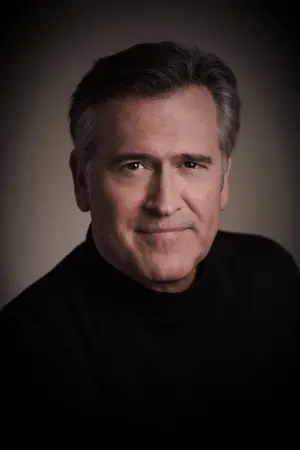
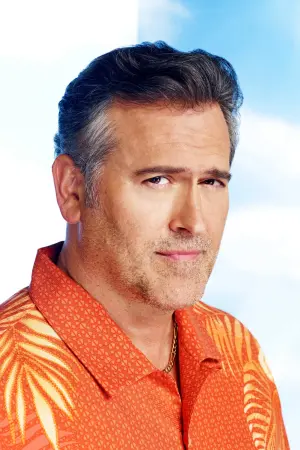
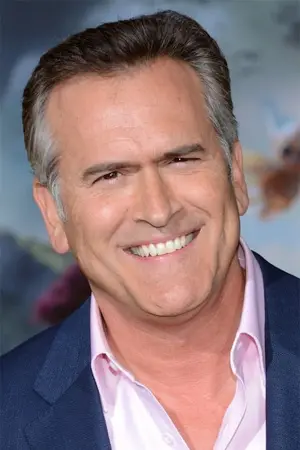






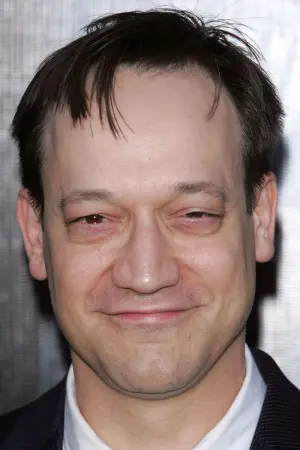
Timothy Patrick Quill
Character Blacksmith

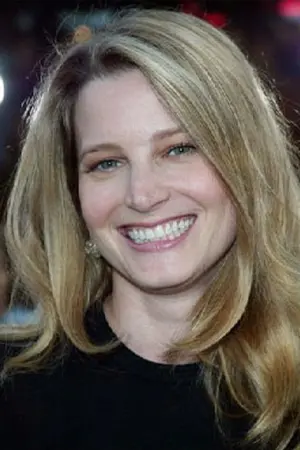
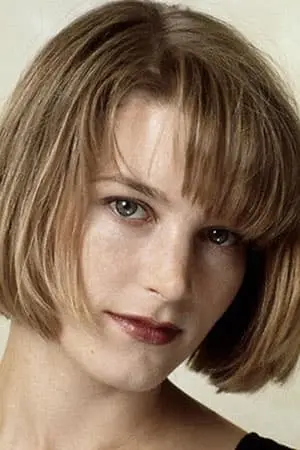
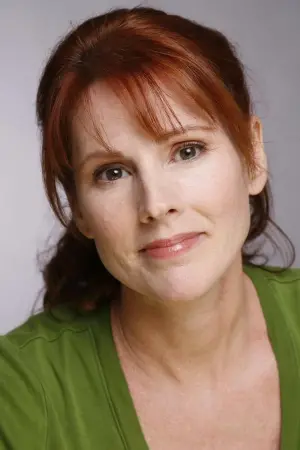

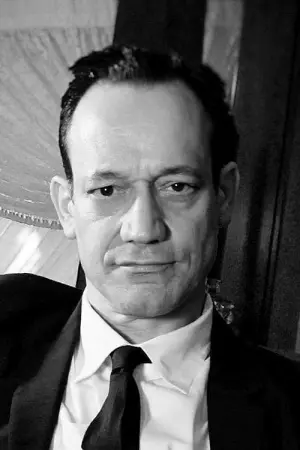
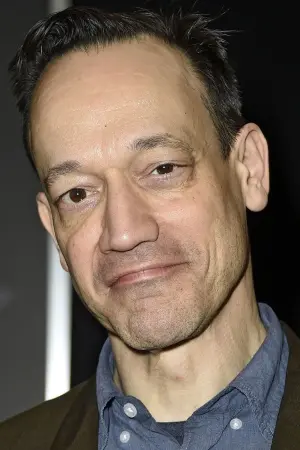
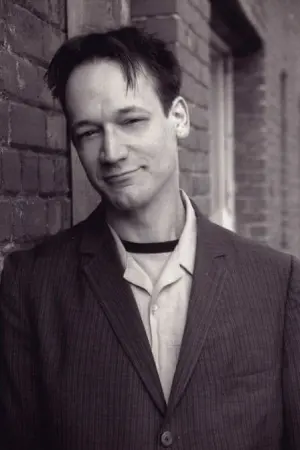

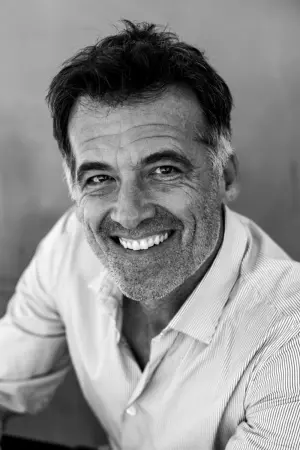
Deke Anderson
Character Tiny Ash #1
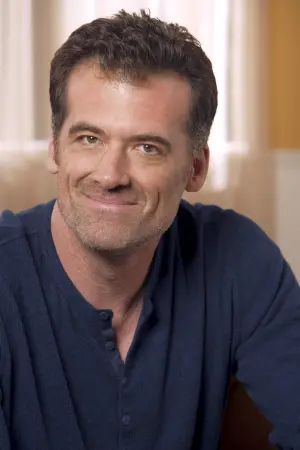
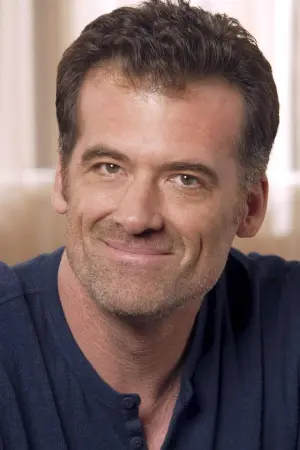

Sara Shearer
Character Old Woman
Shiva Gordon
Character Pit Deadite #1
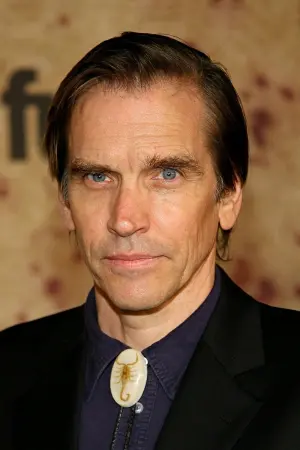
Billy Bryan
Character Pit Deadite #2
Nadine Grycan
Character Winged Deadite
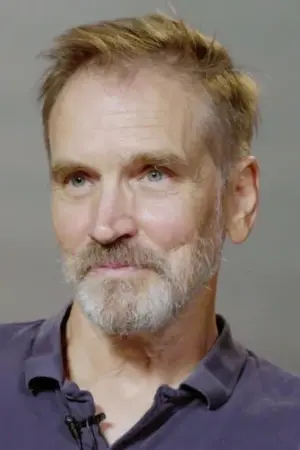
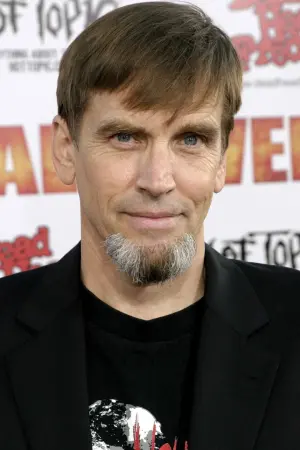
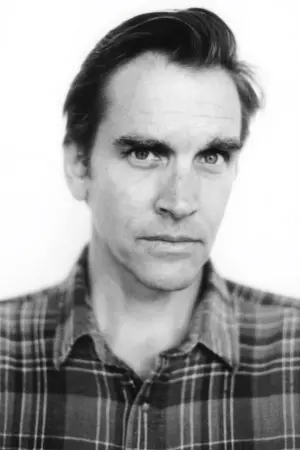
Micheal Kenney
Character Henry's Man

Andy Bale
Character Lieutenant #1
Robert Brent Lappin
Character Lieutenant #2
Brad Bradbury
Character Chief Archer
Sol Abrams
Character Fake Shemp
Lorraine Axeman
Character Fake Shemp
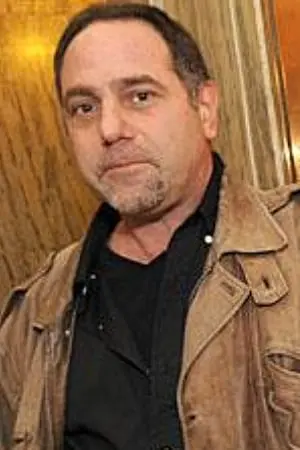
Sheri Burke
Character Fake Shemp
Don Campbell
Character Fake Shemp
Charlie Campbell
Character Fake Shemp

Harley Cokeliss
Character Fake Shemp
Ken Jepson
Character Fake Shemp
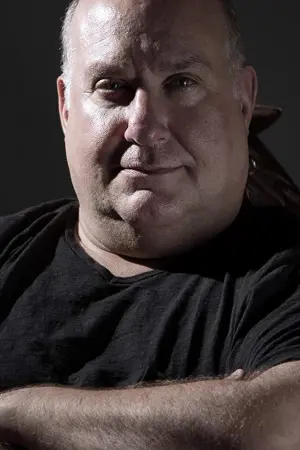
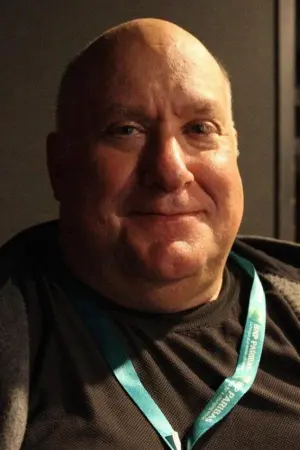
David O'Malley
Character Fake Shemp
David Pollison
Character Fake Shemp
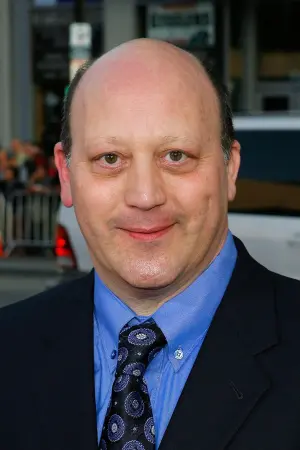
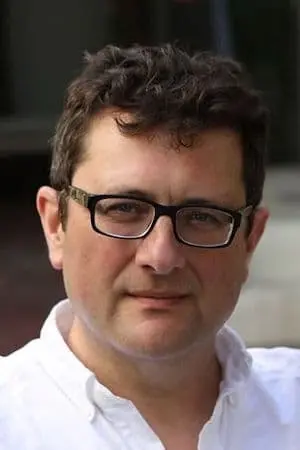
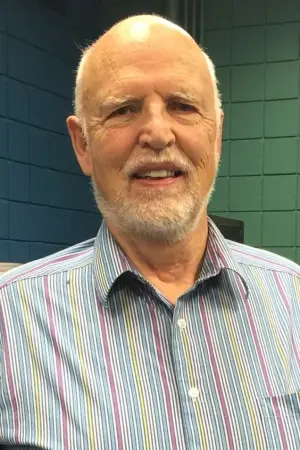
Bill Vincent
Character Fake Shemp
Chris Webster
Character Fake Shemp
Ron Zwang
Character Fake Shemp


Patricia Anne Isgate-Hayward
Character Peasant Woman (uncredited)

Lisa Michelle Axelrod
Character Wench (uncredited)
J Michael Briggs
Character Horseback Warrior (uncredited)
Eric Clarke
Character Deadite (uncredited)
Courtney Pakiz
Character Deadite (uncredited)
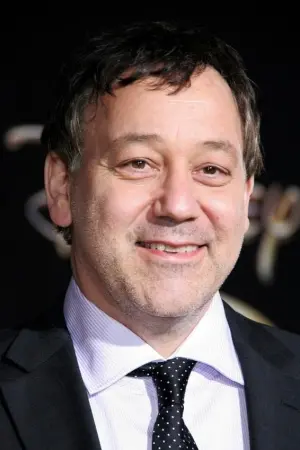
Jerry Rector
Character Tiny Ash #3 (uncredited)
Monique Yates Jr.
Character Graveyard Wench (uncredited)
What's left behind the scenes
- The words Ash was supposed to say before taking the "Book of the Dead" are "Clatto Verata Nicto." This is a reference to the phrase "Klaatu, Barada, Nikto," which was used to control the robot Gort in the film "The Day the Earth Stood Still" (1951).
- A copy of "Fangoria" magazine can be seen in Ash's car trunk.
- Bridget Fonda played a cameo role as Linda.
- Ted Raimi played at least four characters: a cowardly warrior who doesn't want to die; a man saying to Ash, "You can count on my steel"; a knight with an eye patch; and a clerk at the S-mart store.
- Ash's car actually belongs to Sam Raimi (the film's director). Sam used this car in all his early works, and with each film, the car's appearance deteriorated noticeably. Various items lying in the car's trunk are not product placement. During filming, the exact same items were in Raimi's car trunk.
- According to the original script, Ash was supposed to lose an eye.
- The original script consisted of only 43 pages.
- The working titles for the film also included "Evil Dead 1300AD" and "MediEVAL Dead".
- There are two different endings to the film. In the original ending, Ash drank seven drops of the potion instead of six and woke up in the year 2100: a post-apocalyptic world where a nuclear war had occurred. Audiences at test screenings found this ending too pessimistic, and the film's finale was reshot. The other ending (the most common one) is that Ash returns to our time and tells a clerk at an S-Mart store about his adventures in the Middle Ages. The clerk asks him – did he pronounce the incantation correctly? Ash replies – yes… I think so. After which, a witch appears in the store, and Ash, grabbing his Remington, sends her back to the afterlife.
- Bruce Campbell was very unhappy with the studio's decision to move the film's release from summer 1992 to February 1993 and to re-edit it. The reason for this was the studio's unwillingness to pay $3 million to complete filming, as well as a desire to use the film as leverage in a dispute with producer Dino De Laurentiis over the rights to the Hannibal Lecter character from Jonathan Demme's thriller "The Silence of the Lambs" (1990). Campbell stated that a whole year, while he waited for the film's release, was wasted.
- According to Bruce Campbell, the audience was convinced that the chainsaw was constantly running by means of tobacco smoke, which was pumped through a hose that ran under his right trouser leg and shirt and was connected to the chainsaw.
- According to Bruce Campbell, in the original script, the main character, played by Bruce Campbell, lost an eye. The action was only moved to the Middle Ages in the second half of the film, while the first half recounted the events of the first two films in the franchise. In addition, the audience learned much more about Ash himself (for example, about his time in college and working in a store). Screenwriters Sam and Ivan Raimi wrote the script this way, believing that the management of Universal Pictures was unlikely to agree to sponsor a low-budget independent film, and they planned to make a partial remake. Therefore, they were pleased with the studio's decision to approve a full-fledged sequel and decided to remove almost all fragments related to the cabin in the woods from the script (with the exception of the prologue).
- In the scene where Ash is stoned, prop stones were used. To make Bruce Campbell’s performance more convincing and realistic (and as part of a prank), director Sam Raimi ordered that potatoes be used instead of prop stones. This take made it into the film. Furthermore, Raimi instructed the special effects artists and stunt coordinators to make the fight and clash scenes as difficult as possible for Campbell. The actor had to memorize a complex set of movements during clashes with invisible enemies (with the actual enemies inserted into the footage only during post-production), so he constantly swore in front of the camera, as up to 37 takes were required for individual scenes.
- A significant portion of the film was shot with multiple cameras simultaneously, with one capturing a wide shot and the other a close-up. Because of this, the boom microphone had to be held further away from the actor to capture high-quality sound. This is why Bruce Campbell was regularly issued a wireless transmitter on set (which the actor kept in a gun case on his back), and the microphone was hidden in the buckle of his chainsaw strap. He only had to make sure that the black foam (covering the sound-receiving part of the device) didn't get into the frame.
- Filming was so difficult for Embeth Davidtz (plus the need to wear special prosthetics appropriate for her role as Sheila) that she seriously considered quitting acting.
- During the filming of the sword fight in Arthur's castle (played by Marcus Gilbert), Bruce Campbell received a small wound on his face. He was immediately taken off set to a doctor, who had to be shown exactly where the wound was – because the actor's face was covered with numerous prop wounds, cuts, and scars thanks to the makeup artists. After the doctor treated the wound, Campbell returned to the set.
- The scene in which an 'Oldsmobile Delta 88' falls from the sky had to be filmed twice. During the first take, the 25-ton crane lifting the car into the air veered off course due to purely mechanical problems, tilted, and collapsed into a quarry near where filming was taking place. Fortunately, the crane operator was able to get out of the cab in time, so no one was injured. A few days later, a more powerful crane (with an 80-ton lifting capacity) was used to retrieve the wreckage of the first crane from the quarry, and the entire scene was reshot. Some footage from this second take and footage from the finale of the second film in the franchise (Sam Raimi, 1987) were inserted into the film.
- There are four versions of the film: an 81-minute version that was shown in theaters in the United States; an 88-minute version that was released internationally; a director's cut lasting 96 minutes; and an 88-minute version that aired on American television channels. Some versions contained scenes absent from others, while in some, these scenes were extended. This is partly explained by the fact that the American Film Association gave Sam Raimi's director's cut an "NC-17" rating. The version for international release received an "R" rating. Studio executives handed the film over to outside editors, and the resulting version – for theatrical release in the US – was given a "PG-13" rating. The director's cut is considered the most complete version, and it also includes the "bad ending". The version for US television contains two scenes not found in any other version. Over time, other versions of the film were released on DVD and Blu-ray – for example, the director's cut but with a happy ending; or the Hong Kong version, which combines the American television, international, and director's cut versions.
- The film was shot on location in a variety of scenic places in the United States (such as Bronson Canyon or caves, Vasquez Rocks Park, etc.), and on specially constructed sets of a castle on the edge of the desert in California.
- Ted Raimi played at least four characters: a cowardly warrior who doesn’t want to die; the man who says to Ash, “You can count on my steel”; a knight with an eye patch; and a clerk in an S-mart store.
- Ash’s car actually belongs to Sam Raimi (the film’s director). Sam used this car in all his early works, and with each film, the car’s appearance visibly deteriorated. The various items that lie in the car’s trunk are not product placement. During filming, the exact same items were in Raimi’s car trunk.
- A significant portion of the film was shot with multiple cameras simultaneously, with one capturing a wide shot and the other a close-up. Because of this, the boom microphone had to be held further away from the character to capture quality sound. This is why Bruce Campbell was regularly given a wireless transmitter for use on set (the actor kept it in a gun case on his back), and the microphone was hidden in the chainsaw’s belt buckle. He just had to make sure that the black foam (covering the sound-receiving part of the device) didn’t get into the frame.
Did you like the film?
 Auditions in India
 Casting calls in USA
 Castingi w Polsce
 Кастинги в Україні
