The Day the Earth Stood Still - actors, characters and roles
All actors and their roles in the film "The Day the Earth Stood Still"
The Day the Earth Stood Still (1951)
Timing:
1:32 (92 min)

7.459/10
1070
1070

6.992/10
9701
9701

7.7/10
90000
90000
Actors and characters
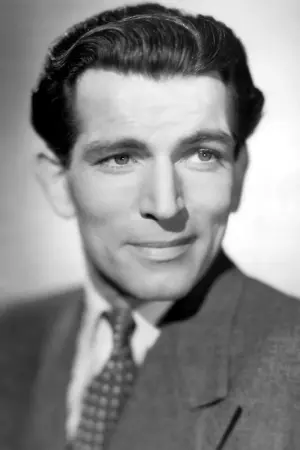
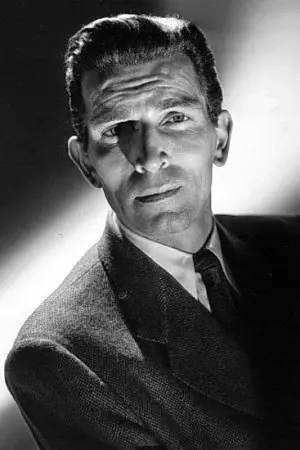
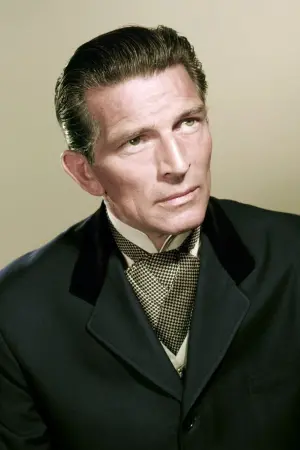
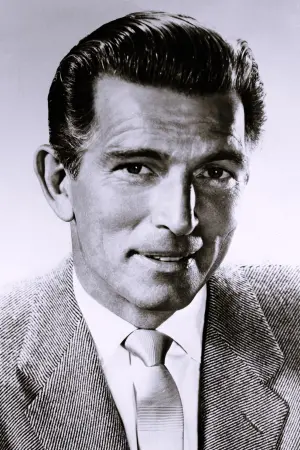
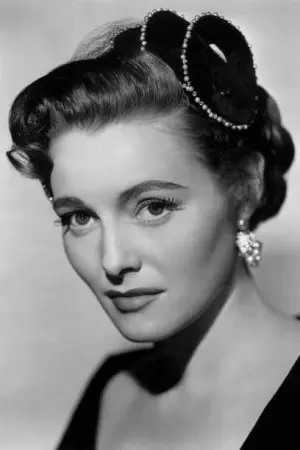
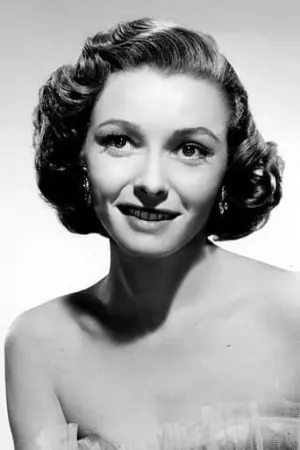



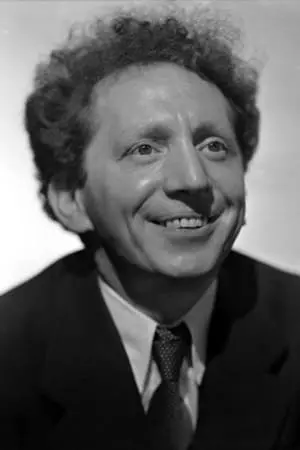
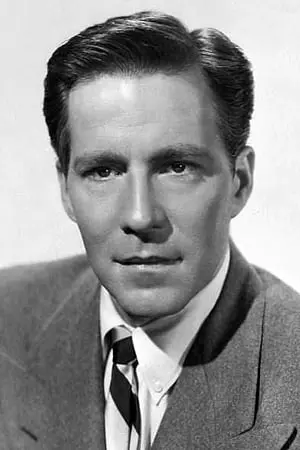

Lock Martin
Character Gort
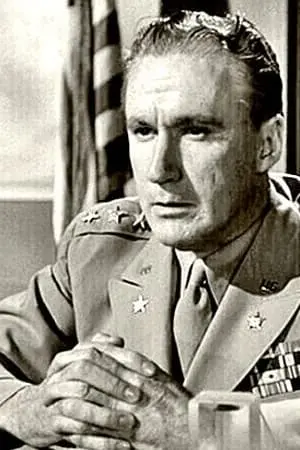
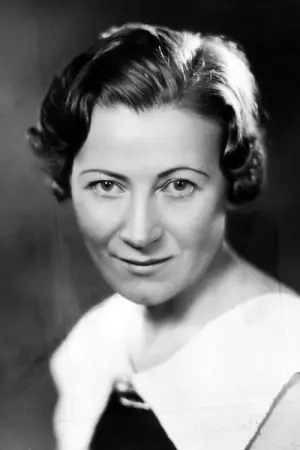


Marjorie Crossland
Character Hilda, Barnhart's secretary
Elmer Davis
Character Elmer Davis
H.V. Kaltenborn
Character H. V. Kaltenborn
Drew Pearson
Character Drew Pearson
Gabriel Heatter
Character Gabriel Heatter (voice)
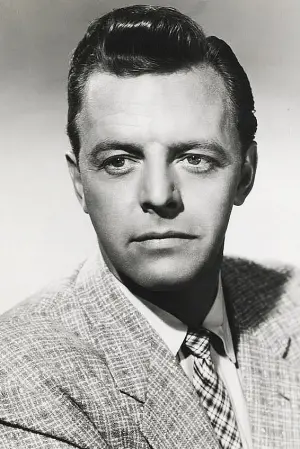
James Doyle
Character Army Dr. White
Larry Dobkin
Character Balding Army Doctor

Robert Osterloh
Character Army Examining Doctor
Glenn Hardy
Character Radio Interviewer at Landing Site
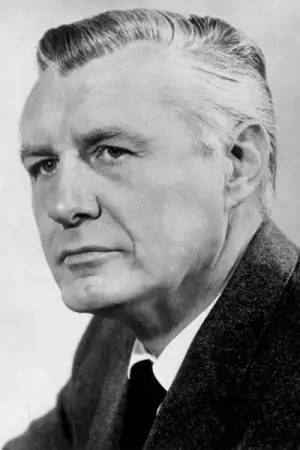
House Peters Jr.
Character M.P. Captain at Barnhardt's
George Lynn
Character Conference Colonel Ryder
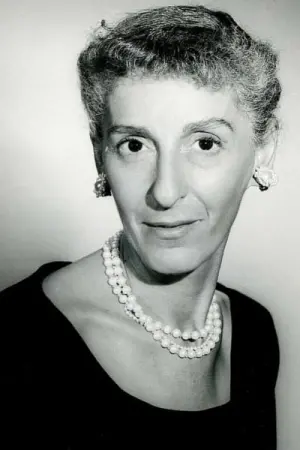
Dorothy Neumann
Character Margaret, Tom's secretary
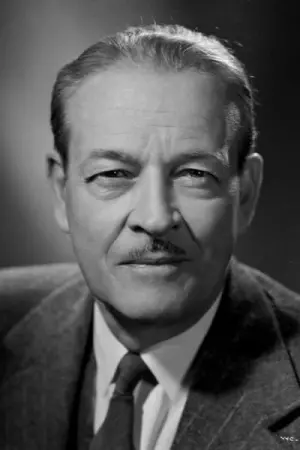
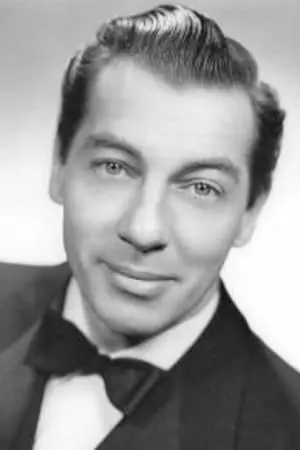
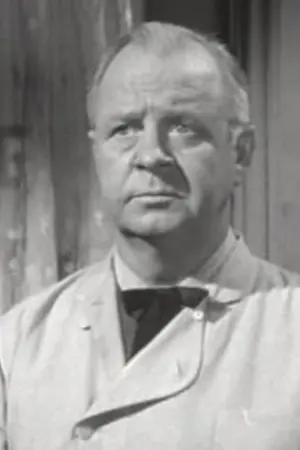
Sammy Ogg
Character Sammy, boy witness
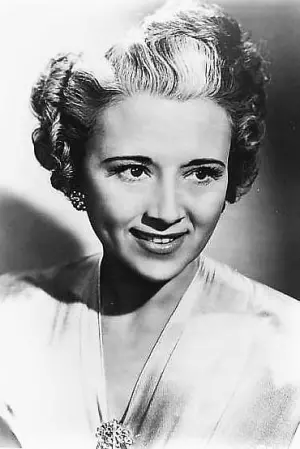
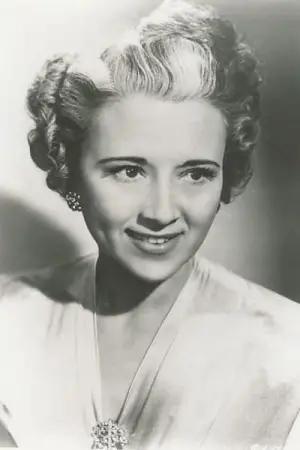


James Seay
Character Government Man
Grady Galloway
Character Radar Operator
Hassan Khayyam
Character Indian Newscaster
John Barton
Character British Newscaster
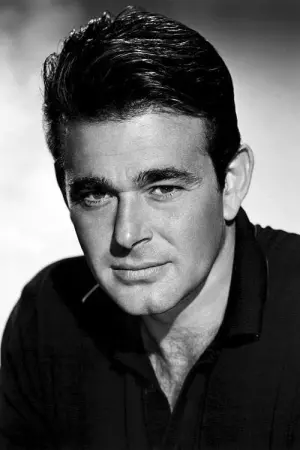
Rama Bai
Character Scientific Delegate
Bill Welsh
Character Radio Announcer (voice)
What's left behind the scenes
- The film is based on the novella 'Farewell to the Master' by Harry Bates.
- The surname 'Carpenter,' which Klaatu, portraying a human, calls himself, translates from English as 'carpenter' and is a reference to the biblical story (Jesus was a carpenter and the son of a carpenter).
- Parts of the film's episodes were parodied in 'Mars Attacks!' (1996).
- The film's main musical theme, composed by Bernard Herrmann, is performed on a theremin.
- In 1995, the film was added to the National Film Registry.
- The film's overt pacifist message (Professor Barnhardt was modeled after the pacifist physicist A. Einstein) alarmed the US Department of Defense, which refused to cooperate with its creators.
- The main filming took place on California studio lots, and the lead actors didn't even travel to Washington.
- To design the 'flying saucer,' the filmmakers enlisted one of the greatest architects and designers, F. L. Wright. The maestro advised making the object from an 'experimental substance that, according to rumors, is like living tissue: a cut would heal, leaving behind a solid surface without any scars.'
- Director Robert Wise later admitted that he was inclined to believe in the existence of UFOs, because "it would be foolish to think that earthlings are the only living creatures in the universe – that is the most flagrant egoism."
- The alien's association with Jesus Christ provoked objections from conservative audiences. Not only was Klaatu kinder and more humane than most earthlings, sacrificing his life to save them – but in the finale, he even rises from the dead. At the insistence of studio management, a disclaimer was added to the film stating that this resurrection was temporary and occurred by the will of the "Almighty Spirit."
- Michael Rennie said he was born to play Klaatu. Initially, however, the role was intended for Claude Rains, who had a pronounced accent. Gort was portrayed by the towering Lock Martin, who worked as a doorman at one of the Los Angeles movie theaters.
- Loc Martin, who worked as a doorman, was cast as the robot Gort due to his height exceeding two meters. However, Martin couldn't be called physically strong, so he couldn't carry Patricia Neal himself, and in the corresponding scenes, her body was supported by wires or a lightweight mannequin. Gort's costume was so heavy that Martin could only stay in it for a maximum of half an hour.
- The equations on the board of Professor Barnhardt (played by Sam Jaffe) are genuine equations describing the famous "three-body problem" (referring to calculating the trajectory of three bodies interacting with each other). The style of writing the equations and the terminology used in the scene demonstrate that a real physicist contributed to its creation.
- To create the illusion of a seamless hull for the spaceship, the gaps around the hatch were filled with putty and then painted accordingly. When the hatch opened, the putty would tear, creating the impression that the hatch simply appeared out of nowhere.
- After reading the script, the army leadership refused to cooperate with the filmmakers. Then the filmmakers turned to the National Guard command, which enthusiastically seized the opportunity to portray the army in a less than favorable light.
- To ensure the authenticity of events on screen, famous reporters and representatives of so-called broadcast journalism of the time appeared in episodic roles in the film. They played themselves.
- One of the reasons Michael Rennie was cast as Klaatu was that he was virtually unknown to the American audience, making him appear more organic in the role of an alien than another, more famous actor. The head of 20th Century Fox, Darryl F. Zanuck, showed the script to Spencer Tracy, who said he would gladly take on the role. Producer Julian Blaustein objected to Tracy’s candidacy, stating that audiences would inherently expect a lot from such a famous actor. Blaustein understood that Zanuck would have the final say, and that he would either have to resign or film the movie according to his superiors’ wishes, but fortunately, Zanuck agreed with his point of view, and Rennie was cast.
- The scene in which the crowd flees the landing site of the flying saucer with the appearance of the robot was clearly sped up during playback, making it look somewhat unnatural. The reason for this was explained in an interview by director Robert Wise. Despite all the persuasion, the inexperienced extras did not run fast enough, and their fear did not look convincing. After several takes, Wise threw his hands up in the air and decided to simply speed up the playback of the scene during post-production, fully aware of how it would look on screen.
- To show the hatch closing in such a way that it left no trace on the hull of the alien spaceship, the already filmed scene of the hatch opening was played in reverse.
- Long shots of Klaatu and Bobby (played by Michael Rennie and Billy Gray, respectively) walking through Washington were filmed using doubles. None of the actors involved in the film actually traveled to Washington; everything was filmed against backdrops onto which images of Washington landmarks, shot by a second unit, were projected.
- The alien spaceship was made of wood, wires, and construction plaster.
- The immobile statue of Gort was slightly taller than Lock Martin and could not stand on an inclined ramp, and the actor had to endure a lot for one of the scenes near the end of the film. The shooting lasted so long that Martin began to experience spasms in his hands, and during Klaatu’s speech, you can notice his hands trembling slightly.
- Sam Jaffe had already signed a contract to star as Professor Barnhardt, who resembled Einstein, and the role was similar to the one he had played three years earlier in the drama 'Gentleman's Agreement' (Elia Kazan, 1947), but studio management proposed replacing him due to his overly liberal views. Moreover, during the 'witch hunt' and the compilation of various blacklists, the actor was suspected of sympathizing with communists. Producer Julian Blaustein went directly to Darryl F. Zanuck, who allowed Jaffe to remain in the film's cast, but 'The Day the Earth Stood Still' became the actor's last Hollywood project until the late 1970s.
- In addition to the two Gort costumes created for Lock Martin, a fiberglass robot statue was constructed. It was slightly taller than the actor in the Gort costume, and it was built for shots of the stationary robot. In addition, a separate robot head was made with a remotely controlled visor. This was necessary for close-up shots of Gort firing beams from his eyes.
- Director Robert Wise later admitted that he was inclined to believe in the existence of UFOs, as “it would be foolish to think that earthlings are the only living creatures in the Universe – that is the most blatant egoism.”
Did you like the film?
 Auditions in India
 Casting calls in USA
 Castingi w Polsce
 Кастинги в Україні
