Dune - videos, teasers and stills from filming
All videos, teasers and footage from the filming of the film "Dune"
Dune (1984)
Timing:
2:16 (136 min)

6.186/10
3419
3419

6.857/10
83503
83503

6.2/10
192000
192000
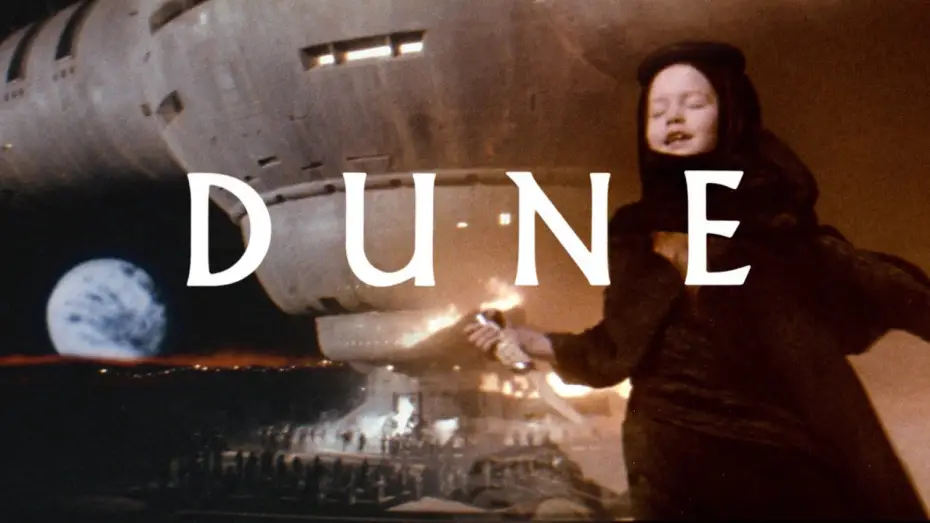
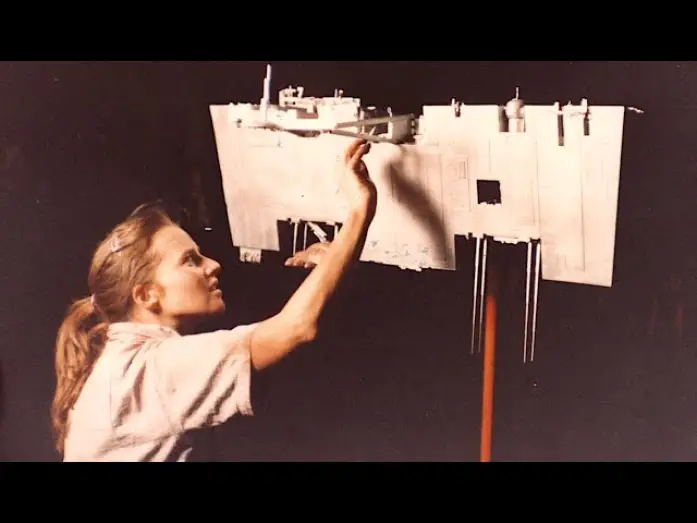
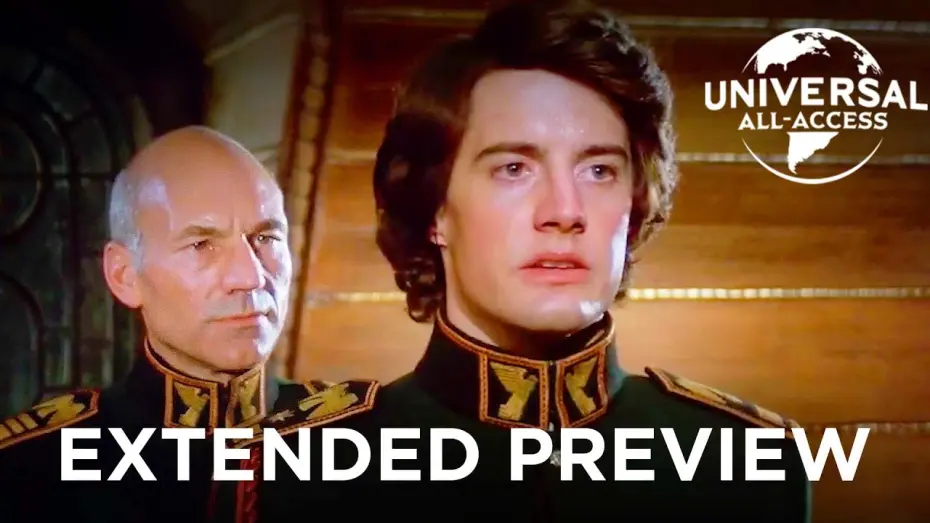
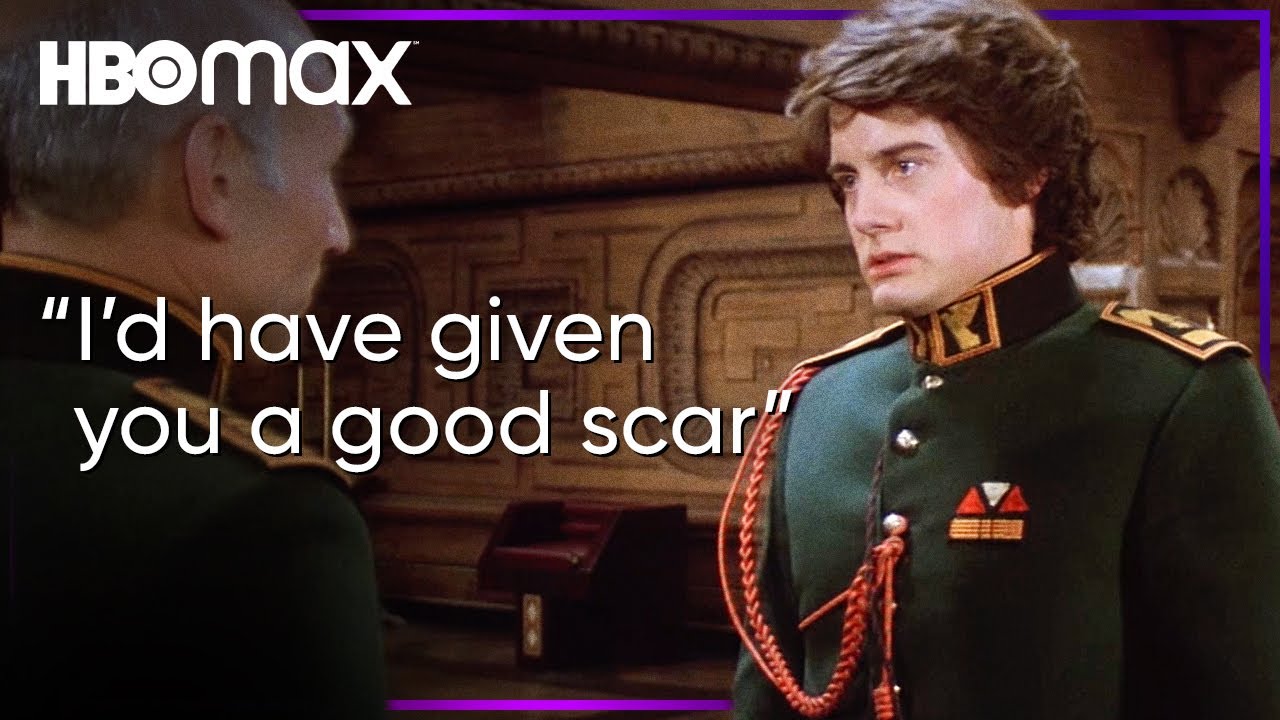
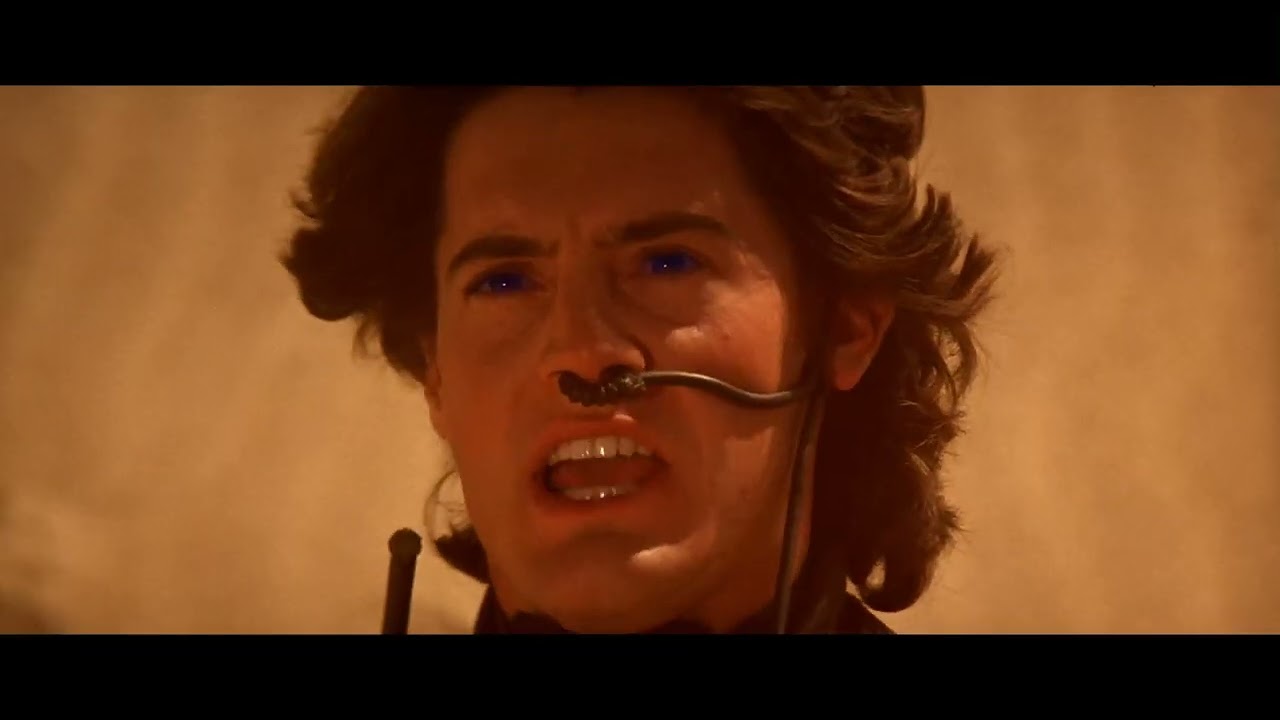
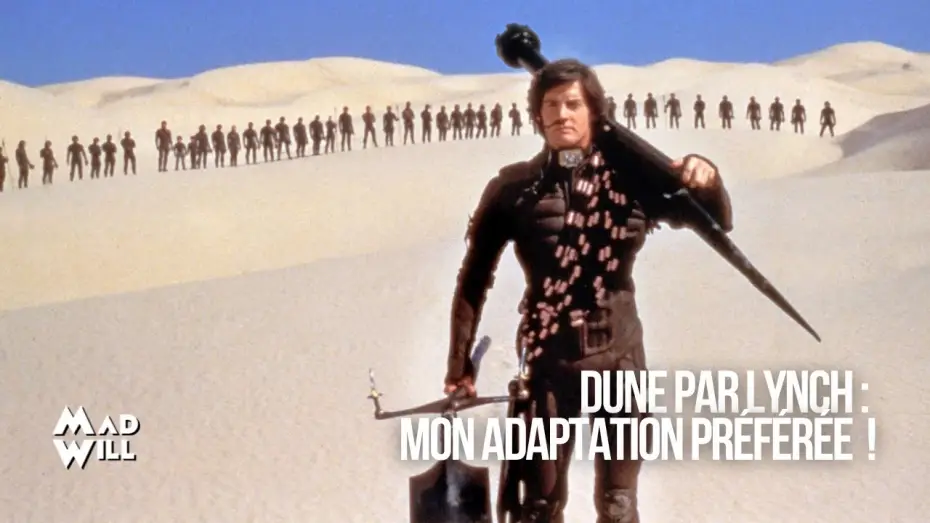
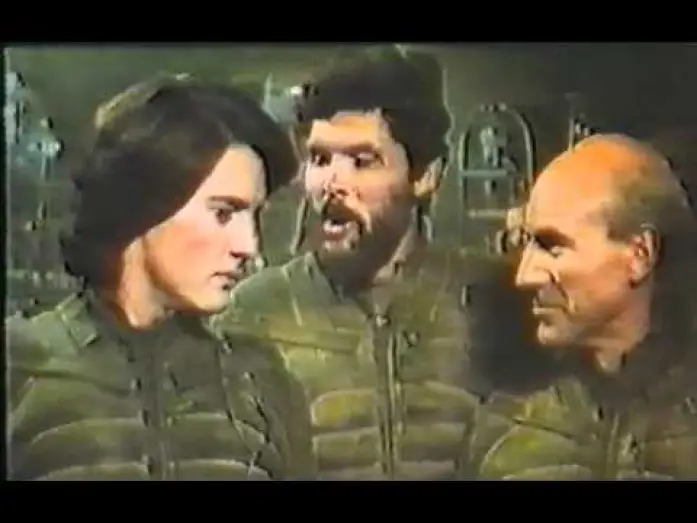
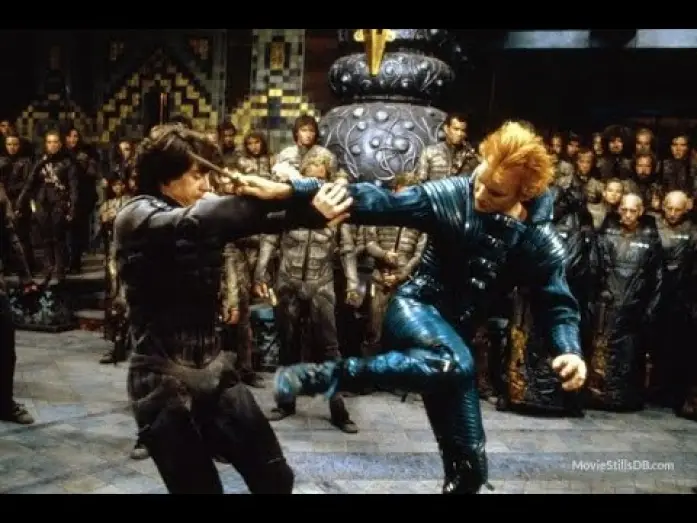
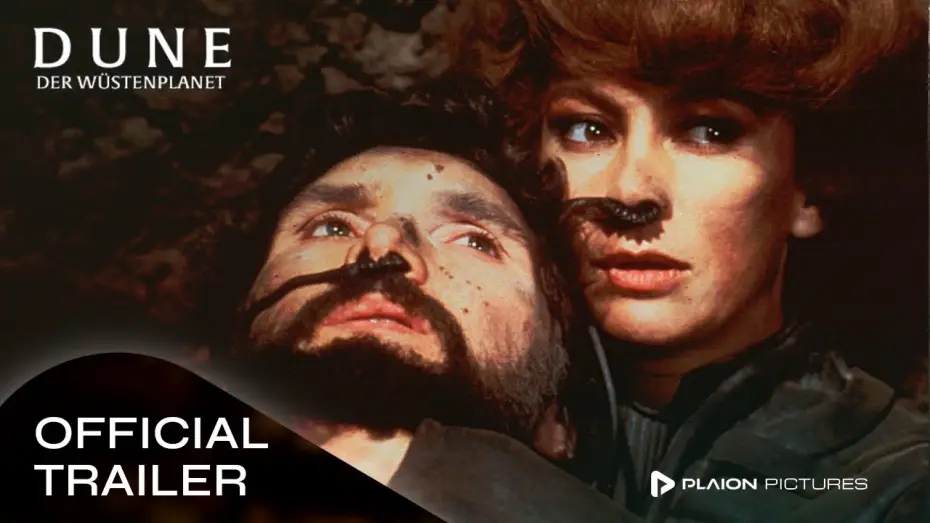
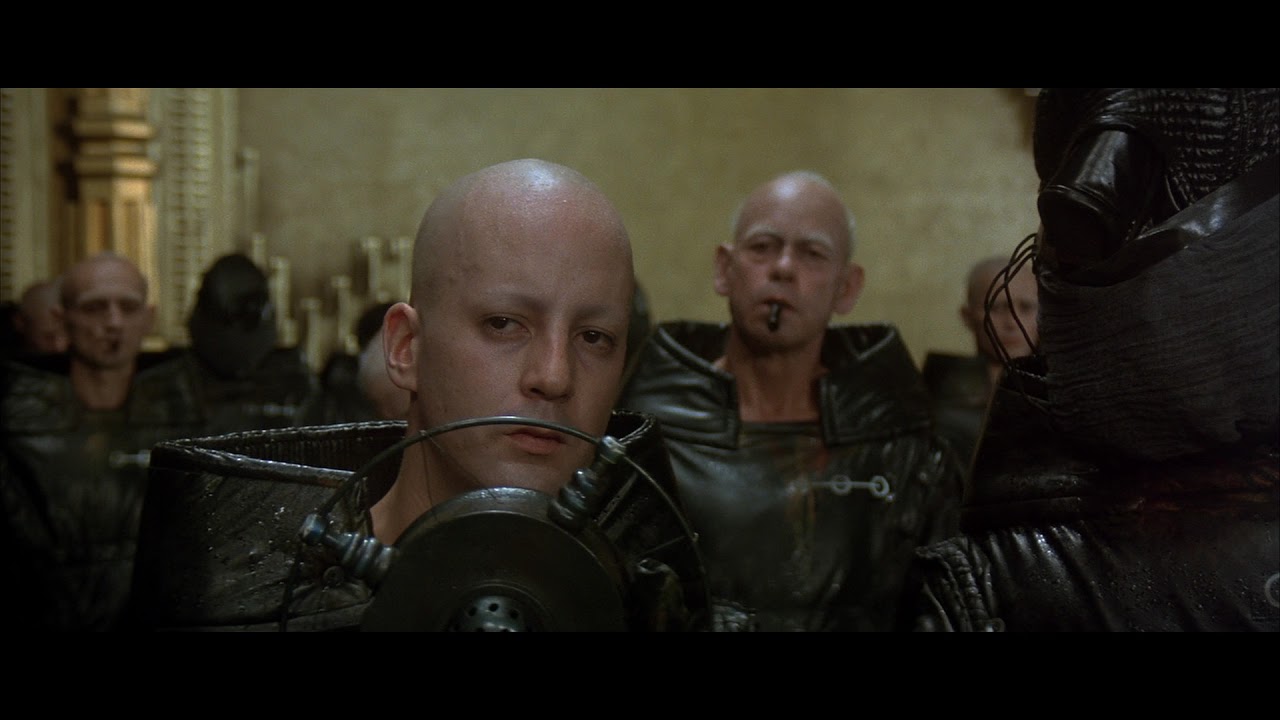
What's left behind the scenes
- The film is an adaptation of Frank Herbert's 1964 novel 'Dune,' which won the major science fiction awards – Hugo and Nebula – in 1965-66.
- The novel 'Dune' is considered a treasure of world science fiction, alongside J.R.R. Tolkien's 'The Lord of the Rings,' Ray Bradbury's 'The Martian Chronicles,' and Roger Zelazny's 'The Chronicles of Amber.'
- The first attempts to adapt 'Dune' to the screen were made in the early 1970s by French filmmakers. Alejandro Jodorowsky was at the helm of the French project, planning to involve Pink Floyd (soundtrack) and artist Salvador Dalí (the role of the Emperor).
- The film 'Dune' was conceived by Laurentiis as a response to George Lucas's 'Star Wars'.
- Initially, De Laurentiis planned to involve Ridley Scott as the director.
- De Laurentiis offered Lynch the directorship during a phone call. It turned out that the director had not only not read 'Dune', but had never even heard of the novel—due to interference on the line, he thought throughout the conversation that it concerned a staging of a science fiction epic titled 'June'.
- Before agreeing, Lynch decided to read the novel. Due to lack of time, reading the novel took 2 weeks, but Lynch enjoyed the book.
- David Lynch turned down the offered director's chair for 'Star Wars: Episode VI – Return of the Jedi' because he was busy working on 'Dune'.
- The film's budget was $45 million, which gave it blockbuster status for 1983. The main expenses were sets and special effects. Producers had to forgo inviting A-list stars for the leading roles, as this would have increased the budget by a quarter. As a result, the film's main stars were newcomers McLachlan and Young, Europeans Prokhnov and von Sydow, and singer Sting.
- Robert Duvall was initially considered for the role of Duke Leto, but the producers replaced him with Jürgen Prochnow, believing the latter to be more masculine.
- When scouting locations, Raffaella De Laurentiis visited North Africa, England, Tunisia, India, Australia, Italy, Spain, and Yugoslavia, but ultimately chose Mexico.
- Kyle MacLachlan, who played the lead role, is a fan of 'Dune'. Having first read the book at age 14, he rereads it annually!
- Sean Young missed the audition in New York due to her agent's oversight. She simply didn’t show up for the meeting with Lynch and De Laurentiis. Fortunately, all three were flying back to Los Angeles on the same plane. De Laurentiis recognized the actress as a fellow passenger, and the flight ended with an impromptu rehearsal.
- Jurgen Prochnow sustained first and second-degree burns to his face during filming.
- James Davis, the second assistant director, fell from a height of 6 meters onto a concrete floor during filming, suffering multiple fractures.
- Lynch appeared in "Dune" as the operator of a spice mine, without being credited in the titles.
- A team of 1700 people worked on the film at various stages of production—an absolute record for that time.
- Filming took place in Mexico. At the same time, "Conan the Destroyer" was also being filmed in the same location.
- Based on the anticipated box office success of the film, the producers discussed the possibility of sequels. By the summer of 1984, David Lynch had prepared scripts for "Messiah of Dune" and "Children of Dune," which were sent to the novel's author, Frank Herbert, for approval.
- Kyle MacLachlan agreed to participate in two subsequent installments.
- The film grossed just over $27 million at the American box office, which, while a decent result for the time, did not recoup even half of the funds spent on the film's production.
- David Lynch agreed to direct "Dune" only on the condition that De Laurentiis give him a free hand in staging the next film. That film became "Blue Velvet."
- After Sting brilliantly handled his role in the film, Lynch made the practice of casting rock stars in his films a constant one. He worked with David Bowie, Chris Isaak, Henry Rollins, and Marilyn Manson.
- To prepare the film for television, the theatrical version was expanded by including several deleted scenes and adding voice-over commentary, which the producers believed would smooth over the logical inconsistencies of the cinematic release.
- David Lynch removed his name from the television version of the film, replacing it with the pseudonym “Alan Smithee” as director and “Judas Booth” as screenwriter.
- The book “Gray's Anatomy” served as inspiration for the design of the distombs.
- The musical instrument played by Patrick Stewart, the “baliset,” was actually a Chapman Stick, an electric and bass guitar created in the 1970s by Emmett Chapman, who also performs the music on the “baliset” in the film.
- “Dune” is one of the first films to receive a PG-13 rating (children under 13 accompanied by parents).
- This was the first film to use a computer-generated human form to render force fields.
- David Lynch himself attributes the film's failure to the fact that the final version was prepared without his involvement.
- Finding a suitable desert for filming was required. Various options were considered – from Australia to North Africa, but ultimately the choice fell on the Samalayuca Desert near the city of Ciudad Juárez in Mexico. Initially, the Mexican desert bore little resemblance to Arrakis – the area was full of stones, dry bushes, and litter, negating any similarity to the planet Dune. A team of local workers spent two months clearing the filming location.
- The main models for the film were created in a pavilion at the Churubusco Studios in Mexico: cliffs measuring 5 by 2.5 meters, the Atreides ship, the Harkonnen frigate (11 meters wide, with a full-sized door for landing troops), and finally, the largest ship – the Guild Heighliner, recreated along with the interior of the landing platform.
- Filming took place from 5 a.m. and lasted until 10 a.m. at the latest – it was impossible to film later due to the intense heat.
- During pavilion shooting, very powerful lighting was used – around a million watts – to more accurately recreate the surface of Arrakis. One of the lights exploded, and Jürgen Prochnow received first and second-degree burns to the face (according to another version, he received burns during the filming of a scene from Paul’s vision, in which his father’s face burns from the inside – according to the intention of the visual effects specialists, pyrotechnic charges were supposed to melt the latex mask worn by Prochnow and replicating his appearance, however something went wrong).
- The Atreides ship is a large-scale model made of painted wood and latex.
- Models of the spice harvesters were created in strict accordance with the book. The movement of the harvesters across the sand was filmed with a high-speed camera to emphasize their slowness, clumsiness, and enormous size.
- The Arrakis palace and the castle on Caladan are miniatures. For the Arrakis palace, a city wall 12 meters in perimeter was made, near which approximately 4000 miniature (2.6 to 6.5 centimeters tall) Fremen dolls were placed in the sand. They were moved by a tape hidden in the sand and even wiggled their legs. Explosives mixed with small stones and dirt were embedded in the wall itself – for filming fires and explosions. For the castle on Caladan, a 400 square meter pool was built, equipped with a device that created waves up to 4.5 meters high. The castle itself stood on an 8-meter-high cliff.
- The sandworms were made of rubber and reached lengths of 2 to 7 meters; the very idea of Shai-Hulud’s three-lobed mouth belongs to the film’s designers. Frank Herbert’s novel nowhere indicates that the jaws of this monster are structured in this way.
- The film's budget was $45 million, which gave it blockbuster status for 1983. The main expenses were sets and special effects. Producers had to forgo inviting A-list stars to the leading roles, as that would have inflated the budget by a quarter. As a result, the main stars of the film were newcomers McLoughlin and Young, Europeans Prokhnov and von Sydow, and singer Sting.
- The lead actor, Kyle MacLachlan, is a fan of "Dune." Having first read the book at age 14, he rereads it annually!
- Kyle MacLachlan agreed to participate in two subsequent series.
- David Lynch removed his name as screenwriter and director from the extended director's cut when the film was first broadcast on television.
Did you like the film?
 Auditions in India
 Casting calls in USA
 Castingi w Polsce
 Кастинги в Україні
