The Great Dictator - videos, teasers and stills from filming
All videos, teasers and footage from the filming of the film "The Great Dictator"
The Great Dictator (1940)
Timing:
2:5 (125 min)

8.279/10
3700
3700

8.076/10
32736
32736

8.4/10
259000
259000
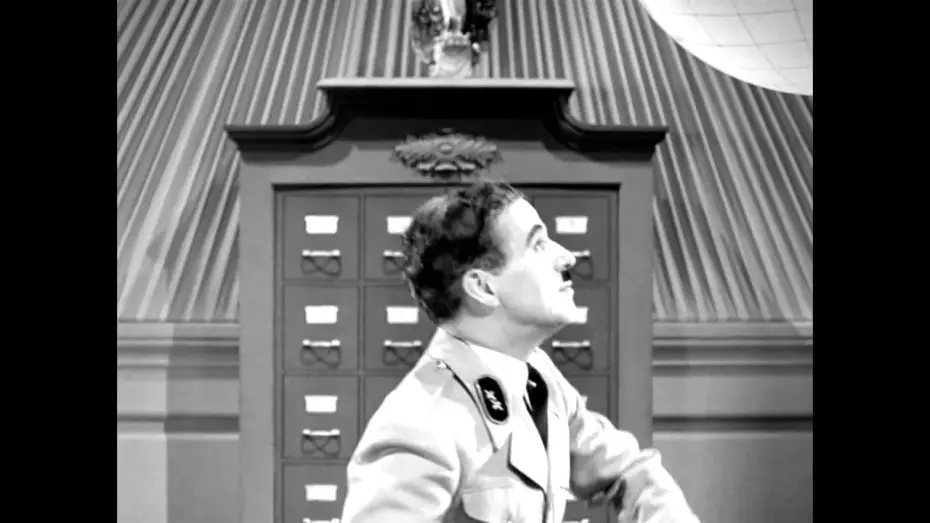
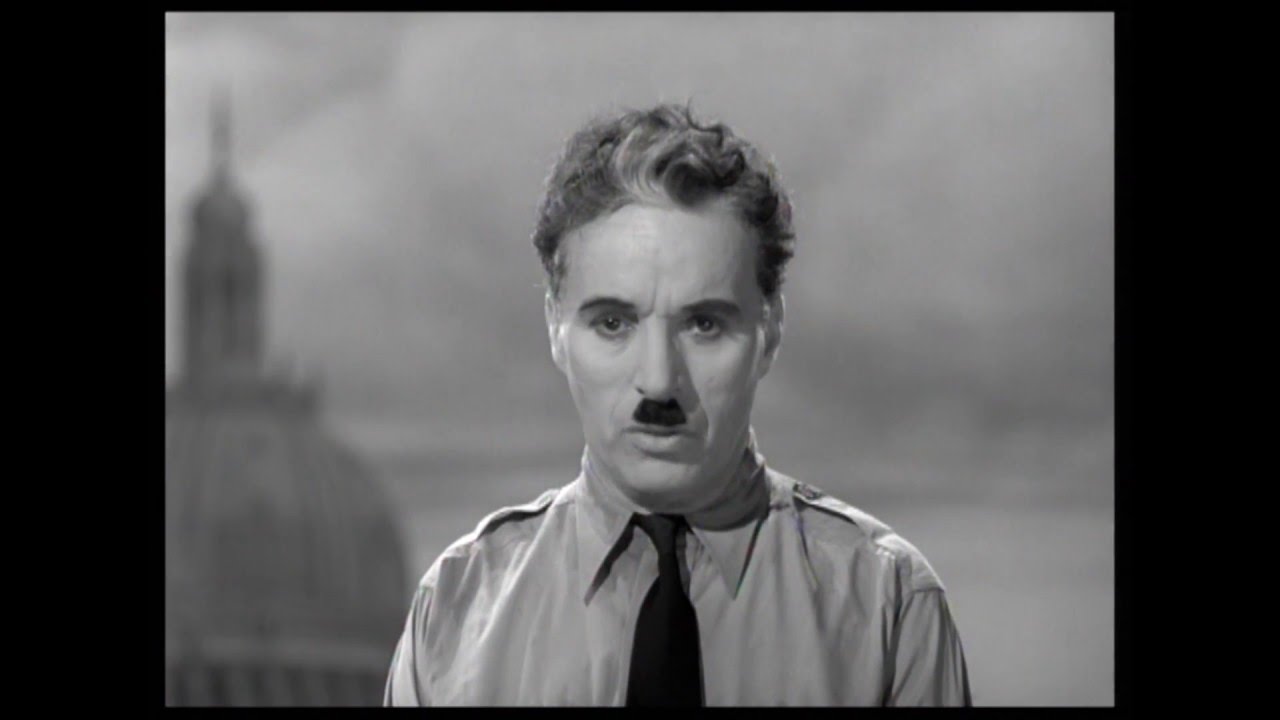
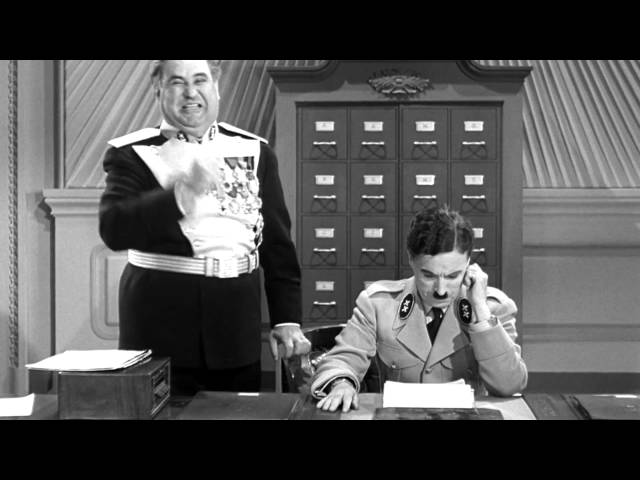

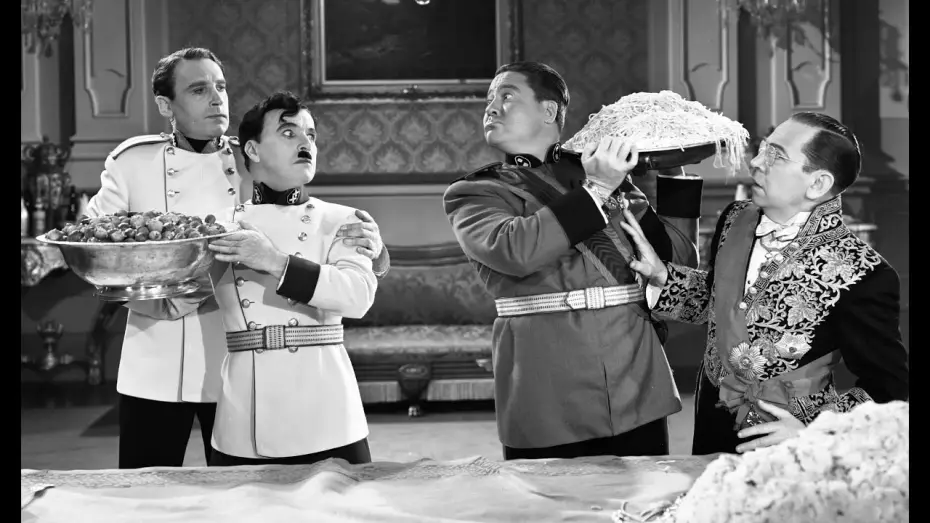
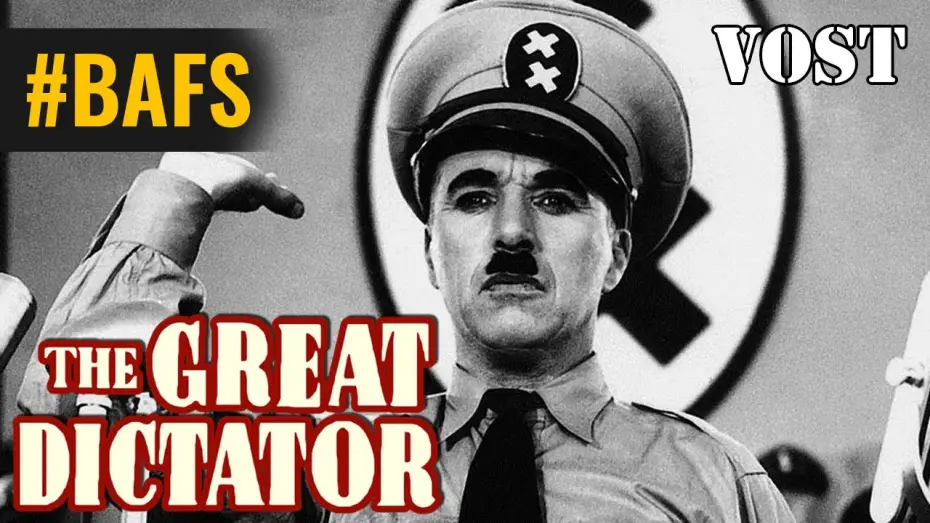
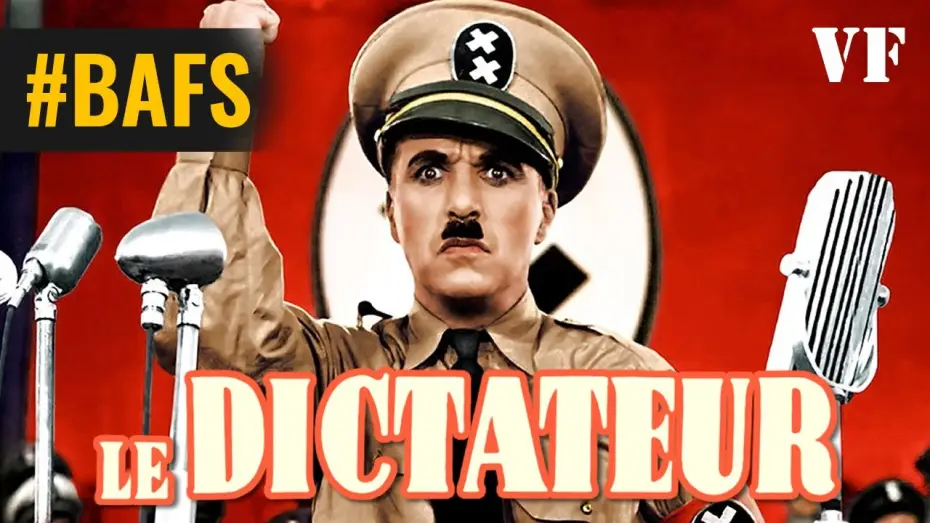
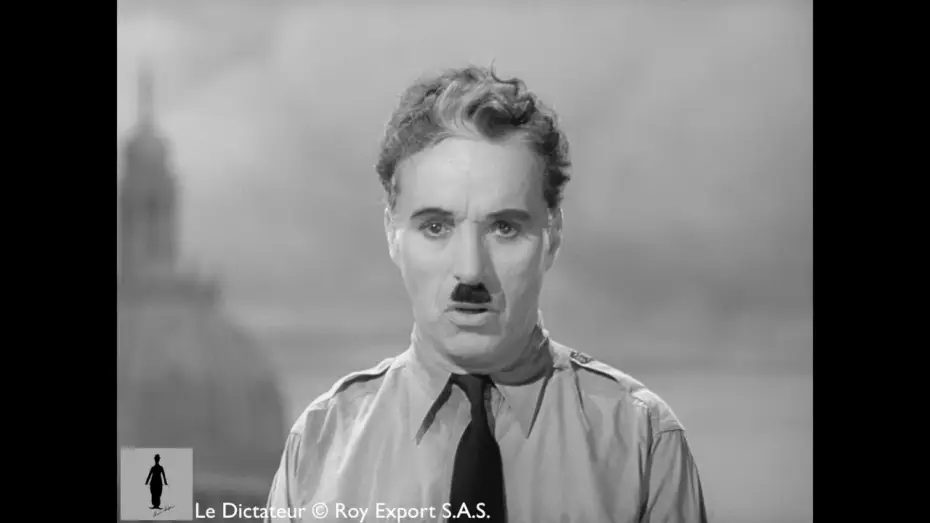
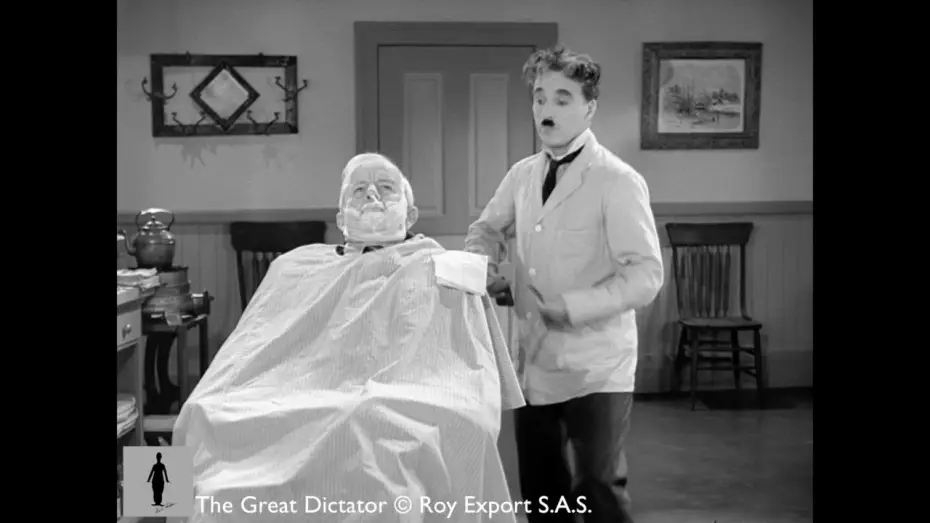
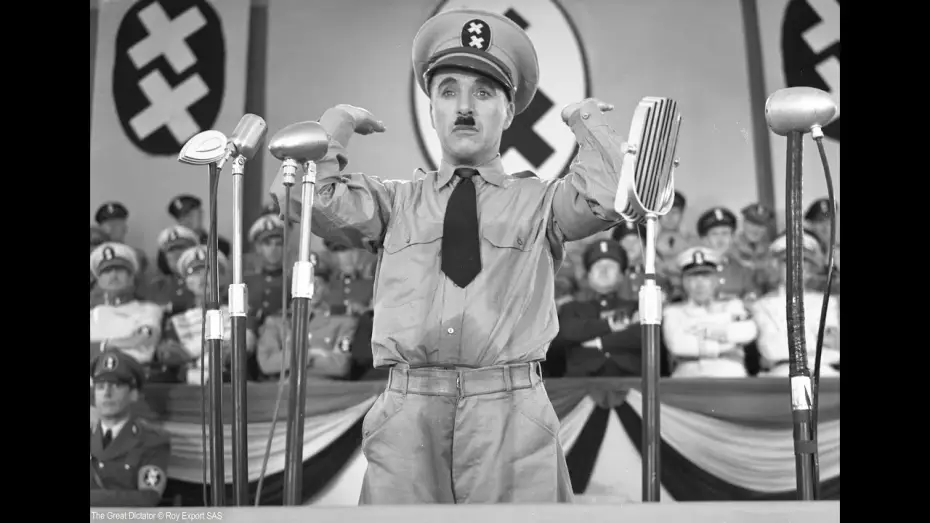
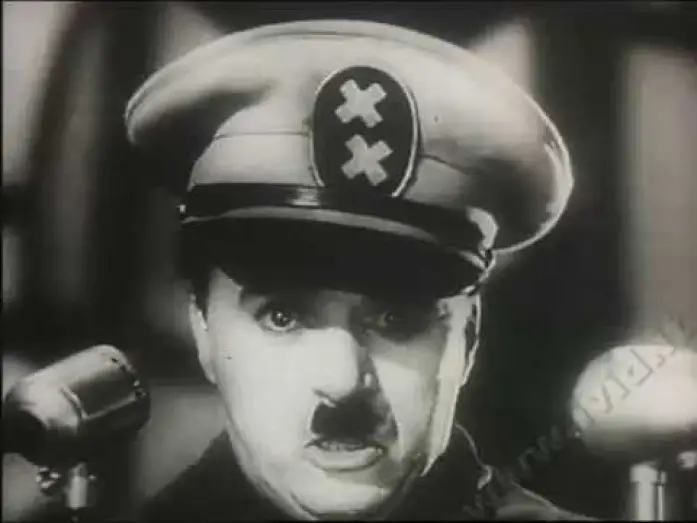
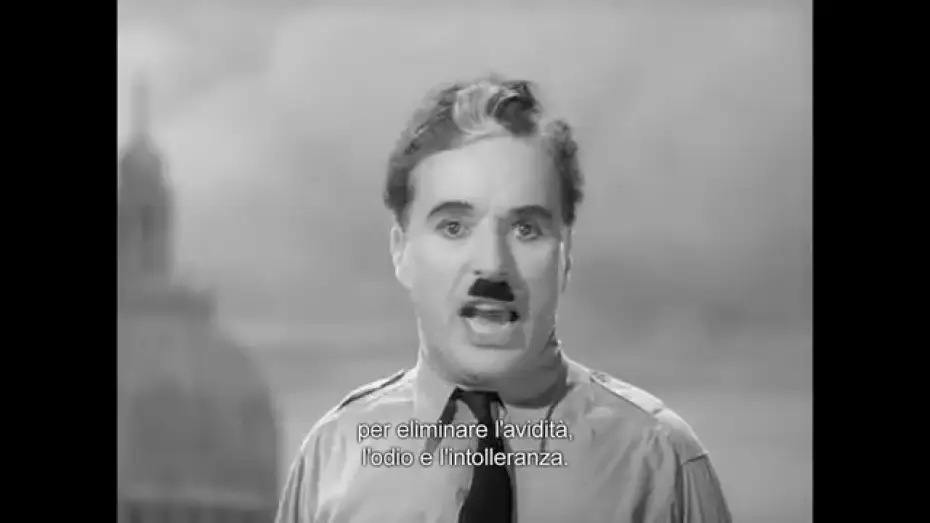
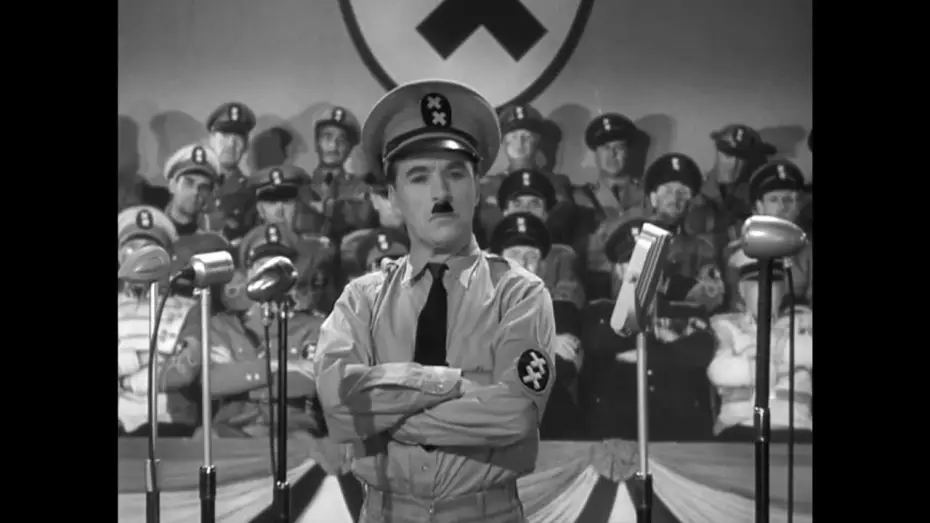
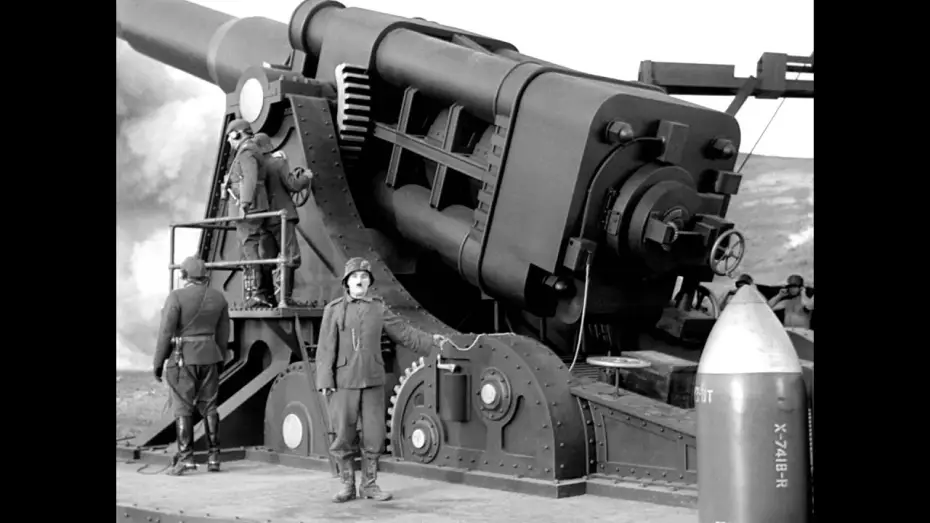
What's left behind the scenes
- The film's creation coincided with growing international tensions. Rumors circulated that this film, like some other anti-fascist films, would not be released to avoid damaging the neutral relations between the USA and Germany. However, this did not happen because Chaplin was financially and creatively independent of other studios. Furthermore, refusing to release the film would have bankrupted Chaplin, as he had invested a million and a half dollars in it.
- The names of Hynkel's associates are similar to the names of Hitler's associates. Garbitsch (which sounds like the English "garbage"), Hynkel's right-hand man, resembles Joseph Goebbels, and Marshal Herring was clearly copied from Luftwaffe chief Hermann Göring. There is also no doubt that Benzino Napaloni was a parody of Benito Mussolini.
- According to the documentary film "The Tramp and the Dictator" (2002), the film was sent to Hitler, and Hitler himself saw the film (this fact is confirmed by witnesses). Chaplin, upon hearing that Hitler had watched the film, said: "I would give anything to know what he thinks of it."
- According to the memoirs of Marshal Mereckov, during the Great Patriotic War, the film was proposed for release in the USSR, but after a private screening for government members, Stalin gave a low assessment of the film's artistic qualities.
- The film was well received after its premiere and was popular with the American public. Critics' reactions were mixed, with many criticizing the speech at the end of the film. Many also considered the portrayal of the stormtroopers in the film to be inaccurate.
- The Jewish audience was touched by the depiction of Jewish characters and their loyalty to duty, which was taboo in Hollywood at the time. In his autobiography, published in 1964, Chaplin wrote: "Of course, if I had known then about the true horrors of the German concentration camps, I could not have made 'The Great Dictator,' I could not have laughed at the Nazis, at their monstrous mania for destruction."
- The film was shown in London during the Battle of Britain and was reportedly helpful in boosting morale.
- The idea for the film arose from the resemblance between the 'Tramp' (Chaplin's character in many films) and Hitler, primarily due to their mustaches. There were other similarities between Chaplin and Hitler: both were born in April 1889 (Chaplin was only four days older than Hitler) and grew up in poverty. Chaplin was also concerned about the growing persecution of Jews in Europe in the 1930s, which he learned about directly from his European Jewish friends and colleagues. Chaplin worked on the script throughout 1938 and 1939.
- Filming began in September 1939, a week after the start of World War II. The film was mostly shot at Chaplin's "Chaplin Studios" and in the vicinity of Los Angeles. By the time filming ended six months later, France had already been captured by the Nazis. The speech at the end of the film was introduced into the script during filming, and was written by Chaplin under the impression of events in Europe.
- This film was Chaplin's first truly sound film (although the era of silent film had already ended in the 1920s), and it also helped Chaplin overcome accusations of Luddism that had been leveled against him after the release of the silent film "Modern Times" in 1936.
- When journalists later asked Chaplin about creating a film with such a sensitive plot, Chaplin replied: "During the creation of the film, I began to receive disturbing letters from 'United Artists'… however, I was determined to finish this film, because Hitler had to be ridiculed."
- The film premiered in France in April 1945, after the liberation of Paris.
- "The Great Dictator" was the last film in which Chaplin used the image of the Tramp.
- The film ends with a scene of the barber, mistaken for a dictator, delivering a speech at a rally concerning Tomania's seizure of Osterlich (a clear reference to the Anschluss of Austria by Germany on March 12, 1938). This speech is often interpreted by critics as an expression of Chaplin's own views. This controversial speech, full of political motives, is often seen as one of the reasons for Chaplin's exile from the United States during the McCarthy era.
- To emphasize his superiority, Hinkel attempts to sit higher than Benzino Napaloni. They then compete in the barbershop – who can sit higher in the rising chair. The idea for the scene came about during Chaplin's meeting with the King of Belgium, who also intentionally sat on a chair with legs higher than Chaplin's.
- The idea for the film arose from the similarity between the "Tramp" (Chaplin's character in many films) and Hitler, primarily due to their mustaches. There were other points of similarity between Chaplin and Hitler: both were born in April 1889 (Chaplin was only four days older than Hitler) and grew up in poverty. Chaplin was also concerned about the growing persecution of Jews in Europe in the 1930s, about which he learned directly from his European Jewish friends and colleagues. Chaplin worked on the screenplay throughout 1938 and 1939.
- This film was Chaplin's first truly sound film (although the era of silent cinema had already ended in the 1920s), and it also helped Chaplin dispel accusations of Luddism that had been leveled against him after the release of the silent film "Modern Times" in 1936.
- When journalists later asked Chaplin about creating a film with such a sensitive plot, Chaplin replied: "During the making of the film, I began to receive anxious letters from 'United Artists'… however, I was determined to finish this film because Hitler had to be ridiculed."
- "The Great Dictator" was the last film in which Chaplin used the image of the Tramp.
Did you like the film?
 Auditions in India
 Casting calls in USA
 Castingi w Polsce
 Кастинги в Україні
